TLP:CLEAR · Disclosure is not limited.
Iran-Israel Conflict: Lebanon and Hormuz Risks Remain Elevated
Time window: Last 1 day · Audience: General analyst · Type: Situation report · DTG: 2026-08-27 16:38Z · Overall confidence: LOW
BLUF
The Iran-Israel conflict is likely to remain active over the next 14 days, with southern Lebanon the most immediate risk of regional widening. Normal commercial traffic through the Strait of Hormuz is unlikely to return quickly, while diplomatic efforts by Pakistan, Qatar, Oman and the US remain insufficiently developed to ensure a durable pause.
Executive summary
Israeli forces conducted airstrikes in southern Lebanon on 27 August, including an attack in Arab Salim that reportedly killed a young woman, and an Israeli ground force accompanied by tanks and bulldozers advanced into Mays al-Jabal. The IDF has also struck Hezbollah after drone launches against its troops. In the Strait of Hormuz, a tanker was reportedly hit on 25 August and caught fire, while Iran continues to contest the terms of maritime access and has published a list of 45 vessels it says violate its shipping rules. Secretary of State Marco Rubio has told allies that new US attacks on Iran are unlikely for the time being, but reporting attributes substantial damage to US intelligence sites and hardware to Iranian attacks. Qatar and other regional powers are seeking an off-ramp, and US-Iran peace talks are expected in Islamabad on Friday, but the supplied reporting contains major date inconsistencies and conflicting accounts of the ceasefire and Hormuz arrangements.
Change from previous assessment
Compared with the 26 August brief, the assessment that the conflict will remain active and that new US strikes are unlikely is unchanged. Confidence in the Hormuz outlook is lowered from medium to low because the current reporting adds a 25 August tanker incident while retaining conflicting claims that the strait is open, blocked or subject to an incomplete Iran-Oman arrangement. This brief adds a more immediate Lebanon-front judgment based on the 27 August strikes in Arab Salim and the advance into Mays al-Jabal. It also adds the Iranian army's claims of restored military systems, the NPT withdrawal debate and the expected Islamabad talks. The prior judgement on Pakistan's mediation remains low confidence because the supplied material confirms expected talks but not diplomatic progress.
Key judgments
- The Lebanon front is likely to remain the most immediate regional widening vector over the next 0-14 days, while the Iran-Israel conflict is likely to remain active. On 27 August, the Israeli army conducted airstrikes in southern Lebanon, an attack in Arab Salim reportedly killed Saja Mousa Sharara and injured six people, and an Israeli ground force with tanks and bulldozers advanced into Mays al-Jabal. The IDF has linked strikes against Hezbollah to drone launches against Israeli troops, while reporting attributes Hezbollah's military decisions directly to the IRGC and says Iran wants fighting in Lebanon to stop as part of any agreement with Washington. The assessment rests on several major-media accounts, but the extent of the ground advance and casualty attribution remain partly single-source and contested. (Confidence: medium · ASSESSED)
- I&W: Additional Israeli ground operations beyond Mays al-Jabal, or repeated Israeli strikes following new Hezbollah drone launches, would confirm continued widening on the Lebanon front. (0-14 days)
- I&W: A 14-day period with no new Hezbollah drone launches, no Israeli strikes in southern Lebanon and withdrawal of the Israeli ground force from Mays al-Jabal would break the assessment. (0-14 days)
- New US strikes on Iran are unlikely over the next 0-14 days, but Iranian attacks on US bases, intelligence sites and Gulf allies are likely to remain a live escalation risk. Marco Rubio told allies that Washington did not expect new attacks for the time being, while reporting says Iran has attacked US allies in the Gulf with thousands of drones and missiles and caused billions of dollars of damage to US intelligence posts and hardware. The US maintains thousands of troops on Middle East bases, leaving a broad set of exposed US and allied locations. The pause assessment relies mainly on Rubio's statement, and the supplied reporting contains unresolved inconsistencies over the conflict's chronology. (Confidence: medium · ASSESSED)
- I&W: A new Iranian missile or drone strike on a named US base, intelligence site or Gulf ally, or a new US strike on a location in Iran, would confirm renewed direct escalation. (0-14 days)
- I&W: No new Iranian attack on a US or Gulf location and no new US strike for 14 consecutive days would break the assessment of near-term active escalation. (0-14 days)
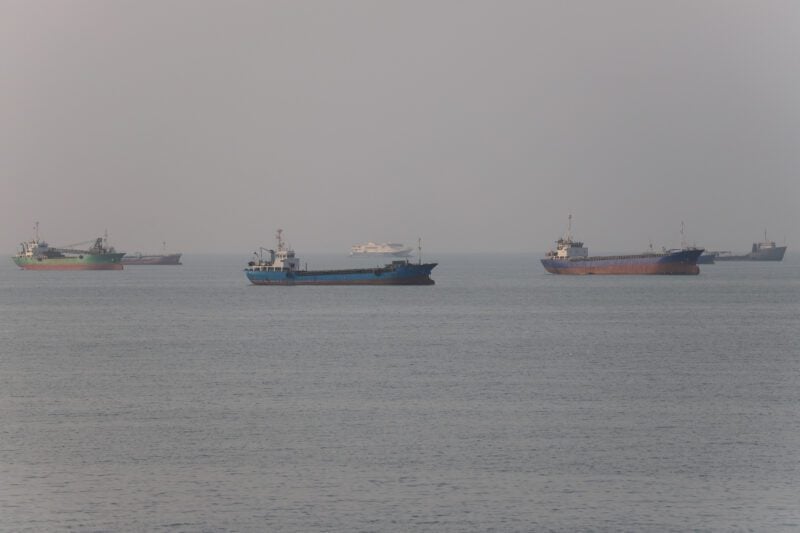
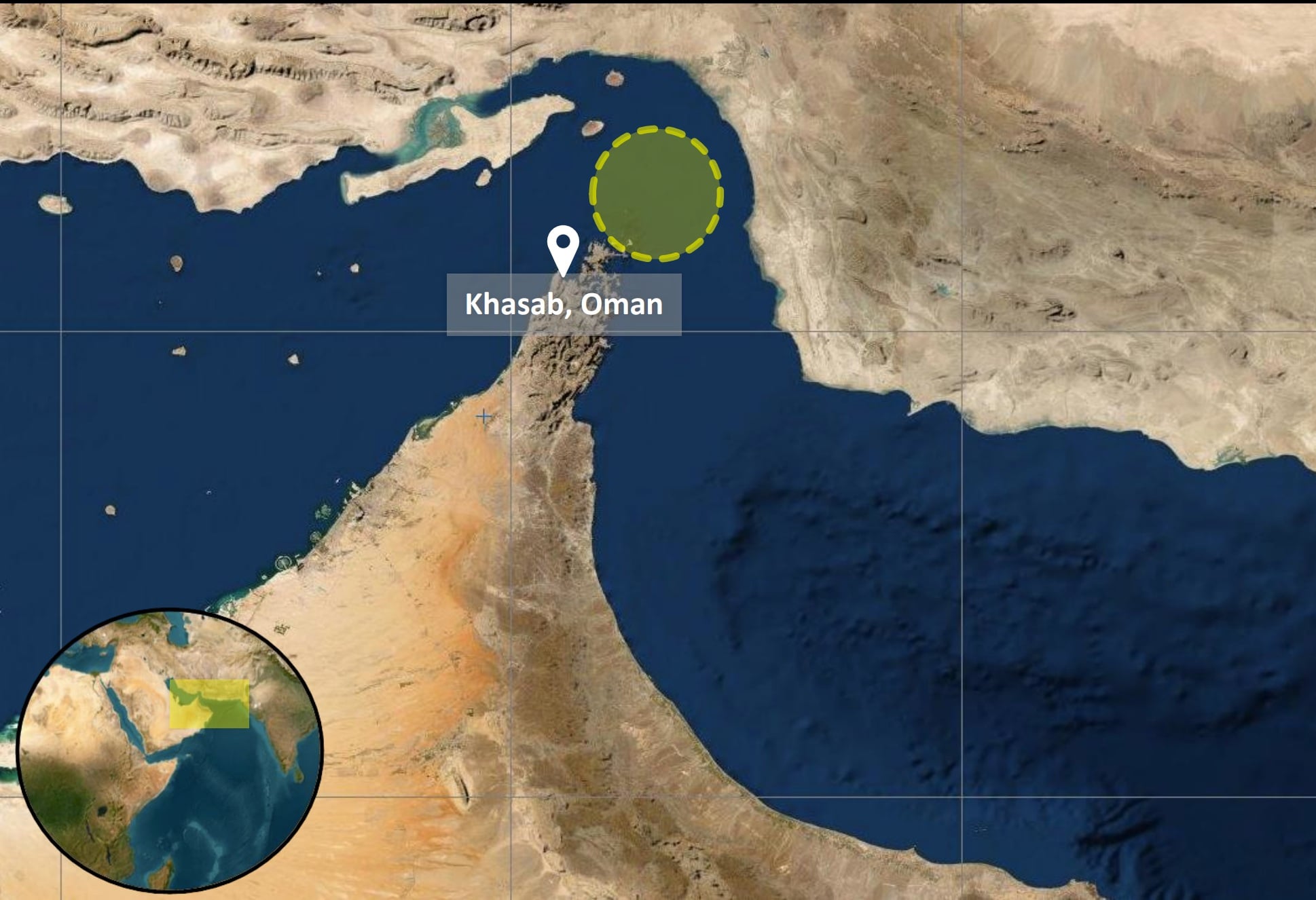
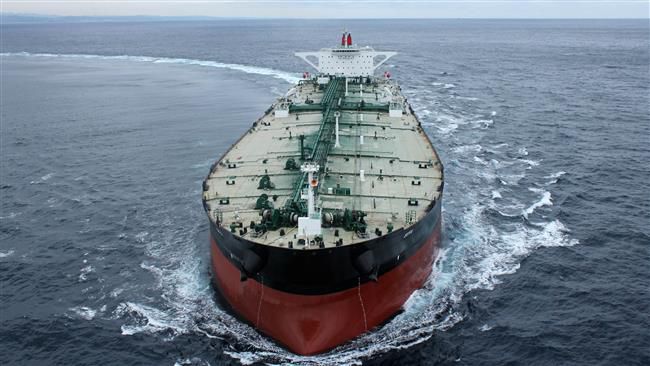
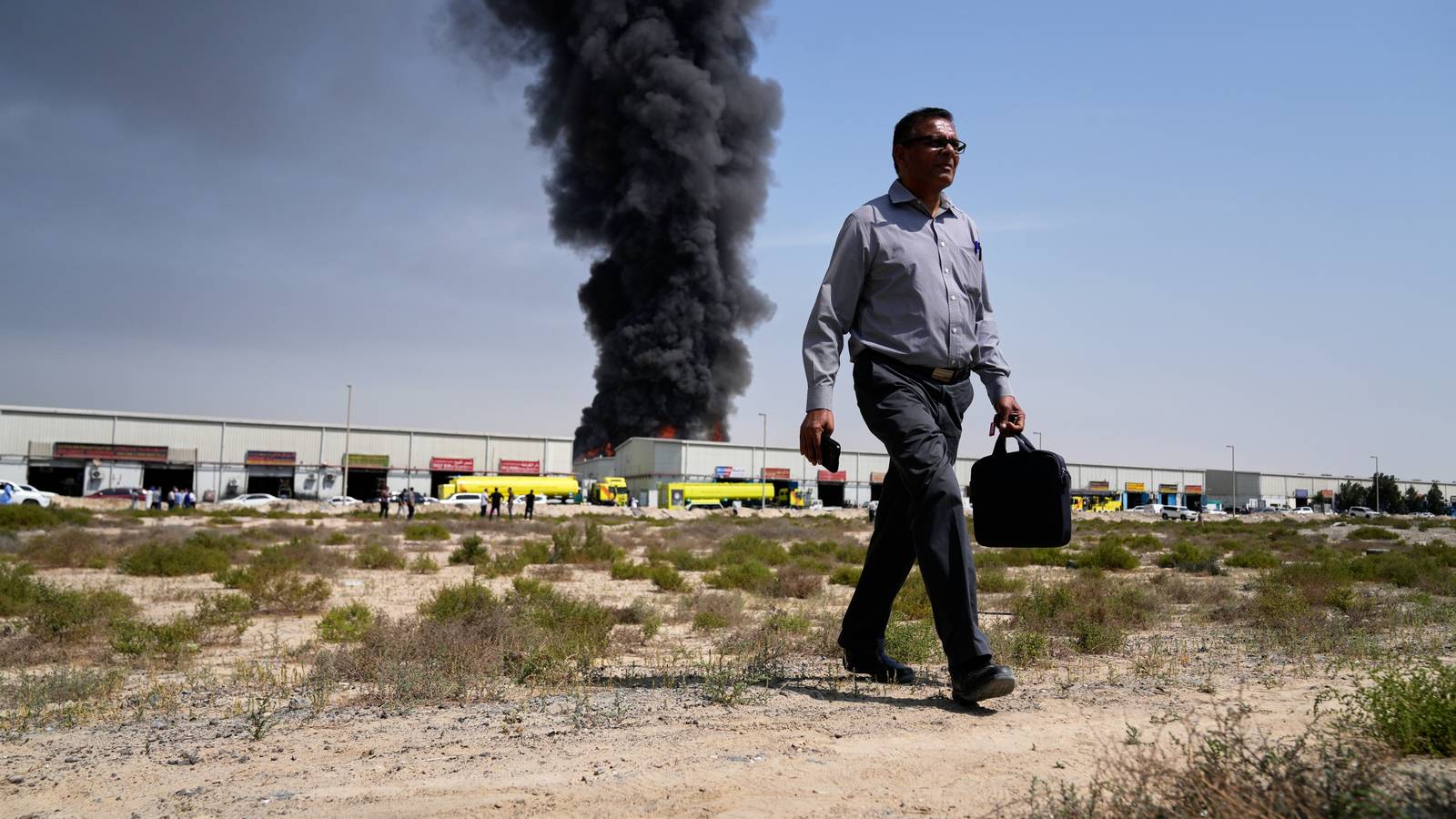
- Normal commercial traffic through the Strait of Hormuz is unlikely to return in the next 0-14 days, while limited and contested passage is likely to continue. An oil tanker was reportedly hit in the strait on 25 August, a fire followed, and the incident remains under investigation. Iran has blocked vessels, published a list of 45 vessels it says breach its rules, and rejected Donald Trump's assertion that the strait is open. Iran and Oman are variously reported to be negotiating the details of an arrangement or to have reached a revenue-sharing agreement, while Tehran says traffic normalisation depends on US compliance with a memorandum of understanding. Confidence is low because the accounts conflict over the status of the waterway, the agreement and the relevant dates. (Confidence: low · ASSESSED)
- I&W: A second tanker incident, additional vessels added to Iran's 45-vessel list, or new carrier suspensions would confirm continued severe disruption. (0-14 days)
- I&W: A published Iran-Oman operating arrangement followed by 14 consecutive days without reported attacks and a sustained increase in safe commercial transits would break the assessment. (0-14 days)
- Iran is likely to sustain bargaining pressure over the next 1-3 months while preserving limited economic and military operating capacity. Iran's oil minister stated on 27 August that sales and deliveries had continued despite a reduction, although Iran reportedly could no longer load oil at Kharg Island because shipping capacity was unavailable. The Iranian army has announced that damaged systems were repaired or rebuilt and that new equipment entered service, while Iran's parliament is debating withdrawal from the NPT. Tehran has dismissed US sanctions efforts, and Iranian officials have threatened to restrict Persian Gulf oil exports and strike energy targets beyond Hormuz. The assessment rests heavily on Iranian official statements and major-media reporting without independent confirmation of military restoration or the scale of continuing oil flows. (Confidence: low · ASSESSED)
- I&W: Iranian parliament advancing the NPT withdrawal bill, further announcements of repaired or newly deployed military systems, or continued Iranian threats against Gulf energy targets would confirm sustained coercive bargaining. (1-3 months)
- I&W: Iran accepting a negotiated settlement, ending threats against Gulf energy and shipping targets, and providing independent evidence of a sustained reduction in military activity would break the assessment. (1-3 months)
- Humanitarian deterioration is likely to remain a destabilising amplifier over the next 1-3 months. The UK Government reports that 59% of Gaza's population faces crisis levels of food insecurity, 1.9 million Palestinians remain displaced and fuel shortages are affecting hospitals and water infrastructure. A supplied report attributes 4,350 deaths and 12,307 injuries in Lebanon to Israeli operations since 2 March 2026, while the 27 August strikes in Arab Salim reportedly killed one woman and injured six people. This assessment draws on UK Government, UN-linked and major-media reporting, but the underlying accounts use different dates and casualty methodologies. (Confidence: medium · ASSESSED)
- I&W: New civilian casualties in southern Lebanon after 27 August, continued Israeli ground activity around Mays al-Jabal, or further reports of Gaza fuel and hospital shortages would confirm worsening humanitarian pressure. (0-14 days)
- I&W: Predictable aid entering Gaza at scale, fuel reaching hospitals and no further reported civilian casualties from Israeli operations in southern Lebanon for 14 days would break the assessment. (0-14 days)
Outlook & scenarios
Contained but Active Conflict (55%)
This is the most likely near-term path. Israel continues strikes against Hezbollah and limited ground activity in southern Lebanon, Iran sustains pressure against US and Gulf-linked targets, and Washington avoids new strikes on Iran. Hormuz remains open only to limited, contested commercial passage.
Negotiated Pause and Partial Maritime Reopening (30%)
Pakistan hosts the expected US-Iran talks in Islamabad, while Qatar and Oman press for an off-ramp. Iran and Oman settle operating terms for Hormuz, tanker incidents stop, and commercial traffic increases. The arrangement remains fragile, and normal traffic does not return immediately.
Wider Regional Escalation (15%)
A new Iranian strike on a US base, Gulf ally or energy facility triggers additional US or Israeli action. Hezbollah increases attacks from Lebanon, Israel expands operations around Mays al-Jabal, and tanker incidents drive further reductions in Hormuz traffic. Civilian casualties and pressure on regional governments rise.
Low-Probability, High-Impact Strategic Break (5%)
Iran's parliament advances withdrawal from the NPT while Iranian leaders act on threats against energy targets beyond Hormuz or Bulgaria. Israel and the US respond with additional military pressure, the Islamabad talks fail, and maritime and energy disruption spread beyond the Persian Gulf.
Recommendations
- Maintain a single dated incident timeline for southern Lebanon, the Strait of Hormuz and US-Iran diplomacy. Reconcile the 25 August tanker report with older tanker accounts, and separate the announced April ceasefire from the expected Friday Islamabad talks before revising the baseline assessment.
- Treat Hormuz as constrained rather than fully open for near-term analysis. Track UKMTO reports, new entries on Iran's 45-vessel list, Iran-Oman statements on revenue sharing and the number of consecutive days without tanker incidents.
- Prioritise collection on Mays al-Jabal, Arab Salim and the locations of Hezbollah drone launches. Distinguish Israeli military claims, Lebanese health reporting and independent casualty confirmation in future updates.
- Monitor US force-protection implications from reported damage to intelligence sites and hardware, and track changes in Patriot and THAAD interceptor availability in the Middle East and Europe before assessing the likelihood of additional US strikes.
- Track the Islamabad talks led by Vice President Vance, Qatar's diplomatic activity and Oman's negotiations with Iran. Treat a final written arrangement, Iranian acceptance of US conditions and verified safe commercial transits as separate milestones.
- Elevate humanitarian indicators into the regional escalation watchlist. Record Gaza fuel and hospital conditions, the scale of aid entry and new civilian casualties in southern Lebanon alongside military developments.
Confidence & uncertainty
Confidence is low because the strongest current reporting is unevenly corroborated. AP, official government and military sources support several developments, but key judgments also rely on single-source major-media accounts and official assertions from the parties to the conflict. The dataset mixes 2023, 2025 and 2026 dates, and contains unresolved contradictions over the ceasefire timeline, tanker incidents, the status of Hormuz and the attribution of some Lebanese casualties.
Intelligence gaps
- [EEI 1.1 · UNCOVERED] Observed repositioning, sustained increases, or new forward basing of Iranian conventional or IRGC forces (armored units, missile batteries, aircraft, naval vessels) toward borders or regional launch points. Recommended collection: IMINT/satellite
- [EEI 1.2 · PARTIAL] Hezbollah or other Iran-aligned proxy forces conducting mass mobilization, visible rocket/artillery emplacements, cross-border firing incidents, or preparations for cross-border operations from Lebanon, Syria, Iraq or Yemen. Recommended collection: HUMINT/ground ISR
- [EEI 1.3 · PARTIAL] Detection of increased missile/rocket/torpedo launch events attributable to Iran, Israel, or proxies (launch signatures, trajectories, impact points) indicating a sustained campaign rather than isolated strikes. Recommended collection: SIGINT/IMINT/air-defense radar
- [EEI 1.4 · PARTIAL] Interdicted or observed shipments (air, sea, land manifests, seizures, satellite imagery of transfers) of advanced weapons or missile components from Iran toward proxy groups or forward staging points. Recommended collection: maritime/AIS
- [EEI 2.1 · UNCOVERED] Satellite or on-the-ground imagery showing fires, damage, or operational shutdown at major oil export facilities, refineries, storage terminals, or key pipeline infrastructure in the Gulf and Red Sea. Recommended collection: IMINT/satellite
- [EEI 2.3 · PARTIAL] Significant and sustained reductions or rerouting of tanker transits through the Strait of Hormuz (ship traffic counts, pilot reports, port call cancellations) and announcements of closure or restricted navigation zones (NOTAMs, maritime advisories). Recommended collection: maritime/NOTAMs
- [EEI 2.4 · UNCOVERED] Rapid increases in war-risk insurance premiums for Middle East routes, shipping company advisories to avoid region, or major charter cancellations tied to the conflict. Recommended collection: financial/open-source
- [EEI 3.1 · UNCOVERED] Movement/arrival of major foreign military assets into the region: US carrier strike groups, amphibious ready groups, strategic bomber flights, Russian/Chinese naval taskings, or allied expeditionary units (visible in AIS, NOTAMs, satellite imagery, official releases). Recommended collection: IMINT/satellite
- [EEI 3.2 · PARTIAL] Official expedited arms transfers, basing/overflight agreements, or declarations of operational support (formal government announcements, defense ministry releases, logistics flight manifests). Recommended collection: open-source/diplomatic
- [EEI 3.3 · UNCOVERED] Embassy evacuations, large-scale personnel movements, issuance of government travel bans/advisories, or multinational security alerts affecting foreign nationals and diplomatic posture in the region. Recommended collection: diplomatic/open-source
Cited sources
[1] The Jerusalem Post · Live Updates: Latest from Israel, Iran, and the Middle East | The Jerusalem Post (A) · sha256:dafe909f004b [2] Al Jazeera · بزعم الرد على مسيّرات. إسرائيل تقتل عروسا بغارات مكثفة على جنوب لبنان (A) · sha256:0d1c6784381b [3] rferl.org · Baltic States Arm For Russian Threat As Leaked Letter Shows Growing Fears (B) · sha256:6c9f14b6c8d2 [4] newsabah.com · حزب الله وإسرائيل. تحذيرات من امتداد المواجهة إلى بيروت (B) · sha256:bf3c0a24c388 [5] HuffPost · After 6 Months Of Iran War, U.S. Goals Have Shifted. The Strait Of Hormuz Is Now A Top Concern. (B) · sha256:8e049f320b18 [6] Detroit News · Six consequences after six months of war in Iran (B) · sha256:c3b39b6c8856 [7] jpost.com · Iranian attacks caused billions in damages to US intelligence sites and hardware - report (B) · sha256:7953eba30730 [8] Associated Press · Regional powers seek off-ramp from Iran war, and other Middle East developments (A) · sha256:52a0930ede50 [9] maritime-executive.com · Tanker Hit By "Unknown Projectile" in Strait of Hormuz (B) · sha256:7019d36379fe [10] cnn.com · ‘We will retaliate like an earthquake:’ How Iran could respond to Trump’s economic ‘D-Day’ | CNN (A) · sha256:e2532a4d79dc [11] gcaptain.com · Iran, Oman Agree to Share Strait of Hormuz Revenue (B) · sha256:b26ea75e2e2b [12] Associated Press · Iran Scrambles to Sustain Trade as US Threatens to Sanction Countries That Refuse to Break Ties (A) · sha256:4a9bdfd21dc3 [13] maritime-executive.com · Iran's Floating Oil Storage Shrinks to Five-Month Supply (B) · sha256:234e2cdb565d [14] elmaser.com · إيران تعلن إعادة بناء منظوماتها العسكرية المتضررة ورفع جاهزية قواتها | المصير (B) · sha256:af4474b8d76c [15] UK Government · Both parties must fulfil their commitments under Resolution 2803 and refrain from actions that undermine peace: UK statement at the UN Security Council (A) · sha256:22593220c0b4
Source content hashes were computed at collection time; the cited text is preserved unmodified for the life of this product.
TLP:CLEAR