TLP:CLEAR · Disclosure is not limited.
Iran-Israel Conflict: Maritime and Regional Spillover Risks
Time window: Last 1 day · Audience: General analyst · Type: Situation report · DTG: 2026-09-17 21:38Z · Overall confidence: HIGH
BLUF
US-Israel-Iran hostilities are very likely to remain active over the next 0-14 days, while Houthi advances in western Yemen increase pressure on Saudi energy infrastructure and shipping. The Strait of Hormuz is likely to remain severely constrained rather than fully closed, and Chinese diplomatic pressure is unlikely to produce a comprehensive de-escalation agreement in the near term.
Executive summary
The conflict is generating simultaneous military, maritime and humanitarian pressure. The International Maritime Organization has verified 80 attacks on shipping around the Strait of Hormuz since 28 February, with at least 22 seafarers killed, while US reporting indicates that oil flows continue at up to 18 million barrels in a day and average 11 million barrels over seven days. The Houthis have captured Mocha, moved onto islands around the Bab el-Mandeb Strait and advanced towards Marib. UNICEF reports more than 57,000 displaced children in Yemen over two weeks, alongside disrupted health and education services. China is pressing Iran to restrain the Houthis, but Tehran continues to link regional stability to ending the US-Israeli war, and Reuters reports that no US-Iran negotiations have taken place since June.
Change from previous assessment
Since the 16 September brief, the assessment has shifted from general regional instability to a more clearly multi-front crisis. The Houthi judgment now includes reported captures along the Red Sea coast and movement towards Marib. The humanitarian assessment has been expanded after UNICEF reported more than 57,000 displaced children, disrupted health facilities and school closures in Yemen. The Hormuz assessment is sharpened from severe constraint to a direct contest between closure claims and reported flows of 18 million barrels in one day and 11 million barrels on a seven-day average. Confidence in the headline assessment is raised to high because new multilateral reporting and separate maritime and wire reports corroborate the main developments. The prior judgement that comprehensive de-escalation is very unlikely remains, with greater weight now given to China's request to Iran and the absence of US-Iran negotiations since June.
Key judgments
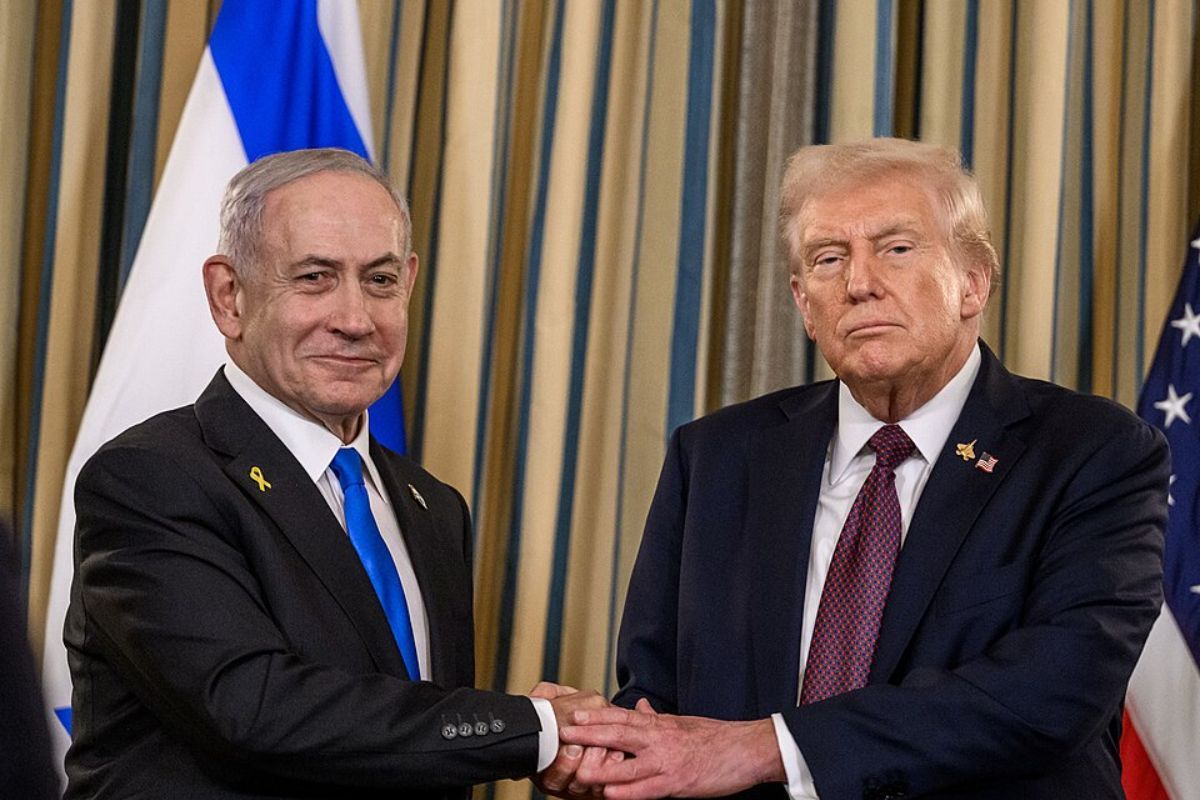
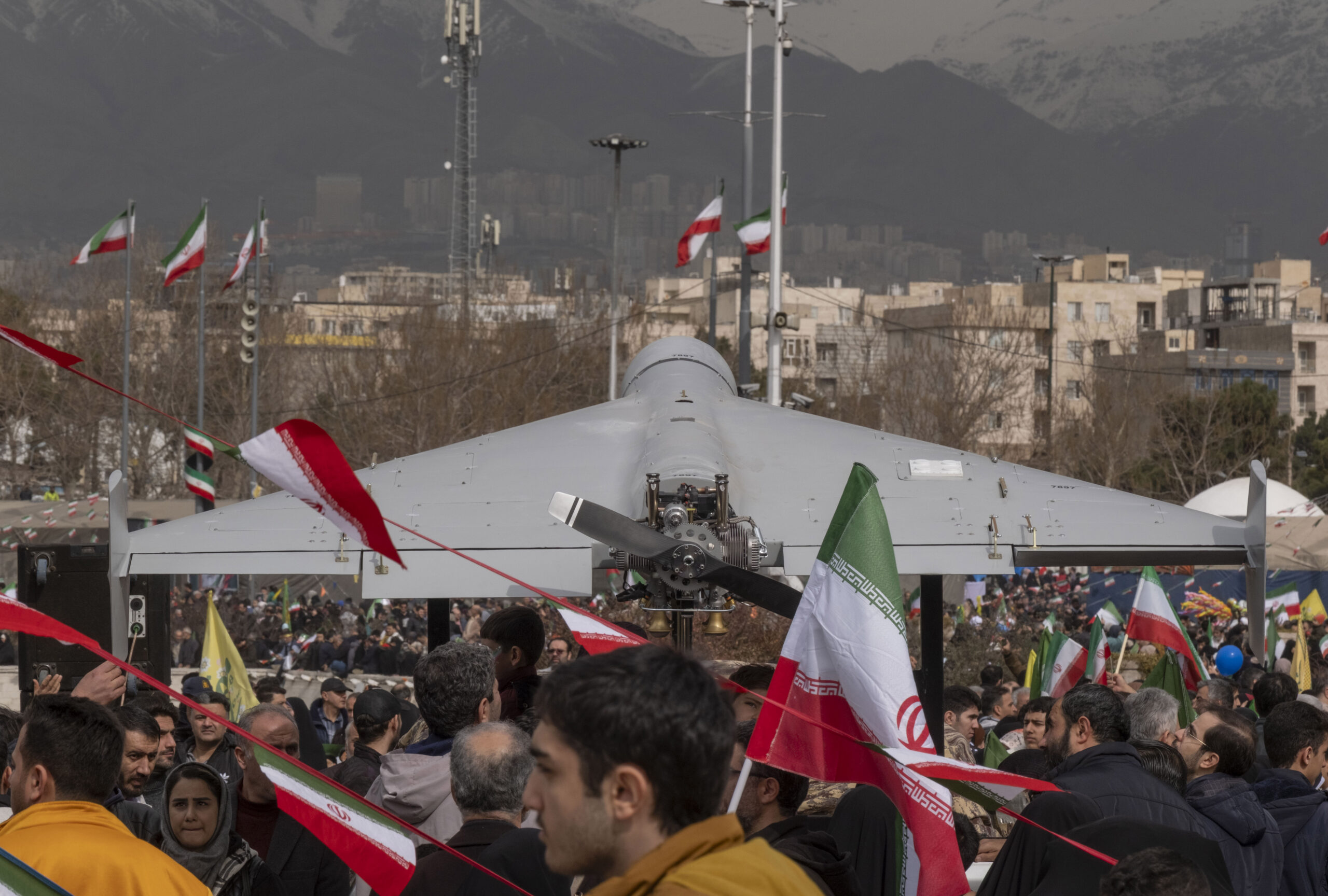
- US-Israel-Iran hostilities are very likely to remain active over the next 0-14 days. Israel's Prime Minister Benjamin Netanyahu has instructed the IDF to prepare for the toppling of the Iranian regime. Iranian parliamentary speaker Mohammad Bagher Ghalibaf declared on 6 September that the era of proportionate responses was over, while a separate assessment describes Iran's shift towards a persistent counter-escalation strategy. Mohammad Bagher Zolghadr has demanded that the Strait of Hormuz remain closed until Donald Trump and Benjamin Netanyahu leave power. This is an assessed continuation of the conflict, not a report of a new strike during the reporting window. (Confidence: medium · ASSESSED)
- I&W: Confirm: US or Israeli authorities report additional strikes on Iranian targets, or Iranian authorities report attacks on Israel or Gulf states hosting US forces. (0-14 days)
- I&W: Break: Iran, Israel and the United States announce and observe a verified cessation of offensive operations for 14 consecutive days. (0-14 days)
- The Strait of Hormuz is very likely to remain severely constrained rather than fully closed over the next 0-14 days. The IMO has verified 80 attacks on international shipping and at least 22 seafarer deaths since 28 February. At the same time, US Energy Secretary Chris Wright reported 18 million barrels of crude and products transited the strait in one day, with a seven-day average of 11 million barrels. Claims that Iran has effectively shut the waterway therefore remain contested by reported flows, and confidence is reduced by this unresolved contradiction. (Confidence: medium · ASSESSED)
- I&W: Confirm: IMO or commercial traffic reporting records another verified attack near Hormuz, or daily oil flows fall below the reported seven-day average of 11 million barrels per day. (0-14 days)
- I&W: Break: traffic remains at or above 11 million barrels per day for 14 days and the IMO records no additional verified attacks. (0-14 days)
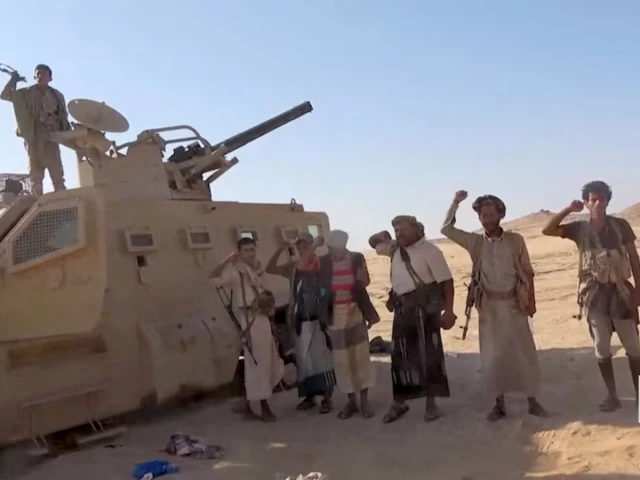
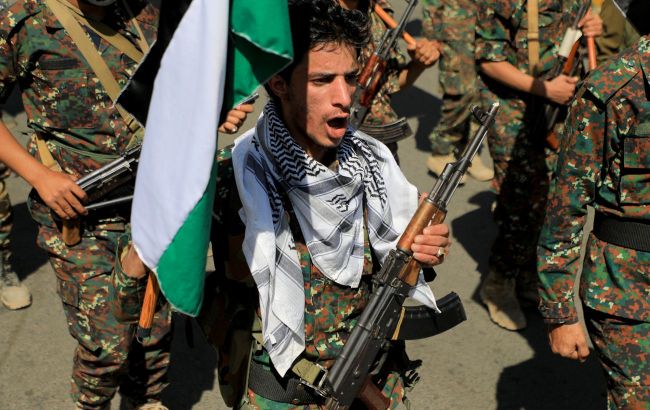
- Houthi territorial gains in western Yemen are likely to continue placing pressure on Saudi shipping and energy infrastructure over the next 0-14 days. Reporting describes rapid Houthi advances along the Red Sea coast, the capture of Mocha and islands around the Bab el-Mandeb Strait, and movement towards Marib, the last major stronghold of forces loyal to the Riyadh-backed government. The Houthis have limited their declared naval blockade to Saudi vessels while telling US officials in Oman that they would not target American or Israeli vessels. Claims of attacks on Yanbu and Khamis Mushait remain unconfirmed by Saudi Arabia, while Riyadh's allegation of an attack targeting Mecca was denied by the Houthis. (Confidence: medium · ASSESSED)
- I&W: Confirm: Houthi forces seize additional positions on routes towards Marib or Saudi Arabia independently corroborates attacks on Yanbu, Khamis Mushait or Saudi shipping. (0-14 days)
- I&W: Break: Houthi leaders publicly lift the Saudi-only blockade, halt attacks on Saudi assets and report a withdrawal from newly seized positions. (0-30 days)
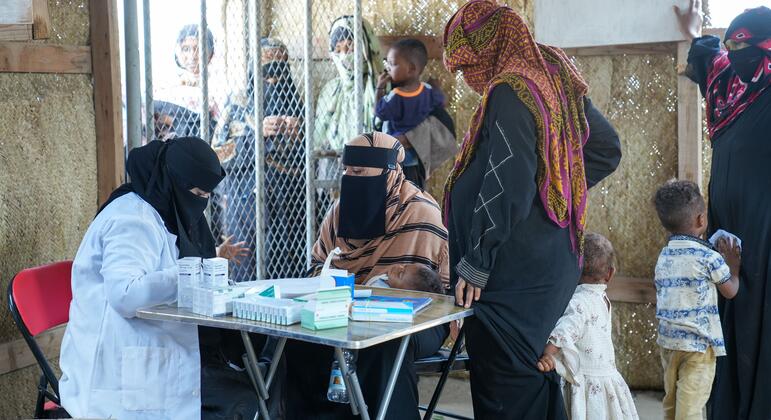
- Humanitarian pressure in Yemen and Iran is very likely to remain high and worsen over the next 1-3 months. UNICEF reports more than 57,000 children displaced in Yemen during the past two weeks, tens of thousands of families displaced across Taiz, Hudaydah and Marib, disruption at 26 supported health facilities, and closure or suspension of classes at 243 schools affecting more than 137,000 students. In Iran, the UN fact-finding mission reported killings on a massive scale, at least 221 children killed, attacks on health facilities and arbitrary detention of tens of thousands. This assessment rests on multiple high-reliability multilateral reports, although the Yemen displacement totals have different scopes and timeframes. (Confidence: high · ASSESSED)
- I&W: Confirm: UNICEF reports additional child displacement beyond 57,000, or records further closures among the 26 health facilities and 243 schools already affected. (0-30 days)
- I&W: Break: UNICEF reports sustained returns of displaced families and reopening of affected health facilities and schools, while the UN mission records no new pattern of mass killings or arbitrary detention in Iran. (1-3 months)
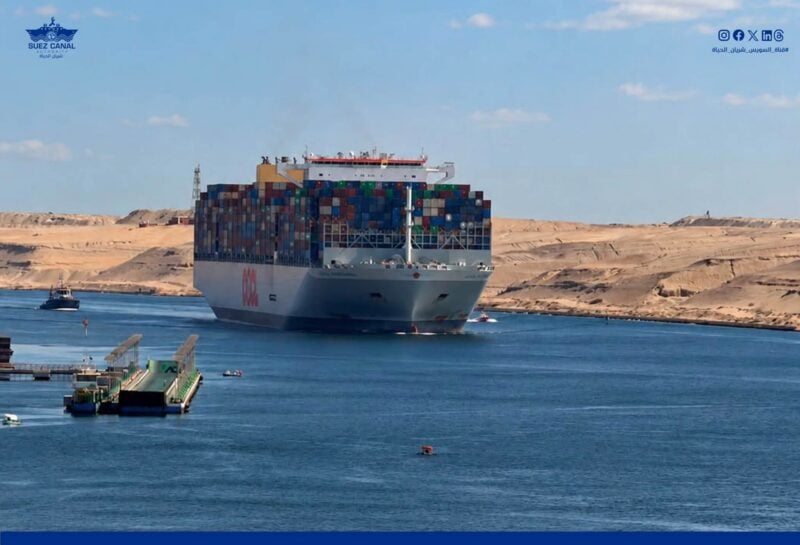
- Regional energy and logistics disruption is likely to persist for the next 1-3 months, while partial adaptation is likely to limit rather than eliminate the interruption. Saudi Arabia shut the East-West pipeline after drone strikes and is seeking to restore about half its capacity within days. Saudi Arabia has also sold oil for collection outside Hormuz. In the Suez Canal, 39 ships carrying 2.3 million net tons transited on 16 September, and Maersk and Hapag-Lloyd announced that four Gemini services would return from the Cape of Good Hope. The outlook remains exposed to renewed attacks, and reporting differs on pipeline attribution and the direction of oil prices. (Confidence: medium · ASSESSED)
- I&W: Confirm: Saudi Arabia does not restore roughly half of East-West pipeline capacity within the stated timeframe, or Maersk and Hapag-Lloyd reroute the four named services away from the Suez Canal. (0-30 days)
- I&W: Break: Saudi Arabia confirms restoration of about half the pipeline capacity and the named carriers maintain Suez routing without a new verified attack in the Red Sea. (0-30 days)
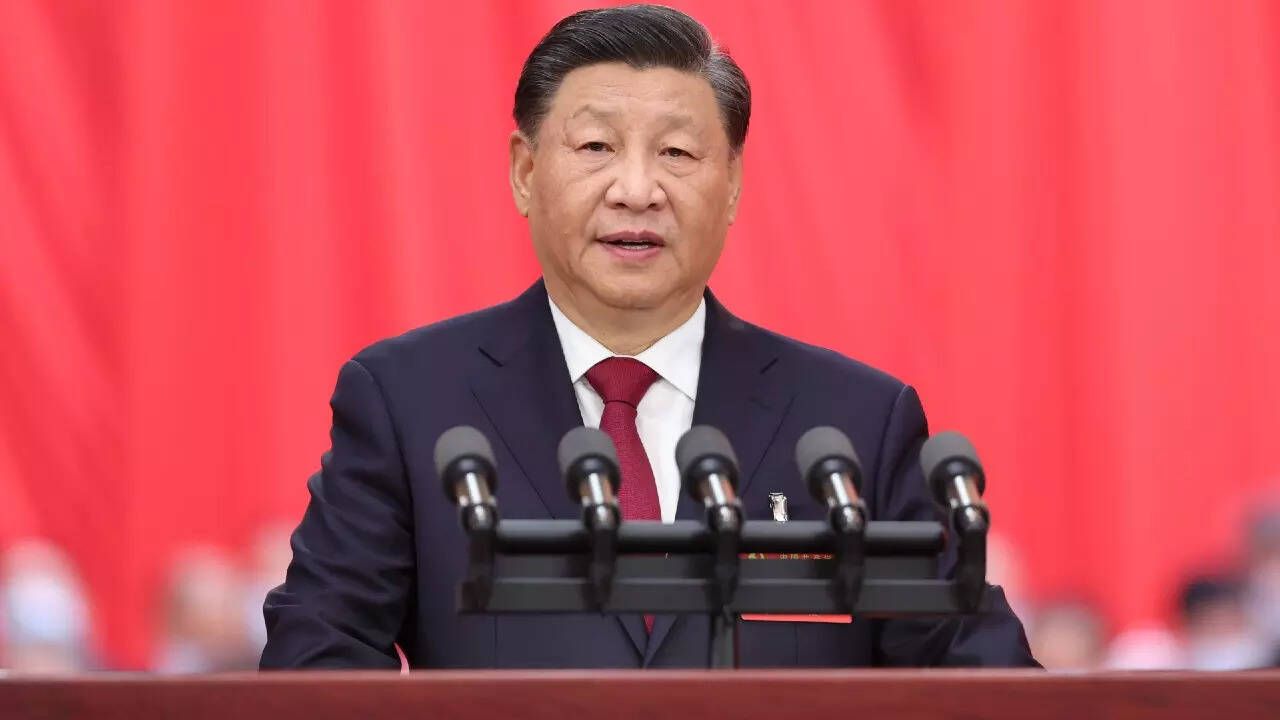
- Chinese pressure on Iran and planned US-Gulf diplomacy are likely to continue, but a comprehensive de-escalation agreement is very unlikely over the next 0-14 days. China has privately asked Iran to restrain the Houthis after an appeal from Saudi Arabia, and Iranian Foreign Minister Abbas Araqchi visited China on 16 September. Tehran responded that regional stability depends on ending the US-Israeli war on Iran. Reuters reports that no US-Iran negotiations have taken place since June, despite Donald Trump's statement that Iran wants a deal and his expected meeting with Gulf leaders in New York on 22 September. The timing of China's approach is disputed in the reporting, lowering confidence in the chronology but not in the existence of the diplomatic channel. (Confidence: medium · ASSESSED)
- I&W: Confirm: the 22 September US-Gulf meeting produces no direct US-Iran negotiating channel and Houthi operations against Saudi assets continue. (0-14 days)
- I&W: Break: the United States and Iran announce direct negotiations, and China reports a verifiable Houthi halt to attacks or withdrawal from recently seized positions. (0-14 days)
Outlook & scenarios
Continued multi-front attrition (55%)
Iran, Israel and the United States maintain offensive operations, while Iran keeps Hormuz severely constrained and the Houthis consolidate positions along the Red Sea coast and towards Marib. Shipping attacks, displacement in Yemen and energy-market pressure continue without a comprehensive ceasefire.
Managed maritime containment (20%)
China's pressure produces limited Iranian action against Houthi attacks on Saudi assets, while the Houthis continue avoiding American and Israeli vessels. Saudi pipeline repairs and returning Suez services moderate energy and logistics disruption, but direct US-Iran negotiations remain absent.
Partial diplomatic de-escalation (17%)
The 22 September meeting between Donald Trump and Gulf leaders contributes to a direct diplomatic channel with Iran. China obtains a temporary Houthi halt, Hormuz traffic rises from the reported seven-day average of 11 million barrels per day, and humanitarian access improves without resolving the wider conflict.
Wildcard: rapid regional widening (8%)
A new verified attack on merchant shipping or Saudi energy infrastructure triggers a broader US or Saudi military response. The Houthi blockade expands beyond Saudi vessels, Hormuz flows fall sharply below the reported 11 million barrels per day average, and displacement and civilian casualties accelerate across Yemen.
Recommendations
- Maintain a daily maritime picture covering the Strait of Hormuz, Bab el-Mandeb and the Suez Canal. Record IMO-verified attacks, reported oil flows, Saudi East-West pipeline capacity, named carrier routing and Houthi territorial movements around Mocha, the Bab el-Mandeb islands and Marib.
- Describe Hormuz as constrained rather than closed in analytic products until traffic data reconcile the closure claims with the reported 18 million barrel daily movement and 11 million barrel seven-day average.
- Prioritise collection on Houthi operations against Saudi assets. Separate Saudi accusations, Houthi claims and independently corroborated events, especially for Yanbu, Khamis Mushait, Mecca and the East-West pipeline.
- Set a humanitarian warning threshold for additional UNICEF reporting on child displacement, health-facility disruption, school closures and arrivals in Djibouti. Track Taiz, Hudaydah and Marib separately rather than combining displacement figures with different scopes.
- Prepare a diplomatic readout for the expected 22 September meeting between Donald Trump and Gulf leaders. Assess whether the meeting produces direct US-Iran contact, a Chinese-Iranian implementation mechanism or only further political statements.
- Add maritime cyber incidents to the regional watch. Track the nearly 20 vessels under US government review, Coast Guard boardings and any change from the current assessment that no operational disruption or physical danger to crews has been reported.
Confidence & uncertainty
Overall confidence is high because the core developments are supported by multiple high-reliability multilateral sources, including the IMO, UNICEF and the UN fact-finding mission on Iran, with additional corroboration from Reuters, other wire reporting and maritime trade sources. The main uncertainties concern the extent of the Hormuz closure, the attribution of the Saudi pipeline attack, the location and confirmation of Houthi strikes, the timing of China's approach to Iran and inconsistent market reporting on oil prices. These uncertainties lower confidence in some forward-looking judgments but do not alter the broader assessment of sustained regional instability.
Intelligence gaps
- [EEI 1.1 · UNCOVERED] Observed repositioning, sustained increases, or new forward basing of Iranian conventional or IRGC forces (armored units, missile batteries, aircraft, naval vessels) toward borders or regional launch points. Recommended collection: IMINT/satellite
- [EEI 1.3 · PARTIAL] Detection of increased missile/rocket/torpedo launch events attributable to Iran, Israel, or proxies (launch signatures, trajectories, impact points) indicating a sustained campaign rather than isolated strikes. Recommended collection: SIGINT/IMINT/air-defense radar
- [EEI 1.4 · UNCOVERED] Interdicted or observed shipments (air, sea, land manifests, seizures, satellite imagery of transfers) of advanced weapons or missile components from Iran toward proxy groups or forward staging points. Recommended collection: maritime/AIS
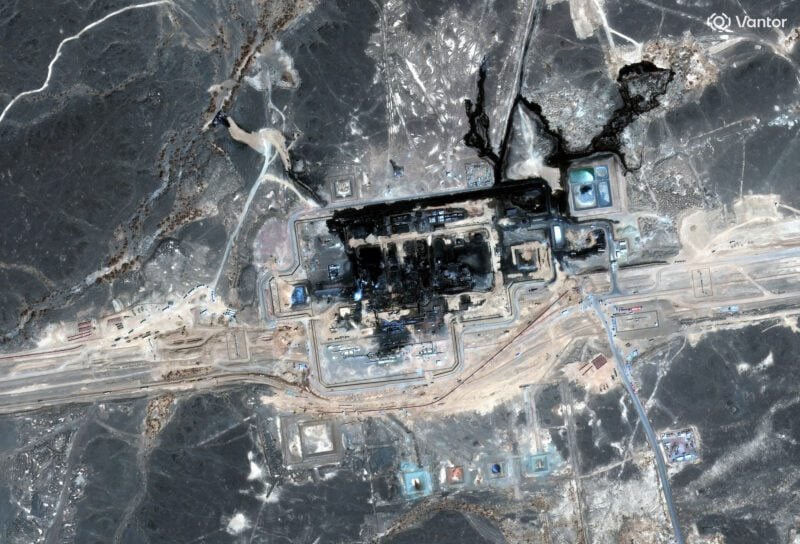
- [EEI 2.1 · PARTIAL] Satellite or on-the-ground imagery showing fires, damage, or operational shutdown at major oil export facilities, refineries, storage terminals, or key pipeline infrastructure in the Gulf and Red Sea. Recommended collection: IMINT/satellite
- [EEI 2.4 · UNCOVERED] Rapid increases in war-risk insurance premiums for Middle East routes, shipping company advisories to avoid region, or major charter cancellations tied to the conflict. Recommended collection: financial/open-source
- [EEI 3.1 · UNCOVERED] Movement/arrival of major foreign military assets into the region: US carrier strike groups, amphibious ready groups, strategic bomber flights, Russian/Chinese naval taskings, or allied expeditionary units (visible in AIS, NOTAMs, satellite imagery, official releases). Recommended collection: IMINT/satellite
- [EEI 3.2 · UNCOVERED] Official expedited arms transfers, basing/overflight agreements, or declarations of operational support (formal government announcements, defense ministry releases, logistics flight manifests). Recommended collection: open-source/diplomatic
- [EEI 3.3 · UNCOVERED] Embassy evacuations, large-scale personnel movements, issuance of government travel bans/advisories, or multinational security alerts affecting foreign nationals and diplomatic posture in the region. Recommended collection: diplomatic/open-source
Cited sources
[1] Quincy Institute for Responsible Statecraft · From Strategic Patience to Persistent Counter-Escalation: Iran’s Emerging Theory of Deterrence (C) · Thu Sep 17 2026 14:00:00 GMT+0000 (Coordinated Universal Time) · sha256:9e63092fe736 [2] TV7 Israel News · Secret Regional Diplomacy and Backdoor Negotiations (B) · sha256:511c32db40cb [3] inkl.com · Iran Sets New Hormuz Demand: Trump and Netanyahu Must Be Removed From Power, Senior Adviser Says (B) · Thu Sep 17 2026 15:17:04 GMT+0000 (Coordinated Universal Time) · sha256:9d3a3022953c [4] The Maritime Executive (reporting IMO statement) · IMO Renews Call to Stop Attacks on Seafarers and Commercial Ships (A) · sha256:253e6f167beb [5] Bloomberg (republished by gCaptain) · Oil Extends Drop as Saudi Arabia Moves to Restore Vital Pipeline (A) · Thu Sep 17 2026 12:52:54 GMT+0000 (Coordinated Universal Time) · sha256:d74bc6473d98 [6] Reuters (via inkl.com) · China asks Iran to rein in Houthis; why Beijing has stepped in now (A) · Thu Sep 17 2026 13:49:00 GMT+0000 (Coordinated Universal Time) · sha256:89f068cf8046 [7] gCaptain · Container Shipping Returns to Suez Despite Rising Red Sea Risks (C) · Wed Sep 16 2026 21:51:10 GMT+0000 (Coordinated Universal Time) · sha256:478b04b82cc3 [8] AsiaNews · From the Houthis to Iran: the collapse of bin Salman’s ‘Vision’ (B) · Thu Sep 17 2026 12:53:01 GMT+0000 (Coordinated Universal Time) · sha256:dd9f0005511f [9] CBS News · House speaker declares Iran nuclear issue "taken care of" (A) · Mon Sep 14 2026 08:04:00 GMT+0000 (Coordinated Universal Time) · sha256:a31357d54d18 [10] United Nations (UN News), reporting UNICEF · Yemen escalation displaces more than 57,000 children: UNICEF (A) · Thu Sep 17 2026 09:45:30 GMT+0000 (Coordinated Universal Time) · sha256:a1a4ae4333be [11] United Nations (UN News) · UN fact-finding mission on Iran focuses on plight of civilians (A) · Thu Sep 17 2026 16:56:00 GMT+0000 (Coordinated Universal Time) · sha256:45dba1d8d47c [12] Express Tribune (tribune.com.pk), republishing Reuters · China presses Iran to help rein in Houthis after Saudi appeal sources say (B) · Thu Sep 17 2026 15:37:36 GMT+0000 (Coordinated Universal Time) · sha256:615d0c584cb7 [13] Reuters (republished by gCaptain) · China Presses Iran to Help Rein in Houthis After Saudi Appeal, Sources Say (A) · Thu Sep 17 2026 12:56:52 GMT+0000 (Coordinated Universal Time) · sha256:9aa2de31a199 [14] RBC-Ukraine (newsukraine.rbc.ua) · China pressures Iran to rein in Houthi offensive, Reuters reports (B) · Thu Sep 17 2026 14:54:20 GMT+0000 (Coordinated Universal Time) · sha256:a54dbf2b95a0
Source content hashes were computed at collection time; the cited text is preserved unmodified for the life of this product.
Red cell review: CONCUR WITH COMMENT
TLP:CLEAR