TLP:CLEAR · Disclosure is not limited.
Iran-Israel Conflict: Maritime and Regional Spillover Risks Rise
Time window: Last 1 day · Audience: General analyst · Type: Situation report · DTG: 2026-09-19 22:38Z · Overall confidence: HIGH
BLUF
The conflict is very likely to remain unresolved over the next 0-14 days, while attacks on shipping, Houthi pressure on Saudi Arabia and Israeli operations in Lebanon sustain wider regional instability. The Strait of Hormuz is very likely to remain open to some commercial traffic but severely constrained, with attribution for recent tanker strikes contested.
Executive summary
Reported developments on 19 September include the first Saudi air alerts over Riyadh since the latest Houthi escalation, explosions and smoke near King Khalid International Airport, an Iranian claim that the IRGC struck the Togo-flagged tanker Trend, and continuing Israeli strikes in Gaza and southern Lebanon. The IMO has verified 80 attacks on shipping around the Strait of Hormuz since 28 February, with at least 22 seafarers killed. Houthi forces have continued attacks on Saudi cities, military sites and oil infrastructure, while reporting describes their seizure of Mokha and Perim Island. We assess that diplomatic contacts involving Iran, Pakistan, Qatar and China will continue, but that near-term comprehensive de-escalation remains unlikely. Energy disruption is likely to persist as Saudi Arabia repairs its East-West Pipeline, tanker capacity tightens and oil transport costs rise.
Change from previous assessment
Since the 18 September brief, the assessment has shifted towards greater confidence that regional spillover is already widening. New developments include the first recent Riyadh air alert, reported explosions and smoke near King Khalid International Airport, the IMO's count of 80 verified shipping attacks and at least 22 seafarer deaths, Iran's claimed strike on the tanker Trend, and the mostly shut Saudi East-West Pipeline. The prior judgements that hostilities would remain unresolved, Hormuz would remain constrained and Houthi pressure would continue are retained. A new judgement has been added on multi-front spillover. Confidence in precise Hormuz attribution has been lowered because UKMTO leaves recent strikes unattributed while the IRGC claims responsibility for at least one incident. The humanitarian direction remains high confidence, but the displacement baseline now requires reconciliation because reported totals range from nearly 94,000 to more than 125,000.
Key judgments
- US-Israel-Iran hostilities are very likely to remain unresolved and coercive over the next 0-14 days. Donald Trump has described a possible decision to attack the Iranian regime, his administration is evaluating additional military measures, and the US has signalled continued sanctions and military readiness. Iran has demanded an end to the war, the unfreezing of Iranian funds and termination of the US naval blockade, while Mohsen Rezaei has threatened stronger retaliation and Iranian military personnel conducted public training in Tehran. Confidence is medium because official statements and reported military preparations corroborate continued pressure, but the reporting does not establish that a new major US, Israeli or Iranian strike occurred during this reporting window. (Confidence: medium · ASSESSED)
- I&W: Confirm: The Trump administration announces an additional military measure against Iran, or Iran launches another strike against US military infrastructure or Israeli positions. (0-14 days)
- I&W: Break: The US, Israel and Iran announce a formal ceasefire and no new strikes by those actors are reported for seven consecutive days. (0-14 days)
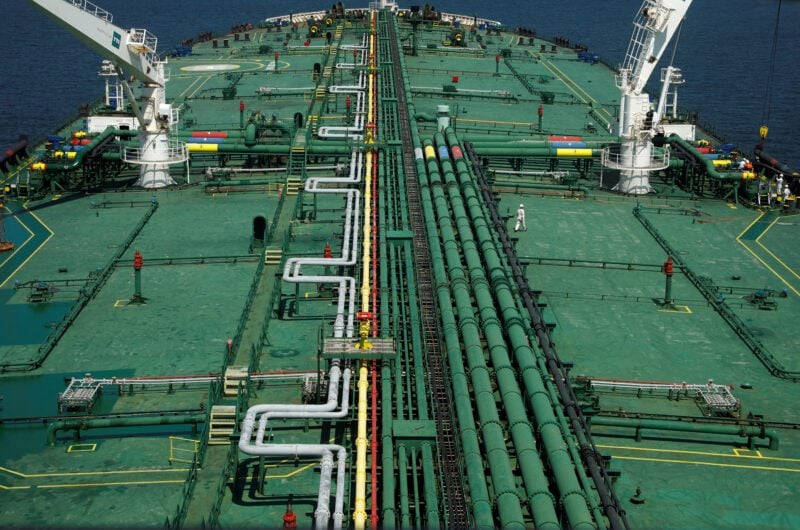
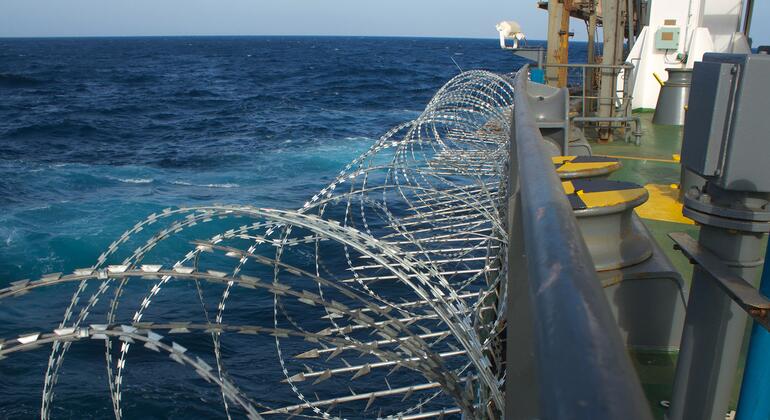
- The Strait of Hormuz is very likely to remain severely constrained but open to some commercial traffic over the next 0-14 days. The IMO has verified 80 attacks on international shipping since 28 February and at least 22 seafarers have died. UKMTO continues to report vessels struck by unidentified projectiles, while the IRGC claims responsibility for striking the Togo-flagged tanker Trend. At the same time, the Pentagon says the strait is open and Adm. Brad Cooper reports that more than 2,000 vessels and over 1 billion barrels of crude have transited under US protection. Confidence is medium because the direction of disruption is corroborated by multilateral, maritime and military reporting, but attribution and the precise scope of the US blockade remain contested. (Confidence: medium · ASSESSED)
- I&W: Confirm: UKMTO records another vessel struck in or around Hormuz, especially an incident involving fire, or the IMO raises its verified attack count above 80. (0-14 days)
- I&W: Break: The Pentagon and CENTCOM report unrestricted commercial passage, while UKMTO records no new strike on shipping for seven consecutive days. (0-14 days)
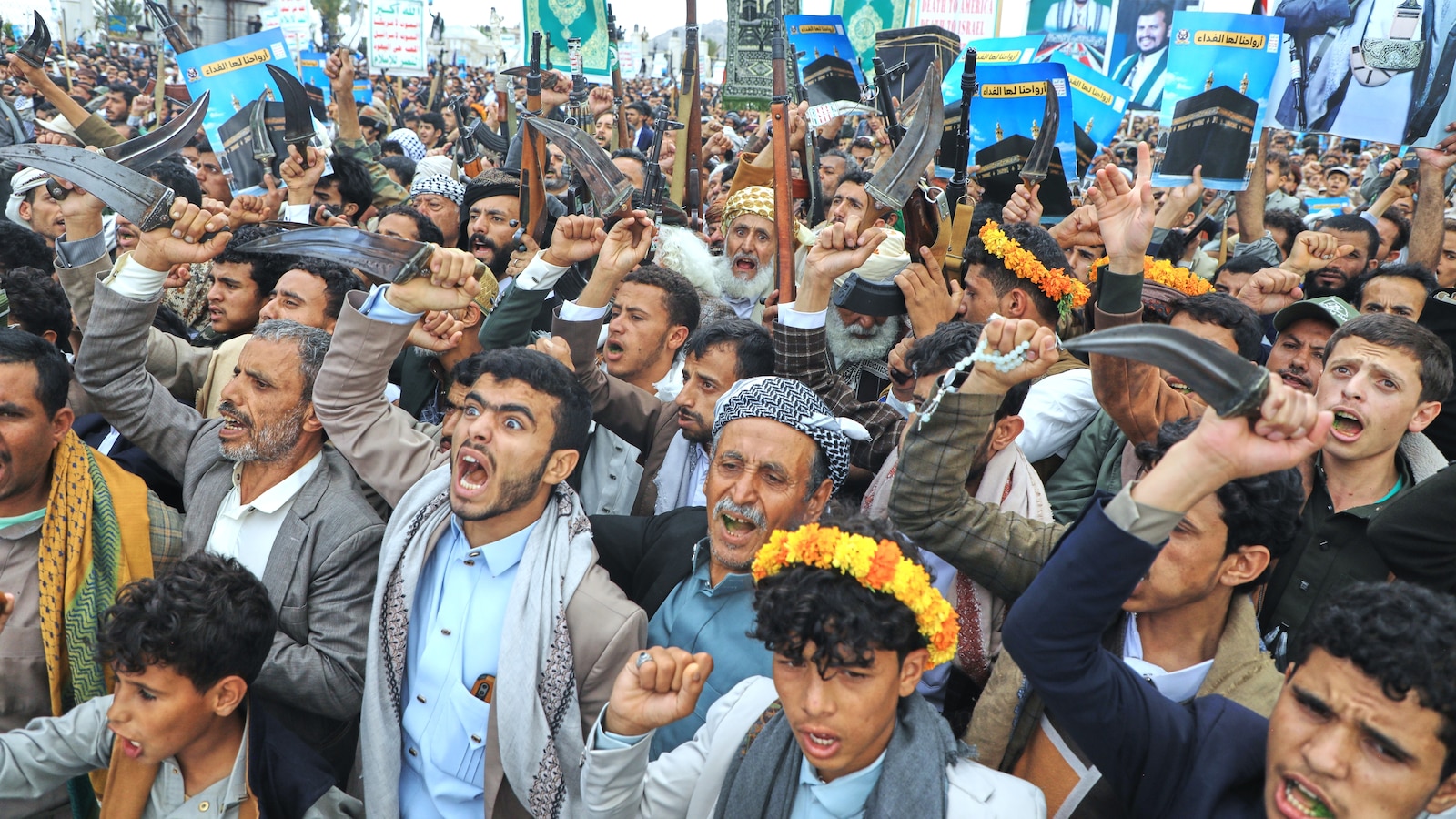
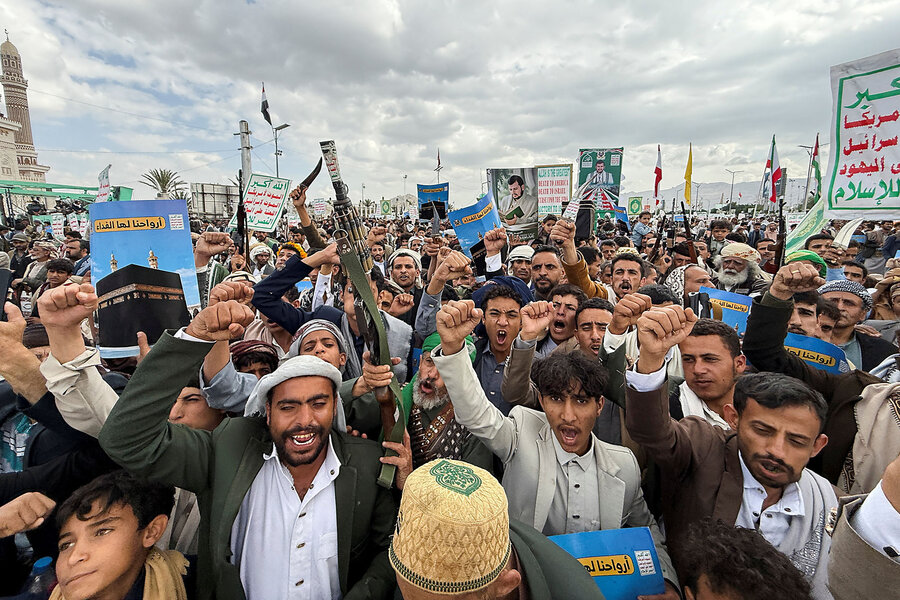
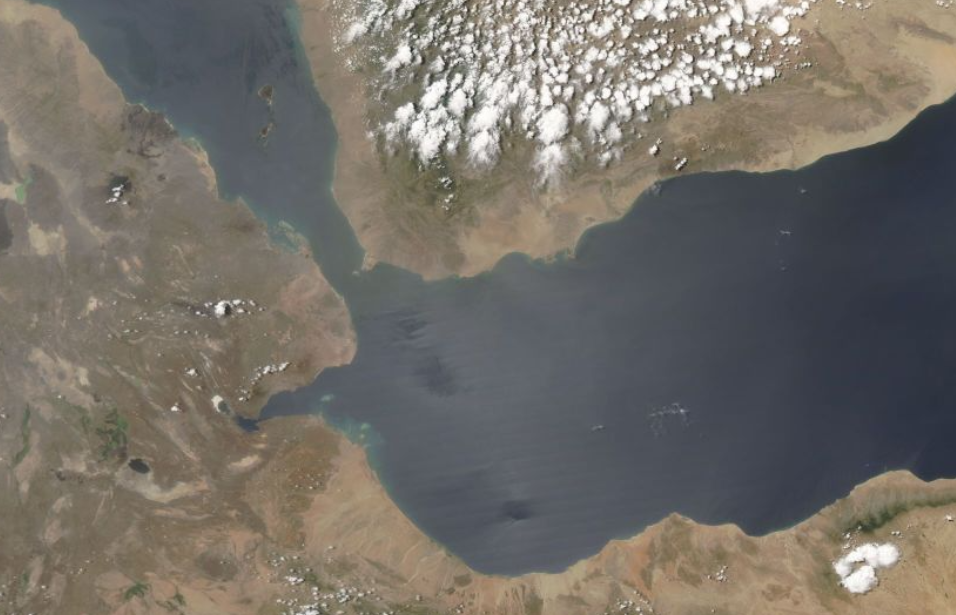
- Houthi forces are likely to sustain direct pressure on Saudi Arabia and Red Sea shipping over the next 0-14 days, but the extent of their territorial control remains uncertain. Houthi attacks have targeted Saudi cities, military bases and oil facilities, and Saudi Arabia issued its first recent Riyadh alert after reports of explosions and smoke near King Khalid International Airport. Separate reporting says the Houthis seized Mokha and Perim Island, while other accounts extend the claimed control to Mayyun Island and the Zuqar and Hanish archipelago. Confidence is medium because Saudi alerts and attacks on oil infrastructure are reported by multiple sources, whereas the wider territorial claims and Saudi strike totals rely partly on partisan or unverified reporting. (Confidence: medium · ASSESSED)
- I&W: Confirm: Saudi Civil Defence issues another alert for Riyadh or another Saudi city, or a Houthi drone or missile strike damages an oil facility or airport and halts operations. (0-14 days)
- I&W: Break: Reporting confirms that Yemeni government forces regain Mokha or Perim Island and no Houthi maritime attack is recorded for 14 consecutive days. (0-14 days)
- Regional spillover is very likely to remain elevated over the next 0-14 days. Israel has reported strikes on Hezbollah targets in southern Lebanon after two Israeli soldiers were wounded by an explosive device, while Lebanon's state news agency reported three strikes on Nabatiyeh al-Fawqa. Israeli strikes in Gaza have killed at least three people, and an explosion at an arms depot in Ayash, Deir el-Zour, killed 11 Syrian soldiers. The Riyadh alerts and Iran's reported attacks on US military infrastructure add pressure on states beyond the primary Iran-Israel theatre. Confidence is medium because the Lebanese, Gaza and Syrian incidents are reported through different sources, but the multi-front pattern is corroborated by AP, Reuters, local reporting and official statements. (Confidence: medium · ASSESSED)
- I&W: Confirm: Israel reports another strike on Hezbollah in southern Lebanon after a further explosive-device incident, or Iran or the Houthis attack a US facility or Saudi city. (0-14 days)
- I&W: Break: Israel, Iran, Saudi Arabia and the Houthis announce a coordinated pause, followed by seven days without a new Gaza, Lebanon, Saudi or Hormuz incident. (0-14 days)
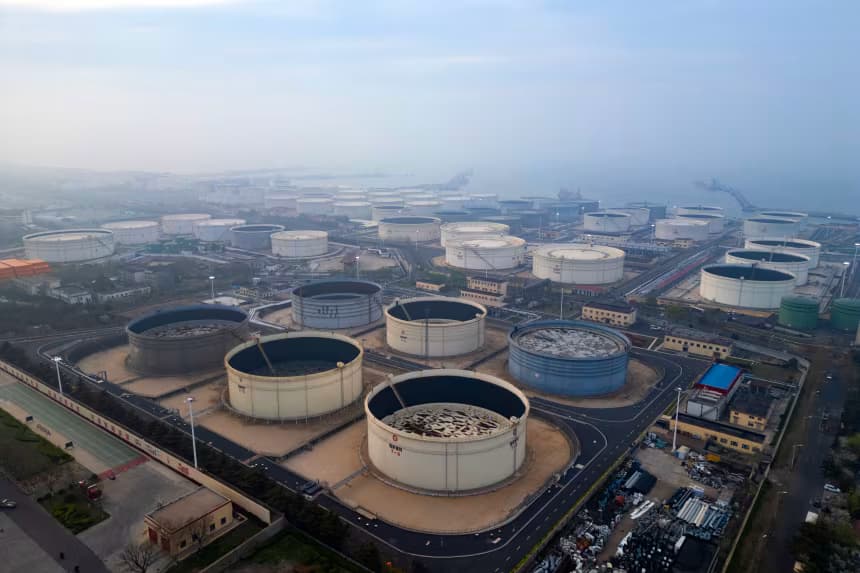
- Energy and logistics disruption is likely to persist for the next 1-3 months. Saudi Arabia's East-West Pipeline, which bypasses Hormuz, is mostly shut for repairs expected to take three to five weeks. Tanker capacity is tightening, US-Asia oil flows have fallen, Dated Brent physical crude has risen above USD 131 per barrel, and moving a Houston-to-Asia cargo adds about USD 26 per barrel. The disruption is likely to continue even if some traffic is rerouted or cargoes are transferred near Oman. Confidence is medium because trade and shipping data corroborate higher transport costs and reduced flows, while another account says predicted oil-price spikes largely failed to materialise and China’s energy policies have helped stabilise global prices. (Confidence: medium · ASSESSED)
- I&W: Confirm: The East-West Pipeline remains mostly shut after five weeks while tanker rates rise further or US-Asia oil flows fall again. (1-3 months)
- I&W: Break: Saudi Arabia reports the pipeline restored and shipping data show a reversal of the recent US-Asia flow decline. (1-3 months)
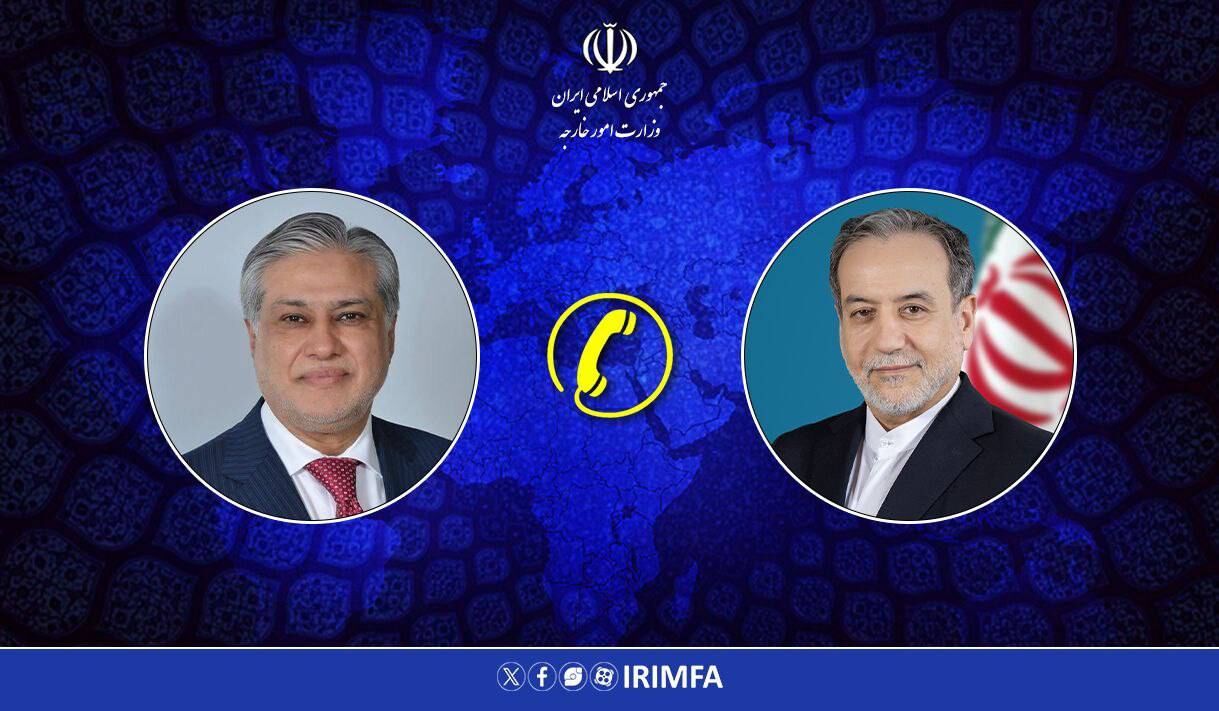
- A comprehensive de-escalation agreement is very unlikely over the next 0-14 days, although diplomatic contacts are likely to continue. Abbas Araghchi and Ishaq Dar have discussed regional security, safe passage and energy supplies, and Iran says it is consulting Qatari and Pakistani mediators. Iran's stated conditions include ending the war on all fronts, unfreezing Iranian funds and ending the US naval blockade. The Iranian Foreign Ministry has also denied that mediation will be discussed during an upcoming Pakistani visit, while Donald Trump has rejected an unfavourable agreement and the Trump administration is considering additional military measures. Confidence is medium because official contacts and statements corroborate an active diplomatic channel, but the two sides' public conditions remain incompatible and reporting differs over the role of mediation. (Confidence: medium · ASSESSED)
- I&W: Confirm: The scheduled Araghchi-Dar engagement produces renewed public rejection of the other side's conditions, or Washington announces an additional military measure against Iran. (0-14 days)
- I&W: Break: The US and Iran announce a formal agreement covering war termination, Iranian funds and Hormuz, followed by a verified halt in strikes and shipping attacks. (0-14 days)
- Humanitarian pressure in Yemen is very likely to worsen over the next 1-3 months. The UN reports more than 125,000 people displaced since the beginning of September, while another account reports nearly 94,000 displaced and more than 2,000 people crossing from western Yemen to Djibouti. Years of conflict have already left Yemen with widespread displacement and millions requiring humanitarian assistance. Confidence is high on the direction of travel because UN reporting and separate regional reporting corroborate renewed displacement and cross-border movement, although the 94,000 and 125,000 totals indicate unresolved differences in timing or scope. (Confidence: high · ASSESSED)
- I&W: Confirm: The UN reports displacement above 125,000 or additional crossings from western Yemen to Djibouti. (1-3 months)
- I&W: Break: UN reporting shows a sustained fall in new displacement for 14 consecutive days. (1-3 months)
Outlook & scenarios
Likely: constrained multi-front conflict (55%)
US-Israel-Iran hostilities continue without a comprehensive agreement. Houthi attacks and Saudi defensive operations persist, while Hormuz remains open to some protected commercial traffic but incidents continue. Pakistan, Qatar, China and Oman sustain diplomatic contacts without securing a durable settlement.
Unlikely: wider regional escalation (22%)
A further Iranian or Houthi strike on Saudi infrastructure, a US military facility or shipping triggers additional US or Israeli action. Israeli-Hezbollah exchanges intensify in southern Lebanon, and the conflict imposes heavier pressure on Riyadh, Hormuz and Red Sea shipping.
Unlikely: limited de-escalation (18%)
Pakistan-led or wider mediation produces a temporary arrangement covering selected shipping, humanitarian access or a pause in strikes. Hormuz incidents decline, some commercial traffic resumes, and Saudi-Houthi talks restart without resolving the wider US-Israel-Iran dispute.
Unlikely: maritime closure and sharper energy shock (8%)
A new tanker attack, mine incident or sustained missile campaign closes the main Hormuz lanes while Saudi Arabia's East-West Pipeline remains under repair. Shipping costs rise beyond current levels, cargo diversions expand and the disruption spreads from regional maritime routes into global crude supply chains.
Recommendations
- Maintain a daily 0-14-day watch on UKMTO incident reports, IMO attack totals, Pentagon and CENTCOM transit statements, and Saudi Civil Defence alerts. Treat a new tanker fire, a verified attack near King Khalid International Airport or a halt in protected Hormuz transits as priority indicators.
- Separate attribution from incident reporting. Track the IRGC claim regarding the tanker Trend against UKMTO reports of unidentified projectiles, vessel-owner statements and independent imagery before assigning responsibility for individual attacks.
- Track the operational status of Saudi Arabia's East-West Pipeline against the stated three-to-five-week repair period. Reassess regional supply exposure if the pipeline remains mostly shut after that period or if Saudi term-contract deliveries to Europe remain absent.
- Prioritise diplomatic reporting on the Araghchi-Dar engagement, Iranian contacts with Qatar and Pakistan, Chinese pressure for restraint, and any US response to Iran's conditions. Distinguish a contact, a proposal and a formal agreement.
- Use a range rather than a single figure for Yemen displacement until the UN reconciles the 94,000 and 125,000 estimates. Monitor new arrivals from western Yemen to Djibouti and treat renewed cross-border movement as an early warning of worsening humanitarian pressure.
- Update energy disruption assessments with both price and physical-flow measures. Track Dated Brent, Houston-to-Asia transport costs, tanker availability, US-Asia flows and Saudi pipeline repairs, while retaining the uncertainty created by China's reserves and the conflicting assessments of oil-price effects.
Confidence & uncertainty
Overall confidence is high for the direction and occurrence of the main developments. Shipping attacks and seafarer deaths are supported by IMO and UKMTO reporting, Saudi alerts and regional military activity are corroborated by AP, Reuters and local reporting, and energy disruption is reflected in trade data on tanker capacity, freight costs and oil flows. The main uncertainties concern attribution for individual Hormuz incidents, the exact extent of Houthi territorial control, conflicting Yemen displacement totals and the magnitude of the oil-price effect.
Intelligence gaps
- [EEI 1.1 · PARTIAL] Observed repositioning, sustained increases, or new forward basing of Iranian conventional or IRGC forces (armored units, missile batteries, aircraft, naval vessels) toward borders or regional launch points. Recommended collection: IMINT/satellite
- [EEI 1.4 · UNCOVERED] Interdicted or observed shipments (air, sea, land manifests, seizures, satellite imagery of transfers) of advanced weapons or missile components from Iran toward proxy groups or forward staging points. Recommended collection: maritime/AIS
- [EEI 2.1 · PARTIAL] Satellite or on-the-ground imagery showing fires, damage, or operational shutdown at major oil export facilities, refineries, storage terminals, or key pipeline infrastructure in the Gulf and Red Sea. Recommended collection: IMINT/satellite
- [EEI 2.3 · PARTIAL] Significant and sustained reductions or rerouting of tanker transits through the Strait of Hormuz (ship traffic counts, pilot reports, port call cancellations) and announcements of closure or restricted navigation zones (NOTAMs, maritime advisories). Recommended collection: maritime/NOTAMs
- [EEI 2.4 · UNCOVERED] Rapid increases in war-risk insurance premiums for Middle East routes, shipping company advisories to avoid region, or major charter cancellations tied to the conflict. Recommended collection: financial/open-source
- [EEI 3.1 · PARTIAL] Movement/arrival of major foreign military assets into the region: US carrier strike groups, amphibious ready groups, strategic bomber flights, Russian/Chinese naval taskings, or allied expeditionary units (visible in AIS, NOTAMs, satellite imagery, official releases). Recommended collection: IMINT/satellite
- [EEI 3.2 · PARTIAL] Official expedited arms transfers, basing/overflight agreements, or declarations of operational support (formal government announcements, defense ministry releases, logistics flight manifests). Recommended collection: open-source/diplomatic
- [EEI 3.3 · UNCOVERED] Embassy evacuations, large-scale personnel movements, issuance of government travel bans/advisories, or multinational security alerts affecting foreign nationals and diplomatic posture in the region. Recommended collection: diplomatic/open-source
Cited sources
[1] IndustryWeek · Strait of Hormuz Watch: Saudi Pipeline Damage Disrupts Alternative Crude Route (C) · Fri Sep 18 2026 00:00:00 GMT+0000 (Coordinated Universal Time) · sha256:fabc744d88fe [2] Global Arab Network · Trump: Iran Seeks Deal, But Demands Favorable Terms (F) · Sat Sep 19 2026 18:34:11 GMT+0000 (Coordinated Universal Time) · sha256:5da35ef4bc7f [3] The Jerusalem Post · Iran says it has conveyed conditions to re-engage in talks, end war with US (B) · Sat Sep 19 2026 18:46:22 GMT+0000 (Coordinated Universal Time) · sha256:58105bc44d71 [4] United Nations News · World News in Brief: Shipping alert from IMO, democracy vanishing in Nicaragua, alert over political ‘denialism’ (A) · Wed Sep 16 2026 20:58:44 GMT+0000 (Coordinated Universal Time) · sha256:b38ec7123bf7 [5] Sunday Guardian Live · US-Israel-Iran War Latest Live News: UN Security Council Condemns Houthi Missile Attacks, Warns Of Wider Conflict, Maritime Security & Global Trade Risks; Check Arms Embargo & Latest Yemen Update (B) · Sat Sep 19 2026 12:47:59 GMT+0000 (Coordinated Universal Time) · sha256:93a2943fa798 [6] Yeni Şafak (English edition) · Getting past Hormuz is not enough to end the war (B) · Sat Sep 19 2026 11:26:33 GMT+0000 (Coordinated Universal Time) · sha256:a5dfca5912df [7] ABC News (Associated Press wire story) · Saudi Arabia issues first alert in the capital since escalation, and other Mideast developments (A) · Sat Sep 19 2026 07:11:22 GMT+0000 (Coordinated Universal Time) · sha256:605cf3ca73dc [8] Israel Today (via Facebook page) · 🇺🇲🇮🇷➡️ U.S. Central Command (CENTCOM) commander Admiral Brad Cooper provided an update today saying that U.S. forces have facilitated the transit of more than 1 billion barrels of crude oil out of the Strait of Hormuz in "the last couple of months." Cooper said the main shipping lanes have been cleared of mines and more than 2,000 vessels have transited under U.S. protection. At the same time, Iran has exported zero barrels of crude oil since the blockade was reinstated. | Israel Today (E) · sha256:5112906ac5d5 [9] The Christian Science Monitor · Why Houthi offensive in Yemen has implications for Mideast and global trade (A) · Sat Sep 19 2026 09:00:10 GMT+0000 (Coordinated Universal Time) · sha256:036b75e13b0f [10] bbc.com · Saudi Arabia issues first air raid alerts for Riyadh since Houthis escalated attacks (F) · Sat Sep 19 2026 04:20:47 GMT+0000 (Coordinated Universal Time) · sha256:e50f085b821d [11] Associated Press (via WSPA) · Saudi Arabia issues first alert in the capital since escalation, and other Mideast developments (A) · Sat Sep 19 2026 19:05:39 GMT+0000 (Coordinated Universal Time) · sha256:12bcd316093d [12] The Maritime Executive · Africa’s Red Sea States Face Growing Risks as Houthis Expand Their Reach (C) · sha256:520a16e34ce5 [13] AzerNews · Iran and Pakistan foreign ministers hold urgent regional security talks (D) · Sat Sep 19 2026 12:35:00 GMT+0000 (Coordinated Universal Time) · sha256:364d294d6c2e [14] gCaptain (republishing Bloomberg) · World Running Short Of Supertankers Threatens Long-Haul Oil Flow (C) · Sat Sep 19 2026 15:28:46 GMT+0000 (Coordinated Universal Time) · sha256:c484aa2622e5 [15] The CSR Journal · China's Oil Reserves Mitigate Iran Conflict Impact Ahead of Trump-Xi Discussions - The CSR Journal (B) · Sat Sep 19 2026 09:07:51 GMT+0000 (Coordinated Universal Time) · sha256:7402136b9e67 [16] Al Hadath Lebanon (الحادث اللبناني) · وسط تصاعد التوترات الإقليمية. وزير الخارجية الباكستاني إسحاق دار يطالب نظيره الإيراني عباس عراقجي بضمان حرية الملاحة. ويتمسك بالحوار لضمان أمن المنطقة #من_الحدث | Al Hadath Lebanon الحدث اللبناني (E) · sha256:42d11eb7fe32 [17] The Jerusalem Post (content from The Media Line) · Mike Huckabee on Iran, Hezbollah, Saudi Arabia and Israel’s US relationship - interview (B) · Sat Sep 19 2026 15:55:18 GMT+0000 (Coordinated Universal Time) · sha256:ef76569d5f01 [18] Dynamite News · Saudi Arabia Riyadh Missile Alert: Explosions Reported As Houthi Threat Escalates Middle East Tensions (D) · Sat Sep 19 2026 06:15:56 GMT+0000 (Coordinated Universal Time) · sha256:949a3c71b218
Source content hashes were computed at collection time; the cited text is preserved unmodified for the life of this product.
TLP:CLEAR