TLP:CLEAR · Disclosure is not limited.
Iran-Israel Conflict: Maritime Chokepoints and Regional Spillover
Time window: Last 1 day · Audience: General analyst · Type: Situation report · DTG: 2026-09-17 23:07Z · Overall confidence: HIGH
BLUF
Very likely, Iran, Israel and the US will sustain military exchanges over the next 0-14 days, while Houthi advances and attacks keep pressure on Saudi Arabia, the Bab el-Mandeb and commercial shipping. The immediate analytical priority is to distinguish severe restriction from total closure in the Strait of Hormuz, where reported flow figures conflict with descriptions of an effective blockade.
Executive summary
Reporting on 17 September shows an active conflict spanning Iran, Israel, the US, Yemen and Saudi Arabia. Iran has reportedly continued missile and drone strikes against Israeli positions and American bases. Houthi forces reportedly control Mocha and islands around the Bab el-Mandeb and have claimed attacks on Yanbu and Khamis Mushait, while Saudi Arabia has reported destroying a Houthi drone near Mecca. Commercial traffic through the Strait of Hormuz remains highly disrupted, although reported flows range from about 8 million to 18 million barrels per day. China is pressing Iran to restrain the Houthis after a Saudi appeal, but Tehran says regional stability depends on ending the US-Israeli war. UNICEF reports more than 57,000 children displaced in Yemen in two weeks, more than 2,000 arrivals in Djibouti, and disruption to 26 health facilities and 243 schools. The UN fact-finding mission has attributed alleged war crimes to US strikes and documented serious abuses by Iranian authorities, while the White House rejects the US allegation.
Change from previous assessment
Since the 16 September brief, the assessment has gained stronger corroboration of Houthi territorial gains around Mocha and the Bab el-Mandeb, Houthi claims against Yanbu and Khamis Mushait, and China's direct request that Iran restrain the Houthis. The Hormuz judgement remains very likely severe restriction, but confidence remains medium because new reports of 8 million to 18 million barrels per day conflict with descriptions of an effective closure. The humanitarian judgement is now anchored by UNICEF reporting of more than 57,000 displaced children, more than 2,000 arrivals in Djibouti and disruption to 26 health facilities and 243 schools. The brief adds a separate assessment of competing UN and White House positions on alleged US and Iranian war crimes. The prior low-confidence judgement concerning a specific Iranian strike on a US-contracted vessel is retired because the new reporting does not independently identify or confirm that vessel.
Key judgments
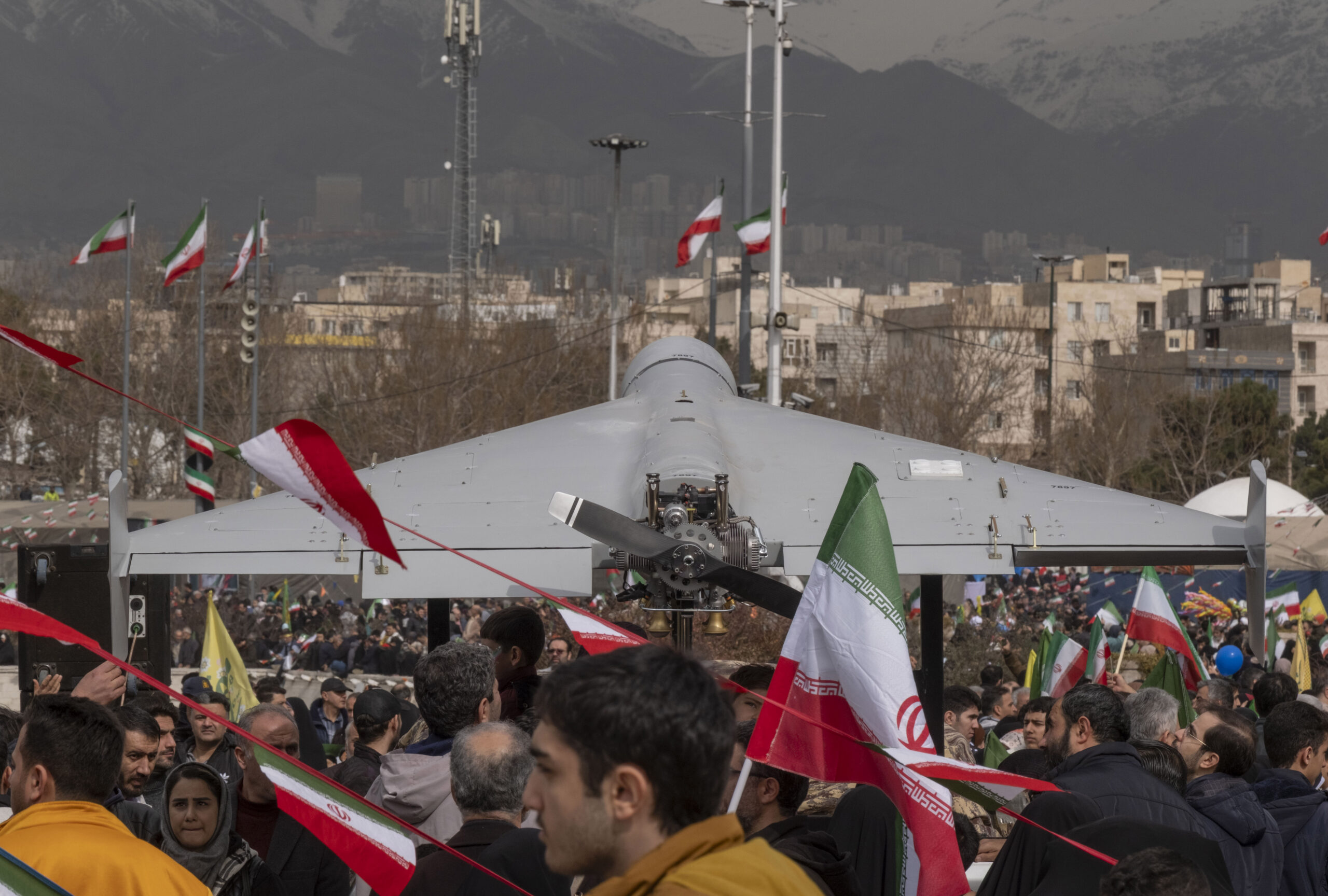
- Very likely, Iran, Israel and the US will sustain military exchanges across Iran and the wider Middle East over the next 0-14 days. Iran has reportedly continued missile and drone strikes against Israeli positions and American bases after US and Israeli attacks on Iran. The source record gives conflicting accounts of whether the current war began in June 2025 or February 2026, which limits confidence in the chronology but not in the reported continuation of hostilities. (Confidence: medium · ASSESSED)
- I&W: Iran reports, or independent reporting records, another missile or drone strike on a named Israeli position or US base. (0-14 days)
- I&W: Iran, Israel and the US announce and observe a cessation of strikes for seven consecutive days. (0-14 days)
- Very likely, commercial traffic through the Strait of Hormuz will remain severely restricted rather than fully halted over the next 0-14 days. Reports describe Iran as blocking the waterway and the strait as largely closed, while Chris Wright reported 18 million barrels moved through it in one day with an 11 million barrel seven-day average, and Clarksons Research estimated about 8 million barrels per day. The conflicting status and flow reports make a complete closure unlikely. (Confidence: medium · ASSESSED)
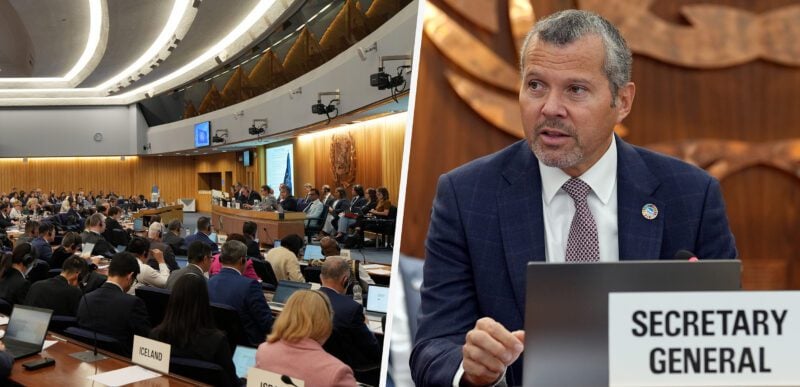
- I&W: The IMO records another verified attack on shipping around Hormuz while reported daily flows remain at or below the Clarksons Research estimate of 8 million barrels. (0-14 days)
- I&W: Independent flow data records more than 11 million barrels per day for three consecutive days and major carriers report routine commercial passage through the strait. (0-14 days)
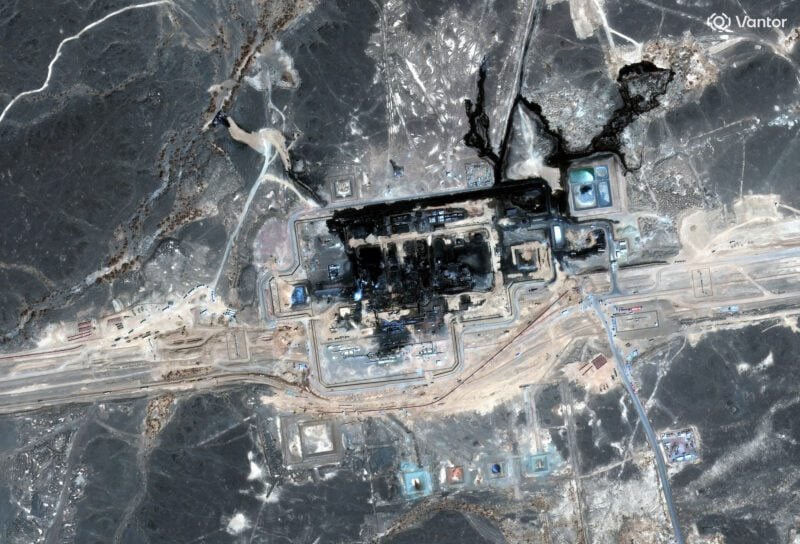
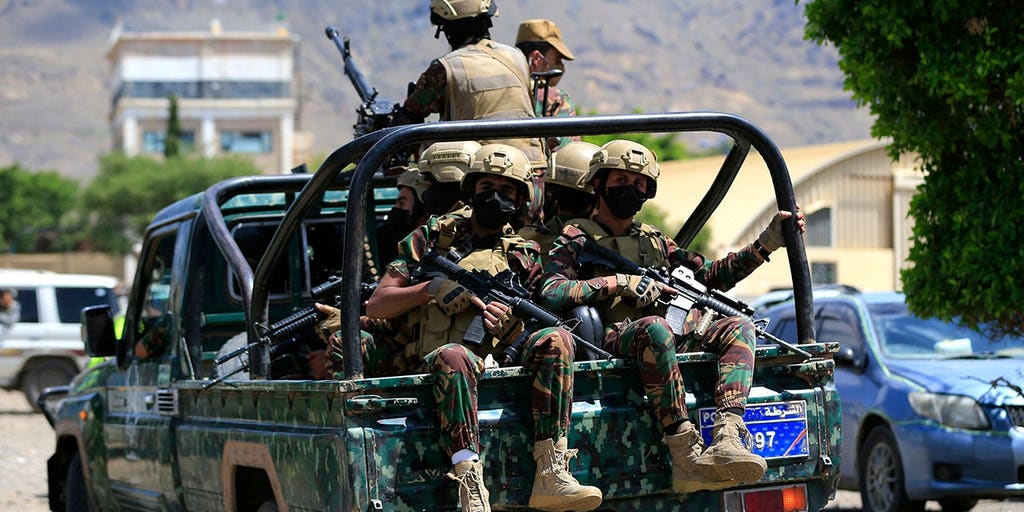
- Likely, Houthi forces will sustain pressure on Saudi Arabia and shipping around the Bab el-Mandeb over the next 0-14 days. Reporting places Houthi forces in control of Mocha and islands around the strait, and Yahya Saree claimed attacks on the Yanbu oil port and Khamis Mushait airbase. Saudi Arabia has also reported destroying a Houthi drone near Mecca. Houthi statements limiting declared attacks to Saudi shipping and reported assurances not to target US or Israeli vessels reduce, but do not remove, the risk to Saudi-linked traffic. (Confidence: medium · ASSESSED)
- I&W: The Houthis claim, or Saudi Arabia confirms, a new strike involving Yanbu, Khamis Mushait, Mecca or a Saudi-linked vessel near the Bab el-Mandeb. (0-14 days)
- I&W: The Houthis announce and implement a ceasefire covering Saudi shipping, with no reported Houthi attack or Saudi interception for 14 consecutive days. (0-14 days)
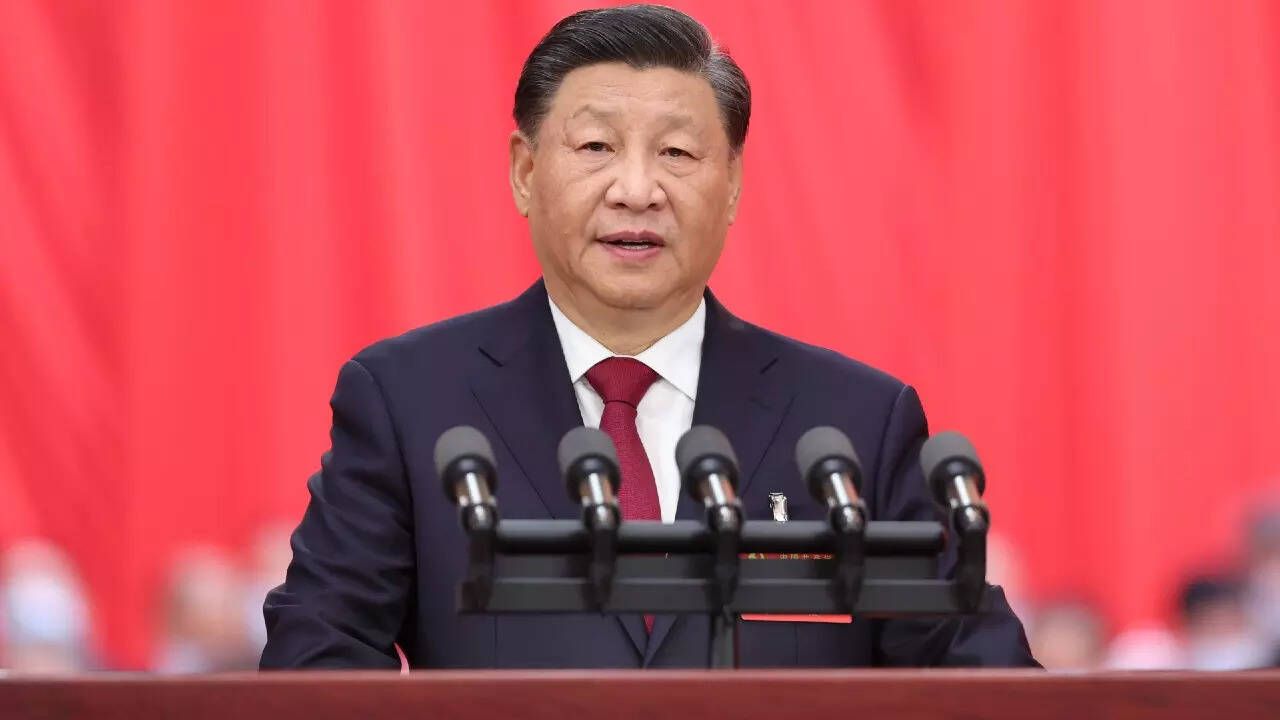
- Likely, China will continue pressing Iran to use its influence over the Houthis while Iran, the US, Saudi Arabia and Persian Gulf leaders maintain diplomatic contacts; an enforceable settlement and full reopening of the Strait of Hormuz remain unlikely over the next 0-14 days. China has privately asked Tehran to restrain the Houthis after a Saudi appeal, but Tehran has tied regional stability to ending the US-Israeli war. President Trump has reported direct Iranian contact and is scheduled to meet Persian Gulf leaders in New York. (Confidence: medium · ASSESSED)
- I&W: China publicly confirms that it asked Iran to restrain the Houthis, and President Trump holds the planned meeting with Persian Gulf leaders in New York. (0-14 days)
- I&W: Iran and Houthi representatives announce enforceable terms, followed by a measurable return of commercial traffic through the Strait of Hormuz. (0-14 days)
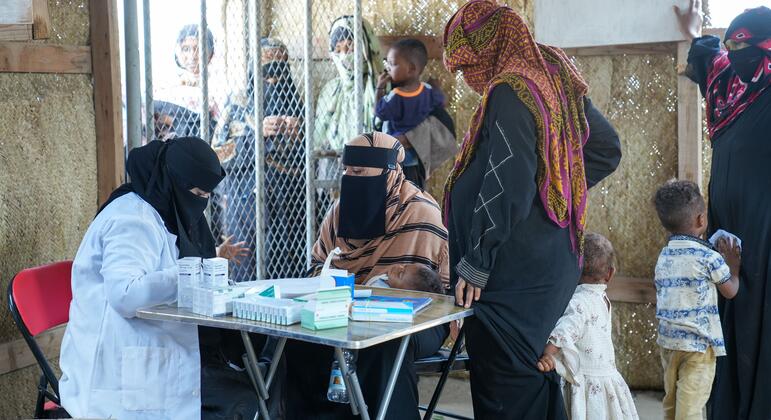
- Very likely, humanitarian pressure in Yemen will remain acute over the next 0-14 days. UNICEF reports that more than 57,000 children were displaced in two weeks, more than 2,000 people arrived in Djibouti, and fighting disrupted 26 health facilities and closed or suspended classes at 243 schools affecting more than 137,000 students. The pre-escalation baseline of roughly 12.2 million children needing assistance and more than 2.2 million acutely malnourished under-fives leaves little capacity to absorb further displacement. (Confidence: high · ASSESSED)
- I&W: UNICEF reports additional child displacement from Taiz, Hudaydah or Marib, or additional arrivals from Yemen in Djibouti beyond the reported 2,000 people. (0-14 days)
- I&W: UNICEF reports that all 26 affected health facilities and 243 affected schools have resumed normal services and classes. (0-14 days)
Outlook & scenarios
Persistent conflict with dual maritime pressure (55%)
Iran continues missile and drone strikes against Israeli positions and US bases. Houthi forces retain reported gains around Mocha and the Bab el-Mandeb and continue targeting Saudi-linked assets. Hormuz remains severely restricted, with some oil moving through the waterway under US military assistance. Yemen's displacement and service disruption worsen.
Diplomatic restraint with partial maritime recovery (25%)
China's pressure produces a limited Iranian effort to restrain the Houthis. The Houthis maintain their declared limits on US, Israeli and wider international shipping, while Saudi Arabia restores part of its East-West pipeline capacity. Hormuz traffic rises, but a full reopening does not follow.
Wider multi-front escalation (15%)
A fresh Iranian strike on an Israeli position or US base is followed by renewed US or Israeli attacks. The Houthis expand attacks from Saudi-linked targets to additional international shipping, prompting further Saudi military action in Yemen. Commercial traffic through both Hormuz and the Bab el-Mandeb falls further.
Wildcard: simultaneous chokepoint shock (5%)
Hormuz becomes unavailable to routine commercial traffic while Houthi attacks make the Bab el-Mandeb unusable for regular shipping and Saudi Arabia fails to restore the East-West pipeline. The combination removes the reported maritime and pipeline alternatives and produces a sharp, sustained energy and freight disruption.
Recommendations
- Maintain a daily Strait of Hormuz reconciliation table separating tanker and container transits, reported barrel flows, route used, military assistance and source publication time. Do not treat the strait as fully closed until the conflicting flow and commercial-transit reporting is resolved.
- Track Houthi activity against Yanbu, Khamis Mushait, Mecca, the Bab el-Mandeb and Saudi-linked vessels. Record the difference between Houthi claims, Saudi confirmations and IMO-verified incidents.
- Monitor the follow-through from China's request to Iran, President Trump's planned meeting with Persian Gulf leaders and reported US-Iranian contact. Separate private-source reporting from formal commitments and require evidence of implementation before assessing diplomatic progress.
- Keep Yemen's humanitarian indicators on a 0-14 day watchlist, including child displacement, arrivals in Djibouti, access in Taiz, Hudaydah and Marib, and the operating status of the 26 health facilities and 243 schools.
- Track the IMO tally of attacks and seafarer casualties around Hormuz alongside reported cyber threats to nearly 20 vessels. Treat physical attacks, navigation disruption and cyber compromise as separate risk categories.
- Present the UN fact-finding mission's allegations, the White House denial and US Central Command's denial concerning the Lamerd strike as separate positions. Do not collapse disputed legal or strike-attribution claims into a single finding.
Confidence & uncertainty
Overall confidence is high because the central picture is corroborated by UNICEF and other UN reporting, IMO reporting, and multiple wire-service and major-media accounts. The strongest evidence concerns continued military exchanges, humanitarian deterioration in Yemen, attacks on shipping and Chinese diplomatic pressure on Iran. The principal uncertainties are the current operational status of the Strait of Hormuz, the precise extent of Houthi territorial control around the Bab el-Mandeb, conflicting accounts of the war's chronology, and disputed attribution of the Lamerd strike and other alleged war crimes.
Intelligence gaps
- [EEI 1.1 · UNCOVERED] Unusual long-range missile/rocket transporter-launcher (TEL) movements, storage activation, or assembly activity at known IRGC missile sites or forward staging areas. Recommended collection: satellite/imagery
- [EEI 1.2 · PARTIAL] Orders, threat-alert messages, or changes in posture from IRGC, Quds Force, or senior Iranian military leadership indicating attack timelines or rules of engagement changes. Recommended collection: signals/ELINT and HUMINT
- [EEI 1.3 · UNCOVERED] Large-scale transfers, deliveries, or convoy movements of armed UAVs/drones, guided munitions, or spare parts from Iran into Lebanon (Hezbollah), Iraq, Syria, or Gaza. Recommended collection: air/aviation track and HUMINT
- [EEI 1.4 · UNCOVERED] Sustained changes in Israeli air-defense usage (SAM launches, radar activations), wide-area alerts, or NOTAMs indicating elevated imminent strike response. Recommended collection: air/aviation/NOTAMs and signals
- [EEI 2.1 · UNCOVERED] Concentration, repositioning, or sortie patterns of Iranian naval/IRGC patrol boats and fast-attack craft near shipping chokepoints or commercial lanes. Recommended collection: maritime/AIS and satellite/imagery
- [EEI 2.2 · PARTIAL] Reported attacks, mine sightings, close-approach incidents, or damage to commercial tankers/merchant vessels operating in the Red Sea, Persian Gulf, or eastern Mediterranean. Recommended collection: maritime/AIS and OSINT/incident reports
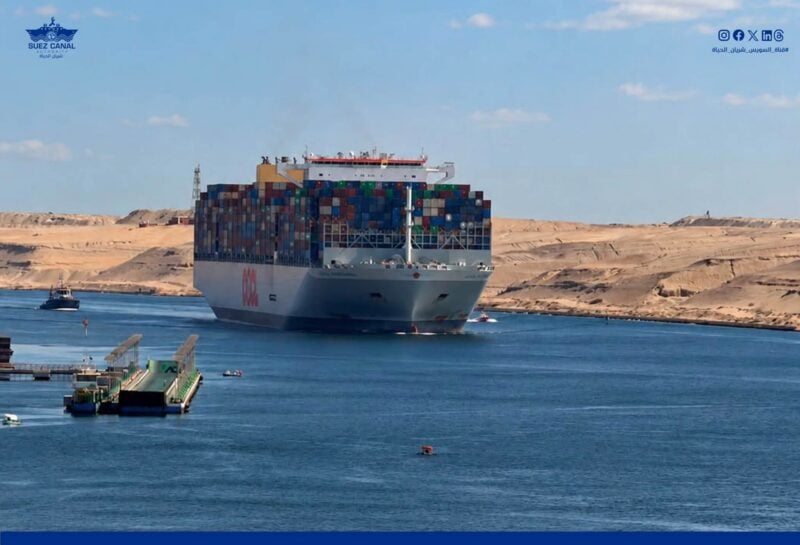
- [EEI 2.3 · UNCOVERED] Insurance market indicators: sudden spikes in war-risk or hull insurance premiums for routes through the Red Sea, Suez corridor, or Persian Gulf, and major carriers announcing route changes. Recommended collection: financial/market and commercial shipping notices
- [EEI 3.1 · UNCOVERED] Deployment of foreign military assets to the region (carrier strike groups, amphibious ships, combat aircraft deployments, or additional bases activated) from the US, UK, France, Russia, or GCC states. Recommended collection: maritime/AIS and air/aviation and satellite/imagery
- [EEI 3.3 · UNCOVERED] Confirmed arms transfers, expedited weapons shipments, or transfer authorizations to Israel, Iran, or their proxies (aircraft parts, munitions, air defenses). Recommended collection: customs/INTEL and HUMINT
- [EEI 3.4 · UNCOVERED] Issuance of travel warnings, embassy evacuations or reductions, and closure of diplomatic missions by major capitals indicating escalation risk or shifted threat assessments. Recommended collection: OSINT/diplomatic
Cited sources
[1] Yeni Şafak (English edition) · Trump confirms Iran reached out seeking end to war (B) · Thu Sep 17 2026 07:44:17 GMT+0000 (Coordinated Universal Time) · sha256:136a890442ec [2] United Nations (UN News) · UN fact-finding mission on Iran focuses on plight of civilians (A) · Thu Sep 17 2026 16:56:00 GMT+0000 (Coordinated Universal Time) · sha256:45dba1d8d47c [3] Quincy Institute for Responsible Statecraft · From Strategic Patience to Persistent Counter-Escalation: Iran’s Emerging Theory of Deterrence (C) · Thu Sep 17 2026 14:00:00 GMT+0000 (Coordinated Universal Time) · sha256:9e63092fe736 [4] Reuters (republished by gCaptain) · China Presses Iran to Help Rein in Houthis After Saudi Appeal, Sources Say (A) · Thu Sep 17 2026 12:56:52 GMT+0000 (Coordinated Universal Time) · sha256:4bacf6bb0170 [5] Reuters (republished by inkl.com) · China asks Iran to rein in Houthis; why Beijing has stepped in now (A) · Thu Sep 17 2026 13:49:00 GMT+0000 (Coordinated Universal Time) · sha256:89f068cf8046 [6] Bloomberg (republished by gCaptain) · Oil Extends Drop as Saudi Arabia Moves to Restore Vital Pipeline (A) · Thu Sep 17 2026 12:52:54 GMT+0000 (Coordinated Universal Time) · sha256:9b5462bb73bd [7] CBS News · House speaker declares Iran nuclear issue "taken care of" (A) · Mon Sep 14 2026 08:04:00 GMT+0000 (Coordinated Universal Time) · sha256:a31357d54d18 [8] gCaptain · IMO Sounds Alarm as Attacks on Merchant Ships Spread Across Global Trade Routes (C) · Thu Sep 17 2026 18:01:47 GMT+0000 (Coordinated Universal Time) · sha256:43878ecd9b88 [9] Business Insider Africa · China emerges as Saudi Arabia’s latest lifeline after Trump declines request to fight Houthis threatening vital Red Sea chokepoint (B) · Thu Sep 17 2026 15:16:48 GMT+0000 (Coordinated Universal Time) · sha256:91e031c353a0 [10] gCaptain · Container Shipping Returns to Suez Despite Rising Red Sea Risks (C) · Wed Sep 16 2026 21:51:10 GMT+0000 (Coordinated Universal Time) · sha256:8c387c0329bc [11] Fox News · Saudi Arabia facing 'biggest threat' ever to oil production as Iran-proxy Houthis launch attacks, expert says (B) · Thu Sep 17 2026 16:59:29 GMT+0000 (Coordinated Universal Time) · sha256:f327646f02b7 [12] United Nations (UN News) · Yemen escalation displaces more than 57,000 children: UNICEF (A) · Thu Sep 17 2026 09:45:30 GMT+0000 (Coordinated Universal Time) · sha256:a1a4ae4333be
Source content hashes were computed at collection time; the cited text is preserved unmodified for the life of this product.
Red cell review: CONCUR WITH COMMENT
TLP:CLEAR