TLP:CLEAR · Disclosure is not limited.
Iran-Israel Conflict: Maritime Chokepoints and Yemen Escalation
Time window: Last 1 day · Audience: General analyst · Type: Situation report · DTG: 2026-09-18 23:41Z · Overall confidence: HIGH
BLUF
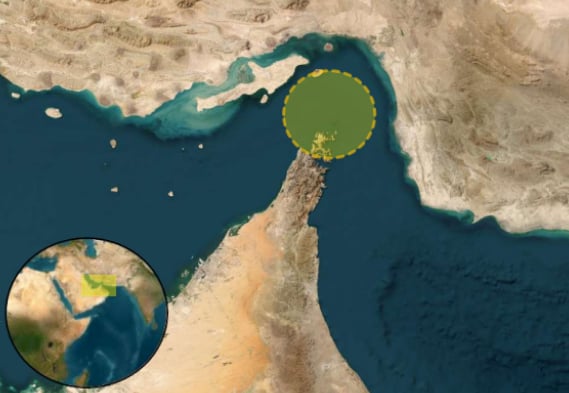
Very likely, US-Israeli and Iranian military pressure will continue over the next 0-14 days, while severe restrictions on Strait of Hormuz traffic and Houthi operations around Bab el-Mandeb will sustain pressure on energy markets and regional security. The immediate risk is wider spillover through Saudi Arabia, Yemen, commercial shipping and humanitarian displacement, although reports do not support treating either chokepoint as fully closed.
Executive summary
The conflict involving Iran, Israel and the US remains active, with Iranian maritime restrictions and attacks in the Strait of Hormuz coinciding with Houthi territorial gains and attacks on Saudi Arabia. UKMTO has recorded repeated tanker incidents near Oman, while Kpler and satellite reporting show limited but continuing Hormuz traffic, including LNG movements. In Yemen, renewed fighting has displaced more than 100,000 people according to UNICEF, with nearly 3,000 people fleeing to Djibouti according to UNHCR. Diplomatic efforts are active but fragmented: Oman postponed Gulf-Iran talks, China urged restraint, and Saudi Arabia reportedly pursued a truce through Oman.
Change from previous assessment
Since the 17 September brief, the assessment has shifted from a general expectation of continued military exchanges and severe but incomplete Hormuz restriction to a more detailed assessment of maritime danger and Yemen spillover. New reporting adds three UKMTO attack warnings since 16 September, an IMO count of 80 shipping attacks and at least 22 seafarer deaths by 15 September, Houthi-linked casualties in Taif, expanded Houthi territorial claims around Bab el-Mandeb, and displacement above 100,000 people in Yemen. Confidence remains medium for the active conflict, Hormuz status, Houthi territorial control and diplomatic outlook because of unresolved contradictions. Confidence remains high for the humanitarian impact. Initial assessment of the new US-China maritime misidentification risk.
Key judgments
- Very likely, US-Israeli military pressure on Iran and Iranian missile, drone and maritime responses will continue over the next 0-14 days. Reporting describes US and Israeli strikes on Iranian military and nuclear infrastructure since 28 February 2026, Iranian attacks across the wider Middle East, and continued Iranian control claims and coercive transit measures in the Strait of Hormuz. Confidence is medium because the record conflicts over whether an April ceasefire ended the war and over the chronology of earlier fighting. (Confidence: medium · ASSESSED)
- I&W: Confirm: US or Israeli forces report another strike on Iranian military, security or nuclear infrastructure, or Iran launches another missile or drone salvo against Israel, US bases or Gulf monarchies. (0-14 days)
- I&W: Break: Iran, Israel and the US announce and observe a verified ceasefire, with no reported strikes or maritime attacks for at least seven consecutive days. (0-14 days)
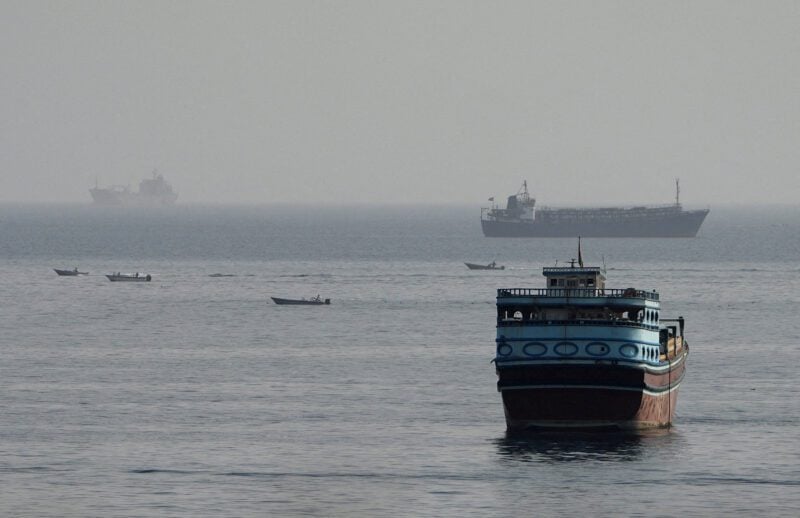
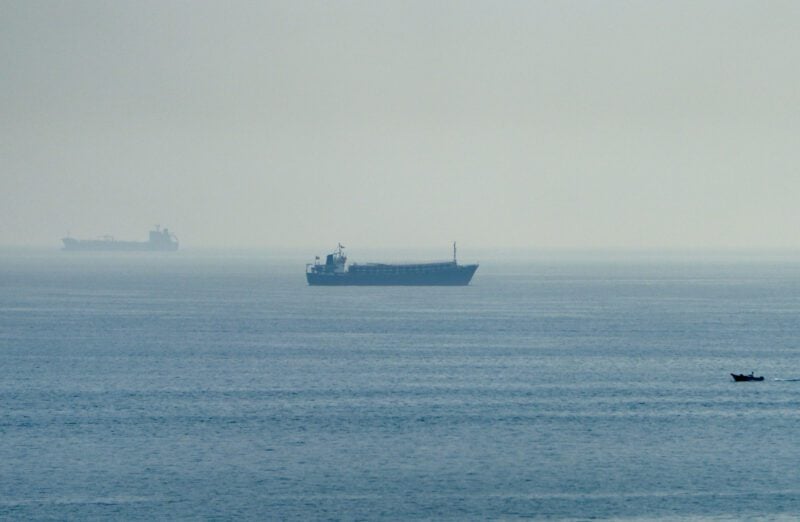
- Very likely, commercial traffic through the Strait of Hormuz will remain severely restricted rather than fully halted over the next 0-14 days. Kpler counted only four vessel transits on 17 September, US Central Command counted 105 redirected commercial vessels, and separate reporting identified at least two LNG shipments and a Qatar-loaded tanker moving through the strait. UKMTO recorded three attack warnings since 16 September, while the International Maritime Organization reported 80 attacks on shipping and at least 22 seafarer deaths by 15 September. The assessment is medium confidence because reports differ over whether Iran is obstructing traffic, regulating passage or has an arrangement with Oman to reopen the waterway. (Confidence: medium · ASSESSED)
- I&W: Confirm: Kpler records fewer than ten daily commercial transits for three consecutive days, while UKMTO records another projectile strike or attack warning in the Strait of Hormuz. (0-14 days)
- I&W: Break: Kpler, satellite imagery and shipping operators record sustained two-way commercial traffic at materially higher volumes, with no new UKMTO attack warnings for seven days. (0-14 days)
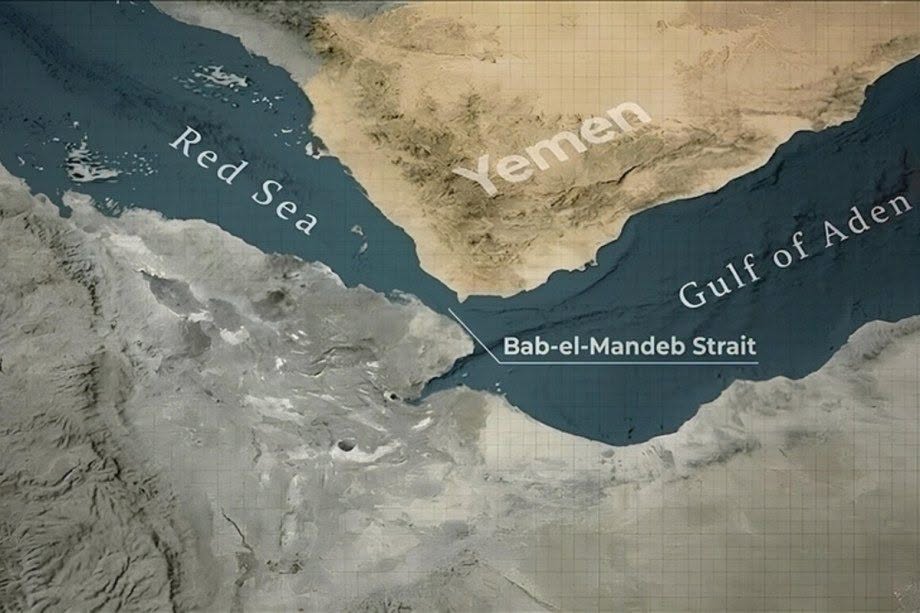
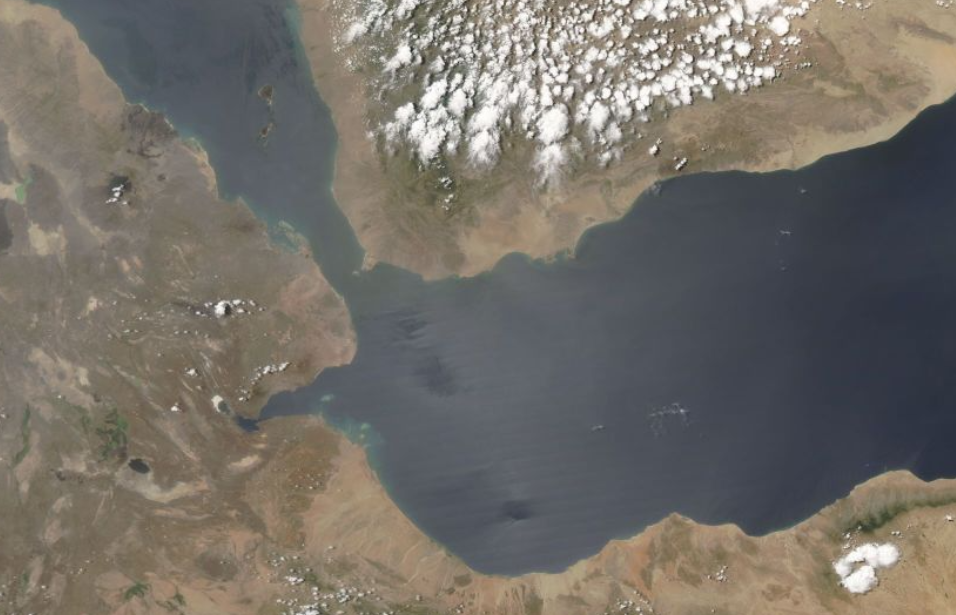
- Likely, Houthi forces will sustain attacks on Saudi Arabia and contest access around the Bab el-Mandeb Strait over the next 0-14 days. Reporting places Houthi forces in Mocha, Perim Island, Mayyun Island and the Zuqar and Hanish archipelago, while Houthi attacks have reached Abha, Khamis Mushait, Jizan, Najran and Taif. Houthi sources claimed that Saudi Arabia conducted 26 strikes in 24 hours and 300 strikes in one week. The extent of Houthi control over the entire Red Sea coast remains unresolved because other reporting describes Yemeni government forces still attempting to halt the advance. Confidence is medium because several territorial claims are single-source or qualified reporting. (Confidence: medium · ASSESSED)
- I&W: Confirm: Houthi forces conduct another missile or drone attack on a named Saudi city, oil facility or port, or attack a commercial vessel near Mocha, Perim Island or the Bab el-Mandeb Strait. (0-14 days)
- I&W: Break: Oman confirms a two-week truce, followed by no verified Houthi attacks or Saudi airstrikes for the full truce period. (0-14 days)
- Very likely, humanitarian pressure in Yemen and Gaza will remain acute over the next 0-14 days. UNICEF and other UN reporting place internal displacement in Yemen between nearly 94,000 and 112,000 people, while UNHCR reports between more than 2,000 and nearly 3,000 people reaching Djibouti, depending on the reporting window. In Gaza City, a previously bomb-damaged residential building collapsed and killed 21 people, while Qatar signed an agreement with the UN to provide 1.3 million litres of fuel. The differing Yemen totals reflect inconsistent timeframes rather than a change in the direction of the trend. Confidence is high because multiple UN-linked and major media reports corroborate the humanitarian impact. (Confidence: high · REPORTED)
- I&W: Confirm: UNICEF or UNHCR raises the Yemen displacement total above 112,000 people, or records more than 3,000 new arrivals from Yemen in Djibouti. (0-14 days)
- I&W: Break: UN agencies verify a sustained cessation of fighting in western Yemen and report no new displacement or Djibouti arrivals for seven days. (0-14 days)
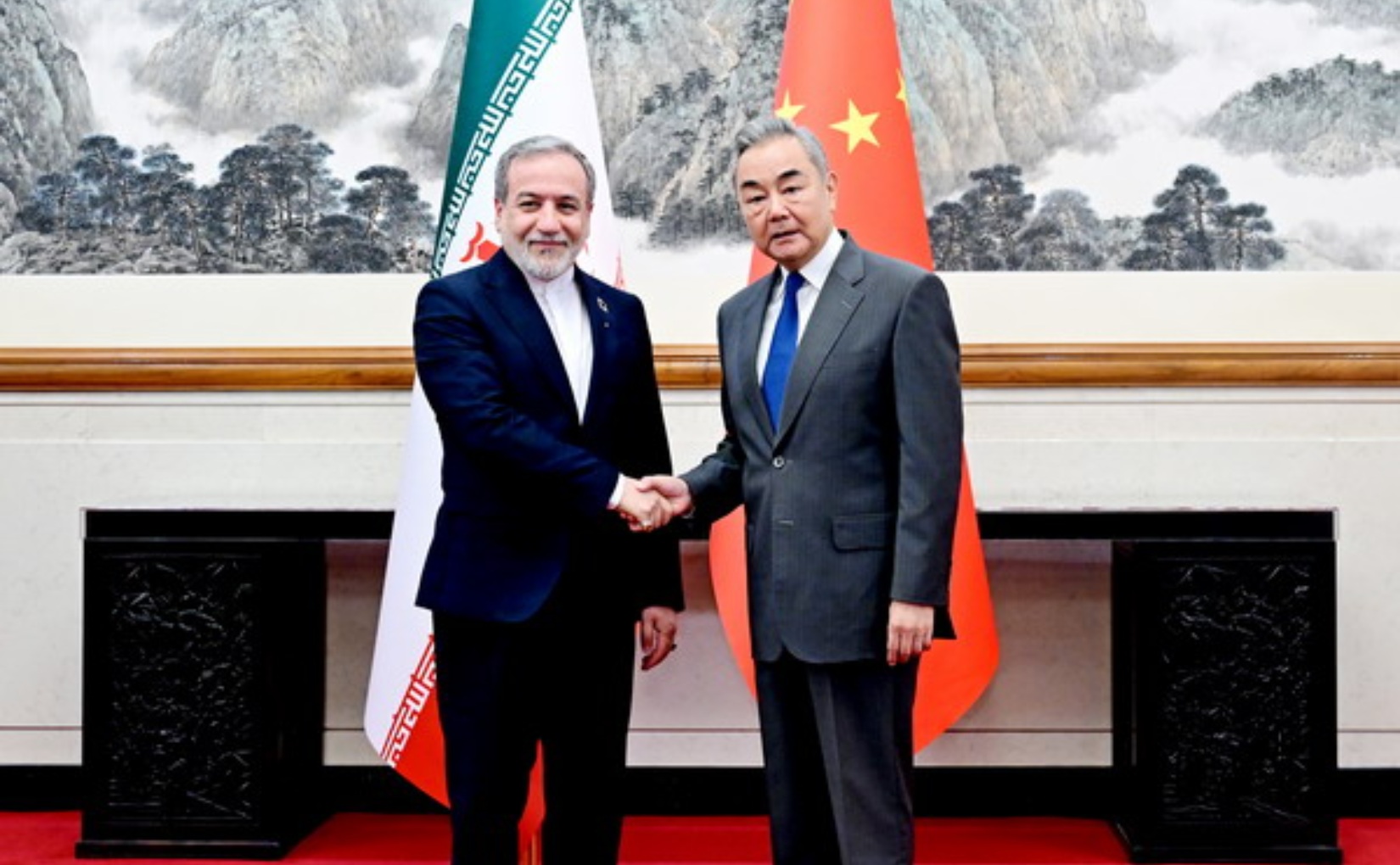
- Unlikely, an enforceable regional de-escalation arrangement will emerge over the next 0-14 days. Oman postponed the Salalah talks between Gulf states and Iran without setting a new date, Bahrain indicated that it would not participate, and Iran linked regional stability to ending the US-Israeli war. China has urged Iran to restrain the Houthis, Saudi Arabia has reportedly pursued a truce through Oman, and UAE-Iran diplomatic channels remain open, but Emirati officials assess that restoring confidence with Iran will require several years. This is an assessed judgment resting on mixed diplomatic reporting, including a single-source account of an Iranian-Omani reopening plan, so confidence is medium. (Confidence: medium · ASSESSED)
- I&W: Confirm: Oman announces a new Salalah meeting date and Iran, Saudi Arabia and other Gulf states sign a verified maritime access or ceasefire arrangement. (0-14 days)
- I&W: Break: another tanker attack, Houthi attack on Saudi Arabia or Iranian transit enforcement occurs after the next diplomatic contact. (0-14 days)
Outlook & scenarios
Continued multi-front attrition (55%)
Iran, Israel and the US sustain military pressure while Iran maintains severe restrictions on Strait of Hormuz traffic. Houthi forces continue attacks on Saudi Arabia and commercial shipping around Bab el-Mandeb. Limited LNG and oil movements continue, but tanker operators use rerouting, dark transits and ship-to-ship transfers near Oman.
Managed maritime de-escalation (25%)
Chinese and Omani diplomacy produces limited commitments from Iran and the Houthis. Saudi Arabia and Iran resume indirect contacts, selected commercial vessels transit Hormuz under monitored arrangements, and Houthi attacks decline without a comprehensive settlement. Humanitarian displacement continues because fighting in Yemen and Gaza does not end immediately.
Chokepoint escalation (18%)
A further tanker strike in the Strait of Hormuz, an expanded Houthi attack on Saudi oil infrastructure or the loss of additional Bab el-Mandeb positions sharply reduces traffic. LNG and crude movements fall towards a complete halt, prompting additional military escorts and wider attacks on infrastructure in Saudi Arabia and Yemen.
US-China maritime confrontation (5%)
A false or manipulated intelligence report triggers a US boarding attempt against a Chinese vessel in the Middle East. The incident produces a direct US-China crisis while the Iran war and shipping disruption remain active. This is a low-probability, high-impact wildcard because a comparable AI-generated intelligence failure has already nearly triggered such an interception.
Recommendations
- Maintain a 24-hour incident board combining UKMTO warnings, International Maritime Organization casualty reporting, US Central Command vessel-redirection figures, Kpler transit counts and satellite observations of LNG movements off Oman.
- Separate three operational categories in all reporting: complete closure of the Strait of Hormuz, severe restriction of traffic, and permission-based or escorted passage. Do not use blockade or closure as interchangeable terms.
- Track Houthi control and combat activity by named locations, especially Mocha, Perim Island, Mayyun Island, the Zuqar and Hanish archipelago, Marib, Taiz, Abha, Khamis Mushait, Jizan, Najran and Taif. Require geolocated or independently corroborated reporting before accepting claims of control over the entire Red Sea coast.
- Reconcile UNICEF, UNHCR and other UN displacement figures by reporting period, place of registration and population category. Maintain separate totals for internal displacement, Djibouti arrivals and Gaza casualties.
- Monitor the next Omani, Chinese, Saudi and Iranian diplomatic contacts for concrete outputs: a date for the Salalah talks, a verified truce, agreed transit rules or a reduction in attacks. Treat statements of intent without implementation as diplomatic signalling.
- Apply a mandatory second-source check to intelligence concerning Chinese vessels, Iranian cargoes and US boarding operations. Compare manifests, satellite imagery, signals reporting and vessel-tracking data before treating AI-assisted assessments as operationally reliable.
Confidence & uncertainty
Overall confidence is high because the main developments are corroborated across multiple reliable reporting streams, including UNICEF and UNHCR displacement data, UKMTO and IMO maritime incident reporting, US Central Command vessel figures, Kpler and satellite-based shipping observations, and major media coverage of military activity. The principal uncertainties concern attribution of tanker attacks, the exact extent of Houthi territorial control along Yemen's Red Sea coast, inconsistent Yemen displacement totals and contradictory accounts of the current US-Iran war status and chronology.
Intelligence gaps
- [EEI 1.1 · UNCOVERED] Unusual long-range missile/rocket transporter-launcher (TEL) movements, storage activation, or assembly activity at known IRGC missile sites or forward staging areas. Recommended collection: satellite/imagery
- [EEI 1.2 · UNCOVERED] Orders, threat-alert messages, or changes in posture from IRGC, Quds Force, or senior Iranian military leadership indicating attack timelines or rules of engagement changes. Recommended collection: signals/ELINT and HUMINT
- [EEI 1.3 · UNCOVERED] Large-scale transfers, deliveries, or convoy movements of armed UAVs/drones, guided munitions, or spare parts from Iran into Lebanon (Hezbollah), Iraq, Syria, or Gaza. Recommended collection: air/aviation track and HUMINT
- [EEI 1.4 · UNCOVERED] Sustained changes in Israeli air-defense usage (SAM launches, radar activations), wide-area alerts, or NOTAMs indicating elevated imminent strike response. Recommended collection: air/aviation/NOTAMs and signals
- [EEI 2.1 · UNCOVERED] Concentration, repositioning, or sortie patterns of Iranian naval/IRGC patrol boats and fast-attack craft near shipping chokepoints or commercial lanes. Recommended collection: maritime/AIS and satellite/imagery
- [EEI 2.3 · PARTIAL] Insurance market indicators: sudden spikes in war-risk or hull insurance premiums for routes through the Red Sea, Suez corridor, or Persian Gulf, and major carriers announcing route changes. Recommended collection: financial/market and commercial shipping notices
- [EEI 2.4 · PARTIAL] Port closures, naval escorts requested by commercial operators, or formal rerouting advisories issued by major shippers (e.g., Maersk, Hapag-Lloyd) for regional transits. Recommended collection: commercial/OSINT
- [EEI 3.3 · PARTIAL] Confirmed arms transfers, expedited weapons shipments, or transfer authorizations to Israel, Iran, or their proxies (aircraft parts, munitions, air defenses). Recommended collection: customs/INTEL and HUMINT
- [EEI 3.4 · UNCOVERED] Issuance of travel warnings, embassy evacuations or reductions, and closure of diplomatic missions by major capitals indicating escalation risk or shifted threat assessments. Recommended collection: OSINT/diplomatic
Cited sources
[1] The Jerusalem Post · Live Updates: Latest from Israel, Iran, and the Middle East | The Jerusalem Post (A) · Fri Sep 18 2026 05:10:46 GMT+0000 (Coordinated Universal Time) · sha256:4e503ab4604f [2] Manara Magazine · The Boomerang Effect: How the Iran War May Reshape the Balance of Power Washington Spent Two Decades Trying to Rebuild (C) · Fri Sep 18 2026 00:12:39 GMT+0000 (Coordinated Universal Time) · sha256:3e0c21aefd0b [3] The Jerusalem Post · As Iran war grinds on, Trump to face skeptical world leaders at UN General Assembly - analysis (A) · Fri Sep 18 2026 11:24:03 GMT+0000 (Coordinated Universal Time) · sha256:771367a44a28 [4] TV7 Israel News · Could Trump Unleash Israel Against Iran? (B) · sha256:8159ec778a54 [5] gCaptain · Three Tanker Attacks Hit Hormuz as Saudi Oil Is Forced Back Toward Strait (C) · Fri Sep 18 2026 16:07:36 GMT+0000 (Coordinated Universal Time) · sha256:fba4e5bcba79 [6] The Maritime Executive · Iran Exploits Attack on Small Product Tanker to Assert Hormuz Control (C) · sha256:093f709c7cc9 [7] CBS News · Iran War Updates: 2 ships attacked in Strait of Hormuz as Trump says next move could be to "annihilate" regime (A) · Fri Sep 18 2026 11:41:00 GMT+0000 (Coordinated Universal Time) · sha256:7557b53ce6c8 [8] gCaptain (republishing Bloomberg) · More LNG Getting Through Hormuz as Producers Push for Transits (B) · Fri Sep 18 2026 09:18:10 GMT+0000 (Coordinated Universal Time) · sha256:831f2db8d752 [9] Reuters (via gCaptain) · Trump Returns to UN as Iran War Spreads Across Shipping Chokepoints (A) · Fri Sep 18 2026 16:58:46 GMT+0000 (Coordinated Universal Time) · sha256:7dcae6a7bc9a [10] gCaptain · U.S. Sanctions Crypto Exchange Tied to Iran’s Hormuz Transit Payments (C) · Fri Sep 18 2026 15:56:09 GMT+0000 (Coordinated Universal Time) · sha256:6a3c5c6367b1 [11] Friends of Socialist China · Iranian Foreign Minister: Tehran is fully prepared to deepen strategic coordination with Beijing - Friends of Socialist China (E) · Fri Sep 18 2026 14:57:49 GMT+0000 (Coordinated Universal Time) · sha256:be36f284aab0 [12] Al Jazeera · The cost of Iran’s regional leverage (B) · Fri Sep 18 2026 13:52:49 GMT+0000 (Coordinated Universal Time) · sha256:e0aaad335235 [13] The Maritime Executive · Africa’s Red Sea States Face Growing Risks as Houthi Expand Their Reach (C) · sha256:520a16e34ce5 [14] SBS · Houthi Advance Threatens Vital Revenue Sources, Prompting Reports of Saudi Truce Proposal (A) · Fri Sep 18 2026 14:16:00 GMT+0000 (Coordinated Universal Time) · sha256:1fbf523d8c1b [15] The Arab American News · Middle East on the Brink: Iran War Fuels Wider Regional Crisis (D) · Fri Sep 18 2026 07:56:25 GMT+0000 (Coordinated Universal Time) · sha256:d4dfaedfe6b8 [16] Al Jazeera Channel (via Facebook) · مع انتقال المعارك إلى المناطق الساحلية المنبسطة. هل يضطر الحوثيون إلى تغيير تكتيكاتهم في مواجهة الغارات ومحاولات القوات الحكومية وقف تقدمهم باتجاه البحر الأحمر؟ #الأخبار | Al Jazeera Channel - قناة الجزيرة (D) · sha256:22bef5339152 [17] aljazeera.com · Iran war live: Thousands march for Houthis in Sanaa, Yemen fighting rages (F) · Fri Sep 18 2026 00:00:00 GMT+0000 (Coordinated Universal Time) · sha256:b98d9aee5dfc [18] The Chosun Daily (chosun.com) · Saudi Arabia Turns to China Over Houthis (B) · Fri Sep 18 2026 15:36:44 GMT+0000 (Coordinated Universal Time) · sha256:38e322204afe [19] Global Arab Network · UAE Official: Restoring Trust with Iran Will Require Years (D) · Fri Sep 18 2026 16:38:13 GMT+0000 (Coordinated Universal Time) · sha256:98ea72af9eb1
Source content hashes were computed at collection time; the cited text is preserved unmodified for the life of this product.
TLP:CLEAR