TLP:CLEAR · Disclosure is not limited.
Iran-Israel Conflict: Maritime Disruption and Houthi Expansion
Time window: Last 1 day · Audience: General analyst · Type: Situation report · DTG: 2026-09-13 21:37Z · Overall confidence: HIGH
BLUF
Likely US-Iran military exchanges and attacks on commercial shipping will continue over the next 14 days. Very likely Houthi forces will retain positions around Mayyun, also known as Perim, and Dhubab, keeping pressure on the Bab al-Mandeb, while Saudi oil infrastructure remains disrupted. Diplomatic efforts offer a temporary restraint channel but are unlikely to halt hostilities.
Executive summary
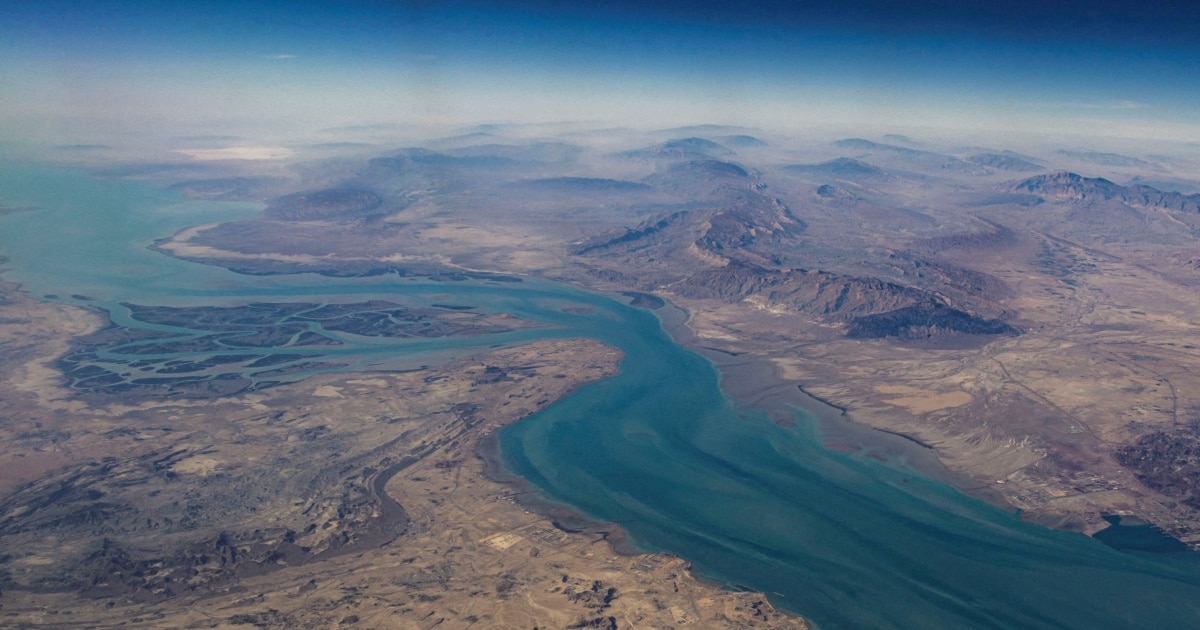
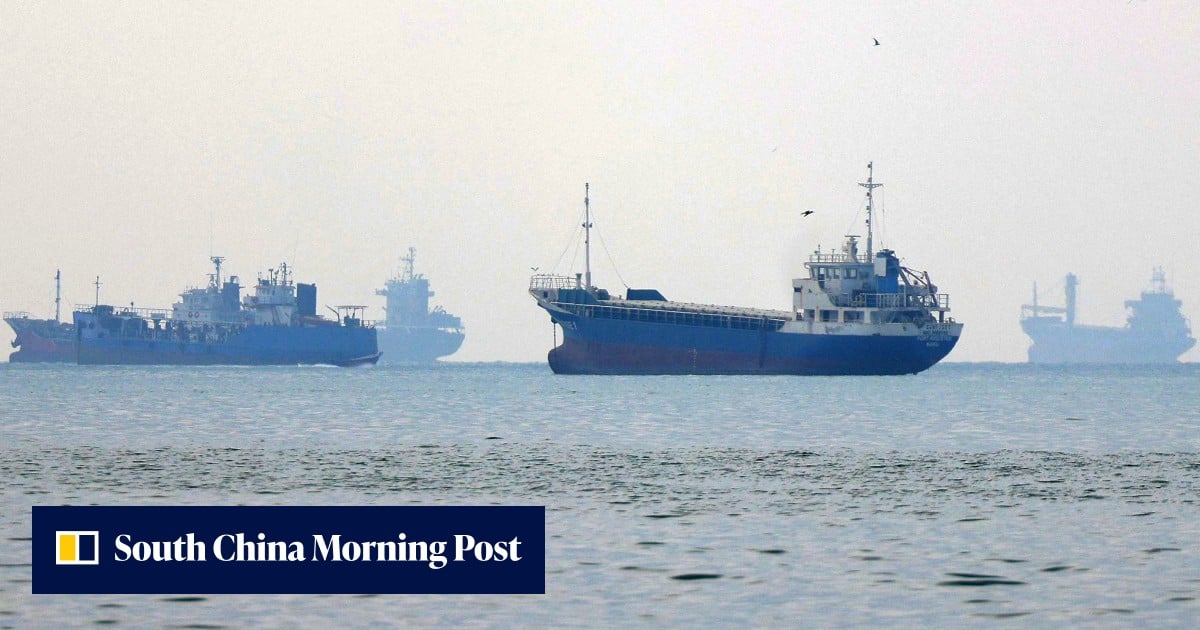
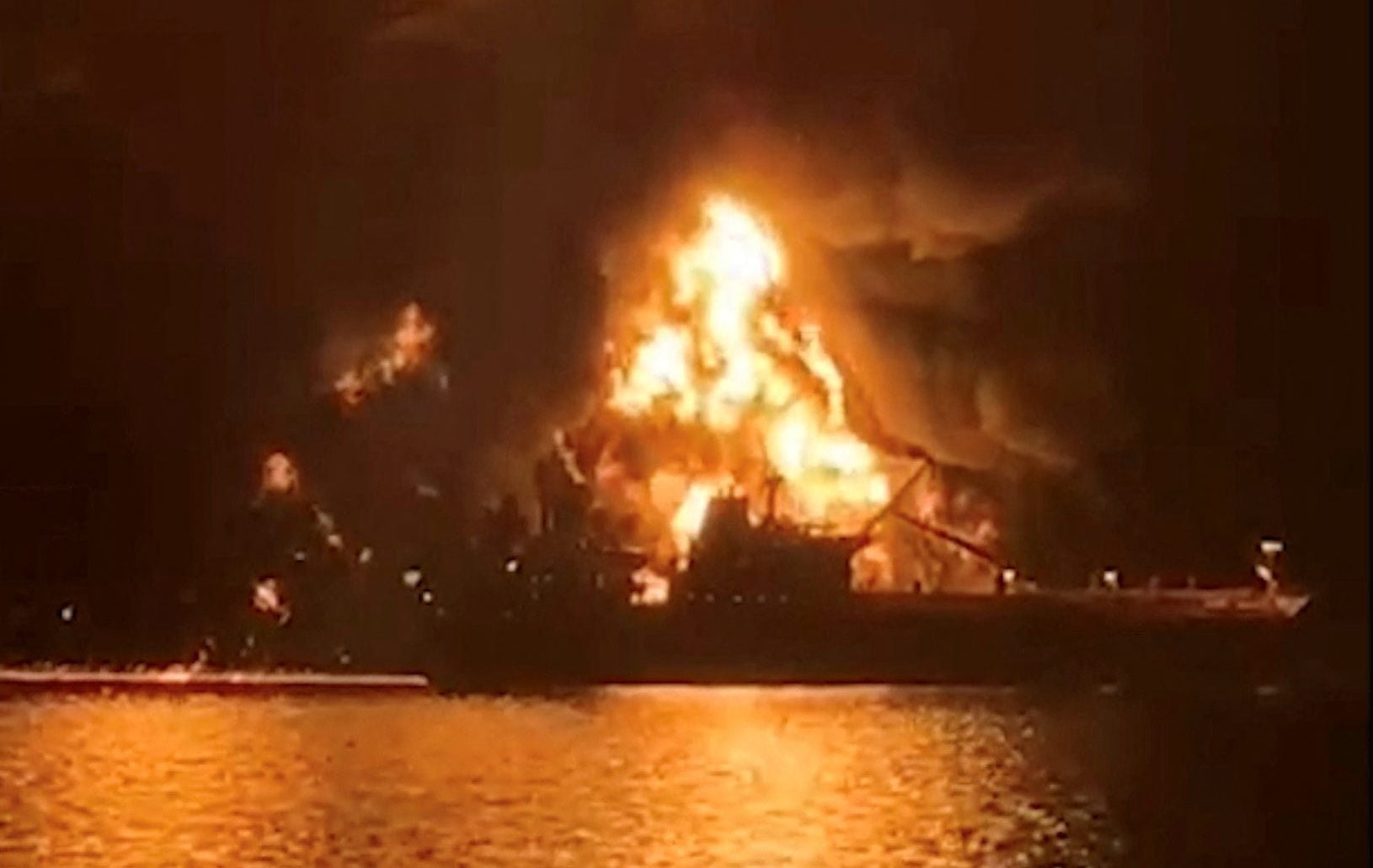
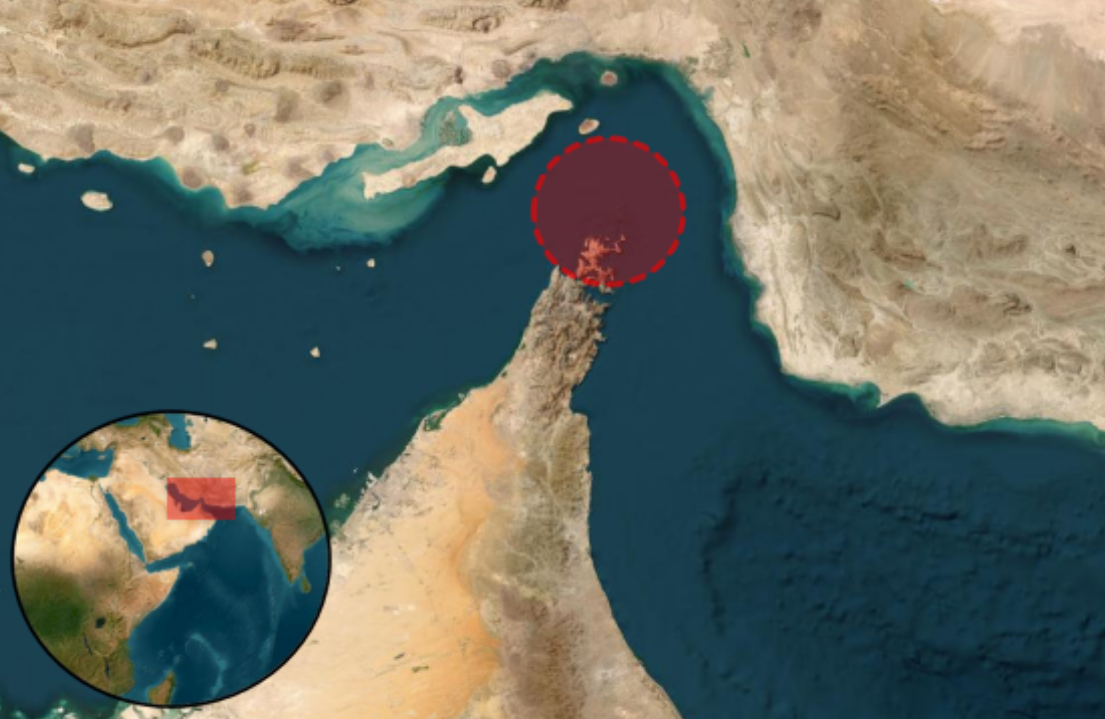
The conflict is widening its operational effects beyond direct strikes on Iran and Israel. UK Maritime Trade Operations reported that an unknown projectile struck a vessel in the Strait of Hormuz on 13 September, causing a fire and crew evacuation, while Iranian officials reported a vessel strike near Qeshm Island with one person killed and three or four wounded. The exact location, vessel identity and US response remain disputed. Houthi forces are reported to hold Mayyun, Dhubab and Mokha, and to be pressing Saudi Arabia with attacks on Jazan and a military base. Saudi Arabia has shut its East-West pipeline after drone attacks and suspended oil exports through the Bab al-Mandeb. BRICS calls for restraint and Iran-UAE contact provide diplomatic engagement, but the postponement of the Salalah meeting and Bahrain's refusal to participate show that the restraint channel remains weak.
Change from previous assessment
Since the 12 September brief, confidence has risen in the assessment that Hormuz transit is severely restricted after a reported vessel strike, fire and crew evacuation, although the location and vessel identity remain disputed. Reporting now provides stronger support for sustained Houthi positions on Mayyun, Dhubab and Mokha, while claims of complete control of the Yemeni Red Sea coastline remain unresolved. The Saudi pipeline assessment has also changed: reporting now places the suspected launch site inside Maysan province and records Iraqi disciplinary and border-control measures, without identifying the attackers. The postponement of the Salalah meeting lowers confidence that diplomacy will produce near-term restraint, while the competing US retaliation accounts and conflicting Djibouti arrival figures keep confidence below high for those specific details.
Key judgments
- Likely US-Iran military exchanges will continue over the next 0-14 days. Reporting says the six-month war has resumed in tit-for-tat strikes, the US military has targeted several Iranian oil tankers in response to Islamic Revolutionary Guard Corps missile attacks on US warships, and the United States claims to have destroyed five Iranian oil tankers. Reporting on a US retaliatory strike against an Iranian container ship conflicts with an account saying US forces did not strike Iranian tankers after the Saturday night incident, leaving the latest US response and escalation tempo uncertain. (Confidence: medium · ASSESSED)
- I&W: CONFIRM: UKMTO or another maritime authority reports another Iranian or US strike involving a tanker or warship in the Strait of Hormuz, the Gulf of Oman or waters off Iran. (0-14 days)
- I&W: BREAK: US and Iranian authorities announce a mutually observed halt in maritime and missile attacks, followed by no new reported strikes for seven days. (0-14 days)
- Very likely commercial transit through the Strait of Hormuz will remain severely restricted over the next 0-14 days, while a complete closure is unlikely. UKMTO reported a projectile strike, fire and crew evacuation on a vessel transiting the strait. Separate reporting says Iran has increased attacks on ships travelling at night, while US protection for tankers has been confined to specific daily time slots and an Omani coastal route. The attacker, precise location and identity of the vessel remain contested. (Confidence: medium · ASSESSED)
- I&W: CONFIRM: US maritime protection remains limited to scheduled windows and UKMTO reports another vessel strike, fire or crew evacuation in the strait. (0-14 days)
- I&W: BREAK: Washington expands protection to continuous coverage and commercial traffic transits the strait for seven consecutive days without a reported attack. (0-14 days)
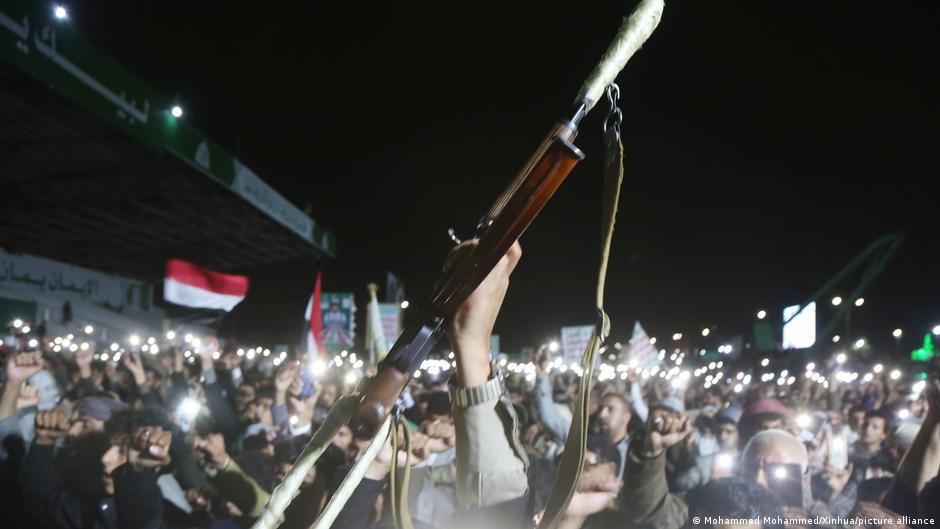
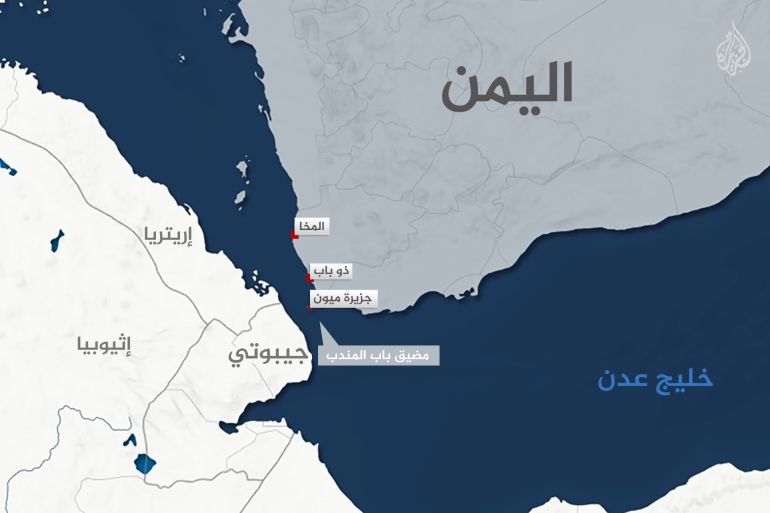
- Very likely Houthi forces will retain positions on Mayyun, also known as Perim, and in Dhubab, while continuing pressure on Red Sea shipping and Saudi Arabia over the next 0-14 days. Reuters and Associated Press reporting places Houthi forces on Mayyun on 11 September, while other reporting describes control of Mokha and the Bab al-Mandeb approaches. The claim that the Houthis control Yemen's entire Red Sea coastline is less secure because control of Hanish and Zuqar remains unverified. The Houthis' statement that navigation is safe and orderly is contradicted by reported attacks on Saudi ships and Saudi suspension of oil exports through the strait. (Confidence: medium · ASSESSED)
- I&W: CONFIRM: Yemeni government sources, commercial imagery or maritime reporting verify continued Houthi presence on Mayyun, in Dhubab or in Mokha, alongside another attack on Saudi or Red Sea shipping. (0-14 days)
- I&W: BREAK: Yemeni government forces announce and independently demonstrate the recovery of Mayyun or Dhubab, followed by restored Saudi oil transit through the Bab al-Mandeb. (0-14 days)
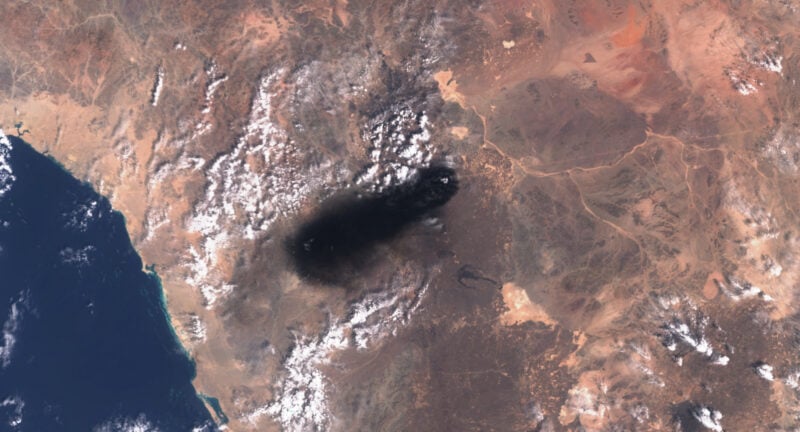
- Very likely disruption to Saudi oil transport will persist over the next 0-14 days. Saudi Arabia shut its 1,200-kilometre East-West pipeline after drone attacks in the Riyadh and Madinah regions, and satellite imagery showed damage. The pipeline has carried about 4-5 million barrels per day and reportedly reached a 7 million barrel per day capacity earlier in 2026. Iraq has attributed the launch site to Maysan province, fired the provincial operations commander and ordered an investigation, while also closing the Shalamcheh border crossing with Iran. The identity of the attackers remains unconfirmed. (Confidence: high · ASSESSED)
- I&W: CONFIRM: Saudi Arabia keeps the East-West pipeline closed, reports throughput below its stated 4-5 million barrels per day level, or maintains the suspension of oil exports through the Bab al-Mandab. (0-14 days)
- I&W: BREAK: Saudi Arabia announces a verified pipeline restart and restores oil exports through the Bab al-Mandab without a new attack on the route for seven days. (0-14 days)
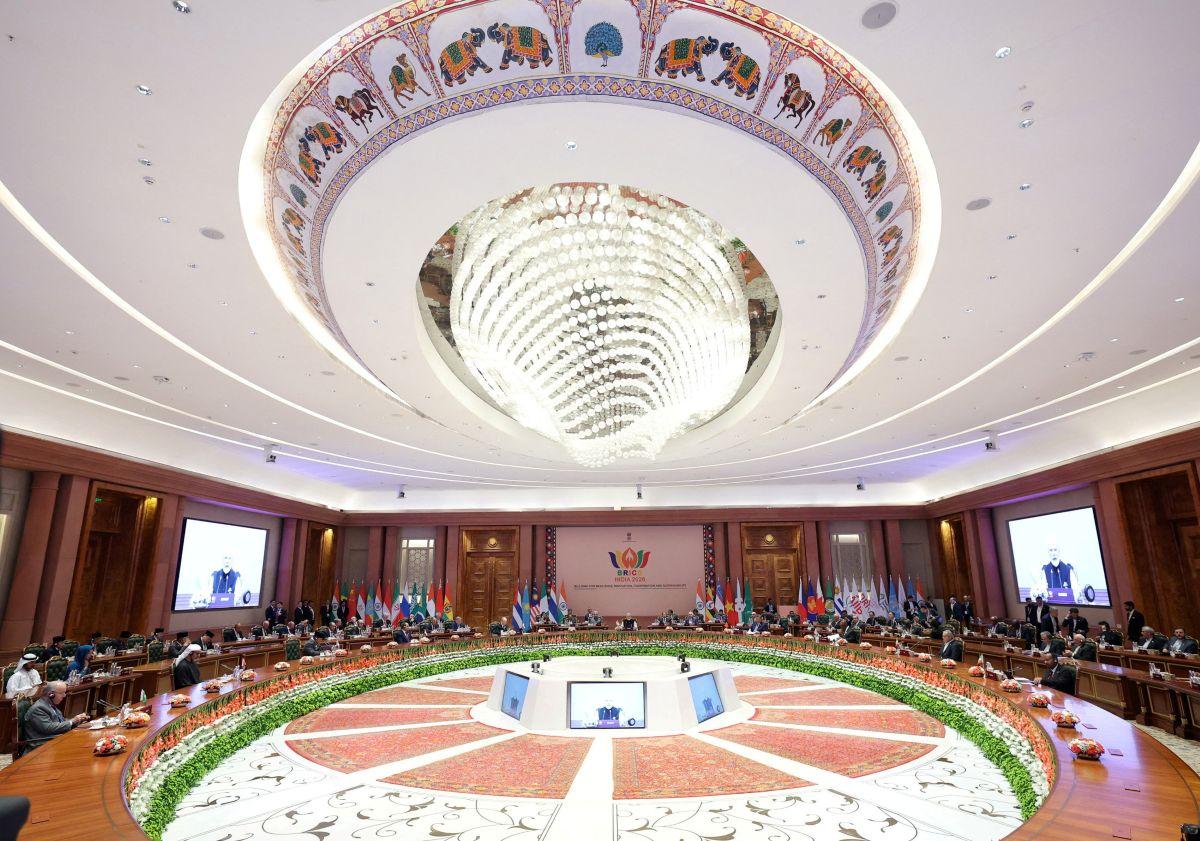
- Likely BRICS diplomacy and Iran-UAE contact will generate temporary pressure for restraint over the next 0-14 days, but unlikely to halt military exchanges. Iran and the UAE endorsed a BRICS declaration calling for maximum restraint, and Masoud Pezeshkian met the Abu Dhabi Crown Prince in New Delhi. The channel is weakened by the postponement of the Salalah meeting on the Strait of Hormuz, Bahrain's refusal to join the proposed ministerial meeting and the absence of an operational mechanism to enforce restraint. (Confidence: medium · ASSESSED)
- I&W: CONFIRM: Oman announces a new date for the Salalah meeting and Iran, the UAE and additional Gulf states attend while no new maritime strike is reported for 72 hours. (0-14 days)
- I&W: BREAK: A new US, Iranian or Houthi attack occurs after the BRICS declaration or Bahrain again rejects a scheduled Hormuz meeting. (0-14 days)
- Likely Yemeni displacement into Djibouti will continue over the next 0-14 days, but the scale is uncertain and confidence is low. Reports variously place arrivals within 24 hours at about 1,400 people, more than 1,400 people or more than 2,000 people. The discrepancy involves local authorities, the International Organisation for Migration and media reporting, while Houthi forces are reported to be tightening control over the Red Sea coast and Bab al-Mandeb. (Confidence: low · ASSESSED)
- I&W: CONFIRM: Djibouti authorities or the International Organisation for Migration report another arrival wave from Yemen and publish a reconciled count above 1,000 people within 24 hours. (0-14 days)
- I&W: BREAK: Djibouti records no further arrivals from Yemen for seven consecutive days and reports that maritime departures from the Red Sea coast have stopped. (0-14 days)
Outlook & scenarios
Continued multi-front pressure (55%)
US-Iran strikes continue, commercial transit through the Strait of Hormuz remains restricted, and Houthi forces retain Mayyun, Dhubab and Mokha. Saudi Arabia keeps the East-West pipeline closed or operates it below normal throughput, while oil prices remain above $100 per barrel.
Temporary diplomatic containment (25%)
Oman reschedules the Salalah meeting, Iran and Gulf states use the BRICS declaration as a basis for limited maritime understandings, and Iran-UAE contact produces a short pause in attacks. Hormuz transit remains risk-priced and constrained, but no new major tanker or warship strike occurs for several days.
High-impact widening of the conflict (15%)
A new Iranian or US strike on a tanker or warship triggers reciprocal attacks in the Strait of Hormuz and the Gulf of Oman. Houthi attacks on Saudi targets continue alongside Saudi airstrikes in Yemen, and attacks on Saudi energy infrastructure or Gulf bases produce a broader disruption to energy and maritime routes.
Limited de-escalation without settlement (10%)
US and Iranian maritime attacks decline, the Salalah channel reopens and Saudi Arabia restores pipeline operations. Houthi forces retain Mayyun and Dhubab, so Red Sea shipping remains below normal even as pressure in the Strait of Hormuz eases.
Recommendations
- Treat the Strait of Hormuz as operational but severely restricted, not as physically closed. Track UKMTO incident notices, fire and evacuation reports, US protection windows and the movement of commercial tankers each day.
- Maintain separate incident records for the vessel reported near Qeshm Island and the vessel reported in the Strait of Hormuz. Reconcile vessel name, flag, position, casualty count and timing before assigning responsibility.
- Map verified Houthi control of Mayyun, Dhubab and Mokha separately from unverified claims concerning Hanish, Zuqar and the entire Yemeni Red Sea coastline.
- Monitor the Saudi East-West pipeline for restart announcements, stated throughput and new damage. Track the Iraqi investigation in Maysan, the status of the Shalamcheh crossing and any evidence linking a named group to the drone attacks.
- Use the postponement of the Salalah meeting, Bahrain's non-participation and any new Oman announcement as near-term measures of diplomatic traction. Do not treat the BRICS declaration as an operational ceasefire mechanism.
- Report Yemeni arrivals in Djibouti with the source and count attached. Keep the local-authority estimate of about 1,400 separate from the International Organisation for Migration estimate of more than 2,000 until the discrepancy is resolved.
- Prepare a high-impact warning package for any additional strike on a tanker, US warship or Gulf base, with immediate attention to reciprocal US-Iran action and further Houthi attacks on Saudi energy or maritime targets.
Confidence & uncertainty
Overall confidence is high for the core developments because multiple official, wire-service and major-media reports corroborate the vessel strike in the Strait of Hormuz, Houthi gains around Mayyun and the Bab al-Mandab, Saudi pipeline disruption and the BRICS restraint effort. Confidence is lower for precise strike locations, vessel identities, attacker attribution, the extent of Houthi control beyond Mayyun and Dhubab, and the number of Yemenis arriving in Djibouti. These uncertainties affect detail and forecasting, not the central assessment that military and maritime pressure is intensifying.
Intelligence gaps
- [EEI 1.1 · UNCOVERED] Unusual long-range missile/rocket transporter-launcher (TEL) movements, storage activation, or assembly activity at known IRGC missile sites or forward staging areas. Recommended collection: satellite/imagery
- [EEI 1.2 · UNCOVERED] Orders, threat-alert messages, or changes in posture from IRGC, Quds Force, or senior Iranian military leadership indicating attack timelines or rules of engagement changes. Recommended collection: signals/ELINT and HUMINT
- [EEI 1.3 · UNCOVERED] Large-scale transfers, deliveries, or convoy movements of armed UAVs/drones, guided munitions, or spare parts from Iran into Lebanon (Hezbollah), Iraq, Syria, or Gaza. Recommended collection: air/aviation track and HUMINT
- [EEI 1.4 · UNCOVERED] Sustained changes in Israeli air-defense usage (SAM launches, radar activations), wide-area alerts, or NOTAMs indicating elevated imminent strike response. Recommended collection: air/aviation/NOTAMs and signals
- [EEI 2.1 · UNCOVERED] Concentration, repositioning, or sortie patterns of Iranian naval/IRGC patrol boats and fast-attack craft near shipping chokepoints or commercial lanes. Recommended collection: maritime/AIS and satellite/imagery
- [EEI 2.3 · PARTIAL] Insurance market indicators: sudden spikes in war-risk or hull insurance premiums for routes through the Red Sea, Suez corridor, or Persian Gulf, and major carriers announcing route changes. Recommended collection: financial/market and commercial shipping notices
- [EEI 2.4 · PARTIAL] Port closures, naval escorts requested by commercial operators, or formal rerouting advisories issued by major shippers (e.g., Maersk, Hapag-Lloyd) for regional transits. Recommended collection: commercial/OSINT
- [EEI 3.1 · PARTIAL] Deployment of foreign military assets to the region (carrier strike groups, amphibious ships, combat aircraft deployments, or additional bases activated) from the US, UK, France, Russia, or GCC states. Recommended collection: maritime/AIS and air/aviation and satellite/imagery
- [EEI 3.3 · UNCOVERED] Confirmed arms transfers, expedited weapons shipments, or transfer authorizations to Israel, Iran, or their proxies (aircraft parts, munitions, air defenses). Recommended collection: customs/INTEL and HUMINT
- [EEI 3.4 · UNCOVERED] Issuance of travel warnings, embassy evacuations or reductions, and closure of diplomatic missions by major capitals indicating escalation risk or shifted threat assessments. Recommended collection: OSINT/diplomatic
Cited sources
[1] GMA News (gmanetwork.com), republishing Reuters · Iran and UAE back joint BRICS statement urging restraint in war (A) · Sat Sep 12 2026 23:08:17 GMT+0000 (Coordinated Universal Time) · sha256:7ef3ba7f4817 [2] Radio Free Europe/Radio Liberty (RFE/RL) · Oman Meeting Between Iran, Gulf States Postponed, Await More 'Conducive' Conditions (A) · Sun Sep 13 2026 07:09:37 GMT+0000 (Coordinated Universal Time) · sha256:8247a49ef918 [3] The National · Iran war latest: Trump repeats war will end after US midterm elections (A) · Sun Sep 13 2026 05:08:30 GMT+0000 (Coordinated Universal Time) · sha256:d95a3353052e [4] The Maritime Executive · U.S. Shows More Restraint After Latest Iranian Tanker Strike (C) · sha256:10b7ff3bfb76 [5] Reuters (republished by gCaptain) · Crew Of Vessel Attacked In Hormuz Strait Evacuated (A) · Sun Sep 13 2026 14:46:08 GMT+0000 (Coordinated Universal Time) · sha256:b31229b45bac [6] South China Morning Post · New attacks in Hormuz, Saudi test nerves as war’s spread worsens oil disruption (A) · Sun Sep 13 2026 18:57:50 GMT+0000 (Coordinated Universal Time) · sha256:9f7f26ce83a9 [7] gCaptain (republishing Reuters) · US Limits Air Defense Time Slots For Tankers Sailing Through Hormuz (C) · Sun Sep 13 2026 14:20:18 GMT+0000 (Coordinated Universal Time) · sha256:f4be381706cc [8] Regional Center for Strategic Studies (Egypt) - rcssegypt.com · تصعيد محسوب: قراءة في تهديدات الحوثي من باب المندب إلى البحر الأحمر (C) · Sun Sep 13 2026 11:38:36 GMT+0000 (Coordinated Universal Time) · sha256:a5ec857ac28d [9] Ean Libya (eanlibya.com) · الحوثيون. كيف تحولت «حركة صعدة» إلى قوة تهدد أمن البحر الأحمر؟ (D) · Sun Sep 13 2026 18:24:06 GMT+0000 (Coordinated Universal Time) · sha256:94f052f6647d [10] Al Jazeera · Red Sea nations watch as Houthis seize Bab al-Mandeb strait (A) · Sun Sep 13 2026 15:00:47 GMT+0000 (Coordinated Universal Time) · sha256:1c781cf70bdc [11] Deutsche Welle (DW) · الحوثيون.من جماعة معزولة إلى قوة تسيطر على باب المندب (A) · Sun Sep 13 2026 13:35:19 GMT+0000 (Coordinated Universal Time) · sha256:3e1a9299c865 [12] Al Jazeera · Iran war updates: Houthis warn against intervention (A) · Sat Sep 12 2026 00:00:00 GMT+0000 (Coordinated Universal Time) · sha256:bb5acf5d7bd4 [13] Bloomberg (republished by gCaptain) · Iraq Under Pressure After Drone Strikes Close Key Saudi Pipeline (A) · Sun Sep 13 2026 15:19:32 GMT+0000 (Coordinated Universal Time) · sha256:13e849f83813 [14] DevDiscourse · Tensions Surge as Maritime Strikes Disrupt Global Oil Routes (B) · sha256:29ec4f8d235a [15] i24NEWS · UAE's Crown Prince meets Putin at BRICS summit as bloc navigates Iran-UAE divide (B) · Sun Sep 13 2026 00:00:00 GMT+0000 (Coordinated Universal Time) · sha256:eebfbf2e9300 [16] Il Sole 24 Ore · War, latest news. Yemen: government forces have lost 500 soldiers in a month (A) · Sun Sep 13 2026 07:19:00 GMT+0000 (Coordinated Universal Time) · sha256:e6f876f47f84 [17] العربي الجديد (Al Araby Al Jadid) · نزوح بحري من اليمن نحو 1400 يمني يصلون إلى جيبوتي خلال 24 ساعة هرباً من القتال | العربي الجديد (E) · sha256:fd81e50f8c65
Source content hashes were computed at collection time; the cited text is preserved unmodified for the life of this product.
TLP:CLEAR