TLP:CLEAR · Disclosure is not limited.
Iran-Israel Conflict: Maritime Disruption and Regional Escalation
Time window: Last 1 day · Audience: General analyst · Type: Situation report · DTG: 2026-08-22 14:08Z · Overall confidence: MEDIUM
BLUF
Regional stability remains under pressure as Iran raises military readiness, shipping through the Strait of Hormuz stays approximately 90 per cent below pre-war levels, and Israeli operations continue in southern Lebanon and Syria. Reported US-Iran talks in Switzerland offer a possible restraint, but planned US sanctions, Iranian threat messaging and unresolved reporting on Turkish activity at Abu al-Duhur limit confidence in near-term de-escalation.
Executive summary
Iranian armed forces have publicly emphasised readiness, deterrence, improved weapon accuracy and continued presence in strategic waterways. Maritime disruption is likely to persist around the Strait of Hormuz, the Gulf of Aden and Bab el Mandeb, with Iraqi oil tankers receiving limited Iranian passage and Saudi crude being rerouted through the northern Red Sea. Israel-Türkiye tensions remain concentrated on Abu al-Duhur Military Air Base in eastern Idlib, where Israeli and Turkish accounts conflict with Washington's assessment that Israeli intelligence was erroneous. Gaza and southern Lebanon face severe humanitarian pressure, while US economic pressure on Iran is advancing alongside reported but poorly reconciled diplomatic contacts.
Change from previous assessment
Compared with the 21 August brief, the assessment of persistent maritime disruption is retained but now rests on a sharper estimate of Hormuz traffic, reported Iranian facilitation for Iraqi tankers, Saudi rerouting through the northern Red Sea and new Somalia incidents. The assessment of Iranian escalation pressure is strengthened by the 22 August readiness statements and the reported reward plan targeting US troops. The diplomatic assessment is revised to include a roughly even chance of a temporary pause because of the reported Switzerland talks, but confidence is lowered to low because the same reporting records Trump's rejection of current terms and planned sanctions. The Israel-Türkiye judgment is retained at low confidence, with Washington's claim that Israeli intelligence was erroneous adding weight to the competing non-deployment scenario. Gaza and southern Lebanon humanitarian pressure is newly foregrounded with quantified UN reporting.
Key judgments
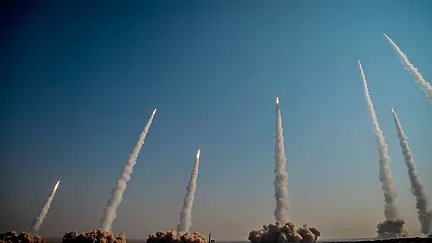
- Likely Iran's declared military posture will sustain escalation pressure against US forces and shipping through strategic waterways over the next 14 days. On 22 August, Iran's armed forces said they were raising readiness, improving weapon accuracy, maintaining a presence in strategic waterways and responding to threats. The Iranian army also reportedly devised a plan offering 5 billion tomans, approximately $26,000, for killing or capturing US troops. This is an assessed inference rather than confirmation of imminent Iranian action. The reporting is concentrated in major-media accounts and includes an earlier claim that doctrinal change does not necessarily imply pre-emptive action. (Confidence: medium · ASSESSED)
- I&W: CONFIRM: Iranian Armed Forces or Iranian naval forces publicly confirm a strike on a US base or vessel, or a new Iranian action affecting the Strait of Hormuz. (0-14 days)
- I&W: BREAK: Iranian authorities announce a stand-down from strategic waterways and stop issuing threat messages towards US forces. (0-14 days)
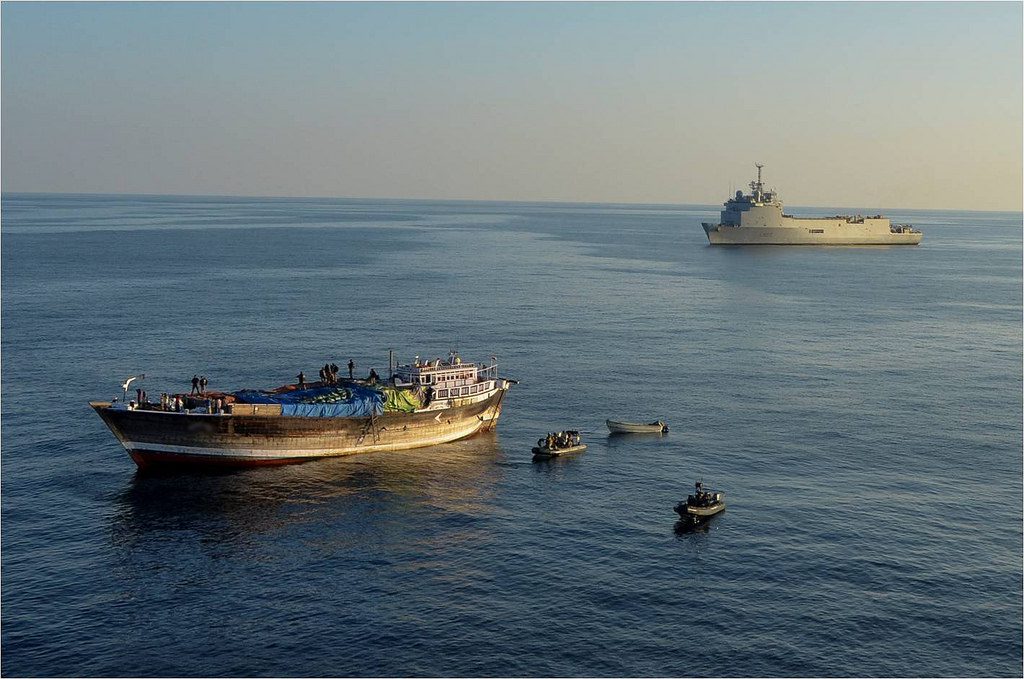
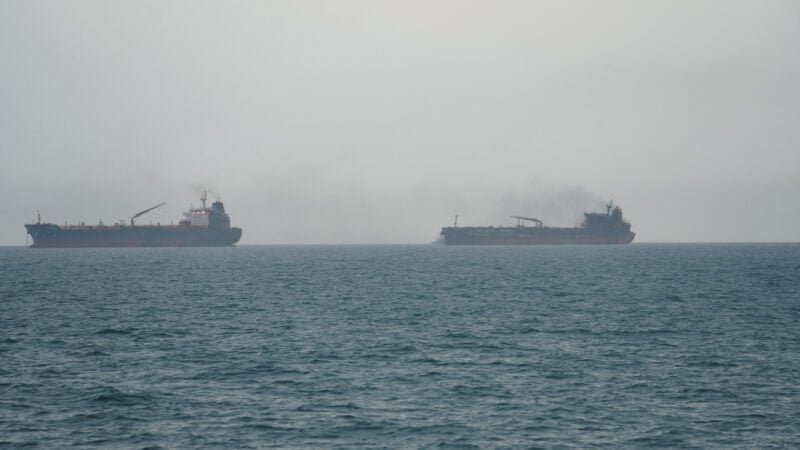
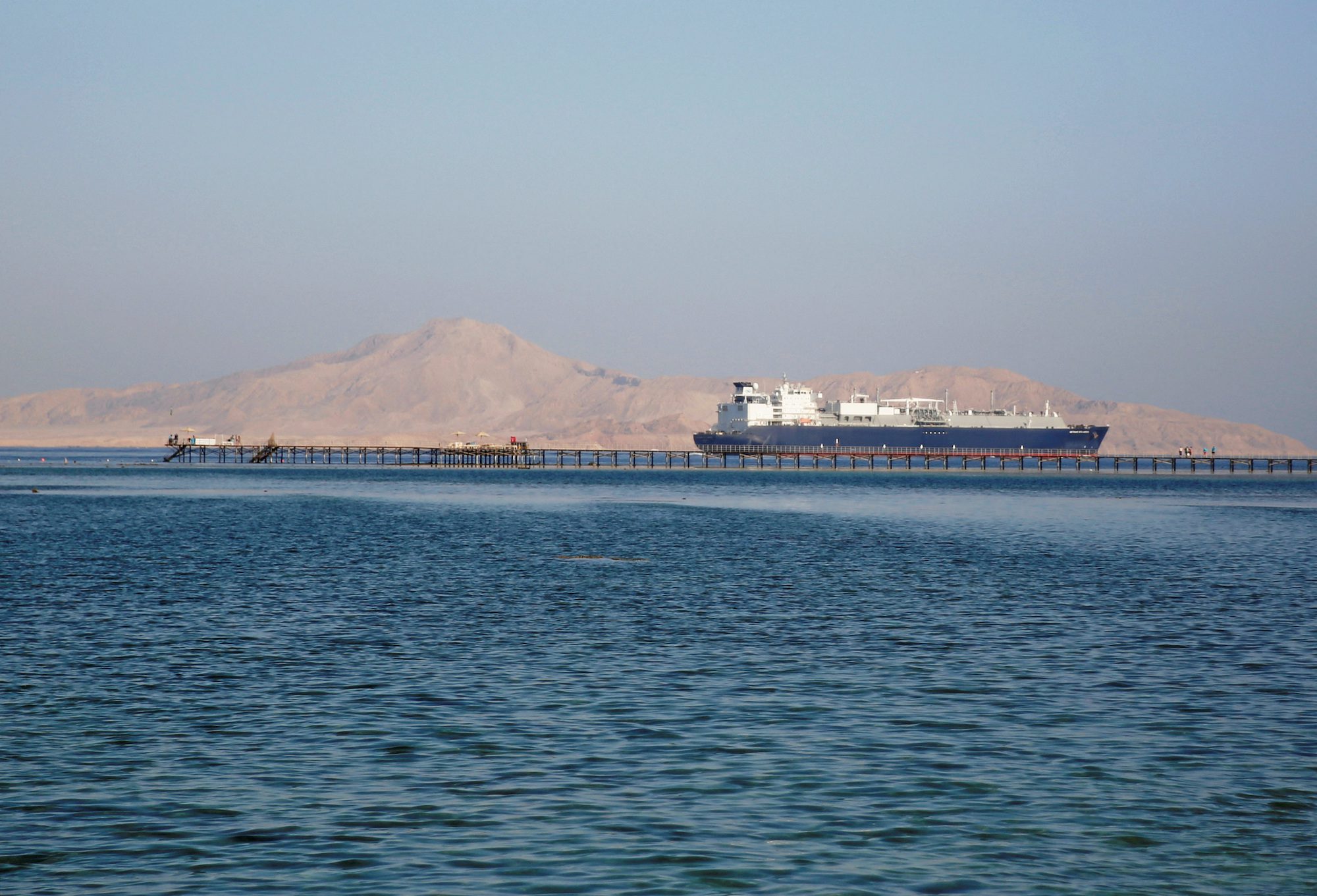
- Very likely shipping disruption will persist in the Strait of Hormuz, the Gulf of Aden and the Bab el Mandeb over the next 14 days. UK Maritime Trade Operations reports that Hormuz traffic is approximately 90 per cent below pre-war levels, while other reporting places traffic below pre-war levels and records continuing attacks in regional waters. Iran has facilitated passage for some Iraqi oil tankers, but Saudi crude exports through the northern Red Sea have increased by about a third to approximately 1.1 million barrels per day as shipowners avoid the southern route. The reported hijacking of Sibu 1 remains low confidence, while attacks on the Lutuf and two other ships, alongside an International Maritime Bureau warning of rising Somali piracy, reinforce the wider maritime risk. Confidence is medium because the broad disruption is supported by several reports, but the shipping data are incomplete and the Sibu 1 report is single-source and low confidence. (Confidence: medium · ASSESSED)
- I&W: CONFIRM: UK Maritime Trade Operations records traffic remaining approximately 90 per cent below pre-war levels and a second maritime source confirms an attack or hijacking involving Sibu 1, Lutuf or another named vessel. (0-14 days)
- I&W: BREAK: Shipping data show a sustained return towards pre-war traffic levels and no new attacks on vessels in the Strait of Hormuz, the Gulf of Aden or the Bab el Mandeb. (0-14 days)
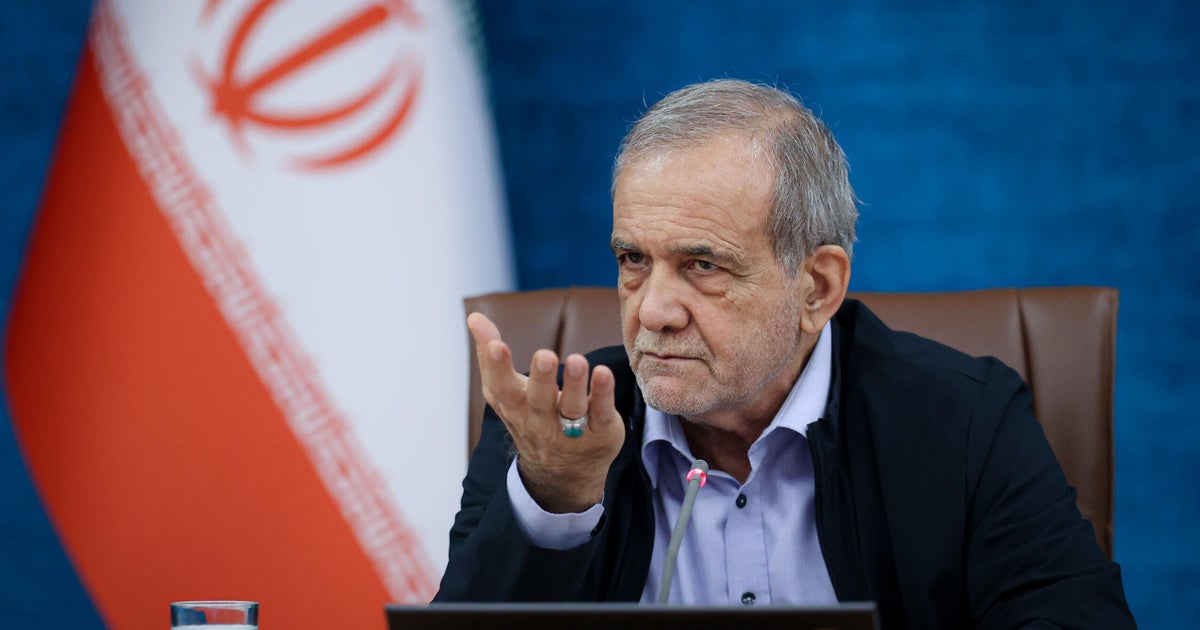
- Roughly even chance the reported US-Iran talks in Switzerland produce a temporary pause in hostilities over the next 14 days. The talks reportedly began on Sunday, but President Donald Trump says Iran is not ready for the right deal and that economic measures will tighten until Tehran accepts comprehensive terms. US Treasury Secretary Scott Bessent is expected to provide details of planned sanctions on Monday. President Masoud Pezeshkian has said the war should end, while China has said it will oppose new international sanctions against Iran. This is an assessed judgment with low confidence because the reported talks are supported by a single major-media claim, the chronology contains serious inconsistencies, and the sanctions and diplomatic positions point in opposing directions. (Confidence: low · ASSESSED)
- I&W: CONFIRM: Washington and Tehran publicly confirm a follow-on session in Switzerland and announce a written pause in hostilities. (0-14 days)
- I&W: BREAK: Scott Bessent announces new sanctions, Washington adds financial measures and Tehran ends the reported talks or issues another direct threat. (0-14 days)
- Likely tensions between Israel and Türkiye around Abu al-Duhur Military Air Base in eastern Idlib will remain an escalation vector over the next 1-3 months, while direct Israel-Türkiye armed conflict remains unlikely. Israel bombed the base on 18 August after Israeli officials suggested that Türkiye was transferring military equipment there, and Türkiye protested. Washington subsequently found no evidence of Turkish assets moving to the base, and US Ambassador Tom Barrack said the Israeli intelligence behind the strike was erroneous. Neither Washington nor Ankara reportedly received advance notification. Confidence is low because the evidence for Turkish activity is contested, the core strike reporting is low confidence, and the warning of direct conflict comes from a single official assessment. (Confidence: low · ASSESSED)
- I&W: CONFIRM: Israel conducts another strike on Abu al-Duhur or Türkiye confirms military equipment or a military deployment in eastern Idlib. (1-3 months)
- I&W: BREAK: Washington and Ankara jointly state that no Turkish assets are present at Abu al-Duhur and Israel conducts no further strike on the base. (1-3 months)
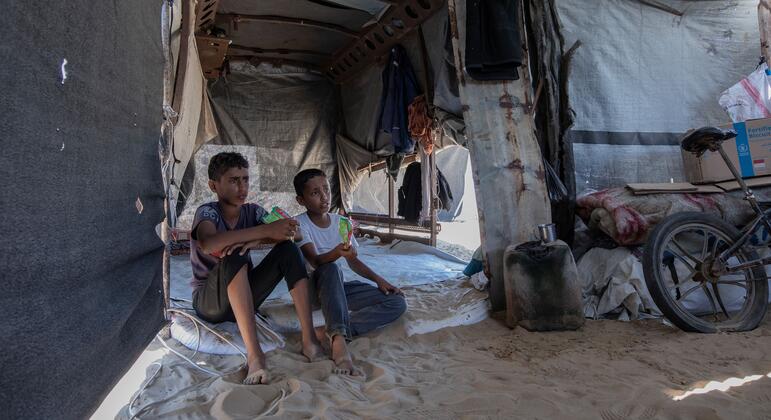
- Very likely humanitarian pressure will remain severe in Gaza and southern Lebanon over the next 14 days, adding to regional instability. UN agencies report that 94 per cent of Gaza's 2.1 million residents need shelter, more than four out of five families face critical or catastrophic living conditions, and Israeli restrictions continue to impede essential aid deliveries. UN partners estimate that $562 million is needed to improve living conditions, while Israeli forces have reportedly conducted 86 airspace violations and nine airstrikes in southern Lebanon. Lebanon's economy is projected to contract by 6.4 per cent in 2026, with inflation expected to reach 17.5 per cent. This judgment rests on reporting from UN agencies and the World Bank, with high confidence in the severity of the current indicators and lower confidence in the pace of further deterioration. (Confidence: high · ASSESSED)
- I&W: CONFIRM: UN agencies continue to report shelter need near 94 per cent in Gaza or document further Israeli airspace violations and airstrikes in southern Lebanon. (0-14 days)
- I&W: BREAK: UN agencies report a sustained fall in Gaza shelter need and removal of Israeli restrictions, while UNIFIL reports no further Israeli airstrikes in southern Lebanon. (0-14 days)
Outlook & scenarios
Continued distributed escalation (55%)
Iran maintains raised readiness and threat messaging, US economic pressure advances, Hormuz traffic remains depressed and Israeli operations continue in southern Lebanon. Israel-Türkiye tensions remain confined mainly to political and military signalling around Abu al-Duhur, without direct armed conflict.
Temporary US-Iran pause (30%)
The reported Switzerland talks produce a short pause in hostilities. Washington delays or limits the next sanctions step, Tehran reduces threat messaging and some shipping resumes through the Strait of Hormuz. Gaza and southern Lebanon remain under severe pressure because the pause does not address those fronts.
Direct Israel-Türkiye confrontation in Syria (10%)
A further Israeli strike linked to alleged Turkish military activity in eastern Idlib triggers a direct confrontation between Israel and Türkiye. The scenario would widen the conflict's geographic scope and place additional pressure on Washington to manage its relationships with both governments.
Maritime and humanitarian shock (15%)
The reported hijacking of Sibu 1 is confirmed and followed by another attack on a named vessel in the Gulf of Aden or the Strait of Hormuz. Rerouting increases, Iraqi oil exports face additional pressure and worsening conditions in Gaza and Lebanon amplify demands for an international response.
Recommendations
- Maintain a 0-14 day escalation dashboard that separates Iranian statements about readiness from verified actions by the Iranian army or Iranian naval forces. Give priority to confirmed attacks on US bases, vessels or shipping through the Strait of Hormuz.
- Reconcile the chronology before using the reporting for warning or policy analysis. Record the 18 August Abu al-Duhur strike, the 20 August Israeli criticism of Recep Tayyip Erdoğan, the 22 August Iranian readiness statements and the reported Sunday start of US-Iran talks as separate entries. Flag claims dated 2023 that are being used to describe the 2026 conflict.
- Treat the reported Sibu 1 hijacking as unconfirmed until UK Maritime Trade Operations or another independent maritime source verifies the incident. Track Sibu 1, Lutuf and any subsequent named vessels separately from the broader trend in Hormuz and Gulf of Aden traffic.
- Monitor three shipping measures daily: Hormuz traffic against the reported 90 per cent reduction, Iranian permissions for Iraqi oil tankers, and Saudi crude volumes routed through the northern Red Sea. Escalate the assessment if traffic falls further or if Iranian facilitation stops.
- Prepare a short-notice diplomatic update for the expected Scott Bessent sanctions announcement and any follow-on US-Iran contact in Switzerland. Keep implemented sanctions, announced plans and Chinese opposition at the UN Security Council in separate categories.
- Update the humanitarian picture with the Gaza shelter requirement, aid access restrictions, the $562 million funding need and UNIFIL reporting on Israeli airspace violations and airstrikes in southern Lebanon. Use these measures to distinguish worsening conditions from changes in military tempo.
Confidence & uncertainty
Overall confidence is medium because UN and World Bank reporting provides strong corroboration for conditions in Gaza, southern Lebanon and Lebanon's economy, while major-media reporting supports Iranian readiness, US pressure and reduced Hormuz traffic. Confidence is lower for the reported Sibu 1 hijacking, Turkish activity at Abu al-Duhur and the timing and substance of US-Iran talks. The claim set also contains material date inconsistencies and contested accounts of the Abu al-Duhur strike.
Intelligence gaps
- [EEI 1.1 · UNCOVERED] Unusual long-range missile/rocket transporter-launcher (TEL) movements, storage activation, or assembly activity at known IRGC missile sites or forward staging areas. Recommended collection: satellite/imagery
- [EEI 1.2 · PARTIAL] Orders, threat-alert messages, or changes in posture from IRGC, Quds Force, or senior Iranian military leadership indicating attack timelines or rules of engagement changes. Recommended collection: signals/ELINT and HUMINT
- [EEI 1.3 · UNCOVERED] Large-scale transfers, deliveries, or convoy movements of armed UAVs/drones, guided munitions, or spare parts from Iran into Lebanon (Hezbollah), Iraq, Syria, or Gaza. Recommended collection: air/aviation track and HUMINT
- [EEI 1.4 · UNCOVERED] Sustained changes in Israeli air-defense usage (SAM launches, radar activations), wide-area alerts, or NOTAMs indicating elevated imminent strike response. Recommended collection: air/aviation/NOTAMs and signals
- [EEI 2.1 · UNCOVERED] Concentration, repositioning, or sortie patterns of Iranian naval/IRGC patrol boats and fast-attack craft near shipping chokepoints or commercial lanes. Recommended collection: maritime/AIS and satellite/imagery
- [EEI 2.3 · UNCOVERED] Insurance market indicators: sudden spikes in war-risk or hull insurance premiums for routes through the Red Sea, Suez corridor, or Persian Gulf, and major carriers announcing route changes. Recommended collection: financial/market and commercial shipping notices
- [EEI 2.4 · PARTIAL] Port closures, naval escorts requested by commercial operators, or formal rerouting advisories issued by major shippers (e.g., Maersk, Hapag-Lloyd) for regional transits. Recommended collection: commercial/OSINT
- [EEI 3.1 · UNCOVERED] Deployment of foreign military assets to the region (carrier strike groups, amphibious ships, combat aircraft deployments, or additional bases activated) from the US, UK, France, Russia, or GCC states. Recommended collection: maritime/AIS and air/aviation and satellite/imagery
- [EEI 3.3 · UNCOVERED] Confirmed arms transfers, expedited weapons shipments, or transfer authorizations to Israel, Iran, or their proxies (aircraft parts, munitions, air defenses). Recommended collection: customs/INTEL and HUMINT
- [EEI 3.4 · UNCOVERED] Issuance of travel warnings, embassy evacuations or reductions, and closure of diplomatic missions by major capitals indicating escalation risk or shifted threat assessments. Recommended collection: OSINT/diplomatic
Cited sources
[1] alsahattv.com.ye · إيران ترفع جهوزيتها. تعزيز القدرات الدفاعية والهجومية ورسائل حازمة في مواجهة التهديدات (B) · sha256:fde9e3bd3793 [2] Yenisafak · Iranian army shifts to offensive doctrine, targets US troops (B) · sha256:1cd5a3c471bb [3] interfax.ru · В Иране заявили о переходе с оборонительной на наступательную военную доктрину (B) · sha256:b152bc419aed [4] en.yenisafak.com · Trump: Iran not ready for 'right deal' despite pressure (B) · sha256:79be117afba7 [5] gcaptain.com · Iran Grants Permission For A Number Of Iraqi Oil Tankers To Pass Through Hormuz (A) · sha256:8b8f019e0b90 [6] gcaptain.com · Saudis Shuttle Oil North On Tankers To Evade Houthis (B) · sha256:9f94c9f55089 [7] gcaptain.com · Piracy Observer Says Somali Incidents Rising as Navies Stretched (B) · sha256:8a3c3a8b2aaf [8] ammanjo.co · الجيش الإسرائيلي يعلن بدء مناورات عسكرية جديدة (B) · sha256:5206358e8a80 [9] CBS News · U.S.-Iran Live Updates: Iran declares it has won the war as U.S. turns to economic warfare (A) · sha256:b3caf1e02c82 [10] gcaptain.com · Iran Vows 'Devastating' Response to US Threat to Cut Off Its Economic Lifelines (A) · sha256:ec2f20ca0068 [11] moderndiplomacy.eu · China’s Iran Dilemma: What Happens If Tehran Quits the NPT—and War With the US Erupts? (C) · sha256:6296ff65bbfb [12] chosun.com · Israel, Turkey Clash Over Syria Military Dominance (A) · sha256:1204cfb1e843 [13] Yenisafak · US envoy refutes Israeli intel on Syria air base strike (B) · sha256:f4fb71a9ff45 [14] en.yenisafak.com · Netanyahu turns to anti-Türkiye rhetoric as polls slide (B) · sha256:308f5818c4ea [15] United Nations · Middle East: 94 per cent need shelter in Gaza, Israel ramps up demolitions in Lebanon (A) · sha256:aa5d2b0f402c [16] aljazeera.com · World Bank projects war-hit Lebanon’s economy to contract by 6.4 percent (A) · sha256:8de3b299d843
Source content hashes were computed at collection time; the cited text is preserved unmodified for the life of this product.
Red cell review: CONCUR WITH COMMENT
TLP:CLEAR