TLP:CLEAR · Disclosure is not limited.
Iran-Israel Conflict: Maritime Disruption and Regional Spillover
Time window: Last 1 day · Audience: General analyst · Type: Situation report · DTG: 2026-09-19 22:37Z · Overall confidence: HIGH
BLUF
Very likely, military escalation involving Iran, Israel, the United States, Houthi forces and Saudi Arabia will continue to constrain maritime traffic through the Strait of Hormuz and Bab el-Mandeb over the next 0-14 days. The immediate decision risk is a prolonged but partial disruption of energy flows, with further attacks on Saudi infrastructure or commercial shipping serving as the clearest escalation triggers.
Executive summary
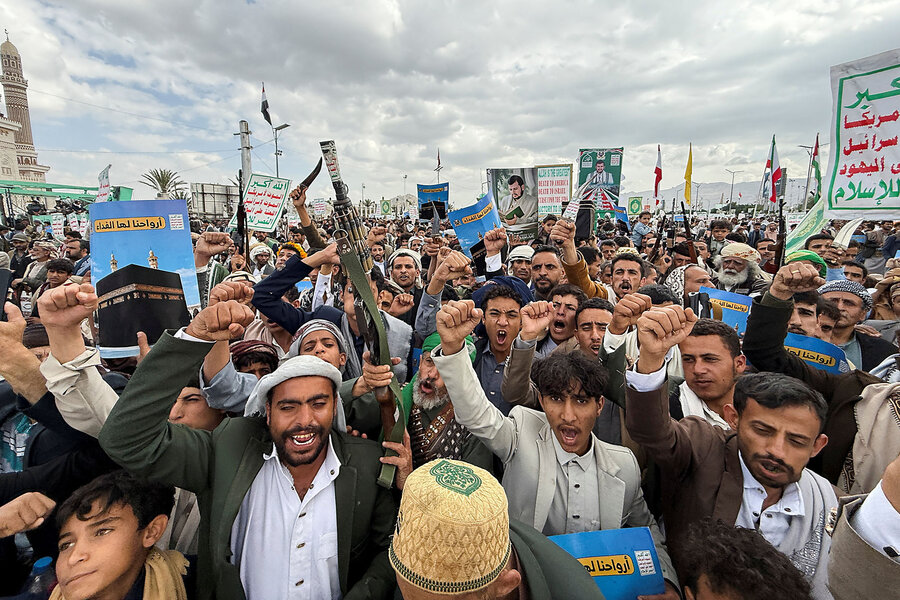
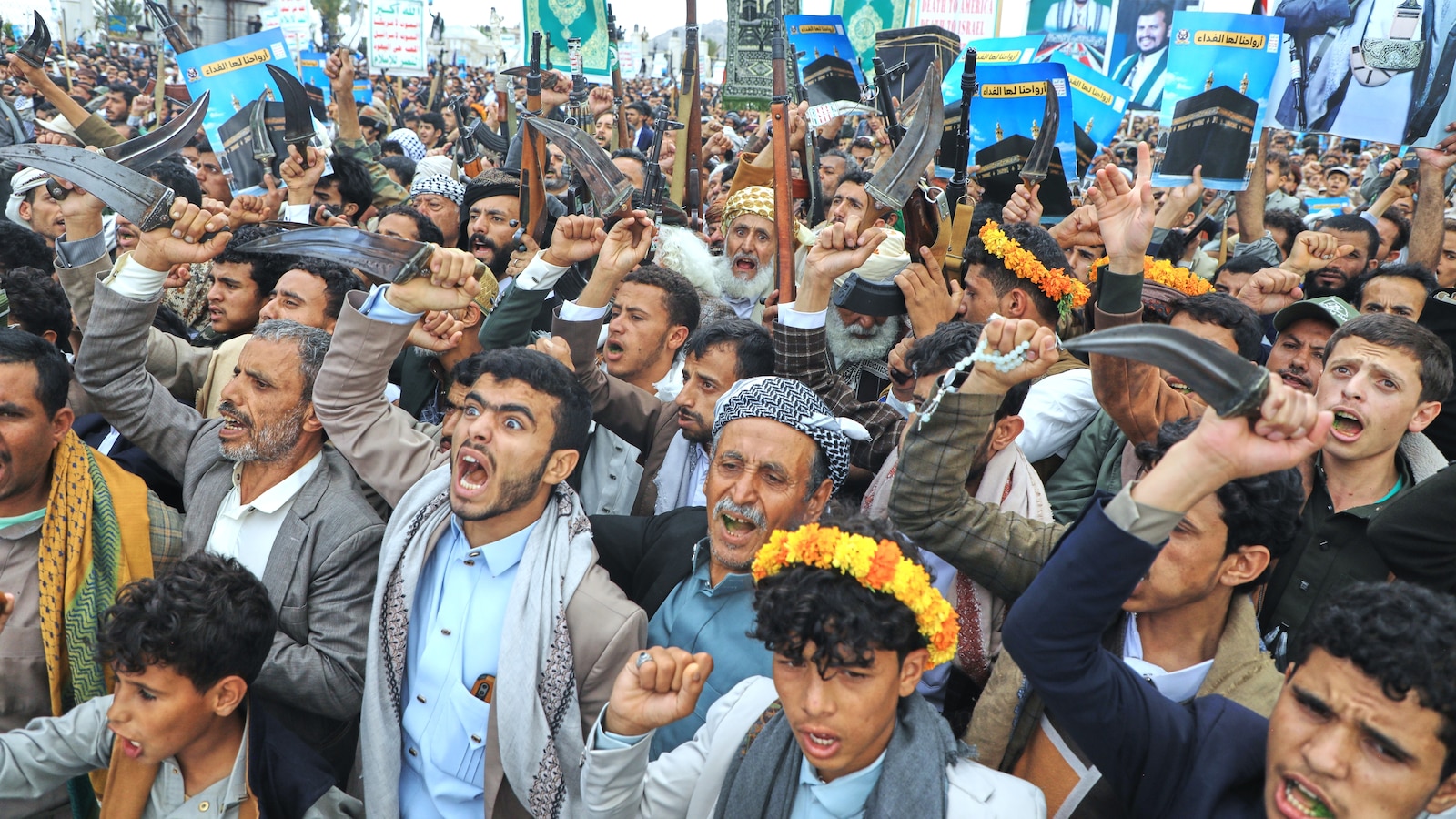
The conflict is widening beyond direct US-Israel-Iran exchanges. Houthi forces have attacked Saudi cities, military sites and oil infrastructure, while Saudi Arabia has responded with airstrikes and issued its first aerial-threat alert for Riyadh since the latest escalation. Bab el-Mandeb traffic has fallen to 26-35 vessels per day from 35-40 during the previous eight weeks. Hormuz remains contested rather than fully closed: Iran claims responsibility for striking the tanker Trend, UK Maritime Trade Operations reported another tanker hit by an unknown projectile, and US officials say commercial transit continues under protection. Diplomatic contacts involving Iran, Pakistan, Oman and the UN remain active, but have not yet produced an operational reduction in maritime risk.
Change from previous assessment
Since the 18 September brief, the assessment has shifted from severe but primarily maritime risk to a broader regional escalation picture. New reporting documents the first recent aerial-threat alert in Riyadh, Houthi claims of attacks on Saudi territory, reported Houthi gains around Mocha, Mayyun Island and Perim Island, another tanker strike near Hormuz, and a fall in Bab el-Mandeb traffic to 26-35 vessels per day. Confidence remains high in the overall regional-risk assessment, while confidence is lower on the scope of the Hormuz blockade, the attribution of the latest tanker incident and the extent of Houthi territorial control. A new judgment has been added on Israel-Türkiye competition in Syria and another on Yemen displacement.
Key judgments
- Very likely, US-Israel-Iran military exchanges and Houthi-Saudi fighting will remain active over the next 0-14 days. Reporting describes joint US-Israeli airstrikes on Iranian targets, Iranian ballistic missile and drone strikes against Israeli positions and US military installations, Houthi attacks on Saudi cities and oil facilities, and Saudi airstrikes in Yemen. The direct US-Israel-Iran exchange reporting is concentrated in local-media accounts and lacks independent corroboration in this collection, while major-media reporting independently confirms the Houthi-Saudi escalation. (Confidence: medium · ASSESSED)
- I&W: Confirm: a further Iranian missile or drone strike on an Israeli position or US military installation, or a further Houthi strike on a Saudi city, military base or oil facility, is independently reported. (0-14 days)
- I&W: Break: US, Israeli and Iranian authorities announce a verified halt to operations and no new Houthi-Saudi attacks are reported for seven consecutive days. (0-14 days)
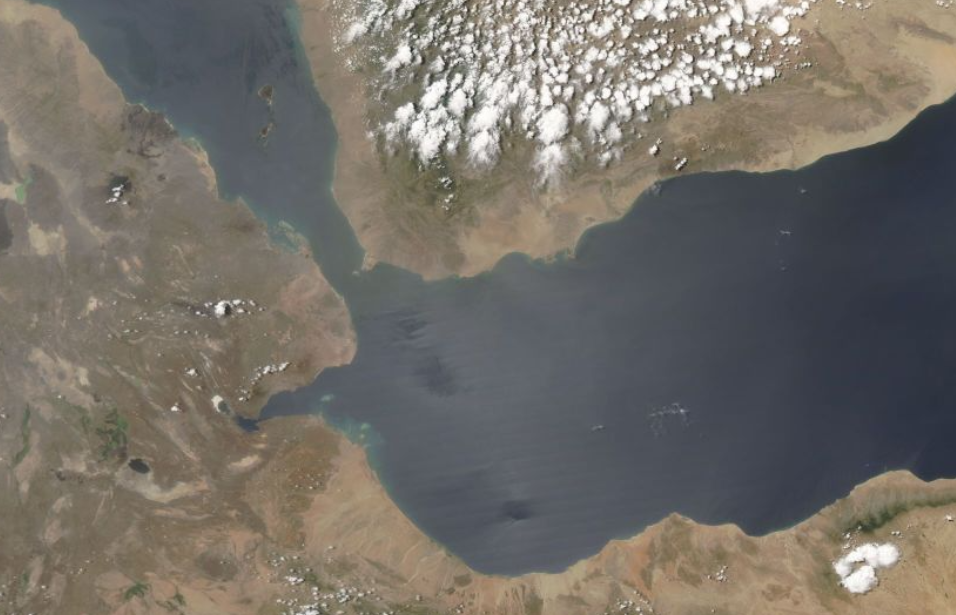
- Very likely, commercial traffic through Bab el-Mandeb will remain below the previous eight-week level over the next 0-14 days. Vessel transits have fallen to roughly 26-35 ships per day from 35-40 per day, while Houthi forces are reported to have reached Perim Island and taken the port of Mocha, Mayyun Island, and the Zuqar and Hanish archipelago. Confidence is medium because the extent of Houthi territorial control is based on reporting that is not consistently independently corroborated. (Confidence: medium · ASSESSED)
- I&W: Confirm: daily vessel counts remain at or below 35 for three consecutive days, or UK Maritime Trade Operations reports another attack or warning in the strait. (0-14 days)
- I&W: Break: traffic returns to 35-40 vessels per day for seven consecutive days with no new Houthi attack or threat against commercial shipping. (0-14 days)
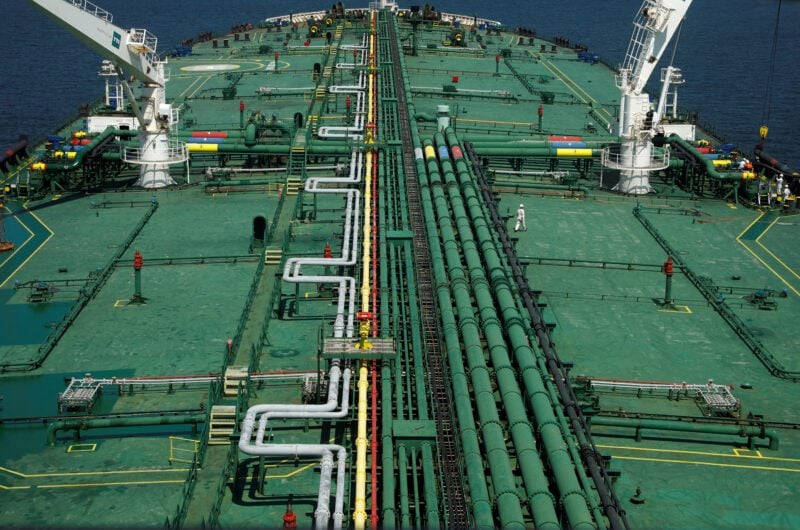
- Very likely, commercial passage through the Strait of Hormuz will remain constrained but partially open over the next 0-14 days. Monitors report traffic below prewar levels and continuing Iranian attacks or assertions of control, while US officials report that commercial transit continues and that more than 1 billion barrels of oil have moved under US protection. Iran's reported strike on the Togo-flagged tanker Trend and UK Maritime Trade Operations' report of another tanker hit by an unknown projectile show that passage remains dangerous. Confidence is medium because reporting conflicts over whether the blockade targets Iranian exports or broader traffic, and the attribution of the latest tanker incident is unresolved. (Confidence: medium · ASSESSED)
- I&W: Confirm: UK Maritime Trade Operations reports another tanker strike or attack warning, or commercial transit counts remain below prewar levels despite US-protected movements. (0-14 days)
- I&W: Break: independent maritime monitoring records a sustained return to normal commercial traffic and no further attacks for seven consecutive days. (0-14 days)
- Likely, energy prices and tanker-freight pressure will remain elevated over the next 1-3 months. Very large crude carriers moving 2 million barrels from the Persian Gulf to China are earning more than US$1.2 million per day, Brent futures approached US$110 per barrel, Dated Brent exceeded US$131, and Suezmax earnings averaged more than US$300,000 per day. Freight costs from Houston to Asia have risen to about US$26 per barrel, or US$52 million per cargo. Confidence is medium because the indicators are well corroborated, but the reported contribution of the US-Iran conflict is partly analytical and freight rates were already rising for other reasons. (Confidence: medium · ASSESSED)
- I&W: Confirm: VLCC earnings remain above US$1.2 million per day and Dated Brent remains above US$131 for two successive weekly assessments. (1-3 months)
- I&W: Break: tanker earnings fall below US$1 million per day and physical crude prices decline for two consecutive weeks while regional shipping traffic recovers. (1-3 months)
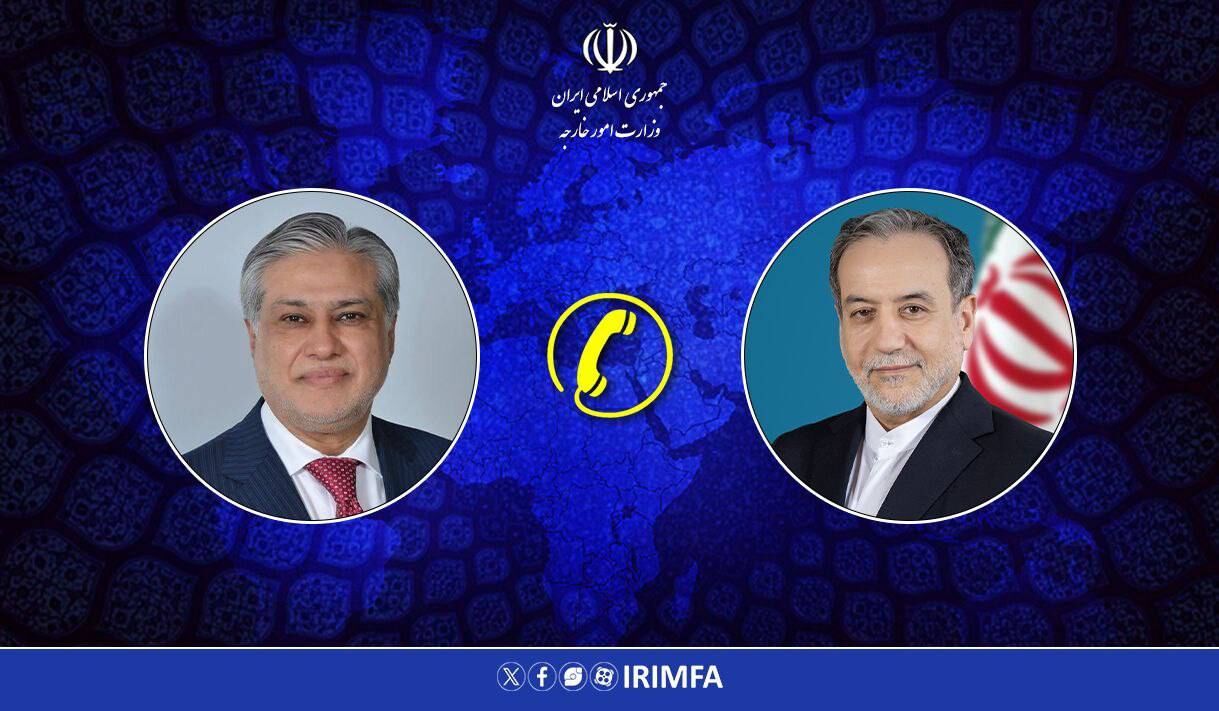
- Likely, diplomatic activity will continue without restoring normal maritime conditions over the next 0-14 days. Iranian Foreign Minister Abbas Araghchi and Pakistani Foreign Minister Ishaq Dar discussed safe passage and uninterrupted energy supplies and agreed to meet in New York, while Pakistan has reportedly asked Iran to restrain Houthi attacks. The UN Security Council has called for an immediate halt to Houthi escalation and enforcement of the arms embargo, but Saudi Arabia's reported two-week truce offer was rejected and attacks continue. Confidence is medium because the diplomatic contacts are directly reported, but their ability to change military behaviour remains untested. (Confidence: medium · ASSESSED)
- I&W: Confirm: Araghchi and Dar hold the planned New York meeting and announce a verifiable arrangement covering Houthi attacks or commercial passage through Hormuz and Bab el-Mandeb. (0-14 days)
- I&W: Break: a Saudi-Houthi truce is accepted and implemented, or maritime traffic returns to prewar levels without new attacks. (0-14 days)
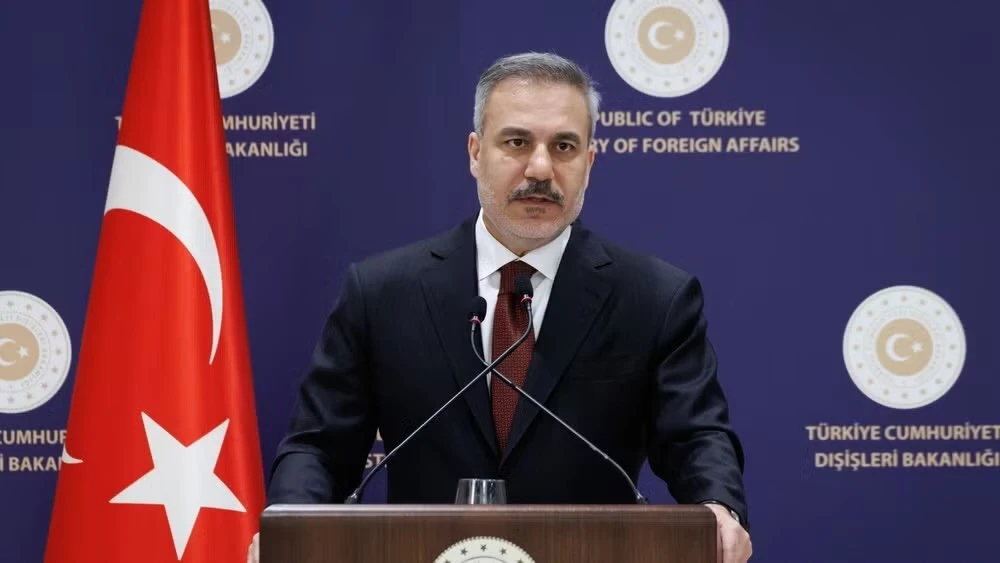
- Likely, Israel-Türkiye competition in Syria will remain a secondary escalation vector over the next 1-3 months. Israel has conducted an airstrike on Abu al-Duhur airbase, Turkish Foreign Minister Hakan Fidan has identified Israel as the greatest potential threat to Syria's stability, and a US effort to establish an Israel-Türkiye-Syria de-confliction mechanism has produced no concrete result. Confidence is medium because the reporting demonstrates political and military tension but not direct Israel-Türkiye combat. (Confidence: medium · ASSESSED)
- I&W: Confirm: Israel conducts another strike on a Syrian site associated with Turkish personnel or Türkiye announces a new military deployment in Syria. (1-3 months)
- I&W: Break: the United States, Israel, Türkiye and Syria announce a functioning de-confliction arrangement and no further Israeli strikes in Syria occur for 30 days. (1-3 months)
- Likely, displacement from western Yemen will increase over the next 1-3 months if the present fighting continues. More than 2,000 people have crossed to Djibouti's northern shores and displacement since the early September escalation has reached nearly 94,000. Confidence is low because this assessment rests mainly on a single trade-publication report and the collection provides no independent displacement series. (Confidence: low · ASSESSED)
- I&W: Confirm: Djibouti authorities or an international humanitarian organisation reports further arrivals from western Yemen and a rise above 94,000 displaced people. (0-14 days)
- I&W: Break: fighting in western Yemen stops for 14 days and reported cross-border arrivals to Djibouti cease. (0-14 days)
Outlook & scenarios
Continued constrained maritime conflict (55%)
Likely. Iran maintains selective pressure around Hormuz, Houthi forces continue attacks affecting Saudi Arabia and Bab el-Mandeb, and the United States supports limited commercial transit. Energy prices and tanker rates remain elevated without a complete closure of either waterway.
Partial maritime stabilisation (25%)
Unlikely. Pakistan-Iran contacts, Omani mediation and international pressure produce limited restraint by Houthi forces or Iran. Some shipping returns, but insurers and operators continue to treat Hormuz and Bab el-Mandeb as high-risk routes.
Wider regional expansion (15%)
Unlikely but high impact. A further Houthi strike damages Saudi energy infrastructure, an Iranian attack causes casualties at a US installation or Israeli position, or Israeli-Türkiye friction produces a direct incident in Syria. Maritime disruption then spreads into a broader regional security crisis.
Verified ceasefire and navigation deal (5%)
Very unlikely in the next 0-14 days. Iran, Israel, the United States, Saudi Arabia and Houthi forces reach a monitored arrangement that halts attacks and restores regular commercial passage. Current attacks, disputed blockade conditions and rejected truce reporting make this the least likely outcome.
Recommendations
- Maintain separate operational risk assessments for the Strait of Hormuz and Bab el-Mandeb. Update each with daily vessel counts, UK Maritime Trade Operations warnings, reported attacks and official statements from Iran, the United States, Saudi Arabia and Houthi forces.
- Do not attribute the latest unknown-projectile tanker strike to Iran without vessel identification, incident-location confirmation or an independent attribution. Keep Iran's claimed strike on Trend as a separate reported incident until the two cases are reconciled.
- Use the Pakistan-Iran channel and Omani mediation to seek a written, time-bound commitment covering safe passage for commercial ships, non-interference with energy cargoes and restraint by Houthi forces. Measure progress against actual vessel movements and attack reporting rather than diplomatic statements alone.
- Prepare energy and logistics contingencies for 1-3 months of elevated freight costs. Include the UAE pipeline to Fujairah and Saudi Arabia's east-west pipeline to Yanbu in route assessments, while accounting for their stated capacities and the continuing risk to Red Sea access.
- Prioritise monitoring of Saudi oil facilities, Riyadh air-threat alerts, the port of Mocha, Mayyun Island, Perim Island and the approaches to Bab el-Mandeb. Treat any confirmed strike on Saudi energy infrastructure or sustained Houthi presence on Perim Island as an escalation trigger.
- Track the Israel-Türkiye-Syria de-confliction effort separately from the Iran-Israel file. Flag any Israeli strike near Turkish-linked sites, Turkish force movement in Syria or public abandonment of the proposed trilateral mechanism for senior review.
- Coordinate humanitarian monitoring with Djibouti-facing reporting on arrivals from western Yemen. A rise above the reported 94,000 displaced people or renewed maritime attacks affecting aid access should trigger a reassessment of regional stability and assistance requirements.
Confidence & uncertainty
Overall confidence is high for the broad assessment that the conflict is constraining maritime security and widening regional risk. Wire-service and major-media reporting corroborate the Riyadh alerts, Houthi-Saudi fighting, reduced Bab el-Mandeb traffic and tanker attacks, while market reporting provides multiple indicators of elevated energy and freight pressure. The main uncertainties are the scope of any Hormuz blockade, attribution of the latest tanker incident, the extent of Houthi territorial control and the reliability of single-source reporting on direct US-Israel-Iran exchanges and Yemen displacement.
Intelligence gaps
- [EEI 1.1 · PARTIAL] Detection and characterization of ballistic/cruise missile or rocket launches originating from Iranian territory or from Iran-controlled positions in Iraq/Syria (time, launch coordinates, missile type, flight trajectory/impact area). Recommended collection: satellite/imagery
- [EEI 1.2 · UNCOVERED] Movements and posture changes of Iran-backed proxy forces (Hezbollah units in Lebanon, militias in Syria/Iraq): concentrations of personnel, transport of rocket/artillery launchers, visible logistics build-up within operational range of Israel. Recommended collection: human/intel
- [EEI 1.3 · PARTIAL] Israeli defensive and offensive posture changes: reservist call-ups, mobilization orders, sorties/airstrikes attributed to Israel, and domestic activation of missile-defense systems (locations and activation times). Recommended collection: open-source/media
- [EEI 1.4 · UNCOVERED] Evidence of pre-positioning or arming of naval mines, fast attack craft, or anti-ship missile systems in the Gulf of Oman, northern Arabian Sea, or off the Lebanese/Syrian coasts that could be used to interdict Israeli or allied shipping. Recommended collection: maritime/AIS
- [EEI 2.1 · UNCOVERED] Movements and tasking changes of external military assets: carrier strike groups, amphibious ready groups, expeditionary air wings, or ballistic-missile defense units into the Eastern Mediterranean, Persian Gulf, or Red Sea (vessel/aircraft IDs, routing, on-station times). Recommended collection: maritime/AIS
- [EEI 2.2 · PARTIAL] Formal diplomatic/military actions: evacuation orders or embassy closures, public troop posture statements, bilateral/multilateral defense commitments announced, requests for overflight or basing rights in regional states. Recommended collection: diplomatic
- [EEI 2.3 · PARTIAL] Changes to force protection or alert levels at foreign bases in the region (e.g., US bases in Kuwait, Qatar, UAE; Russian bases in Syria): activation of additional air defenses, curfews, or reinforcement shipments (personnel/equipment manifests). Recommended collection: signals/intel
- [EEI 3.2 · PARTIAL] Changes in crude oil and refined product flows from key terminals (reported tanker loading delays, terminal closures, throughput volumes at Kharg, Mina al-Ahmadi, Ras Tanura, and major Gulf ports compared to baseline). Recommended collection: commercial/ports
- [EEI 3.3 · UNCOVERED] Market and insurance indicators: sudden spikes in war-risk or hull insurance premiums for Middle East routes, large moves in regional FX/stock indices, and notable changes in commodity futures (oil, freight rates) tied to regional risk perceptions. Recommended collection: financial/transactional
Cited sources
[1] AzerNews · Iran and Pakistan foreign ministers hold urgent regional security talks (D) · Sat Sep 19 2026 12:35:00 GMT+0000 (Coordinated Universal Time) · sha256:364d294d6c2e [2] The Christian Science Monitor · Why Houthi offensive in Yemen has implications for Mideast and global trade (A) · Sat Sep 19 2026 09:00:10 GMT+0000 (Coordinated Universal Time) · sha256:036b75e13b0f [3] The Irish News · Saudi Arabia issues alerts across the country for aerial threat (A) · Sat Sep 19 2026 07:30:56 GMT+0000 (Coordinated Universal Time) · sha256:fc1dd4c51e92 [4] Sunday Guardian Live · US-Israel-Iran War Latest Live News: UN Security Council Condemns Houthi Missile Attacks, Warns Of Wider Conflict, Maritime Security & Global Trade Risks; Check Arms Embargo & Latest Yemen Update (B) · Sat Sep 19 2026 12:47:59 GMT+0000 (Coordinated Universal Time) · sha256:93a2943fa798 [5] The Maritime Executive · Africa’s Red Sea States Face Growing Risks as Houthis Expand Their Reach (C) · sha256:520a16e34ce5 [6] Yeni Şafak (English edition) · Getting past Hormuz is not enough to end the war (B) · Sat Sep 19 2026 11:26:33 GMT+0000 (Coordinated Universal Time) · sha256:a5dfca5912df [7] Associated Press (via ABC News) · Saudi Arabia issues first alert in the capital since escalation, and other Mideast developments (A) · Sat Sep 19 2026 07:11:22 GMT+0000 (Coordinated Universal Time) · sha256:605cf3ca73dc [8] facebook.com · 🇺🇲🇮🇷➡️ U.S. Central Command (CENTCOM) commander Admiral Brad Cooper provided an update today saying that U.S. forces have facilitated the transit of more than 1 billion barrels of crude oil out of the Strait of Hormuz in "the last couple of months." Cooper said the main shipping lanes have been cleared of mines and more than 2,000 vessels have transited under U.S. protection. At the same time, Iran has exported zero barrels of crude oil since the blockade was reinstated. | Israel Today (E) · sha256:7b429644c443 [9] gCaptain (republishing Bloomberg) · World Running Short Of Supertankers Threatens Long-Haul Oil Flow (A) · Sat Sep 19 2026 15:28:46 GMT+0000 (Coordinated Universal Time) · sha256:c484aa2622e5 [10] Institute for the Study of War (ISW) / Critical Threats Project (CTP) at the American Enterprise Institute · Iran Update, September 18, 2026 (C) · Sat Sep 19 2026 01:38:47 GMT+0000 (Coordinated Universal Time) · sha256:9447887730a4 [11] Nhan Dan (English edition) · Risk of confrontation between Israel and Türkiye (B) · Sat Sep 19 2026 10:10:47 GMT+0000 (Coordinated Universal Time) · sha256:3ca56a41492b
Source content hashes were computed at collection time; the cited text is preserved unmodified for the life of this product.
Red cell review: CONCUR WITH COMMENT
TLP:CLEAR