TLP:CLEAR · Disclosure is not limited.
Iran-Israel Conflict: Maritime Disruption and Regional Spillover
Time window: Last 1 day · Audience: General analyst · Type: Situation report · DTG: 2026-09-13 20:05Z · Overall confidence: HIGH
BLUF
Very likely, the conflict will remain active across the Strait of Hormuz, southern Lebanon and Yemen during the next 0-14 days, keeping commercial shipping and energy markets under pressure. Iran's planned 14 September unveiling of an Oman shipping lane is unlikely by itself to restore normal Hormuz traffic, although it creates a limited opportunity for maritime deconfliction.
Executive summary
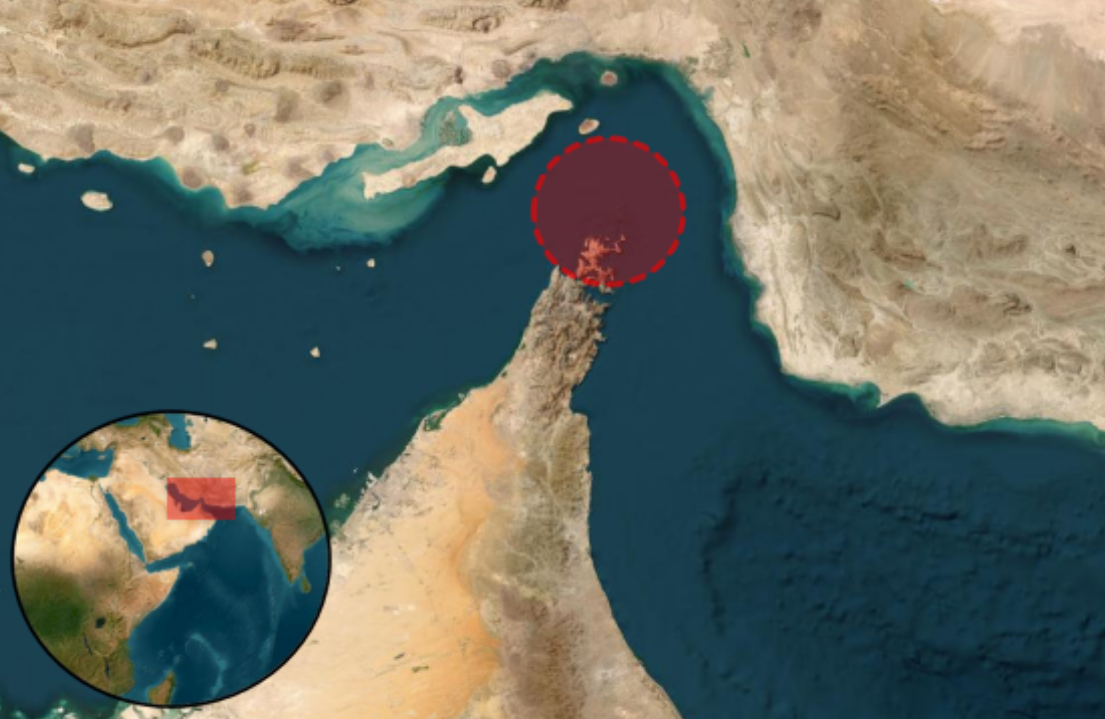
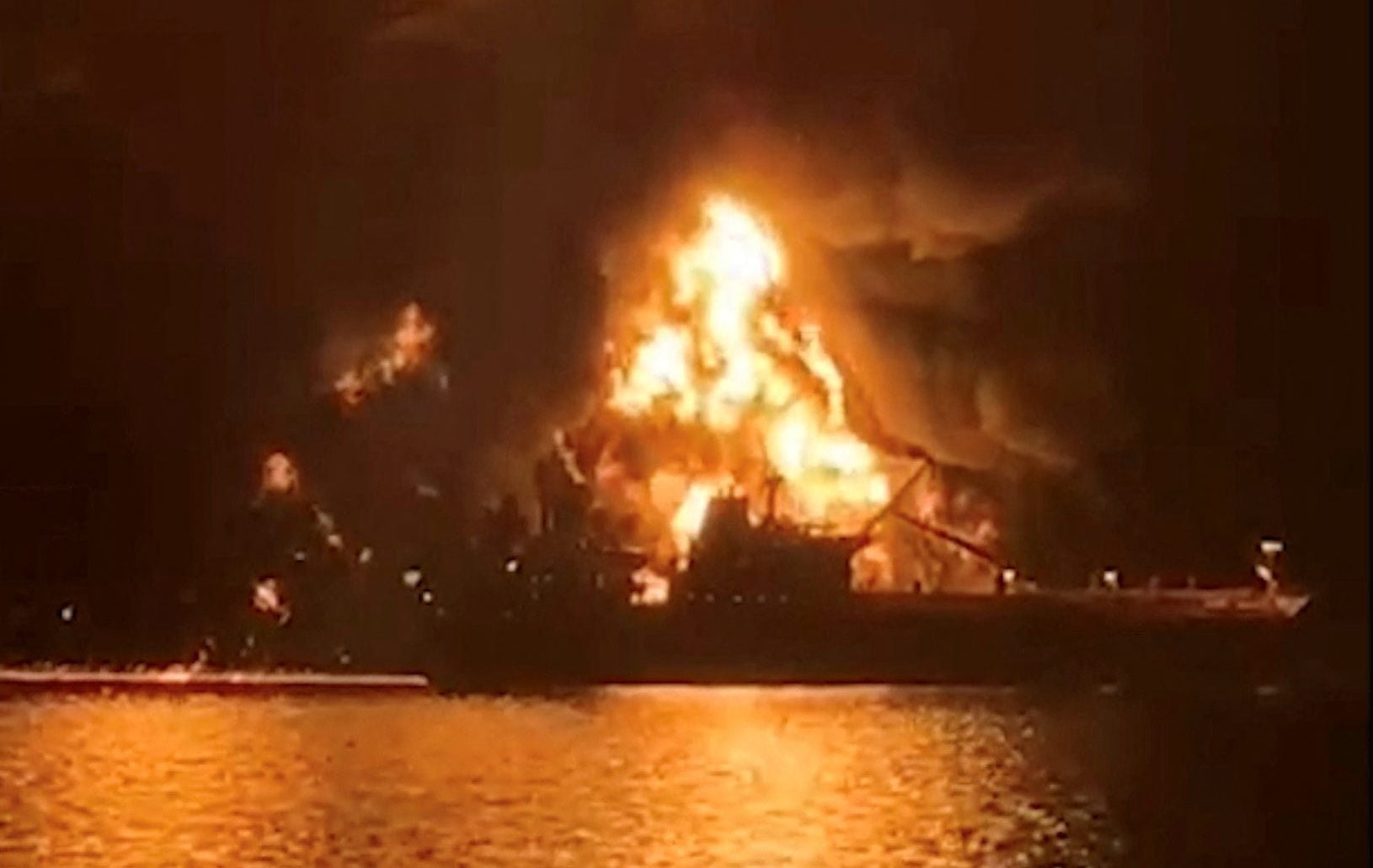
On 13 September, UK Maritime Trade Operations reported that a commercial vessel in the Strait of Hormuz was struck by a projectile and caught fire, while US authorities restricted tanker protection to specific daily time slots. Iran and the UAE held their highest-level known meeting since the conflict began, and BRICS members called for maximum restraint, but military activity continued. Iran-backed Houthi forces advanced towards the Bab el-Mandeb Strait and continued attacks on Saudi energy sites. Iraq dismissed security officials and closed border crossings after investigators attributed drone attacks on Saudi Arabia's East-West pipeline to launches from inside Iraq. Diplomatic contacts have increased, but the reporting does not show an immediate region-wide reduction in military activity.
Change from previous assessment
Since the 12 September brief, the assessment adds a reported vessel strike and fire in the Strait of Hormuz, Iran's planned 14 September unveiling of an Oman shipping lane, the highest-level known Iran-UAE meeting since the conflict began, and evidence that the Saudi pipeline attacks originated inside Iraq. Confidence is raised to high for the underlying event picture because new wire, trade and major-media reporting provides broader corroboration. Confidence remains medium for shipping policy, diplomatic outcomes and the duration of energy disruption because the reporting contains unresolved contradictions.
Key judgments
- Very likely, military activity will remain active across the Strait of Hormuz, southern Lebanon, Yemen's Red Sea coast and the Bab el-Mandeb Strait during the next 0-14 days. US and Iranian forces continued maritime strikes, the Israeli military maintained a buffer zone approximately 10 km into Lebanon, Hezbollah and Israel remained in conflict, and Iran-backed Houthi forces continued advancing towards Bab el-Mandeb while attacking Saudi Arabia. (Confidence: high · ASSESSED)
- I&W: Confirm: UK Maritime Trade Operations reports another projectile incident or vessel fire in the Strait of Hormuz, while the Israeli military reports continued operations inside the Lebanese buffer zone or Houthi forces conduct another attack on Saudi infrastructure. (0-14 days)
- I&W: Break: US and Iranian maritime strikes stop, Israel begins withdrawing from the approximately 10 km buffer zone, and Houthi forces cease attacks and advances along Yemen's Red Sea coast. (0-30 days)
- Very likely, commercial shipping through the Strait of Hormuz will remain severely constrained rather than fully halted during the next 0-14 days. UK Maritime Trade Operations reported a projectile strike, fire and crew evacuation support involving a commercial vessel, while the US naval co-ordination centre limited protected transit to two daily time slots. Iran plans to unveil a temporary shipping lane with Oman on 14 September. Confidence is medium because the reporting contains an unresolved contradiction between a US blockade account that cites about 100 diverted vessels and a separate account describing scheduled US protection for tankers, while evacuation status also differs between reports. (Confidence: medium · ASSESSED)
- I&W: Confirm: Iran formally unveils the Iran-Oman lane on 14 September and UK Maritime Trade Operations records another projectile strike, fire or crew evacuation involving a vessel in the strait. (0-14 days)
- I&W: Break: commercial vessels resume routine transit outside the two reported protected time slots, with no new projectile incidents and an official end to the restricted scheduling regime. (0-14 days)
- Likely, elevated energy and tanker-freight pressure will persist for 1-3 months. Brent futures were trading at about $105 a barrel after approaching $110, tanker rates were reported at unprecedented levels with day rates doubling weekly, and Saudi Arabia had shut the East-West pipeline after drone attacks. The pipeline has a capacity of 7 million barrels a day, making its operating status a direct market indicator. Confidence is medium because the market impact is well reported, but the duration of the disruption is an analytic inference. (Confidence: medium · ASSESSED)
- I&W: Confirm: Brent remains above $100 a barrel, tanker rates continue rising, or Saudi Arabia does not restore pumping through the 7 million barrel-a-day East-West pipeline. (0-14 days)
- I&W: Break: Saudi Arabia restores the East-West pipeline to normal operations and tanker rates fall from the reported unprecedented levels for two consecutive weeks. (1-3 months)
- Likely, Baghdad will continue containment measures after drone attacks launched from inside Iraq struck Saudi Arabia's East-West pipeline, but the risk of further attacks from Iraqi territory will remain. Prime Minister Ali Al-Zaidi dismissed the Maysan operations commander, ordered an investigation and dismissed other security leaders, while Iraqi authorities closed at least the Shalamcheh crossing and possibly three crossings. Confidence is medium because the scope of the border closures is contradicted by separate reports, and the identity and control of the launchers remain unresolved. (Confidence: medium · ASSESSED)
- I&W: Confirm: Baghdad publishes an official account of the investigation and confirms continued closures at Shalamcheh, Al-Shib or Mandali, or announces further dismissals in Maysan. (0-14 days)
- I&W: Break: another attack on Saudi energy infrastructure is launched from Iraq without a new Iraqi containment measure, or Baghdad reopens all reported crossings without completing the investigation. (0-30 days)
- Very likely, Israel will maintain military pressure in southern Lebanon during the next 0-14 days. The Israeli military maintains a buffer zone approximately 10 km into Lebanon, Hezbollah and Israel re-engaged in conflict on 2 March, and the Israeli army announced that it had resolved the battle for Ali al-Tahir hill. Israel-Lebanon diplomacy remains exploratory: the seventh round of negotiations ended without a breakthrough, while planned meetings are reported for both Washington and Rome. Confidence is medium because operational reporting is weighted towards Israeli military claims and the reported venues of future talks conflict. (Confidence: medium · ASSESSED)
- I&W: Confirm: the Israeli military reports further operations at Ali al-Tahir hill or maintains the approximately 10 km buffer zone, or Hezbollah and Israel exchange additional fire on the Lebanon-Israel border. (0-14 days)
- I&W: Break: Israel begins a verifiable withdrawal from the buffer zone and Washington or Rome talks produce an announced security arrangement that reduces border hostilities. (1-3 months)
- Unlikely, the BRICS declaration, the Pezeshkian-Abu Dhabi Crown Prince meeting and the proposed Iran-Oman shipping lane will produce immediate region-wide de-escalation during the next 0-14 days. BRICS called for maximum restraint, Iran and the UAE discussed reducing tensions, and Xi Jinping called for a permanent and comprehensive ceasefire, but the same reporting records a vessel strike in Hormuz, continued Houthi pressure and Bahrain's refusal to join a proposed Gulf meeting with Iran. Confidence is medium because diplomatic signals are genuine but their operational effect is untested. (Confidence: medium · ASSESSED)
- I&W: Confirm: Iran formally unveils the Iran-Oman lane, commercial vessels use it without new attacks, and Bahrain or another Gulf state joins a follow-on meeting with Iran. (0-14 days)
- I&W: Break: UK Maritime Trade Operations, IRIB or other approved reporting records another maritime strike after the 14 September announcement, or further attacks occur in Yemen, Saudi Arabia or southern Lebanon. (0-14 days)
- Very likely, humanitarian pressure linked to fighting in Yemen will increase over the next 0-30 days. Local authorities reported that more than 1,400 people fled Yemen to Djibouti in 24 hours, while Iran-backed Houthi forces continued advancing along the Red Sea coast and attacking Saudi Arabia. Confidence is medium because the displacement figure is reported by local authorities and does not establish a verified cumulative total. (Confidence: medium · ASSESSED)
- I&W: Confirm: Djibouti authorities report another large arrival from Yemen, or Houthi forces capture additional positions along the Red Sea coast or conduct another attack on Saudi Arabia. (0-30 days)
- I&W: Break: arrivals from Yemen stop, Houthi forces lose or abandon recently gained positions, and attacks on Saudi territory cease for 30 days. (0-30 days)
Outlook & scenarios
Continued multi-theatre conflict and constrained shipping (55%)
Over the next 0-14 days, US and Iranian maritime strikes continue at a lower or comparable tempo, Israel maintains its buffer zone in Lebanon, and Iran-backed Houthi forces sustain pressure on Saudi Arabia and the Bab el-Mandeb Strait. The Iran-Oman lane is announced but does not restore routine commercial traffic. Brent remains above $100 a barrel and tanker rates stay elevated.
Limited maritime deconfliction (30%)
Iran formally unveils the temporary Iran-Oman lane on 14 September, and selected commercial vessels transit without further attacks. The arrangement reduces immediate maritime risk but leaves US protection restrictions, the Israeli military presence in Lebanon and Houthi activity unchanged. Shipping improves at the margin rather than returning to normal.
Wider regional spillover through Iraq and Yemen (25%)
Further drone attacks from Iraqi territory target Saudi energy infrastructure, or Houthi forces intensify attacks from Yemen. Baghdad responds with additional border closures and security dismissals, while Saudi Arabia keeps the East-West pipeline restricted. The result is sustained pressure on regional energy flows and Gulf shipping.
High-impact tanker escalation (10%)
If US forces strike an Iranian tanker and Iranian authorities adopt the response doctrine advocated by Kayhan, attacks expand to tankers in the Persian Gulf, the Gulf of Oman and reachable routes outside the region. This wildcard would sharply increase maritime losses, insurance pressure and the risk of a historic supply shortage.
Recommendations
- Maintain a 0-14 day watch focused on UK Maritime Trade Operations reports, vessel fires, crew evacuations and the number of commercial ships transiting the Strait of Hormuz outside the two reported protected time slots.
- Treat the 14 September Iran-Oman announcement as a verification task. Establish whether a formal text is released, whether commercial vessels use the lane, and whether new projectile incidents occur after its announcement.
- Separate the US blockade account from the US protective-scheduling account in all reporting until an authoritative US statement reconciles the two positions. Do not describe the maritime regime as either a full blockade or routine convoy protection without that clarification.
- Track Baghdad's investigation into the East-West pipeline attacks, verify whether one or three Iran border crossings remain closed, and report attribution to Iraqi territory separately from attribution to a specific militia or Iranian authority.
- Monitor Israeli military activity at Ali al-Tahir hill and inside the approximately 10 km Lebanese buffer zone alongside the planned Washington and Rome meetings. Treat any diplomatic venue discrepancy as unresolved until confirmed.
- Include Djibouti arrivals from Yemen, Houthi movement along the Red Sea coast and attacks on Saudi energy sites in the daily humanitarian and regional-stability picture.
Confidence & uncertainty
Overall confidence is high for the established events because reporting from wire services, major media, UK Maritime Trade Operations, trade publications and official statements corroborates maritime incidents, military activity, energy disruption and diplomatic contacts. Confidence is lower for forward-looking outcomes and disputed details, especially the actual US posture in the Strait of Hormuz, the scope of Iraq's border closures, the attribution of maritime attacks and the operational effect of the proposed Iran-Oman lane.
Intelligence gaps
- [EEI 1.1 · PARTIAL] Detection and characterization of ballistic/cruise missile or rocket launches originating from Iranian territory or from Iran-controlled positions in Iraq/Syria (time, launch coordinates, missile type, flight trajectory/impact area). Recommended collection: satellite/imagery
- [EEI 1.2 · PARTIAL] Movements and posture changes of Iran-backed proxy forces (Hezbollah units in Lebanon, militias in Syria/Iraq): concentrations of personnel, transport of rocket/artillery launchers, visible logistics build-up within operational range of Israel. Recommended collection: human/intel
- [EEI 1.3 · PARTIAL] Israeli defensive and offensive posture changes: reservist call-ups, mobilization orders, sorties/airstrikes attributed to Israel, and domestic activation of missile-defense systems (locations and activation times). Recommended collection: open-source/media
- [EEI 1.4 · UNCOVERED] Evidence of pre-positioning or arming of naval mines, fast attack craft, or anti-ship missile systems in the Gulf of Oman, northern Arabian Sea, or off the Lebanese/Syrian coasts that could be used to interdict Israeli or allied shipping. Recommended collection: maritime/AIS
- [EEI 2.1 · PARTIAL] Movements and tasking changes of external military assets: carrier strike groups, amphibious ready groups, expeditionary air wings, or ballistic-missile defense units into the Eastern Mediterranean, Persian Gulf, or Red Sea (vessel/aircraft IDs, routing, on-station times). Recommended collection: maritime/AIS
- [EEI 2.2 · PARTIAL] Formal diplomatic/military actions: evacuation orders or embassy closures, public troop posture statements, bilateral/multilateral defense commitments announced, requests for overflight or basing rights in regional states. Recommended collection: diplomatic
- [EEI 2.3 · UNCOVERED] Changes to force protection or alert levels at foreign bases in the region (e.g., US bases in Kuwait, Qatar, UAE; Russian bases in Syria): activation of additional air defenses, curfews, or reinforcement shipments (personnel/equipment manifests). Recommended collection: signals/intel
- [EEI 3.2 · PARTIAL] Changes in crude oil and refined product flows from key terminals (reported tanker loading delays, terminal closures, throughput volumes at Kharg, Mina al-Ahmadi, Ras Tanura, and major Gulf ports compared to baseline). Recommended collection: commercial/ports
Cited sources
[1] The Maritime Executive · U.S. Shows More Restraint After Latest Iranian Tanker Strike (C) · sha256:10b7ff3bfb76 [2] Devdiscourse · Renewed Hopes for Peace: U.S.-Brokered Security Agreement Between Israel and Lebanon (B) · sha256:ace164f00d32 [3] Il Sole 24 Ore · War, latest news. Yemen: government forces have lost 500 soldiers in a month (A) · Sun Sep 13 2026 07:19:00 GMT+0000 (Coordinated Universal Time) · sha256:36d3394b1a05 [4] Bloomberg (republished by gCaptain) · Iraq Under Pressure After Drone Strikes Close Key Saudi Pipeline (A) · Sun Sep 13 2026 15:19:32 GMT+0000 (Coordinated Universal Time) · sha256:13e849f83813 [5] Bloomberg News (via Tribune Content Agency / The Mercury News) · Iran is set to unveil Hormuz pact to Gulf nations on Monday (A) · Sun Sep 13 2026 16:28:00 GMT+0000 (Coordinated Universal Time) · sha256:4f2ac3138439 [6] gCaptain (republishing a Reuters wire report) · Crew Of Vessel Attacked In Hormuz Strait Evacuated (B) · Sun Sep 13 2026 14:46:08 GMT+0000 (Coordinated Universal Time) · sha256:b31229b45bac [7] gCaptain (republishing Reuters) · US Limits Air Defense Time Slots For Tankers Sailing Through Hormuz (A) · Sun Sep 13 2026 14:20:18 GMT+0000 (Coordinated Universal Time) · sha256:f4be381706cc [8] ourouba22.com · 'المشهد اليوم'. حرب 'بلا أفق' والتصعيد يتمدّد في المنطقة! إدانات واسعة لاستهداف خط 'شرق - غرب' النفطي والعراق يسارع لتطويق الأزمة مع الرياض. والرئيس اللبناني يزور الجنوب (D) · Sun Sep 13 2026 07:55:58 GMT+0000 (Coordinated Universal Time) · sha256:dad85b82f96d [9] i24NEWS · UAE's Crown Prince meets Putin at BRICS summit as bloc navigates Iran-UAE divide (B) · Sun Sep 13 2026 00:00:00 GMT+0000 (Coordinated Universal Time) · sha256:eebfbf2e9300 [10] BBC · Brics summit 2026 Delhi: Iran war reshapes ties but exposes divides (A) · Sun Sep 13 2026 11:23:42 GMT+0000 (Coordinated Universal Time) · sha256:6e765a8d16b1 [11] OmidRadio · Iran, UAE agree to BRICS joint statement calling for de-escalation - OmidRadio (D) · Sun Sep 13 2026 02:52:52 GMT+0000 (Coordinated Universal Time) · sha256:fbd82694ba6f
Source content hashes were computed at collection time; the cited text is preserved unmodified for the life of this product.
TLP:CLEAR