TLP:CLEAR · Disclosure is not limited.
Iran-Israel Conflict: Maritime Escalation and Regional Spillover
Time window: Last 1 day · Audience: General analyst · Type: Situation report · DTG: 2026-09-08 17:09Z · Overall confidence: HIGH
BLUF
The conflict has entered a more dangerous maritime phase. It is very likely that direct US-Iran exchanges will continue to constrain traffic through the Strait of Hormuz, while Iranian threats against Gulf energy assets and Israeli strikes in southern Lebanon raise the risk of further regional spillover. A complete closure of the strait remains unlikely because at least one Qatari LNG tanker has transited recently.
Executive summary
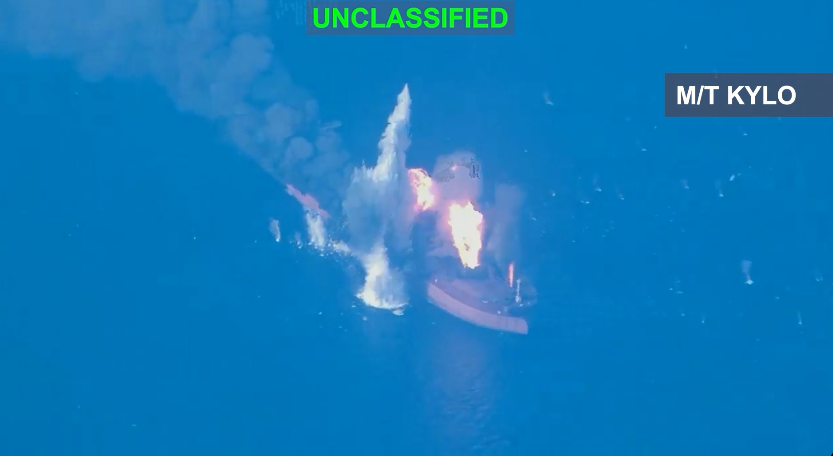
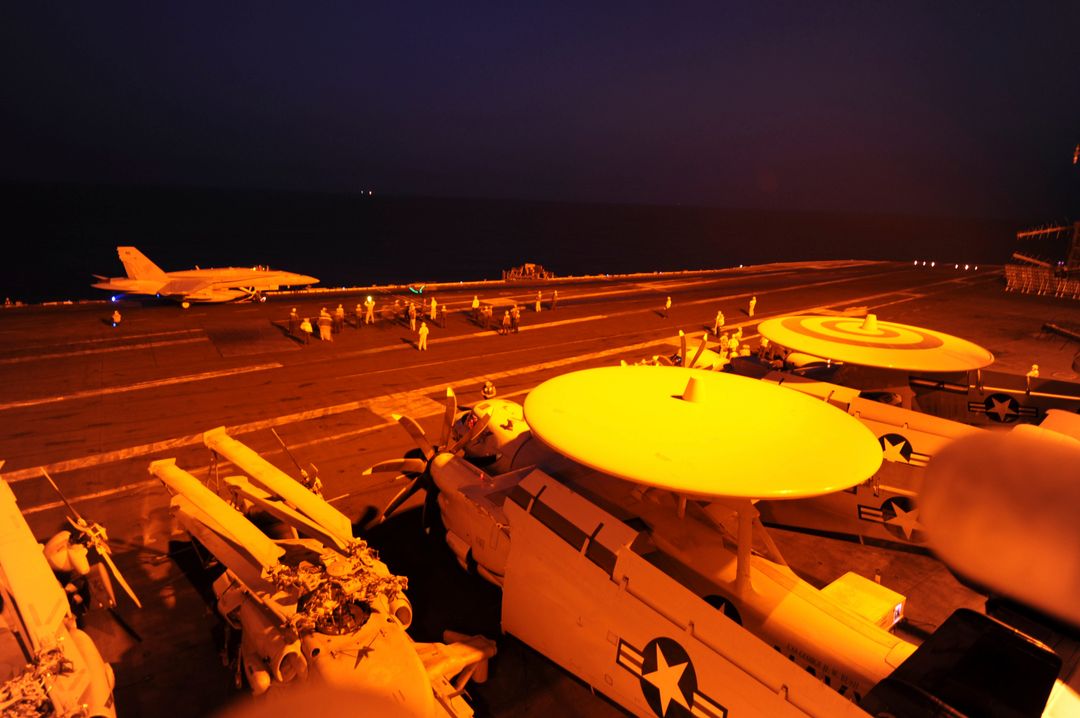
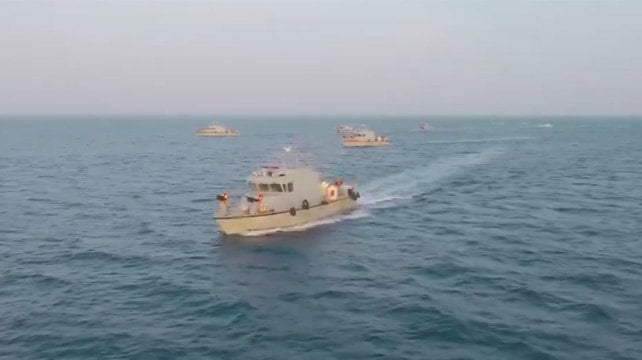
On 5 September, US forces struck three Iranian oil tankers, including one near Kharg Island, after CENTCOM reported Iranian Revolutionary Guard missile attacks on US Navy ships. Iranian officials have since threatened retaliation against US assets, energy infrastructure and shipping, while reports differ over whether Tehran has formally established a maritime exclusion zone. Strait of Hormuz traffic remains severely constrained, with an average of 10 commodity vessels per day over the past 10 days and no reported very large crude carrier exit since 2 September. Israeli strikes in southern Lebanon killed at least 12 people on 7 September, and additional reporting describes attacks affecting Gulf energy interests. Oil and European gas prices have risen, while the Oman-Iran navigation channel remains active but unresolved.
Change from previous assessment
Since the 6 September brief, the assessment has shifted from a focus on direct US-Iran maritime exchanges and severe Hormuz disruption to a broader risk picture. New reporting adds Iranian threats against Gulf energy infrastructure, a possible formal restricted zone, attacks affecting Saudi and UAE interests, higher European gas prices and an imminent but disputed Oman navigation channel. Confidence remains high on the core maritime escalation, while confidence is medium on the restricted zone, diplomatic prospects, regional spillover and the duration of energy-market pressure.
Key judgments
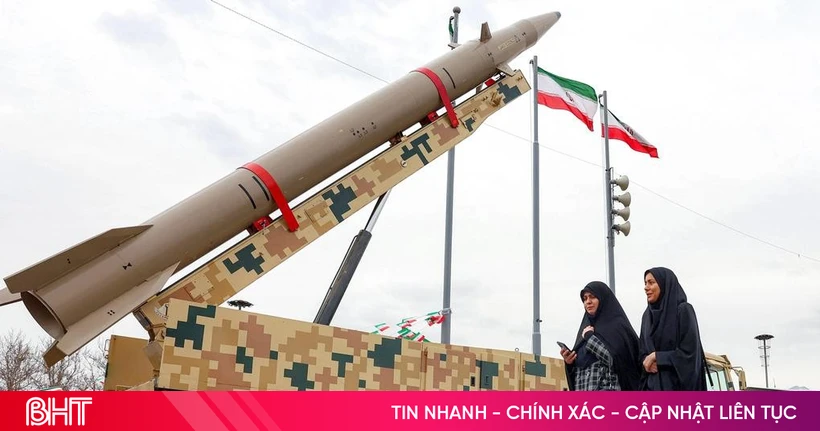
- It is very likely that direct US-Iran maritime exchanges intensified on 5 September and will remain at high risk of repetition over the next 14 days. CENTCOM reported that Iran's Revolutionary Guard launched ballistic missiles at two US Navy ships, followed by US strikes on three Iranian tankers. Marisks identified the tankers as Downy, Stark-1 and Kylo, also known as Noxen. The core exchange is corroborated by CENTCOM, wire and maritime trade reporting, but the number of vessels engaged and the effect of the Iranian attack remain contested. (Confidence: high · ASSESSED)
- I&W: CENTCOM or independent maritime reporting records another Iranian missile launch against a US Navy ship or another US strike on an Iranian-linked tanker. (0-14 days)
- I&W: CENTCOM reports no further Iranian attack and Kpler or Marisks records no new damage to Iranian-linked tankers. (0-14 days)
- It is very likely that commercial traffic through the Strait of Hormuz will remain severely constrained over the next 14 days, while it is unlikely that the waterway will be completely closed. Kpler recorded an average of 10 commodity vessels per day over the 10 days ending 6 September, only two vessels on 5 September and six on 6 September, with no very large crude carrier exit reported since 2 September. A Saudi-loaded refined-products tanker was turned back, but a Qatari LNG tanker subsequently transited the strait towards Pakistan. (Confidence: high · ASSESSED)
- I&W: Kpler records daily commodity traffic at or below the current average of 10 vessels and no very large crude carrier exit. (0-14 days)
- I&W: Kpler or LSEG records sustained very large crude carrier and LNG tanker exits, with daily commodity traffic materially above 10 vessels. (0-14 days)
- It is roughly even chance that Iran will formally implement and enforce a clearly delimited maritime exclusion zone within the next 14 days, although it is likely that Tehran will continue using restricted-zone and blacklisting threats as coercive pressure. Mohsen Rezaei has described a zone extending from the US blockade line into the Gulf, but reporting conflicts over whether the measure is conditional, imminent or already announced, and over whether its scope begins in the Persian Gulf or at the entrance to the Gulf of Oman. This judgement rests on otherwise high-confidence reporting with material unresolved contradictions. (Confidence: medium · ASSESSED)
- I&W: Iran issues a maritime notice specifying the zone's coordinates, start date, vessel restrictions and blacklist enforcement procedures. (0-14 days)
- I&W: Iran and Oman publish a navigation agreement with a safe route and no corresponding Iranian blacklist or exclusion-zone enforcement. (0-14 days)
- It is likely that regional spillover will persist over the next 14 days, centred on southern Lebanon and Gulf energy and shipping nodes. Israeli strikes in southern Lebanon on 7 September killed at least 12 people according to Lebanon's health ministry, while Hezbollah sources warned that further Israeli incursions would draw a response. Separate reporting attributes attacks to Iranian missiles in the United Arab Emirates, unknown attackers in Saudi Arabia and the Houthis along the Yemen-Saudi border. Confidence is medium because the Lebanon reporting is stronger than the attribution of the Saudi and Houthi incidents. (Confidence: medium · ASSESSED)
- I&W: Israel conducts another strike in southern Lebanon or Hezbollah claims and carries out a response against Israeli forces or territory. (0-14 days)
- I&W: Another attack damages Saudi or UAE energy infrastructure, oil tankers or associated port facilities. (0-14 days)
- It is likely that oil and European gas market pressure will persist over the next one to three months. WTI reached $93 and Brent $99 on 8 September, while European gas futures reached their highest level since January 2023 and storage stood at 67 per cent, below the seasonal norm of 83 per cent. Goldman Sachs raised its Brent and WTI forecasts by $5, and Goldman Sachs and Rystad identified $120 Brent as an upside or worst-case level if shipping disruption persists without a diplomatic agreement. Confidence is medium because the forward price outlook depends on the duration of the conflict and the accuracy of market forecasts. (Confidence: medium · ASSESSED)
- I&W: Brent approaches $120 while Strait of Hormuz commodity traffic remains near current lows and European gas futures continue to rise. (1-3 months)
- I&W: Brent falls below $90 as Strait of Hormuz traffic recovers materially and European gas futures retreat from the 8 September level. (1-3 months)
- It is unlikely that US-Iran diplomatic contacts will produce durable de-escalation within the next 14 days. Iran says an Oman navigation accord is imminent and will include a temporary safe route, but other reporting describes the arrangement as conditional on US action against the naval blockade, while Iran and the United States continue accusing each other of violating the June memorandum. The two sides remain far from a settlement, and the deal's terms and US acceptance remain unresolved. (Confidence: medium · ASSESSED)
- I&W: Iran and Oman publish and implement a navigation accord, while the United States changes the blockade arrangement and commercial traffic begins to recover. (0-14 days)
- I&W: The United States and Iran issue further accusations over the June memorandum or conduct another maritime strike. (0-14 days)
- It is likely that the US military will retain a substantial Middle East posture over the next one to three months while examining longer-term reductions rather than executing an immediate drawdown. About 50,000 US troops, two aircraft carriers and more than a dozen guided-missile destroyers remain deployed. Officials are discussing force-structure changes only if the conflict ends, no formal force posture review has been ordered, and Adm Daryl Caudle said US Navy personnel would not return soon to Bahrain. Confidence is medium because the reporting describes internal discussions rather than an approved policy. (Confidence: medium · ASSESSED)
- I&W: The Pentagon orders a formal force posture review or announces troop and facility reductions in Gulf countries. (1-3 months)
- I&W: The United States reinforces the regional naval presence or begins implementing additional hardening and underground protection measures for remaining installations. (0-3 months)
Outlook & scenarios
Managed maritime containment and partial reopening (45%)
Iran and Oman publish a temporary safe-route arrangement, and the United States avoids new strikes on Iranian shipping. Strait of Hormuz traffic rises from its current low level, although Iranian restrictions and US blockade measures remain. Oil and gas prices ease without returning immediately to pre-conflict levels.
Continued tit-for-tat maritime escalation (35%)
Iranian missile or maritime attacks are followed by further US strikes on Iranian-linked tankers or facilities. Tehran formalises some form of restricted zone or vessel blacklist, and traffic through the Strait of Hormuz remains near current lows. Brent moves towards the $120 level identified in market forecasts.
Wider regional conflict spillover (15%)
Israeli strikes and Hezbollah retaliation intensify in southern Lebanon while attacks on Saudi or UAE energy infrastructure and shipping continue. Houthi pressure on Saudi positions and shipping adds a second southern vector, forcing the United States and Gulf states to focus on protecting energy and military infrastructure.
High-impact US posture shock (5%)
Washington begins an accelerated reduction of personnel or facilities while the Iran-Oman channel fails. Iran sustains pressure on US bases, shipping and Gulf energy assets during the transition, producing a sharp deterioration in regional confidence and a renewed rise in oil and gas prices.
Recommendations
- Maintain a daily maritime watch combining CENTCOM statements, Iranian Revolutionary Guard claims, Kpler and LSEG vessel movements, and Marisks incident reporting. Track Downy, Stark-1 and Kylo separately and record attribution as contested until independent evidence resolves it.
- Treat the Iranian restricted zone as unverified until Tehran publishes coordinates, an effective date, vessel rules and blacklist procedures. Compare any Iranian notice with Omani, US and commercial navigation advisories.
- Prioritise collection on the Oman-Iran navigation accord. Confirm whether it contains a safe route, transit fees, conditions relating to the US blockade or provisions for Iranian enforcement against vessels.
- Set an escalation alert for any new strike on a US Navy ship, Iranian-linked tanker, Saudi or UAE energy facility, or port infrastructure, and for any further Israeli strike in southern Lebanon followed by Hezbollah action.
- Track daily Strait of Hormuz commodity transits, very large crude carrier exits and Qatari LNG movements alongside Brent, WTI, European gas futures and storage levels. Use sustained recovery in vessel traffic as the principal early sign of easing supply pressure.
- Monitor US force-posture decisions separately from conflict reporting. Distinguish internal planning from approved reductions, and report any formal review, troop withdrawal from Gulf countries, reinforcement of naval assets or implementation of additional installation hardening.
Confidence & uncertainty
Overall confidence is high for the core situation picture because the central maritime exchange, the sharp fall in Strait of Hormuz traffic and the recent market response are supported by multiple independent sources, including CENTCOM reporting, wire reporting, shipping data and trade publications. Confidence is lower for the exact attribution and outcome of individual attacks, the status and geography of Iran's restricted zone, the terms of the Oman channel and the duration of market disruption. The high headline confidence therefore applies to the broad escalation assessment, not to every disputed detail.
Intelligence gaps
- [EEI 1.1 · PARTIAL] Number, type, launch times, and trajectories of ballistic missiles, cruise missiles, armed UAV strikes, and combat-air sorties launched by Iranian or Israeli forces toward the other's territory or forward bases within a 72-hour window. Recommended collection: signals/intel
- [EEI 1.2 · PARTIAL] Observable changes in Israeli and Iranian force posture: mobilization or reserve call-up orders, unit road/rail movements, dispersal or sortie rates of air squadrons, redeployment of air-defense batteries, and activation of civil-defense alerts or sirens in major population centers. Recommended collection: open-source/media
- [EEI 1.3 · PARTIAL] Indications of strike authorization or targeting preparations in Iranian or Israeli command chains: authenticated public orders by senior commanders, detected increases in encrypted communications consistent with targeting, or visible movement of strike munitions to launch/storage sites. Recommended collection: signals/intel
- [EEI 2.1 · UNCOVERED] Counts, launch locations (coordinates), weapons types, and assessed damage from rocket/missile/drone strikes originating from Lebanon into northern Israel attributed to Hezbollah or allied groups. Recommended collection: open-source/media
- [EEI 2.2 · UNCOVERED] Reported attacks by Iranian-backed militias in Iraq and Syria: rocket/IED strikes on bases hosting US/coalition or Israeli personnel, documented militia unit movements toward borders, and captured movement or transfer of weapons systems to forward militia positions. Recommended collection: human
- [EEI 2.3 · UNCOVERED] Maritime harassment or attacks by proxies (e.g., Houthis): incidents of missile/rocket strikes against commercial vessels, small-boat swarm attacks, discovery or detonation of naval mines, and corresponding AIS anomalies in the Red Sea, Gulf of Aden, or southern Arabian Gulf. Recommended collection: maritime/AIS
- [EEI 3.1 · PARTIAL] Movements and arrival dates of foreign military assets into the region: carrier strike groups, amphibious ships, surface combatants, strategic airlift/tanker deployments, and air/sea patrol patterns by US, European, Russian, or regional militaries. Recommended collection: imagery/satellite
Red cell review: CONCUR WITH COMMENT
TLP:CLEAR