TLP:CLEAR · Disclosure is not limited.
Iran-Israel Conflict: Maritime Escalation Broadens Regional Risk
Time window: Last 1 day · Audience: General analyst · Type: Situation report · DTG: 2026-09-06 16:44Z · Overall confidence: HIGH
BLUF
The 5-6 September exchanges mark a further escalation in direct US-Iran maritime conflict, with Iranian missile attacks on US Navy vessels followed by US strikes on three Iranian oil tankers. The Strait of Hormuz is severely disrupted rather than demonstrably sealed, while Israeli strikes in southern Lebanon and unconfirmed reporting of Iranian coordination with regional partners raise the risk of wider conflict.
Executive summary
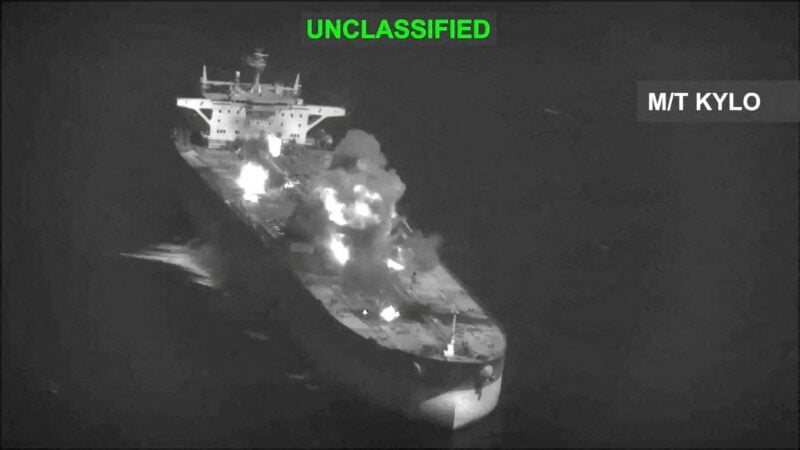
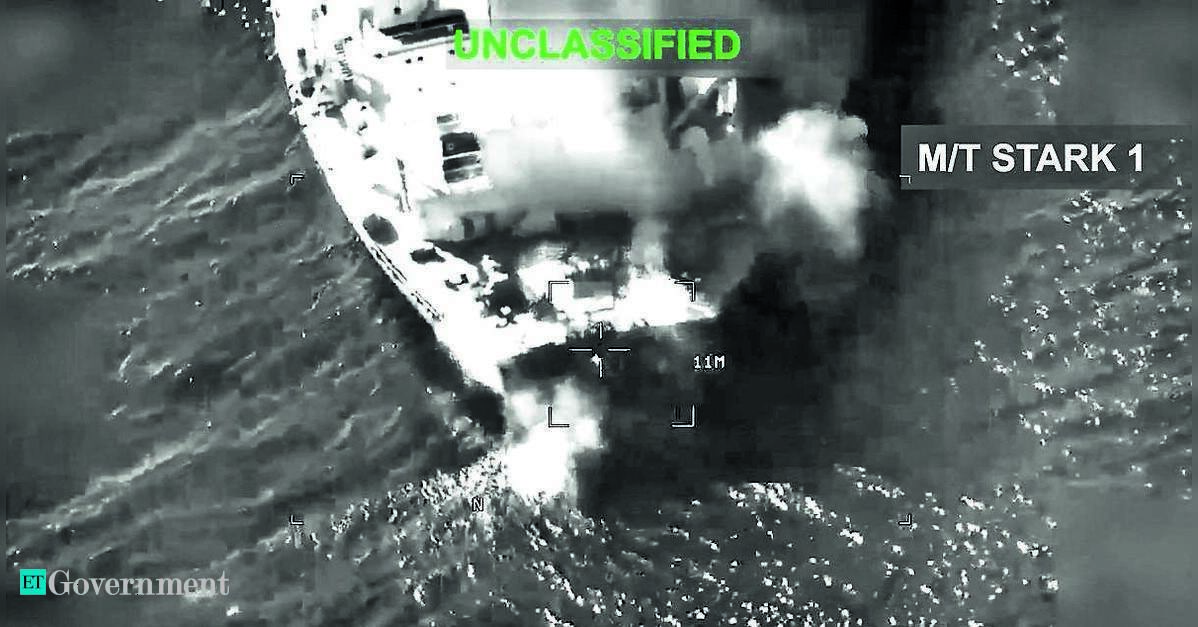
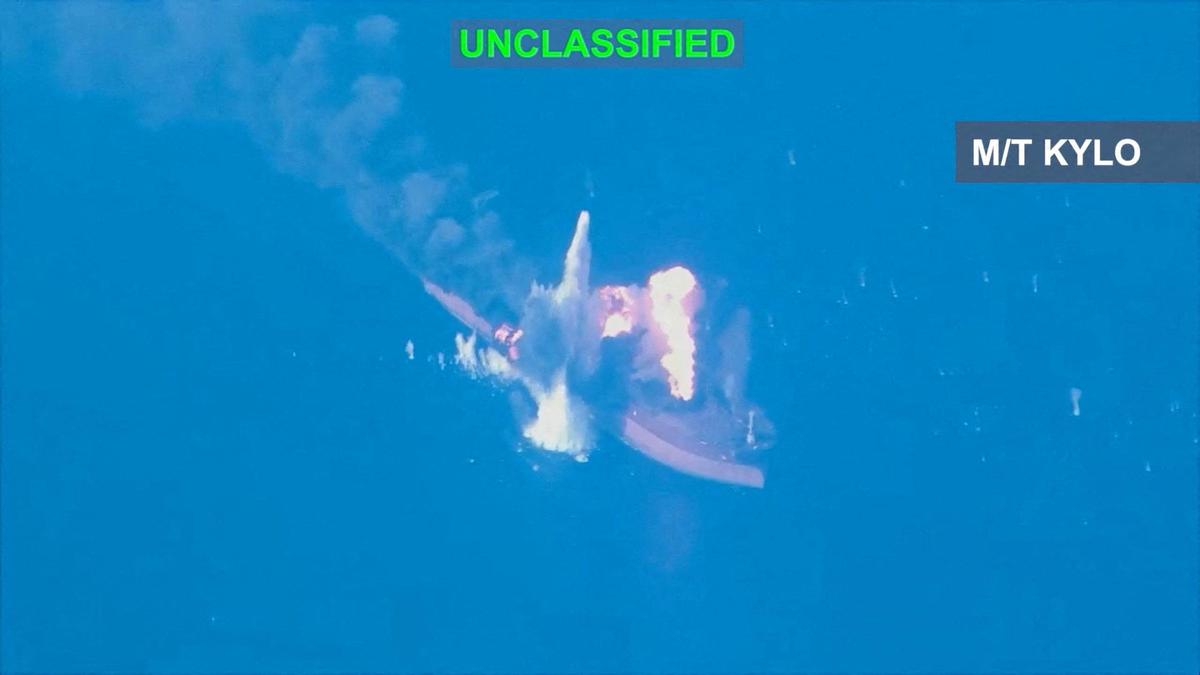
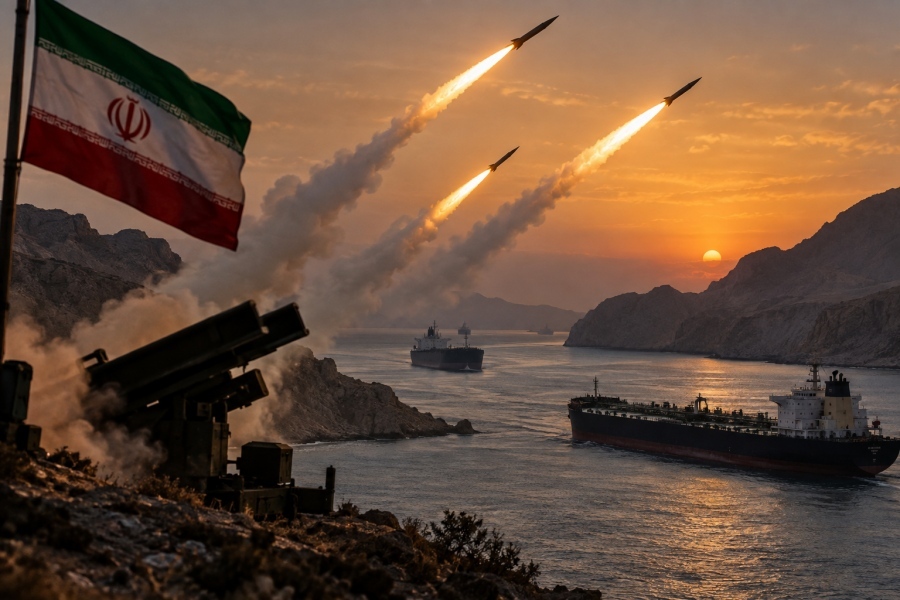
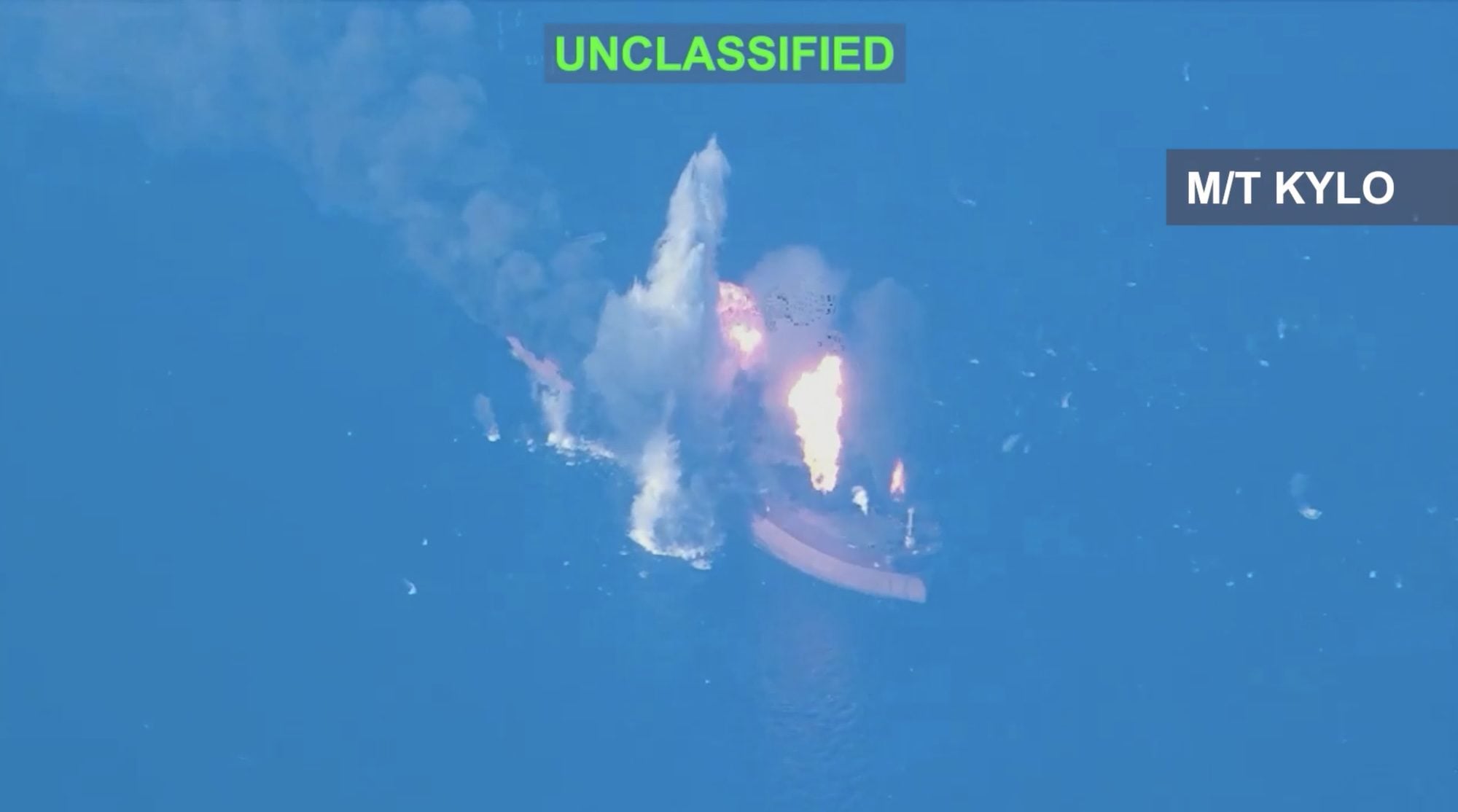
On 5 September, the IRGC launched ballistic missiles towards a US aircraft carrier and guided-missile destroyer near the Strait of Hormuz, according to US and Iranian reporting. US forces then disabled two Iranian oil tankers, M/T Downy and M/T Stark 1, and destroyed M/T Kylo, also known as Noxen. US Central Command said it had redirected 92 commercial vessels, disabled three and boarded two by 6 September. Kpler data shows that limited shipping continues, with one commodity vessel crossing on 5 September and only five to six vessels crossing on several recent days. Israeli strikes in southern Lebanon killed four people according to Lebanon's health ministry, while reporting based mainly on Israeli assessments alleges that Iran is seeking closer coordination among Hezbollah, Hamas, the Houthis and Iraqi militias. Diplomatic contacts continue, but the June US-Iran navigation memorandum remains stalled and Tehran has conditioned de-escalation on changes to US naval and sanctions policies.
Change from previous assessment
Since the 5 September brief, the assessment has shifted from a primarily maritime US-Iran escalation warning to a broader regional-contagion assessment. New reporting adds Iranian anti-ship missile activity on 6 September, US Central Command's account of 92 redirected commercial vessels, Israeli strikes that killed four people in southern Lebanon and reporting of possible Iranian coordination with Hezbollah, Hamas, the Houthis and Iraqi militias. Confidence remains high on the core military exchange. Confidence remains medium on the degree of Strait closure, the durability of diplomatic efforts and the reported multi-front plan.
Key judgments
- It is very likely that direct US-Iran military exchanges in and around the Strait of Hormuz intensified on 5-6 September 2026, raising the risk of another tit-for-tat maritime strike over the next 14 days. The reported sequence includes IRGC ballistic missile launches towards a US aircraft carrier and guided-missile destroyer, followed by US strikes that disabled M/T Downy and M/T Stark 1 and destroyed M/T Kylo, also known as Noxen. Reports of a further Iranian anti-ship ballistic missile launch on 6 September add to the escalation picture. The exact date and location of some attacks remain contested, but the core exchange is corroborated by CENTCOM, wire-service, major-media and trade reporting. (Confidence: high · ASSESSED)
- I&W: Confirm: CENTCOM or independent maritime reporting identifies another Iranian missile, drone or unmanned-vessel attack on a named US warship or US-linked vessel in the Strait of Hormuz or Gulf of Oman. (0-14 days)
- I&W: Break: Fourteen days pass without another direct Iranian attack on a US-linked vessel or US strike on an Iranian vessel or maritime military asset. (0-14 days)
- It is very likely that commercial traffic through the Strait of Hormuz will remain heavily constrained over the next 14 days, but it is unlikely that the waterway is completely closed. US Central Command reported redirecting 92 commercial vessels, disabling three and boarding two, while Kpler recorded one commodity vessel crossing on 5 September and only five to six vessels crossing on several recent days. Claims that Iran has effectively shut the strait therefore describe severe disruption rather than an evidenced total cessation of transit. Confidence is medium because the status of the strait and the composition of recorded traffic remain contested. (Confidence: medium · ASSESSED)
- I&W: Confirm: Kpler records no commercial or commodity vessel transits for seven consecutive days while US forces continue redirecting, boarding or disabling vessels. (0-14 days)
- I&W: Break: Kpler records a sustained increase above the recent daily range of five to 11 vessels, alongside a halt to US vessel redirections or boardings. (0-14 days)
- It is likely that conflict spillover into Lebanon will persist over the next 14 days, while an Iranian-coordinated multi-front offensive against Israel remains unlikely to be confirmed as imminent. Israeli forces struck southern Lebanon after Israel said Hezbollah had launched drones, and Lebanon's health ministry reported four deaths. Israel also ordered evacuations in Arab Salim. A separate report, based primarily on Israeli assessments, alleges Iranian discussions with Hezbollah, the Houthis and Iraqi militias about wider coordination and includes Hamas in the reported plan. The source itself states that Iran has not publicly confirmed the operation, making this element thin and largely single-source. (Confidence: medium · ASSESSED)
- I&W: Confirm: Israel issues further evacuation orders or conducts additional strikes in southern Lebanon alongside a new Hezbollah drone or rocket attack. (0-14 days)
- I&W: Break: Fourteen days pass without further Israeli strikes, evacuation orders or reported Hezbollah attacks in southern Lebanon. (0-14 days)
- It is likely that Türkiye, Egypt, Saudi Arabia and Oman will sustain diplomatic contacts and public calls for negotiations, but it is unlikely that these efforts will produce durable US-Iran de-escalation within the next 14 days. Türkiye and Iran discussed ongoing contacts between Tehran and Washington, Iranian Foreign Minister Abbas Araghchi discussed regional stability with Turkish and Saudi counterparts, and Egypt called for Washington and Tehran to return to negotiations. The June navigation memorandum was signed but its implementation has stalled, while President Masoud Pezeshkian has conditioned de-escalation on changes to US naval and sanctions policies. This judgement rests partly on indirect and single-source diplomatic reporting. (Confidence: medium · ASSESSED)
- I&W: Confirm: Washington and Tehran announce operational terms to implement the June navigation memorandum and suspend attacks on vessels. (0-14 days)
- I&W: Break: A further Iranian or US maritime strike follows a new public threat from Ghalibaf, the IRGC Navy or a senior US military official. (0-14 days)
- It is likely that energy-market and supply-chain pressure from the conflict will persist over the next one to three months. Brent crude reached $96.28 a barrel from roughly $70 before the war, US diesel reached a reported record average of $5.85 per gallon, and TankerTrackers reported Middle East crude exports 39 per cent below early 2023 levels. India normally routes about 40 per cent of its crude imports through the Strait of Hormuz, while Iraq's crude supplies to India have fallen sharply and Sinopec has increased purchases of Russian crude. Confidence is medium because the future duration of the disruption and the precise export decline remain uncertain. (Confidence: medium · ASSESSED)
- I&W: Confirm: Brent remains above $95 a barrel while Kpler or TankerTrackers reports continued sparse Strait of Hormuz traffic and Middle East export volumes below pre-crisis levels. (1-3 months)
- I&W: Break: Brent falls below $70 a barrel and Indian, Iraqi and Chinese shipping data show sustained recovery in Gulf-linked crude flows. (1-3 months)
Outlook & scenarios
Continued maritime tit-for-tat (55%)
The most likely path is continued Iranian missile, drone or maritime enforcement activity followed by targeted US strikes on Iranian-linked vessels or military infrastructure. Strait traffic remains sparse but does not fall to zero, and oil prices stay elevated.
Partial maritime stabilisation with active diplomacy (25%)
Türkiye, Egypt, Saudi Arabia and Oman sustain contacts that produce limited maritime deconfliction without resolving the wider dispute. Some commercial traffic resumes, but the June navigation memorandum remains only partly implemented and military warnings continue.
Regional multi-front expansion (15%)
The reported coordination among Iran, Hezbollah, Hamas, the Houthis and Iraqi militias becomes operational, with attacks across more than one front involving Israel or US-linked positions. Israeli strikes in Lebanon intensify and diplomatic access narrows.
Maritime blockade crisis (5%)
A low-probability, high-impact path involves a major attack on a crewed vessel or confirmed mine-laying activity. US blockade enforcement expands beyond the reported 92 redirected vessels, Iran targets additional commercial shipping and Strait traffic approaches a complete halt.
Recommendations
- Maintain a 0-14 day maritime watch focused on Kpler transit counts, named vessel movements, IRGC warnings, US boarding or redirection activity and any further attacks in the Strait of Hormuz or Gulf of Oman.
- Report the Strait of Hormuz as severely disrupted unless vessel-tracking data confirms a complete halt. Separate official claims of closure from verified commercial transit counts.
- Prioritise collection on whether Iranian activity targets crewed commercial vessels, unmanned US systems or both. Record the exact vessel name, location, date and final condition for each incident.
- Treat southern Lebanon as a separate escalation channel. Track Israeli evacuation orders, Hezbollah drone or rocket activity, Lebanese casualty reporting and damage to civilian or health infrastructure.
- Keep the reported Iranian multi-front plan clearly labelled as unconfirmed. Seek independent evidence of coordinated activity involving at least two of Hezbollah, Hamas, the Houthis and Iraqi militias before treating it as an imminent operation.
- Update energy-risk reporting at least daily with Brent crude, US diesel, India-linked crude flows, Iraq's supplies to India, Sinopec purchases and Strait transit volumes.
- Use diplomatic statements as indicators of negotiating space rather than evidence of de-escalation. Give priority to verifiable changes in maritime operating arrangements and a sustained halt in attacks.
Confidence & uncertainty
Overall confidence is high because the core events are supported by multiple high-reliability claims from CENTCOM, wire services, BBC, Al Jazeera and other major-media reporting. The US-Iran maritime exchange, the disabling or destruction of three Iranian-linked tankers, sparse Strait traffic, Israeli strikes in southern Lebanon and associated casualties are corroborated across independent reporting streams. The principal uncertainties concern the exact date and location of some tanker attacks, the final condition of M/T Kylo, the attribution of US warnings about Iran's tanker fleet, the meaning of effectively closed and the unconfirmed multi-front planning report.
Intelligence gaps
- [EEI 1.1 · PARTIAL] Number, type, launch times, and trajectories of ballistic missiles, cruise missiles, armed UAV strikes, and combat-air sorties launched by Iranian or Israeli forces toward the other's territory or forward bases within a 72-hour window. Recommended collection: signals/intel
- [EEI 1.2 · UNCOVERED] Observable changes in Israeli and Iranian force posture: mobilization or reserve call-up orders, unit road/rail movements, dispersal or sortie rates of air squadrons, redeployment of air-defense batteries, and activation of civil-defense alerts or sirens in major population centers. Recommended collection: open-source/media
- [EEI 1.3 · UNCOVERED] Indications of strike authorization or targeting preparations in Iranian or Israeli command chains: authenticated public orders by senior commanders, detected increases in encrypted communications consistent with targeting, or visible movement of strike munitions to launch/storage sites. Recommended collection: signals/intel
- [EEI 2.1 · PARTIAL] Counts, launch locations (coordinates), weapons types, and assessed damage from rocket/missile/drone strikes originating from Lebanon into northern Israel attributed to Hezbollah or allied groups. Recommended collection: open-source/media
- [EEI 2.2 · UNCOVERED] Reported attacks by Iranian-backed militias in Iraq and Syria: rocket/IED strikes on bases hosting US/coalition or Israeli personnel, documented militia unit movements toward borders, and captured movement or transfer of weapons systems to forward militia positions. Recommended collection: human
- [EEI 2.3 · UNCOVERED] Maritime harassment or attacks by proxies (e.g., Houthis): incidents of missile/rocket strikes against commercial vessels, small-boat swarm attacks, discovery or detonation of naval mines, and corresponding AIS anomalies in the Red Sea, Gulf of Aden, or southern Arabian Gulf. Recommended collection: maritime/AIS
- [EEI 3.1 · PARTIAL] Movements and arrival dates of foreign military assets into the region: carrier strike groups, amphibious ships, surface combatants, strategic airlift/tanker deployments, and air/sea patrol patterns by US, European, Russian, or regional militaries. Recommended collection: imagery/satellite
TLP:CLEAR