TLP:CLEAR · Disclosure is not limited.
Iran-Israel Conflict: Maritime Escalation Raises Wider Regional Risk
Time window: Last 1 day · Audience: General analyst · Type: Situation report · DTG: 2026-09-09 19:39Z · Overall confidence: HIGH
BLUF
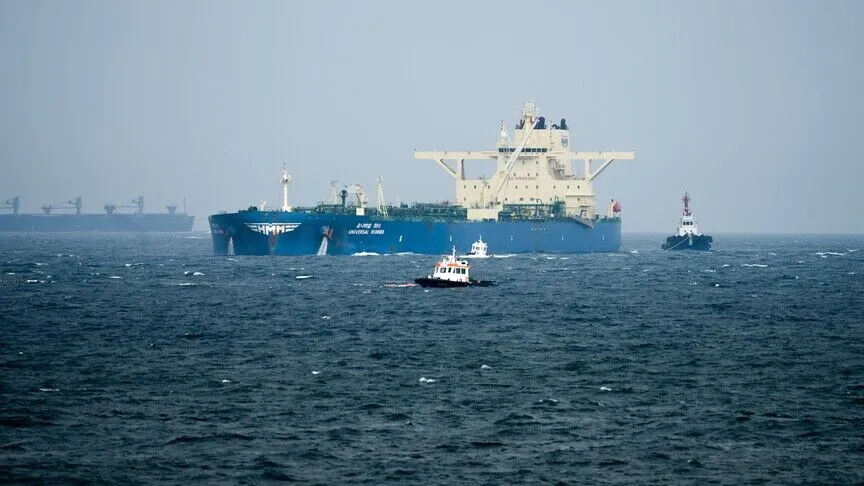
Very likely US-Iran military exchanges and attacks on commercial shipping will continue over the next 0-14 days, with the Strait of Hormuz remaining severely disrupted. The destruction of five Iranian tankers, Iran's claimed attacks on 10 ships, missile strikes against a US-linked base in Jordan, and fresh Houthi attacks on Saudi energy sites have increased the risk of wider regional spillover.
Executive summary
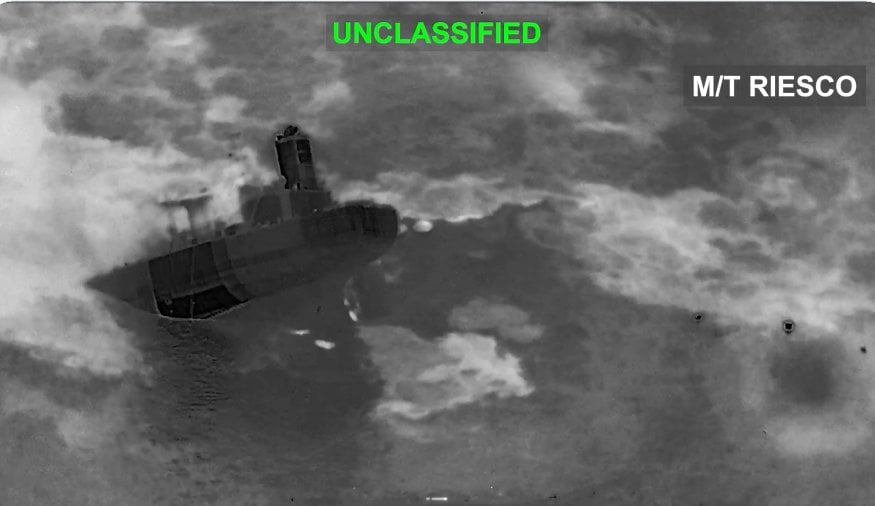
The conflict intensified on 9 September as US Central Command reported destroying five Iranian oil tankers, Iran and the IRGC claimed attacks against US vessels and commercial shipping near the Strait of Hormuz, and UKMTO reported disabling fire against merchant vessels in the Gulf. Jordan reported intercepting 18 of 20 Iranian ballistic missiles, while the Houthis continued attacks on Saudi energy infrastructure and fighting with Saudi-backed Yemeni forces near the Bab al-Mandab Strait. Hormuz oil flows have fallen below 2 million barrels per day from roughly 8-9 million before fighting resumed, driving Brent crude above USD 100 and US diesel prices to a reported record of USD 5.94. The extent of any planned Iranian multi-front attack against Israel remains disputed.
Change from previous assessment
Compared with the 8 September brief, the assessment now gives greater weight to direct maritime escalation. New reporting describes US destruction of five Iranian tankers, Iranian claims of attacks on 10 ships, disabling fire against merchant vessels, the New Andros tanker fire, a seafarer killed near Dubai and an Iranian missile attack directed at a US-linked base in Jordan. The Hormuz outlook has worsened from previously reported flows of 4-5 million barrels per day to below 2 million barrels per day. The Houthi assessment now includes reported fighting near Bab al-Mandab that has killed more than 500 people and displaced almost 20,000. A new low-confidence judgment addresses the disputed possibility of a coordinated Iranian multi-front attack against Israel. The assessment of a durable ceasefire remains unlikely, while confidence in continued maritime disruption has increased.
Key judgments
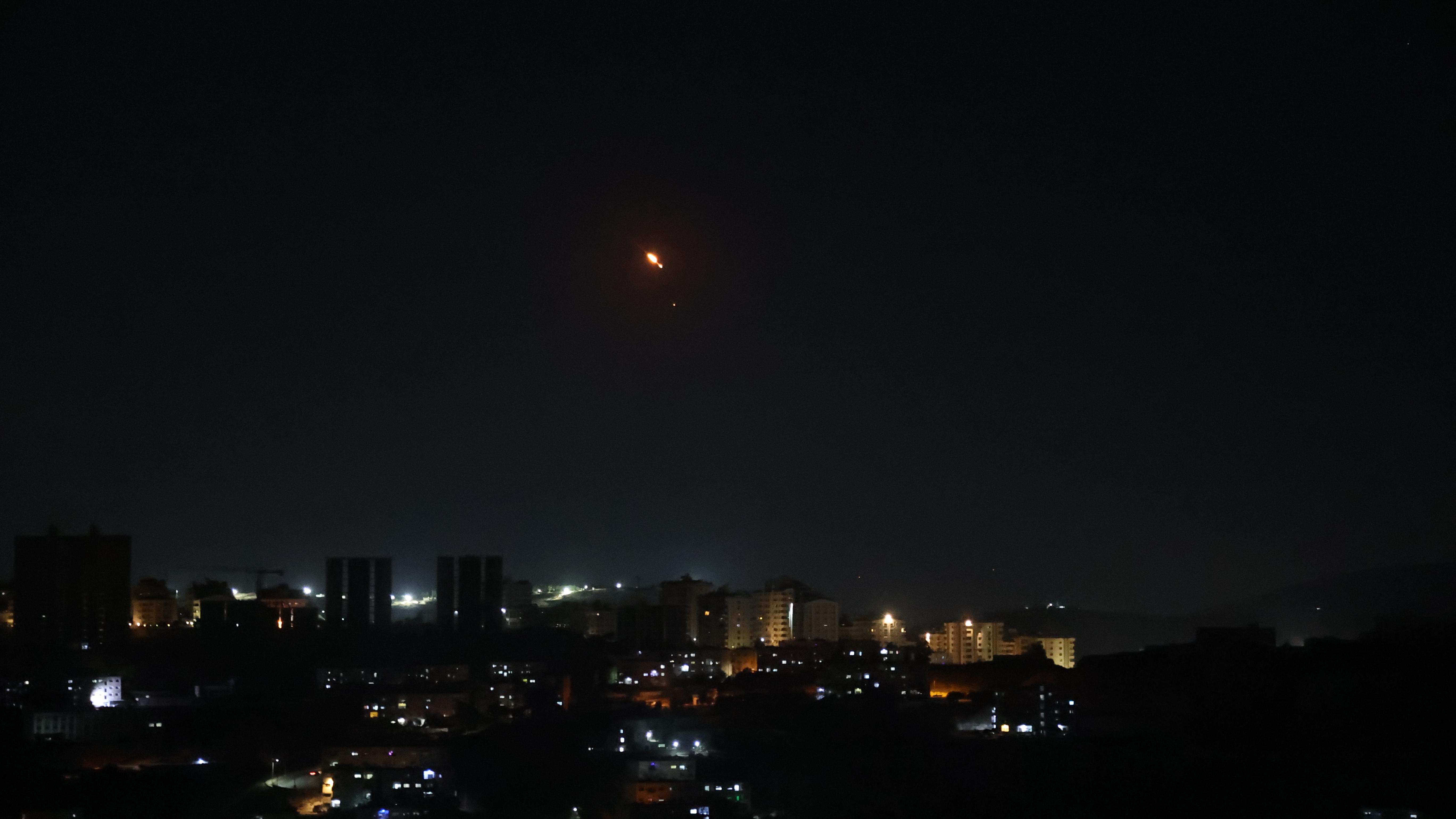
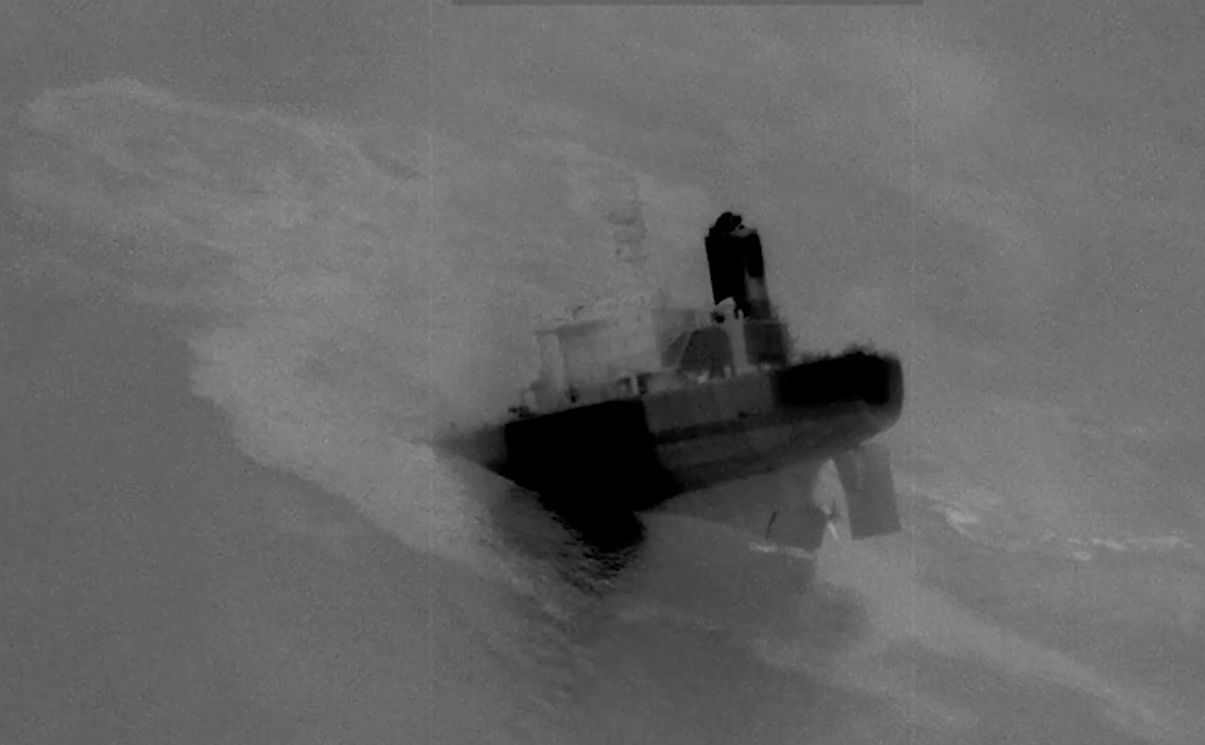
- Very likely US-Iran military exchanges and attacks on maritime and US-linked targets will continue over the next 0-14 days. US Central Command reported destroying five Iranian tankers, while Iran and the IRGC claimed attacks against 10 ships, including two US vessels, near the Strait of Hormuz. Iran also claimed or was reported to have launched missiles at a US-linked base near Al Azraq and Muwaffaq Salti Air Base in Jordan. The outcome of the reported attacks on US warships remains contested because CENTCOM said no US warship was struck and all Iranian attempts failed. Confidence is medium because the continuation of attacks is supported by multiple sources, but key operational outcomes rely on opposing official accounts. (Confidence: medium · ASSESSED)
- I&W: CENTCOM reports another strike on a named Iranian tanker or the IRGC reports another attack on a named US vessel or US-linked facility in Jordan. (0-14 days)
- I&W: The United States and Iran announce and implement a verified halt to attacks for at least seven consecutive days. (0-14 days)
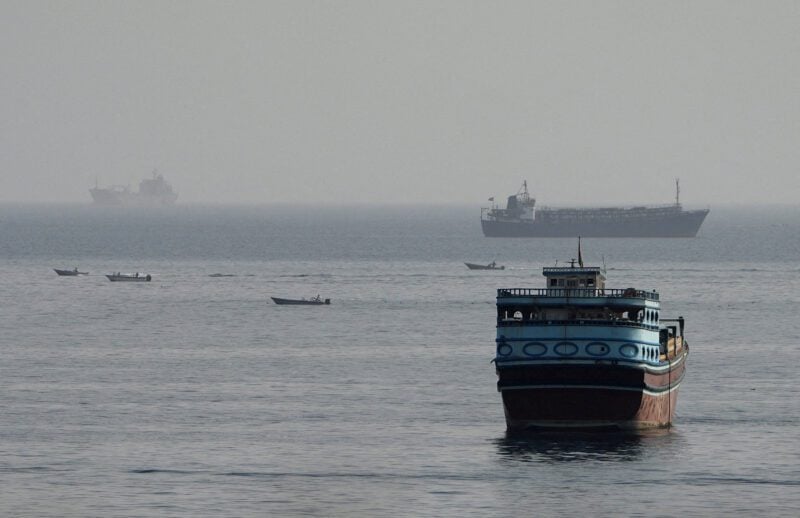
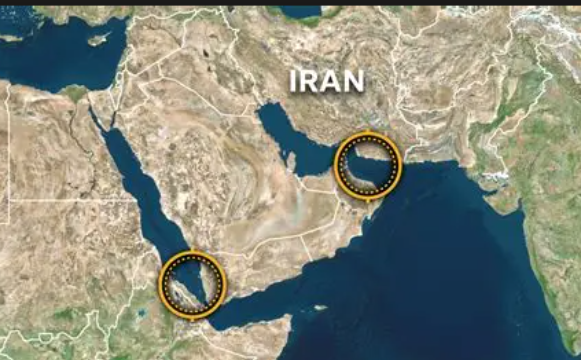
- Very likely the Strait of Hormuz and adjacent Gulf waters will remain severely disrupted over the next 0-14 days, while a return to pre-fighting traffic levels is unlikely over 1-3 months. Oil flows through Hormuz have fallen below 2 million barrels per day from roughly 8-9 million before fighting resumed, and UKMTO has reported several merchant vessels hit by disabling fire. The strait's status remains disputed: some reporting describes an effective closure, while residual flows and rerouting indicate that traffic continues. Confidence is high for severe disruption, but lower for claims of a complete closure. (Confidence: high · ASSESSED)
- I&W: Rystad or shipping monitors continue to report Hormuz oil flows below 2 million barrels per day, or UKMTO reports additional disabling fire against merchant vessels. (0-14 days)
- I&W: Oil flows return towards the pre-fighting level of 8-9 million barrels per day and Iran removes its announced prohibited shipping zone. (1-3 months)
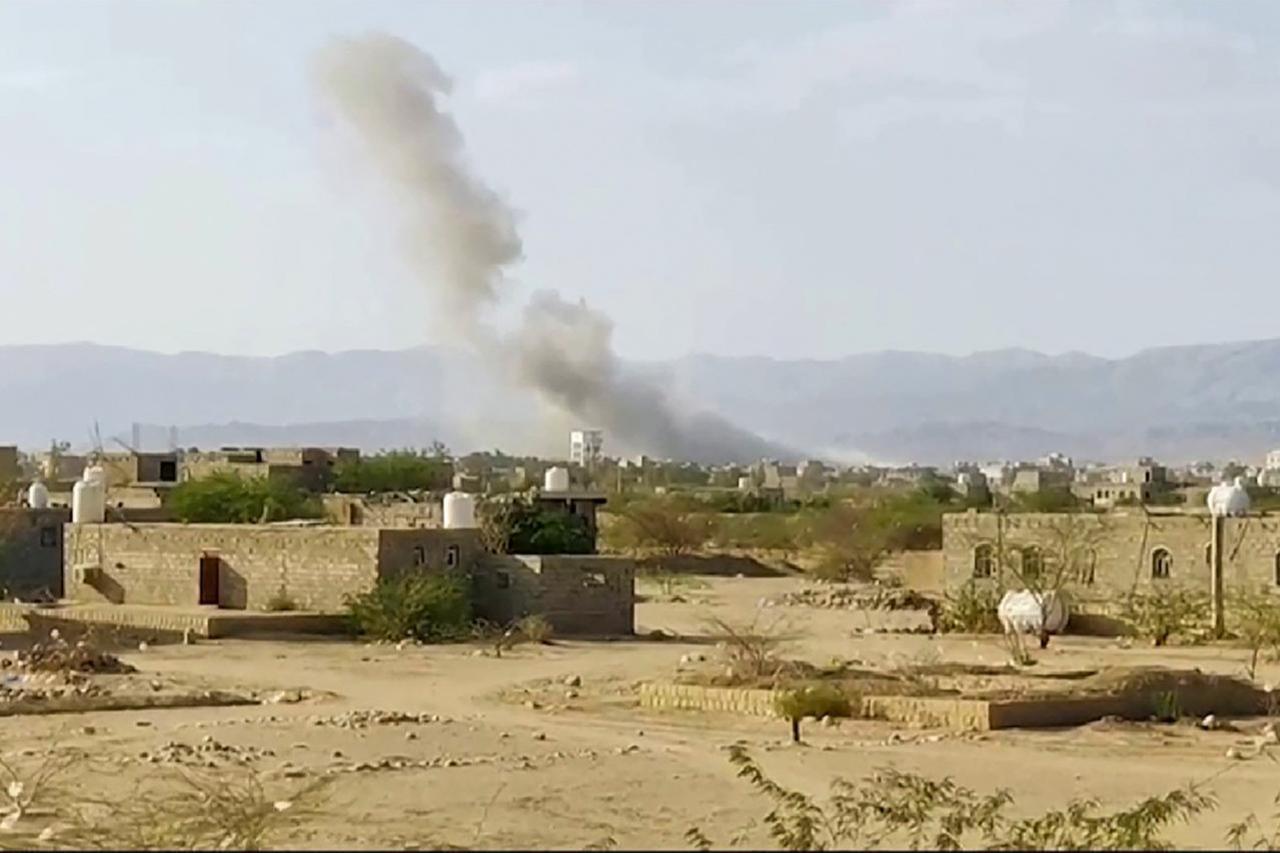
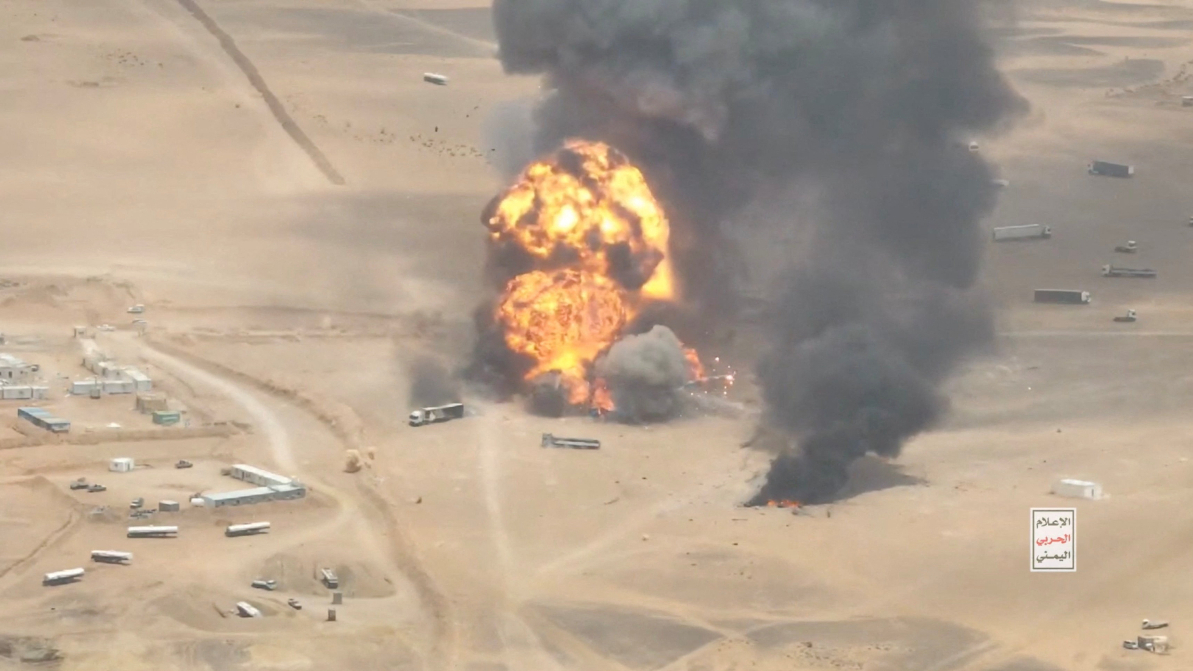
- Likely Houthi attacks on Saudi energy and civilian targets, together with fighting between Houthi forces and Saudi-backed Yemeni forces near the Bab al-Mandab Strait, will continue over the next 0-14 days. The Houthis have struck or claimed strikes against facilities in Abha, Jazan, Najran, Khamis Mushait and the Economic City, while Saudi authorities reported fires, temporary operational halts and 73 wounded people. Fighting near Bab al-Mandab has reportedly killed more than 500 people and displaced almost 20,000. Confidence is high for continued Houthi pressure, but the casualty figures and some attribution remain party-reported. (Confidence: high · ASSESSED)
- I&W: A further Houthi strike hits a named Saudi energy site or city, followed by a reported operational halt or new civilian casualties. (0-14 days)
- I&W: Houthi and Saudi-backed forces announce and observe a ceasefire near Bab al-Mandab with no new attacks on Saudi territory for 14 days. (0-14 days)
- Roughly even chance Iran launches a coordinated multi-front attack against Israel involving Hezbollah, Hamas, the Houthis and pro-Iranian militias in Iraq over the next 0-14 days. Israeli assessments report preparation for such an attack, while another assessment states Iran is not making Israel the primary target of its direct response. Iran's reported attacks on US-linked facilities and Gulf shipping provide stronger evidence of current activity than the multi-front scenario. Confidence is low because the evidence is conflicting and the direct assessment that Israel is not the primary target comes from a low-reliability source. (Confidence: low · ASSESSED)
- I&W: Hezbollah, Hamas, Houthi forces and pro-Iranian militias in Iraq conduct attacks against Israeli targets within the same 72-hour period. (0-14 days)
- I&W: Iran continues to target US bases, US vessels and Gulf shipping while no named Iranian partner conducts an attack against Israel for 14 days. (0-14 days)
- Very likely energy-price and supply-chain pressure will persist over the next 1-3 months. Brent crude has risen above USD 100 per barrel, reaching a reported USD 101.58, and the average US retail diesel price has reached a reported record of USD 5.94. SUMED flows increased above 1.9 million barrels per day in August, indicating rerouting efforts, but Iran is reported to have no current oil or gas exports and Hormuz flows remain below 2 million barrels per day. Confidence is high for continued pressure, although the duration and scale of further price increases remain uncertain. (Confidence: high · ASSESSED)
- I&W: Brent remains above USD 100 per barrel and US average retail diesel remains at or above USD 5.94 during the next two weeks. (0-14 days)
- I&W: Brent falls below USD 100 per barrel while Hormuz flows recover towards the reported pre-fighting level of 8-9 million barrels per day. (1-3 months)
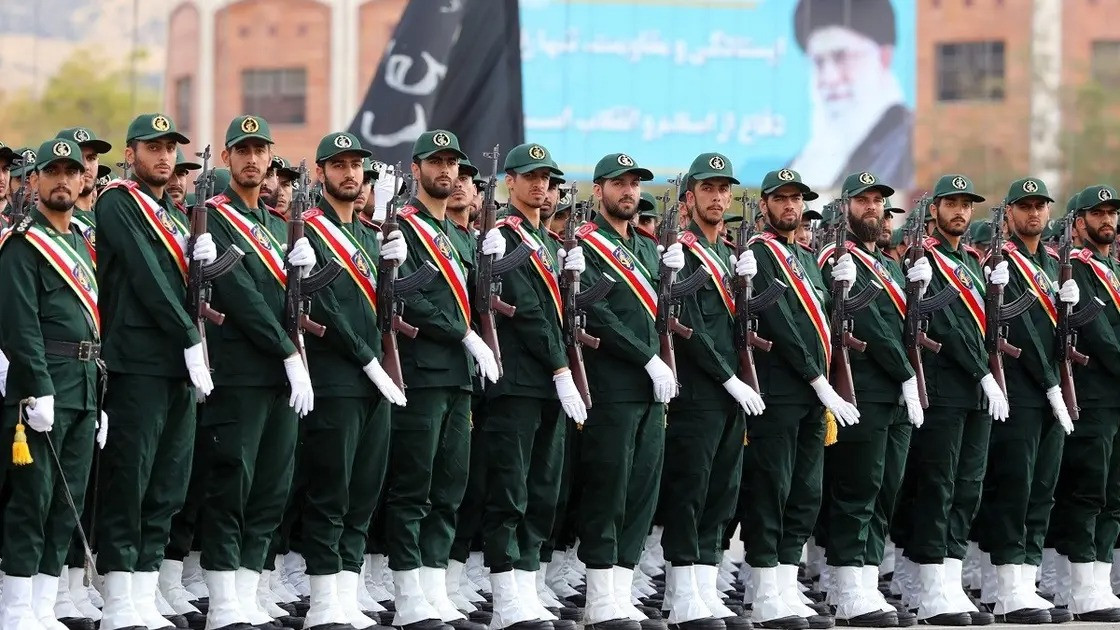
- Unlikely a durable US-Iran ceasefire will be implemented over the next 0-14 days, although limited maritime arrangements remain likely. The IRGC spokesman Hossein Mahbi said the war had not ended and described conditions for reopening Hormuz, including an end to the war, withdrawal of Israeli forces from Lebanon and the release of USD 24 billion in frozen Iranian assets. Iran has also claimed an Oman-linked middle corridor, while earlier reporting describes a temporary ceasefire and a US-Iran memorandum that collapsed over differing interpretations. Confidence is medium because the reporting is based mainly on official statements and proposed arrangements, with no verified implementation. (Confidence: medium · ASSESSED)
- I&W: US and Iranian officials sign and implement a written cessation of attacks alongside a defined Oman-linked shipping corridor. (0-14 days)
- I&W: Another US strike on Iranian shipping, another Iranian attack on a US-linked facility or vessel, or a renewed IRGC statement that the war has entered a further phase. (0-14 days)
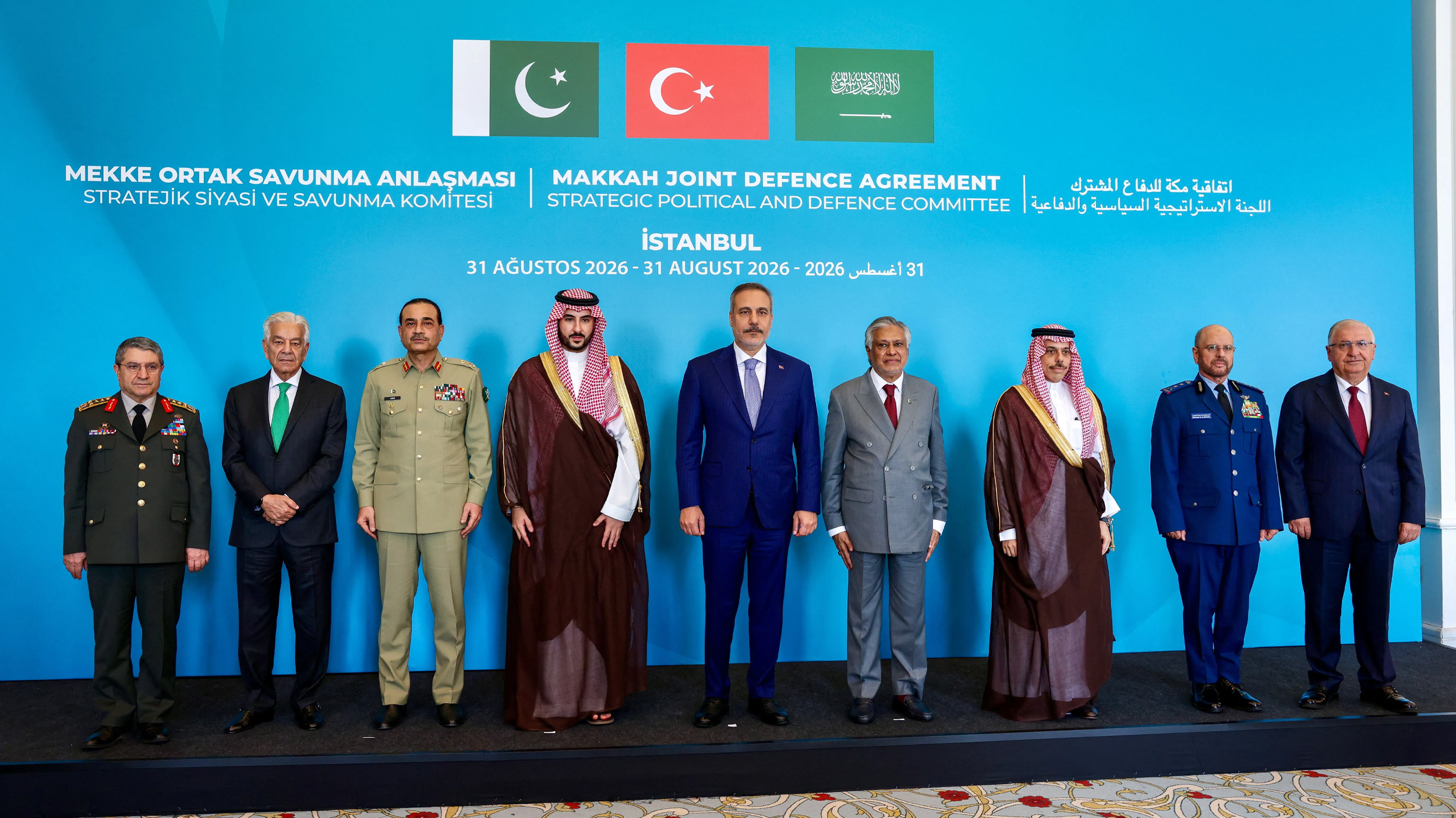
- Likely Saudi Arabia, Türkiye and Pakistan will deepen institutional defence cooperation over the next 1-3 months, but unlikely the Mecca Agreement will produce an automatic military response to attacks on Saudi Arabia. The three states agreed on a permanent secretariat and defence-industry cooperation, while the agreement leaves the nature of any response to consultation and the available reporting records diplomatic condemnation rather than a coordinated military response. Confidence is medium because the evidence is well corroborated for institutional activity but comes largely from think-tank reporting. (Confidence: medium · ASSESSED)
- I&W: Saudi Arabia, Türkiye and Pakistan establish the permanent secretariat or announce a joint defence-industry programme. (1-3 months)
- I&W: The three governments announce a coordinated military operation in response to a further Houthi attack on Saudi territory. (0-14 days)
Outlook & scenarios
Continued calibrated maritime exchange (65%)
Likely the conflict remains concentrated on US and Iranian maritime assets, Gulf shipping and US-linked facilities in Jordan. US forces conduct further operations against Iranian tankers near the Gulf of Oman, Kharg Island or Jask, while Iran and the IRGC continue attacks or warnings against shipping. Hormuz traffic remains well below the reported 8-9 million barrels per day pre-fighting level.
Proxy expansion across the Gulf and Red Sea approaches (45%)
Likely Houthi attacks on Saudi energy sites and fighting near Bab al-Mandab continue, with Iraqi militias providing operational support or joining attacks against Saudi Arabia and other US allies in the Gulf. Further disruption affects Saudi energy operations and shipping routes connected to both Hormuz and Bab al-Mandab.
Limited maritime arrangement without a wider ceasefire (25%)
Unlikely but plausible, Iran and Oman publish a defined merchant route through Hormuz while US forces maintain selective escort operations. Such an arrangement reduces some commercial risk but does not end US-Iran attacks, the blockade of Iranian ports or Houthi operations against Saudi Arabia.
Coordinated multi-front attack on Israel (15%)
Very unlikely relative to continued maritime exchanges, but high impact if Iran synchronises Hezbollah, Hamas, Houthi and Iraqi militia activity against Israel. Israel's stated willingness to strike Iranian military, civilian and energy infrastructure would increase the risk of a wider direct US-Israel-Iran confrontation.
Recommendations
- Maintain a twice-daily maritime incident watch using UKMTO, CENTCOM, IRGC statements and Iraqi port reporting. Record vessel name, flag, position, operator, reported actor and damage separately so that official claims are not treated as independently verified facts.
- Treat the Strait of Hormuz, the Gulf of Oman and Iraqi territorial waters as separate risk areas in all reporting. Do not describe Hormuz as either fully open or fully closed unless traffic data and an authoritative navigation notice support that conclusion.
- Prioritise confirmation of the disputed US warship incident through independent vessel-tracking, imagery and casualty reporting. Keep the CENTCOM account and the IRGC account distinct until independent evidence resolves whether any US vessel was struck.
- Monitor Abha, Jazan, Najran, Khamis Mushait and the Economic City for further Houthi strikes, fires or operational halts. Track Bab al-Mandab fighting separately from Saudi infrastructure attacks because the two developments present different warning timelines.
- Set an analytic warning threshold for a coordinated Iranian proxy operation: attacks by at least two of Hezbollah, Hamas, Houthi forces and pro-Iranian Iraqi militias within 72 hours. Report the threshold as met only when the actors and locations are independently corroborated.
- Update energy and supply-chain assessments daily against four measures: Hormuz oil flows, Brent crude, US retail diesel and SUMED pipeline volumes. Use the reported below-2-million-barrels-per-day Hormuz flow as the immediate disruption baseline rather than relying on claims of complete closure.
- Track implementation of the Saudi Arabia, Türkiye and Pakistan permanent secretariat and defence-industry commitments, but do not assume that the Mecca Agreement creates an automatic military response to further attacks on Saudi Arabia.
Confidence & uncertainty
Overall confidence is high because the core developments are corroborated by multiple high-reliability major-media, wire-service and trade-publication reports, including the destruction of five Iranian tankers, the fall in Hormuz oil flows, merchant-vessel incidents, Jordanian missile interceptions and attacks on Saudi energy sites. The main uncertainties concern the outcome of Iranian attacks on US warships, whether Hormuz is fully closed or severely restricted, the attribution of some Houthi and Iraqi militia activity, and the conflicting assessments of Iranian intentions towards Israel.
Intelligence gaps
- [EEI 1.1 · UNCOVERED] Unusual long-range missile/rocket transporter-launcher (TEL) movements, storage activation, or assembly activity at known IRGC missile sites or forward staging areas. Recommended collection: satellite/imagery
- [EEI 1.2 · PARTIAL] Orders, threat-alert messages, or changes in posture from IRGC, Quds Force, or senior Iranian military leadership indicating attack timelines or rules of engagement changes. Recommended collection: signals/ELINT and HUMINT
- [EEI 1.3 · UNCOVERED] Large-scale transfers, deliveries, or convoy movements of armed UAVs/drones, guided munitions, or spare parts from Iran into Lebanon (Hezbollah), Iraq, Syria, or Gaza. Recommended collection: air/aviation track and HUMINT
- [EEI 1.4 · UNCOVERED] Sustained changes in Israeli air-defense usage (SAM launches, radar activations), wide-area alerts, or NOTAMs indicating elevated imminent strike response. Recommended collection: air/aviation/NOTAMs and signals
- [EEI 2.1 · PARTIAL] Concentration, repositioning, or sortie patterns of Iranian naval/IRGC patrol boats and fast-attack craft near shipping chokepoints or commercial lanes. Recommended collection: maritime/AIS and satellite/imagery
- [EEI 2.3 · UNCOVERED] Insurance market indicators: sudden spikes in war-risk or hull insurance premiums for routes through the Red Sea, Suez corridor, or Persian Gulf, and major carriers announcing route changes. Recommended collection: financial/market and commercial shipping notices
- [EEI 2.4 · UNCOVERED] Port closures, naval escorts requested by commercial operators, or formal rerouting advisories issued by major shippers (e.g., Maersk, Hapag-Lloyd) for regional transits. Recommended collection: commercial/OSINT
- [EEI 3.1 · PARTIAL] Deployment of foreign military assets to the region (carrier strike groups, amphibious ships, combat aircraft deployments, or additional bases activated) from the US, UK, France, Russia, or GCC states. Recommended collection: maritime/AIS and air/aviation and satellite/imagery
- [EEI 3.2 · PARTIAL] Formal diplomatic actions: emergency UNSC votes, sanctions announcements, high-level ministerial visits, or public mediation offers by external powers or regional actors. Recommended collection: diplomatic/OSINT
- [EEI 3.3 · UNCOVERED] Confirmed arms transfers, expedited weapons shipments, or transfer authorizations to Israel, Iran, or their proxies (aircraft parts, munitions, air defenses). Recommended collection: customs/INTEL and HUMINT
- [EEI 3.4 · UNCOVERED] Issuance of travel warnings, embassy evacuations or reductions, and closure of diplomatic missions by major capitals indicating escalation risk or shifted threat assessments. Recommended collection: OSINT/diplomatic
TLP:CLEAR