TLP:CLEAR · Disclosure is not limited.
Iran-Israel Conflict: Maritime Pressure and Regional Spillover Intensify
Time window: Last 1 day · Audience: General analyst · Type: Situation report · DTG: 2026-09-21 22:12Z · Overall confidence: HIGH
BLUF
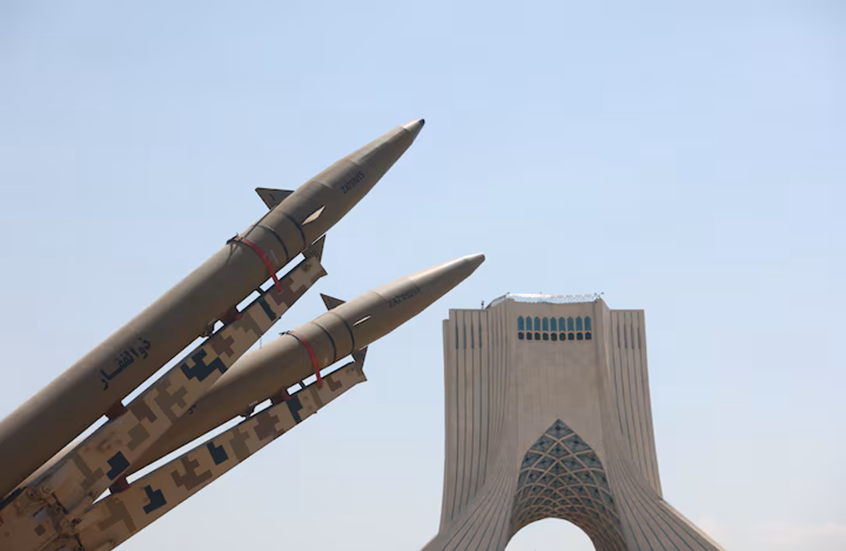
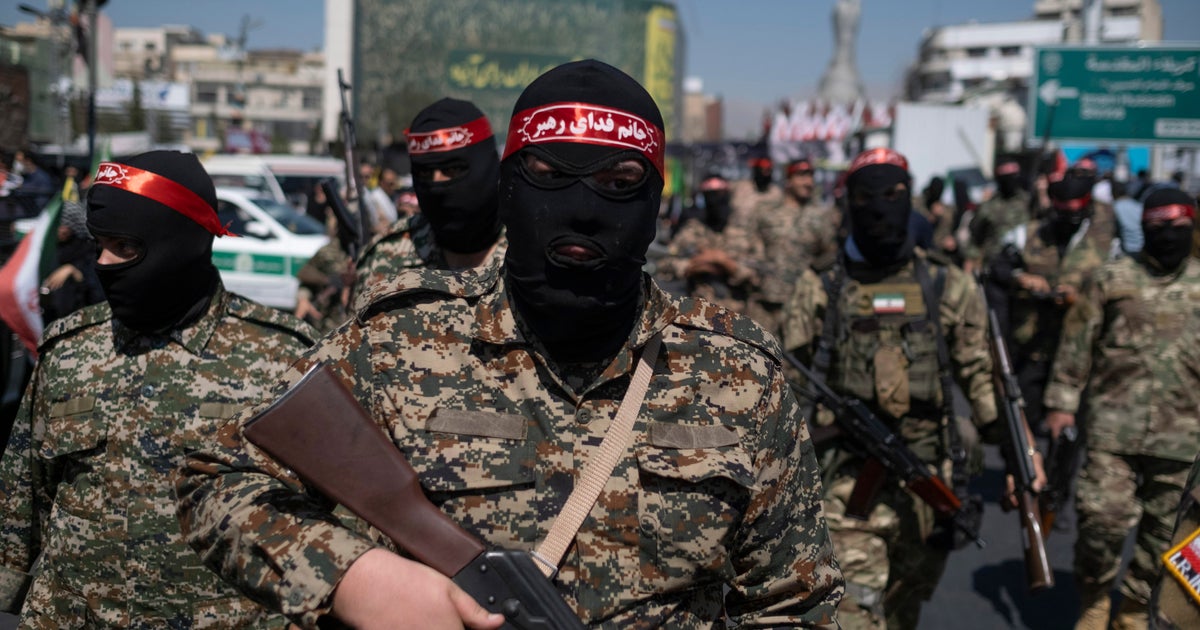
Iran is very likely to maintain a coercive escalation posture against the US and Israel while diplomatic channels remain active around the UN General Assembly. Commercial traffic through the Strait of Hormuz is very likely to remain severely constrained, while Houthi advances and attacks sustain a second pressure front against Saudi Arabia and Red Sea shipping.
Executive summary
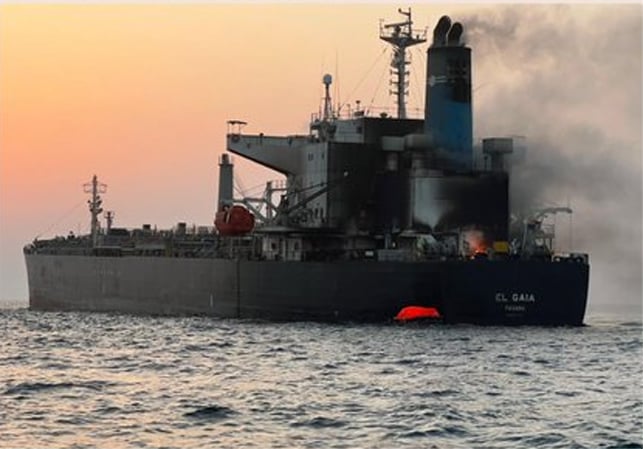
Reported developments on 21 September show heightened Iranian military readiness and renewed threats against the US and Israel, alongside further attacks on commercial tankers in the Strait of Hormuz. UK Maritime Trade Operations has not attributed the latest tanker incidents, while Iranian and US accounts present conflicting descriptions of control and protection operations in the strait. Houthi forces have expanded along Yemen's Red Sea coast and into Marib while attacking Saudi targets. Diplomatic activity involving Qatar, Pakistan, Oman, China, President Donald Trump and Iranian President Masoud Pezeshkian remains active during UN General Assembly week, but no durable ceasefire is reported.
Change from previous assessment
Since the 20 September brief, the assessment gives greater weight to repeated Iranian readiness statements, two additional tanker incidents on 21 September and clearer evidence that Hormuz traffic is severely constrained but not fully stopped. Confidence in the escalation posture has increased from medium to medium because the warnings are now repeated across several reports, while confidence in the risk of renewed US action remains low because no confirmed decision is reported and the stated policy options conflict. The Houthi assessment is unchanged in direction but now incorporates reported gains around Mokha, the Red Sea islands and Marib. The shipping judgment remains medium confidence, with attribution of the latest attacks explicitly unresolved.
Key judgments
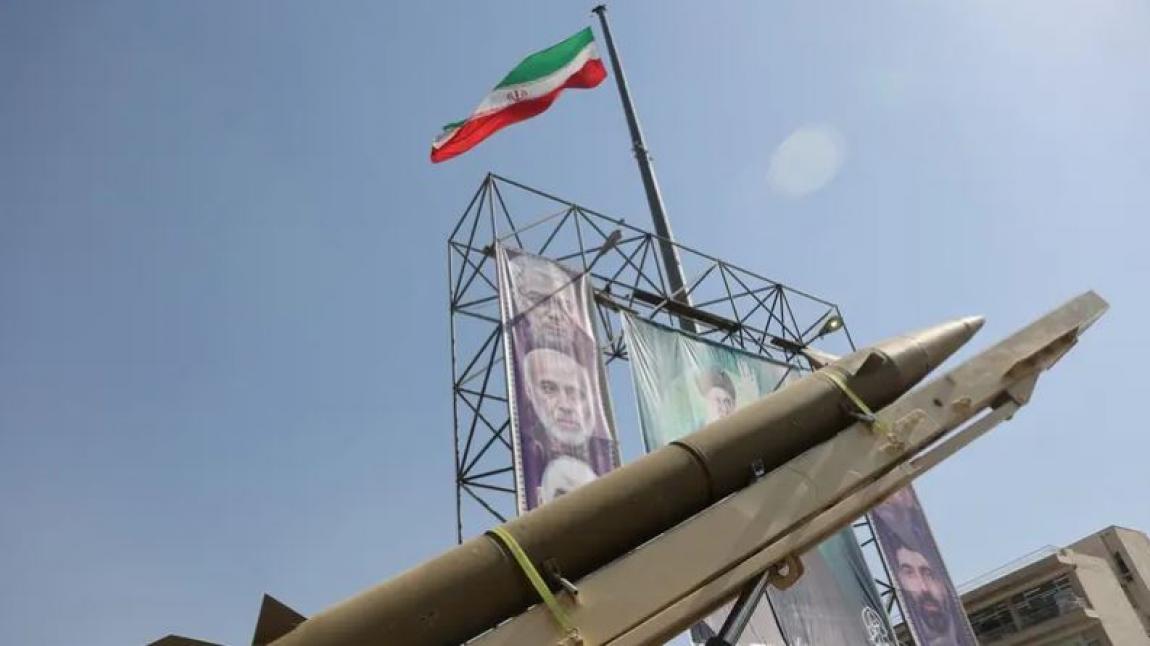
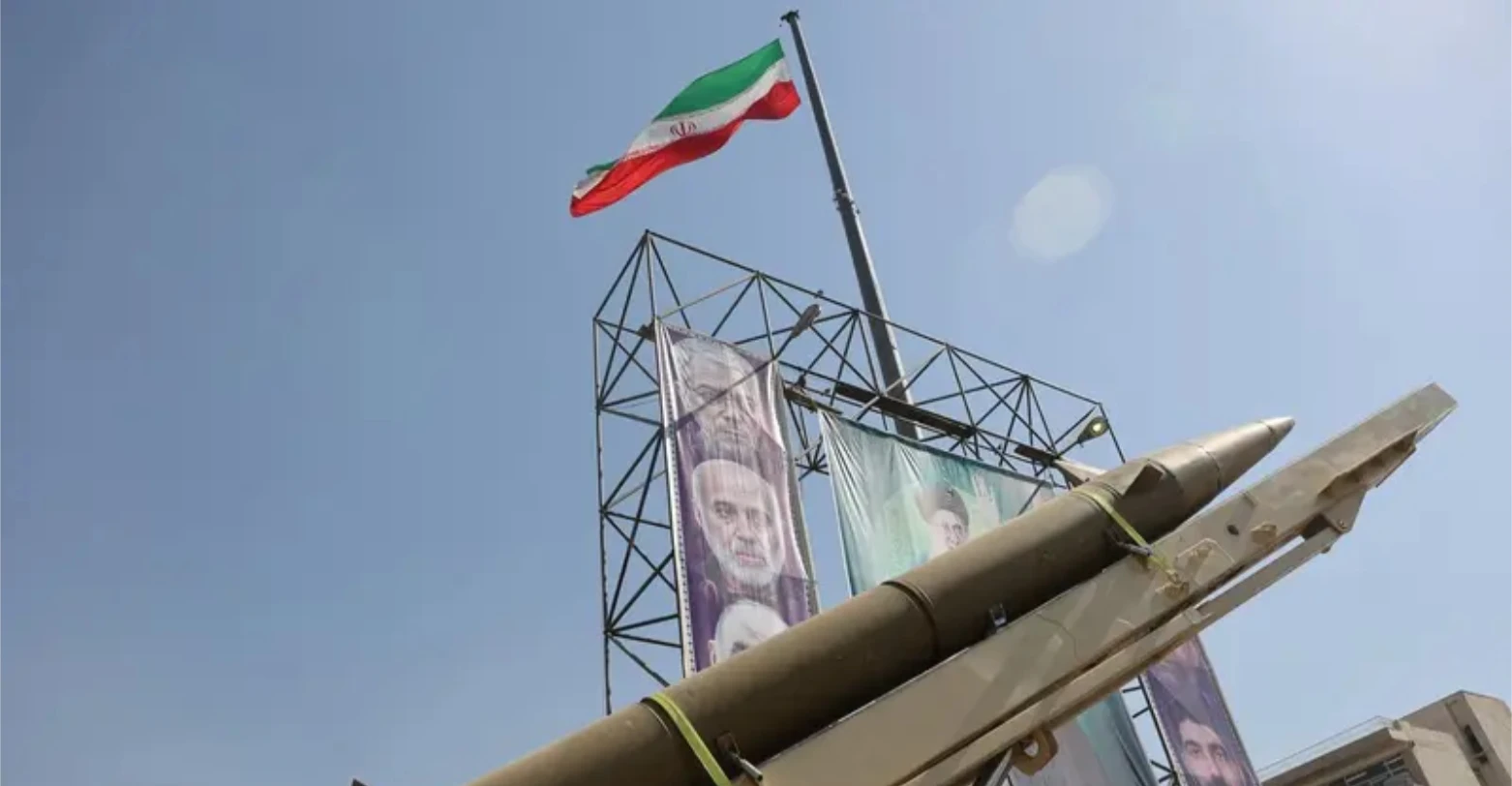
- Iran is very likely to sustain a coercive escalation posture against the US and Israel while keeping diplomatic channels open through UN General Assembly week. The Islamic Revolutionary Guard Corps has reported full military readiness and threatened decisive responses, while Khatam al-Anbiya Central Headquarters has threatened continuous attacks on US bases and interests. Qatar, Pakistan and Oman remain involved in mediation, and Masoud Pezeshkian is due to address the General Assembly on 23 September. This is an assessed posture rather than proof of an Iranian decision to initiate new attacks. Confidence is medium because the readiness and threat reporting is repeated across several sources but remains largely based on public Iranian statements, while diplomatic engagement does not establish an agreed negotiating position. (Confidence: medium · ASSESSED)
- I&W: CONFIRM: The Islamic Revolutionary Guard Corps, Khatam al-Anbiya Central Headquarters or Iranian armed forces announce another readiness measure, or a verified attack on a US or Israeli asset is reported. (0-14 days)
- I&W: BREAK: Abbas Araghchi or Masoud Pezeshkian enter a publicly announced US-Iran negotiating session in New York and Iran announces a reciprocal seven-day pause in attacks. (0-14 days)
- Renewed direct US strikes on Iranian territory are roughly even chance through 24 September, while Iranian retaliation extending beyond the immediate theatre is very likely if US offensive operations resume. President Donald Trump has described differing sets of options, including negotiations and wider offensive action, and has signalled an imminent decision. Iranian reporting has also described US attacks on oil tankers near Kharg Island and Jask. Confidence is low because the US decision remains unresolved, the reported option sets conflict, and the most specific warning of renewed US operations comes from Iranian reporting that is not independently confirmed. (Confidence: low · ASSESSED)
- I&W: CONFIRM: President Donald Trump or US Central Command publicly announces a new strike on an Iranian site, or acknowledges a new US operation against Iranian territory. (0-14 days)
- I&W: BREAK: President Donald Trump publicly selects negotiations as the US course and no new US strike on Iran is reported for 14 consecutive days. (0-14 days)
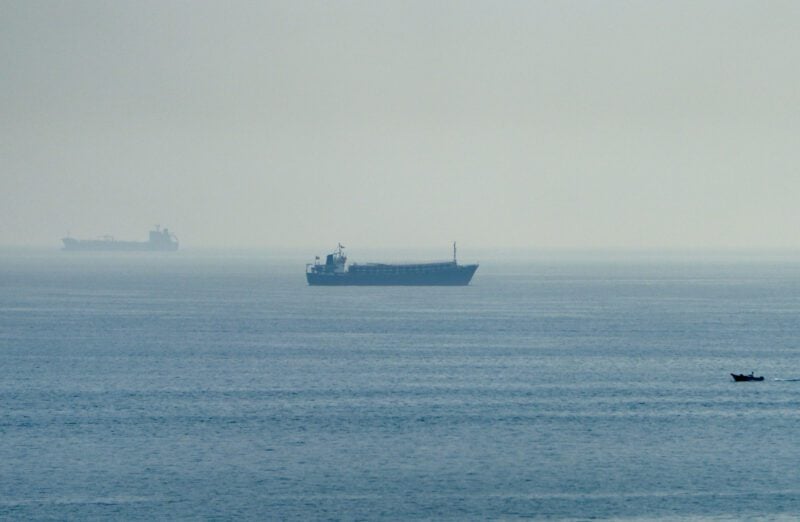
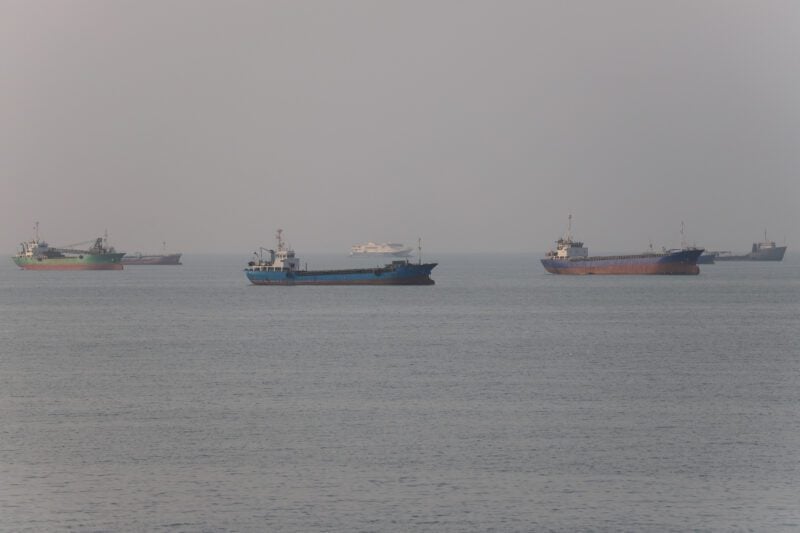
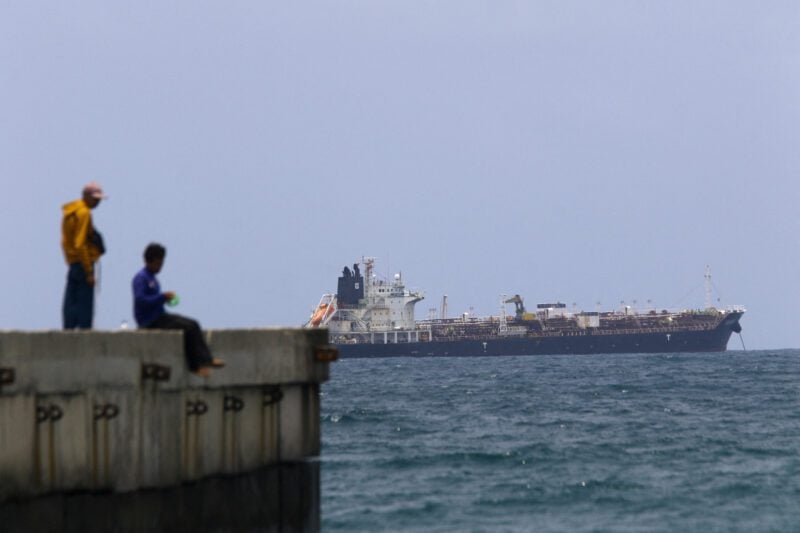
- Commercial shipping through the Strait of Hormuz is very likely to remain severely constrained over the next 14 days, but a total cessation of transit is unlikely. Kpler recorded 17 commodity vessels over the weekend, compared with 37 the previous week and roughly 125 vessels per day before the war, while US Naval Cooperation and Guidance for Shipping recorded more than 30 vessels per day across a broader category. September exports nevertheless reached about 6.5 million barrels per day, and tankers continue to use an Omani coastal corridor and ship-to-ship transfers. The assessment is medium confidence because the datasets measure different vessel categories and the latest tanker attacks remain unattributed by UK Maritime Trade Operations. (Confidence: medium · ASSESSED)
- I&W: CONFIRM: JMIC or UK Maritime Trade Operations records another tanker strike, or Kpler records fewer than 25 commodity vessel transits over a weekend. (0-14 days)
- I&W: BREAK: Kpler records more than 100 commodity vessel transits per day for seven consecutive days and JMIC downgrades the Strait of Hormuz threat level below severe. (1-3 months)
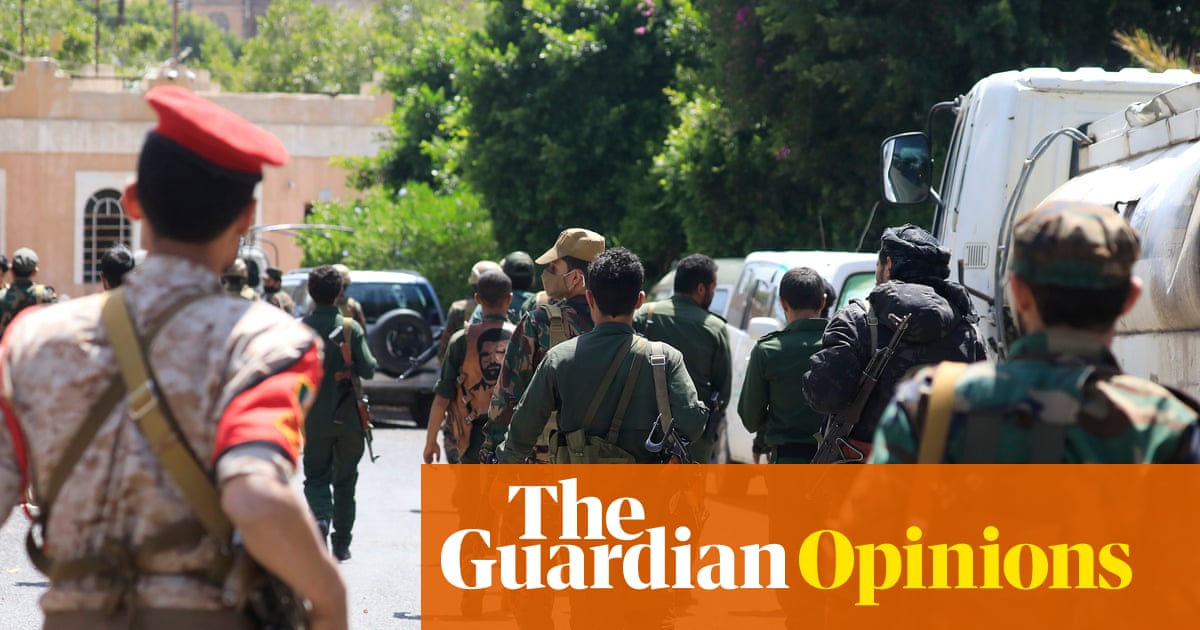
- Houthi forces are very likely to sustain pressure on Saudi Arabia and the Bab el-Mandeb over the next one to three months, while complete Houthi control of all maritime traffic through the strait is unlikely. The Houthis have reportedly seized Mokha and Red Sea islands, expanded towards Marib, declared a siege on Saudi shipping and attacked Riyadh, Khamis Mushait, Abha, Najran and Jazan. Confidence is medium because the territorial scope of Houthi control and the scale of damage at Saudi facilities are reported by multiple sources but remain only partly corroborated. (Confidence: medium · ASSESSED)
- I&W: CONFIRM: Houthi forces announce or demonstrate a new advance from Mokha or the Red Sea islands into Marib, or report another strike on Riyadh, Jazan, Najran, Abha or Khamis Mushait. (0-14 days)
- I&W: BREAK: Houthi authorities publicly lift the siege on Saudi shipping and Saudi-linked vessels transit the Bab el-Mandeb without a reported attack for 30 consecutive days. (1-3 months)
- Energy and supply-chain stress is very likely to persist through 4 October, even as ship-to-ship transfers in the Gulf of Oman and higher UAE exports keep some oil moving. VLCC freight for Gulf crude to China has exceeded $30 per barrel, European diesel futures reached an all-time high, US retail diesel prices exceeded $6 per gallon, and Middle East diesel exports were half their level of a year earlier. Confidence is high for the persistence of market stress because the indicators come from LSEG, Kpler, the International Energy Agency and wire reporting. The conflict's precise share of the price and freight increases remains uncertain because Russia-Ukraine disruption and other market factors also feature in the reporting. (Confidence: high · ASSESSED)
- I&W: CONFIRM: VLCC freight for Gulf crude to China remains above $30 per barrel or US retail diesel remains above $6 per gallon. (0-14 days)
- I&W: BREAK: VLCC freight falls below $30 per barrel and European and US diesel prices retreat from current record levels for 14 consecutive days. (1-3 months)
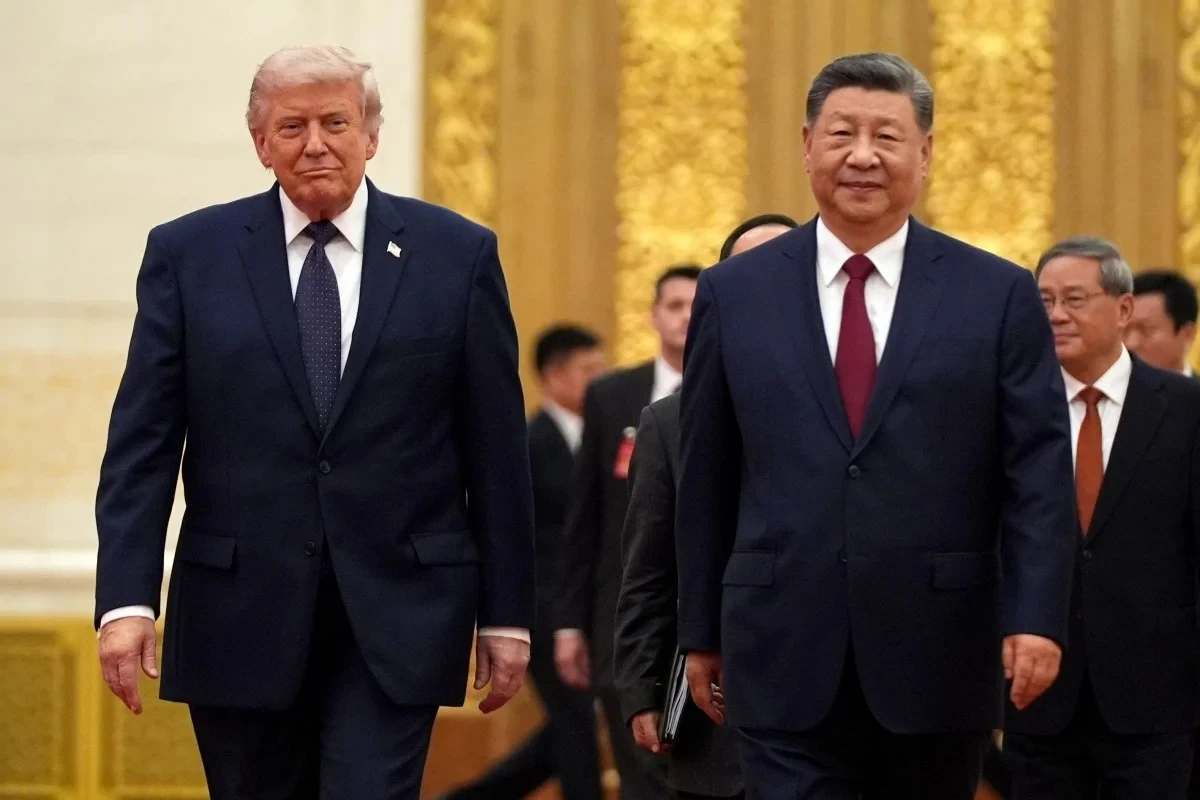
- Diplomatic engagement is very likely to continue through 24 September, but a durable US-Iran ceasefire before the end of UN General Assembly week is unlikely. President Donald Trump is scheduled to address the General Assembly on 22 September, Masoud Pezeshkian on 23 September, and Xi Jinping is expected to discuss Iran with Trump on 24 September. Qatar, Pakistan and Oman are facilitating contacts, while China is urging a return to negotiations and has offered to safeguard Iran's stated interests. Confidence is medium because the diplomatic activity is well reported, but the parties' positions remain incompatible and no ceasefire terms are reported. (Confidence: medium · ASSESSED)
- I&W: CONFIRM: Donald Trump and Masoud Pezeshkian hold or announce a direct meeting in New York, or Qatar, Pakistan or Oman announce a joint negotiating framework. (0-14 days)
- I&W: BREAK: The US and Iran publicly announce a ceasefire with implementation terms and independent confirmation before 24 September. (0-14 days)
Outlook & scenarios
Managed escalation with constrained shipping (45%)
Iran maintains threats and limited maritime pressure while the US keeps its policy options open and protects selected shipping movements. Qatar, Pakistan, Oman and China sustain mediation during UN General Assembly week. Hormuz remains partially open with sharply reduced commodity transits, while Houthi forces continue pressure on Saudi Arabia and the Bab el-Mandeb.
Renewed US strikes and regional widening (30%)
President Donald Trump selects wider offensive operations. US forces strike Iranian territory or additional Iranian-linked tanker targets, and Iran responds against US bases, Gulf shipping or ports in Kuwait and Bahrain. Houthi attacks on Saudi facilities and Red Sea shipping intensify, producing a wider regional conflict and deeper energy disruption.
Temporary diplomatic pause (17%)
Mediation by Qatar, Pakistan, Oman and China brings US and Iranian representatives into talks around the General Assembly. Iran pauses attacks and the US suspends offensive operations for a limited period. Some commercial traffic returns through the Strait of Hormuz, but the underlying dispute over sanctions, the naval blockade and Iranian security demands remains unresolved.
Wildcard: mass-casualty maritime or base incident (8%)
A tanker attack causes multiple deaths, or an attack damages a US facility in Bahrain or a US naval asset. Washington and Tehran attribute responsibility directly, diplomatic contacts collapse and the conflict expands rapidly across the Gulf, Iraq, Yemen and the Red Sea.
Recommendations
- For the next 14 days, maintain one daily maritime picture that separates Kpler commodity-vessel counts from US Naval Cooperation and Guidance for Shipping counts for all vessel categories. Do not treat 17 weekend commodity vessels and more than 30 daily all-vessel transits as directly comparable.
- Keep attribution for the 21 September tanker incidents unresolved in analytic products until UK Maritime Trade Operations, the Joint Maritime Information Center or corroborating physical evidence identifies the attacker. Report the two minor injuries against the inbound tanker incident and separately record that the outbound LPG tanker crew was safe.
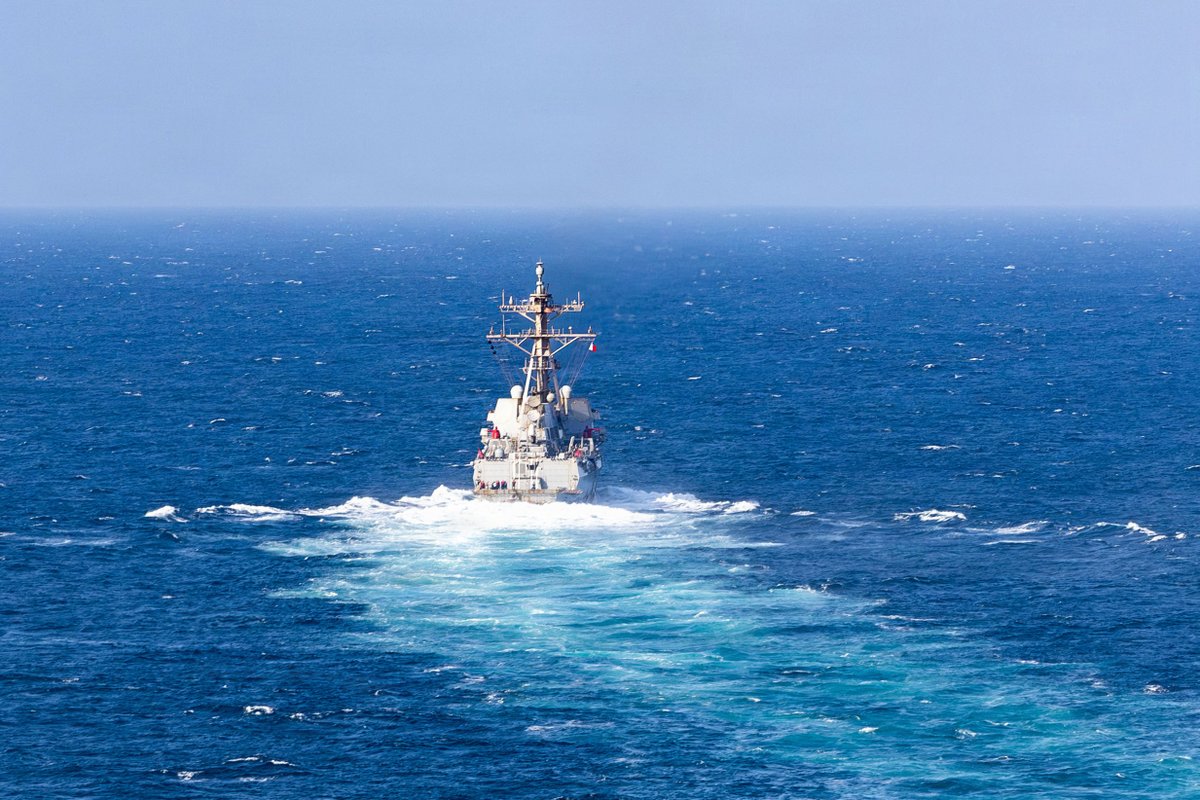
- Establish an escalation watch for public decisions by President Donald Trump and US Central Command. Track operational messaging concerning USS George H.W. Bush, USS Boxer, USS Portland, the 11th Marine Expeditionary Unit, USS John Paul Jones, USS John Finn and USS Rafael Peralta in the Arabian Sea.
- Prioritise collection on Houthi activity around Mokha, the Red Sea islands and Marib, then cross-check claims of attacks against Riyadh, Khamis Mushait, Abha, Najran and Jazan with Saudi official reporting and satellite imagery.
- Prepare separate diplomatic branches for the 22 to 24 September UN General Assembly schedule. Monitor statements or meetings involving Donald Trump, Masoud Pezeshkian, Abbas Araghchi, Qatar, Pakistan, Oman, Wang Yi and Xi Jinping, and record whether any contact produces enforceable ceasefire terms rather than general calls for dialogue.
- Use the $30 per barrel VLCC freight level, the $6 per gallon US diesel price, the 6.5 million barrels per day September Hormuz export estimate and the UAE's 3.6 million barrels per day export forecast as daily stress markers. Attribute market movements separately to the Iran conflict, the Red Sea disruption and Russia-Ukraine effects.
Confidence & uncertainty
Overall confidence is high because the core developments are corroborated by multiple high-reliability maritime authorities, established data providers, major media organisations, the UN and official statements. The strongest evidence concerns tanker incidents, reduced Hormuz traffic, Houthi territorial advances and elevated energy prices. The main uncertainties are attribution of the latest tanker attacks, the different definitions used in vessel-count data, the scope of Houthi control and President Trump's unresolved policy choice.
Intelligence gaps
- [EEI 1.1 · UNCOVERED] Movement, dispersal, or emplacement of Iranian conventional or IRGC heavy assets (ballistic missile launchers, Khoramshahr/Toofan-class missile transporters, ground-to-ground TELs, air defense batteries, amphibious units) from garrison areas toward forward bases or coastal launch sites. Recommended collection: satellite/IMINT
- [EEI 1.2 · PARTIAL] Authenticated Iranian military orders, NSC/IRGC operations directives, or senior leadership statements explicitly directing strikes against Israel or US forces or authorizing cross-border operations. Recommended collection: human/diplomatic
- [EEI 1.3 · PARTIAL] Changes in Israeli and US force posture indicating anticipation of direct large-scale conflict, elevated readiness levels, mobilization notices, pre-positioning of munitions, or public/private orders to prepare offensive strikes. Recommended collection: open-source/diplomatic
- [EEI 2.1 · UNCOVERED] Observable pre-launch preparations for missile/rocket/cruise missile strikes (fueling, warhead mating, launcher orientation, support vehicle congregation) and abnormal munitions handling at known launch sites. Recommended collection: satellite/IMINT
- [EEI 2.2 · UNCOVERED] Indications of proxy arms shipments and weapons transfers (truck convoys, small boat transfers, container movements from Iran to proxies, new stockpiles in Lebanon, Iraq, Yemen, Syria). Recommended collection: maritime/AIS
- [EEI 2.3 · UNCOVERED] Evidence of cyber attack planning or active exploitation campaigns targeting Israeli or US military/critical infrastructure (emergence of new command-and-control servers, spear-phishing campaigns against defense personnel, successful intrusions). Recommended collection: cyber
- [EEI 3.1 · PARTIAL] Movements and posture changes of US regional platforms (carrier strike groups, amphibious ready groups, B-52/B-1/B-2 or fighter deployments, missile defense assets repositioning) and associated armament loadouts. Recommended collection: satellite/IMINT
- [EEI 3.2 · PARTIAL] Official or leaked US government/diplomatic communications indicating thresholds for strikes, authorization for offensive operations, or limits on action (NSC/DoD statements, congressional notifications, diplomatic notes). Recommended collection: diplomatic/human
- [EEI 3.3 · PARTIAL] Changes in US base force-protection measures and rules of engagement at regional facilities (base lockdowns, evacuation notices, flight restrictions, activation of Local Defense Forces or missile intercept systems). Recommended collection: open-source/local reporting
- [EEI 4.1 · UNCOVERED] Hezbollah-specific indicators: convoys and logistics movements toward Lebanon, Israel border, artillery/rocket emplacement in southern Lebanon, documented strikes-preparation activity, public mobilization orders or recruitment drives. Recommended collection: satellite/IMINT
- [EEI 4.2 · PARTIAL] Houthi-attributed maritime attack indicators: AIS anomalies/loss of contact for commercial vessels, reports of missile/drone strikes or near-miss incidents in Bab al-Mandeb/Red Sea, Houthi claims paired with imagery of weapons launches. Recommended collection: maritime/AIS
- [EEI 4.3 · UNCOVERED] Militia cross-border attack evidence from Iraq/Syria: recorded rocket/mortar launch events into Israel or strikes against US facilities, movement of armed convoys toward border areas, and intercepted communications coordinating cross-border operations. Recommended collection: signals/ELINT
Cited sources
[1] RT Arabic (Russia Today) · الحرس الثوري يوجه إنذاراً لواشنطن وتل أبيب بـ "ضربات حاسمة" تمحو وجودهما من المنطقة (B) · Mon Sep 21 2026 19:42:24 GMT+0000 (Coordinated Universal Time) · sha256:a82c46cd4a2b [2] nesan.net · تحذير جديد من الحرس الثوري. وتلويح بتغيير جغرافيا الحرب (D) · sha256:3dea2a4a5d48 [3] Observer Research Foundation (ORF) · Xi Signals China's Readiness to Mediate in the US-Iran War (C) · Mon Sep 21 2026 14:06:25 GMT+0000 (Coordinated Universal Time) · sha256:9f02ebcb6655 [4] Middle East Eye · US-Israeli war on Iran to take centre stage at UN General Assembly (B) · Mon Sep 21 2026 17:36:55 GMT+0000 (Coordinated Universal Time) · sha256:16402c04cfbe [5] The Maritime Executive · CENTCOM's Commander Highlights Successes of U.S. Blockade (C) · sha256:9a513fc26bb9 [6] shafaq.com · شفق نيوز.الحرس الثوري يتوعد إسرائيل وأميركا: قواتنا بحالة تأهب وجاهزية (F) · Mon Sep 21 2026 18:45:50 GMT+0000 (Coordinated Universal Time) · sha256:0fce3c8ab0d6 [7] مركز رواق للأبحاث والدراسات (Rwaq Center for Research and Studies) · الصراع الأمريكي الإيراني. أبعاد الضربات الحوثية واختبار أسلحة القوى الكبرى في الخليج (C) · Sun Sep 20 2026 10:00:00 GMT+0000 (Coordinated Universal Time) · sha256:616b9504fe21 [8] gCaptain · Two More Tankers Hit in Strait of Hormuz as Attacks Mount (C) · Mon Sep 21 2026 16:06:53 GMT+0000 (Coordinated Universal Time) · sha256:41290b91667f [9] The Maritime Executive · Iran Keeps Up Pressure, Hitting Another Tanker as US Asserts Hormuz is Open (C) · sha256:0c6408c39779 [10] gCaptain (republishing a Reuters column by Ron Bousso) · Hormuz Shuttles Keep Oil Flowing, But At a High Cost (B) · Mon Sep 21 2026 16:38:06 GMT+0000 (Coordinated Universal Time) · sha256:09ea1e20149d [11] CBS News · Live Updates: Iran warns "geography of the war" would expand in response to any new U.S. assault (A) · Mon Sep 21 2026 08:57:00 GMT+0000 (Coordinated Universal Time) · sha256:560366f25952 [12] The Guardian · The Houthis’ offensive is the latest spillover from Trump’s Iran disaster | Mohamad Bazzi (A) · Mon Sep 21 2026 10:00:21 GMT+0000 (Coordinated Universal Time) · sha256:79e4dca134e8 [13] Reuters (republished by gCaptain) · Global Diesel Prices Hit Record Highs (A) · Mon Sep 21 2026 17:43:49 GMT+0000 (Coordinated Universal Time) · sha256:d526ac30b3d5 [14] arabnews.jp · Will China play a role in ending Iran war? (F) · Mon Sep 21 2026 04:37:42 GMT+0000 (Coordinated Universal Time) · sha256:b6b8d437bf2d [15] United Nations News · ‘We are not powerless’: UN chief urges world leaders to invest in peace (A) · Mon Sep 21 2026 16:24:14 GMT+0000 (Coordinated Universal Time) · sha256:ee67e07934e2
Source content hashes were computed at collection time; the cited text is preserved unmodified for the life of this product.
Red cell review: CONCUR WITH COMMENT
TLP:CLEAR