TLP:CLEAR · Disclosure is not limited.
Iran-Israel Conflict: Maritime Spillover and US Restraint
Time window: Last 1 day · Audience: General analyst · Type: Situation report · DTG: 2026-09-12 18:38Z · Overall confidence: HIGH
BLUF
The conflict is widening into Saudi energy infrastructure and the Bab al-Mandab approaches, while the United States is likely to remain directly restrained in the Saudi-Houthi theatre. Commercial shipping through Hormuz and Bab al-Mandab will remain under pressure, but pipeline responsibility, Houthi control of Perim and the scope of any Iran-Oman navigation deal remain disputed.
Executive summary
Houthi forces have captured Mocha and expanded across Yemen's southern Tihamah towards the Bab al-Mandab, with reports placing them on or near Perim, Dhu Bab, Mayyun, Zuqar and the Hanish islands. Saudi Arabia has shut the East-West Pipeline after a drone attack and has so far declined retaliation, while Iraq confirmed that the launch originated from its territory and dismissed officials in Maysan. Attribution remains contested because other reporting blames the Houthis, Iran-backed Iraqi militias or Iran. US-Iran maritime confrontation remains active in reporting, but the broader conflict's status is disputed by a separate ceasefire account. Shipping through Hormuz is severely constrained according to UKMTO and ship-tracking data, although other reporting records substantial crude flows and vessel movements. Iran, Gulf states and Iraq are scheduled to meet in Salalah on 14 September to discuss navigation arrangements.
Change from previous assessment
Since the 11 September brief, the assessment has added an officially acknowledged East-West Pipeline attack with an Iraqi launch origin, Iraqi dismissals and an investigation in Maysan, while retaining uncertainty over whether Iran, Iraqi militias or the Houthis directed the operation. Reporting now places Houthi forces on or near Perim and Dhu Bab, although formal control of Perim remains unresolved. US direct participation in the Saudi-Houthi theatre remains unlikely, but Admiral Brad Cooper's urgent Saudi talks and the disputed reporting on intelligence and targeting support provide new evidence on the limits of US involvement. The 14 September Iran-Gulf-Iraq meeting in Salalah is now the main near-term diplomatic indicator. This is a revised assessment of the prior brief, not an initial assessment.
Key judgments
- US-Iran military confrontation is likely to remain active around the Strait of Hormuz over the next 14 days, but the status of the broader conflict that began on 28 February remains contested. Iran said it attacked 10 ships near Hormuz on 9 September after the United States sank five Iranian oil tankers, while other reporting describes a continuing US naval blockade and renewed US Navy-Iran attacks. A separate account says a ceasefire took effect on 8 April, reducing confidence in assessments of continuous conflict. (Confidence: medium · ASSESSED)
- I&W: Iran reports another attack on a vessel near Hormuz or the United States announces another naval action against Iranian shipping. (0-14 days)
- I&W: Washington and Tehran issue a joint or separate formal confirmation that the 8 April ceasefire remains in force and maritime attacks stop. (0-14 days)
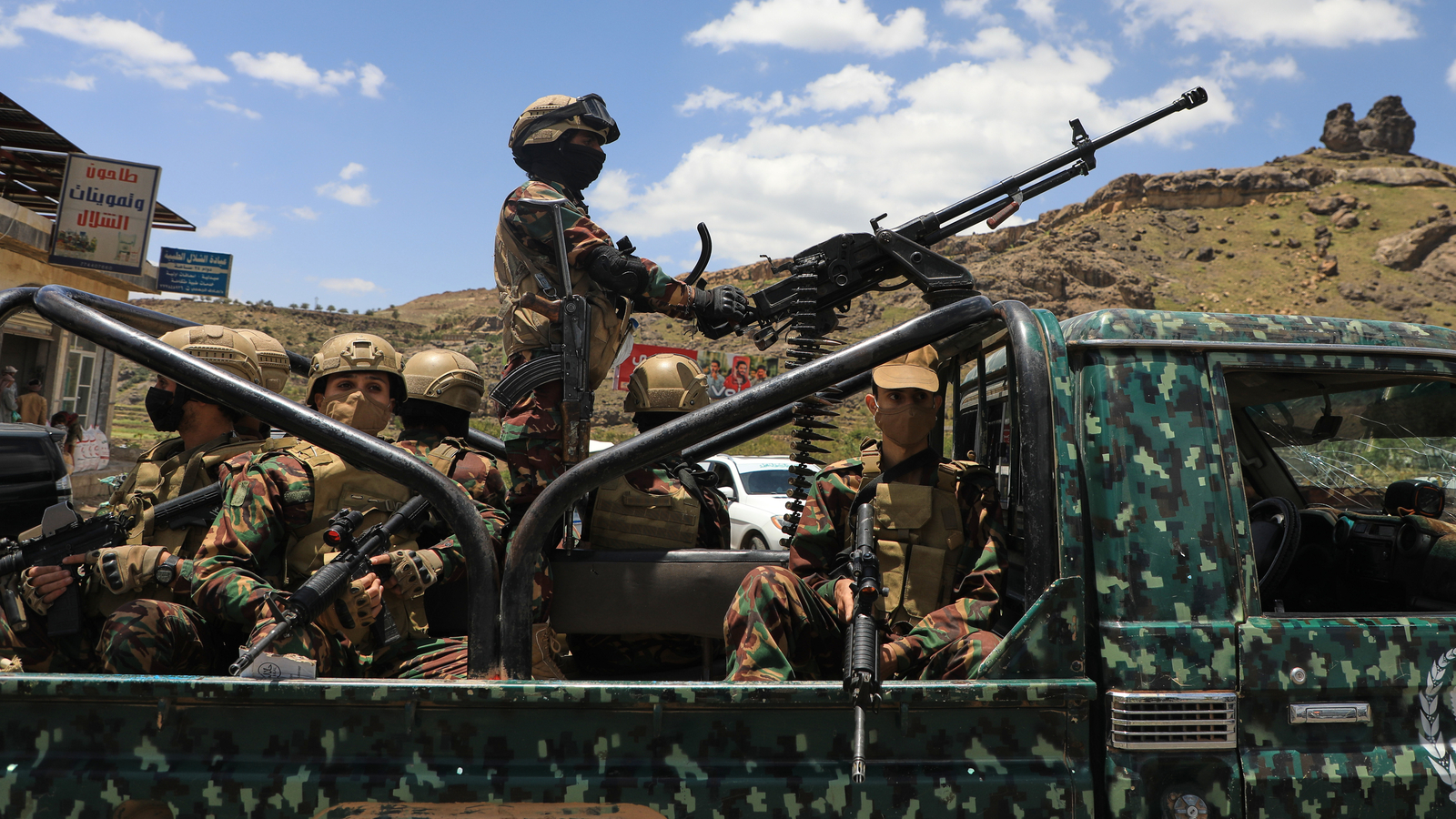
- Houthi forces very likely retain Mocha and have very likely expanded from the southern Tihamah coastal plain to the Bab al-Mandab approaches, including Dhu Bab, Mayyun, Zuqar and the Greater and Lesser Hanish islands. The Houthis have likely reached Perim, but there is only a roughly even chance that they have consolidated formal control of the island because reporting differs between Houthi capture, Houthi presence and a government withdrawal. (Confidence: medium · ASSESSED)
- I&W: Imagery or Yemeni government reporting confirms Houthi positions on Perim, Dhu Bab and both sides of the Bab al-Mandab, alongside continued Houthi control of Mocha. (0-14 days)
- I&W: Yemeni government forces retake Mocha, Dhu Bab or Perim, or publicly deny any continuing Houthi presence on Perim. (0-14 days)
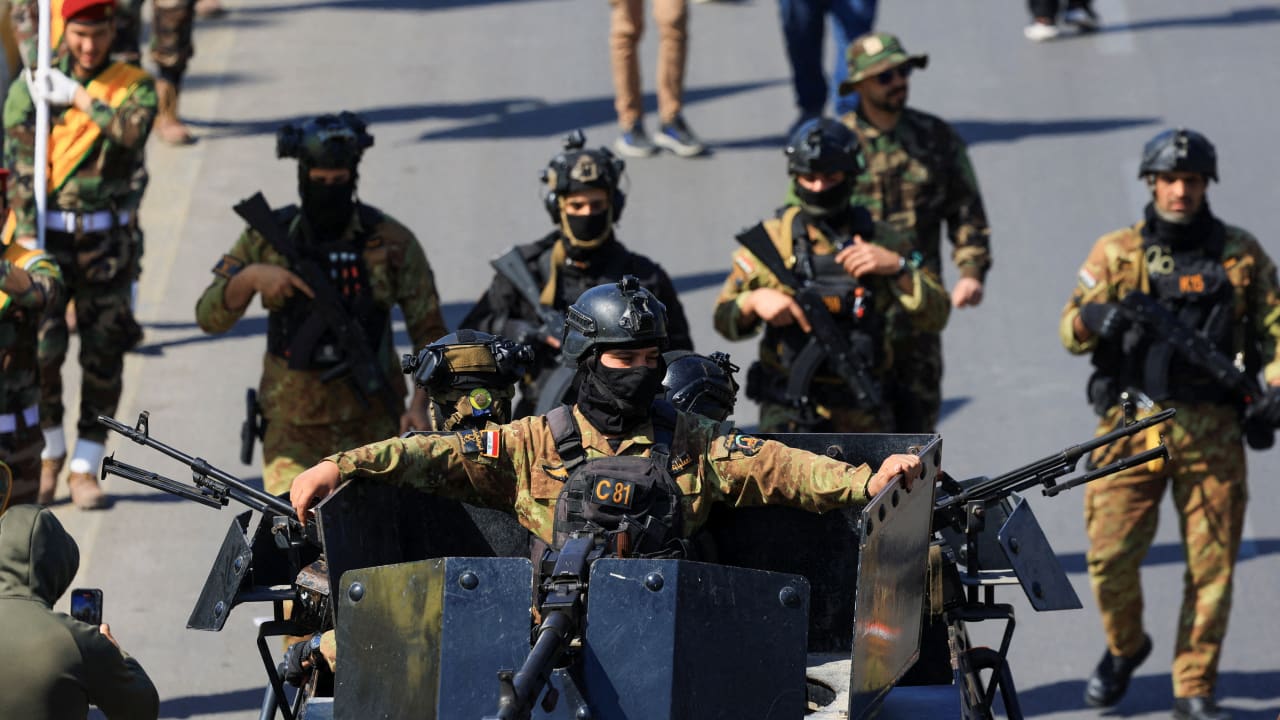
- Saudi Arabia is very likely to maintain its temporary shutdown of the East-West Pipeline and avoid immediate retaliation against Iraq over the next 14 days. The drone launch origin is very likely to have been Iraqi territory, particularly Maysan province, but responsibility for the attack remains contested between Iran-backed Iraqi militias, the Houthis and Iran itself. (Confidence: medium · ASSESSED)
- I&W: Saudi Arabia keeps the East-West Pipeline shut and issues another statement that it will not retaliate while Iraq investigates the Maysan launch sites. (0-14 days)
- I&W: Saudi Arabia conducts strikes against launch sites in Iraq or Yemen, or announces that Iran directed the pipeline attack. (0-14 days)
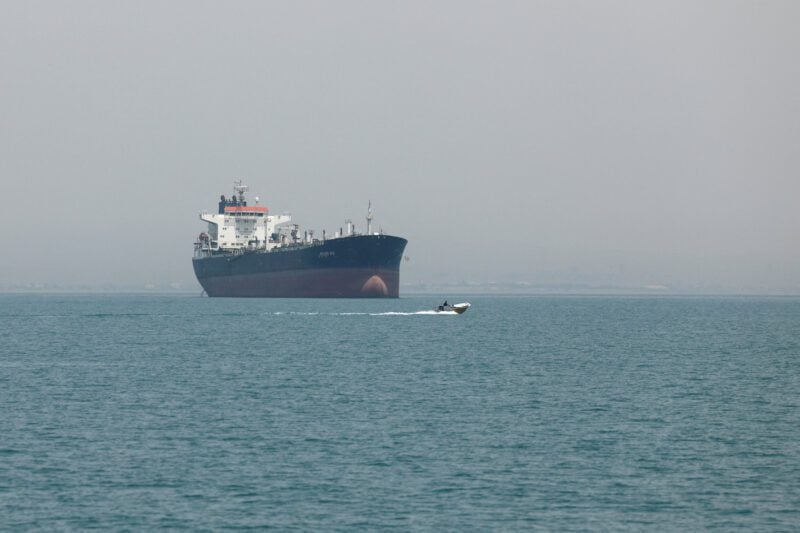
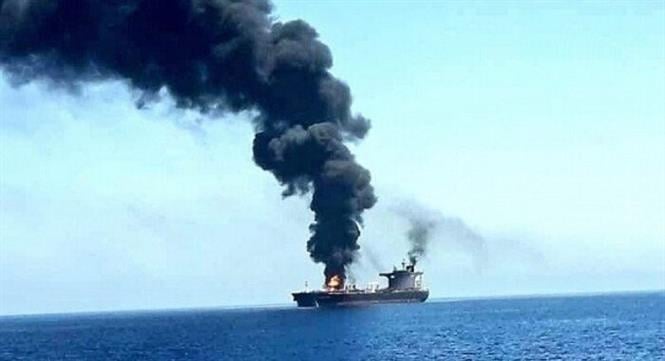
- Commercial shipping through the Strait of Hormuz is likely to remain severely constrained over the next 14 days, but the waterway is unlikely to be fully closed. UKMTO reports traffic at roughly 20 per cent of the pre-conflict level and six AIS-derived transits per day on the southern route, while other reporting records 210 weekly transits and crude flows above 10 million barrels per day. These figures use different methods and cannot be treated as consistent. A limited navigation arrangement has a roughly even chance of emerging from the Iran-Gulf-Iraq meeting scheduled in Salalah on 14 September. (Confidence: medium · ASSESSED)
- I&W: The 14 September Salalah meeting produces a publicly described route, mine-clearance or short-term waterway-management arrangement, followed by a sustained rise in AIS and facilitated transits. (0-14 days)
- I&W: AIS-derived transits and reported crude flows fall to negligible levels, or the Salalah meeting is cancelled without a replacement date. (0-14 days)
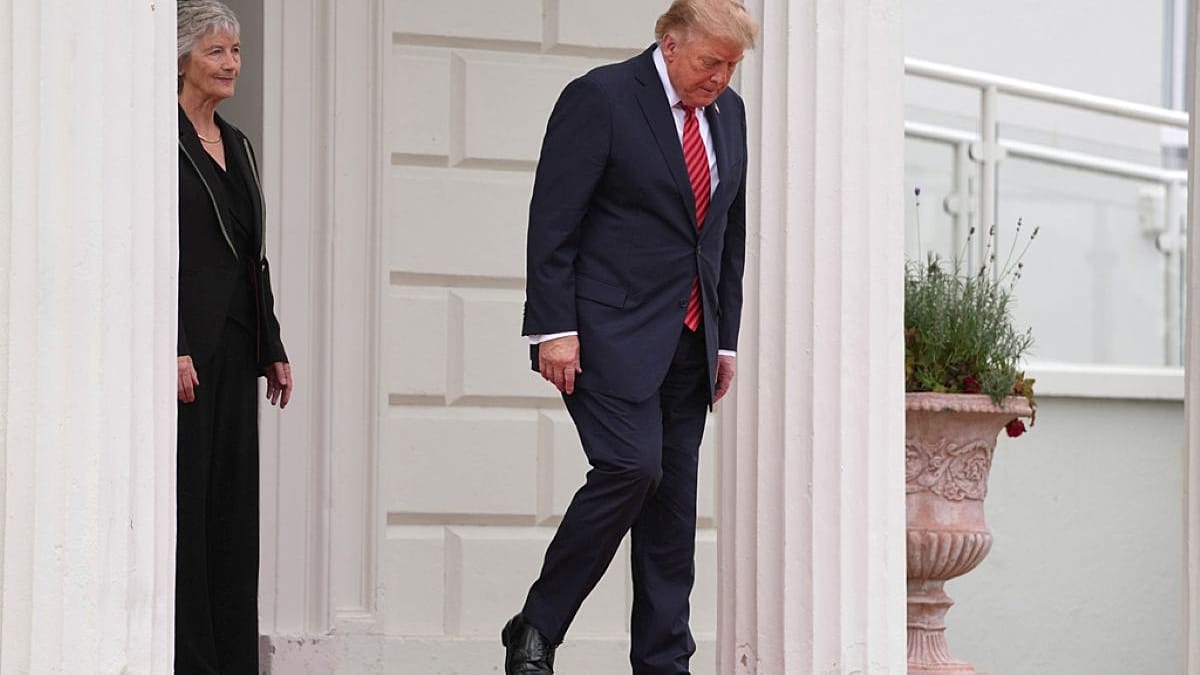
- US direct strike participation in the Saudi-Houthi theatre is unlikely over the next 14 days, while US intelligence, targeting and senior military engagement with Saudi Arabia are likely to continue. President Donald Trump has refused Saudi Crown Prince Mohammed bin Salman's requests for US strikes, but other reporting says Washington offered intelligence and targeting assistance, and Admiral Brad Cooper travelled to Saudi Arabia for urgent talks. The exact scope of non-kinetic support remains contested. (Confidence: medium · ASSESSED)
- I&W: The United States provides additional intelligence or targeting support to Saudi Arabia while conducting no strikes, refuelling or other acknowledged kinetic operations against Houthi positions. (0-14 days)
- I&W: The United States announces or conducts strikes against Houthi positions, deploys additional strike assets for that mission or provides direct aerial refuelling. (0-14 days)
- Further attacks on Saudi energy infrastructure or cities are very likely over the next 30 days, even if Riyadh maintains restraint towards Iraq. The Houthis have vowed escalation, previously attacked Saudi cities and energy facilities, and declared a blockade of Saudi-linked shipping. Separate reporting attributes recent attacks to Iran-backed Iraqi militias and records more than 600 attempted attacks on US citizens and facilities in Iraq from February through April. The identity of the next attacker remains uncertain. (Confidence: medium · ASSESSED)
- I&W: A new strike damages the East-West Pipeline in the Riyadh or Madinah regions, or targets the Jazan refinery, Abha, Khamis Mushait, Jazan or Najran. (0-30 days)
- I&W: Saudi Arabia records 30 consecutive days without a new attack on energy infrastructure or cities, while Houthi and Iraqi militia statements announce a halt to such operations. (0-30 days)
Outlook & scenarios
Constrained regional escalation (55%)
This is the most likely path over the next 14 days. Houthi forces retain Mocha and their coastal positions, Saudi forces continue missile strikes without reversing the advance, and attacks on Saudi infrastructure or cities continue. The United States provides limited support to Saudi Arabia but avoids direct strikes. Hormuz remains heavily restricted while crude continues to move through selected routes.
Limited maritime deconfliction (30%)
Iran, Oman, Gulf states and Iraq reach a narrow arrangement after the 14 September Salalah meeting covering selected shipping routes, mine clearance or short-term management of Hormuz. Transits increase from current levels, but the arrangement does not produce a wider Iran-US ceasefire or end Houthi pressure on Saudi Arabia and Bab al-Mandab shipping.
Regional expansion and direct US involvement (15%)
This low-probability, high-impact wildcard follows another attack from Iraq or Yemen against Saudi energy infrastructure, followed by Saudi retaliation or a request to activate the Mecca Joint Defence Agreement. The United States then conducts direct strikes against Houthi or Iran-backed Iraqi militia targets, increasing the risk of attacks on US bases, Saudi facilities and shipping around both Hormuz and Bab al-Mandab.
Recommendations
- Prioritise collection within 24 hours on the East-West Pipeline attack. Reconcile Saudi Ministry of Energy statements, Iraqi government findings, satellite imagery and launch-site reporting. Separate the confirmed Iraqi launch origin from the unresolved question of which network ordered the attack.
- Maintain a daily Hormuz shipping dashboard that reports AIS-derived transits, UKMTO-recorded movements, US-facilitated passages and crude flows as separate measures. Do not combine the reported six AIS transits per day, 210 weekly transits and more than 10 million barrels per day into a single traffic estimate.
- Track the 14 September Salalah meeting for attendance, especially Iran, Iraq, Gulf states and Bahrain, and record whether participants announce temporary routes, mine clearance, short-term waterway management or a broader navigation guarantee.
- Monitor US military thresholds in the Saudi-Houthi theatre, including additional Central Command deployments, direct strikes, aerial refuelling and public confirmation of intelligence or targeting support.
- Use imagery and local reporting to map Houthi positions at Mocha, Dhu Bab, Perim, Mayyun, Zuqar and the Greater and Lesser Hanish islands. Treat formal Houthi control of Perim as unconfirmed until independent imagery or a government statement resolves the dispute.
- Track attacks and attempted attacks against the Jazan refinery, the Riyadh and Madinah sections of the East-West Pipeline, Abha, Khamis Mushait, Jazan and Najran. Attribute each incident separately to Houthi forces, Iraqi militias or another actor.
- Monitor Iraq's 30 September disarmament deadline, the Maysan investigation and the status of the Shalamcheh, Chazabeh, Shalamcha, al-Shib and Mundhir crossings for signs that Baghdad is gaining or losing control over Iran-backed armed groups.
- Update the humanitarian assessment weekly using the International Organization for Migration's displacement figure of at least 76,000 people since July as the current baseline, with particular attention to movements from the southern Tihamah and Red Sea coast.
Confidence & uncertainty
Overall confidence is high because the main developments are supported by multiple major-media and wire-service reports, official Saudi and Iraqi statements, UKMTO and JMIC maritime reporting, and corroborating accounts of the Houthi capture of Mocha, the East-West Pipeline shutdown, restricted Hormuz traffic and the 14 September talks. Confidence is lower on the identity of the pipeline attackers, the extent of Houthi control over Perim, the comparability of shipping datasets, the status of the broader US-Iran conflict and whether Iran and Oman have reached a final navigation agreement.
Intelligence gaps
- [EEI 1.1 · UNCOVERED] Movement, dispersal, or emplacement of Iranian conventional or IRGC heavy assets (ballistic missile launchers, Khoramshahr/Toofan-class missile transporters, ground-to-ground TELs, air defense batteries, amphibious units) from garrison areas toward forward bases or coastal launch sites. Recommended collection: satellite/IMINT
- [EEI 1.2 · PARTIAL] Authenticated Iranian military orders, NSC/IRGC operations directives, or senior leadership statements explicitly directing strikes against Israel or US forces or authorizing cross-border operations. Recommended collection: human/diplomatic
- [EEI 1.3 · UNCOVERED] Changes in Israeli and US force posture indicating anticipation of direct large-scale conflict, elevated readiness levels, mobilization notices, pre-positioning of munitions, or public/private orders to prepare offensive strikes. Recommended collection: open-source/diplomatic
- [EEI 2.1 · UNCOVERED] Observable pre-launch preparations for missile/rocket/cruise missile strikes (fueling, warhead mating, launcher orientation, support vehicle congregation) and abnormal munitions handling at known launch sites. Recommended collection: satellite/IMINT
- [EEI 2.2 · UNCOVERED] Indications of proxy arms shipments and weapons transfers (truck convoys, small boat transfers, container movements from Iran to proxies, new stockpiles in Lebanon, Iraq, Yemen, Syria). Recommended collection: maritime/AIS
- [EEI 2.3 · UNCOVERED] Evidence of cyber attack planning or active exploitation campaigns targeting Israeli or US military/critical infrastructure (emergence of new command-and-control servers, spear-phishing campaigns against defense personnel, successful intrusions). Recommended collection: cyber
- [EEI 3.1 · PARTIAL] Movements and posture changes of US regional platforms (carrier strike groups, amphibious ready groups, B-52/B-1/B-2 or fighter deployments, missile defense assets repositioning) and associated armament loadouts. Recommended collection: satellite/IMINT
- [EEI 3.2 · PARTIAL] Official or leaked US government/diplomatic communications indicating thresholds for strikes, authorization for offensive operations, or limits on action (NSC/DoD statements, congressional notifications, diplomatic notes). Recommended collection: diplomatic/human
- [EEI 3.3 · PARTIAL] Changes in US base force-protection measures and rules of engagement at regional facilities (base lockdowns, evacuation notices, flight restrictions, activation of Local Defense Forces or missile intercept systems). Recommended collection: open-source/local reporting
- [EEI 4.1 · UNCOVERED] Hezbollah-specific indicators: convoys and logistics movements toward Lebanon, Israel border, artillery/rocket emplacement in southern Lebanon, documented strikes-preparation activity, public mobilization orders or recruitment drives. Recommended collection: satellite/IMINT
- [EEI 4.2 · PARTIAL] Houthi-attributed maritime attack indicators: AIS anomalies/loss of contact for commercial vessels, reports of missile/drone strikes or near-miss incidents in Bab al-Mandeb/Red Sea, Houthi claims paired with imagery of weapons launches. Recommended collection: maritime/AIS
Red cell review: CONCUR WITH COMMENT
TLP:CLEAR