TLP:CLEAR · Disclosure is not limited.
Iran-Israel Conflict: Military Exchanges, Economic Pressure and Regional Spillover
Time window: Last 1 day · Audience: General analyst · Type: Situation report · DTG: 2026-08-24 14:40Z · Overall confidence: HIGH
BLUF
Very likely US economic pressure on Iran and Iranian military signalling will persist over the next 14 days, while Pakistan and Oman sustain a narrow diplomatic channel. Gaza and Lebanon will remain under severe humanitarian pressure, and Iran's new Strait of Hormuz controls raise the risk of vessel detention and further maritime disruption.
Executive summary
The conflict remains active, with reported Iranian missile and drone strikes against Israel, US installations and Arab countries, alongside continued US economic pressure on Tehran. Washington announced an economic campaign against Iran on 24 August, while the Iranian rial reached 2,016,400 rials to the US dollar on the open market. Field Marshal Asim Munir's Tehran engagement, Egypt's diplomatic activity and Oman's planned 25 August visit provide limited channels for restraint, but the reporting does not establish a durable settlement. Iran has tightened Strait of Hormuz rules and warned of fines, detention or confiscation for non-compliant vessels. Humanitarian conditions remain severe in Gaza and Lebanon.
Change from previous assessment
Since the 23 August brief, the assessment adds a new judgment on the Mecca Joint Defence Agreement and places greater weight on the immediate economic and maritime dimensions of the conflict. New reporting records the US economic campaign and a record low of 2,016,400 rials to the US dollar on 24 August, Iran's tighter Strait of Hormuz rules, Field Marshal Asim Munir's reported Tehran engagement and Oman's planned 25 August visit. The assessment retains medium confidence in continued military activity, high confidence in severe humanitarian pressure and low confidence in mediation and Israel-Türkiye escalation because the relevant reporting remains contested or statement-based.
Key judgments
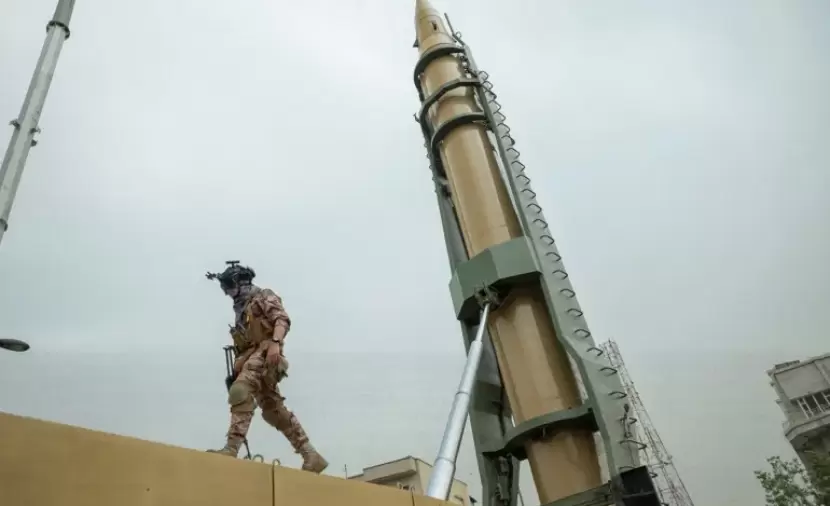
- Very likely the US-Israel-Iran conflict will remain active over the next 14 days, with Iran retaining a demonstrated strike capability and signalling readiness to respond against Israel, US installations and Arab countries in the Middle East. Reporting describes Iranian missile and drone strikes, Iranian strikes on US bases and assets, and an Iranian Foreign Ministry commitment to respond. Iranian officials also report continued missile production and monitoring of short, medium and long-range targets. This is an assessed forecast, not a prediction of a specific imminent launch. Confidence is medium because the military reporting comes from major media and Iranian official statements, while the provided material contains unresolved chronology and casualty inconsistencies. (Confidence: medium · ASSESSED)
- I&W: Confirming indicator: Iran conducts or announces another missile or drone strike against Israel, a US military installation or an Arab country within the next 14 days. (0-14 days)
- I&W: Breaking indicator: Iran and the US-Israel partnership observe 14 consecutive days without reported strikes, accompanied by Iranian statements suspending retaliation. (0-14 days)
- Very likely Washington will intensify economic pressure on Iran over the next 14 days, while Iran will likely threaten states and companies that support the measures and seek alternative trade channels. The US has announced an economic campaign against Tehran, threatened third countries doing business with Iran and sought an unprecedented tightening of sanctions. Iran has described the measures as economic terrorism, threatened retaliation against participating countries and reported mechanisms for operating under pressure. Confidence is medium because the direction of US policy is repeatedly reported, but the scale of implementation and Iran's response remain uncertain. (Confidence: medium · ASSESSED)
- I&W: Confirming indicator: The US Treasury announces additional sanctions or identifies third-country entities for continuing business with Iran. (0-14 days)
- I&W: Breaking indicator: Washington suspends the new measures or Iran publicly withdraws its retaliation threats and reports no effort to expand alternative trade channels. (0-14 days)
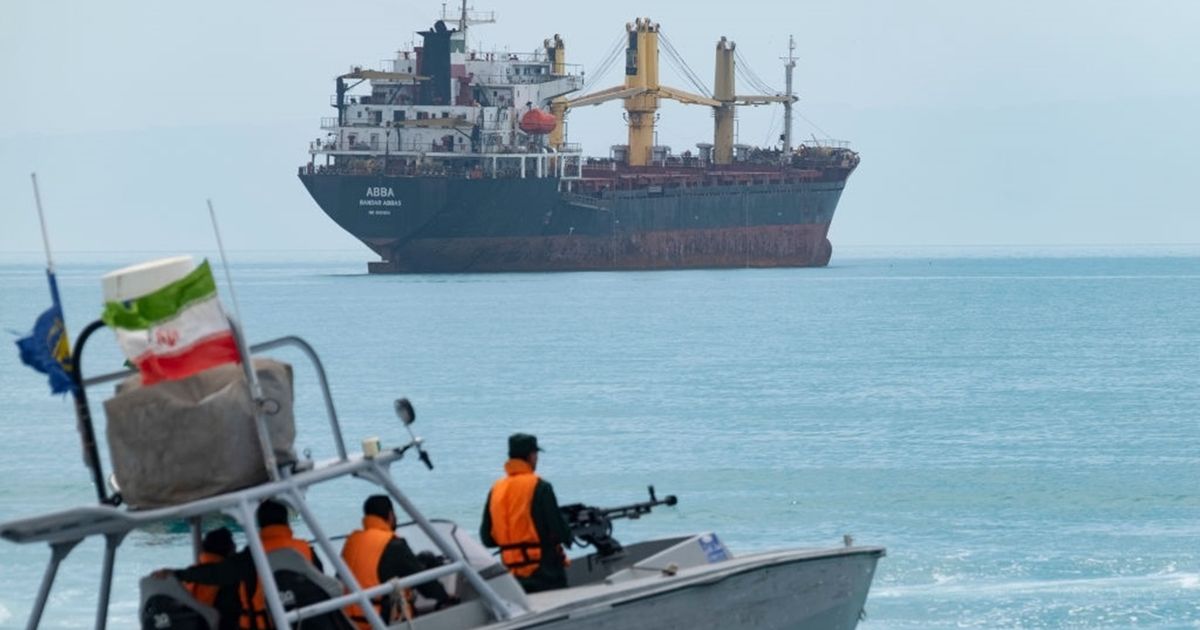
- Likely Iran will enforce tighter shipping controls through the Strait of Hormuz over the next 14 days, increasing the risk of fines, detention or confiscation for vessels that Tehran judges non-compliant, but the current reporting does not establish a general closure. Iran has created a new Strait management authority, tightened rules governing ship movement and warned that violations can trigger legal action. Confidence is medium because the measures are reported in official material, but there is no corroborated evidence in the current set of a general suspension of passage. (Confidence: medium · ASSESSED)
- I&W: Confirming indicator: The Strait Management Authority publishes a vessel blacklist or reports a fine, detention or confiscation under the revised transit rules. (0-14 days)
- I&W: Breaking indicator: Iranian authorities rescind the revised rules and publicly confirm unrestricted passage for commercial vessels. (0-14 days)
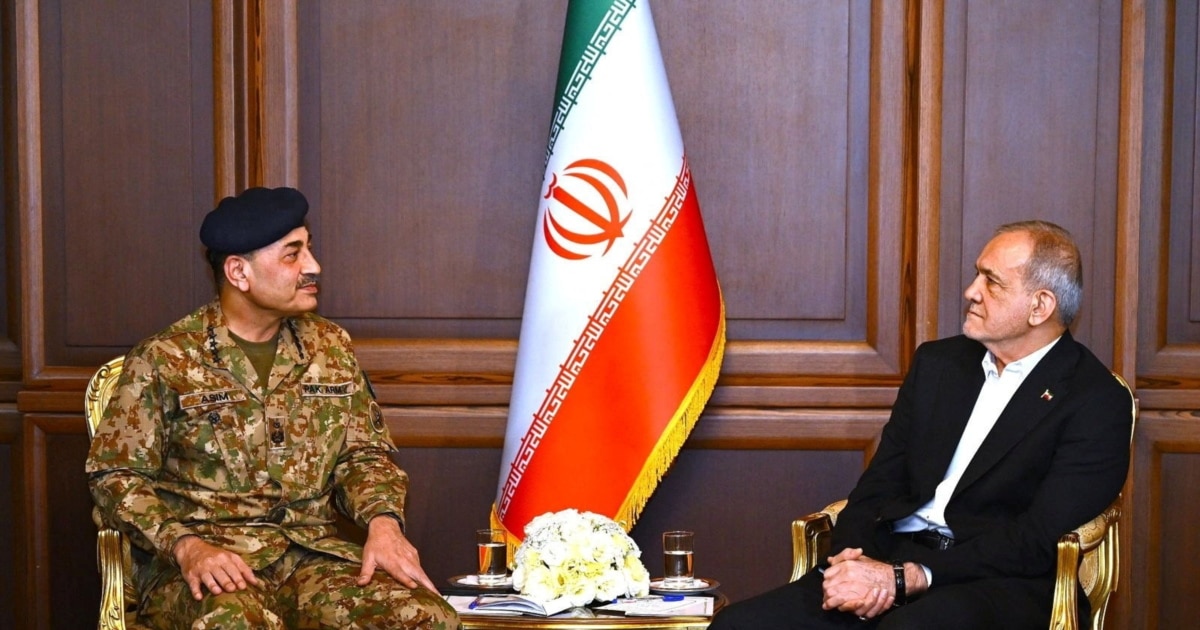
- Likely Pakistan's Field Marshal Asim Munir's Tehran engagement and Oman's planned 25 August visit will sustain diplomatic contact, but a durable US-Iran cessation within 14 days is unlikely. Munir is reported both as arriving in Tehran for high-level talks and as scheduled to visit, creating a chronology conflict. Egypt remains involved in Gaza negotiations, while Russia has offered support for mediation. Confidence is low because the mediation reporting is largely statement-based, the Munir chronology is inconsistent and Iranian officials continue to reject the effect of US pressure. (Confidence: low · ASSESSED)
- I&W: Confirming indicator: Pakistan, Iran and Oman issue official readouts naming concrete terms for a pause, implementation mechanism or follow-on talks. (0-14 days)
- I&W: Breaking indicator: Oman's 25 August visit is cancelled or produces no official engagement, while new US-Iran or Iran-Israel strikes occur during the diplomatic effort. (0-14 days)
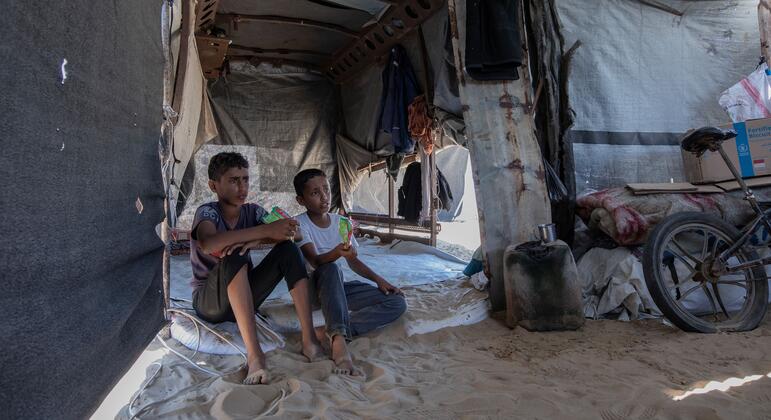
- Very likely humanitarian pressure will remain severe in Gaza and Lebanon over the next 14 days. UN agencies report that 94 per cent of Gaza's 2.1 million residents need shelter and that more than four out of five families face critical or catastrophic living conditions. Israeli restrictions continue to impede aid and services, while fighting in Lebanon has displaced more than 1 million people and UNIFIL reported 86 Israeli airspace violations and nine airstrikes. Confidence is high for the severity of current conditions and the near-term outlook because UN agencies, UN partners and UNIFIL provide repeated multilateral reporting, although some figures measure different aspects of need. (Confidence: high · ASSESSED)
- I&W: Confirming indicator: UN agencies continue to report shelter needs at or above 94 per cent in Gaza, more than four out of five families in critical or catastrophic conditions, and continuing restrictions on aid services. (0-14 days)
- I&W: Breaking indicator: UN reporting records sustained increases in aid entry, water access and shelter availability, alongside a measurable reduction in critical or catastrophic household conditions. (0-14 days)
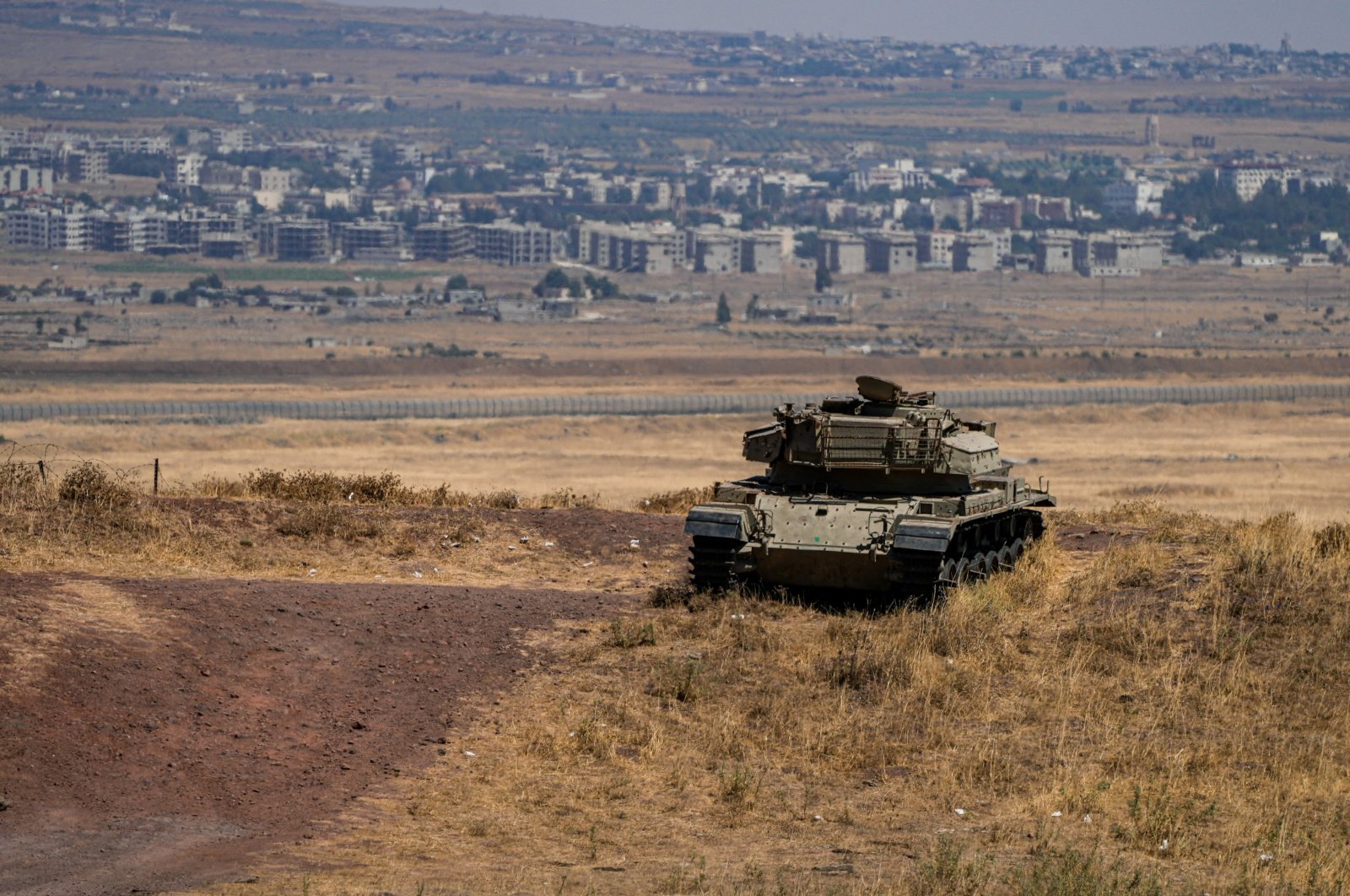
- Likely Israel-Türkiye tensions around Abu al-Duhur and the Turkish military footprint in Syria will remain an escalation vector over the next 1-3 months, while direct Israel-Türkiye armed conflict is unlikely. Israel has attacked Abu al-Duhur and warned against an expanded Turkish military presence in southern Syria. Israel describes Turkish influence and infrastructure as a strategic threat, while Türkiye has shown restraint, Syria has rejected claims of a Turkish base and Israeli officials have defended the strike on security grounds. Confidence is low because the core claim concerning Turkish military infrastructure is contested and rests largely on major-media analysis rather than independently corroborated operational reporting. (Confidence: low · ASSESSED)
- I&W: Confirming indicator: Israel conducts another strike on a Syrian site and explicitly links it to Turkish military deployment, radar activity or security cooperation with Damascus. (1-3 months)
- I&W: Breaking indicator: Israel and Türkiye announce a military deconfliction arrangement and no further Israeli strikes linked to Turkish activity occur for 30 days. (1-3 months)
- Likely Saudi Arabia, Türkiye and Pakistan will develop the Mecca Joint Defence Agreement over the next 1-3 months, but it is unlikely to function as an automatic NATO-style guarantee. The agreement was signed on 7 August and is described as focused on collective defence, mutual support and regional security cooperation, with a permanent secretariat planned in Saudi Arabia. Other reporting states that the pact does not replicate NATO and that Iran's status remains unresolved, with one account describing an invitation and another describing a request under consideration. Confidence is medium because the agreement's existence is reported more consistently than its legal implications or Iran's position. (Confidence: medium · ASSESSED)
- I&W: Confirming indicator: Saudi Arabia establishes the permanent secretariat or the three signatories announce procedures for implementing collective defence and mutual support. (1-3 months)
- I&W: Breaking indicator: Saudi Arabia, Türkiye or Pakistan publicly narrows the agreement to political consultation and rejects any collective defence implementation. (1-3 months)
Outlook & scenarios
Sustained direct exchange and economic pressure (55%)
US economic measures continue, Israeli and US military pressure remains active, and Iran responds with further missile or drone attacks or other military signalling. Iranian Strait of Hormuz controls remain in force. Gaza and Lebanon humanitarian conditions deteriorate or remain at current severe levels.
Temporary restraint through regional mediation (30%)
Pakistan's engagement with Tehran, Oman's planned visit and Egypt's diplomatic activity produce a short pause in US-Iran or Iran-Israel exchanges. The pause does not resolve sanctions, shipping controls or the underlying dispute, and military activity resumes after limited talks.
Regional widening (15%)
Iranian retaliation strikes a US installation or Arab country, or Iranian authorities detain a commercial vessel under the revised Strait of Hormuz rules. A further Israeli strike linked to Turkish activity in Syria adds a second escalation track. This is a low-probability, high-impact scenario because it would widen the conflict beyond the existing US-Israel-Iran exchange.
Recommendations
- Prioritise daily collection on Iranian missile and drone activity, US and Israeli strikes in Iran, and any reported attacks on US installations or Arab countries. Separate confirmed activity from official claims and disputed chronology.
- Establish a dedicated Strait of Hormuz watch covering Iranian transit notices, vessel blacklists, fines, detentions and confiscations. Alert analysts immediately to any case involving a commercial vessel.
- Seek official readouts from Pakistan, Iran and Oman on Field Marshal Asim Munir's engagement and the planned 25 August visit by Oman's Foreign Minister. Record concrete terms, implementation mechanisms and any agreed pause separately from general calls for peace.
- Use UN and UNIFIL reporting as the baseline for Gaza and Lebanon. Track changes in Gaza shelter needs, household conditions, aid restrictions, water access and the frequency of Israeli airstrikes and airspace violations in Lebanon.
- Maintain a Syria escalation watch focused on Abu al-Duhur, Israeli statements about Turkish military infrastructure, Turkish deployments or radar activity, and any new Israeli-Türkiye deconfliction contact.
- Do not use the conflicting casualty figures, strike chronology or Iran's Mecca Agreement status as settled facts in downstream products without explicit qualification and corroboration.
Confidence & uncertainty
Overall confidence is high for the broad assessment because the principal humanitarian and policy developments draw on UN, UNIFIL, official government and multiple major-media sources. The direction of US economic pressure, the severity of conditions in Gaza and Lebanon, and Iran's revised Strait of Hormuz controls are better supported than the forecast details. Main uncertainties concern the chronology of US-Israel-Iran military actions, the practical effect of mediation, the legal meaning of the Mecca Joint Defence Agreement and the extent of Turkish military activity in Syria. These uncertainties lower confidence in specific sub-judgments but do not overturn the headline assessment.
Intelligence gaps
- [EEI 1.1 · PARTIAL] Unusual long-range missile/rocket transporter-launcher (TEL) movements, storage activation, or assembly activity at known IRGC missile sites or forward staging areas. Recommended collection: satellite/imagery
- [EEI 1.2 · UNCOVERED] Orders, threat-alert messages, or changes in posture from IRGC, Quds Force, or senior Iranian military leadership indicating attack timelines or rules of engagement changes. Recommended collection: signals/ELINT and HUMINT
- [EEI 1.3 · UNCOVERED] Large-scale transfers, deliveries, or convoy movements of armed UAVs/drones, guided munitions, or spare parts from Iran into Lebanon (Hezbollah), Iraq, Syria, or Gaza. Recommended collection: air/aviation track and HUMINT
- [EEI 1.4 · UNCOVERED] Sustained changes in Israeli air-defense usage (SAM launches, radar activations), wide-area alerts, or NOTAMs indicating elevated imminent strike response. Recommended collection: air/aviation/NOTAMs and signals
- [EEI 2.1 · UNCOVERED] Concentration, repositioning, or sortie patterns of Iranian naval/IRGC patrol boats and fast-attack craft near shipping chokepoints or commercial lanes. Recommended collection: maritime/AIS and satellite/imagery
- [EEI 2.2 · UNCOVERED] Reported attacks, mine sightings, close-approach incidents, or damage to commercial tankers/merchant vessels operating in the Red Sea, Persian Gulf, or eastern Mediterranean. Recommended collection: maritime/AIS and OSINT/incident reports
- [EEI 2.3 · UNCOVERED] Insurance market indicators: sudden spikes in war-risk or hull insurance premiums for routes through the Red Sea, Suez corridor, or Persian Gulf, and major carriers announcing route changes. Recommended collection: financial/market and commercial shipping notices
- [EEI 2.4 · UNCOVERED] Port closures, naval escorts requested by commercial operators, or formal rerouting advisories issued by major shippers (e.g., Maersk, Hapag-Lloyd) for regional transits. Recommended collection: commercial/OSINT
- [EEI 3.1 · UNCOVERED] Deployment of foreign military assets to the region (carrier strike groups, amphibious ships, combat aircraft deployments, or additional bases activated) from the US, UK, France, Russia, or GCC states. Recommended collection: maritime/AIS and air/aviation and satellite/imagery
- [EEI 3.3 · UNCOVERED] Confirmed arms transfers, expedited weapons shipments, or transfer authorizations to Israel, Iran, or their proxies (aircraft parts, munitions, air defenses). Recommended collection: customs/INTEL and HUMINT
- [EEI 3.4 · UNCOVERED] Issuance of travel warnings, embassy evacuations or reductions, and closure of diplomatic missions by major capitals indicating escalation risk or shifted threat assessments. Recommended collection: OSINT/diplomatic
Cited sources
[1] Wikipedia · Reactions to the 2026 Iran war (B) · sha256:32d813375717 [2] anews.com.tr · Munir’s Iran talks to ‘focus on comprehensive resolution’ to Mideast conflict: Pakistan (B) · sha256:f5a09e246fdc [3] felesteen.news · الحرس الثوري: صواريخنا شهدت تطورا كبيرا وقادرة على المناورة في الجو (A) · sha256:f937239422be [4] aljazeera.com · US threatens toughest sanctions yet against Iran: What we know (A) · sha256:e82d27ca344c [5] Wikipedia · 2026 United States military buildup in the Middle East (B) · sha256:5dc902ce9084 [6] RFE/RL · Pakistan Army Chief Visiting Tehran Amid Mediation Efforts (A) · sha256:c864b49dd915 [7] news.az · US pressure on Iran enters a new phase: Can sanctions achieve what war could not? | News.az (B) · sha256:439e7d7c5b60 [8] arabi21.com · إيران تحذر السفن المخالفة من الغرامة أو الاحتجاز في مضيق هرمز (A) · sha256:948af789dc34 [9] ena.et · Middle East Tensions, Ukraine War and Rising Pressure on Global Trade (B) · sha256:88715beb16c1 [10] voiceofemirates.com · Moscow offers its support for mediation to reduce tensions in the Middle East (A) · sha256:e074d27ff715 [11] Al Jazeera Channel · وزير الخارجية الإيراني: لا نخشى التهديدات والحصار الاقتصادي وجميع التحركات الأمريكية فشلت حتى الآن #الأخبار | Al Jazeera Channel - قناة الجزيرة (B) · sha256:4f7c02eaa19e [12] United Nations · Middle East: 94 per cent need shelter in Gaza, Israel ramps up demolitions in Lebanon (A) · sha256:aa5d2b0f402c [13] Washington Examiner · Hamas killed the two-state solution. Here’s the only path forward for Israel (B) · sha256:230d69e05047 [14] gov.uk · Minister renews calls for Israel to allow more aid into Gaza on first visit to the region (A) · sha256:ba76e538e65a [15] The Syrian Observer · Beyond Abu al-Duhur: The Regional Power Struggle Over Syria and Paths to Survival - The Syrian Observer (B) · sha256:9508128d7817 [16] jpost.com · Israel and Turkey face a dangerous clash over Syria's future - analysis (B) · sha256:71f2fa58a115 [17] Daily Sabah · Why are Türkiye-Israel tensions becoming structural? | Daily Sabah (B) · sha256:de00aae51e6b [18] lvivherald.com · The Islamic NATO: A New Architecture of Power from Mecca? (B) · sha256:da598611e93b [19] sundayguardianlive.com · US-Israel-Iran War Latest Live News: Iran Reportedly ‘Considers’ to Join Saudi Arabia, Turkey & Pakistan's Mecca Mutual Defence Pact Amid Escalating Middle East and Gulf Security Tensions (B) · sha256:ce1234b488cb
Source content hashes were computed at collection time; the cited text is preserved unmodified for the life of this product.
TLP:CLEAR