TLP:CLEAR · Disclosure is not limited.
Iran-Israel Conflict: Military Signalling and Strait of Hormuz Risks
Time window: Last 1 day · Audience: General analyst · Type: Situation report · DTG: 2026-10-18 18:10Z · Overall confidence: HIGH
BLUF
The Strait of Hormuz remains the clearest near-term regional risk: UKMTO recorded 12 vessel attacks in its latest reporting period, while traffic remains well below pre-conflict levels. An Iranian attack on Israel in the next 14 days is unlikely on the available reporting, but Iranian military signalling and Israeli security precautions are elevated.
Executive summary
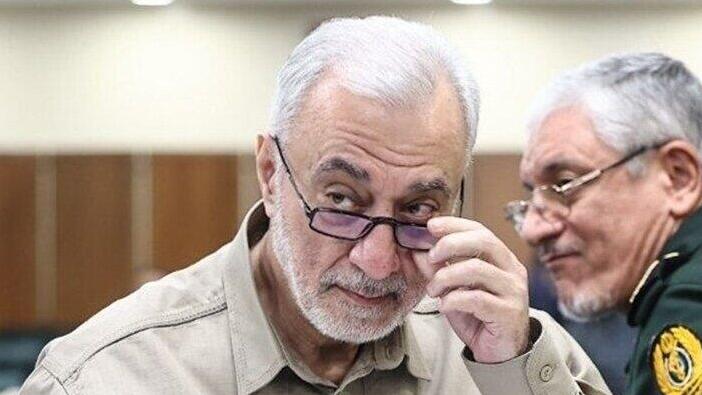
The US-Israel war with Iran, launched on 28 February, remains unresolved. Iran appointed Mehrdad Akhlaqi as defence minister on 18 October; he threatened a broad response to another US or Israeli attack, while the IDF says it is monitoring Iranian ballistic-missile and UAV tests. Israeli security officials report no concrete intelligence that Iran or Hezbollah intends to attack Israel. Around the Strait of Hormuz, UKMTO reports a high level of attacks and depressed transit volumes, but claims that two tankers struck mines on 17 October have no independent confirmation. Iran's seven-day proposal to end the war and reopen the Strait remains on the table, and Russian Foreign Minister Sergey Lavrov is due in Tehran on 19 October. Neither development establishes that a pause has been agreed.
Change from previous assessment
Since the 17 October brief, the assessment that the Strait of Hormuz is the main near-term regional risk remains unchanged. New reporting adds Iran's 17 October claim that two tankers struck mines, but the claim remains unconfirmed; UKMTO's low transit count and the reported attack pattern still support the existing maritime-risk judgment. The 18 October appointment of Mehrdad Akhlaqi, his threats and Trump's signal about possible strikes after 3 November add a clearer escalation pathway. Araghchi's renewed seven-day proposal and Lavrov's planned 19 October visit add a diplomatic channel, but do not establish de-escalation.
Key judgments
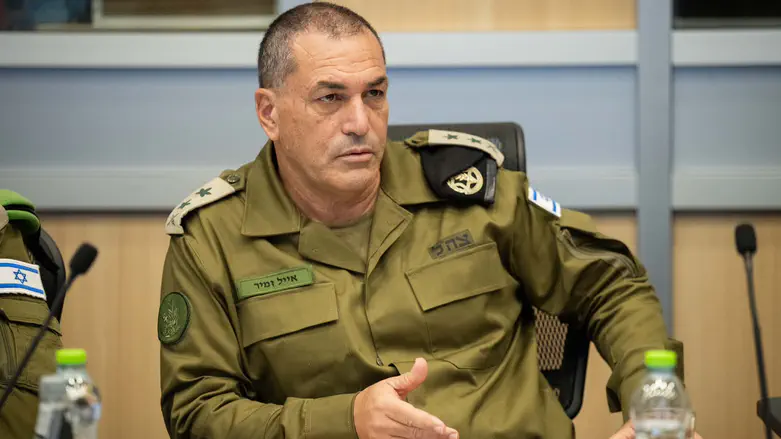
- An Iranian attack on Israel in the next 14 days is unlikely, although military signalling and Israeli alert measures are likely to remain elevated. Iran appointed Mehrdad Akhlaqi as defence minister on 18 October. He threatened a broad response to another US or Israeli attack and said Iranian military production facilities are being moved into mountains and fortified structures. The IDF says it is monitoring Iranian ballistic-missile and UAV tests. A launch from Mashhad was reported, but its attribution to continuing IRGC drills rests on single-source social-media reporting. Israel's security establishment says it has no concrete intelligence of Iranian or Hezbollah intent to attack; Prime Minister Benjamin Netanyahu has nevertheless warned Iran and the IDF has imposed an election-day leave restriction for 27 October. Confidence is medium because the Israeli assessment is reported through one media account and the Mashhad launch and drill interpretation are not independently corroborated. (Confidence: medium · ASSESSED)
- I&W: Break: the Israeli security establishment publicly reports concrete intelligence of Iranian or Hezbollah attack preparations, or the IDF reports an Iranian missile launch directed at Israel. (0-14 days)
- I&W: Confirm: the IDF continues to describe Iranian missile and UAV activity as monitored tests, with no public report of an Iranian launch directed at Israel. (0-14 days)
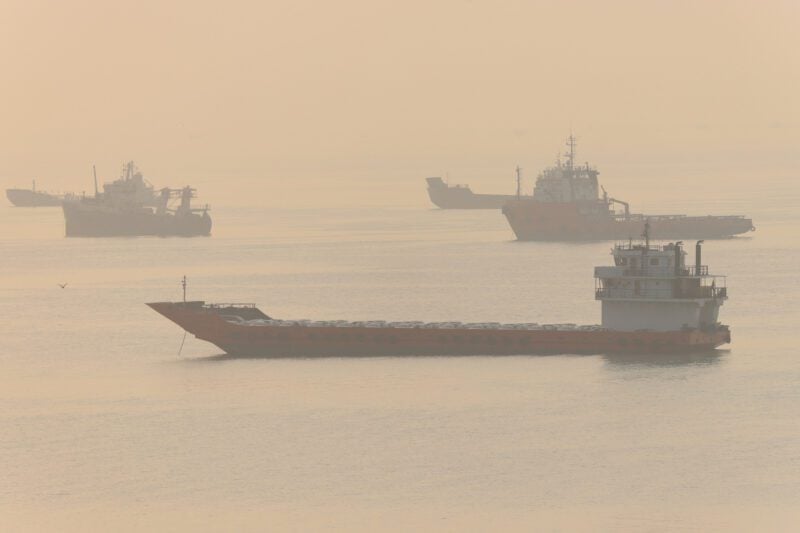
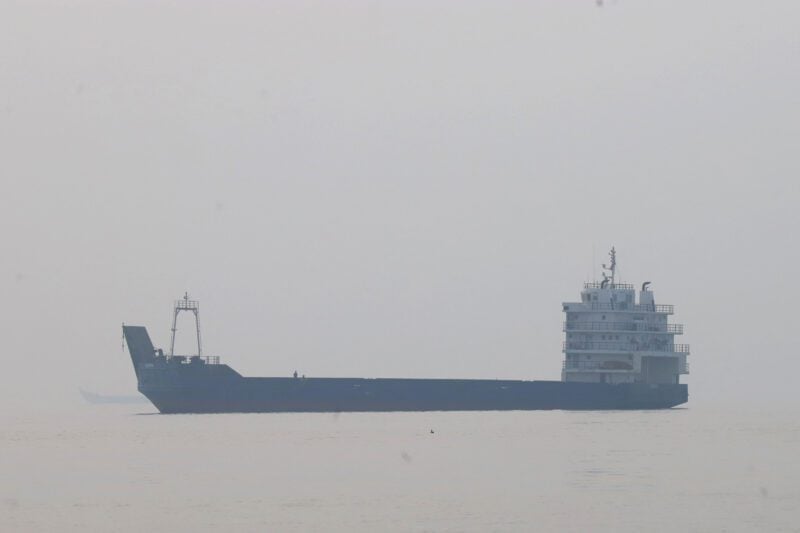
- Further attacks on commercial vessels in or near the Strait of Hormuz are likely over the next 14 days, and commercial traffic is likely to remain below pre-conflict levels over the next 30 days. UKMTO recorded 12 attacks in its latest reporting period, including 10 in the Strait, and 254 transits in the seven days ending 14 October, roughly 70 per cent below pre-conflict levels. Admiral Brad Cooper reported about 400 transits over a preceding seven-day period, so the reported traffic totals differ. Iran's Revolutionary Guards Navy said on 17 October that two tankers struck mines, but trade reporting says there is no independent confirmation. Confidence is medium: UKMTO provides specific attack and transit figures, but it says most attacked vessels do not report directly, and the reported tanker incidents remain unverified. (Confidence: medium · ASSESSED)
- I&W: Confirm: UKMTO records another attack in the Strait of Hormuz, the Arabian Gulf or the Gulf of Oman. (0-14 days)
- I&W: Break: UKMTO reports weekly transit totals above 500 for two consecutive weeks, alongside no newly reported vessel attacks. (1-3 months)
- The US-Israel-Iran conflict is likely to remain unresolved over the next 30 days rather than move to an agreed pause. Iran's Foreign Minister Abbas Araghchi said on 18 October that Tehran's seven-day proposal to end the war and reopen the Strait remains available, but the proposal was rejected by President Donald Trump last month. The US blockade of Iranian ports remains in place, and Trump has signalled possible resumption of strikes after the 3 November US midterm elections. Lavrov's planned 19 October meetings in Tehran with President Masoud Pezeshkian and Araghchi offer a diplomatic channel, but no agreement has been reported. Confidence is medium because this outlook rests on public positions and a visit that has not yet taken place, rather than evidence of either side's private intentions. (Confidence: medium · ASSESSED)
- I&W: Break: Iran and the United States publicly accept the seven-day framework and announce a schedule for reopening the Strait of Hormuz. (0-14 days)
- I&W: Confirm: the Lavrov meetings conclude without an announced agreement, and the US blockade of Iranian ports remains in place. (0-14 days)
Outlook & scenarios
Managed confrontation with continued maritime disruption (55%)
The conflict remains unresolved. Iran continues military signalling and pressure around the Strait of Hormuz, while commercial traffic remains below pre-conflict levels. Israel maintains heightened precautions around its 27 October election, but no Iranian attack on Israel is publicly reported.
Renewed direct strikes (25%)
After the 3 November US midterm elections, Trump resumes strikes against Iran. Tehran follows through on its public threat of a broad response, raising the risk of further disruption around the Strait of Hormuz and of direct confrontation with Israel.
Temporary diplomatic pause (15%)
Lavrov's meetings with Pezeshkian and Araghchi help reopen discussion of Iran's seven-day proposal. The parties announce a temporary pause and steps to reopen the Strait, although the available reporting does not establish that either side has accepted those terms.
Two-waterway disruption wildcard (5%)
Iranian pressure sharply reduces traffic through the Strait of Hormuz while Houthi activity again affects Saudi targets or the Bab el-Mandeb approach. A simultaneous shock to both routes would widen the regional impact of the conflict. The supplied reporting does not establish that Iranian and Houthi actions are coordinated.
Recommendations
- Review the 19 October Lavrov meeting readout for any stated acceptance of Iran's seven-day proposal, a timetable for reopening the Strait of Hormuz, or a new negotiating format.
- Track UKMTO's daily attack notices and weekly transit totals. Compare them with US Central Command figures, and treat the 17 October IRGC mine-strike account as unconfirmed unless independent reporting verifies the vessels and damage.
- Separate Iranian military rhetoric from observable activity. Flag the Mashhad launch as a single-source report and do not treat the social-media assessment that it was an IRGC drill as independently verified.
- Monitor IDF statements and election-day orders through 27 October. Distinguish the reported leave restriction from any later public statement of concrete attack intelligence.
- Reassess the strike-risk outlook after 3 November, focusing on any public US decision to resume military action and any specific Iranian response.
Confidence & uncertainty
Overall confidence is high in the core reporting: major media, official statements and maritime reporting corroborate the defence-minister appointment, public threats, Israeli precautions and continuing Strait of Hormuz disruption. Confidence in the outlook is lower than confidence in those events. The reported tanker mine strikes lack independent confirmation, the Mashhad launch and drill interpretation are thinly sourced, and the opposing US and Iranian statements on Strait control remain unresolved.
Alternative analysis (red cell)
An Iranian attack cannot be assessed confidently as unlikely on the current record. The combination of Iranian threats in claims fba77f6e-6fa5-4d7b-b9ca-f337f4a9b71d and 86b2a17c-2cf5-4f89-9fc1-4acd914c580d, Israeli monitoring in claim bbb8d9b2-677d-4cab-88e3-0d56a22b972e, and the leave restriction in claim 18a310c0-c531-4326-9376-1b79c42ed053 is also consistent with elevated but indeterminate near-term risk. The most defensible reading is that intent and timing remain unresolved, rather than that an attack is probably unlikely.
Intelligence gaps
- [EEI 1.1 · UNCOVERED] Observed repositioning, sustained increases, or new forward basing of Iranian conventional or IRGC forces (armored units, missile batteries, aircraft, naval vessels) toward borders or regional launch points. Recommended collection: IMINT/satellite
- [EEI 1.2 · UNCOVERED] Hezbollah or other Iran-aligned proxy forces conducting mass mobilization, visible rocket/artillery emplacements, cross-border firing incidents, or preparations for cross-border operations from Lebanon, Syria, Iraq or Yemen. Recommended collection: HUMINT/ground ISR
- [EEI 1.4 · UNCOVERED] Interdicted or observed shipments (air, sea, land manifests, seizures, satellite imagery of transfers) of advanced weapons or missile components from Iran toward proxy groups or forward staging points. Recommended collection: maritime/AIS
- [EEI 2.1 · UNCOVERED] Satellite or on-the-ground imagery showing fires, damage, or operational shutdown at major oil export facilities, refineries, storage terminals, or key pipeline infrastructure in the Gulf and Red Sea. Recommended collection: IMINT/satellite
- [EEI 2.3 · PARTIAL] Significant and sustained reductions or rerouting of tanker transits through the Strait of Hormuz (ship traffic counts, pilot reports, port call cancellations) and announcements of closure or restricted navigation zones (NOTAMs, maritime advisories). Recommended collection: maritime/NOTAMs
- [EEI 2.4 · UNCOVERED] Rapid increases in war-risk insurance premiums for Middle East routes, shipping company advisories to avoid region, or major charter cancellations tied to the conflict. Recommended collection: financial/open-source
- [EEI 3.1 · UNCOVERED] Movement/arrival of major foreign military assets into the region: US carrier strike groups, amphibious ready groups, strategic bomber flights, Russian/Chinese naval taskings, or allied expeditionary units (visible in AIS, NOTAMs, satellite imagery, official releases). Recommended collection: IMINT/satellite
- [EEI 3.2 · UNCOVERED] Official expedited arms transfers, basing/overflight agreements, or declarations of operational support (formal government announcements, defense ministry releases, logistics flight manifests). Recommended collection: open-source/diplomatic
- [EEI 3.3 · UNCOVERED] Embassy evacuations, large-scale personnel movements, issuance of government travel bans/advisories, or multinational security alerts affecting foreign nationals and diplomatic posture in the region. Recommended collection: diplomatic/open-source
- [EEI 3.4 · PARTIAL] High-level diplomatic/UN activity: scheduled or emergency Security Council meetings, published ceasefire proposals, or multilateral statements committing support/condemnation that precede changes in military posture. Recommended collection: open-source/diplomatic
Red cell review: PARTIAL DISSENT
TLP:CLEAR