TLP:CLEAR · Disclosure is not limited.
Iran-Israel Conflict: Multi-Front Escalation and Hormuz Disruption
Time window: Last 1 day · Audience: General analyst · Type: Situation report · DTG: 2026-09-20 21:40Z · Overall confidence: HIGH
BLUF
It is very likely that the conflict will remain a multi-front confrontation over the next 0-14 days, with Houthi attacks on Saudi Arabia, Iranian threats against US bases and regional allies, and continued disruption around the Strait of Hormuz. A roughly even chance remains that the 19 September Houthi attack caused material damage near Riyadh airport or the Aramco facility in Yanbu, because Saudi and Houthi accounts remain directly opposed.
Executive summary
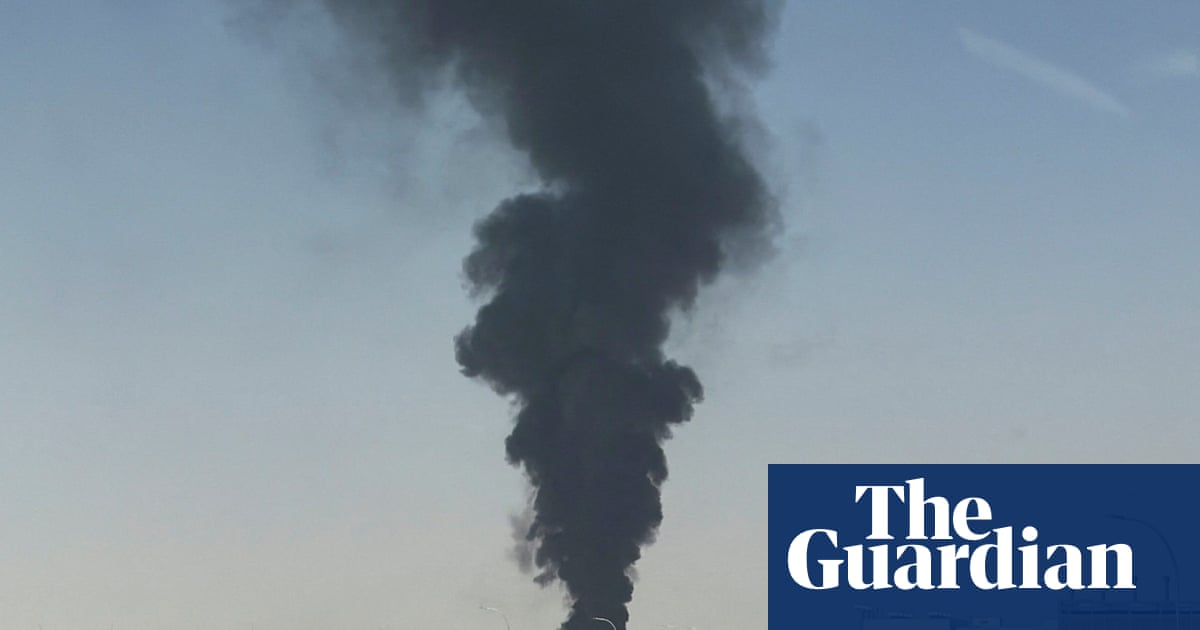
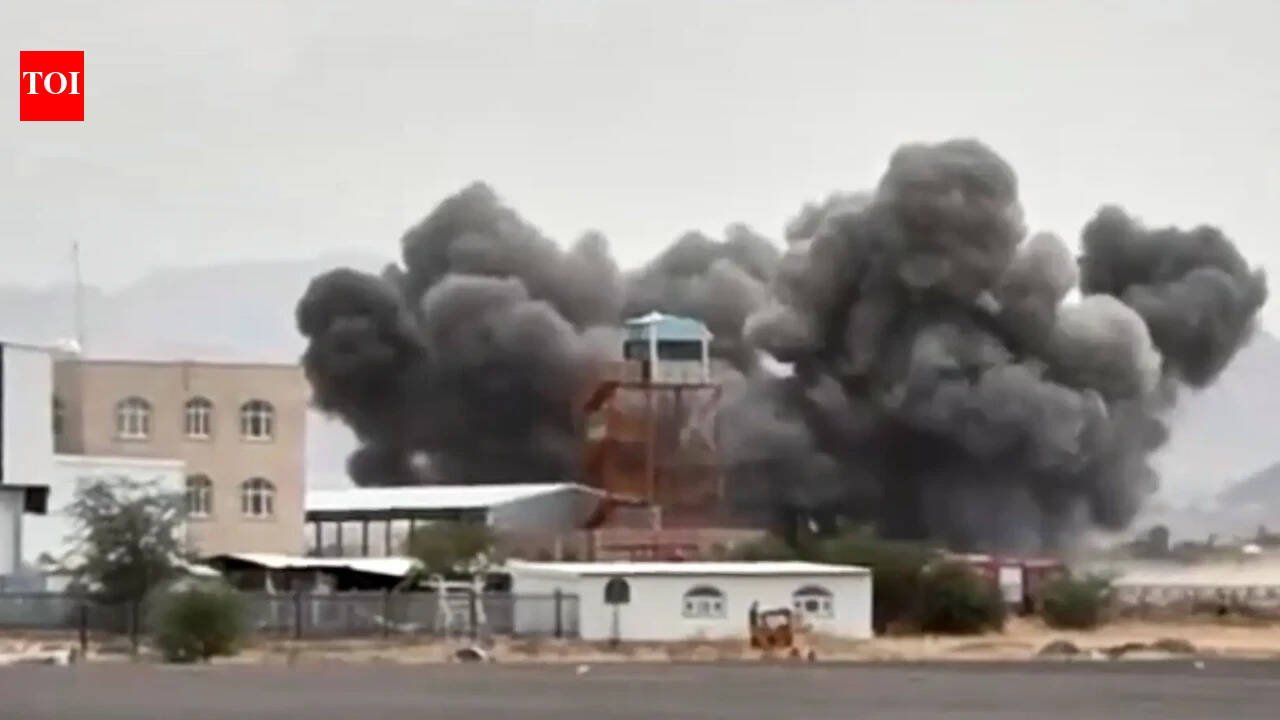
On 19 and 20 September, the Houthis launched or claimed missile and drone attacks against Riyadh, Bisha, Taif, Farasan and Yanbu. Saudi Arabia and the Saudi-led coalition reported interceptions and no casualties or damage, while Reuters imagery showed smoke near Riyadh airport and Houthi statements claimed fires at sensitive sites and an Aramco facility. Iran reiterated that it would not reopen the Strait of Hormuz until its conditions were met and warned that US bases, interests and regional allies would face retaliation after any new US attack. Single-source local-media reporting also described an Israeli military operation involving explosives and tunnel demolitions at Ali al-Taher in southern Lebanon. The assessment is that regional escalation remains more likely than durable de-escalation, although diplomatic contact around the UN General Assembly remains possible.
Change from previous assessment
Since the 19 September brief, the assessment has gained additional reporting on the Houthi attack around Riyadh, including Reuters imagery of smoke near the airport and further Saudi statements, but the question of physical damage remains unresolved. Iran has now reiterated that it will not reopen Hormuz until its conditions are met and has issued repeated warnings against attacks on US bases, interests and regional allies, raising the assessed risk of wider spillover. New reporting describes an Israeli operation at Ali al-Taher in southern Lebanon and a Janfada mobilisation campaign in Tehran, although both contain lower-confidence or conflicting elements. Diplomatic contact has become more visible through Abbas Araghchi's travel to New York and Donald Trump's stated openness to a meeting, but the assessment that durable de-escalation is unlikely remains unchanged.
Key judgments
- It is very likely that the conflict will remain a multi-front confrontation over the next 0-14 days, involving Houthi missile and drone attacks against Riyadh, Bisha, Taif, Farasan and Yanbu, Iranian threats against US bases, interests and regional allies, and continued Israeli military activity at Ali al-Taher in southern Lebanon. The Saudi attacks and Iranian threats are corroborated by official statements and major-media reporting. The southern Lebanon reporting relies mainly on one local-media source, so confidence in that element is lower. (Confidence: medium · ASSESSED)
- I&W: Confirming indicator: within 0-14 days, Saudi Arabia or the Saudi-led coalition reports another Houthi launch towards Riyadh, Yanbu or one of the named southern cities, while Israeli authorities report additional activity at Ali al-Taher. (0-14 days)
- I&W: Breaking indicator: within 0-14 days, Saudi Arabia reports no further Houthi launches, Iranian military commands withdraw their threats against US bases and regional allies, and independent reporting finds no continuing Israeli activity at Ali al-Taher. (0-14 days)
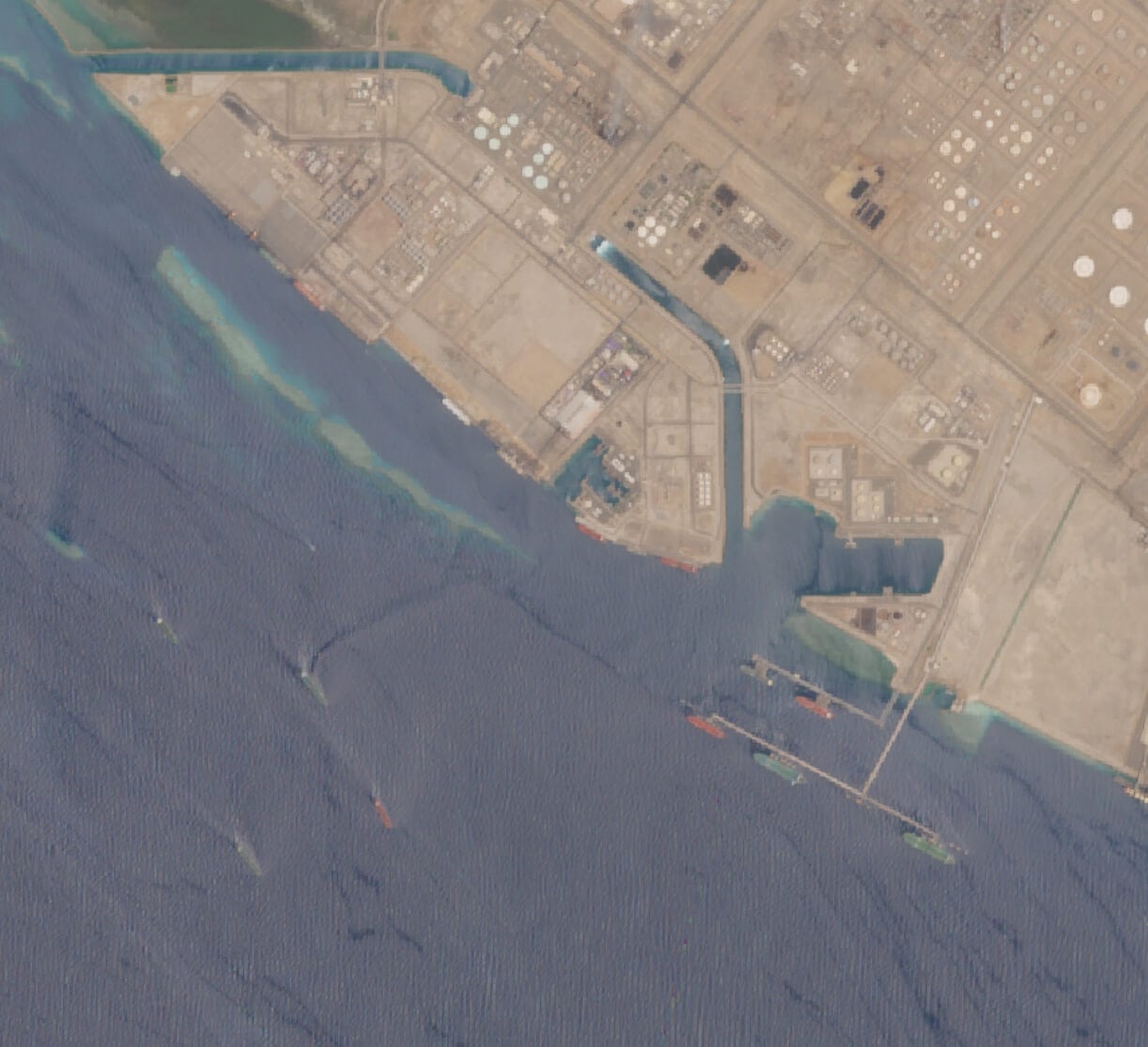
- It is likely that Houthi operations will continue to threaten Saudi civilian aviation and energy infrastructure over the next 0-14 days. There is a roughly even chance that the 19 September attack caused material damage at Riyadh airport or the Aramco facility in Yanbu: Saudi Arabia and the coalition reported interceptions and no damage, while Houthi statements claimed successful strikes and fires, and Reuters recorded smoke near Riyadh airport. Confidence is medium because the core attack is corroborated, but the outcome and location of damage remain contested between official Saudi and Houthi accounts. (Confidence: medium · ASSESSED)
- I&W: Confirming indicator: within 0-14 days, independently geolocated imagery or an official Saudi damage assessment identifies damage at Riyadh airport or the Aramco facility in Yanbu, alongside flight, airport or port disruptions. (0-14 days)
- I&W: Breaking indicator: within 0-14 days, Saudi authorities document no material damage, commercial aviation and Yanbu port operations remain normal, and no follow-on Houthi attack is reported. (0-14 days)
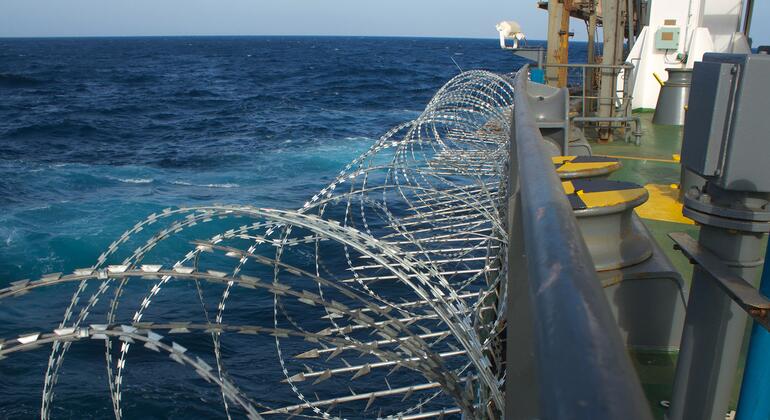
- It is very likely that commercial traffic through the Strait of Hormuz will remain severely restricted over the next 0-14 days. There is a roughly even chance that the strait is effectively closed to western traffic rather than merely severely restricted, because current reporting ranges from severe restriction to near-total blockage and Iran has stated that it will not reopen the waterway until its conditions are met. Confidence is medium because the IMO has verified repeated attacks, but reporting on the exact level of remaining traffic and responsibility for the blockade is inconsistent. (Confidence: medium · ASSESSED)
- I&W: Confirming indicator: within 0-14 days, maritime tracking and port records show continued attacks or very limited transits through Hormuz, with no large crude carriers or LNG tankers using the waterway. (0-14 days)
- I&W: Breaking indicator: within 0-14 days, multiple large crude carriers and LNG tankers transit the strait without reported attacks or payment demands, and Iran announces a reopening not tied to further conditions. (0-14 days)
- It is unlikely that US-Iran diplomacy will produce durable de-escalation by 29 September, although there is a roughly even chance of direct or mediated contact around the UN General Assembly from 22 to 29 September. Abbas Araghchi is travelling to New York and has described contacts with Qatar and Pakistan, while Donald Trump has expressed openness to meeting Masoud Pezeshkian. Iran has nevertheless maintained conditions involving the US blockade, sanctions and Hormuz, while US and Iranian officials have continued issuing threats. Confidence is medium because the diplomatic channel is supported by multiple reports, but the parties' public conditions remain incompatible. (Confidence: medium · ASSESSED)
- I&W: Confirming indicator: by 29 September, Abbas Araghchi or Masoud Pezeshkian holds direct talks with US representatives, or Qatar and Pakistan publicly convey agreed terms covering Hormuz, sanctions or the US blockade. (22-29 September)
- I&W: Breaking indicator: by 29 September, Iran repeats that Hormuz will remain closed until its conditions are met, Washington maintains the blockade or sanctions, and no ceasefire or agreed negotiating framework is announced. (22-29 September)
- It is likely that Iranian authorities will sustain the Janfada mobilisation campaign over the next 1-3 months, including public military-style exercises in Tehran and recruitment under the Basij arm of the IRGC. The scale of the mobilisation is unresolved: Hassan Hassanzadeh cited more than 600,000 registrations during the week of 18 September, authorities later claimed more than 31 million registrations, and foreign-based activists reported fewer than four million registrations from website source code. Confidence is medium because the campaign itself is reported by major media, but the registration figures are sharply contradictory. (Confidence: medium · ASSESSED)
- I&W: Confirming indicator: within 0-14 days, Iranian authorities announce additional Janfada units or public exercises in Tehran, accompanied by verified recruitment activity under the Basij. (0-14 days)
- I&W: Breaking indicator: over the next 1-3 months, Iranian authorities suspend Janfada registration, hold no further public exercises and announce no additional units or resource mobilisation measures. (1-3 months)
Outlook & scenarios
Managed multi-front pressure (55%)
Likely. Saudi air defences continue to report interceptions of Houthi launches, while Houthi claims of successful strikes remain contested. Iran maintains threats against US bases and regional allies without initiating a confirmed direct attack. Hormuz remains severely restricted, and diplomatic contacts around the UN General Assembly do not produce a durable settlement.
Escalation through Saudi Arabia or maritime traffic (30%)
A plausible escalation path. A confirmed Houthi strike on Riyadh, Yanbu or another named Saudi location, or another fatal attack on shipping in or around Hormuz, prompts stronger Saudi or US defensive measures. Iran then treats regional participation as involvement in the conflict, increasing the risk to US facilities and allied infrastructure.
Limited diplomatic opening at the UN General Assembly (20%)
An unlikely but plausible outcome. Abbas Araghchi or Masoud Pezeshkian meets US representatives, with Qatar or Pakistan transmitting Iranian conditions. The contact produces a temporary reduction in rhetoric or limited maritime arrangements, but the parties do not resolve the US blockade, sanctions or Hormuz dispute.
Direct US-Iran exchange (8%)
Very unlikely but high impact. A US attack on Iran, or an event interpreted in Tehran as such an attack, triggers Iranian strikes against US bases, interests and regional allies. Houthi operations against Saudi Arabia and shipping intensify, while Israeli and Iranian military activity expands across additional fronts.
Recommendations
- Maintain a daily incident map covering Riyadh, Riyadh airport, Yanbu, Bisha, Taif and Farasan. Separate Saudi coalition interception statements, Houthi success claims and independent imagery rather than presenting them as a single confirmed account.
- Treat the Strait of Hormuz as an unresolved range of disruption, from severe restriction to effective closure of western traffic. Reconcile the assessment against current vessel tracking, port notices, tanker movements and IMO reporting before estimating energy or supply effects.
- Prioritise collection on the 22 to 29 September UN General Assembly period. Track meetings involving Abbas Araghchi, Masoud Pezeshkian, Donald Trump, Qatar and Pakistan, and record whether any announcement addresses Hormuz, sanctions or the US blockade.
- Use the US State Department's current restrictions as the baseline for personnel-risk monitoring in Saudi Arabia and Yemen. Give particular attention to the 20-mile Yemen-border restriction and authorisation requirements for Jizan, Asir, Najran and Qatif.
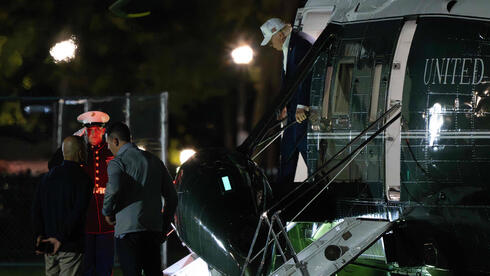
- Do not treat reports about Donald Trump's early return from Camp David as evidence of a policy decision. Record the stated lack of an official explanation separately from media reporting that attributed the move to Houthi attacks and the wider crisis.
- Track Janfada recruitment through announced unit formations, public exercises and independently checkable registration data. Do not use the disputed 31 million figure without presenting the competing lower estimates.
Confidence & uncertainty
Overall confidence is high because the core developments are supported by multiple independent sources, including official Saudi and US statements, Reuters imagery, Iranian official or major-media reporting, and the IMO's verified count of attacks on shipping. The main uncertainties concern the physical effects of the 19 September Houthi attack, whether Hormuz is severely restricted or effectively closed to western traffic, the scale of Janfada recruitment, and the reliability of single-source reporting on the Ali al-Taher operation.
Intelligence gaps
- [EEI 1.1 · PARTIAL] Number, type, launch times, and trajectories of ballistic missiles, cruise missiles, armed UAV strikes, and combat-air sorties launched by Iranian or Israeli forces toward the other's territory or forward bases within a 72-hour window. Recommended collection: signals/intel
- [EEI 1.2 · PARTIAL] Observable changes in Israeli and Iranian force posture: mobilization or reserve call-up orders, unit road/rail movements, dispersal or sortie rates of air squadrons, redeployment of air-defense batteries, and activation of civil-defense alerts or sirens in major population centers. Recommended collection: open-source/media
- [EEI 1.3 · PARTIAL] Indications of strike authorization or targeting preparations in Iranian or Israeli command chains: authenticated public orders by senior commanders, detected increases in encrypted communications consistent with targeting, or visible movement of strike munitions to launch/storage sites. Recommended collection: signals/intel
- [EEI 2.1 · UNCOVERED] Counts, launch locations (coordinates), weapons types, and assessed damage from rocket/missile/drone strikes originating from Lebanon into northern Israel attributed to Hezbollah or allied groups. Recommended collection: open-source/media
- [EEI 2.2 · UNCOVERED] Reported attacks by Iranian-backed militias in Iraq and Syria: rocket/IED strikes on bases hosting US/coalition or Israeli personnel, documented militia unit movements toward borders, and captured movement or transfer of weapons systems to forward militia positions. Recommended collection: human
- [EEI 2.3 · PARTIAL] Maritime harassment or attacks by proxies (e.g., Houthis): incidents of missile/rocket strikes against commercial vessels, small-boat swarm attacks, discovery or detonation of naval mines, and corresponding AIS anomalies in the Red Sea, Gulf of Aden, or southern Arabian Gulf. Recommended collection: maritime/AIS
- [EEI 3.1 · UNCOVERED] Movements and arrival dates of foreign military assets into the region: carrier strike groups, amphibious ships, surface combatants, strategic airlift/tanker deployments, and air/sea patrol patterns by US, European, Russian, or regional militaries. Recommended collection: imagery/satellite
- [EEI 3.2 · PARTIAL] Concrete diplomatic and political actions: emergency UN/Arab League meetings called, official embassy evacuation orders, public declarations of intent to interpose or protect shipping/airspace, and newly announced sanctions or arms-transfer approvals tied to the conflict. Recommended collection: diplomatic
- [EEI 3.3 · PARTIAL] Immediate commercial and market indicators: rerouting of commercial tankers and container vessels (e.g., avoidance of Bab el-Mandeb or Strait of Hormuz), sudden spikes in war-risk insurance premiums for regional sea lanes, temporary port closures, and near-term price moves in regional benchmark crude tied to incidents. Recommended collection: financial/market
Cited sources
[1] Global Banking and Finance (republishing Reuters) · Iran-US Threats Escalate Regional Conflict and Impact Finance Markets (A) · Sun Sep 20 2026 17:27:35 GMT+0000 (Coordinated Universal Time) · sha256:f7b8b25f36fa [2] Times of India · 'Iran war has potential to escalate rapidly': US issues blanket Middle East travel alert (B) · Sun Sep 20 2026 01:44:00 GMT+0000 (Coordinated Universal Time) · sha256:dfd84a1983f3 [3] CNN Arabic · "التحالف": تدمير صاروخ باليستي أطلقه الحوثيون نحو العاصمة السعودية | CNN Arabic | CNN (A) · Sat Sep 19 2026 20:21:56 GMT+0000 (Coordinated Universal Time) · sha256:9e77d9670527 [4] Shehab News Agency (shehabnews.com) · الاحتلال يكشف تفاصيل عملية ضخمة لنقل 1100 طن من المتفجرات إلى عمق لبنان وتفجير أنفاق علي الطاهر (E) · Sun Sep 20 2026 04:58:00 GMT+0000 (Coordinated Universal Time) · sha256:00d5b41c4859 [5] Voice of Emirates · Tehran Warns Washington Against Targeting Its Regional Interests (D) · Sun Sep 20 2026 16:08:29 GMT+0000 (Coordinated Universal Time) · sha256:efe6e438e67e [6] The Guardian · Middle East braces for more violence as Iran claims US is planning to renew bombing campaign (A) · Sun Sep 20 2026 18:56:45 GMT+0000 (Coordinated Universal Time) · sha256:9c078e0d34ca [7] Il Sole 24 Ore · Latest war news. Kallas’s letter to the 27: ‘Strengthen Aspides with more ships and aircraft’ (A) · Sun Sep 20 2026 08:08:00 GMT+0000 (Coordinated Universal Time) · sha256:73552b687e26 [8] ynetnews.com · ‘Conflict has potential to escalate rapidly’: US issues Mideast warnings as Trump leaves Camp David early (B) · Sun Sep 20 2026 08:30:59 GMT+0000 (Coordinated Universal Time) · sha256:743874691064 [9] Panet (panet.com) · نيران قرب مطار الرياض والحوثيون يعلنون شن هجمات على العاصمة (B) · sha256:da09596de34e [10] United Nations News · World News in Brief: Shipping alert from IMO, democracy vanishing in Nicaragua, alert over political ‘denialism’ (A) · Wed Sep 16 2026 20:58:44 GMT+0000 (Coordinated Universal Time) · sha256:b38ec7123bf7 [11] The Maritime Executive (analysis courtesy of Poten & Partners) · Running Out of Options: Conflict Restricts Saudi Oil Exports (C) · sha256:0a92040a0126 [12] The Maritime Executive · IRGC Profiteer Babak Zanjani Skims Iran’s Hormuz Tolls (C) · sha256:dd24d1e706e9 [13] Business Upturn · Israel PM Netanyahu’s Iran nuclear warning returns to focus ahead of 2026 UN General Assembly (D) · Sun Sep 20 2026 07:36:36 GMT+0000 (Coordinated Universal Time) · sha256:e6faca708ba0 [14] Al Jazeera · What’s behind Iranian authorities’ push for a mass mobilisation campaign? (A) · Sun Sep 20 2026 13:47:26 GMT+0000 (Coordinated Universal Time) · sha256:591edceb2d19
Source content hashes were computed at collection time; the cited text is preserved unmodified for the life of this product.
Red cell review: CONCUR WITH COMMENT
TLP:CLEAR