TLP:CLEAR · Disclosure is not limited.
Iran-Israel Conflict: Multi-Front Escalation and Maritime Disruption
Time window: Last 1 day · Audience: General analyst · Type: Situation report · DTG: 2026-09-20 00:11Z · Overall confidence: HIGH
BLUF
Very likely, the conflict will remain multi-front over the next 0-14 days, with US pressure on Iran, Houthi attacks on Saudi Arabia and commercial shipping, and continuing Israeli operations in southern Lebanon. The Strait of Hormuz is likely to remain open in a legal and operational sense but severely disrupted, while an enforceable regional de-escalation arrangement remains unlikely.
Executive summary
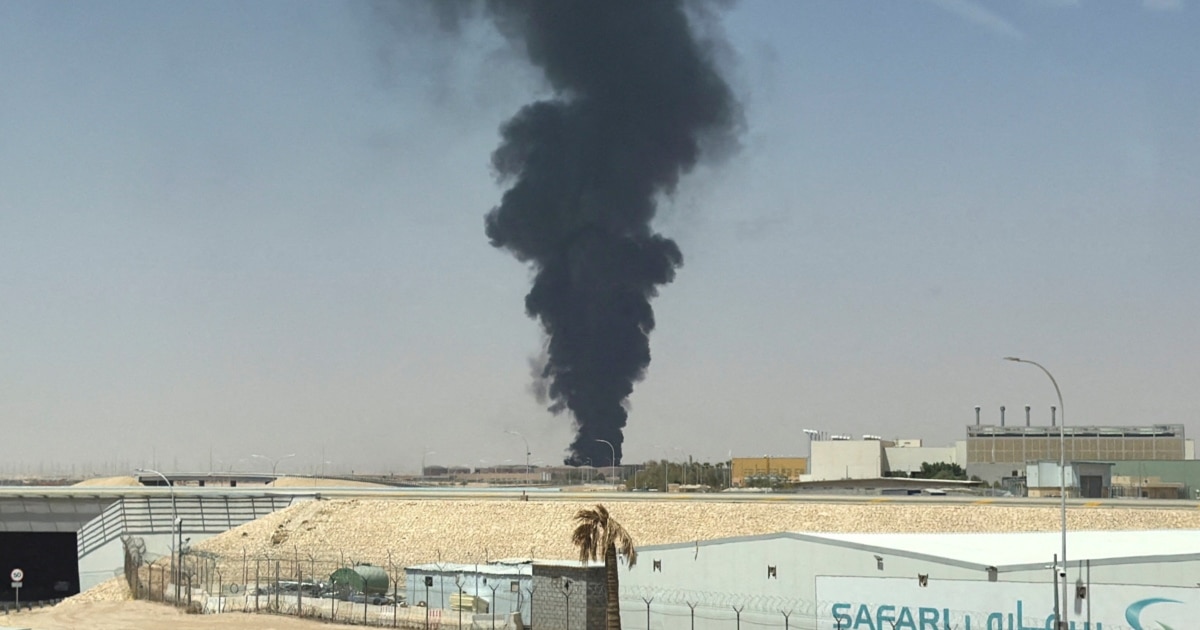
Reporting from 19 September indicates that the conflict is spreading across Iran, Israel, Yemen, Saudi Arabia, Lebanon and regional shipping routes. The US administration is evaluating additional military measures against Iran, while Iran continues to assert control over the Strait of Hormuz and the Houthis have seized Mocha and reportedly reached Perim Island near Bab el-Mandeb. Saudi Arabia reported intercepting a ballistic missile aimed at Riyadh, while Houthi claims of damage near Riyadh and Yanbu remain contested against eyewitness reports of fire near King Khalid International Airport. Diplomatic channels involving Iran, Pakistan, Qatar and the planned 22 September meeting between Donald Trump and Gulf leaders remain active, but the parties retain incompatible conditions for ending hostilities.
Change from previous assessment
Since the 18 September brief, the assessment has shifted towards a more clearly multi-front conflict. New reporting places Houthi forces in Mocha and Perim Island, records a first recent aerial alert in Riyadh and reports a tanker struck while leaving Hormuz. The Houthi and maritime disruption judgements are now higher confidence on the direction of travel, although the full extent of territorial control and the operational status of Hormuz remain unresolved. The assessment of humanitarian pressure remains very likely and high confidence. The de-escalation judgement remains unlikely, despite more active contacts involving Iran, Pakistan, Qatar and the planned 22 September Trump-Gulf meeting. A new judgement has been added on Saudi defence coordination, with confidence reduced by contradictory statements from Pakistan's military spokesperson and Foreign Office.
Key judgments
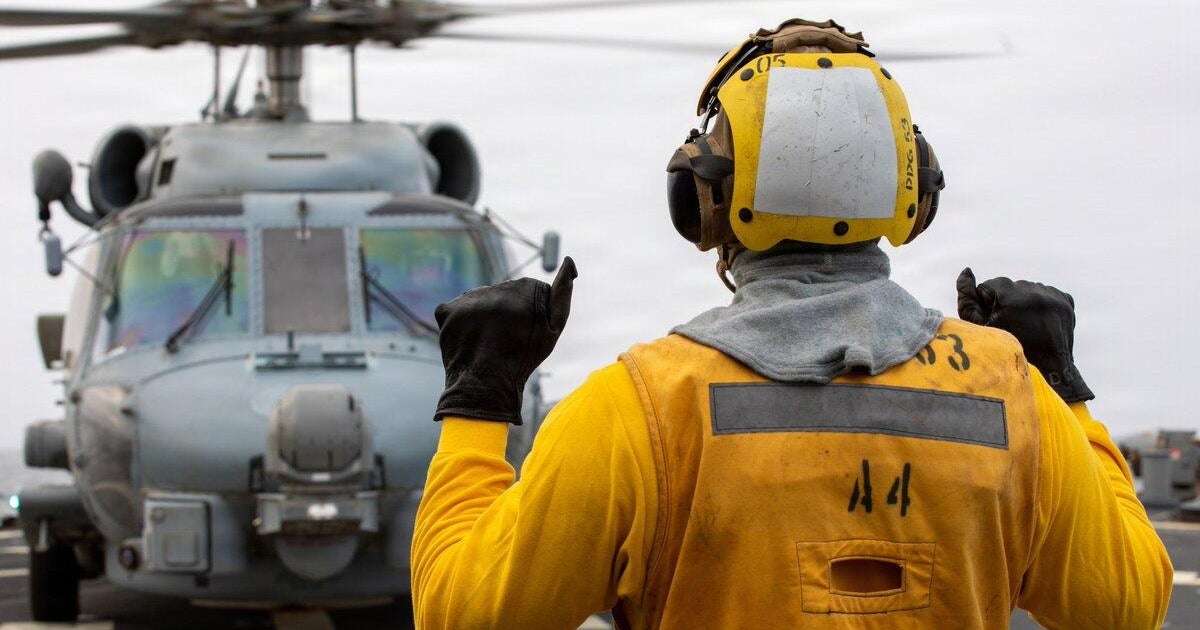
- Likely, US pressure on Iran and the wider US-Israel-Iran military confrontation will continue over the next 0-14 days. Donald Trump said he was approaching a decision on resuming large-scale attacks and that Iran could not control shipping lanes or possess nuclear weapons, while the US administration is evaluating additional military measures and has signalled continued sanctions and military readiness. Reporting also attributes Iranian strikes to US military infrastructure in Bahrain, Jordan, Qatar, Kuwait, the United Arab Emirates and Oman. Confidence is medium because reporting conflicts over whether April and June agreements halted or only interrupted hostilities, and several accounts rely on official or local reporting. (Confidence: medium · ASSESSED)
- I&W: Confirm: within 0-14 days, US or Israeli authorities report a new strike on an Iranian target, or reliable reporting corroborates an Iranian missile or drone attack on US installations or Israel. (0-14 days)
- I&W: Break: within 0-14 days, the US, Israel and Iran announce and observe a verified halt in strikes, with no new attacks on regional bases, Israeli positions or shipping. (0-14 days)
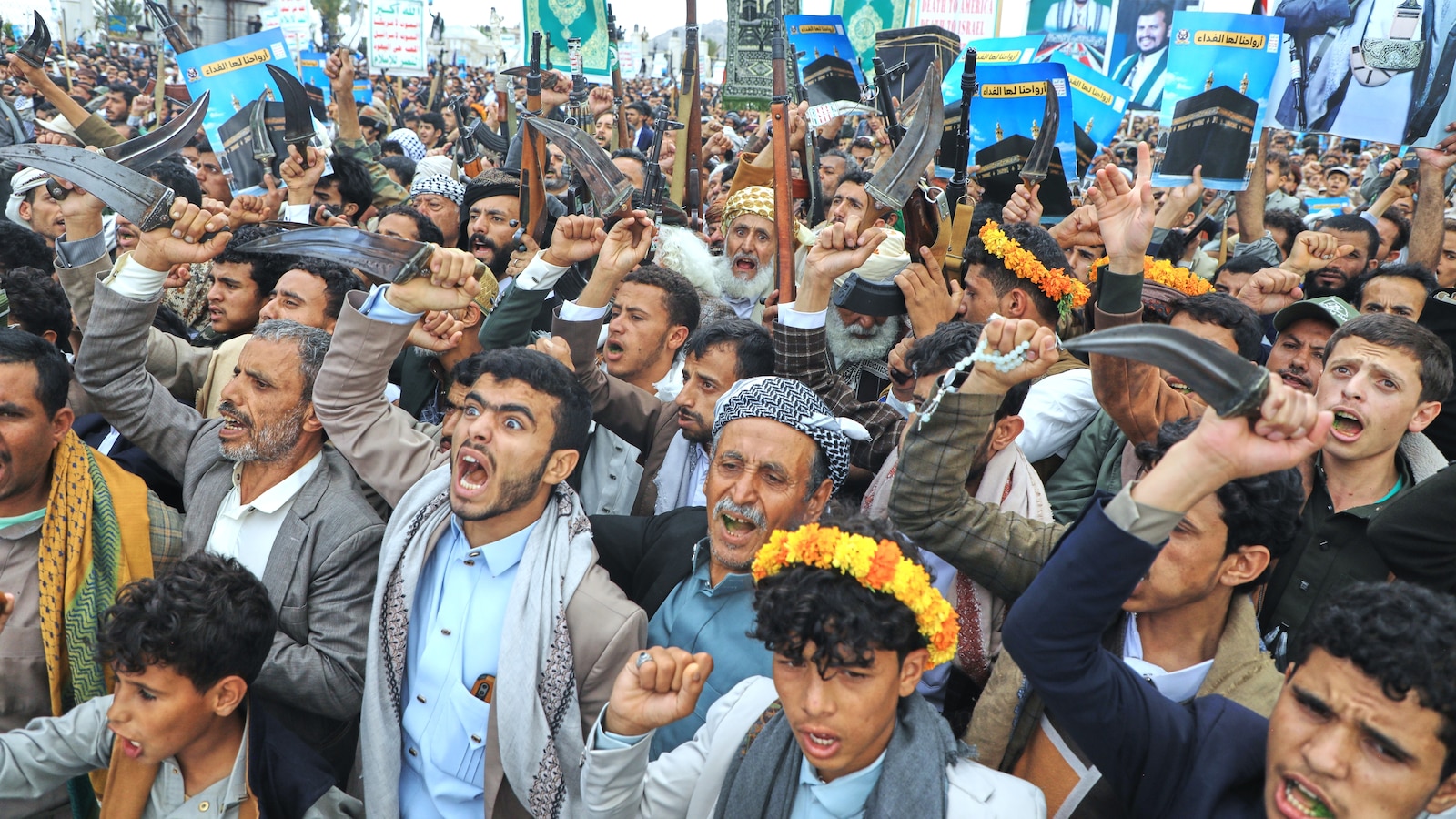
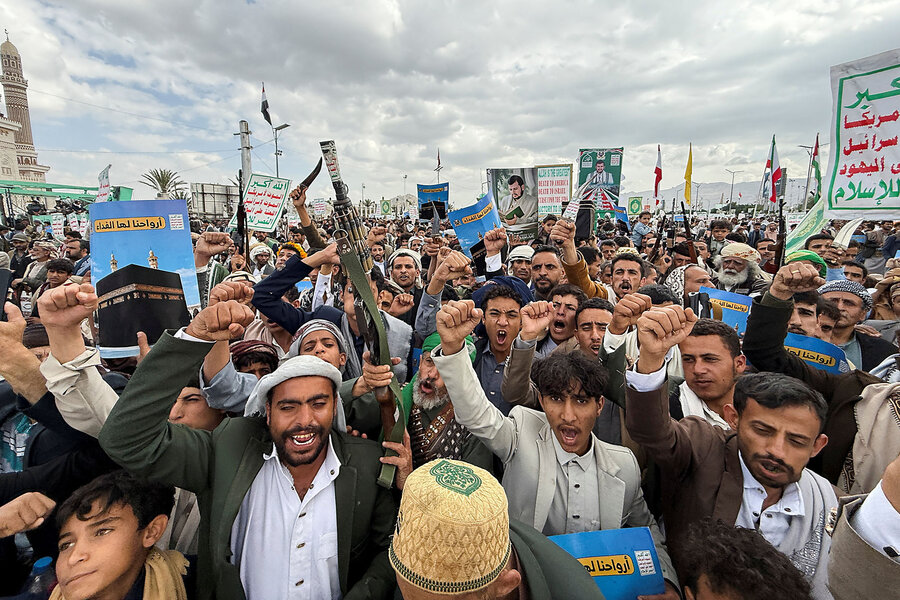
- Very likely, Houthi-Saudi fighting and disruption around Bab el-Mandeb will continue over the next 0-14 days, keeping the conflict spread across Yemen, Saudi Arabia and commercial shipping. Reporting places Houthi forces in Mocha and Perim Island and describes Houthi control or attempted control of large sections of the Red Sea coast and Bab el-Mandeb. Vessel traffic through Bab el-Mandeb has fallen to around 26-35 ships per day from roughly 35-40, while Houthi attacks have targeted Riyadh, Yanbu and Saudi oil infrastructure. The extent of physical damage in Riyadh remains contested because Saudi authorities reported interception and no damage, while Houthi claims alleged fires and eyewitness reporting recorded flames near King Khalid International Airport. Confidence is high on continued fighting and maritime disruption, but lower on the full extent of Houthi territorial control and the outcome of individual attacks. (Confidence: high · ASSESSED)
- I&W: Confirm: within 0-14 days, Houthi launches or Saudi reporting identify further attacks involving Riyadh, Yanbu, Taif, Bisha, Farasan, Saudi oil infrastructure, Mocha or Perim Island. (0-14 days)
- I&W: Break: within 0-14 days, Houthi attacks stop and Bab el-Mandeb traffic returns above the reported 35-40 ships per day range without new seizure or combat reporting. (0-14 days)
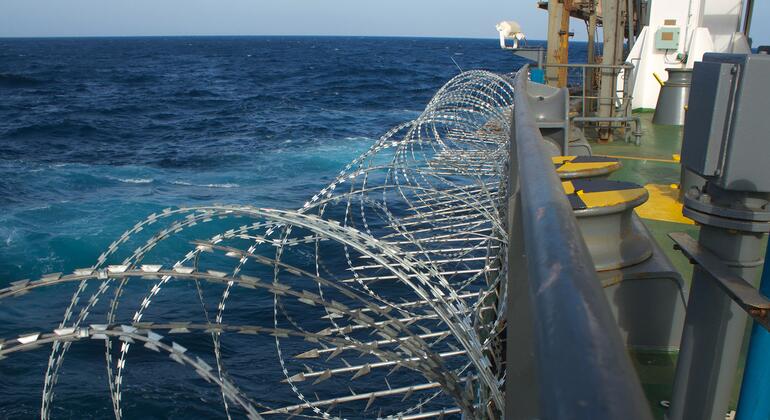
- Very likely, commercial traffic through the Strait of Hormuz will remain severely constrained rather than fully closed over the next 0-14 days. The International Maritime Organization has verified 80 attacks on shipping since 28 February and reported at least 22 seafarer deaths. Iran said it struck the Togo-flagged tanker Trend, while UK Maritime Trade Operations reported another tanker hit by an unknown projectile. The Pentagon says the strait is open and US Central Command says the military supported the passage of 1 billion barrels of oil over two months, but these claims coexist with reporting that Iran is attacking ships and asserting control over the waterway. Confidence is medium because the operational status of the strait and the scale of Iranian export disruption remain contested. (Confidence: medium · ASSESSED)
- I&W: Confirm: within 0-14 days, UK Maritime Trade Operations or the International Maritime Organization records another tanker strike, attack warning or seafarer casualty in or near Hormuz. (0-14 days)
- I&W: Break: within 0-14 days, independent shipping data shows sustained commercial tanker movement through Hormuz without new attack reports, alongside continued Pentagon confirmation that the waterway is open. (0-14 days)
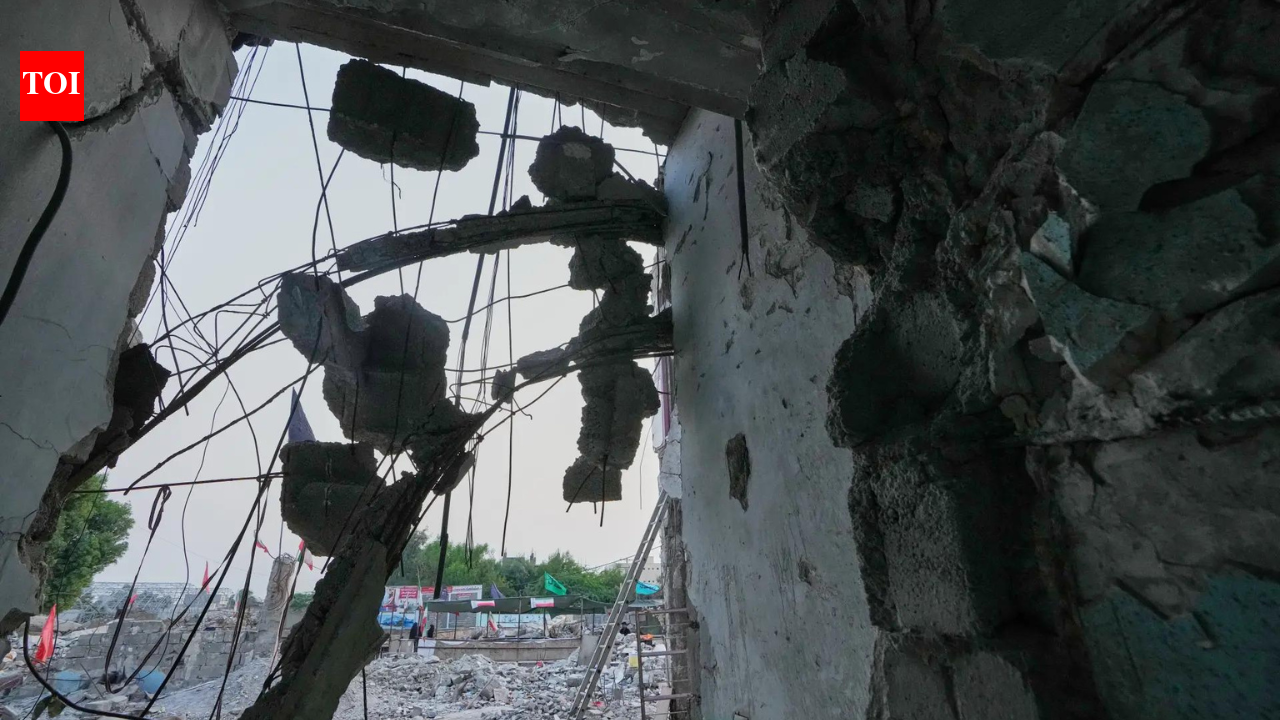
- Very likely, humanitarian pressure will remain acute in Yemen, Gaza and among seafarers over the next 0-14 days. The UN reported more than 125,000 people displaced in Yemen since the beginning of September, while reporting describes more than 500 people killed and 18,500 displaced in a week of fighting. The International Maritime Organization reported at least 22 seafarers killed in attacks around Hormuz. Gaza's Health Ministry reported more than 13,780 Palestinians killed since the October ceasefire, and reporting estimates that 200,000 buildings have been damaged or destroyed. Confidence is high because the core humanitarian picture is supported by UN-linked, multilateral and major media reporting, although some totals use different reporting periods. (Confidence: high · REPORTED)
- I&W: Confirm: within 0-14 days, UN reporting records additional displacement from Yemen, while Gaza health officials or major media report further fatalities or damage and maritime authorities record additional seafarer casualties. (0-14 days)
- I&W: Break: within 0-14 days, UN reporting records no further displacement and reports improved humanitarian conditions, while no additional shipping deaths or Gaza fatalities are reported. (0-14 days)
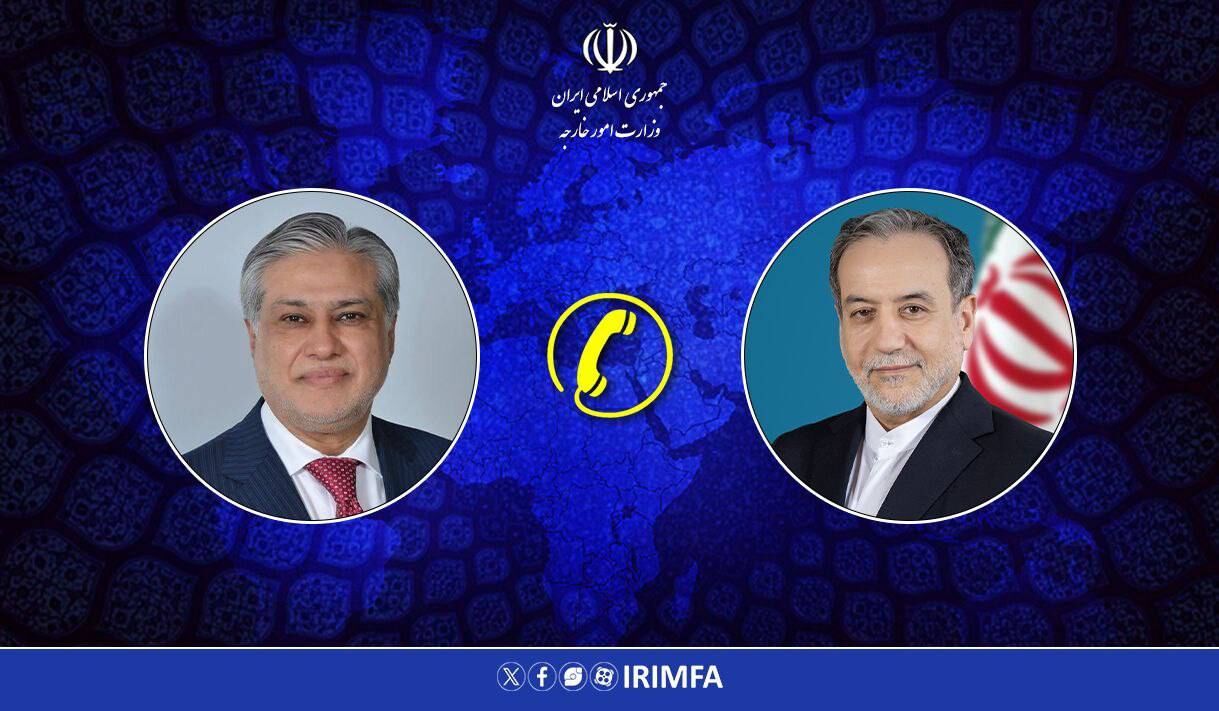
- Unlikely, an enforceable regional de-escalation arrangement will emerge over the next 0-14 days. Iran has repeated conditions including an end to fighting on all fronts, release of frozen assets and an end to the US naval blockade, while Mohsen Rezaei rejected talks on 15 September until those conditions were met. Rezaei later described consultations with Qatar and Pakistan, and Donald Trump said Iran was seeking a formal agreement, but Trump also rejected an unfavourable deal and the US administration continued evaluating military measures. The planned 22 September meeting between Trump and the six Gulf leaders provides a diplomatic opening, but the conditions and military posture remain incompatible. Confidence is medium because active mediation is corroborated, while the intent and durability of the negotiating positions are less certain. (Confidence: medium · ASSESSED)
- I&W: Confirm: by 22 September, the Trump-Gulf meeting produces no verified ceasefire terms while Iran maintains its conditions and US or Iranian attacks continue. (0-14 days)
- I&W: Break: within 0-14 days, Washington and Tehran sign and observe an arrangement that ends hostilities on all fronts, starts the release of Iranian assets and removes the naval blockade. (0-14 days)
- Likely, Saudi Arabia's defence coordination with Türkiye and Pakistan will deepen politically, but Pakistan's immediate military participation remains unresolved. The Mecca defence agreement treats an attack on one party as an attack on all, Türkiye has declared readiness to support Saudi Arabia, and a Pakistani military spokesperson pledged defence of Saudi Arabia to any extent, including physically. Pakistan's Foreign Office has nevertheless said that no military response is currently under discussion, while analysts question the pact's lack of an integrated command structure and standing forces. Confidence is medium because the contradictory Pakistani statements leave the practical commitment unconfirmed. (Confidence: medium · ASSESSED)
- I&W: Confirm: within 0-14 days, Pakistan or Türkiye announces deployments, air-defence support or operational coordination with Saudi Arabia in response to further Houthi attacks. (0-14 days)
- I&W: Break: over the next 1-3 months, Pakistan's Foreign Office repeats that no military response is under discussion and no Pakistani forces or systems are assigned to Saudi operations. (1-3 months)
Outlook & scenarios
Sustained multi-front conflict and constrained shipping (55%)
Likely, the US administration maintains pressure on Iran while Iran continues attacks or coercive measures around Hormuz. The Houthis sustain attacks on Saudi Arabia and commercial shipping from positions around Mocha, Perim and Bab el-Mandeb. Israel continues operations against Hezbollah in southern Lebanon. Shipping remains disrupted, oil transport costs stay elevated and humanitarian pressure increases.
Managed containment through conditional talks (25%)
Unlikely, the 22 September meeting between Donald Trump and the six Gulf leaders, together with Pakistan and Qatar's contacts with Tehran, produces a limited de-confliction arrangement. The parties maintain public demands but observe a temporary reduction in attacks on US positions, shipping and Saudi territory. Hormuz remains open under guarded or restricted conditions.
Saudi involvement and wider regional war (15%)
Unlikely, a successful Houthi strike on Saudi oil infrastructure, Riyadh or a major port causes Saudi Arabia to expand military operations in Yemen. Türkiye and Pakistan provide more direct support, while Iran-linked actors increase attacks on US facilities or Israel expands operations involving Hezbollah. The conflict then shifts from contained spillover to a broader regional confrontation.
Sustained closure of a major energy chokepoint (8%)
Very unlikely, repeated attacks force a prolonged halt to most commercial movement through Hormuz or Bab el-Mandeb. The resulting loss of tanker capacity, higher freight costs and reduced oil flows produce a wider energy and trade shock, while displacement and civilian harm accelerate across Yemen, Saudi Arabia and Gaza.
Recommendations
- Maintain a daily 0-14 day indicator dashboard covering US and Israeli strikes on Iran, Iranian attacks on regional US facilities, Houthi launches against Riyadh and Saudi oil infrastructure, and new incidents involving tankers in Hormuz or Bab el-Mandeb.
- Treat the Strait of Hormuz as open but non-normal. Keep separate records for official status, verified vessel movement, attack warnings and escorted oil volumes. Do not collapse these into a single open-or-closed judgement.
- Separate verified physical effects in Riyadh and Yanbu from competing Saudi and Houthi accounts. Record the ballistic missile interception, the fire near King Khalid International Airport and the Houthi damage claims as distinct reporting lines until the outcome is resolved.
- Track the Mecca defence agreement for operational evidence rather than relying on political statements. Give priority to announcements of Pakistani or Turkish deployments, air-defence assistance, joint command arrangements or other support to Saudi Arabia.
- Prioritise the 22 September Trump-Gulf meeting and Iran-Pakistan and Iran-Qatar contacts. Assess any announcement against concrete tests: an end to attacks on all fronts, movement on Iranian assets, changes to the naval blockade and sustained compliance after the first 48 hours.
- Monitor the humanitarian baseline separately from military reporting. Reconcile Yemen displacement figures by reporting period, track new seafarer casualties through the International Maritime Organization and UK Maritime Trade Operations, and record Gaza fatalities and structural damage without merging incompatible timeframes.
- Use current market stress indicators as early warnings of wider disruption, including Bab el-Mandeb transits of 26-35 ships per day, physical Brent above 131 dollars per barrel, VLCC earnings above 1.2 million dollars per day and the reported shortage of available supertankers.
Confidence & uncertainty
Overall confidence is high for the direction of events and the core reported developments. The central picture is supported by multiple independent major media, multilateral, maritime and market sources, including the International Maritime Organization, the UN Security Council, UK Maritime Trade Operations, Saudi authorities and shipping data. The main uncertainties concern the exact status of Hormuz, the extent of Houthi territorial control, the level of damage from attacks around Riyadh, Pakistan's practical defence commitment and the chronology of earlier ceasefires and peace memoranda.
Intelligence gaps
- [EEI 1.1 · UNCOVERED] Unusual long-range missile/rocket transporter-launcher (TEL) movements, storage activation, or assembly activity at known IRGC missile sites or forward staging areas. Recommended collection: satellite/imagery
- [EEI 1.2 · PARTIAL] Orders, threat-alert messages, or changes in posture from IRGC, Quds Force, or senior Iranian military leadership indicating attack timelines or rules of engagement changes. Recommended collection: signals/ELINT and HUMINT
- [EEI 1.3 · UNCOVERED] Large-scale transfers, deliveries, or convoy movements of armed UAVs/drones, guided munitions, or spare parts from Iran into Lebanon (Hezbollah), Iraq, Syria, or Gaza. Recommended collection: air/aviation track and HUMINT
- [EEI 1.4 · UNCOVERED] Sustained changes in Israeli air-defense usage (SAM launches, radar activations), wide-area alerts, or NOTAMs indicating elevated imminent strike response. Recommended collection: air/aviation/NOTAMs and signals
- [EEI 2.1 · UNCOVERED] Concentration, repositioning, or sortie patterns of Iranian naval/IRGC patrol boats and fast-attack craft near shipping chokepoints or commercial lanes. Recommended collection: maritime/AIS and satellite/imagery
- [EEI 2.3 · PARTIAL] Insurance market indicators: sudden spikes in war-risk or hull insurance premiums for routes through the Red Sea, Suez corridor, or Persian Gulf, and major carriers announcing route changes. Recommended collection: financial/market and commercial shipping notices
- [EEI 2.4 · PARTIAL] Port closures, naval escorts requested by commercial operators, or formal rerouting advisories issued by major shippers (e.g., Maersk, Hapag-Lloyd) for regional transits. Recommended collection: commercial/OSINT
- [EEI 3.1 · UNCOVERED] Deployment of foreign military assets to the region (carrier strike groups, amphibious ships, combat aircraft deployments, or additional bases activated) from the US, UK, France, Russia, or GCC states. Recommended collection: maritime/AIS and air/aviation and satellite/imagery
- [EEI 3.4 · UNCOVERED] Issuance of travel warnings, embassy evacuations or reductions, and closure of diplomatic missions by major capitals indicating escalation risk or shifted threat assessments. Recommended collection: OSINT/diplomatic
Cited sources
[1] RFE/RL (Radio Free Europe/Radio Liberty) · Iran Repeats Long-Standing Demands Before Any Restart Of US Talks (A) · Sat Sep 19 2026 07:23:00 GMT+0000 (Coordinated Universal Time) · sha256:ef7f1197dc80 [2] The Jerusalem Post (content from The Media Line) · Mike Huckabee on Iran, Hezbollah, Saudi Arabia and Israel’s US relationship - interview (B) · Sat Sep 19 2026 15:55:18 GMT+0000 (Coordinated Universal Time) · sha256:ef76569d5f01 [3] english.globalarabnetwork.com · Trump: Iran Seeks Deal, But Demands Favorable Terms (F) · Sat Sep 19 2026 18:34:11 GMT+0000 (Coordinated Universal Time) · sha256:5da35ef4bc7f [4] AzerNews · Iran and Pakistan foreign ministers hold urgent regional security talks (D) · Sat Sep 19 2026 12:35:00 GMT+0000 (Coordinated Universal Time) · sha256:364d294d6c2e [5] The Media Line · Breaking News - The Media Line (B) · sha256:dc8e8e987cd8 [6] Al Jazeera · Turkiye backs Saudi Arabia’s security amid escalating Houthi attacks: FM (A) · Sat Sep 19 2026 23:18:34 GMT+0000 (Coordinated Universal Time) · sha256:03b4d93acd7f [7] The Christian Science Monitor · Why Houthi offensive in Yemen has implications for Mideast and global trade (A) · Sat Sep 19 2026 09:00:10 GMT+0000 (Coordinated Universal Time) · sha256:036b75e13b0f [8] News.az · How the Houthis are changing history | News.az (E) · sha256:22f152b741a8 [9] Sunday Guardian Live · US-Israel-Iran War Latest Live News: UN Security Council Condemns Houthi Missile Attacks, Warns Of Wider Conflict, Maritime Security & Global Trade Risks; Check Arms Embargo & Latest Yemen Update (B) · Sat Sep 19 2026 12:47:59 GMT+0000 (Coordinated Universal Time) · sha256:93a2943fa798 [10] The Times of India · US-Iran War Live Updates: US issues ‘comprehensive security alert’ for Middle East, says 'potential for unforeseen escalation’ (B) · Fri Sep 18 2026 19:03:36 GMT+0000 (Coordinated Universal Time) · sha256:af4ef13d1076 [11] CBS News · Iran War Updates: U.S. touts 1 billion barrels of oil escorted out of Strait of Hormuz by military (A) · Fri Sep 18 2026 11:41:00 GMT+0000 (Coordinated Universal Time) · sha256:a69dd53118a5 [12] The Irish News · Saudi Arabia issues alerts across the country for aerial threat (B) · Sat Sep 19 2026 07:30:56 GMT+0000 (Coordinated Universal Time) · sha256:fc1dd4c51e92 [13] United Nations News · World News in Brief: Shipping alert from IMO, democracy vanishing in Nicaragua, alert over political ‘denialism’ (A) · Wed Sep 16 2026 20:58:44 GMT+0000 (Coordinated Universal Time) · sha256:b38ec7123bf7 [14] Yeni Şafak (English edition) · Getting past Hormuz is not enough to end the war (B) · Sat Sep 19 2026 11:26:33 GMT+0000 (Coordinated Universal Time) · sha256:a5dfca5912df [15] ABC News · Saudi Arabia issues first alert in the capital since escalation, and other Mideast developments (A) · Sat Sep 19 2026 07:11:22 GMT+0000 (Coordinated Universal Time) · sha256:605cf3ca73dc [16] BBC · Cultural treasures are being destroyed by war, and people want justice (A) · Sat Sep 19 2026 23:18:18 GMT+0000 (Coordinated Universal Time) · sha256:e45f3a45f398 [17] Nuovo Giornale Nazionale · The Mecca Pact has not failed yet. Perhaps that is precisely the point - Nuovo Giornale Nazionale (E) · Sat Sep 19 2026 22:17:51 GMT+0000 (Coordinated Universal Time) · sha256:69425bc9a083
Source content hashes were computed at collection time; the cited text is preserved unmodified for the life of this product.
TLP:CLEAR