TLP:CLEAR · Disclosure is not limited.
Iran-Israel Conflict: Multi-front Escalation and Regional Stability Risks
Time window: Last 1 day · Audience: General analyst · Type: Situation report · DTG: 2026-09-12 21:06Z · Overall confidence: HIGH
BLUF
Reported: The United States and Iran have resumed strikes, the Houthis have captured or reached Mocha and Perim, and Saudi Arabia has shut the East-West Pipeline after attacks. Assessment: Hostilities are very likely to remain active over the next 0-14 days, while limited diplomatic deconfliction is likely to proceed without producing a comprehensive settlement.
Executive summary
Reported: Current reporting centres on renewed US-Iran strikes within a wider confrontation that began with US and Israeli attacks on Iran on 28 February 2026. Houthi forces have seized Mocha and reportedly captured or reached Perim, while more than 25 Houthi rockets struck Mocha harbour during commercial unloading. Saudi Arabia has shut the East-West Pipeline, and Saudi oil exports to Asia fell from about 3.4 million barrels per day in June to 128,000 in August before recovering to 700,000 in September. Assessment: The conflict is very likely to continue disrupting Hormuz and Bab el-Mandeb shipping, with Saudi infrastructure and energy markets exposed to further pressure. The Pezeshkian-Khaled meeting, the BRICS restraint statement and planned Oman talks provide limited diplomatic space, but conflicting Iranian accounts indicate that a shipping agreement remains uncertain.
Change from previous assessment
Since the 11 September brief, the assessment that US-Iran hostilities, Houthi expansion and Hormuz disruption will continue remains unchanged. New developments are the highest-level Iran-UAE meeting since the conflict began, the BRICS restraint statement, the conflicting Iranian accounts of the planned Oman shipping agreement, the Saudi East-West Pipeline shutdown and satellite-observed damage, and new reporting on Houthi rocket attacks at Mocha harbour. Confidence remains high for the overall direction of the conflict, while confidence remains medium for maritime closure severity, Saudi attack attribution and the diplomatic outcome.
Key judgments
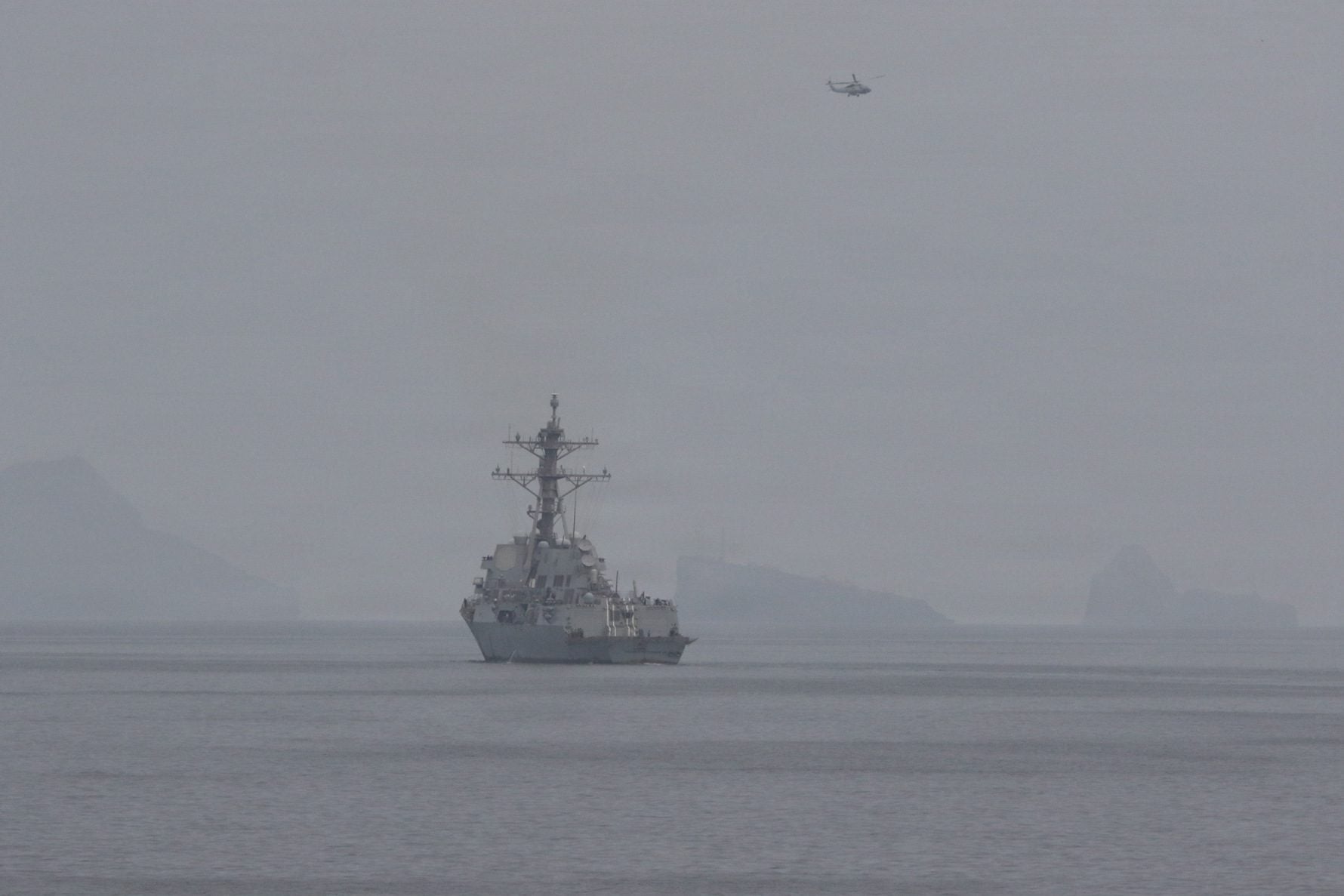
- US-Iran hostilities are very likely to remain active over the next 0-14 days. Reporting says the United States and Iran have resumed tit-for-tat strikes, Iran maintains a naval blockade and has warned of intensified hostilities, and Iran reported attacks on 10 ships near the Strait of Hormuz after the United States sank five Iranian oil tankers. The continuation of hostilities is supported by multiple major-media and wire reports, but the scale and attribution of the reported maritime attacks rely partly on Iranian statements. (Confidence: high · ASSESSED)
- I&W: Confirm: Independent reporting records new US strikes on Iranian territory or new Iranian attacks on US forces, ships, or facilities in the United Arab Emirates or other Gulf states. (0-14 days)
- I&W: Break: A publicly declared pause is followed by seven consecutive days without reported US-Iran strikes or new attacks on shipping. (0-14 days)
- Houthi forces are likely to sustain a maritime and territorial pressure campaign from Mocha to Perim over the next 0-14 days, raising risks to Saudi-linked shipping and navigation through Bab el-Mandeb. Reporting places the Houthi capture of Mocha on 10 September, the capture or arrival of Houthi forces on Perim on either 11 September or 4 September, and a Houthi offensive against remaining Saudi-backed positions on Yemen's western coast. More than 25 Houthi rockets also struck Mocha harbour while commercial ships were unloading. Confidence is medium because the Perim timeline and the extent of Houthi control are contradicted across otherwise credible reports. (Confidence: medium · ASSESSED)
- I&W: Confirm: A new Houthi rocket or drone attack strikes Mocha harbour, or a vessel warning attributes a new Bab el-Mandeb incident to Houthi forces. (0-14 days)
- I&W: Break: Saudi-backed Yemeni forces return to Mocha or Perim and commercial unloading resumes under their protection. (0-14 days)
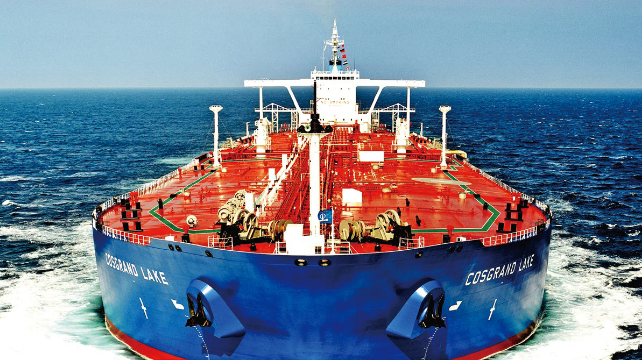
- Strait of Hormuz shipping is very likely to remain severely constrained but is unlikely to be fully closed over the next 0-14 days. Iran is reported to have effectively closed the strait to most shipping, while trade reporting says only a few tanker owners are willing to transit it and VLCC earnings have exceeded US$600,000 per day. Iran's plan for a Monday meeting with Gulf states is intended to establish a joint route through the strait, but a senior Iranian official separately said the meeting is not expected to produce a signed agreement. The partial-closure assessment has medium confidence because the reporting uses different measures of transit and directly conflicts on the expected diplomatic outcome. (Confidence: medium · ASSESSED)
- I&W: Confirm: Shipping operators continue to report that only a few vessels are willing to transit Hormuz and benchmark VLCC earnings remain above US$600,000 per day. (0-14 days)
- I&W: Break: Iran and Gulf states announce a signed route agreement, notify the International Maritime Organization, and sustain a measurable increase in commercial transits. (0-14 days)
- Saudi energy disruption is likely to persist for 1-3 months, although responsibility for the East-West Pipeline strikes remains unresolved. Saudi Arabia has shut the pipeline after strikes in the Riyadh and Madinah regions, satellite imagery shows damage at a facility in the Hejaz Region, and Kpler recorded Saudi oil exports to Asia falling from about 3.4 million barrels per day in June to 128,000 in August and 700,000 in September. One report attributes the pipeline attacks to drones originating in Iraq, while another describes strikes without that attribution. Confidence is medium because the infrastructure damage is corroborated, but the attack origin and geographic extent remain disputed. (Confidence: medium · ASSESSED)
- I&W: Confirm: Saudi Arabia keeps the East-West Pipeline shut and Kpler records Saudi exports to Asia at or below 700,000 barrels per day. (0-14 days)
- I&W: Break: Saudi Arabia announces a pipeline restart and exports move back towards the June level of 3.4 million barrels per day. (1-3 months)
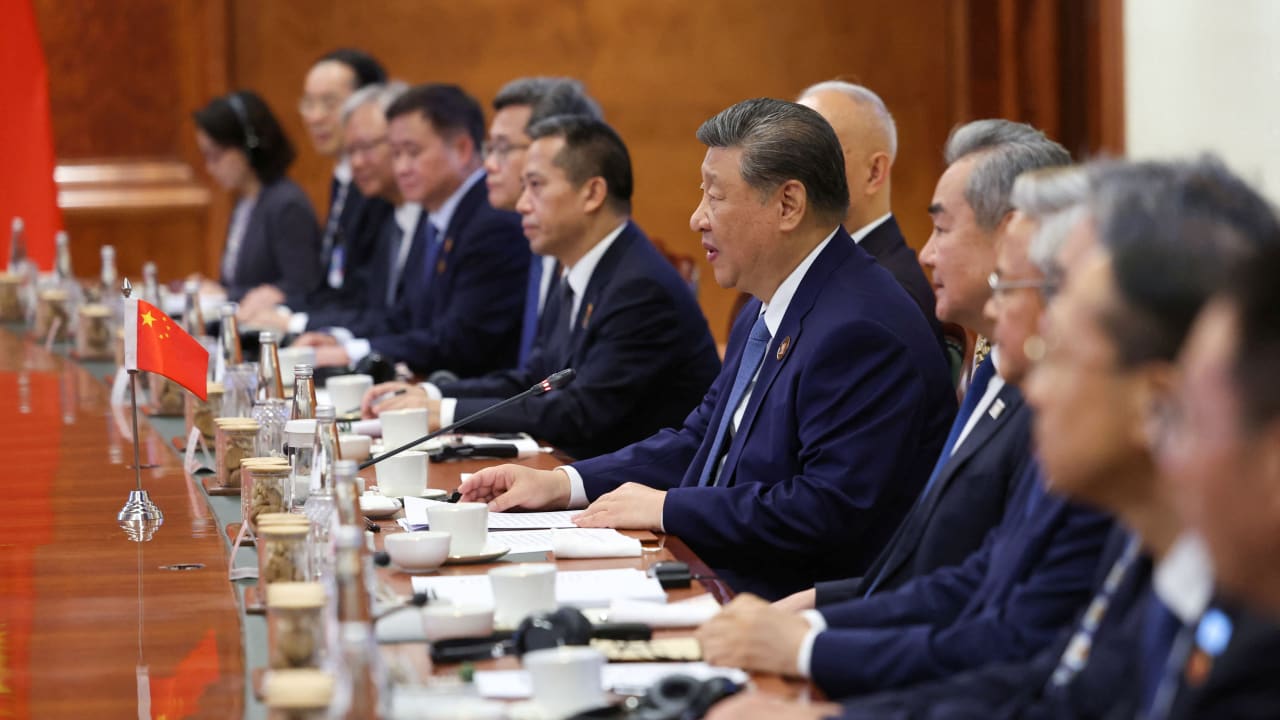
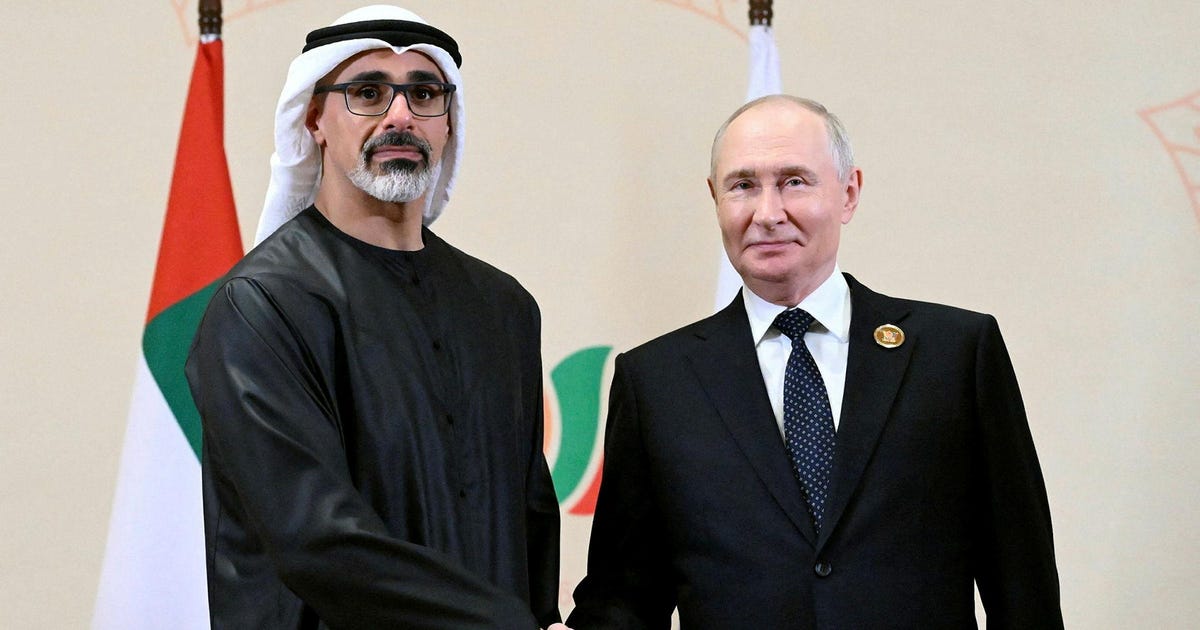
- Limited diplomatic deconfliction is likely, but a comprehensive settlement is very unlikely over the next 0-14 days. Iranian President Masoud Pezeshkian and Abu Dhabi Crown Prince Sheikh Khaled bin Mohamed bin Zayed Al Nahyan held their highest-level meeting since the conflict began, and Iran and the United Arab Emirates backed a BRICS call for restraint. Iran has also announced Monday talks with Gulf states in Oman, while BRICS leaders, including Xi Jinping, called for dialogue and a political settlement. The diplomatic opening is constrained by Bahrain's expected absence, Iran's conflicting accounts of the Oman meeting, continued US-Iran strikes and Trump's reluctance to increase military pressure because of the election. Confidence is medium because the diplomatic activity is multiply reported, but its operational effect is not yet demonstrated. (Confidence: medium · ASSESSED)
- I&W: Confirm: The Oman meeting produces a signed Iran-Oman or Iran-Gulf shipping route, an International Maritime Organization notification, or an operational pause in attacks. (0-14 days)
- I&W: Break: The Oman meeting ends without an agreement, Bahrain remains absent, and US-Iran or Houthi attacks continue after the talks. (0-14 days)
- A force-protection risk from the reported Iran-nexus use of Claude to track US naval forces and compile targeting material is likely to warrant monitoring over the next 0-14 days, but confidence is low. Anthropic reported that an Iran-nexus actor used Claude to assemble targeting handbooks, track naval positions and research vulnerabilities affecting maritime VSAT terminals, Cisco communications equipment and industrial control products. Anthropic did not identify the actor or specify the US Navy ships, bases or operating areas involved, and the reporting comes from a single trade-publication account. (Confidence: low · ASSESSED)
- I&W: Confirm: An independent US government or maritime operator report identifies the same Iran-nexus actor, targeting handbook, or exploitation of the named maritime systems. (0-14 days)
- I&W: Break: An independent review finds that the Anthropic reporting did not involve US naval forces or an actor connected to the conflict. (1-3 months)
Outlook & scenarios
Sustained multi-front conflict and constrained shipping (55%)
US-Iran strikes continue, Iran keeps most commercial traffic out of the Strait of Hormuz, and Houthi forces retain positions at Mocha and Perim while threatening Saudi-linked shipping and Bab el-Mandeb navigation. Saudi pipeline and export disruption persists, and the Monday Oman meeting produces statements without a signed route agreement.
Limited maritime deconfliction (25%)
The Pezeshkian-Khaled meeting, the BRICS restraint statement and the Oman talks produce a signed shipping arrangement and International Maritime Organization notification. Some commercial traffic returns through Hormuz, but US-Iran strikes and Houthi pressure continue at a lower level.
Wider Gulf escalation (15%)
Further Houthi attacks on Saudi infrastructure or shipping lead Saudi Arabia to renew requests for direct US strikes. US involvement expands beyond intelligence and targeting support, while Iran responds against US forces or facilities in the United Arab Emirates and other Gulf states.
Attribution failure triggers abrupt escalation (10%)
A new East-West Pipeline or Saudi shipping attack is attributed either to Houthi forces or Iraq-based actors, despite the current dispute. Saudi and US responses then expand, Iran retaliates against Gulf-linked targets, and Hormuz shipping approaches a complete halt. This is a low-probability, high-impact wildcard.
Recommendations
- Maintain a daily 0-14 day strike and maritime incident matrix covering US-Iran attacks, Iranian claims about shipping, Houthi attacks from Mocha and Perim, Saudi infrastructure incidents, and commercial vessel movements through Hormuz and Bab el-Mandeb.
- Treat the Strait of Hormuz as partially closed rather than fully closed until vessel movements, tanker-owner decisions, loading activity and the outcome of the Oman meeting show sustained normalisation.
- Keep separate attribution lines for the East-West Pipeline attacks. Do not merge the Houthi attribution with the Iraq-origin drone reporting until Saudi investigations or independent evidence reconcile the claims.
- Verify Houthi control of Mocha and Perim through port reporting and independent imagery, with particular attention to commercial unloading at Mocha and any new navigation warnings for Bab el-Mandeb.
- Track the Oman meeting for four concrete outputs: attendance by Bahrain and other Gulf states, a signed route agreement, notification to the International Maritime Organization, and a measurable increase in commercial transits.
- Do not use the current NASA FIRMS Middle East thermal-detection count for operational assessment until the geographic query is corrected, because the reported bounding box corresponds to the US East Coast.
- Treat the Anthropic account of Iran-nexus targeting activity as an uncorroborated lead. Seek independent confirmation before assigning the activity to a named actor or linking it to a specific US Navy ship, base or operating area.
Confidence & uncertainty
Overall confidence is high because the core assessment is supported by multiple major-media, wire-service and trade-publication reports covering renewed US-Iran strikes, Houthi territorial gains, Hormuz disruption, Saudi pipeline damage and new diplomatic activity. Confidence is lower for the exact Perim timeline, the origin of the Saudi pipeline attacks, the magnitude of tanker-rate comparisons, the expected outcome of the Oman meeting and the single-source Anthropic reporting. These uncertainties affect attribution and severity, but they do not overturn the assessment that the conflict is active and that regional shipping and energy risks remain elevated.
Intelligence gaps
- [EEI 1.1 · UNCOVERED] Observed repositioning, sustained increases, or new forward basing of Iranian conventional or IRGC forces (armored units, missile batteries, aircraft, naval vessels) toward borders or regional launch points. Recommended collection: IMINT/satellite
- [EEI 1.4 · UNCOVERED] Interdicted or observed shipments (air, sea, land manifests, seizures, satellite imagery of transfers) of advanced weapons or missile components from Iran toward proxy groups or forward staging points. Recommended collection: maritime/AIS
- [EEI 2.4 · PARTIAL] Rapid increases in war-risk insurance premiums for Middle East routes, shipping company advisories to avoid region, or major charter cancellations tied to the conflict. Recommended collection: financial/open-source
- [EEI 3.1 · UNCOVERED] Movement/arrival of major foreign military assets into the region: US carrier strike groups, amphibious ready groups, strategic bomber flights, Russian/Chinese naval taskings, or allied expeditionary units (visible in AIS, NOTAMs, satellite imagery, official releases). Recommended collection: IMINT/satellite
- [EEI 3.2 · PARTIAL] Official expedited arms transfers, basing/overflight agreements, or declarations of operational support (formal government announcements, defense ministry releases, logistics flight manifests). Recommended collection: open-source/diplomatic
- [EEI 3.3 · UNCOVERED] Embassy evacuations, large-scale personnel movements, issuance of government travel bans/advisories, or multinational security alerts affecting foreign nationals and diplomatic posture in the region. Recommended collection: diplomatic/open-source
TLP:CLEAR