TLP:CLEAR · Disclosure is not limited.
Iran-Israel Conflict: Regional Escalation and Maritime Pressure
Time window: Last 1 day · Audience: General analyst · Type: Situation report · DTG: 2026-08-23 12:37Z · Overall confidence: HIGH
BLUF
Very likely military activity, Iranian coercive signalling and disruption to ordinary commercial traffic through the Strait of Hormuz will continue over the next 0-14 days. Egypt-Iran contacts offer a limited diplomatic channel, but a durable US-Iran settlement remains unlikely over the next 0-30 days.
Executive summary
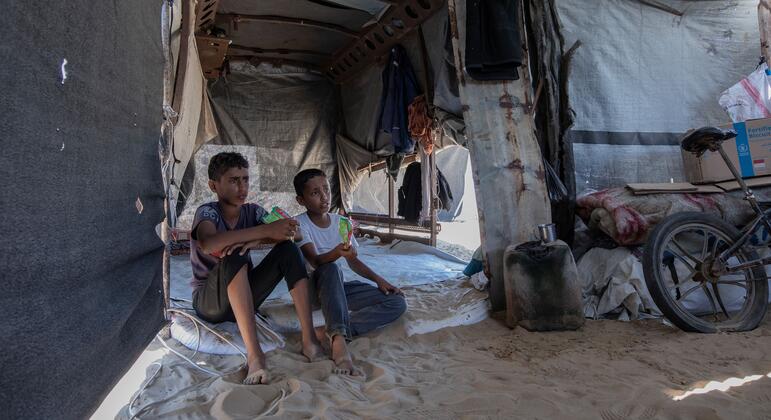
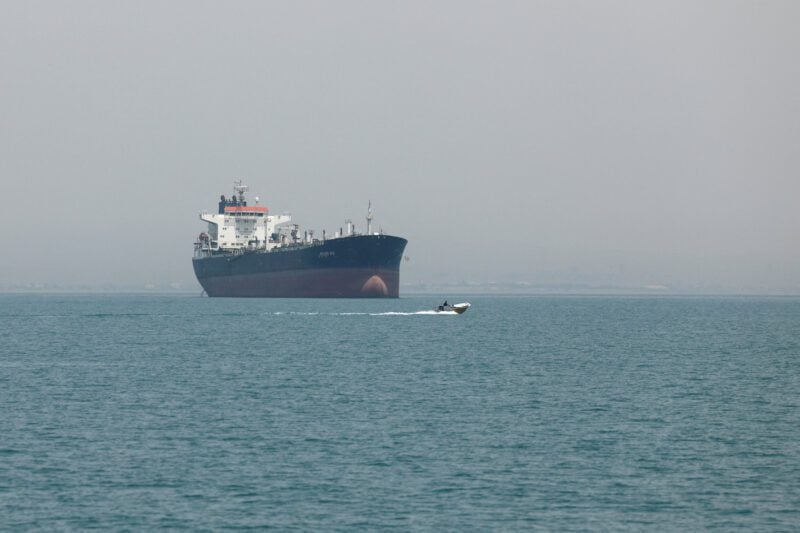
The conflict remains active across Iran, Israel, Jordan, southern Lebanon, Syria and Gaza. Israeli forces have continued strikes in southern Lebanon, Syria and Gaza, while Iran has threatened retaliation against neighbouring states that join US economic measures and has targeted Jordan with missile and drone barrages. Commercial traffic through the Strait of Hormuz remains well below pre-war levels, although Iranian authorities have permitted some Iraqi oil tankers to transit and US officials report substantially higher oil flows than commercial tracking data indicates. Humanitarian conditions in Gaza remain acute, with widespread shelter, water and sanitation needs.
Change from previous assessment
Since the 22 August brief, the assessment adds current reporting on Mohsen Rezaei's threats against neighbouring states, Iran's stated three-stage strategy beginning with talks, new Israeli strikes in southern Lebanon and Syria, an Israeli strike in central Gaza, Egypt-Iran foreign-minister contacts, and the departure of two US KC-135 aircraft from Bezmer. The assessment remains that Hormuz traffic will be severely constrained, but the new US oil-flow claims leave the scale of disruption unresolved. Confidence in the humanitarian judgement remains high, while confidence in the military, maritime, diplomatic and sanctions judgements remains medium because attribution, traffic volumes and diplomatic intent are still contested.
Key judgments
- Likely military activity will continue across Iran, Israel, Jordan, southern Lebanon, Syria and Gaza over the next 0-14 days. The IDF conducted new strikes in southern Lebanon on 23 August, UNIFIL recorded 86 Israeli airspace violations, nine airstrikes and 265 projectiles over the preceding reporting period, and Israeli forces conducted strikes in Syria and Gaza. Iran has targeted Jordan with heavy missile and drone barrages. This is an assessed judgement with medium confidence because the direction of activity is corroborated, but several current strike details rely on local-media reporting and some Iranian attack reporting lacks independent attribution. (Confidence: medium · ASSESSED)
- I&W: Confirm: UNIFIL records another Israeli airstrike or a further rise in airspace violations and projectiles in southern Lebanon, or local reporting confirms another Israeli strike in Beit Jin or central Gaza. (0-14 days)
- I&W: Break: Israel, Iran and associated forces report a sustained cessation of strikes across these locations, with no new confirmed Israeli strike or Iranian missile and drone barrage for 14 consecutive days. (0-14 days)
- Likely US personnel and military facilities in Jordan and the Gulf will remain exposed to Iranian attack over the next 0-14 days. Approximately 4,000 US defence personnel are stationed in Jordan, Iran has targeted Jordan with missile and drone barrages, Bahrain has activated air-raid sirens in response to an Iranian attack, and Iranian strikes have reportedly reached Al Udeid Air Base in Qatar. The departure of two US Air Force KC-135 aircraft from Bezmer in Bulgaria indicates a force-posture adjustment, not evidence of US disengagement. This is an assessed judgement with medium confidence because the presence of US personnel is well reported, while some attack details and their attribution rely on major-media reporting. (Confidence: medium · ASSESSED)
- I&W: Confirm: Jordan, Bahrain, Qatar or another Gulf state reports a new Iranian missile or drone launch against its territory or a US facility, followed by an official US force-protection announcement. (0-14 days)
- I&W: Break: Iranian authorities announce an end to attacks on US-linked facilities and regional governments report no new missile, drone or air-raid incidents for 14 consecutive days. (0-14 days)
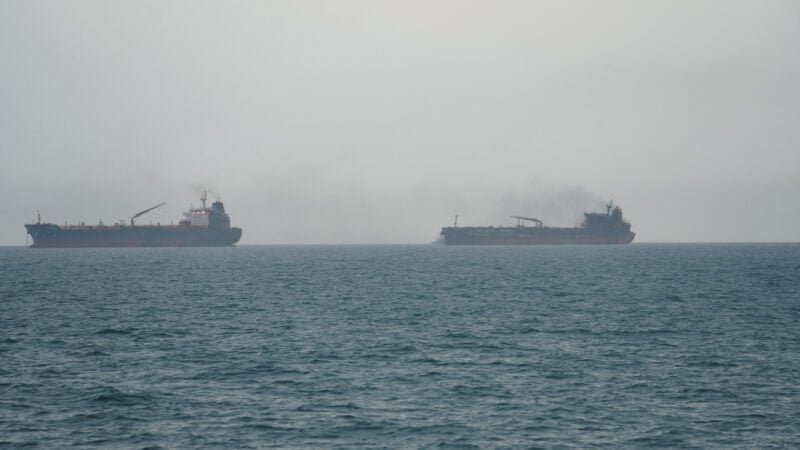
- Very likely ordinary commercial traffic through the Strait of Hormuz will remain well below pre-war levels over the next 0-14 days, while a complete closure remains unresolved. JMIC continues to rate the threat level as SEVERE and commercial tracking data shows much lower ordinary traffic, while other reporting describes traffic as effectively halted. Iran has granted passage to some Iraqi oil tankers, and US Energy Secretary Chris Wright has reported more than 15 million barrels moved during one operation and a seven-day average above 8 million barrels per day. This is an assessed judgement with medium confidence because commercial tracking and official US flow claims remain materially inconsistent. (Confidence: medium · ASSESSED)
- I&W: Confirm: JMIC retains the SEVERE rating and commercial vessel-tracking data continues to show ordinary traffic below pre-war levels, despite further limited Iraqi tanker exemptions. (0-14 days)
- I&W: Break: JMIC lowers the threat rating and commercial tracking shows sustained restoration of ordinary traffic for seven consecutive days, with no new reported attacks in the strait. (0-14 days)
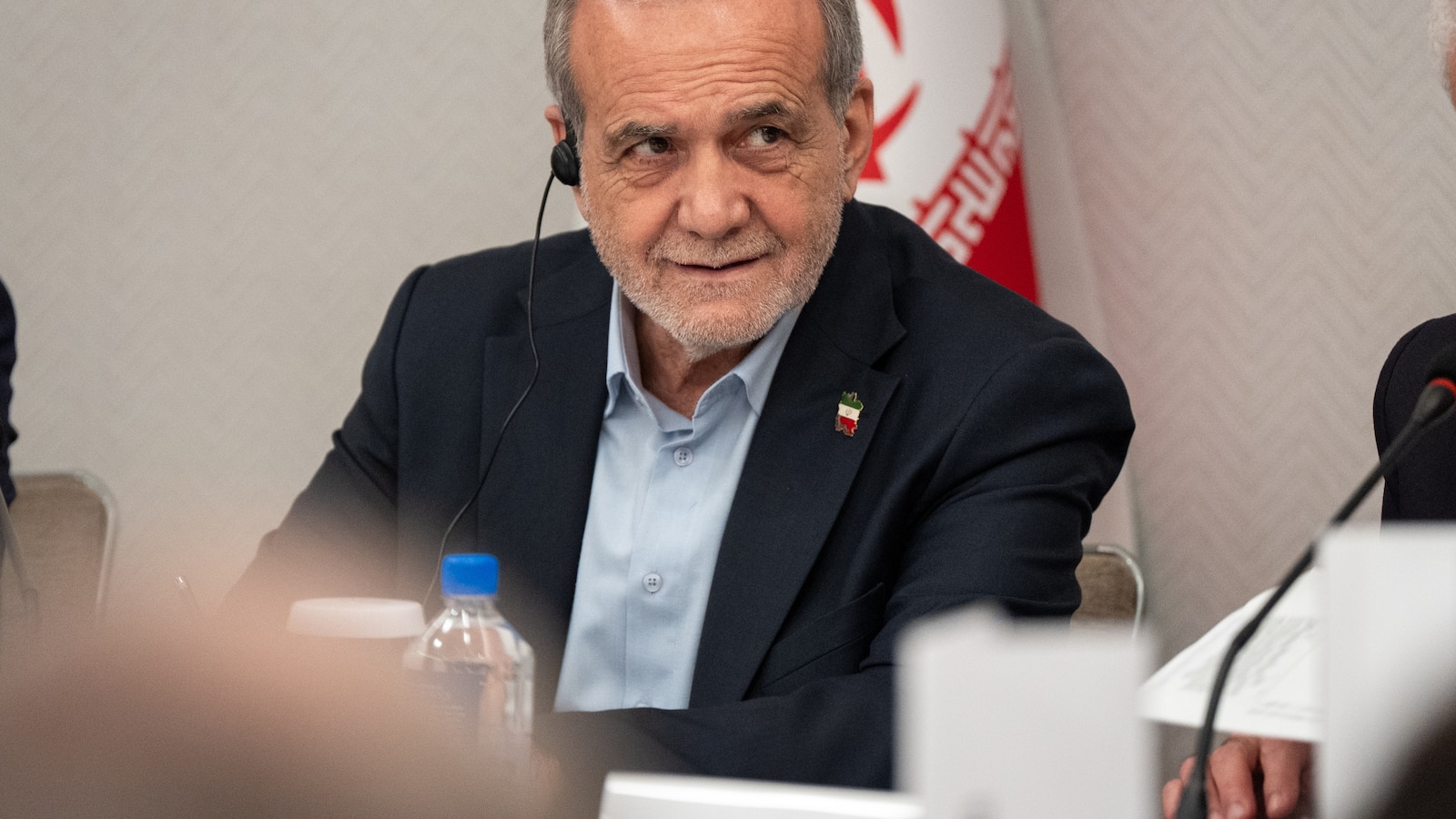
- Roughly even chance Egypt-Iran contacts will sustain a limited diplomatic channel over the next 0-30 days, but unlikely that they will produce a durable US-Iran settlement. Egyptian Foreign Minister Badr Abdelatty and Iranian Foreign Minister Abbas Araghchi discussed negotiations and regional developments on 23 August, while Mohsen Rezaei described an Iranian strategy that begins with talks to de-escalate tensions. Iran's president has defended a memorandum with the United States, but separate reporting states that there is no meaningful dialogue. This is an assessed judgement with medium confidence because the Egyptian contact is current and corroborated, whereas the scope of negotiations and the status of the memorandum remain unclear. (Confidence: medium · ASSESSED)
- I&W: Confirm: Badr Abdelatty and Abbas Araghchi hold another publicly acknowledged contact, or Egypt announces a concrete timetable or framework for renewed Iran-US negotiations. (0-30 days)
- I&W: Break: Donald Trump or Iranian officials publicly disavow further dialogue and no Egyptian, Iranian or US follow-up contact is reported for 14 days. (0-30 days)
- Very likely humanitarian pressure will persist in Gaza and the occupied West Bank over the next 1-3 months, while Israeli military activity will continue to damage essential infrastructure. UN agencies report that 94 per cent of Gaza's 2.1 million residents need shelter, more than four out of five families face critical or catastrophic living conditions, and about 90 per cent of water and sanitation infrastructure has been damaged or destroyed. Up to 70 per cent of people cannot collect the minimum six litres of water per person per day, water prices have risen by up to 500 per cent, and UN partners estimate that $562 million is needed to improve living conditions. This is an assessed judgement with high confidence because UN, multilateral, major-media and official government reporting corroborate the direction of humanitarian deterioration. (Confidence: high · ASSESSED)
- I&W: Confirm: UN agencies report that the shelter, water-access or critical-living-condition figures remain at or above current levels, or report further damage to water and sanitation infrastructure in Gaza and the West Bank. (1-3 months)
- I&W: Break: UN agencies report that fewer than four out of five Gaza families face critical or catastrophic conditions and that the assessed $562 million requirement has materially declined through verified aid access. (1-3 months)
- Very likely US economic pressure on Iran and Iranian coercive warnings against neighbouring states will intensify over the next 0-30 days. The US is pursuing harsher sanctions, Donald Trump has vowed to intensify economic warfare, and a further sanctions announcement is expected. Mohsen Rezaei has warned neighbouring countries against joining US measures, stated that participating states will be regarded as enemies, and threatened retaliation against their interests and oil-shipping routes. This is an assessed judgement with medium confidence because the US policy direction is reported across several sources, but the timing of further measures and the conversion of Iranian threats into action remain uncertain. The apparent contradiction between warnings and threats reflects varying formulations of the same coercive policy rather than a settled operational decision. (Confidence: medium · ASSESSED)
- I&W: Confirm: the Trump administration announces further sanctions against Iran and an Iranian official names a specific state, port, energy facility or shipping route as a retaliation target. (0-30 days)
- I&W: Break: no further US sanctions are announced and Iranian officials withdraw the threats against states joining US economic measures for 30 days. (0-30 days)
Outlook & scenarios
Continued attritional conflict and constrained shipping (58%)
Likely over the next 0-14 days, Israeli strikes in southern Lebanon, Syria and Gaza continue alongside Iranian missile and drone pressure affecting Jordan and US-linked facilities. Ordinary commercial traffic through the Strait of Hormuz remains below pre-war levels, with limited Iraqi tanker passages continuing.
Limited mediated de-escalation (30%)
A limited Egyptian channel sustains contact between Iran and the United States over the next 0-30 days. Iran maintains restricted maritime exemptions and Israel reduces some activity without reaching a durable settlement. A complete restoration of Hormuz traffic remains unlikely.
Wider regional strike cycle (14%)
Unlikely over the next 0-30 days, but high impact if Iran carries out threatened retaliation against a Gulf state, a US facility in Jordan, Bahrain, Qatar or the UAE, or oil-shipping routes outside the Strait of Hormuz. Such an incident would raise pressure for further US sanctions and widen the conflict's economic effects.
High-impact maritime or infrastructure miscalculation (8%)
Very unlikely, but high impact if a disputed attack on commercial shipping or oil infrastructure produces direct US-Iran escalation. Conflicting reporting on Hormuz traffic and Iranian warnings against alternative oil routes would complicate attribution and delay diplomatic containment.
Recommendations
- Produce a daily reconciled Strait of Hormuz traffic estimate that separates ordinary commercial movements, US-facilitated transits, Iraqi tanker exemptions and oil volumes reported by US officials. Flag the discrepancy between JMIC, commercial tracking data and US Energy Secretary Chris Wright.
- Maintain a 0-14 day warning watch on Jordan, Bahrain, Qatar and the UAE. Track Iranian missile and drone launches, air-raid sirens, strikes on Al Udeid Air Base, and any new incidents near the approximately 4,000 US defence personnel in Jordan.
- Track the two KC-135 aircraft that left Bezmer and any further changes involving US air assets or facilities in the region. Treat departures as posture adjustments until corroborated by broader force movements or official policy statements.
- Follow Badr Abdelatty, Abbas Araghchi, Mohsen Rezaei, Donald Trump and Masoud Pezeshkian for concrete evidence of negotiations, including a meeting schedule, written framework, maritime deconfliction mechanism or formal rejection of talks.
- Use UNIFIL reporting to monitor Israeli airspace violations, airstrikes and projectile counts in southern Lebanon. Keep reporting on Syria and Gaza separate from Iranian activity to avoid conflating theatres and attributions.
- Track Gaza shelter, water access, sanitation damage, water prices and the $562 million UN funding requirement as the primary humanitarian indicators. Reassess the humanitarian judgement if UN reporting shows sustained improvement in each measure.
Confidence & uncertainty
Overall confidence is high for the broad direction of the situation because current military activity, humanitarian conditions and maritime disruption are supported by UN, official government, multilateral, commercial-tracking and major-media reporting. The main uncertainties concern the scale of actual traffic through the Strait of Hormuz, attribution of some Iranian and Israeli actions, the operational meaning of public threats, and the status of US-Iran diplomatic contacts. Several individual judgements therefore remain at medium confidence despite strong corroboration of the wider trend.
Intelligence gaps
- [EEI 1.1 · UNCOVERED] Movement, dispersal, or emplacement of Iranian conventional or IRGC heavy assets (ballistic missile launchers, Khoramshahr/Toofan-class missile transporters, ground-to-ground TELs, air defense batteries, amphibious units) from garrison areas toward forward bases or coastal launch sites. Recommended collection: satellite/IMINT
- [EEI 1.2 · PARTIAL] Authenticated Iranian military orders, NSC/IRGC operations directives, or senior leadership statements explicitly directing strikes against Israel or US forces or authorizing cross-border operations. Recommended collection: human/diplomatic
- [EEI 1.3 · UNCOVERED] Changes in Israeli and US force posture indicating anticipation of direct large-scale conflict, elevated readiness levels, mobilization notices, pre-positioning of munitions, or public/private orders to prepare offensive strikes. Recommended collection: open-source/diplomatic
- [EEI 2.1 · UNCOVERED] Observable pre-launch preparations for missile/rocket/cruise missile strikes (fueling, warhead mating, launcher orientation, support vehicle congregation) and abnormal munitions handling at known launch sites. Recommended collection: satellite/IMINT
- [EEI 2.2 · UNCOVERED] Indications of proxy arms shipments and weapons transfers (truck convoys, small boat transfers, container movements from Iran to proxies, new stockpiles in Lebanon, Iraq, Yemen, Syria). Recommended collection: maritime/AIS
- [EEI 2.3 · UNCOVERED] Evidence of cyber attack planning or active exploitation campaigns targeting Israeli or US military/critical infrastructure (emergence of new command-and-control servers, spear-phishing campaigns against defense personnel, successful intrusions). Recommended collection: cyber
- [EEI 3.1 · UNCOVERED] Movements and posture changes of US regional platforms (carrier strike groups, amphibious ready groups, B-52/B-1/B-2 or fighter deployments, missile defense assets repositioning) and associated armament loadouts. Recommended collection: satellite/IMINT
- [EEI 3.2 · UNCOVERED] Official or leaked US government/diplomatic communications indicating thresholds for strikes, authorization for offensive operations, or limits on action (NSC/DoD statements, congressional notifications, diplomatic notes). Recommended collection: diplomatic/human
- [EEI 3.3 · UNCOVERED] Changes in US base force-protection measures and rules of engagement at regional facilities (base lockdowns, evacuation notices, flight restrictions, activation of Local Defense Forces or missile intercept systems). Recommended collection: open-source/local reporting
- [EEI 4.1 · PARTIAL] Hezbollah-specific indicators: convoys and logistics movements toward Lebanon, Israel border, artillery/rocket emplacement in southern Lebanon, documented strikes-preparation activity, public mobilization orders or recruitment drives. Recommended collection: satellite/IMINT
- [EEI 4.2 · PARTIAL] Houthi-attributed maritime attack indicators: AIS anomalies/loss of contact for commercial vessels, reports of missile/drone strikes or near-miss incidents in Bab al-Mandeb/Red Sea, Houthi claims paired with imagery of weapons launches. Recommended collection: maritime/AIS
- [EEI 4.3 · UNCOVERED] Militia cross-border attack evidence from Iraq/Syria: recorded rocket/mortar launch events into Israel or strikes against US facilities, movement of armed convoys toward border areas, and intercepted communications coordinating cross-border operations. Recommended collection: signals/ELINT
Cited sources
[1] The Jerusalem Post · Live Updates: Latest from Israel, Iran, and the Middle East | The Jerusalem Post (A) · sha256:0af5ca3ee6e6 [2] United Nations · Middle East: 94 per cent need shelter in Gaza, Israel ramps up demolitions in Lebanon (A) · sha256:aa5d2b0f402c [3] The Chenab Times · Iran Warns Neighbors Over US Economic Sanctions (D) · sha256:0ad5ae6101aa [4] abc.net.au · Jordan caught in Iran-US-Israel war crossfire (A) · sha256:e2ab3672b943 [5] Wikipedia · Timeline of the 2026 Iran war (B) · sha256:68c2183aa2e6 [6] Wikipedia · 2025 United States strikes on Iranian nuclear sites (B) · sha256:8c3d51c58277 [7] independent.co.uk · Iran-US war latest: Tehran warns of ‘earthquake-like’ retaliation over Trump’s ‘economic D-Day’ threats (B) · sha256:fa8445838d49 [8] livemint.com · US-Iran war: Crude oil price is key | Is Tehran writing the obituary of Turkey-Pakistan-Saudi Arabia's defence pact? (B) · sha256:8eb13c9f3fe5 [9] aljazeera.com · Iran warns of retaliation against countries joining US ‘economic war’ (A) · sha256:29d604d5d361 [10] gcaptain.com · Iran Grants Permission For A Number Of Iraqi Oil Tankers To Pass Through Hormuz (A) · sha256:b05a196bce7e [11] gcaptain.com · Trump Administration Claims Massive Oil Flows Through Hormuz But Industry Data Raises Questions (B) · sha256:8f4f24a9f59d [12] abcnepal.tv · Iran Bolsters Weapons Production Amidst Ongoing Tensions With US (B) · sha256:ce343b4abc77 [13] aljazeera.net · أخبار إيران | إيران | الجزيرة نت (A) · sha256:31704eab9823 [14] abcnews.com · Iran’s president says US memorandum is best path out of stalled war, and other Middle East news (A) · sha256:08812a136ab1 [15] Wikipedia · 2026 Iran war (B) · sha256:ae7555365c1d [16] Al Jazeera · Where water conflicts pose the biggest threat in 2026 (A) · sha256:352388d33969 [17] redflag.org.au · US imperialism and the war in Iran (C) · sha256:391b0a8247a1 [18] The Guardian · US-Israel war on Iran | The Guardian (A) · sha256:a24e25e6fd76 [19] aljazeera.com · Iran war live: Tehran warns neighbours against joining US economic war (B) · sha256:7efc4da2fd33
Source content hashes were computed at collection time; the cited text is preserved unmodified for the life of this product.
TLP:CLEAR