TLP:CLEAR · Disclosure is not limited.
Iran-Israel Conflict: Regional Pressure Remains High
Time window: Last 1 day · Audience: General analyst · Type: Situation report · DTG: 2026-08-23 12:36Z · Overall confidence: MEDIUM
BLUF
Regional tensions are likely to remain high through 6 September 2026, with Israeli military activity in Lebanon and Syria, reported Iranian missile and drone attacks, and constrained shipping around the Strait of Hormuz and Bab el-Mandeb. Egypt-Iran contacts and Pakistan's planned 24 August visit to Tehran provide diplomatic channels, but the reporting does not show an implemented US-Iran de-escalation arrangement.
Executive summary
The reporting indicates sustained military pressure across southern Lebanon, Syria and the wider Gulf, alongside severe humanitarian conditions in Gaza. Commercial shipping remains disrupted, although reported oil-flow figures through the Strait of Hormuz conflict with vessel-tracking data. Diplomatic activity involving Egypt, Iran and Pakistan is increasing, but implementation of any US-Iran arrangement remains unresolved. Overall confidence is medium because high-reliability reporting corroborates several humanitarian and UNIFIL claims, while many military and diplomatic accounts are undated, single-source or internally inconsistent.
Change from previous assessment
Compared with the 22 August 2026 brief, the headline assessment rises from low to medium confidence because the current package provides stronger corroboration for Gaza conditions and more detailed reporting on Hormuz traffic. The shipping judgment is narrowed to Hormuz and Red Sea routing because the current package does not provide corroborated support for the earlier Gulf of Aden and Somalia hijacking concern. The previous Iran economic-constraint judgment is retired as a standalone assessment because the current reporting does not establish a direct link between economic pressure and Iranian military decisions. A low-confidence judgment on possible Israel-Turkey miscalculation in Syria is added, while the diplomatic judgment now separates increased contact from an implemented US-Iran agreement.
Key judgments
- Regional military escalation is likely to persist through 6 September 2026, concentrated on southern Lebanon, Syria and Iranian strikes against Israel, US bases and Arab countries. UNIFIL reported 86 Israeli airspace violations, and reporting recorded 265 Israeli projectiles launched by Israeli forces in Lebanon on 20 August. Other accounts describe Israeli strikes on Abu al-Duhur in Syria and Iranian missile and drone responses. The Iran-related accounts are undated or medium-confidence, so this assessment does not establish a continuous sequence of new Iran-Israel exchanges. Confidence is medium because UNIFIL reporting provides strong corroboration for activity over Lebanon, while attribution and chronology for the wider exchange remain contested. (Confidence: medium · ASSESSED)
- I&W: UNIFIL reports additional Israeli airspace violations alongside new Israeli strikes or projectile launches in southern Lebanon. (0-14 days)
- I&W: Israel and Iran announce and observe a verified cessation of missile, drone and air activity for 14 consecutive days. (0-14 days)
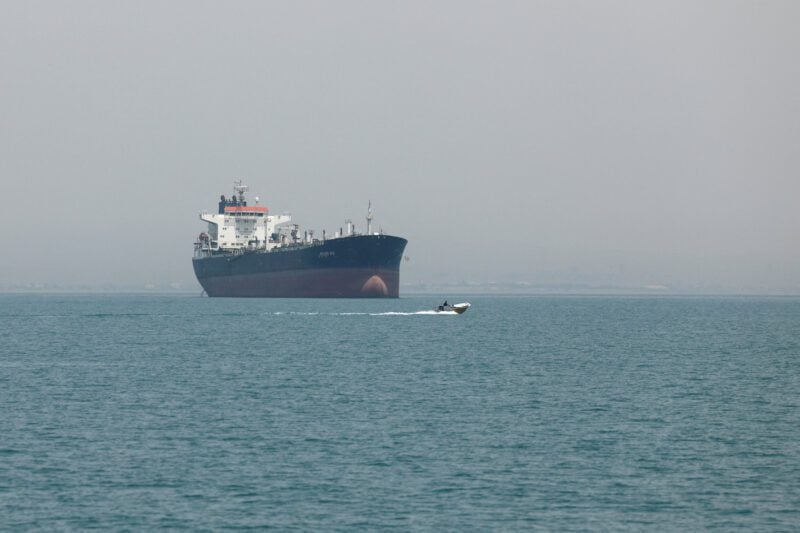
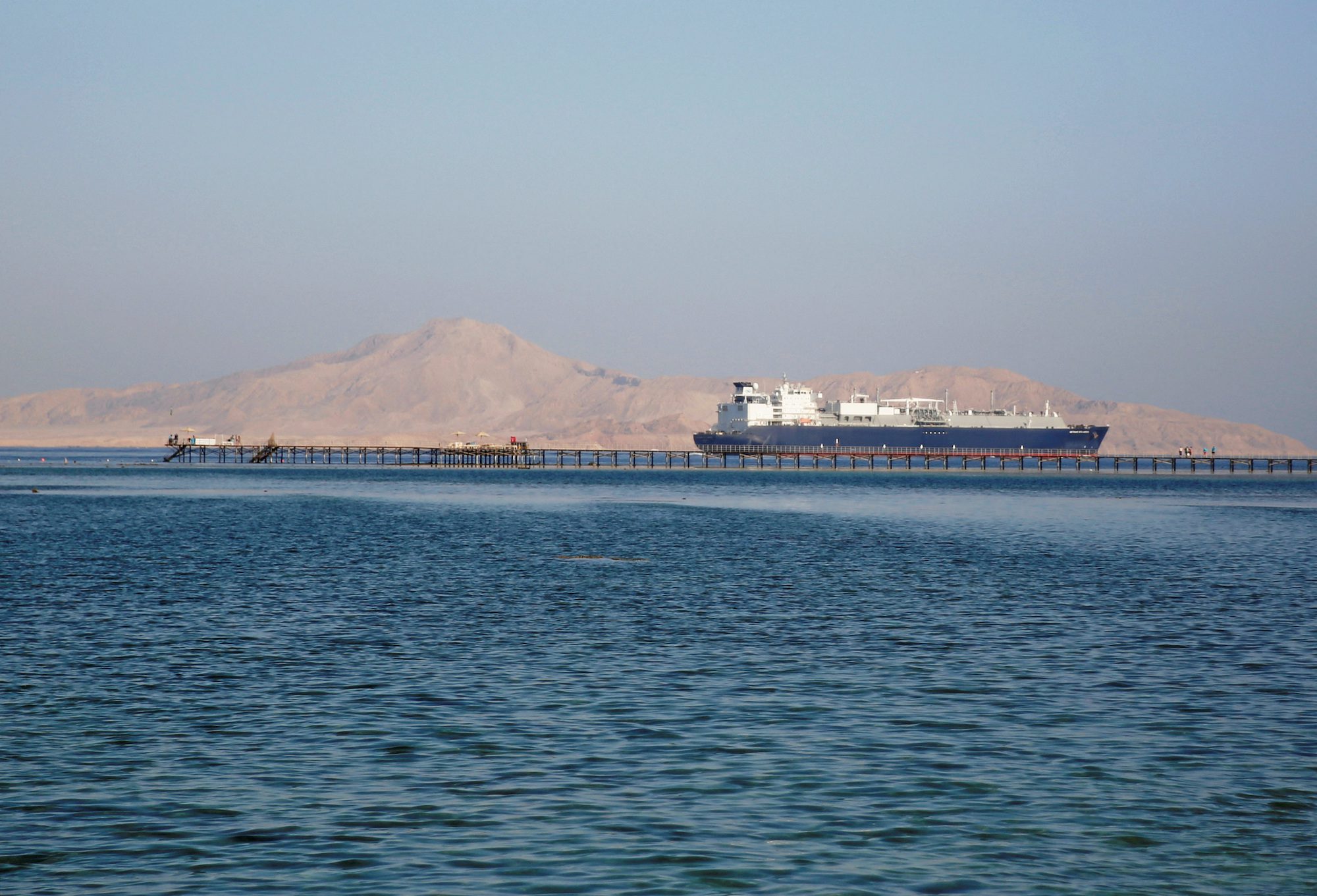
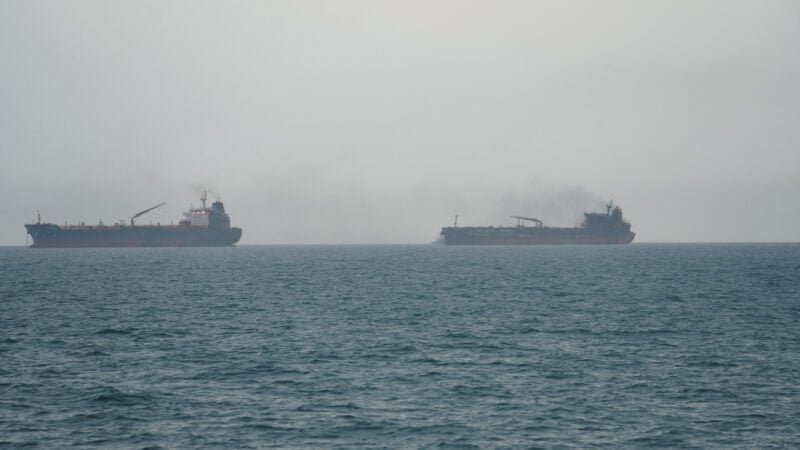
- Commercial shipping disruption is very likely to persist through 6 September 2026. Shipowners including Sinokor Group are routing Saudi Arabian crude through the northern Red Sea, JMIC rates the Strait of Hormuz threat level as SEVERE, and commercial tracking data show ordinary traffic below pre-war levels. Kpler reported 95 confirmed Hormuz crossings last week, a 19.5 per cent decline, while US Energy Secretary Chris Wright reported flows of more than 15 million barrels on Tuesday and a seven-day average above 8 million barrels per day. The direction of disruption is corroborated, but the volume of traffic remains unresolved. Confidence is medium because JMIC, Kpler and commercial tracking support reduced traffic, while official US flow figures conflict with those measures. (Confidence: medium · ASSESSED)
- I&W: JMIC retains a SEVERE rating and Kpler records fewer than 95 confirmed weekly Hormuz crossings. (0-14 days)
- I&W: Kpler and commercial vessel-tracking data show crossings returning to pre-war levels, accompanied by a lower JMIC threat rating. (0-14 days)
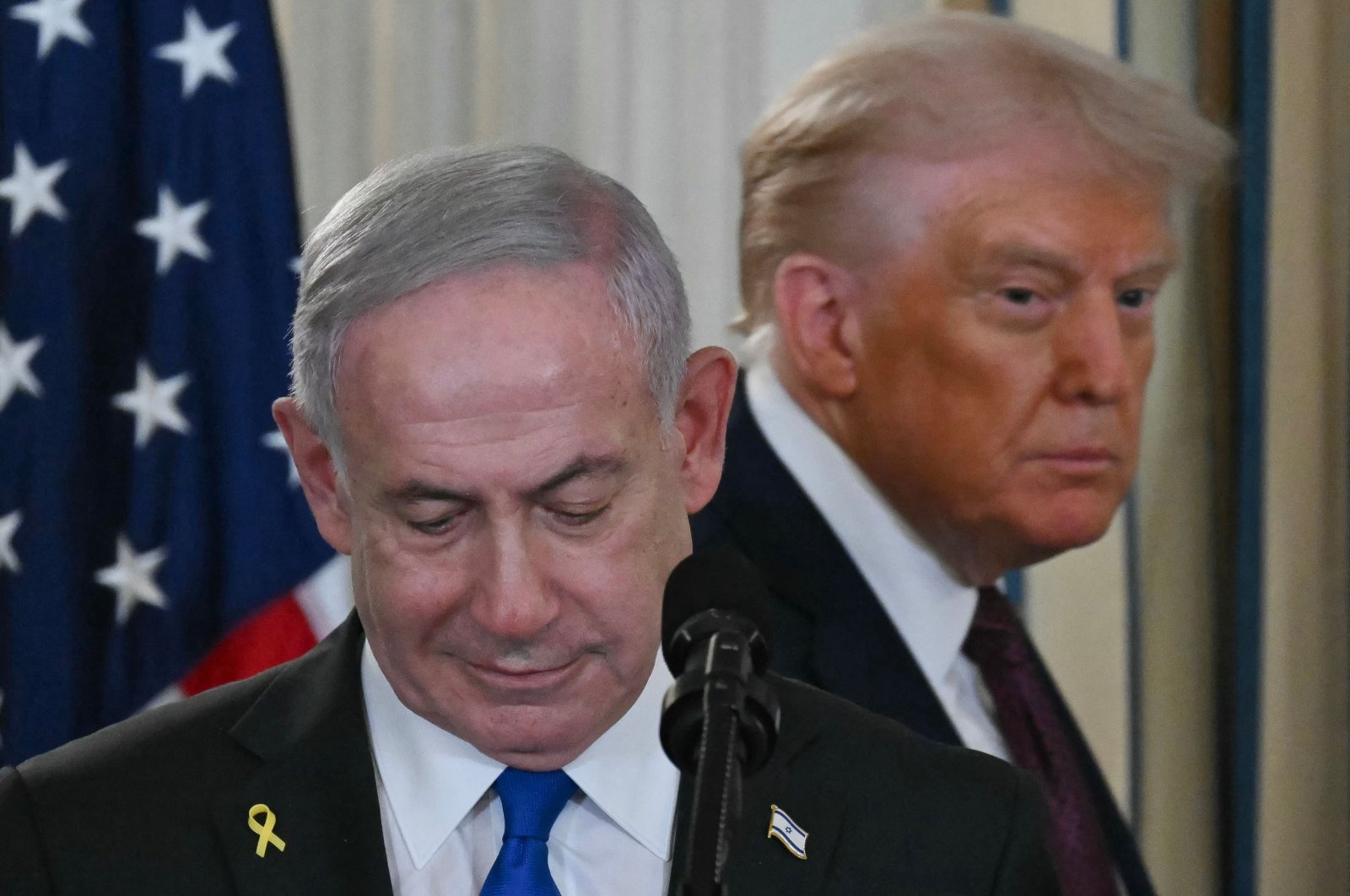
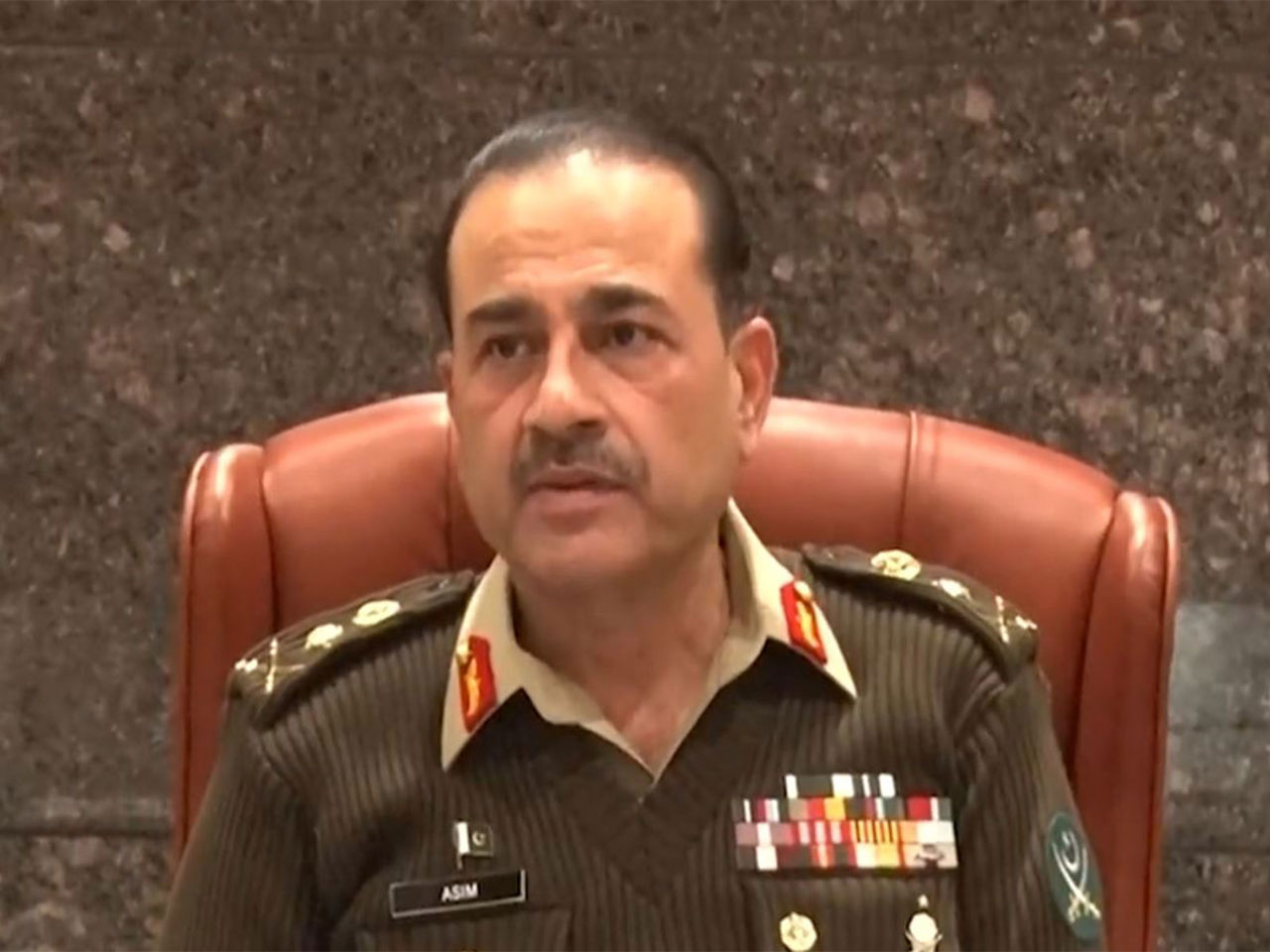
- A formal US-Iran de-escalation arrangement is unlikely by 6 September 2026, although diplomatic activity is likely to increase around Egypt, Pakistan and Tehran. Egyptian and Iranian foreign ministers discussed de-escalation and stalled implementation of a Tehran-Washington memorandum, while Pakistan has taken a stated mediation role and Pakistani Army chief Asim Munir is scheduled to visit Tehran on 24 August. The reporting does not provide agreed implementation terms or direct evidence of US participation in the latest contacts. Confidence is low because the claims concerning mediation, the planned visit and the stalled memorandum are mainly single-source, medium-confidence or undated. (Confidence: low · ASSESSED)
- I&W: Following Munir's visit, Iranian or Pakistani officials continue to describe the US-Iran process as stalled without publishing implementation terms. (0-14 days)
- I&W: Iran and the US announce direct talks with a timetable and agreed implementation measures. (0-14 days)
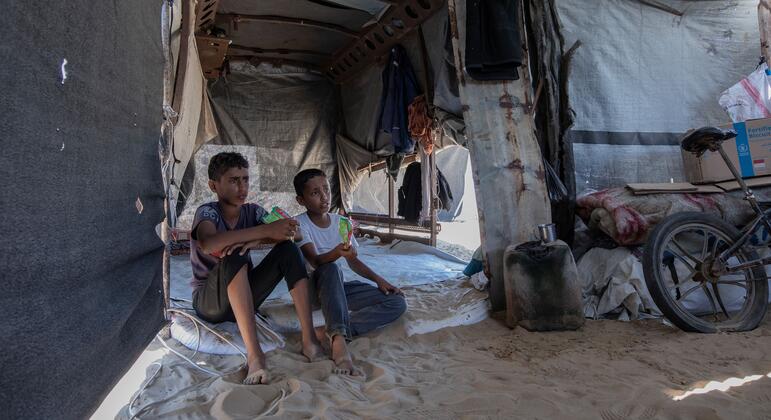
- Gaza's humanitarian pressure is very likely to remain severe through 30 November 2026. UN agencies and peacekeepers reported that 94 per cent of Gaza's 2.1 million residents need shelter, UNICEF reported that 1.9 million people remain displaced, and about 90 per cent of water and sanitation infrastructure has been damaged or destroyed. MSF reported water-price increases of up to 500 per cent, UN partners estimate $562 million is needed to improve living conditions, and Israeli restrictions impede aid deliveries. The displacement figure is medium-confidence and is not independently reconciled with the shelter estimate. Confidence is high because UN, UNICEF, WFP, MSF and UK government reporting provides broad corroboration, although some figures are undated. (Confidence: high · REPORTED)
- I&W: UN agencies continue to report shelter needs near 94 per cent, aid restrictions and damage to water and sanitation infrastructure. (1-3 months)
- I&W: UN agencies report sustained access for shelter, water and sanitation repairs, with aid deliveries expanding beyond current WFP coverage. (1-3 months)
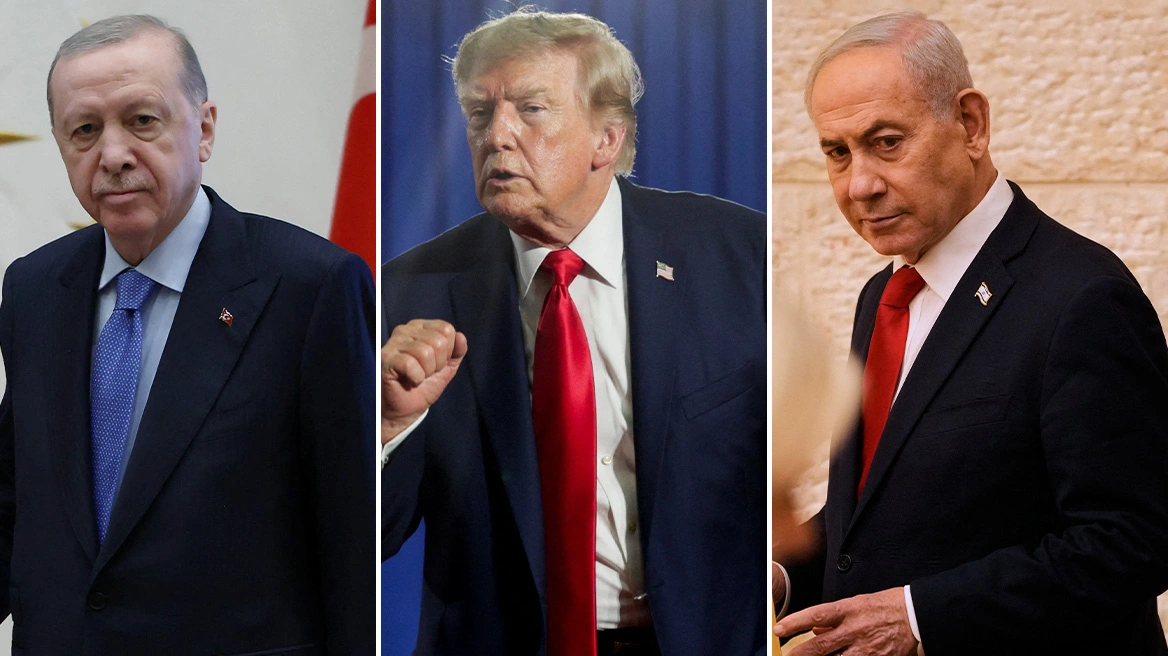
- An unintended direct Israel-Turkey confrontation in Syria is unlikely through 6 September 2026, but the immediate risk is concentrated on Israeli strikes tied to Turkish military activity and a Turkish response. Israel has stated that it will not accept Turkish presence in Syria, while Turkey has maintained a military presence in northern Syria and Syria and Turkey have rejected claims of a permanent Turkish deployment. US officials have stated that Washington aims to avoid a direct confrontation, while Turkey's Defence Ministry called Israeli claims about a strike baseless. Confidence is low because the reporting is largely undated, medium-confidence and internally contested. (Confidence: low · ASSESSED)
- I&W: Israel conducts a strike explicitly involving Turkish personnel or bases in Syria, followed by a Turkish military response. (0-14 days)
- I&W: Israel and Turkey announce a public deconfliction mechanism or status quo for Syria, with no further strikes involving the other party for 14 days. (0-14 days)
Outlook & scenarios
Persistent but contained regional exchanges (55%)
Israeli activity in southern Lebanon and Syria continues, Iranian missile and drone activity remains episodic, and shipping operators sustain diversions around the Strait of Hormuz and Bab el-Mandeb. Egypt, Pakistan and other intermediaries maintain contact without securing a formal US-Iran arrangement.
Managed diplomatic pause (25%)
The 24 August visit to Tehran and Egypt-Iran contacts produce a limited understanding on selected issues, such as vessel passage or communication channels. Military activity decreases without a comprehensive settlement, and commercial traffic improves gradually rather than returning immediately to pre-war levels.
Maritime shock and wider regional pressure (15%)
A further incident involving commercial shipping or disagreement over US-facilitated passage through the Strait of Hormuz causes traffic to fall further. Saudi crude continues to use northern routes, Gulf states face additional pressure, and diplomatic efforts become focused on preventing a broader conflict.
Direct Israel-Turkey clash in Syria (5%)
An Israeli strike explicitly involving Turkish military activity triggers a Turkish response in Syria and urgent US crisis mediation. The scenario is low probability but high impact because it would add a direct confrontation between two regional military actors to the existing Iran-Israel conflict.
Recommendations
- Maintain a 0-14 day watch focused on UNIFIL reporting, Israeli strikes and projectile launches in southern Lebanon, Iranian missile and drone activity, and any incident involving US bases or Arab states.
- Reconcile Hormuz traffic data daily across JMIC, Kpler, commercial vessel tracking and official US flow figures. Record confirmed crossings, route used, vessel type and any change in the SEVERE threat rating.
- Track the 24 August Tehran visit by Pakistani Army chief Asim Munir for concrete outcomes, including direct US-Iran contact, implementation terms, vessel-passage arrangements or a scheduled follow-up meeting.
- Separate diplomatic statements from implemented measures in all reporting. Do not assess de-escalation as effective until the parties publish terms and observable compliance follows.
- Use the current Gaza shelter, displacement, water and aid-access figures as baselines for weekly updates. Distinguish changes in need from changes in reporting coverage and aid-delivery access.
- Verify every Syria-related strike report against Israeli, Turkish, Syrian and US statements before attributing involvement to Turkish forces. Escalate reporting priority if a strike involves Turkish personnel, bases or aircraft.
- Retain the Iran economic-pressure issue as a background factor rather than a standalone military forecast until reporting establishes a direct link between economic damage, sanctions policy and a change in Iranian military behaviour.
Confidence & uncertainty
Overall confidence is medium. Multiple high-reliability multilateral and official sources corroborate Gaza's humanitarian conditions and UNIFIL's reporting on Israeli activity over Lebanon. Shipping reporting has partial corroboration from JMIC, Kpler and commercial tracking, but official US flow figures conflict with those measures. Many Iran-Israel and Syria-Turkey military accounts are undated or based on single-source major-media and think-tank reporting, leaving chronology and attribution unresolved.
Intelligence gaps
- [EEI 1.1 · PARTIAL] Number, type, launch times, and trajectories of ballistic missiles, cruise missiles, armed UAV strikes, and combat-air sorties launched by Iranian or Israeli forces toward the other's territory or forward bases within a 72-hour window. Recommended collection: signals/intel
- [EEI 1.2 · PARTIAL] Observable changes in Israeli and Iranian force posture: mobilization or reserve call-up orders, unit road/rail movements, dispersal or sortie rates of air squadrons, redeployment of air-defense batteries, and activation of civil-defense alerts or sirens in major population centers. Recommended collection: open-source/media
- [EEI 1.3 · PARTIAL] Indications of strike authorization or targeting preparations in Iranian or Israeli command chains: authenticated public orders by senior commanders, detected increases in encrypted communications consistent with targeting, or visible movement of strike munitions to launch/storage sites. Recommended collection: signals/intel
- [EEI 2.1 · PARTIAL] Counts, launch locations (coordinates), weapons types, and assessed damage from rocket/missile/drone strikes originating from Lebanon into northern Israel attributed to Hezbollah or allied groups. Recommended collection: open-source/media
- [EEI 2.2 · UNCOVERED] Reported attacks by Iranian-backed militias in Iraq and Syria: rocket/IED strikes on bases hosting US/coalition or Israeli personnel, documented militia unit movements toward borders, and captured movement or transfer of weapons systems to forward militia positions. Recommended collection: human
- [EEI 2.3 · PARTIAL] Maritime harassment or attacks by proxies (e.g., Houthis): incidents of missile/rocket strikes against commercial vessels, small-boat swarm attacks, discovery or detonation of naval mines, and corresponding AIS anomalies in the Red Sea, Gulf of Aden, or southern Arabian Gulf. Recommended collection: maritime/AIS
- [EEI 3.2 · PARTIAL] Concrete diplomatic and political actions: emergency UN/Arab League meetings called, official embassy evacuation orders, public declarations of intent to interpose or protect shipping/airspace, and newly announced sanctions or arms-transfer approvals tied to the conflict. Recommended collection: diplomatic
- [EEI 3.3 · PARTIAL] Immediate commercial and market indicators: rerouting of commercial tankers and container vessels (e.g., avoidance of Bab el-Mandeb or Strait of Hormuz), sudden spikes in war-risk insurance premiums for regional sea lanes, temporary port closures, and near-term price moves in regional benchmark crude tied to incidents. Recommended collection: financial/market
Cited sources
[1] United Nations · Middle East: 94 per cent need shelter in Gaza, Israel ramps up demolitions in Lebanon (A) · sha256:aa5d2b0f402c [2] middleeasteye.net · Israel has no intention of escalating tensions with Turkey, foreign minister says (B) · sha256:3535c792504f [3] ProtoThema English · Turkey and Israel's rivalry raises fears of a dangerous miscalculation in Syria - ProtoThema English (B) · sha256:c31926b2cc6d [4] Wikipedia · Reactions to the 2026 Iran war (B) · sha256:32d813375717 [5] Wikipedia · 2026 Iran war (B) · sha256:ae7555365c1d [6] gcaptain.com · Saudis Shuttle Oil North On Tankers To Evade Houthis (B) · sha256:fd19a55cf7c4 [7] gcaptain.com · Trump Administration Claims Massive Oil Flows Through Hormuz But Industry Data Raises Questions (B) · sha256:8f4f24a9f59d [8] gcaptain.com · Iran Grants Permission For A Number Of Iraqi Oil Tankers To Pass Through Hormuz (A) · sha256:b05a196bce7e [9] Yenisafak · Egypt, Iran FMs discuss de-escalation, US deal (B) · sha256:028494109e56 [10] devdiscourse.com · Diplomatic Endeavors: Pakistan's Army Chief's Upcoming Tehran Visit (B) · sha256:688aa6ed2a9e [11] rferl.org · Iran Hangs Another January Protester As Surge In Executions Continue (A) · sha256:26cf6ddcaf8e [12] Al Jazeera · Where water conflicts pose the biggest threat in 2026 (A) · sha256:352388d33969 [13] gov.uk · Minister renews calls for Israel to allow more aid into Gaza on first visit to the region (A) · sha256:ba76e538e65a [14] Daily Sabah · Israel, Türkiye tensions: Where does U.S. stand? | Daily Sabah (B) · sha256:721b29ebd74c [15] israeldefense.co.il · Analysis | Israel and Turkey: Rivals, Not Enemies (C) · sha256:2109f1d5354a
Source content hashes were computed at collection time; the cited text is preserved unmodified for the life of this product.
TLP:CLEAR