TLP:CLEAR · Disclosure is not limited.
Iran-Israel Conflict: Regional Spillover and Hormuz Disruption
Time window: Last 1 day · Audience: General analyst · Type: Situation report · DTG: 2026-09-04 18:43Z · Overall confidence: HIGH
BLUF
Very likely US-Iran military exchanges will continue over the next 0-14 days, with Iranian attacks already reaching US facilities in Jordan, Kuwait and Bahrain and with US deployments extended through 2027. Likely regional spillover and severe Strait of Hormuz disruption will persist, while diplomatic activity has not yet produced a durable halt.
Executive summary
The conflict remains active despite competing official claims that fighting has stopped or that Strait of Hormuz oil transit has returned to normal. Iran has attacked US facilities and commercial shipping, while the Houthis have targeted Saudi-linked maritime and energy interests. US sanctions, blockade measures and military deployments are expanding the pressure on Tehran. Kpler shipping data, market prices and war risk premiums indicate continued disruption, although the scale of the blockade and the precise civilian toll from US strikes in Iran remain contested. China and Egypt, Qatar, the UAE and Pakistani mediators are pursuing diplomatic channels, but current reporting does not establish a durable ceasefire.
Change from previous assessment
This brief broadens the assessment from continued US-Iran exchanges to sustained regional spillover. New reporting adds Houthi attacks on Saudi-linked maritime and energy interests, reported Iranian strikes on Gulf energy infrastructure, continued Israeli military activity in southern Lebanon and contested preparations for a South Korean Hormuz deployment. Confidence in the shipping disruption assessment remains medium, but the evidence base is stronger because Kpler now reports four commodity vessels on 3 September and only two very large crude carriers during the week, despite JD Vance's claim that flows had returned to about 15 million barrels per day. The diplomatic assessment remains unlikely for a durable halt, but China-Egypt, Qatar-UAE and Pakistani channels are now more prominent. The civilian casualty judgement remains low confidence because the wedding strike location, casualty count and attribution are still disputed. Initial assessment of the wider regional spillover and South Korean deployment issues.
Key judgments
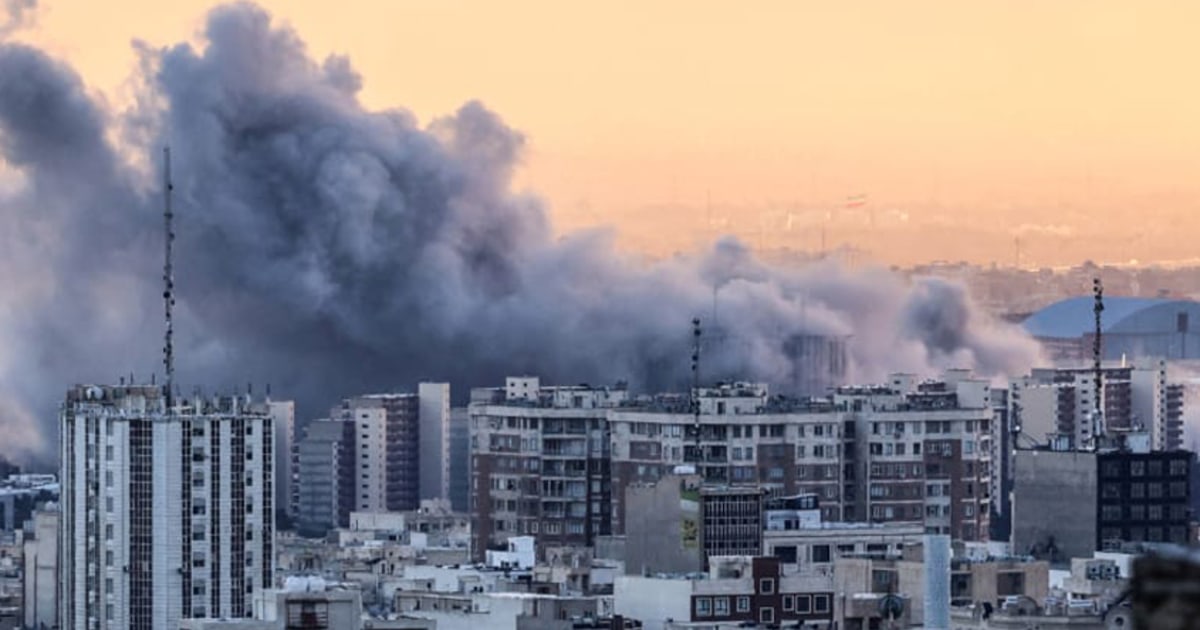
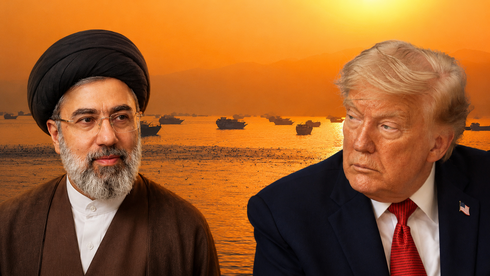
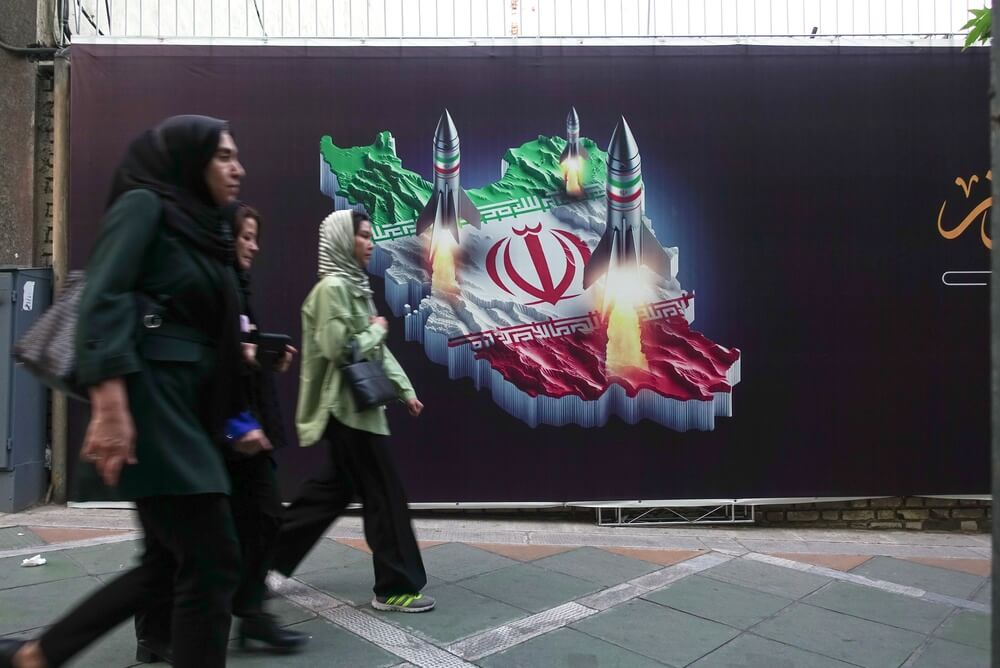
- Very likely US-Iran military exchanges will continue over the next 0-14 days. Iran has fired missiles and drones at US facilities in Jordan, Kuwait and Bahrain after US strikes on Islamic Revolutionary Guard Corps facilities and rocket launchers on Larak Island in the Strait of Hormuz. The United States has extended force deployments through 2027, and Donald Trump has threatened further strikes. JD Vance's statement that there is no active fighting conflicts with multiple major-media, official and military reports of recent exchanges, so the assessment has medium confidence. (Confidence: medium · ASSESSED)
- I&W: Confirm if Iran conducts another missile or drone strike against a named US facility in Jordan, Kuwait or Bahrain, or if US forces conduct another strike on IRGC facilities or launchers. (0-14 days)
- I&W: Break if the United States and Iran announce a formal ceasefire followed by no reported strikes for 14 consecutive days. (0-14 days)
- Likely Iranian and Houthi pressure on Gulf energy infrastructure and commercial shipping will persist over the next 0-14 days. Reporting attributes attacks to Iran on the tanker Sidr and other merchant vessels, while separate reporting attributes a naval blockade against Yanbu and Saudi oil sites to the Houthis. Iran has also been reported to have struck energy infrastructure in Saudi Arabia and the United Arab Emirates. The attribution of attacks on Saudi targets is inconsistent, which lowers confidence to medium. (Confidence: medium · ASSESSED)
- I&W: Confirm if another tanker is attacked in the Strait of Hormuz or if a Houthi strike hits Yanbu, a Saudi oil site or a Saudi-linked commercial vessel. (0-14 days)
- I&W: Break if no further attacks are reported against commercial shipping or Gulf energy infrastructure for 14 days and marine underwriters reduce designated war risk areas. (0-14 days)
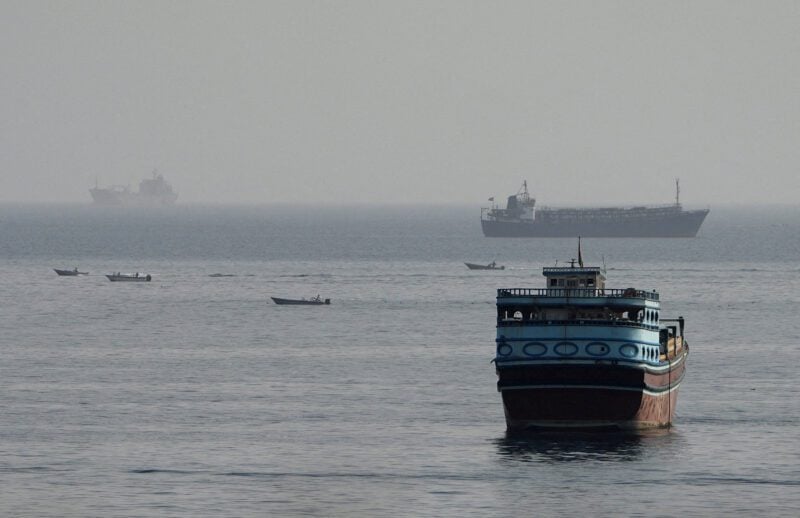
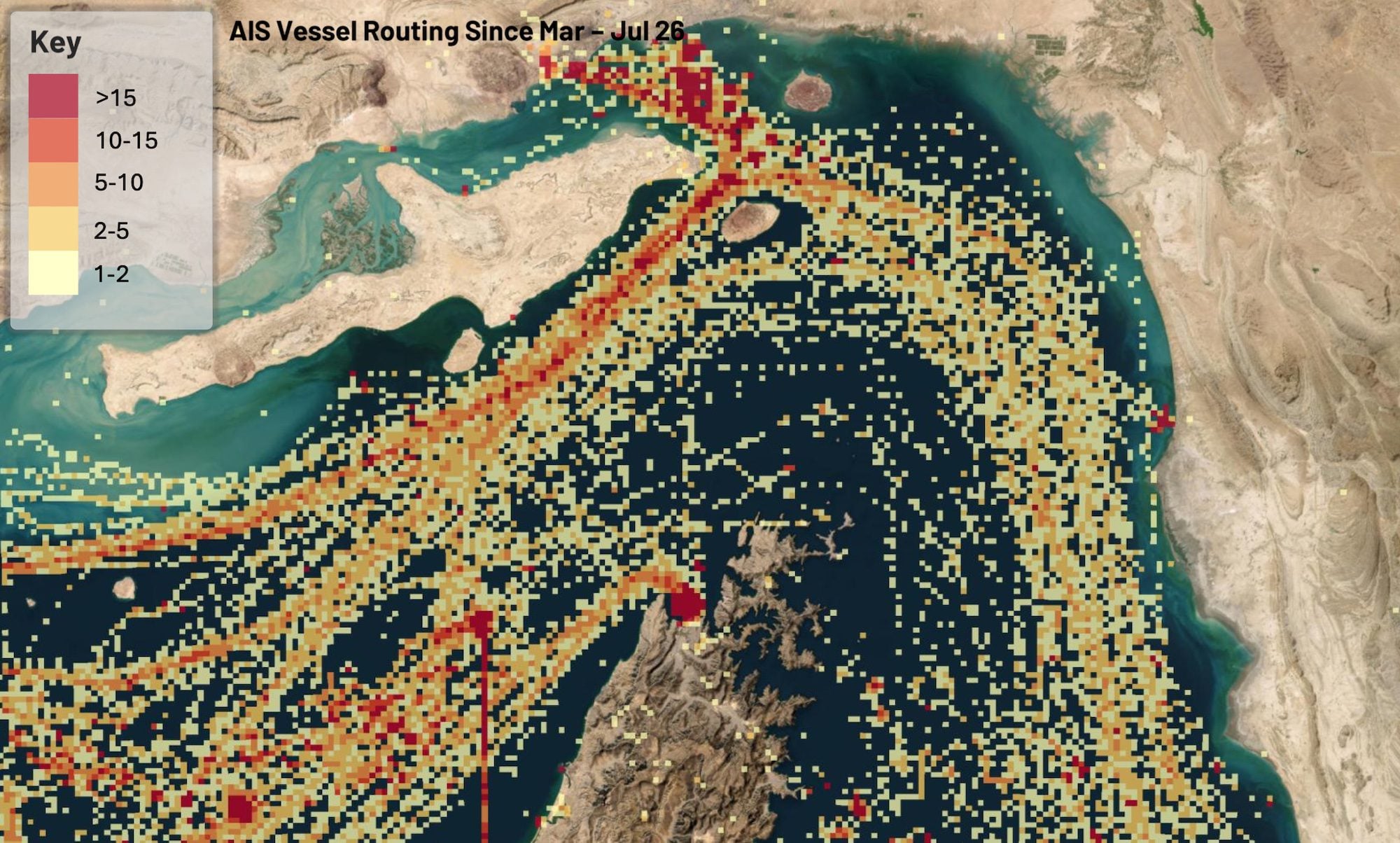
- Likely commercial traffic through the Strait of Hormuz will remain severely below pre-war levels over the next 1-3 months, while a complete physical closure is unlikely on the available evidence. Kpler recorded four commodity vessels on 3 September, four vessel types by 04:55 GMT on 4 September and only two very large crude carriers during the week, compared with a pre-war level of about 125 large commercial vessels per day. Rystad Energy reported observed oil and product flows mostly between 4 million and 6 million barrels per day and expected very low flows until November. These data conflict with JD Vance's claim of approximately 15 million barrels per day and with reports describing the strait as closed, so confidence is medium. (Confidence: medium · ASSESSED)
- I&W: Confirm if Kpler records fewer than 10 commodity vessels through the strait on each of three consecutive days, or if observed oil and product flows remain between 4 million and 6 million barrels per day. (0-14 days)
- I&W: Break if Kpler records traffic near the pre-war level of 125 large commercial vessels per day, or if independently reported crude flows remain near 15 million barrels per day for seven consecutive days. (0-14 days)
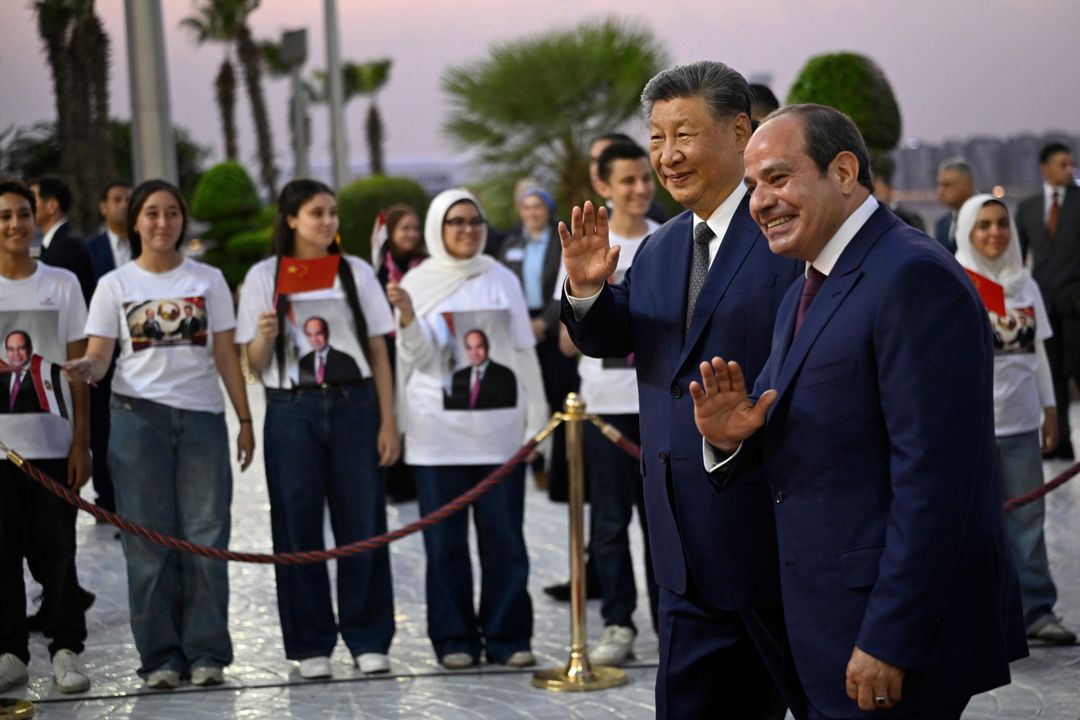
- Unlikely diplomatic initiatives will produce a durable US-Iran ceasefire over the next 14 days. The June memorandum of understanding expired without substantial progress towards a permanent peace deal, while US-Iran strikes have intensified and Donald Trump has threatened further attacks. Xi Jinping and Abdel Fattah el-Sisi have called for a comprehensive agreement, Iran has offered a deal through Pakistani mediators, and Qatar and the UAE are engaging Tehran directly. These channels provide an off-ramp, but the reporting does not show an implementation mechanism or a sustained reduction in military activity. Confidence is medium. (Confidence: medium · ASSESSED)
- I&W: Confirm if Washington and Tehran announce a renewed written agreement with named verification measures and no reported strikes for 14 days. (0-14 days)
- I&W: Break if either side conducts a new strike during or immediately after talks, or if Donald Trump or Iranian officials announce additional military action. (0-14 days)
- Likely conflict-related economic pressure will persist through the next 1-3 months. Brent crude has risen more than 7 percent in a week to $95 per barrel, US diesel prices are reported at a four-year high, UK unleaded petrol has reached 163 pence per litre, and Hormuz war risk premiums are 40 to 60 times pre-crisis levels. Middle East oil and gas exports are reported at about half their pre-war level, while the FAO Food Price Index reached 133.3 points in August. The precise Iranian inflation rate is unresolved, with reporting ranging from more than 40 percent to about 80 percent, so confidence is medium. (Confidence: medium · ASSESSED)
- I&W: Confirm if Hormuz war risk premiums remain at 40 times or more above pre-crisis levels and Middle East oil and gas exports remain near half their pre-war level. (1-3 months)
- I&W: Break if war risk premiums fall below 10 times pre-crisis levels and reported regional exports return to pre-war levels for one month. (1-3 months)
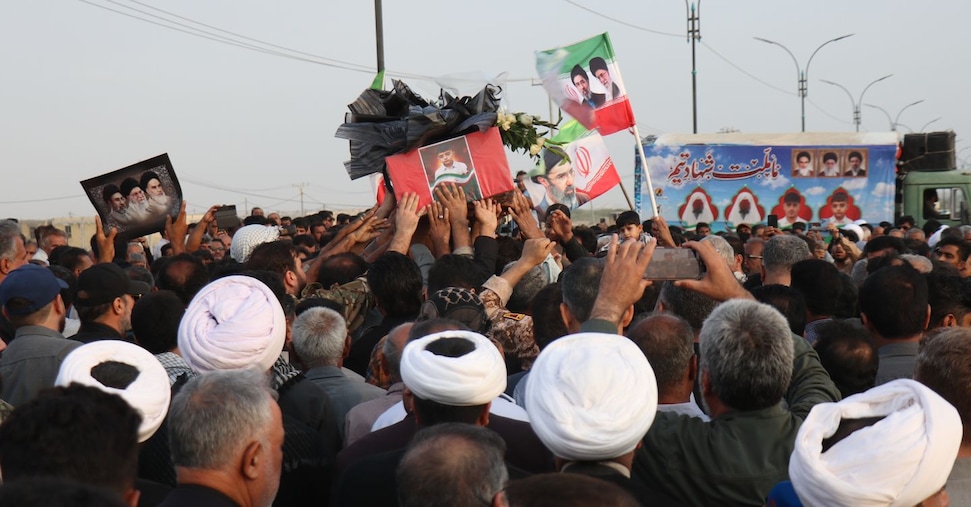
- The reported civilian toll from US strikes in Iran is at least 18, but the wedding strike's precise location, casualty count and attribution remain unresolved. Iranian authorities and the Iranian Red Crescent report deaths ranging from four at the wedding to 18 across the strikes, with 67 injured in one account. Other reporting places the wedding in Kuhestak or the Sirik region, while US Central Command identifies IRGC military facilities as the intended targets and the United States denies targeting civilians. This judgement rests on conflicting accounts, including Iranian official reporting, and has low confidence. (Confidence: low · REPORTED)
- I&W: Confirm if geolocated imagery, casualty registers and US battle-damage assessments reconcile the Kuhestak and Sirik locations and establish a consistent death and injury count. (0-14 days)
- I&W: Break if independent evidence establishes that no US strike hit the wedding site and identifies a different cause for the reported deaths. (0-14 days)
Outlook & scenarios
Likely: constrained exchanges and restricted shipping (55%)
US-Iran strikes continue at an intermittent level, with Iran targeting US facilities and shipping while the United States maintains blockade measures and periodic strikes on IRGC capabilities. Strait of Hormuz traffic remains well below pre-war levels, but some commercial vessels continue to transit. Israel maintains military activity in southern Lebanon, while diplomatic contacts prevent an immediate transition to a wider regional war.
Unlikely: negotiated pause and partial reopening (25%)
Qatar, the UAE, Pakistan, China and Egypt help secure a renewed US-Iran arrangement. The arrangement produces a monitored reduction in strikes and a partial reopening of the Strait of Hormuz. The June memorandum of understanding provides a framework, but the parties would need new verification measures because the earlier arrangement expired without a permanent settlement.
Unlikely but high impact: multi-front regional escalation (20%)
Iran and aligned actors expand attacks from the Strait of Hormuz and the Red Sea to US facilities, Saudi and Emirati energy infrastructure, Lebanon and other fronts. A coordinated proxy campaign involving Iraq, Yemen, Lebanon and Gaza would sharply reduce shipping, raise insurance costs and prompt additional US and Israeli strikes. This is the low-probability, high-impact wildcard because current reporting identifies the intent as an assessment rather than a confirmed operational decision.
Recommendations
- Maintain a twice-daily maritime tracker covering Kpler vessel counts, vessel classes, very large crude carrier movements, reported crude flows and Hormuz war risk premiums. Escalate the issue for senior review if fewer than 10 commodity vessels transit on each of three consecutive days or if traffic approaches the pre-war level of 125 large commercial vessels per day.
- Separate confirmed incidents from attribution claims in a regional incident matrix. Track Iranian strikes on US facilities in Jordan, Kuwait and Bahrain, attacks involving the tanker Sidr, Houthi activity against Yanbu and the Bab el-Mandeb, and reported strikes on Saudi and Emirati energy infrastructure as distinct entries.
- Request focused validation of the wedding strike through geolocated imagery, casualty records, Iranian Red Crescent reporting and US battle-damage assessments. Reconcile the Kuhestak and Sirik place names before using the incident in attribution or civilian-harm analysis.
- Treat diplomatic activity as an indicator rather than evidence of de-escalation. Require a formal US-Iran text, implementation dates, verification arrangements and a sustained absence of strikes before revising the ceasefire assessment.
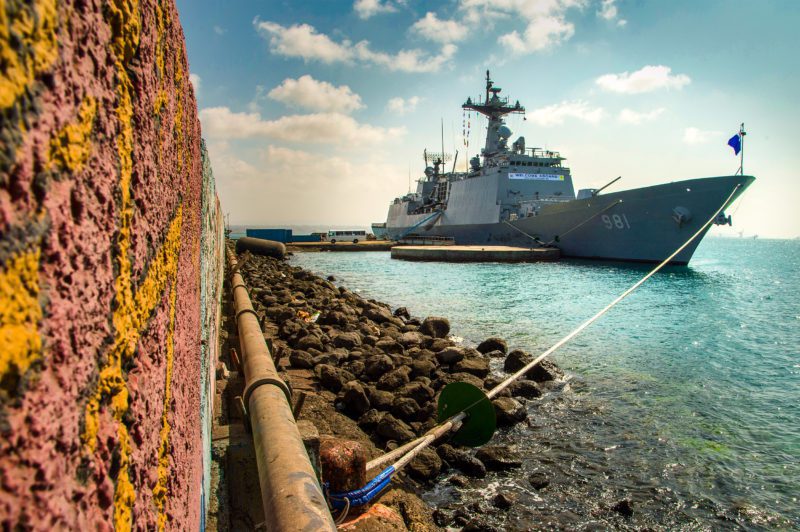
- Track South Korean policy separately from media reporting. Do not treat a Hormuz deployment as approved until the Blue House confirms a decision and parliamentary, logistical and port arrangements are publicly established.
- Use the restricted-shipping and regional-escalation scenarios for contingency planning. Prioritise exposure to fuel prices, maritime insurance, Gulf energy infrastructure and US force protection in Jordan, Kuwait and Bahrain.
Confidence & uncertainty
Overall confidence is high because multiple major-media reports, official statements, wire-service shipping data and energy-market reporting corroborate the central events: recent US-Iran exchanges, Iranian attacks on regional targets, sharply reduced Hormuz traffic, expanded economic pressure and persistent market disruption. The main uncertainties concern the current legal and operational status of the blockade, the precise scale of oil flows, attribution of attacks on Saudi targets, the civilian casualty toll in Iran and the conflicting status of the ceasefire. These uncertainties lower confidence in several specific judgements without materially changing the overall assessment.
Intelligence gaps
- [EEI 1.1 · PARTIAL] Unusual long-range missile/rocket transporter-launcher (TEL) movements, storage activation, or assembly activity at known IRGC missile sites or forward staging areas. Recommended collection: satellite/imagery
- [EEI 1.2 · PARTIAL] Orders, threat-alert messages, or changes in posture from IRGC, Quds Force, or senior Iranian military leadership indicating attack timelines or rules of engagement changes. Recommended collection: signals/ELINT and HUMINT
- [EEI 1.3 · UNCOVERED] Large-scale transfers, deliveries, or convoy movements of armed UAVs/drones, guided munitions, or spare parts from Iran into Lebanon (Hezbollah), Iraq, Syria, or Gaza. Recommended collection: air/aviation track and HUMINT
- [EEI 1.4 · UNCOVERED] Sustained changes in Israeli air-defense usage (SAM launches, radar activations), wide-area alerts, or NOTAMs indicating elevated imminent strike response. Recommended collection: air/aviation/NOTAMs and signals
- [EEI 2.1 · PARTIAL] Concentration, repositioning, or sortie patterns of Iranian naval/IRGC patrol boats and fast-attack craft near shipping chokepoints or commercial lanes. Recommended collection: maritime/AIS and satellite/imagery
- [EEI 2.2 · PARTIAL] Reported attacks, mine sightings, close-approach incidents, or damage to commercial tankers/merchant vessels operating in the Red Sea, Persian Gulf, or eastern Mediterranean. Recommended collection: maritime/AIS and OSINT/incident reports
- [EEI 2.3 · UNCOVERED] Insurance market indicators: sudden spikes in war-risk or hull insurance premiums for routes through the Red Sea, Suez corridor, or Persian Gulf, and major carriers announcing route changes. Recommended collection: financial/market and commercial shipping notices
- [EEI 2.4 · PARTIAL] Port closures, naval escorts requested by commercial operators, or formal rerouting advisories issued by major shippers (e.g., Maersk, Hapag-Lloyd) for regional transits. Recommended collection: commercial/OSINT
- [EEI 3.3 · UNCOVERED] Confirmed arms transfers, expedited weapons shipments, or transfer authorizations to Israel, Iran, or their proxies (aircraft parts, munitions, air defenses). Recommended collection: customs/INTEL and HUMINT
- [EEI 3.4 · UNCOVERED] Issuance of travel warnings, embassy evacuations or reductions, and closure of diplomatic missions by major capitals indicating escalation risk or shifted threat assessments. Recommended collection: OSINT/diplomatic
TLP:CLEAR