TLP:CLEAR · Disclosure is not limited.
Iran-Israel Conflict: Regional Spillover and Hormuz Risk
Time window: Last 7 days · Audience: General analyst · Type: Situation report · DTG: 2026-08-24 12:34Z · Overall confidence: LOW
BLUF
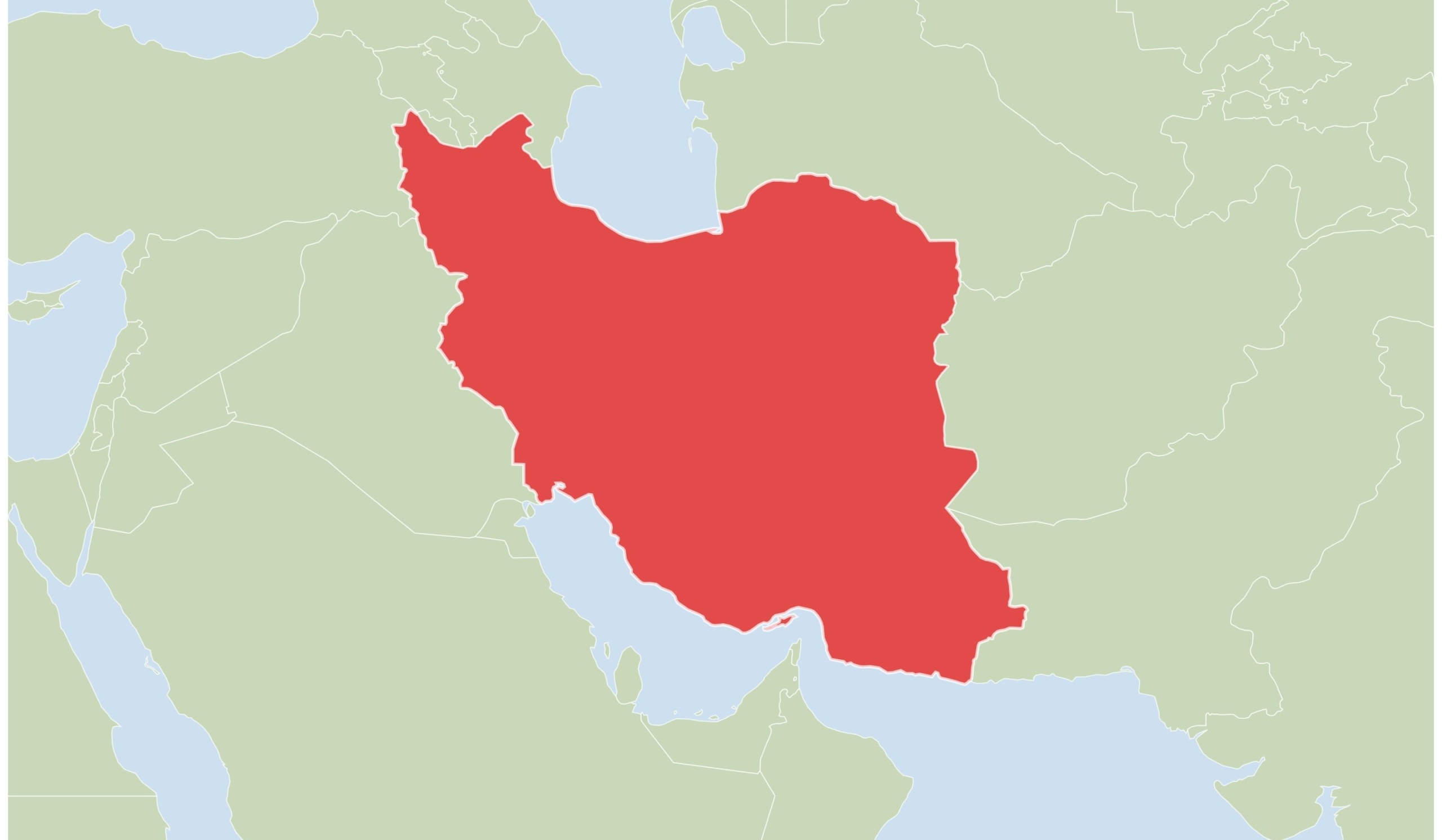
The United States-Israel-Iran conflict remains active and is producing spillover in southern Lebanon and Syria, while Iranian missile and drone strikes have targeted Israel, US bases and Arab countries. The immediate regional risk is prolonged disruption in Strait of Hormuz traffic alongside worsening humanitarian pressure in Gaza and economic stress in Iran and Gulf states.
Executive summary
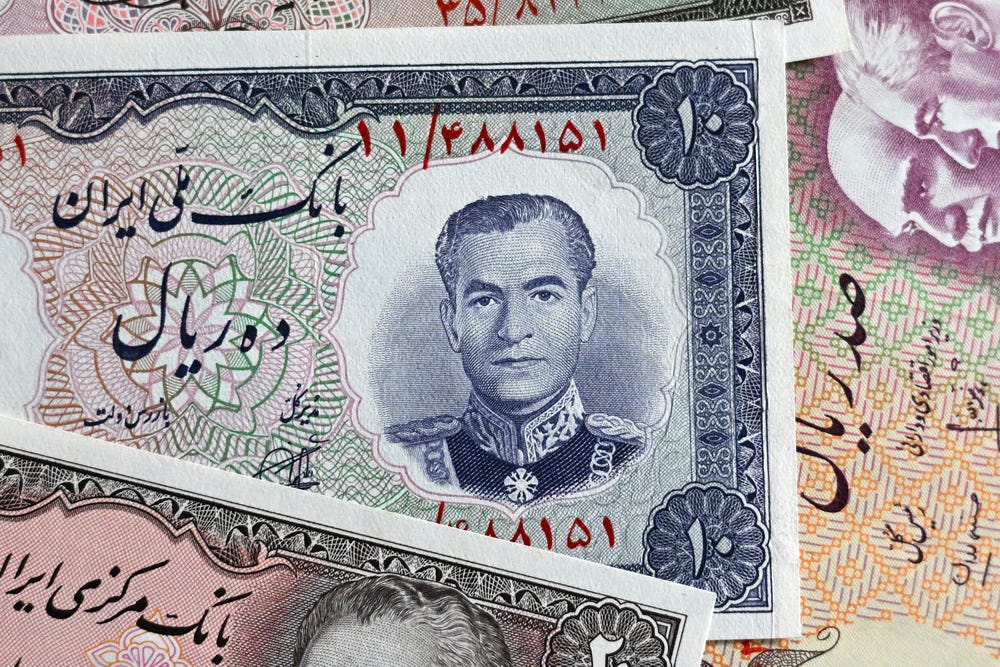
Reporting from 17 to 24 August 2026 describes continued Israeli military activity in southern Lebanon and Syria, Iranian strikes and warnings involving Israel, US bases and Gulf states, and severe disruption to commercial traffic through the Strait of Hormuz. UN agencies report that 94 per cent of Gaza's 2.1 million residents need shelter, while Iran's rial has fallen below 2 million to the US dollar on unofficial markets. The US and Oman are negotiating with Tehran over Hormuz, and Syria's foreign minister expects peace talks with Israel to resume, but Washington is also signalling tougher economic measures against Iran. Confidence remains low because the underlying material contains conflicting war-start dates, historical claims mixed with current reporting, and contradictory accounts of Hormuz traffic.
Key judgments
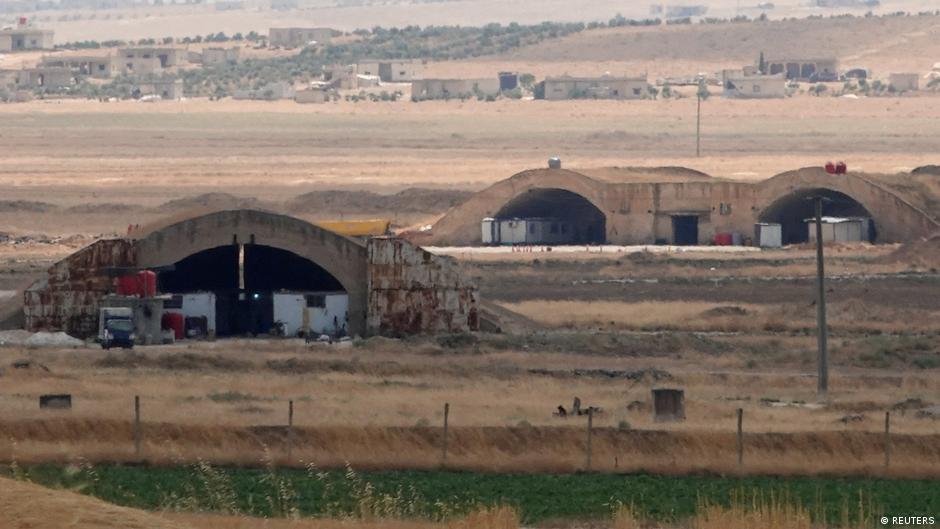
- It is very likely that the conflict has regionalised beyond direct United States-Israel and Iran exchanges. UNIFIL reported 86 Israeli airspace violations, nine airstrikes and 265 projectiles in southern Lebanon from Monday to Wednesday, while Israel reportedly struck the Abu al-Duhur air base in Syria. Iran is reported to have conducted missile and drone strikes against Israel, US bases and Arab countries, including the six Gulf Cooperation Council states. Confidence is medium because UNIFIL reporting and major-media accounts corroborate several incidents, but the wider military timeline contains conflicting accounts of when the current war began. (Confidence: medium · ASSESSED)
- I&W: CONFIRM: Within 0-14 days, UNIFIL reports additional Israeli airspace violations, airstrikes or projectiles in southern Lebanon and independent reporting confirms another Israeli strike on Syrian military infrastructure. (0-14 days)
- I&W: BREAK: Within 0-14 days, UNIFIL reports no new Israeli violations or strikes and Syria-Israel talks resume without a further reported military incident. (0-14 days)
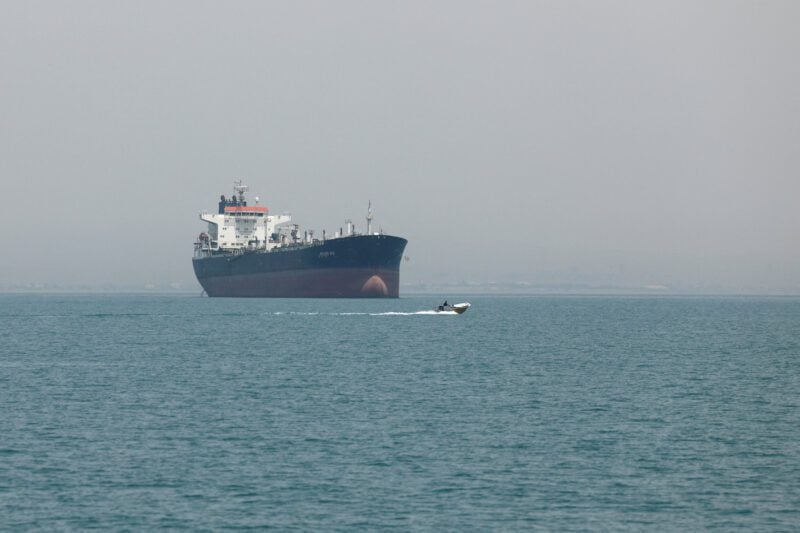
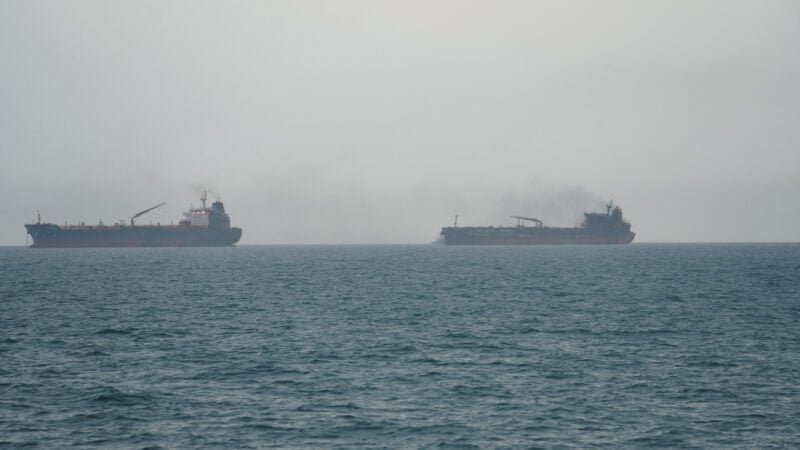
- It is likely that traffic through the Strait of Hormuz will remain well below pre-war levels without being fully halted. JMIC rates the threat level as SEVERE, Kpler reported a 19.5 per cent weekly fall in confirmed crossings to 95, and commercial tracking shows much lower ordinary traffic. In contrast, US Energy Secretary Chris Wright reported more than 8 million barrels per day moving through Hormuz and more than 15 million barrels moved with military assistance on Tuesday. Confidence is low because commercial data and US official claims diverge, and some corridor reporting carries dates inconsistent with the 2026 reporting window. (Confidence: low · ASSESSED)
- I&W: CONFIRM: Within 0-14 days, JMIC retains a SEVERE threat rating and Kpler reports another weekly fall in confirmed crossings from 95. (0-14 days)
- I&W: BREAK: Within 0-14 days, JMIC downgrades the threat rating and independent vessel tracking shows ordinary commercial traffic returning to pre-war levels for seven consecutive days. (0-14 days)
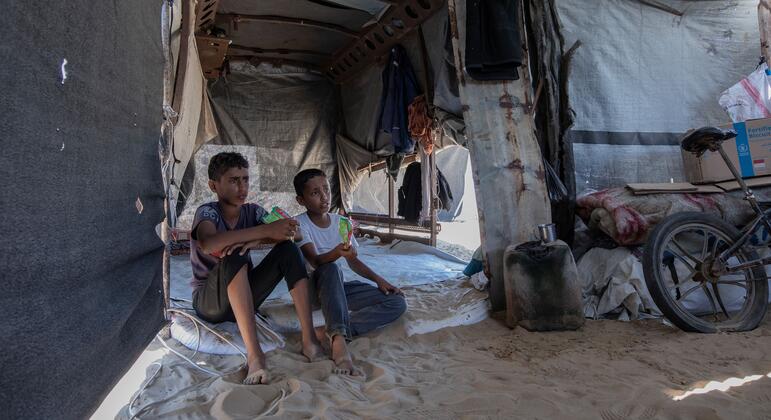
- It is very likely that conflict-related economic and humanitarian pressure will remain high over the next 1-3 months. Iran's rial is reported to be trading above 2 million to the US dollar on unofficial markets, President Donald Trump announced tougher economic measures on 21 August, and Dubai hotel occupancy reportedly fell from 80 per cent to about 10 per cent. In Gaza, UN agencies report that 94 per cent of 2.1 million residents need shelter and that more than four out of five families face critical or catastrophic conditions, with UN partners estimating a further 562 million dollars is needed to improve living conditions. Confidence is medium because the Gaza reporting comes from multilateral sources, while several economic effects rely on major-media reporting and analyst estimates. (Confidence: medium · ASSESSED)
- I&W: CONFIRM: Within 0-14 days, UN agencies continue to report shelter needs near 94 per cent in Gaza, while Iran's unofficial rial rate remains above 2 million to the US dollar. (0-14 days)
- I&W: BREAK: Within 1-3 months, Iran's unofficial rial rate moves materially below 2 million to the US dollar and UAE authorities report hotel occupancy and employment recovering without further emergency support. (1-3 months)
- It is likely that near-term diplomacy will produce limited arrangements on Hormuz or Syria, but it is unlikely to produce a comprehensive Iran-Israel settlement in the next 1-3 months. The US and Oman are negotiating with Tehran to reopen the Strait of Hormuz, and Syria's foreign minister expects peace talks with Israel to resume. However, earlier reported ceasefire and memorandum arrangements did not prevent renewed military activity, while Washington is signalling maximum economic pressure on Tehran. This assessment rests partly on single-source major-media reporting and think-tank analysis, so confidence is low. (Confidence: low · ASSESSED)
- I&W: CONFIRM: Within 0-14 days, the US and Oman announce an operational arrangement for reopening Hormuz, or Syria announces resumed peace talks with Israel. (0-14 days)
- I&W: BREAK: Within 1-3 months, Iran and Israel announce a comprehensive settlement, or no further US-Oman or Syria-Israel diplomatic activity is reported while military incidents continue. (1-3 months)
Outlook & scenarios
Persistent conflict with bounded spillover (45%)
Likely. Israel continues airstrikes and demolitions in Lebanon and strikes in Syria, while Iran maintains missile and drone pressure against Israel, US bases and Arab countries. The US and Oman continue talks over Hormuz, but the wider confrontation remains unresolved.
Maritime and regional escalation (30%)
Iran sustains restrictions on Hormuz traffic, commercial crossings fall further and attacks involving Israeli forces, Iranian forces or Iran-linked actors spread across Lebanon, Syria and Gulf states. Oil flows, food supplies and regional economic activity face additional disruption.
Partial de-escalation without settlement (25%)
The US, Oman and Tehran reach a limited arrangement that increases protected shipping through Hormuz, while Syria-Israel talks resume. Military activity continues elsewhere, and the arrangement does not resolve the wider Iran-Israel conflict.
Wildcard: attacks on US facilities in Europe (10%)
Low-probability, high-impact. Iran attacks American facilities in Bulgaria, Cyprus or Italy after further US economic pressure. The United States responds with additional sanctions or military measures, ending the limited diplomatic track and widening the conflict beyond the Middle East.
Recommendations
- Maintain a daily Hormuz reconciliation product that separates JMIC and Kpler vessel counts from US government oil-flow claims. Record the reporting date, route, vessel type and whether the movement occurred under military protection.
- Prioritise collection on southern Lebanon and Syria. Track UNIFIL counts of Israeli violations, airstrikes and projectiles, and separately record Israeli, Syrian and Turkish statements on Abu al-Duhur air base activity.
- Use a separate economic pressure dashboard for Iran, the UAE and Gulf Cooperation Council states. Track the unofficial rial rate, UAE inflation, hotel occupancy, employment, emergency support and any enacted US sanctions rather than treating political announcements as implementation.
- Track Gaza humanitarian indicators at two-week intervals, including the shelter requirement for 2.1 million residents, the share of families in critical or catastrophic conditions and progress towards the 562 million dollar funding estimate.
- Treat reports of possible Iranian attacks on US facilities in Bulgaria, Cyprus and Italy as a dedicated warning stream. Seek confirmation from official security notices and distinguish public warnings from observed preparations or incidents.
- Correct the chronology before using the material for trend analysis. Keep claims dated 2023, 2025 and early 2026 separate from August 2026 reporting, and do not merge competing accounts of the war's start or the status of the Hormuz blockade.
Confidence & uncertainty
Overall confidence is low. The strongest evidence comes from UN agencies and UNIFIL on Gaza and southern Lebanon, but much of the Iran, US and Hormuz picture relies on major-media reporting, think-tank analysis or official assertions. The material contains conflicting dates for the start and continuation of the war, historical claims mixed with current reporting, and direct disagreement between commercial vessel-tracking data and US government claims about oil flows. These gaps limit confidence in the precise chronology, scale of maritime disruption and near-term intentions of the parties.
Cited sources
[1] United Nations · Middle East: 94 per cent need shelter in Gaza, Israel ramps up demolitions in Lebanon (A) · sha256:aa5d2b0f402c [2] responsiblestatecraft.org · US cries foul as Israel bombs Turkey-linked airbase in Syria (B) · sha256:33d1b28c1472 [3] dw.com · Israel warns Turkey against 'dangerous adventures in Syria' (A) · sha256:945653fd6dcd [4] Wikipedia · Reactions to the 2026 Iran war (B) · sha256:32d813375717 [5] mecouncil.org · The Future of Middle East Security: Layered Security vs. External Umbrella (C) · sha256:bdd4ca22cdb9 [6] Wikipedia · Iran (B) · sha256:98cc00712d28 [7] e-ir.org · Opinion – America and Iran: 73 Years of Undermining Democracy (C) · sha256:1f88ba3af396 [8] gcaptain.com · Trump Administration Claims Massive Oil Flows Through Hormuz But Industry Data Raises Questions (B) · sha256:dea0cf513bab [9] gcaptain.com · Iran Grants Permission For A Number Of Iraqi Oil Tankers To Pass Through Hormuz (A) · sha256:205298a05826 [10] Al Jazeera · أخبار إيران | إيران | الجزيرة نت (A) · sha256:a5871cae127a [11] BBC · Trump vows tougher economic measures on Iran and supporting countries (A) · sha256:0fd8d203953f [12] bbc.com · BBC Audio | Newshour | Iran’s currency hits an all-time low against the US dollar (A) · sha256:39ada7e99523 [13] jpost.com · WATCH: Iran’s ‘golden generation’ could reshape Middle East, analyst says (B) · sha256:4074fbc60498 [14] english.globalarabnetwork.com · Trump Threatens ‘Day of Economic Reckoning’ Against Iran (B) · sha256:20a579398890 [15] dw.com · UAE economy: On the brink or bouncing back? (B) · sha256:42daf1423db8 [16] warontherocks.com · What’s Going On In Iran? (C) · sha256:92d4579fa72e
Source content hashes were computed at collection time; the cited text is preserved unmodified for the life of this product.
TLP:CLEAR