TLP:CLEAR · Disclosure is not limited.
Iran-Israel Conflict: Regional Spillover and Maritime Disruption
Time window: Last 1 day · Audience: General analyst · Type: Situation report · DTG: 2026-08-23 15:36Z · Overall confidence: MEDIUM
BLUF
The Iran-Israel conflict is likely to remain multi-front over the next 14 days. Iranian retaliation and Israeli strikes are continuing, disruption in the Strait of Hormuz is very likely to persist, and Syria presents a separate Israel-Turkiye miscalculation risk. Diplomatic activity by Egypt and Azerbaijan provides limited off-ramps, but a comprehensive Iran-US settlement is very unlikely over the next one to three months.
Executive summary
Iran has responded with missile and drone strikes against Israel, US bases and Arab countries, while Saudi Arabia and the UAE report intercepting incoming threats. Israel has launched a fresh wave of strikes on Iran and conducted another strike in Syria, where competing Israeli and Turkish accounts have sharpened tensions. Commercial traffic through the Strait of Hormuz remains disrupted, although claims of 15 million barrels moved in one day conflict with Kpler's report of 95 confirmed crossings after a 19.5 per cent weekly decline. Egypt and Iran have discussed de-escalation, and Azerbaijan is mediating between Israel and Turkiye, but talks between Tehran and Washington have faltered. Humanitarian pressure remains severe in Gaza and the occupied West Bank, while economic indicators point to mounting pressure inside Iran.
Change from previous assessment
Since the 22 August brief, the assessment now incorporates fresh Israeli strikes on Iran and Syria, new reporting on Iran's economic damage and humanitarian effects, Egyptian-Iranian de-escalation contacts and Azerbaijan's mediation between Israel and Turkiye. The judgement that a direct Israel-Turkiye clash is unlikely remains unchanged, but the Syria crisis is assessed as more active because another Israeli strike is reported. The Hormuz judgement remains that disruption is very likely, while the precise scale of traffic remains unresolved by conflicting Kpler, commercial tracking and US oil-flow claims. A separate judgement on Iranian domestic economic pressure has been added, and humanitarian conditions in Gaza and the occupied West Bank are now treated as an independent regional stability stressor.
Key judgments
- Iranian missile and drone retaliation against Israel, US bases and Arab countries is likely to continue over the next 14 days, sustaining a multi-front regional crisis. Iran's Foreign Ministry has vowed a response, Iran has reported missile and drone strikes, and Saudi Arabia and the UAE have confirmed intercepting incoming threats. This is an assessed judgement based on direct strike reporting and official threat statements. Several operational details are undated, so confidence is medium. (Confidence: medium · ASSESSED)
- I&W: Confirm: Iran conducts another reported missile or drone launch against Israel, a US base, Saudi Arabia or the UAE, followed by an official interception or impact report. (0-14 days)
- I&W: Break: No further reported Iranian launches or interceptions involving Israel, US bases, Saudi Arabia or the UAE during a continuous 14-day period. (0-14 days)
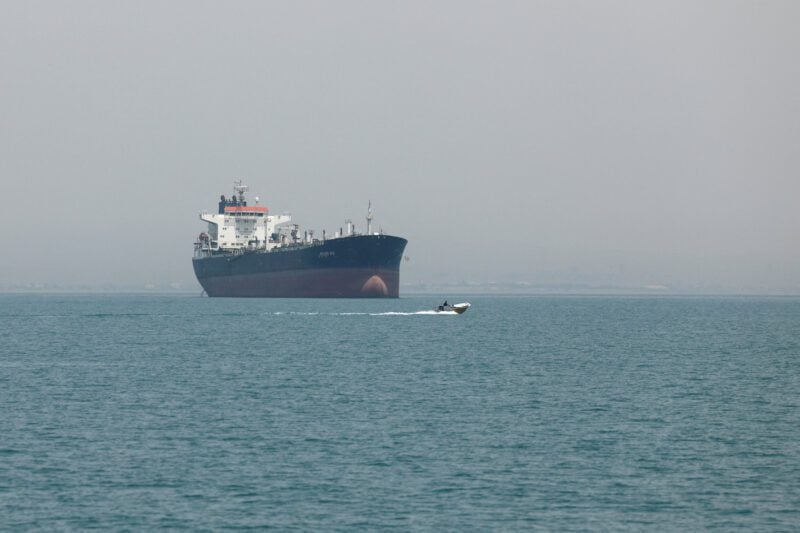
- Disruption in the Strait of Hormuz is very likely to remain severe over the next 14 days, but the volume of oil moving through the waterway is uncertain. Kpler reported that confirmed crossings fell 19.5 per cent to 95, JMIC continues to rate the threat as severe, and commercial vessel-tracking data shows lower ordinary traffic. These indicators conflict with US Energy Secretary Chris Wright's claims that more than 15 million barrels moved through Hormuz on Tuesday and that the seven-day average exceeded 8 million barrels per day. Iran's reported permission for several Iraqi oil tankers to pass indicates selective passage rather than a full reopening. Confidence is medium for the disruption assessment and lower for the precise throughput estimate. (Confidence: medium · ASSESSED)
- I&W: Confirm: Kpler records confirmed weekly crossings at or below the current level of 95 while JMIC continues to rate the threat as severe. (0-14 days)
- I&W: Break: Kpler and commercial vessel tracking show a sustained rise above 95 weekly crossings, accompanied by a JMIC reduction from the severe threat rating. (0-14 days)
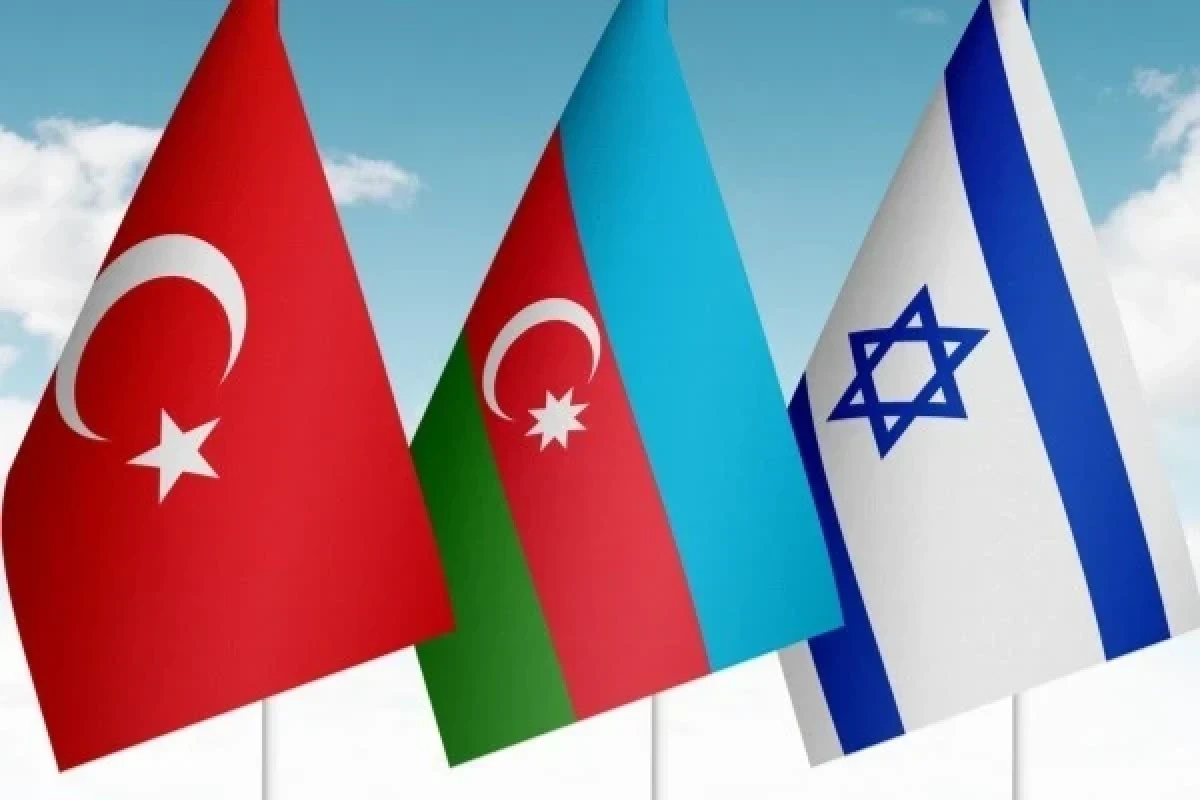
- A direct Israel-Turkiye military clash in Syria is unlikely over the next 14 days, while a Syria-centred diplomatic and operational crisis is likely to deepen. Israel has attacked Abu al-Duhur airbase and carried out another strike in Syria. Israel claims it had intelligence of Turkish military movement at Abu al-Duhur, but US intelligence reportedly found no basis for that claim and the Turkish Defence Ministry called the Israeli account baseless. Ankara has so far refrained from escalation, while the US seeks to prevent a direct confrontation and Azerbaijan is conducting mediation. Confidence is medium because the strike reporting is corroborated, but the underlying Turkish-presence allegation remains contested. (Confidence: medium · ASSESSED)
- I&W: Confirm: Israel conducts another strike in Syria, or Turkiye deploys forces or air-defence assets in response to Israeli activity there. (0-14 days)
- I&W: Break: Israel and Turkiye establish a direct operational channel through Azerbaijan or another intermediary and Syria records no further Israel-Turkiye-related military incident for 14 days. (0-14 days)
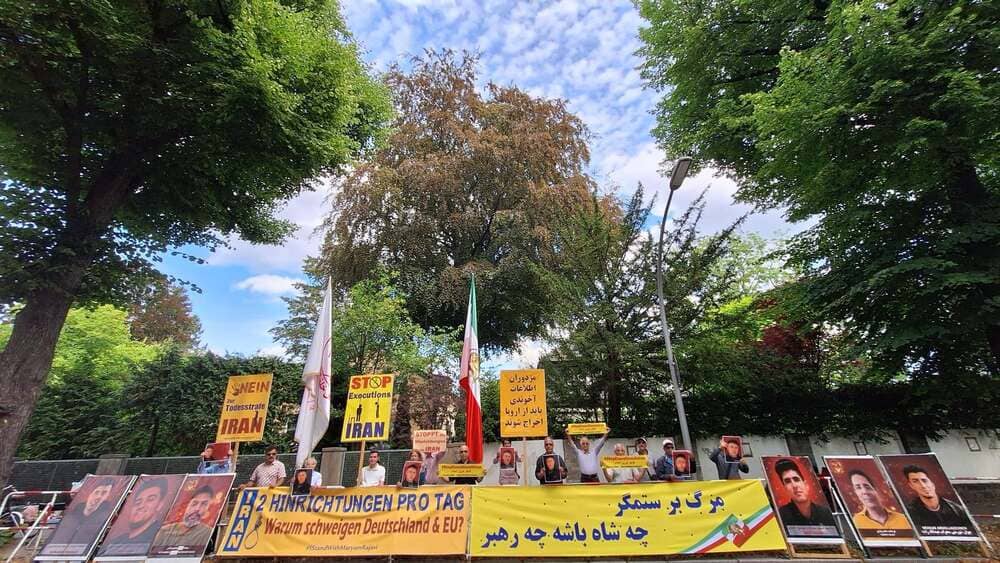
- Iranian economic and social pressure is likely to intensify over the next one to three months, but renewed nationwide unrest has a roughly even chance of emerging. Reported damage from the war is approximately 270 billion dollars, bread prices have risen by 97 per cent, inflation has reached about 127 per cent against a 60 per cent minimum-wage increase, and a worker representative said wages cover only 10 to 15 days of living expenses. Regime MPs have raised fuel-policy concerns and PMOI/MEK Resistance Units resumed activities in Zahedan on 21 August. Confidence is low because several economic indicators are single-source claims and the unrest assessment relies partly on NCRI reporting. (Confidence: low · ASSESSED)
- I&W: Confirm: Reported bread, gold or fuel-price increases continue, while anti-regime activities spread beyond Zahedan or generate repeated incidents in additional Iranian cities. (1-3 months)
- I&W: Break: Official wage or price measures produce a sustained improvement in reported purchasing power and no further anti-regime activity is reported outside Zahedan. (1-3 months)
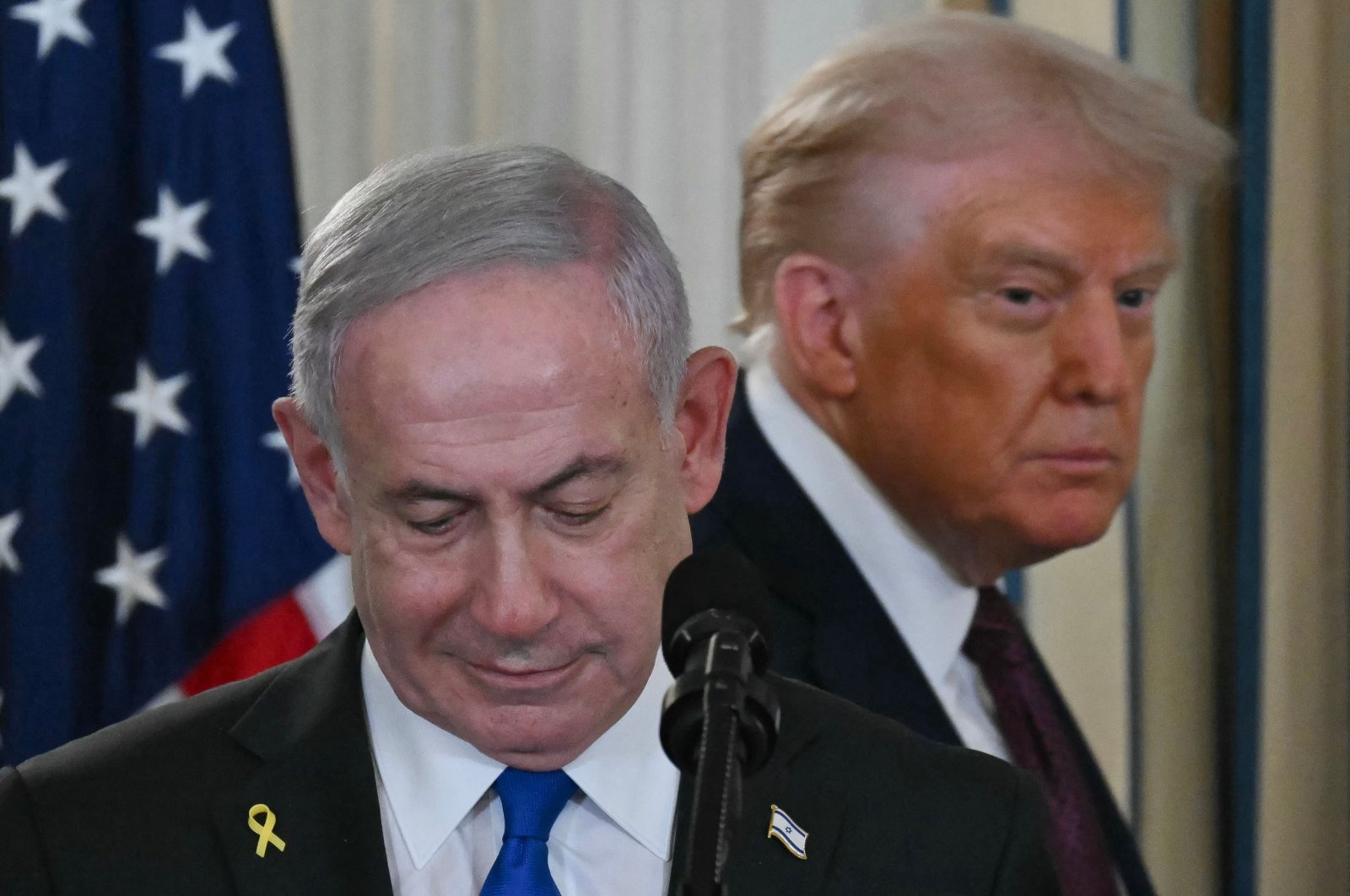
- Limited diplomatic messaging between Iran and regional states is likely to continue over the next one to three months, but a comprehensive Iran-US settlement is very unlikely. Egyptian and Iranian foreign ministers have discussed de-escalation, Iran has reported receiving messages from neighbouring states about new security arrangements, and Iran is making overtures to Pakistan. At the same time, Tehran-Washington talks have faltered over ceasefire implementation and Hormuz navigation, while Washington is tightening sanctions and Iranian officials continue to threaten states assisting US economic pressure. Confidence is low because the evidence is statement-based, the memorandum reporting is internally inconsistent, and there is no confirmed negotiating process. (Confidence: low · ASSESSED)
- I&W: Confirm: Egypt and Iran hold follow-up talks, or Tehran and Washington resume negotiations with a published timetable covering ceasefire implementation and Hormuz navigation. (0-3 months)
- I&W: Break: Washington announces additional sanctions while Iran formally ends talks or reports an attack on US economic interests or the interests of a state assisting the US. (0-3 months)
- Humanitarian pressure in Gaza and the occupied West Bank is likely to remain a regional stability stressor over the next one to three months. UNICEF reporting indicates that about 90 per cent of Gaza's water and sanitation infrastructure has been damaged or destroyed and that up to 70 per cent of people cannot collect six litres of water per person per day. MSF reports water prices up by as much as 500 per cent. In the West Bank, Israeli army fire, settler assaults and tear gas injured at least 20 Palestinians, while Israeli raids and settler attacks continue. Confidence is medium because the conditions are supported by multiple high-confidence reports, but the supplied figures are not consistently dated. (Confidence: medium · ASSESSED)
- I&W: Confirm: Gaza water access remains below six litres per person per day for large population groups, while reported water prices continue to rise or new infrastructure damage is recorded. (0-3 months)
- I&W: Break: Humanitarian reporting records restored water access and sustained aid flows into Gaza, alongside a clear reduction in reported Israeli army and settler violence in the West Bank. (0-3 months)
Outlook & scenarios
Continued multi-front exchanges and constrained maritime traffic (55%)
This is the most likely path over the next 14 days. Iran continues missile and drone attacks against Israel, US bases and Arab countries. Israel maintains strikes on Iran and Syria, while Saudi Arabia and the UAE continue interception activity. Hormuz traffic remains severely constrained, with selective passage for some Iraqi tankers but no reliable return to normal commercial flows.
Managed escalation through regional mediation (30%)
Egyptian-Iranian contacts and Azerbaijan's mediation between Israel and Turkiye produce limited communication channels. Ankara avoids military retaliation, Israel limits Syria operations, and Tehran and Washington exchange messages without reaching a comprehensive settlement. Maritime disruption persists but remains below the level of a complete closure.
Wider economic confrontation centred on Hormuz (20%)
US sanctions and threats against Iranian power infrastructure intensify. Iran responds by restricting additional Gulf-linked oil movements or targeting the interests of states assisting US economic pressure. The result is a sharper fall in commercial traffic through Hormuz, higher regional energy costs and increased pressure on Egypt, Saudi Arabia, the UAE and Iraq.
Regional spillover and internal instability wildcard (10%)
A further strike on Gulf energy infrastructure coincides with renewed anti-regime activity inside Iran and additional Israeli-Turkiye friction in Syria. Iran's economic stress worsens, humanitarian conditions in Gaza deteriorate, and violence in the occupied West Bank expands. This is a low-probability, high-impact outcome because it would connect separate military, maritime, humanitarian and domestic pressure points.
Recommendations
- Maintain a 24-hour watchlist for Iranian missile and drone launches, Israeli strikes in Iran and Syria, and interception or impact reports from Saudi Arabia and the UAE. Separate confirmed military activity from official claims and media reporting.
- Reconcile Hormuz reporting daily by comparing Kpler crossing counts, JMIC threat assessments, commercial vessel tracking and US claims about oil volumes. Record vessel numbers and barrels separately, and flag any source with an inconsistent event date.
- Track the Israel-Turkiye channel in Syria for three specific developments: another Israeli strike, Turkish military or air-defence movement, and direct operational contacts facilitated by Azerbaijan.
- Monitor Iranian economic stress through bread and gold prices, inflation and wage data, fuel-policy complaints, and reported anti-regime activity outside Zahedan. Distinguish NCRI or other NGO reporting from independently corroborated incidents.
- Treat Egyptian-Iranian contacts, Iranian overtures to Pakistan and any Tehran-Washington engagement as separate signals. Require evidence of an implementation timetable for ceasefire or navigation arrangements before assessing diplomatic messaging as substantive de-escalation.
- Maintain a separate humanitarian stability line for Gaza and the occupied West Bank. Track water access, water prices, aid entry, infrastructure damage, settler assaults and Israeli military raids rather than combining these indicators with the Iran-Israel military picture.
Confidence & uncertainty
Overall confidence is medium. The main military and humanitarian developments draw on multiple major-media reports, official government statements and high-confidence event groupings, including Iranian retaliation, Israeli strikes, Gulf interceptions and damage to Gaza water infrastructure. Confidence is reduced by conflicting claims about Hormuz throughput, contested accounts of Turkish military activity at Abu al-Duhur, undated operational reporting, chronology errors in several claims and single-source or politically aligned reporting on Iranian unrest and diplomacy.
Intelligence gaps
- [EEI 1.1 · UNCOVERED] Observed repositioning, sustained increases, or new forward basing of Iranian conventional or IRGC forces (armored units, missile batteries, aircraft, naval vessels) toward borders or regional launch points. Recommended collection: IMINT/satellite
- [EEI 1.2 · PARTIAL] Hezbollah or other Iran-aligned proxy forces conducting mass mobilization, visible rocket/artillery emplacements, cross-border firing incidents, or preparations for cross-border operations from Lebanon, Syria, Iraq or Yemen. Recommended collection: HUMINT/ground ISR
- [EEI 1.3 · PARTIAL] Detection of increased missile/rocket/torpedo launch events attributable to Iran, Israel, or proxies (launch signatures, trajectories, impact points) indicating a sustained campaign rather than isolated strikes. Recommended collection: SIGINT/IMINT/air-defense radar
- [EEI 1.4 · UNCOVERED] Interdicted or observed shipments (air, sea, land manifests, seizures, satellite imagery of transfers) of advanced weapons or missile components from Iran toward proxy groups or forward staging points. Recommended collection: maritime/AIS
- [EEI 2.1 · PARTIAL] Satellite or on-the-ground imagery showing fires, damage, or operational shutdown at major oil export facilities, refineries, storage terminals, or key pipeline infrastructure in the Gulf and Red Sea. Recommended collection: IMINT/satellite
- [EEI 2.2 · UNCOVERED] Commercial vessel incidents: AIS transponder shutdowns, distress signals, reported hull/engine damage, boardings, or confirmed attacks on tankers/merchant ships transiting the Strait of Hormuz, Bab al-Mandeb, or eastern Mediterranean. Recommended collection: maritime/AIS
- [EEI 2.3 · PARTIAL] Significant and sustained reductions or rerouting of tanker transits through the Strait of Hormuz (ship traffic counts, pilot reports, port call cancellations) and announcements of closure or restricted navigation zones (NOTAMs, maritime advisories). Recommended collection: maritime/NOTAMs
- [EEI 2.4 · UNCOVERED] Rapid increases in war-risk insurance premiums for Middle East routes, shipping company advisories to avoid region, or major charter cancellations tied to the conflict. Recommended collection: financial/open-source
- [EEI 3.1 · UNCOVERED] Movement/arrival of major foreign military assets into the region: US carrier strike groups, amphibious ready groups, strategic bomber flights, Russian/Chinese naval taskings, or allied expeditionary units (visible in AIS, NOTAMs, satellite imagery, official releases). Recommended collection: IMINT/satellite
- [EEI 3.2 · PARTIAL] Official expedited arms transfers, basing/overflight agreements, or declarations of operational support (formal government announcements, defense ministry releases, logistics flight manifests). Recommended collection: open-source/diplomatic
- [EEI 3.3 · UNCOVERED] Embassy evacuations, large-scale personnel movements, issuance of government travel bans/advisories, or multinational security alerts affecting foreign nationals and diplomatic posture in the region. Recommended collection: diplomatic/open-source
- [EEI 3.4 · PARTIAL] High-level diplomatic/UN activity: scheduled or emergency Security Council meetings, published ceasefire proposals, or multilateral statements committing support/condemnation that precede changes in military posture. Recommended collection: open-source/diplomatic
Cited sources
[1] Wikipedia · Reactions to the 2026 Iran war (B) · sha256:32d813375717 [2] newsonair.gov.in · Conflict in West Asia escalates as exchange of strikes intensifies between US (B) · sha256:343fcbcb3e1c [3] gcaptain.com · Trump Administration Claims Massive Oil Flows Through Hormuz But Industry Data Raises Questions (B) · sha256:8f4f24a9f59d [4] BBC News عربي · إيران تتوعد باستهداف مصالح الدول التي تساعد الولايات المتحدة في شن حرب اقتصادية عليها - BBC News عربي (A) · sha256:a8e96fdfdc10 [5] Aljazeera Mubasher Channel · عقب زيارة رسمية لرئيس البرلمان الإيراني إلى العراق. طهران تمنح ناقلات نفط عراقية تصريحا بعبور مضيق هرمز | قناة الجزيرة مباشر - Aljazeera Mubasher Channel (E) · sha256:386fe20fb520 [6] Al Jazeera · Israel, Turkiye and the post-Abrahamic Middle East (B) · sha256:b38b7ab4b7be [7] naharnet.com · Israel conducts fresh strike in Syria after US criticism (B) · sha256:f070fb2d87e0 [8] Daily Sabah · Israel, Türkiye tensions: Where does U.S. stand? | Daily Sabah (B) · sha256:721b29ebd74c [9] voiceofemirates.com · Azerbaijan Leads Diplomatic Push to De-escalate Israel-Turkey Tensions Over Syria (B) · sha256:f7d2c99b05c1 [10] jpost.com · Economic warfare: Bankrupting Iran will be more effective than bombing - opinion (B) · sha256:09afafd5e8fc [11] National Council of Resistance of Iran (NCRI) · Iran News in Brief – August 23, 2026 - NCRI (C) · sha256:be9d41fe8d31 [12] jcfa.org · Iran’s President Promises Stability as Gold Prices Signal War (B) · sha256:a42ebc44e3d4 [13] Yenisafak · Egypt, Iran FMs discuss de-escalation, US deal (B) · sha256:028494109e56 [14] en.yenisafak.com · Iran says neighbors seek new security arrangements despite US threats (B) · sha256:9b83ddef9ead [15] devdiscourse.com · Global Headlines: Conflict, Diplomacy, and Economic Tensions Dominate (B) · sha256:0bc0c3f083a3 [16] Al Jazeera · Where water conflicts pose the biggest threat in 2026 (A) · sha256:352388d33969 [17] UK Government · Minister renews calls for Israel to allow more aid into Gaza on first visit to the region (A) · sha256:ba76e538e65a [18] Yenisafak · Twenty Palestinians injured by Israeli forces in West Bank (B) · sha256:75ec43739b6d
Source content hashes were computed at collection time; the cited text is preserved unmodified for the life of this product.
TLP:CLEAR