TLP:CLEAR · Disclosure is not limited.
Iran-Israel Conflict: Strike Debate and Regional Spillover
Time window: Last 1 day · Audience: General analyst · Type: Situation report · DTG: 2026-11-25 13:46Z · Overall confidence: HIGH
BLUF
There is a roughly even chance of renewed US or Israeli strikes on Iran within the next 30 days: senior Iranian leadership strikes are under discussion and Benjamin Netanyahu is pressing for action, but Israeli security figures and Gulf states are reported to favour restraint. Meanwhile, shipping through the Strait of Hormuz remains exposed to attack, and reports of a Saudi-Houthi exchange add another regional pressure point.
Executive summary
Reporting on 24 and 25 November describes debate in Washington and Israel over renewed strikes on Iran, not a decision to launch them. Iran’s stated conditions for peace talks remain far apart from Washington’s focus on maintaining the blockade and restricting supply routes. Attacks on commercial vessels and low transit volumes continue to threaten Hormuz traffic, although recent transit counts rose from the preceding period. Separate reports describe Houthi attacks in Riyadh and at Ras Tanura, followed by a Saudi strike on Hodeidah; the incident reporting is concentrated in one trade publication. Iran is also facing rolling power cuts, high inflation and warnings of winter gas shortages.
Change from previous assessment
Since the 24 November brief, Hormuz transits have risen to an average of 38 per day for 19-21 November from 27 per day in the preceding four days, but remain well below the reported 2025 average of about 138. New reporting describes four commercial vessels attacked on 22 November, while JMIC and separate reporting give different weekly tanker totals. The assessment now adds a roughly even chance of renewed US or Israeli strikes on Iran, based on new reporting about Washington’s leadership-strike discussions and Netanyahu’s pressure, balanced against reported Israeli and Gulf calls for restraint. Reports of Houthi attacks in Riyadh and at Ras Tanura, followed by a Saudi strike on Hodeidah, add a regional spillover judgment with low confidence because the reporting is concentrated in one trade publication. No settled prior outcomes were provided for forecast calibration.
Key judgments
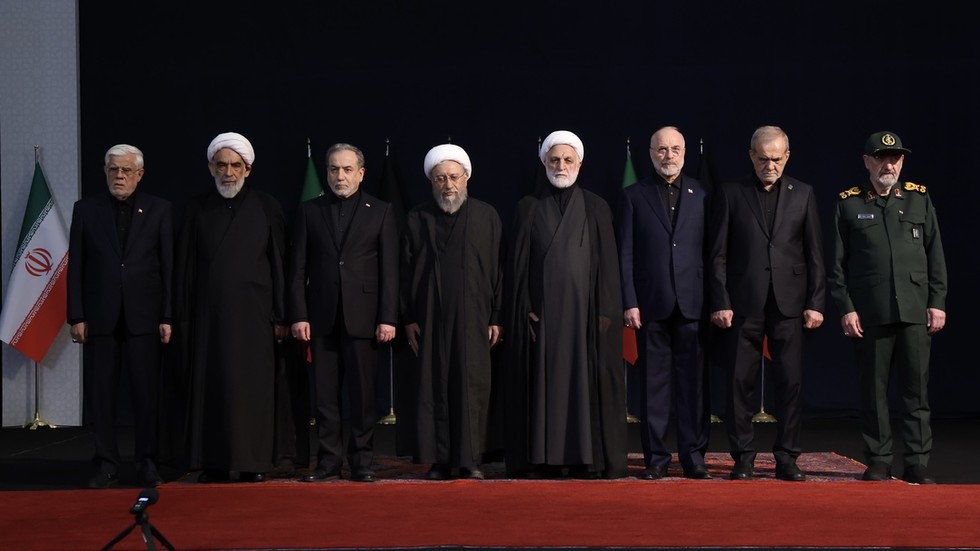
- There is a roughly even chance that the US or Israel will resume direct strikes on Iran by 25 December 2026. The Trump administration is discussing another strike against Iranian leaders, and Netanyahu is reportedly urging Donald Trump to act; however, Lieutenant General Eyal Zamir and Mossad researchers are reported to oppose an immediate attack, while Gulf states have urged Washington to continue economic pressure. Reporting shows competing views, not an operational decision. (Confidence: medium · ASSESSED)
- I&W: Confirmation by the White House or Israeli government of an approved strike plan, or a publicly announced move of strike forces into operational positions, would support this judgment. (0-30 days)
- I&W: Formal US and Israeli statements ruling out strikes, alongside publicly announced direct talks with Iran, would weaken this judgment. (0-30 days)
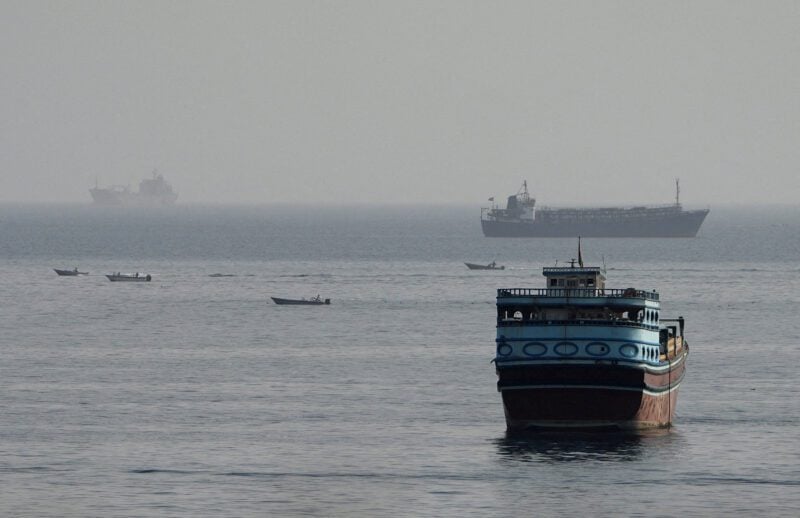
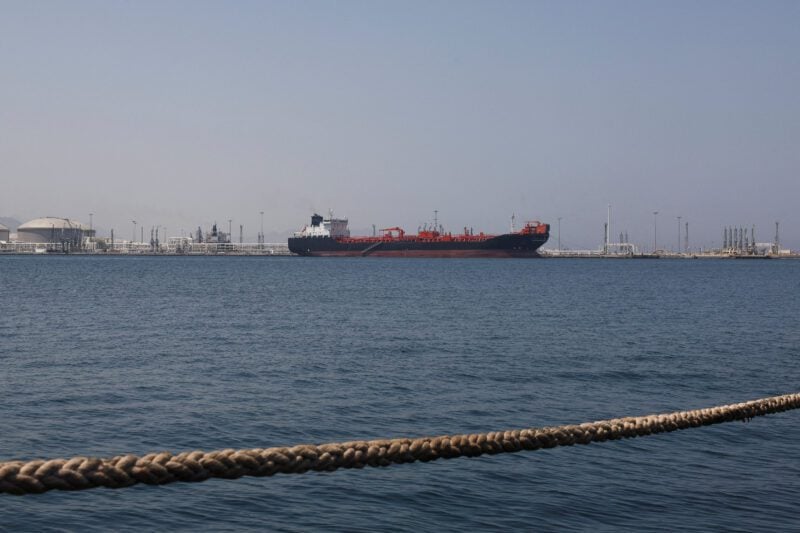
- Commercial traffic through the Strait of Hormuz is likely to remain materially disrupted through 9 December 2026. US-facilitated transits averaged 38 vessels per day from 19 to 21 November, up from 27 per day in the preceding four days, but still well below the reported 2025 average of about 138 daily transits. JMIC assessed the threat as severe. Its count of seven tanker strikes since 16 November differs from separate reporting of 10 tanker strikes in one week, and responsibility for the attacks remains unconfirmed. (Confidence: medium · ASSESSED)
- I&W: A further UKMTO or JMIC report of a commercial vessel attack, or facilitated transits averaging fewer than 50 per day, would support continued disruption. (0-14 days)
- I&W: Facilitated transits averaging at least 100 per day for seven consecutive days, together with a JMIC downgrade from severe, would weaken this judgment. (0-14 days)
- A US-Iran agreement on peace and reopening the Strait of Hormuz is unlikely within 30 days without a change in stated conditions. Mohammad Bagher Ghalibaf says Tehran will not discuss peace or unblocking the strait until its seven conditions are met, including lifting sanctions, ending the naval blockade and releasing frozen assets. A White House official says Washington intends to maintain the blockade and restrict land-based supply routes, although Mike Huckabee says Trump prefers a negotiated settlement. (Confidence: medium · ASSESSED)
- I&W: A public Iranian statement accepting talks before the blockade is lifted, or a White House announcement of a scheduled negotiation, would weaken this judgment. (0-30 days)
- I&W: Ghalibaf reiterating that Iran will not discuss peace until its conditions are met, alongside continued US blockade operations, would support this judgment. (0-30 days)
- Iran’s economic and utility pressures are likely to intensify this winter, increasing domestic strain but not establishing how Iran’s leadership will respond. Tavanir began rolling power cuts of about two hours a day on 22 November; the National Iranian Gas Company warned that 11 of Iran’s 31 provinces face supply difficulties, and the government spokeswoman cited a potential gas shortfall of 430 million cubic metres a day. The Statistical Centre of Iran reported average annual inflation of 76.8 per cent for Mehr. (Confidence: medium · ASSESSED)
- I&W: Tavanir continuing daily power cuts and the gas company maintaining warnings for 11 or more provinces would support worsening winter pressure. (1-3 months)
- I&W: Official reporting that scheduled cuts have ended and that provincial gas supply warnings have narrowed would weaken this judgment. (1-3 months)
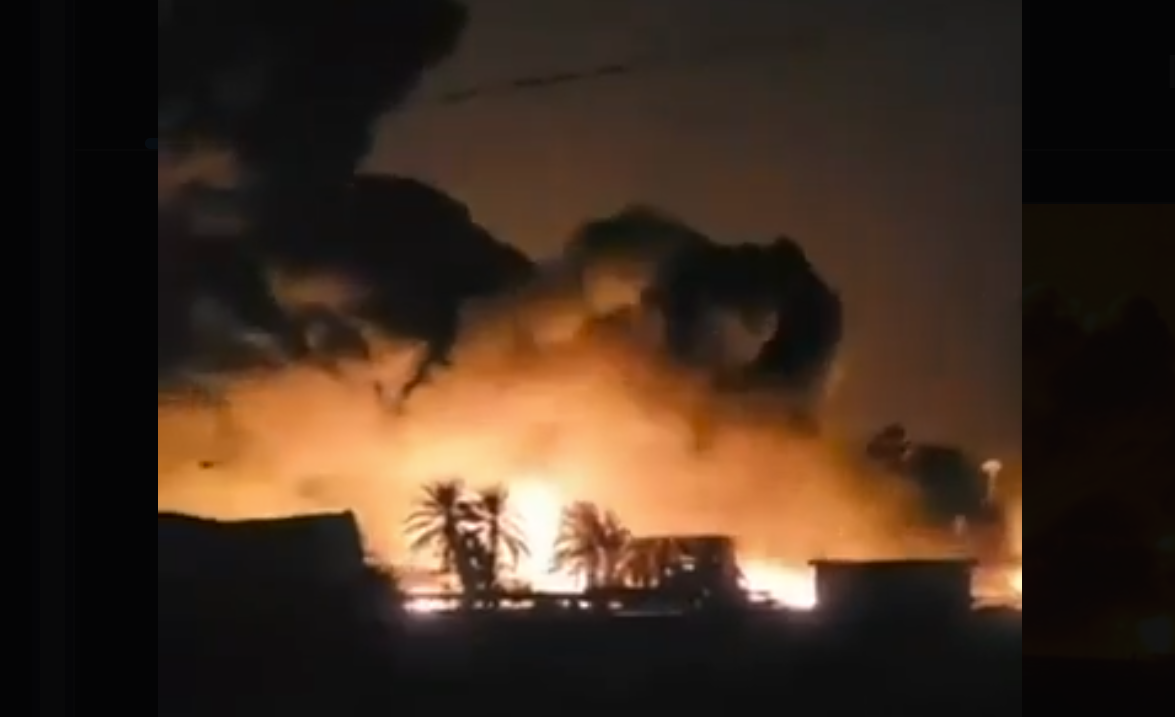
- A Saudi-Houthi exchange involving Saudi territory is reported, and there is a roughly even chance of another direct incident within 14 days. A trade publication attributes the 24 November drone strike on Riyadh’s PIF Tower, which injured 11 people, to Houthi forces; Saudi forces reported a drone strike at Ras Tanura on 25 November, with satellite and heat-sensing data showing a fire. The same publication reports a Saudi strike on Hodeidah and Houthi threats against Saudi Red Sea ports. The reporting is concentrated in one source, and damage and casualty assessments for Hodeidah have not been released. (Confidence: low · ASSESSED)
- I&W: Saudi Civil Defense or a maritime authority confirming another Houthi drone strike on a Saudi city, oil facility or port would support this judgment. (0-14 days)
- I&W: A publicly announced Saudi-Houthi halt to attacks, followed by no reported strikes on Saudi territory or ports for 14 days, would weaken this judgment. (0-14 days)
- Israeli strikes in Gaza are likely to continue through 25 December 2026, keeping the ceasefire under pressure. The Israeli military and Shin Bet announced a strike on a senior Hamas member on 24 November; Israeli officials and Gaza’s Hamas-run Interior Ministry identified the person as Naeem Abu Nahal. Separate reports say an Israeli strike on a Shati refugee camp apartment on 25 November killed four members of one family. Reports of deaths from the 24 November strikes differ, limiting confidence in the overall casualty count. (Confidence: medium · ASSESSED)
- I&W: Further Israeli military or Shin Bet announcements of strikes in Gaza, or Palestinian medical reporting of strike casualties, would support this judgment. (0-30 days)
- I&W: No reported Israeli strikes or strike-related deaths in Gaza for 14 consecutive days would weaken this judgment. (0-30 days)
Outlook & scenarios
Continued coercion without renewed strikes (40%)
Washington maintains the blockade and restrictions on Iranian supply routes, while Tehran maintains its stated conditions for peace talks. Hormuz traffic remains below the reported historical average, with intermittent attacks and uneven recovery in facilitated transits. Saudi-Houthi incidents remain a separate source of regional risk.
Limited renewed US or Israeli strikes on Iran (35%)
The current debate results in renewed strikes, including attacks directed at senior Iranian leaders. Tehran retaliates, raising the risk to US officials identified in military warnings and increasing pressure on commercial shipping and regional security.
Negotiated pause (15%)
Washington and Tehran make a public shift on the blockade and Iran’s stated conditions, creating a basis for talks. A pause in direct strikes reduces immediate escalation pressure, while shipping recovery depends on a sustained decline in attacks and a reduction in the maritime threat assessment.
Wildcard: retaliation widens across the region (10%)
A strike against Iranian leaders triggers retaliation that raises the threat to US officials and regional targets. Concurrent attacks on shipping or Saudi infrastructure compound the crisis. This is a low-probability, high-impact scenario; current reporting identifies retaliation risk but does not establish a planned Iranian response.
Recommendations
- Maintain a daily Strait of Hormuz tracker combining JMIC and UKMTO incident reports, facilitated transit counts and shipping advisories. Flag any newly confirmed attack and any seven-day average below 50 transits per day.
- Separate reporting of strike discussions from evidence of an approved operation. Require corroboration from an official US or Israeli statement or observable force movement before assessing that a decision to strike has been made.
- For Saudi and Gulf monitoring, verify reports of attacks on the PIF Tower, Ras Tanura and Hodeidah against Saudi Civil Defense, military or port statements before treating the reported exchange as established fact.
- Track Tavanir outage announcements, National Iranian Gas Company provincial warnings and Statistical Centre of Iran inflation releases. Do not infer regime instability from economic pressure alone.
- For Gaza reporting, keep the 24 November Abu Nahal strike separate from the 25 November Shati camp strike, and report casualty totals with their source and date because current accounts differ.
Confidence & uncertainty
Confidence is high in the broad situation: multiple major media, wire and maritime trade reports describe the renewed-strike debate, continued Hormuz disruption and recent Gaza strikes, while named officials have stated their positions on negotiations and the blockade. Confidence is lower on individual maritime attackers, the reported Saudi-Houthi exchange, casualty totals and whether discussion of strikes will produce an operational decision. The headline confidence reflects corroboration of the overall pattern, not certainty on those disputed details.
Alternative analysis (red cell)
The Saudi-Houthi evidence indicates a potentially escalating exchange, but it does not justify assigning an even chance to another direct incident within 14 days. The core incident claims are C3 and concentrated in one publication (c00ef097-3945-4d75-84fb-8babb9eba616; 734db793-b3c7-4d66-86b2-e5d78cb0b222), while the available imagery confirms heat or smoke rather than attribution or damage (778b2ece-63da-4483-acb1-5dd59f56e365). A continued incident is plausible, but the evidence supports substantial uncertainty rather than a calibrated 50-percent estimate.
Intelligence gaps
- [EEI 1.1 · PARTIAL] Observed repositioning, sustained increases, or new forward basing of Iranian conventional or IRGC forces (armored units, missile batteries, aircraft, naval vessels) toward borders or regional launch points. Recommended collection: IMINT/satellite
- [EEI 1.2 · UNCOVERED] Hezbollah or other Iran-aligned proxy forces conducting mass mobilization, visible rocket/artillery emplacements, cross-border firing incidents, or preparations for cross-border operations from Lebanon, Syria, Iraq or Yemen. Recommended collection: HUMINT/ground ISR
- [EEI 1.3 · PARTIAL] Detection of increased missile/rocket/torpedo launch events attributable to Iran, Israel, or proxies (launch signatures, trajectories, impact points) indicating a sustained campaign rather than isolated strikes. Recommended collection: SIGINT/IMINT/air-defense radar
- [EEI 1.4 · UNCOVERED] Interdicted or observed shipments (air, sea, land manifests, seizures, satellite imagery of transfers) of advanced weapons or missile components from Iran toward proxy groups or forward staging points. Recommended collection: maritime/AIS
- [EEI 2.1 · UNCOVERED] Satellite or on-the-ground imagery showing fires, damage, or operational shutdown at major oil export facilities, refineries, storage terminals, or key pipeline infrastructure in the Gulf and Red Sea. Recommended collection: IMINT/satellite
- [EEI 2.4 · PARTIAL] Rapid increases in war-risk insurance premiums for Middle East routes, shipping company advisories to avoid region, or major charter cancellations tied to the conflict. Recommended collection: financial/open-source
- [EEI 3.1 · UNCOVERED] Movement/arrival of major foreign military assets into the region: US carrier strike groups, amphibious ready groups, strategic bomber flights, Russian/Chinese naval taskings, or allied expeditionary units (visible in AIS, NOTAMs, satellite imagery, official releases). Recommended collection: IMINT/satellite
- [EEI 3.2 · UNCOVERED] Official expedited arms transfers, basing/overflight agreements, or declarations of operational support (formal government announcements, defense ministry releases, logistics flight manifests). Recommended collection: open-source/diplomatic
- [EEI 3.3 · PARTIAL] Embassy evacuations, large-scale personnel movements, issuance of government travel bans/advisories, or multinational security alerts affecting foreign nationals and diplomatic posture in the region. Recommended collection: diplomatic/open-source
- [EEI 3.4 · PARTIAL] High-level diplomatic/UN activity: scheduled or emergency Security Council meetings, published ceasefire proposals, or multilateral statements committing support/condemnation that precede changes in military posture. Recommended collection: open-source/diplomatic
Red cell review: PARTIAL DISSENT
TLP:CLEAR