TLP:CLEAR · Disclosure is not limited.
Iran-Israel Conflict: Strike Options, Hormuz Risks and Gulf Security
Time window: Last 1 day · Audience: General analyst · Type: Situation report · DTG: 2026-10-22 06:28Z · Overall confidence: HIGH
BLUF
A US attack on Iran before 3 November is unlikely on President Donald Trump’s stated pledge, but renewed US-Israeli strikes after the US midterm elections have a roughly even chance. Maritime risk remains high in the Strait of Hormuz, while the IRGC Navy’s latest mine-strike claims remain unverified independently.
Executive summary
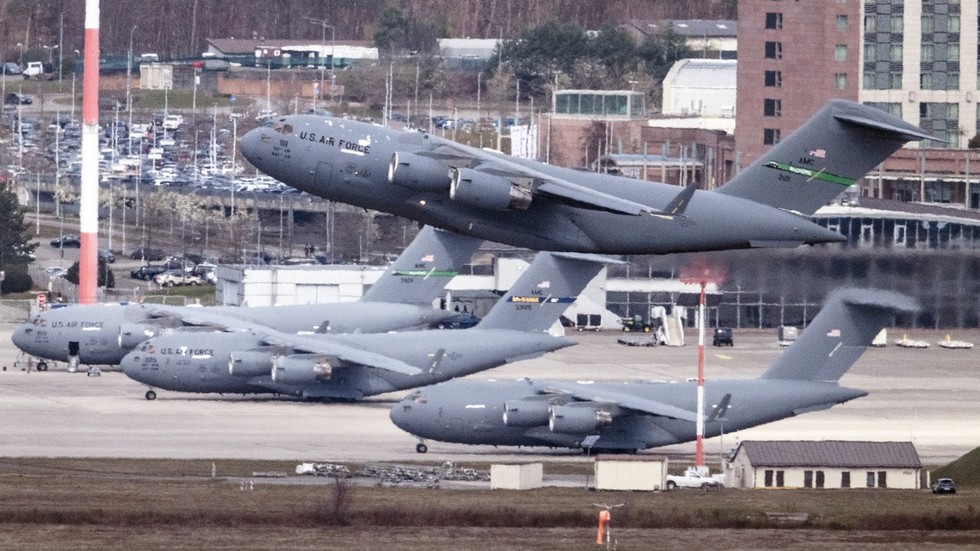
Reporting on 22 October says US officials have presented President Trump with strike options against Iranian nuclear installations and strategic islands, but no final decision has been announced. Israel has said it is prepared to attack Iran without US participation, while Prime Minister Benjamin Netanyahu has also ruled out new strikes before Israel’s 27 October election. US personnel are being repositioned from bases in Jordan, Qatar and Kuwait, and the State Department has ordered non-emergency personnel and families to leave Saudi Arabia; accounts differ on whether only emergency-essential staff may remain. The IRGC Navy claims that vessels were struck in the Gulf and that three vessels caught fire after hitting mines near the Strait of Hormuz. Separate maritime reporting records attacks on commercial vessels but does not establish responsibility for the latest claims. Shipping costs remain far above prewar levels, although reported oil flows through Hormuz are about 82% of prewar levels. Tehran’s conditional offer to restore normal navigation within seven days was rejected by Trump, while Qatar says diplomatic efforts continue.
Change from previous assessment
Since the 21 October brief, the strike assessment has shifted from a roughly even chance of a renewed Israeli strike before the US midterms to a clearer split by timing: a US attack before 3 November is unlikely on Trump’s pledge, while post-election US-Israeli strikes remain a roughly even chance. New reporting says US officials have presented options involving nuclear installations and strategic islands, and that US personnel are being repositioned from Jordan, Qatar and Kuwait. The State Department’s Saudi departure order and the latest IRGC vessel claims add new judgments; the latter remain unverified independently. The assessment of elevated Hormuz shipping risk remains, now with reported flow and freight figures.
Key judgments
- A US attack on Iran before 3 November is unlikely, while renewed US-Israeli strikes after the US midterm elections have a roughly even chance. Trump has pledged not to attack Iran before 3 November, and Netanyahu has ruled out new Israeli strikes before Israel’s 27 October election, despite saying Israel is prepared to attack without US participation. US officials have presented options involving Iranian nuclear installations, underground sites, Kharg Island and Qeshm Island, but no final decision is reported. (Confidence: medium · ASSESSED)
- I&W: A White House or Pentagon announcement authorising strikes against Iran before 3 November would break the assessment of pre-election restraint. (0-12 days)
- I&W: A public US-Israeli announcement of a post-election strike decision, or confirmed preparations directed at Iranian nuclear sites, Kharg Island or Qeshm Island, would confirm the post-election risk. (12-30 days)
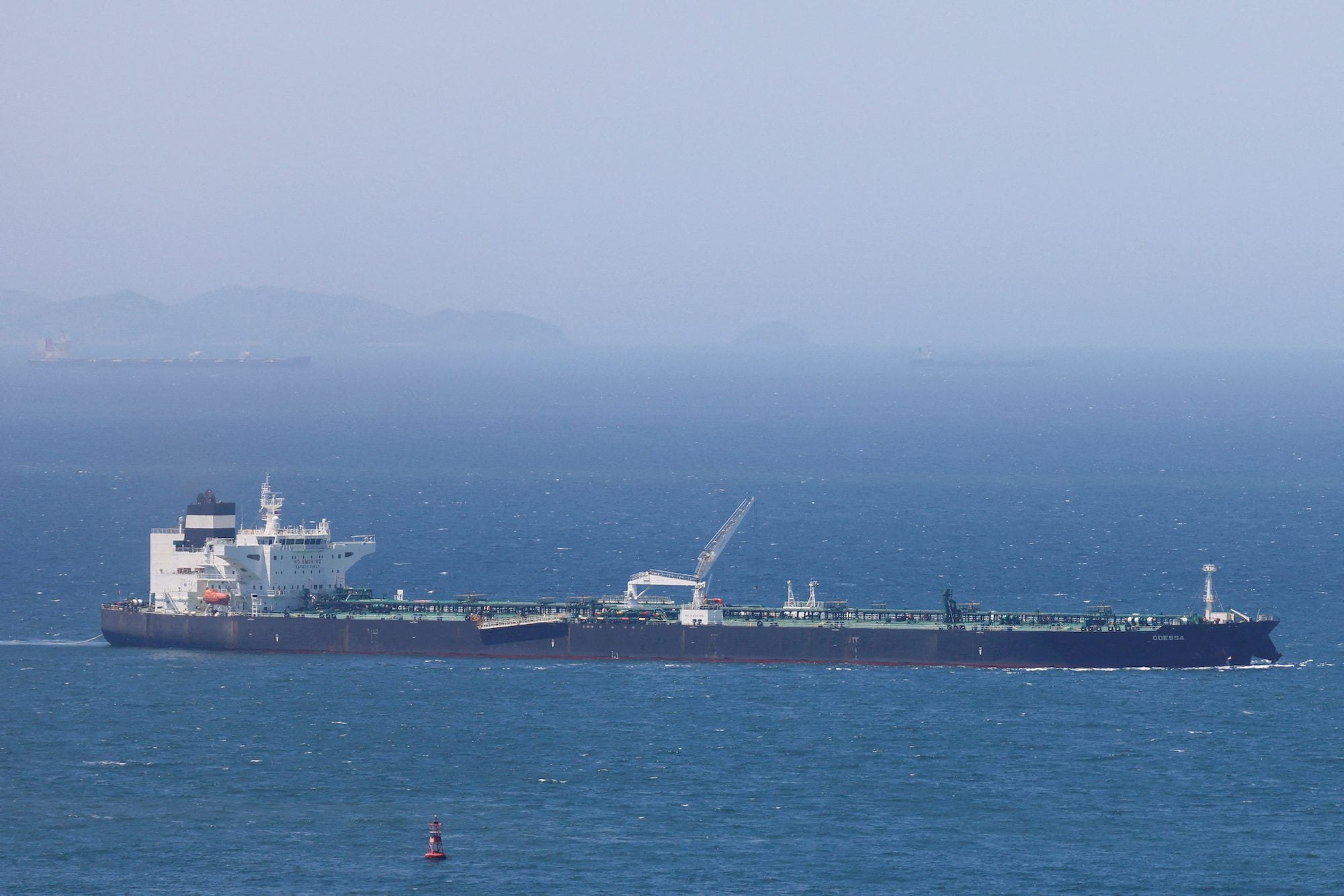
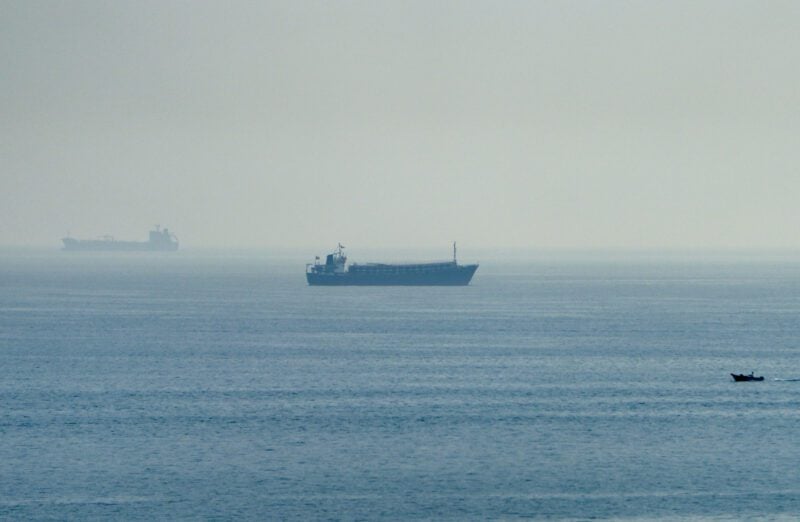
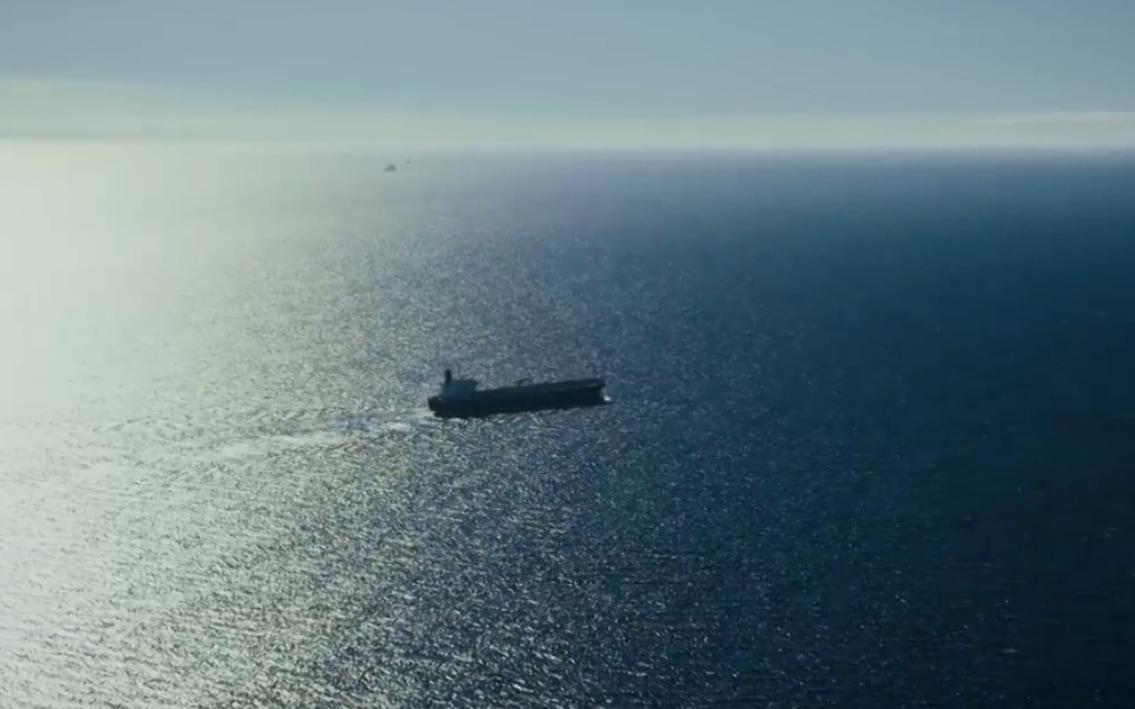
- Commercial shipping risk in the Strait of Hormuz is likely to remain high over the next month, although a complete interruption of oil flows is unlikely. UKMTO recorded 12 attacks on commercial vessels in the week ending 16 October, including 10 in the Strait; JMIC maintained a severe threat assessment on 18 October. The IEA reported crude shipping costs above $37 per barrel, while reported oil flows through Hormuz remained at about 82% of prewar levels and Middle East oil shipments averaged more than 24 million barrels per day in the week ending 18 October. (Confidence: high · ASSESSED)
- I&W: A UKMTO tally of at least 10 commercial-vessel attacks in a new seven-day reporting period would confirm sustained high risk. (0-14 days)
- I&W: A weekly UKMTO tally below three attacks alongside reported Hormuz oil flows returning to at least 95% of prewar levels would break the assessment of persistently high disruption. (1-3 months)
- It is unlikely that the available reporting independently establishes the IRGC Navy’s claim that three vessels struck mines near the Strait of Hormuz or confirms the damage details. The latest reports repeat the IRGC account and provide no vessel ownership, casualty or damage information. UKMTO’s separate reporting of attacks on commercial vessels does not establish that those incidents involved mines or identify the attackers. (Confidence: low · ASSESSED)
- I&W: A UKMTO or JMIC bulletin naming the three vessels and independently assessing mine damage would confirm that the incident occurred, though not by itself establish responsibility. (0-14 days)
- I&W: An IRGC correction withdrawing the three-vessel claim, or a JMIC assessment finding no corresponding incident, would break the claim’s current evidentiary basis. (0-14 days)
- The US diplomatic posture in Saudi Arabia is likely to remain restricted in the near term, but a Gulf-wide departure order is unconfirmed. The State Department ordered non-emergency personnel and family members to leave Saudi Arabia; reporting differs on whether only emergency-essential staff may remain. Separate reporting that other Gulf missions would order family departures conflicts with State Department spokesperson Tommy Pigott’s statement that an earlier report of wider departures was inaccurate. Saudi Arabia’s Civil Aviation Authority reported one person killed and eight injured in an attack on King Fahd International Airport in Dammam, but the supplied report did not identify the attacker. (Confidence: medium · ASSESSED)
- I&W: A revised State Department notice stating that only emergency-essential staff may remain in Saudi Arabia, or announcing departures from another named Gulf mission, would confirm a broader or tighter posture. (0-14 days)
- I&W: A State Department notice rescinding the Saudi departure order or authorising non-emergency staff to return would break the assessment of a continuing restricted posture. (0-30 days)
- A formal Hormuz reopening within seven days is unlikely. Tehran offered to restore normal navigation within that period if Washington lifted its naval blockade, eased oil sanctions and agreed to a broader cessation of hostilities; Trump rejected the offer as unacceptable and denied that negotiations were under way. Iran’s Foreign Minister Abbas Araghchi says Tehran is prepared to give diplomacy another chance, and Qatar’s mediator says efforts to reopen the Strait continue, but the reporting does not establish an agreed process. (Confidence: medium · ASSESSED)
- I&W: A joint US-Iran announcement accepting terms and confirming restored normal navigation would break the assessment that reopening within seven days is unlikely. (0-7 days)
- I&W: No joint statement or verified change to navigation conditions by 29 October would confirm that the seven-day proposal has not produced an agreement. (0-7 days)
Outlook & scenarios
Renewed strikes after the US midterm elections (45%)
After 3 November, Washington and Jerusalem launch renewed strikes against Iranian targets. US officials’ reported options include nuclear installations, underground sites, Kharg Island and Qeshm Island. The pre-election pledges hold, but the post-election preparation reporting points to a later strike window. This remains a scenario, not a reported decision.
Election period restraint and continued diplomacy (40%)
The United States and Israel maintain restraint through their election dates, and Washington does not authorise a new strike in the following weeks. Qatar continues mediation and Tehran keeps its conditional Hormuz proposal available, but no agreement resolves the blockade, sanctions or wider hostilities.
Maritime incident triggers direct US-Iran escalation (15%)
A confirmed mine strike or attack on a commercial vessel prompts Washington to call for vessels to cross the Strait of Hormuz. The IRGC Navy then acts on its threat to retaliate against US bases. This is a low-probability, high-impact pathway that would expose US forces and Gulf shipping to direct escalation.
Recommendations
- Maintain separate warning lines for the period before 3 November and the weeks after it. Track public US and Israeli decisions and any confirmed preparations involving Iranian nuclear sites, Kharg Island or Qeshm Island.
- Check State Department notices for Saudi Arabia and other named Gulf missions. Record the exact staffing scope and distinguish official notices from reporting based on unnamed officials.
- Reconcile vessel incidents through UKMTO and JMIC updates. Seek vessel names, locations, damage assessments and mine attribution before treating IRGC claims as independently confirmed.
- Track whether Tehran, Washington and Qatar issue a joint statement or report a verified change in Hormuz navigation conditions by 29 October.
Confidence & uncertainty
Overall confidence is high in the broad operating picture because major-media reporting, official statements and maritime-trade reporting converge on US strike options, personnel repositioning, the Saudi departure order and elevated shipping risk. Confidence is lower on the attribution and details of the latest vessel incidents, the precise scope of US departures from Saudi Arabia, and whether military options will be approved. Those uncertainties limit confidence in specific escalation timing, not in the overall assessment of heightened regional risk.
Intelligence gaps
- [EEI 1.1 · UNCOVERED] Observed repositioning, sustained increases, or new forward basing of Iranian conventional or IRGC forces (armored units, missile batteries, aircraft, naval vessels) toward borders or regional launch points. Recommended collection: IMINT/satellite
- [EEI 1.2 · PARTIAL] Hezbollah or other Iran-aligned proxy forces conducting mass mobilization, visible rocket/artillery emplacements, cross-border firing incidents, or preparations for cross-border operations from Lebanon, Syria, Iraq or Yemen. Recommended collection: HUMINT/ground ISR
- [EEI 1.4 · UNCOVERED] Interdicted or observed shipments (air, sea, land manifests, seizures, satellite imagery of transfers) of advanced weapons or missile components from Iran toward proxy groups or forward staging points. Recommended collection: maritime/AIS
- [EEI 2.1 · UNCOVERED] Satellite or on-the-ground imagery showing fires, damage, or operational shutdown at major oil export facilities, refineries, storage terminals, or key pipeline infrastructure in the Gulf and Red Sea. Recommended collection: IMINT/satellite
- [EEI 2.3 · PARTIAL] Significant and sustained reductions or rerouting of tanker transits through the Strait of Hormuz (ship traffic counts, pilot reports, port call cancellations) and announcements of closure or restricted navigation zones (NOTAMs, maritime advisories). Recommended collection: maritime/NOTAMs
- [EEI 2.4 · UNCOVERED] Rapid increases in war-risk insurance premiums for Middle East routes, shipping company advisories to avoid region, or major charter cancellations tied to the conflict. Recommended collection: financial/open-source
- [EEI 3.1 · PARTIAL] Movement/arrival of major foreign military assets into the region: US carrier strike groups, amphibious ready groups, strategic bomber flights, Russian/Chinese naval taskings, or allied expeditionary units (visible in AIS, NOTAMs, satellite imagery, official releases). Recommended collection: IMINT/satellite
- [EEI 3.2 · UNCOVERED] Official expedited arms transfers, basing/overflight agreements, or declarations of operational support (formal government announcements, defense ministry releases, logistics flight manifests). Recommended collection: open-source/diplomatic
Red cell review: CONCUR WITH COMMENT
TLP:CLEAR