TLP:CLEAR · Disclosure is not limited.
Iran-Israel Conflict: Strike Readiness, Hormuz Risk and Israeli Coalition Deadlock
Time window: Last 1 day · Audience: General analyst · Type: Situation report · DTG: 2026-10-29 07:28Z · Overall confidence: HIGH
BLUF
A US-Israeli strike campaign against Iran between 4 and 10 November remains roughly even chance: reported deployments and warnings point to readiness, not an attack decision. The IRGC's reported MQ-1 shootdown and a separate report of Iranian strikes on US facilities require urgent verification; Strait of Hormuz shipping and Israel's coalition arithmetic add near-term uncertainty.
Executive summary
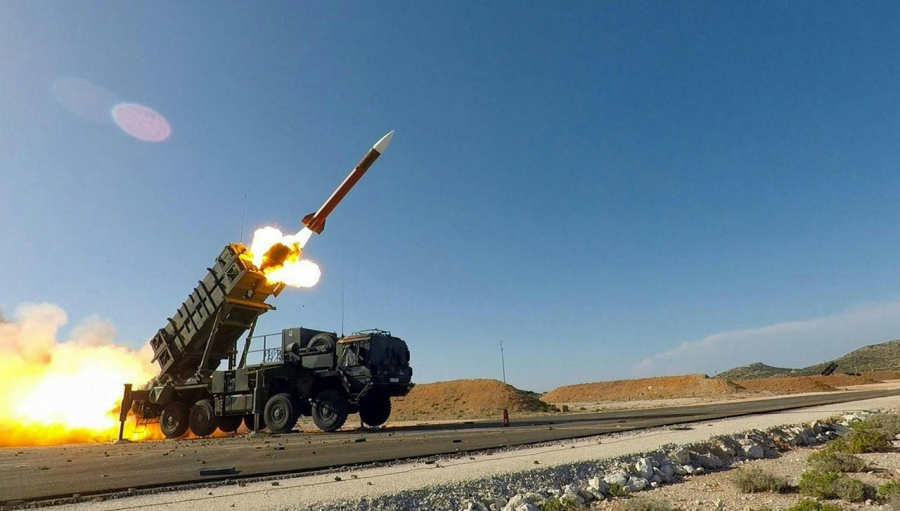
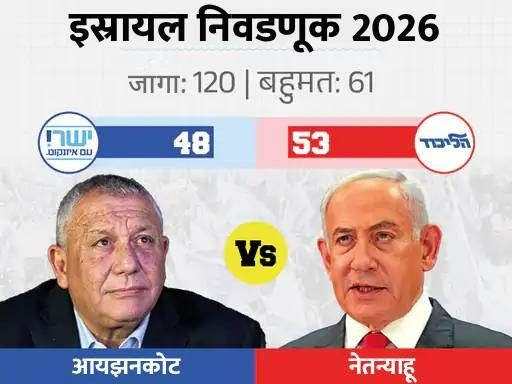
Reports describe US and Israeli preparations for possible renewed strikes after the US midterm elections on 3 November, including a Patriot transfer from Texas to Israel, aircraft preparations and US warnings to Gulf partners. These reports do not establish an order to attack, and other reporting says Donald Trump and Israeli Chief of Staff Eyal Zamir opposed action before the elections. On 29 October, preliminary Israeli results put Benjamin Netanyahu's bloc at 53 seats and Gadi Eisenkot's opposition bloc at 48, short of the 61 needed for a majority; Arab parties are projected to hold 19 seats. A US naval advisory advises non-essential vessels to avoid the Strait of Hormuz, but reported attack totals and oil-flow estimates differ. The IRGC's account of a US MQ-1 shootdown and a report of Iranian strikes on US facilities across six countries lack independent confirmation in the available reporting.
Change from previous assessment
Since the 28 October brief, the assessment that a US strike campaign between 4 and 10 November is roughly even chance remains unchanged, but reporting on Patriot transfers, aircraft preparations, force protection and Gulf warnings adds detail on readiness without establishing an attack order. New reporting attributes an MQ-1 downing near the Strait of Hormuz to the IRGC and alleges Iranian strikes on US facilities in six countries; both are unverified and lower-confidence additions. Israeli preliminary projections have shifted from the prior brief's 56 seats for Netanyahu's bloc, 49 for the opposition and 15 for Arab-led parties to 53, 48 and a projected 19 respectively. The Strait of Hormuz picture is also less settled than a single ship-fire report suggested, with advisory notices and conflicting incident and flow figures now in view.
Key judgments
- A US-Israeli strike campaign against Iran between 4 and 10 November remains roughly even chance. Reports describe preparations involving US bombers and fighter aircraft, a Patriot transfer from Texas to Israel, US troop withdrawals from bases considered vulnerable to Iranian retaliation, and a US warning to Gulf allies about a post-election campaign. These reports indicate readiness, not an attack order. Other reporting says Trump and Eyal Zamir opposed an attack before the US midterms, leaving the timing and decision unresolved. (Confidence: medium · ASSESSED)
- I&W: Confirm: US or Israeli authorities publicly acknowledge strikes on Iranian territory by 10 November. (0-12 days)
- I&W: Break: By 10 November, the US and Israeli governments publicly rule out a campaign and no strikes are independently reported. (0-12 days)
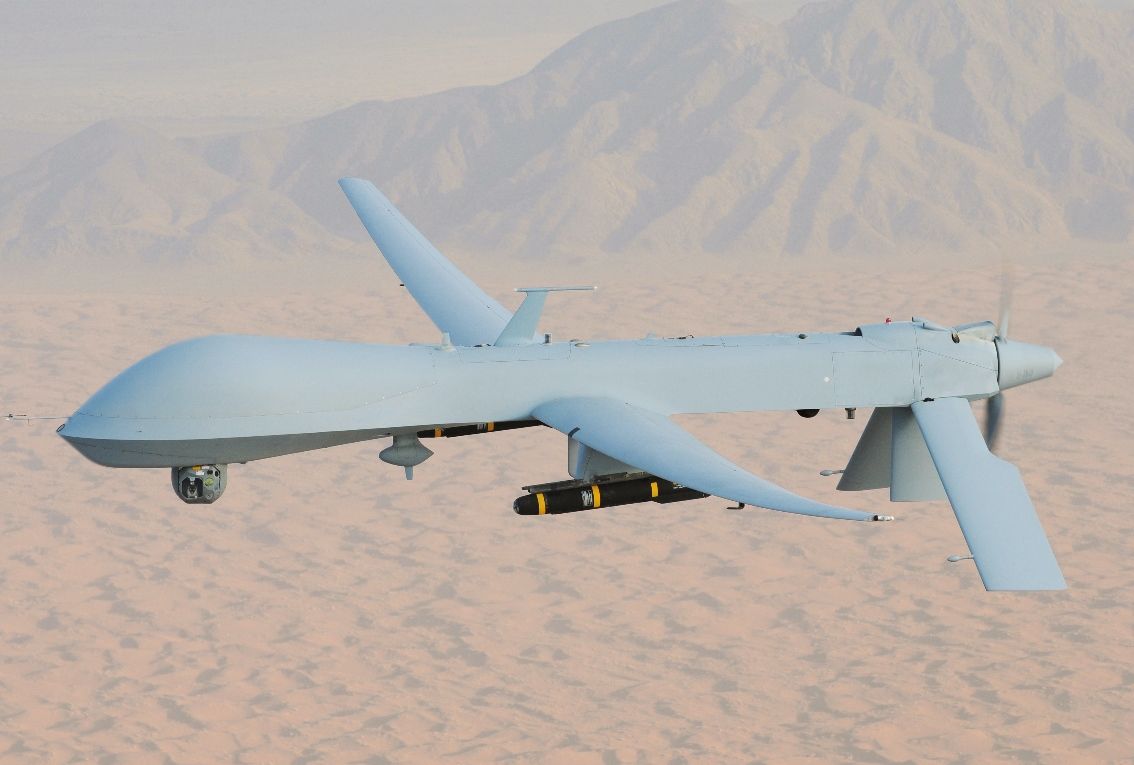
- The IRGC's report that it downed a US MQ-1 east of the Strait of Hormuz near Sirik County is likely to raise immediate escalation risk if accurate. The available reports repeat the IRGC account or attribute it to Iranian media; they do not provide independent confirmation from the US government. The downing itself is therefore unverified. (Confidence: low · ASSESSED)
- I&W: Confirm: The US Department of Defense acknowledges the loss of an MQ-1 near Sirik or the eastern Strait of Hormuz. (0-7 days)
- I&W: Break: The US Department of Defense publicly denies an MQ-1 loss in the reported incident. (0-7 days)
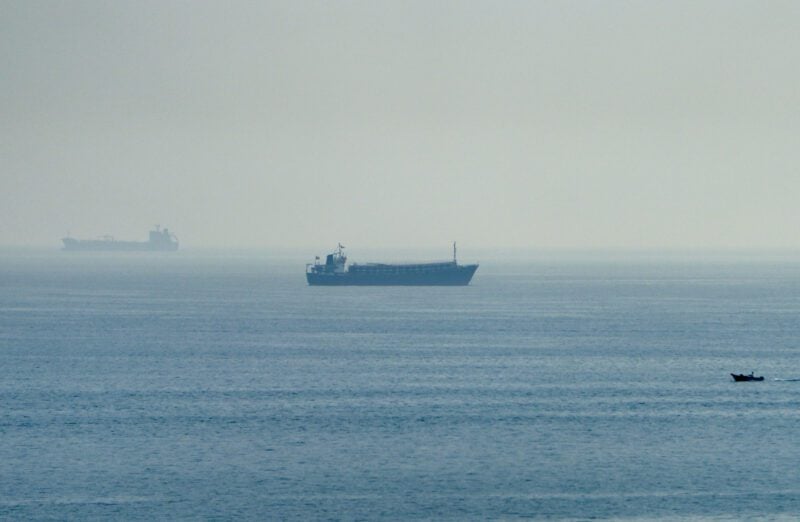
- Commercial shipping in the Strait of Hormuz is likely to remain exposed to attack and enforcement delays, but the available reporting does not establish a single reliable October attack total or flow level. On 28 October, US Naval Forces Central Command advised non-essential vessels to remain clear and warned of delays from traffic density and blockade enforcement. Other reports give differing counts, including at least 25 ships hit in the first 20 days of October, at least 18 tanker attacks over two weeks, and almost 30 ship attacks during October. Oil-flow estimates also diverge, so those figures should not be combined as if they measure the same period or traffic. (Confidence: medium · ASSESSED)
- I&W: Confirm: UK Maritime Trade Operations reports two or more newly struck commercial vessels in the Strait of Hormuz. (0-14 days)
- I&W: Break: US Naval Forces Central Command withdraws its avoidance advisory and Kpler reports sustained recovery in Strait of Hormuz transit flows. (0-30 days)
- Israel's 29 October preliminary results leave government formation unresolved: Netanyahu's bloc is projected to hold 53 seats, Eisenkot's opposition bloc 48, and Joint List and Ra'am together 19, with neither major bloc near the 61-seat majority. Coalition bargaining is likely to be difficult. Reporting differs on whether the Joint List would provide outside support, while another account says Netanyahu and Eisenkot both rejected Arab-party support. The final count and the parties' positions remain unsettled. (Confidence: medium · ASSESSED)
- I&W: Confirm or revise: Israel's Central Elections Committee releases final seat totals, including the outstanding special ballots. (0-14 days)
- I&W: Confirm: President Isaac Herzog begins party consultations and names a leader to attempt to form a government. (0-14 days)
- A report that Iran began strikes on US facilities in Bahrain, Jordan, Qatar, Kuwait, the United Arab Emirates and Oman is an unverified, high-impact warning, not an established event. The available account does not provide independent corroboration or specific details of damage or casualties. (Confidence: low · REPORTED)
- I&W: Confirm: Any of the six named governments or US authorities publicly confirms a strike on a US facility and identifies its location. (0-7 days)
- I&W: Break: US authorities and the named host governments publicly deny strikes on their facilities, with no independently reported damage or casualties. (0-7 days)
Outlook & scenarios
Deterrence holds through the US midterms (50%)
The United States and Israel do not launch new strikes between 4 and 10 November. Reported preparations and Gulf warnings persist, but the opposition to pre-election action attributed to Trump and Eyal Zamir continues to restrain an attack decision. Iran and Israel remain in a tense stand-off, while shipping risks and Israeli coalition talks continue.
Limited post-election strikes and Iranian retaliation (35%)
After 3 November, the United States and Israel launch a limited campaign against Iran. Tehran responds against US facilities or energy infrastructure in the Gulf, consistent with its reported warnings. This scenario is less likely than continued restraint, but the reported preparations and force-protection measures make it a credible alternative.
A maritime or air incident widens the conflict (10%)
A strike on commercial shipping in the Strait of Hormuz or a confirmed loss of a US aircraft prompts a wider exchange. Iran's reported attacks on US facilities in Bahrain, Jordan, Qatar, Kuwait, the United Arab Emirates and Oman prove accurate or are followed by further strikes. This is a very unlikely, high-impact scenario that would place regional military facilities and commercial shipping at greater risk.
Recommendations
- For the 4 to 10 November watch period, separate evidence of force readiness from evidence of an attack decision. Track US and Israeli official statements, confirmed aircraft or air-defence deployments, and any post-election Gulf partner warnings.
- Do not treat the reported MQ-1 loss or strikes on US facilities across six countries as confirmed. Seek confirmation from the US Department of Defense, US Central Command and the named host governments before using either report in a brief or warning.
- Maintain a daily Strait of Hormuz incident log that records source, vessel type, incident date, attribution and counting window. Keep UK Maritime Trade Operations reports, IRGC statements, Reuters and Kpler figures distinct until their definitions and time periods are reconciled.
- Track final Israeli seat totals and President Isaac Herzog's coalition consultations. Reassess government-formation prospects when the outstanding ballots are counted and parties clarify whether they will support an administration involving Arab parties.
Confidence & uncertainty
Overall confidence is high in the broad picture because multiple major-media reports converge on Israel's inconclusive election result, while a dated US naval advisory and separate trade reporting support elevated Strait of Hormuz risk. Confidence is lower on the precise shipping totals and oil-flow levels, which conflict in scope and direction. The reported MQ-1 loss and Iranian strikes on US facilities rely on uncorroborated or derivative reporting, so those events remain low-confidence judgments.
Intelligence gaps
- [EEI 1.1 · UNCOVERED] Observed repositioning, sustained increases, or new forward basing of Iranian conventional or IRGC forces (armored units, missile batteries, aircraft, naval vessels) toward borders or regional launch points. Recommended collection: IMINT/satellite
- [EEI 1.2 · PARTIAL] Hezbollah or other Iran-aligned proxy forces conducting mass mobilization, visible rocket/artillery emplacements, cross-border firing incidents, or preparations for cross-border operations from Lebanon, Syria, Iraq or Yemen. Recommended collection: HUMINT/ground ISR
- [EEI 1.4 · UNCOVERED] Interdicted or observed shipments (air, sea, land manifests, seizures, satellite imagery of transfers) of advanced weapons or missile components from Iran toward proxy groups or forward staging points. Recommended collection: maritime/AIS
- [EEI 2.1 · PARTIAL] Satellite or on-the-ground imagery showing fires, damage, or operational shutdown at major oil export facilities, refineries, storage terminals, or key pipeline infrastructure in the Gulf and Red Sea. Recommended collection: IMINT/satellite
- [EEI 2.4 · PARTIAL] Rapid increases in war-risk insurance premiums for Middle East routes, shipping company advisories to avoid region, or major charter cancellations tied to the conflict. Recommended collection: financial/open-source
- [EEI 3.3 · UNCOVERED] Embassy evacuations, large-scale personnel movements, issuance of government travel bans/advisories, or multinational security alerts affecting foreign nationals and diplomatic posture in the region. Recommended collection: diplomatic/open-source
Red cell review: CONCUR WITH COMMENT
TLP:CLEAR