TLP:CLEAR · Disclosure is not limited.
Iran-Israel Conflict: Strike Risk and Hormuz Disruption, 1 November 2026
Time window: Last 1 day · Audience: General analyst · Type: Situation report · DTG: 2026-11-01 14:16Z · Overall confidence: HIGH
BLUF
A renewed US or joint US-Israeli strike campaign against Iran after 3 November remains a roughly even chance over the next 14 days, but the supplied reporting does not establish an approved strike order. Qatar-mediated contacts continue, while Iran’s proposed two-day Strait of Hormuz reopening remains conditional and unresolved.
Executive summary
On 1 November, Iran designated the UK Royal Navy and Royal Air Force as terrorist organisations and MI6 as a hostile entity. Iranian officials reported continuing Qatar-mediated consultations on a two-day plan to reopen the Strait of Hormuz, but Abbas Araghchi said no final result had been reached. Shipping incidents remain a concern: the Qatari LNG carrier Al Mayeda was struck by unidentified objects on 30 October, while reporting on a vessel hit south of Lavan Island differs over the number and origin of the projectiles. Reports of Israeli preparations and US force movements sustain concern about renewed strikes after 3 November; Marco Rubio said Donald Trump had not decided whether to resume military action.
Change from previous assessment
Since the 31 October brief, reporting adds Iran’s 1 November designation of the UK Royal Navy, Royal Air Force, and MI6, and provides more detail on the conditional two-day Hormuz reopening proposal and the 30 October attacks on the Al Mayeda and a vessel south of Lavan Island. The assessment of a renewed strike campaign remains a roughly even chance: reports of Israeli preparation and US force movements sustain concern, while Rubio says Trump has not decided and a contrary summary-only report conflicts with fuller accounts. This brief adds an explicit assessment of possible Iranian retaliation against Gulf energy infrastructure and US interests, and updates the shipping assessment to reflect the conflicting attribution and transit-rate reports.
Key judgments
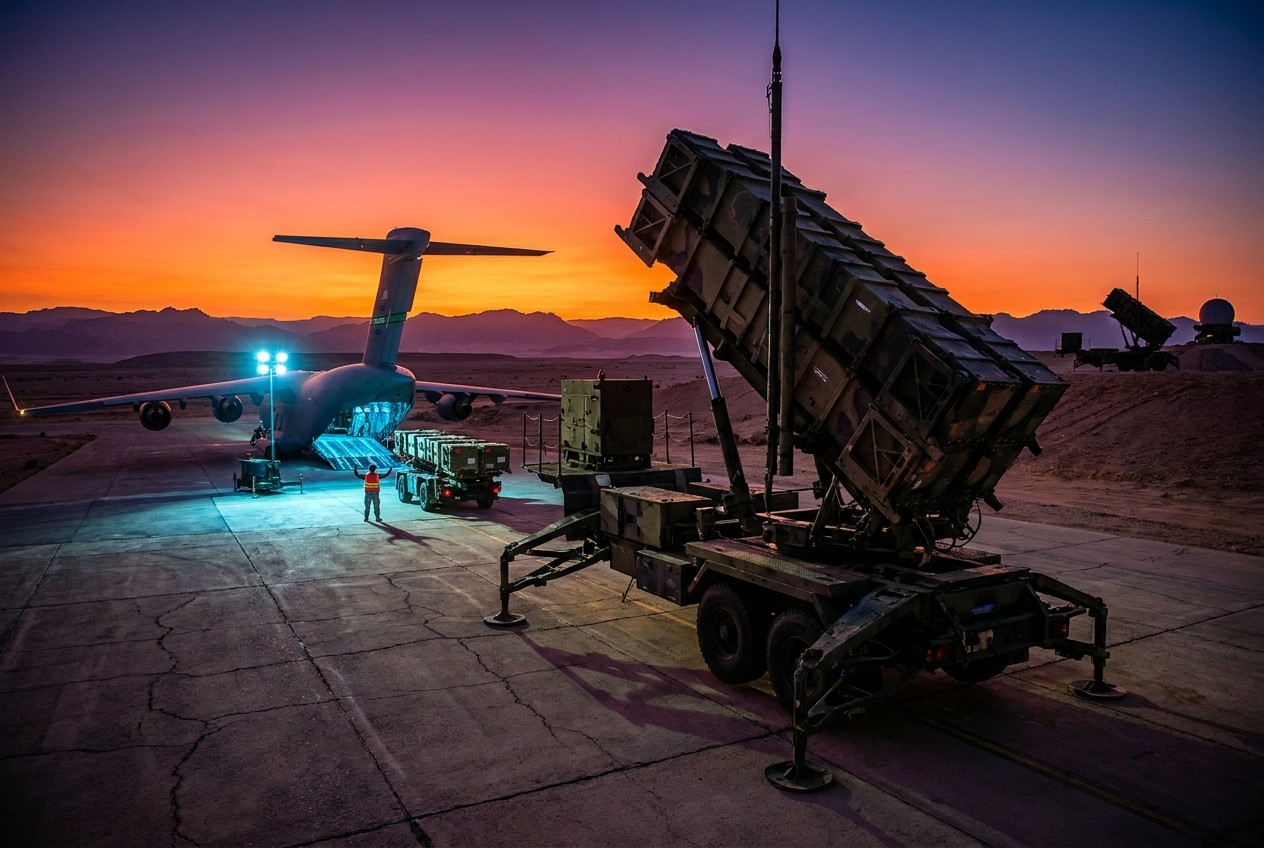
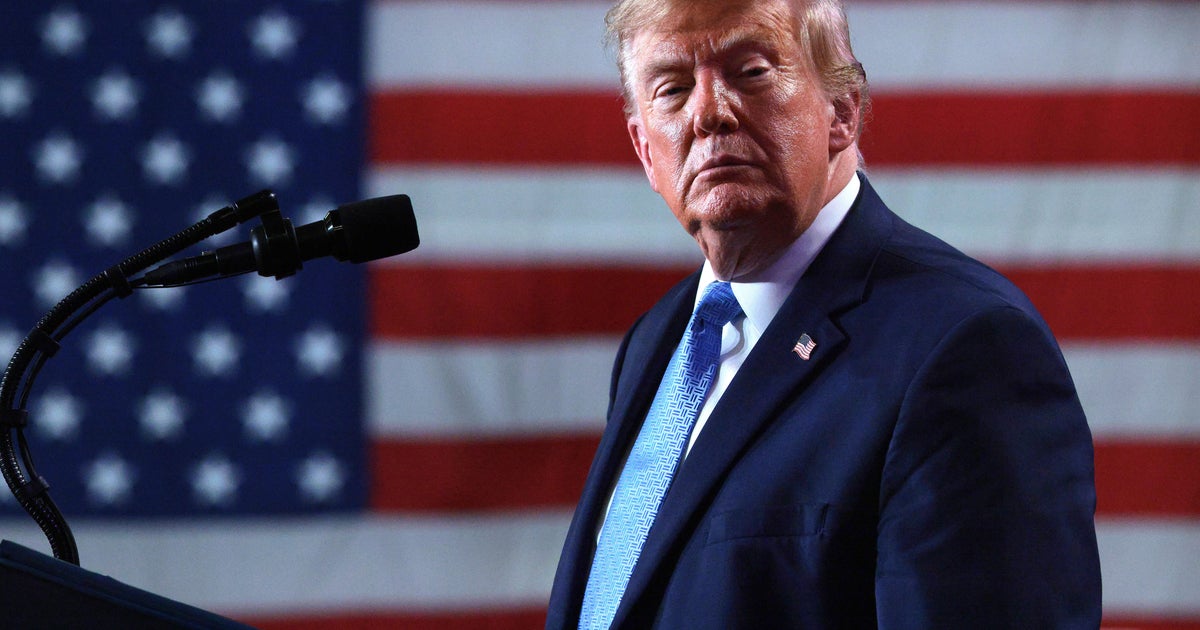
- A renewed US or joint US-Israeli strike campaign against Iran after 3 November remains a roughly even chance over the next 14 days. A senior Israeli official reportedly said Israel was preparing for another round after the US midterm elections, and an Axios report said Benjamin Netanyahu was pressing Trump for a joint operation. The USS Theodore Roosevelt was reported en route to join the USS George Washington and USS George W. Bush in the Middle East; separate reporting described Patriot transfers to Israel. Rubio said Trump had not decided whether to resume strikes, while Trump spoke of remaining Iranian targets, including Pickaxe Mountain. A contrary report that Trump ruled out new attacks was available only in a summary and conflicts with fuller reporting. No supplied report establishes an approved strike order. (Confidence: medium · ASSESSED)
- I&W: Confirm if the White House or US Central Command announces an approved strike order or begins reporting operations against Iran after 3 November. (0-14 days)
- I&W: Break if the White House formally rules out post-election strikes and publicly cancels or redirects the reported USS Theodore Roosevelt deployment. (0-14 days)
- If US or Israeli strikes resume, there is a roughly even chance Iran will extend retaliation beyond Israel to Gulf energy infrastructure or US interests, including data centres. Mojtaba Khamenei ordered an immediate response without geographic limits, while Iranian officials have warned of attacks on Gulf energy infrastructure and US interests. These statements signal intent but do not establish that an attack has been ordered; the assessment of Iran’s likely actions therefore rests on threats rather than observed operational preparations. (Confidence: low · ASSESSED)
- I&W: Confirm if a host government or UKMTO reports a missile or drone strike on Gulf energy infrastructure or a US interest following renewed US or Israeli strikes. (0-30 days)
- I&W: Break if Iran’s Supreme National Security Council publicly limits any response to Israeli military targets and no Gulf or US-linked target is struck after renewed attacks. (0-30 days)
- Qatar-mediated Iran-US contacts are likely to continue over the next 14 days, but a final agreement or actual two-day reopening of the Strait of Hormuz is unlikely in that period. Araghchi said consultations were continuing without a final result, and Iranian reporting described a two-day reopening proposal conditional on US concessions, including sanctions relief and a reduced US military presence. Mohsen Rezaei said the strait would remain closed until Tehran’s conditions were met; a report also said no direct US-Iran talks were scheduled during the Iranian delegation’s visit to Qatar. (Confidence: medium · ASSESSED)
- I&W: Confirm if Araghchi and Qatari mediators announce mutually accepted terms and UKMTO reports a sustained increase in commercial transits through the Strait of Hormuz. (0-14 days)
- I&W: Break if Iranian officials reiterate that the strait stays closed until Tehran’s conditions are met and no sustained rise in commercial transits is reported. (0-14 days)
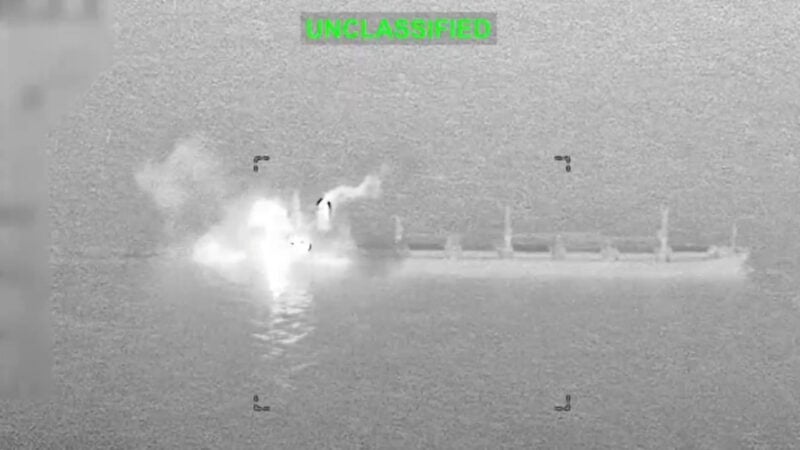
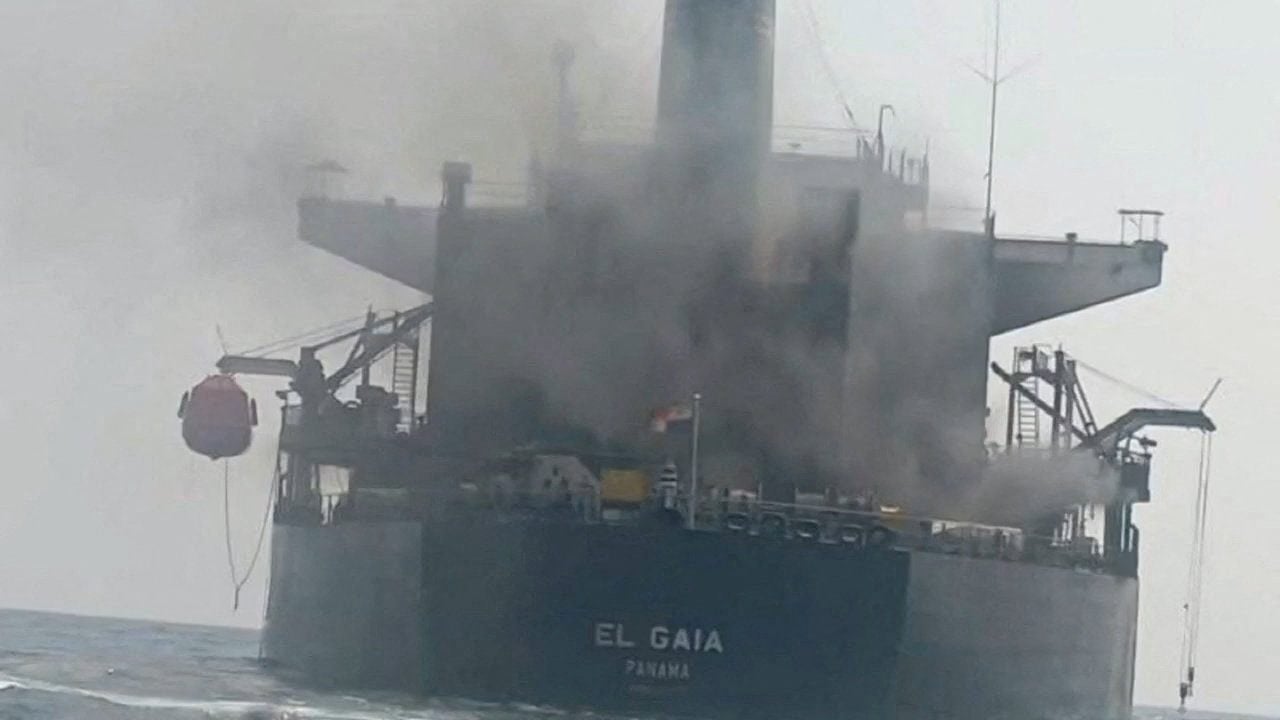
- Shipping security risk around the Strait of Hormuz is likely to remain elevated over the next 14 days, although the overall transit rate is disputed. The Al Mayeda was struck by unidentified objects in the Persian Gulf on 30 October, with no reported crew injuries. A separate vessel incident south of Lavan Island was described by UKMTO as involving an unknown projectile; another report attributed three Iranian projectiles to the attack. The International Maritime Organization estimated 121 incidents in Hormuz and the wider region since the war began, including 24 confirmed seafarer fatalities. Reports differ on whether traffic is near pre-conflict levels or about 80 per cent of those levels. (Confidence: medium · ASSESSED)
- I&W: Confirm if UKMTO reports another vessel hit, fire, or crew casualty in the Strait of Hormuz or Persian Gulf. (0-14 days)
- I&W: Break if there are no verified vessel attacks for 14 days and published transit figures show a sustained return to pre-conflict levels. (0-14 days)
- Iran’s 1 November designation of the UK Royal Navy and Royal Air Force as terrorist organisations and MI6 as a hostile entity is a reported policy move that sharpens the public dispute with London. Iran’s Foreign Ministry said the measures followed a Supreme National Security Council resolution and were a response to what Tehran described as UK involvement in the war. The reporting establishes the designation, not any operational effect on UK forces or personnel. (Confidence: medium · REPORTED)
- I&W: Confirm practical follow-through if Iran publishes an implementing notice naming UK units or personnel, or the UK announces a reciprocal measure tied to the designation. (0-30 days)
- I&W: Break if Iran’s Foreign Ministry rescinds the designation or publicly states that it has no implementing effect. (0-30 days)
Outlook & scenarios
Mediation continues, no new strikes (45%)
Qatar-mediated contacts continue after 3 November, but Iran and the US do not agree on sanctions relief, US military presence, or Hormuz arrangements. Trump does not authorise new strikes. Commercial shipping remains exposed to incident risk, and the two-day reopening proposal is not implemented.
Limited US or joint US-Israeli strikes, Iranian regional retaliation (30%)
US or joint US-Israeli strikes follow the 3 November elections. Iran responds under Khamenei’s public directive, with attacks extending beyond Israel to US interests or Gulf energy infrastructure. Qatar-mediated contacts continue but do not stop the immediate exchange.
Conditional Hormuz arrangement (20%)
Qatar’s mediation produces an accepted arrangement linking a two-day Strait of Hormuz reopening plan to Iranian demands on sanctions and US military presence. Commercial transits rise, while the wider conflict remains unresolved and the risk of renewed strikes persists.
Wildcard: broad regional escalation (5%)
A strike on Pickaxe Mountain or another Iranian target triggers a wider Iranian response against Gulf energy infrastructure, US interests including data centres, and commercial shipping. This low-probability outcome would expand the conflict beyond the immediate US-Israel-Iran confrontation.
Recommendations
- Maintain a daily watch log through 17 November that separates public threats, force movements, and reported preparations from an explicit US strike authorisation. Record the source and whether the full report or only a summary was available.
- Compare UKMTO incident notices, International Maritime Organization figures, CENTCOM statements, and vessel-operator releases before assigning responsibility for attacks. Prioritise the Al Mayeda incident and the conflicting accounts of the vessel hit south of Lavan Island.
- Track Qatar-mediated contacts against the exact stated conditions: sanctions relief, US military presence, and the proposed two-day Hormuz reopening. Do not report the reopening as agreed until accepted terms and actual commercial transits are both observable.
- Monitor Iranian Foreign Ministry notices and UK government statements for implementation or response to Iran’s designation of the Royal Navy, Royal Air Force, and MI6. Do not infer operational consequences from the designation alone.
- Update regional risk reporting if Iranian threats against Gulf energy infrastructure or US interests, including data centres, are followed by a named official warning, force movement, or reported attack.
Confidence & uncertainty
Overall confidence is high for the main reported developments because major-media, wire-service, official, and maritime reporting corroborates the public statements, diplomatic contacts, UK designation, and recent vessel incidents. Some apparent corroboration repeats the same original statement rather than providing independent confirmation. The main uncertainties are whether Washington will authorise strikes, what terms Iran and the US are discussing, the attribution of the Lavan Island incident, and the actual level of Strait of Hormuz traffic.
Alternative analysis (red cell)
Iran's statements may indicate a broad retaliatory option, but the available evidence does not show that Tehran has selected Gulf infrastructure or US interests as the likely response path. In the absence of operational preparations, the probability of retaliation beyond Israel may be below even rather than roughly even, with the cited threats better treated as deterrent signaling than as evidence of an imminent attack plan.
Intelligence gaps
- [EEI 1.1 · UNCOVERED] Observed repositioning, sustained increases, or new forward basing of Iranian conventional or IRGC forces (armored units, missile batteries, aircraft, naval vessels) toward borders or regional launch points. Recommended collection: IMINT/satellite
- [EEI 1.2 · PARTIAL] Hezbollah or other Iran-aligned proxy forces conducting mass mobilization, visible rocket/artillery emplacements, cross-border firing incidents, or preparations for cross-border operations from Lebanon, Syria, Iraq or Yemen. Recommended collection: HUMINT/ground ISR
- [EEI 1.4 · UNCOVERED] Interdicted or observed shipments (air, sea, land manifests, seizures, satellite imagery of transfers) of advanced weapons or missile components from Iran toward proxy groups or forward staging points. Recommended collection: maritime/AIS
- [EEI 2.1 · UNCOVERED] Satellite or on-the-ground imagery showing fires, damage, or operational shutdown at major oil export facilities, refineries, storage terminals, or key pipeline infrastructure in the Gulf and Red Sea. Recommended collection: IMINT/satellite
- [EEI 2.4 · UNCOVERED] Rapid increases in war-risk insurance premiums for Middle East routes, shipping company advisories to avoid region, or major charter cancellations tied to the conflict. Recommended collection: financial/open-source
- [EEI 3.2 · UNCOVERED] Official expedited arms transfers, basing/overflight agreements, or declarations of operational support (formal government announcements, defense ministry releases, logistics flight manifests). Recommended collection: open-source/diplomatic
- [EEI 3.3 · PARTIAL] Embassy evacuations, large-scale personnel movements, issuance of government travel bans/advisories, or multinational security alerts affecting foreign nationals and diplomatic posture in the region. Recommended collection: diplomatic/open-source
Red cell review: PARTIAL DISSENT
TLP:CLEAR