TLP:CLEAR · Disclosure is not limited.
Iran-Israel Conflict: Syrian Spillover and Maritime Risk
Time window: Last 1 day · Audience: General analyst · Type: Situation report · DTG: 2026-08-19 11:09Z · Overall confidence: MEDIUM
BLUF
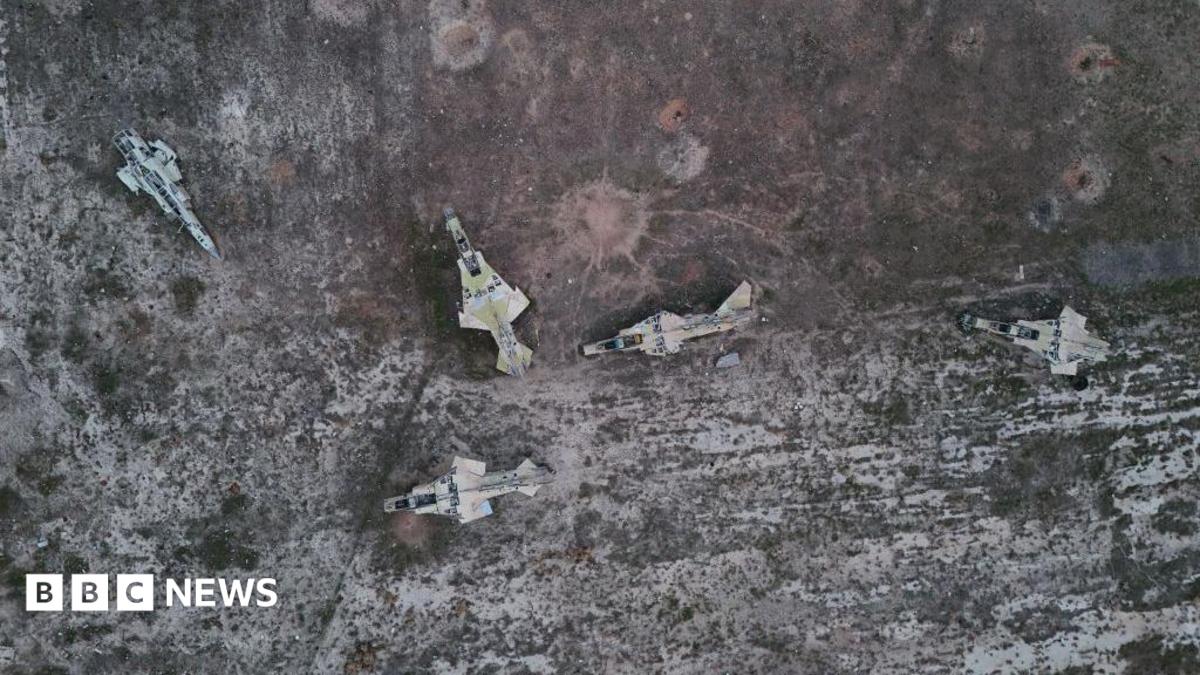
Israel's reported strikes on Abu al-Duhur airbase in Idlib have widened the conflict's diplomatic and geographic effects, drawing condemnation from the US, Turkey and Syria. Maritime attacks in the Strait of Hormuz and Bab al-Mandab remain the clearest near-term regional risk, although the current operational status of Hormuz is disputed.
Executive summary
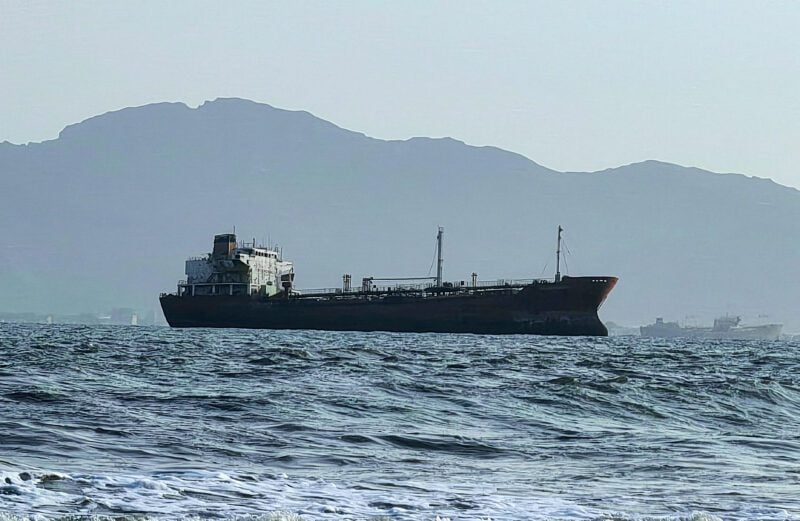
The latest reporting confirms eight Israeli airstrikes on Abu al-Duhur airbase in Idlib, Syria, with damage reported to the runway and storage facilities and no reported casualties. The US described the attack as an unnecessary escalation, while Turkey and Syria condemned it. Commercial shipping faces continuing danger: attacks have increased in the Strait of Hormuz, a cargo ship was struck off Yemen, and Houthi forces struck a commercial vessel in the Bab al-Mandab Strait on 11 August, killing six people. Reporting on Hormuz is contradictory, and several economic indicators carry dates from 2023, limiting confidence in their value for the current situation.
Change from previous assessment
Since the 17 July brief, the assessment has shifted from a primary focus on US operations against Iran, Gulf infrastructure and Hormuz disruption to the regional effects of Israel's reported strikes on Abu al-Duhur in Syria. The new reporting adds a clear US-Israel disagreement over Syria and sharper Turkish opposition to Israeli operations. The prior assessment of Iranian avoidance of direct confrontation with Israel is not replaced by a new conclusion because this run provides no new dated, independently corroborated Iran-Israel exchange. The maritime and Yemen judgments remain active, but confidence is lower on Hormuz's current status because the latest reporting is contradictory and unevenly dated.
Key judgments
- Israel very likely conducted eight airstrikes against Abu al-Duhur airbase in Idlib, Syria, on or around 15 August, damaging the runway and storage facilities; Syrian reporting stated that no casualties were reported. (Confidence: medium · REPORTED)
- I&W: Confirm: Israel acknowledges further strikes on Syrian government assets, or additional Israeli activity is reported at Abu al-Duhur or other Turkish-supported Syrian facilities. (0-14 days)
- I&W: Break: no further Israeli strikes on Syrian government assets are reported for 14 days and Israeli, Syrian and Turkish officials begin a sustained deconfliction effort. (0-14 days)
- Commercial shipping is likely to remain at severe risk in the Strait of Hormuz and Bab al-Mandab over the next two weeks, driven by increased attacks in Hormuz, a fatal strike on a general cargo ship, the destruction of a cargo vessel off Yemen and Houthi attacks on commercial shipping. (Confidence: medium · ASSESSED)
- I&W: Confirm: UKMTO or JMIC reports another projectile strike, fatality or constructive total loss involving a commercial vessel in Hormuz or the southern Red Sea. (0-14 days)
- I&W: Break: UKMTO downgrades the Hormuz threat level from severe and commercial shipping resumes without a new reported attack for 14 days. (0-14 days)
- The US-Israel relationship is likely to face continued strain over Israeli operations in Syria, while Washington retains an avenue for diplomatic engagement with the parties. (Confidence: medium · ASSESSED)
- I&W: Confirm: a senior US official publicly rebukes another Israeli operation in Syria or Washington repeats its offer to host diplomatic discussions. (0-30 days)
- I&W: Break: the US publicly endorses the Abu al-Duhur strike or withdraws its offer to host discussions without proposing an alternative channel. (0-30 days)
- Oil and shipping disruption is likely to continue pressuring Gulf export routes, but the current operational status of the Strait of Hormuz remains unresolved because reporting describes both continued closure and normal operation, while some supporting economic data are dated 2023. (Confidence: low · ASSESSED)
- I&W: Confirm: fresh reporting shows Saudi Aramco or another Gulf producer diverting additional cargoes through Yanbu, Sidi Kerir, Sohar or ship-to-ship transfers outside the Strait. (0-14 days)
- I&W: Break: independently corroborated reporting shows sustained tanker loading and transit inside Hormuz without a new security incident. (0-14 days)
- Yemen's humanitarian situation is likely to deteriorate further if Houthi attacks on commercial vessels and Saudi-linked shipping continue, because existing clashes are already worsening humanitarian conditions and threaten the 2022 truce. (Confidence: medium · ASSESSED)
- I&W: Confirm: Houthi forces conduct another attack on a commercial vessel or Saudi-linked ship, or Al-Mokha Port remains closed after a further strike. (0-30 days)
- I&W: Break: Houthi forces announce a halt to maritime attacks and Al-Mokha Port reopens to commercial traffic. (0-30 days)
Outlook & scenarios
Persistent but geographically contained conflict (45%)
The conflict likely remains concentrated in Israeli operations against Syrian military infrastructure and attacks on commercial shipping in Hormuz and Bab al-Mandab. US criticism restrains wider US-Israel disagreement without producing a settlement. Maritime traffic remains reduced and selectively rerouted.
Expanded regional escalation (28%)
A further Israeli strike in Syria, a fatal maritime attack or a Houthi attack on Saudi-linked shipping likely triggers additional retaliatory action. Turkey's political and military support for Syria brings Ankara into a sharper confrontation with Israel, while the US faces pressure to clarify its security commitments.
Diplomatic pause and partial maritime recovery (19%)
US offers to host discussions gain traction, and Israel, Syria and Turkey avoid additional strikes. The threat to commercial shipping decreases, allowing partial recovery of tanker traffic through Hormuz and alternative Gulf export routes.
Direct US-Iran or Iran-Israel confrontation (8%)
A direct Iranian missile or drone strike on Israel, US bases or Arab states in the Middle East produces a high-impact expansion of the war. This scenario is very unlikely, but it would rapidly intensify pressure on Hormuz, Bab al-Mandab and Gulf infrastructure.
Recommendations
- Maintain a 0-14 day watch on Abu al-Duhur, Israeli activity against Syrian government assets and any Turkish military activity near Turkish-supported Syrian facilities.
- Separate confirmed maritime incidents from attribution claims. Prioritise UKMTO, JMIC, Omani Coast Guard and multilateral reporting for incidents in Hormuz and Bab al-Mandab.
- Track official US, Israeli, Turkish and Syrian statements for evidence that the Abu al-Duhur strike is becoming a sustained dispute rather than an isolated episode.
- Build separate warning branches for another Israeli strike in Syria, a further fatal attack on commercial shipping and a verified resumption of tanker traffic through Hormuz.
- Reassess the economic picture using only current-period shipping and loading data. Treat figures dated 2023 as historical context rather than evidence of present oil flows.
- Prepare a short-notice update if UKMTO changes the Hormuz threat level, if Houthi forces strike another commercial vessel or if the US announces a new diplomatic initiative.
Confidence & uncertainty
Overall confidence is medium. Multiple high-confidence official, multilateral and major-media reports corroborate the Abu al-Duhur strikes, the US rebuke and the deterioration in maritime security. Confidence is lower on attacker attribution, the current operating status of Hormuz and the economic effects because reporting conflicts and several supporting indicators are dated 2023. The forward-looking judgments therefore rely on a mixture of corroborated reporting and analytic inference.
Intelligence gaps
- [EEI 1.1 · PARTIAL] Detection and characterization of ballistic/cruise missile or rocket launches originating from Iranian territory or from Iran-controlled positions in Iraq/Syria (time, launch coordinates, missile type, flight trajectory/impact area). Recommended collection: satellite/imagery
- [EEI 1.2 · UNCOVERED] Movements and posture changes of Iran-backed proxy forces (Hezbollah units in Lebanon, militias in Syria/Iraq): concentrations of personnel, transport of rocket/artillery launchers, visible logistics build-up within operational range of Israel. Recommended collection: human/intel
- [EEI 1.3 · PARTIAL] Israeli defensive and offensive posture changes: reservist call-ups, mobilization orders, sorties/airstrikes attributed to Israel, and domestic activation of missile-defense systems (locations and activation times). Recommended collection: open-source/media
- [EEI 1.4 · UNCOVERED] Evidence of pre-positioning or arming of naval mines, fast attack craft, or anti-ship missile systems in the Gulf of Oman, northern Arabian Sea, or off the Lebanese/Syrian coasts that could be used to interdict Israeli or allied shipping. Recommended collection: maritime/AIS
- [EEI 2.2 · PARTIAL] Formal diplomatic/military actions: evacuation orders or embassy closures, public troop posture statements, bilateral/multilateral defense commitments announced, requests for overflight or basing rights in regional states. Recommended collection: diplomatic
- [EEI 2.3 · UNCOVERED] Changes to force protection or alert levels at foreign bases in the region (e.g., US bases in Kuwait, Qatar, UAE; Russian bases in Syria): activation of additional air defenses, curfews, or reinforcement shipments (personnel/equipment manifests). Recommended collection: signals/intel
- [EEI 3.2 · PARTIAL] Changes in crude oil and refined product flows from key terminals (reported tanker loading delays, terminal closures, throughput volumes at Kharg, Mina al-Ahmadi, Ras Tanura, and major Gulf ports compared to baseline). Recommended collection: commercial/ports
- [EEI 3.3 · PARTIAL] Market and insurance indicators: sudden spikes in war-risk or hull insurance premiums for Middle East routes, large moves in regional FX/stock indices, and notable changes in commodity futures (oil, freight rates) tied to regional risk perceptions. Recommended collection: financial/transactional
Cited sources
[1] freemalaysiatoday.com · Syria, US say Israel struck military air base in Idlib province (B) · sha256:433cc82b2d5e [2] Muslim Network TV · Israel strikes Syria air base, escalating regional tensions - Muslim Network TV (B) · sha256:d0aeaa1ffd45 [3] devdiscourse.com · Escalating Tensions: Israel Strikes Syria, Raising Regional Alarm (B) · sha256:4b1e9073ed8a [4] responsiblestatecraft.org · US cries foul as Israel bombs Turkey-linked airbase in Syria (B) · sha256:33d1b28c1472 [5] gcaptain.com · Cargo Ship Destroyed in New Attack Off Yemen (B) · sha256:8670d669aa64 [6] United Nations · Security Council LIVE: Escalating attacks threaten peace in Yemen (A) · sha256:a8d0ad28a7a0 [7] gcaptain.com · Saudis Offer to Sell Oil Near Oman, a Possible Sign They’re Sailing Dark Through Hormuz (B) · sha256:746c9c852881 [8] gcaptain.com · Seafarer Killed in Latest Strait of Hormuz Attack on Commercial Shipping (B) · sha256:ea2568892460 [9] BBC · US condemns 'unnecessary escalation' after Israeli airstrikes on Syrian airbase (A) · sha256:484cb3aadb53 [10] voz.us · US condemns Israeli attack on Syrian air base: Special envoy for Syria calls it an 'unnecessary escalation' (A) · sha256:235d9eb7a00f [11] Wikipedia · Economic impact of the 2026 Iran war (B) · sha256:885c934d9502 [12] gcaptain.com · Saudi Arabia Resumes Oil Loadings, Sales From Inside Strait of Hormuz (A) · sha256:92f3f7bf3b9d [13] gcaptain.com · Trump Says No Talks are Taking Place With Iran and None are Scheduled (A) · sha256:84e65d2ac926
Source content hashes were computed at collection time; the cited text is preserved unmodified for the life of this product.
Red cell review: CONCUR WITH COMMENT
TLP:CLEAR