TLP:CLEAR · Disclosure is not limited.
Iran-Israel Conflict: US Involvement and Maritime Escalation
Time window: Last 1 day · Audience: General analyst · Type: Situation report · DTG: 2026-09-20 21:43Z · Overall confidence: HIGH
BLUF
Iran's public conditions and threats, alongside President Donald Trump's unresolved policy choices, leave the conflict on an escalation-prone but diplomatically active path. Strait of Hormuz shipping is very likely to remain severely constrained, while Houthi attacks and territorial gains near Bab al-Mandab are likely to sustain pressure on Saudi Arabia and global energy flows.
Executive summary
On 20 September, Iranian officials tied an end to the war and reopening the Strait of Hormuz to ending fighting on all fronts, releasing frozen funds and ending the US naval blockade. Iranian military messaging also threatened attacks on US bases and interests if Washington resumes offensive action, although the issuing body and the timing of any alleged US operation remain unclear. Qatar and Pakistan are maintaining mediation channels, while President Masoud Pezeshkian is scheduled to attend the UN General Assembly. At sea, reporting indicates severe disruption around Hormuz and Bab al-Mandab, including 80 verified attacks on international shipping since 28 February, at least 22 seafarer deaths, Houthi seizure of Mocha and Perim Island, and attacks or attempted attacks involving Riyadh and Yanbu. The extent of damage in Saudi Arabia, the severity of the Hormuz closure and the extent of Houthi control remain disputed.
Change from previous assessment
Since the 19 September brief, the assessment has shifted from a medium-confidence expectation of continued conflict and severe maritime disruption to a higher-risk picture with Iran publicly setting war-ending conditions and issuing fresh warnings against US and regional targets. New reporting adds Houthi seizure of Mocha and Perim Island, attacks involving Riyadh and Yanbu, active Qatar and Pakistan mediation, and clearer evidence of energy-market stress. The assessment retains the prior judgments on sustained conflict and constrained shipping, but lowers confidence in any precise conclusion about Hormuz closure, Houthi control and the timing of renewed US action because the new reporting contains material contradictions. No prior judgment is retired.
Key judgments
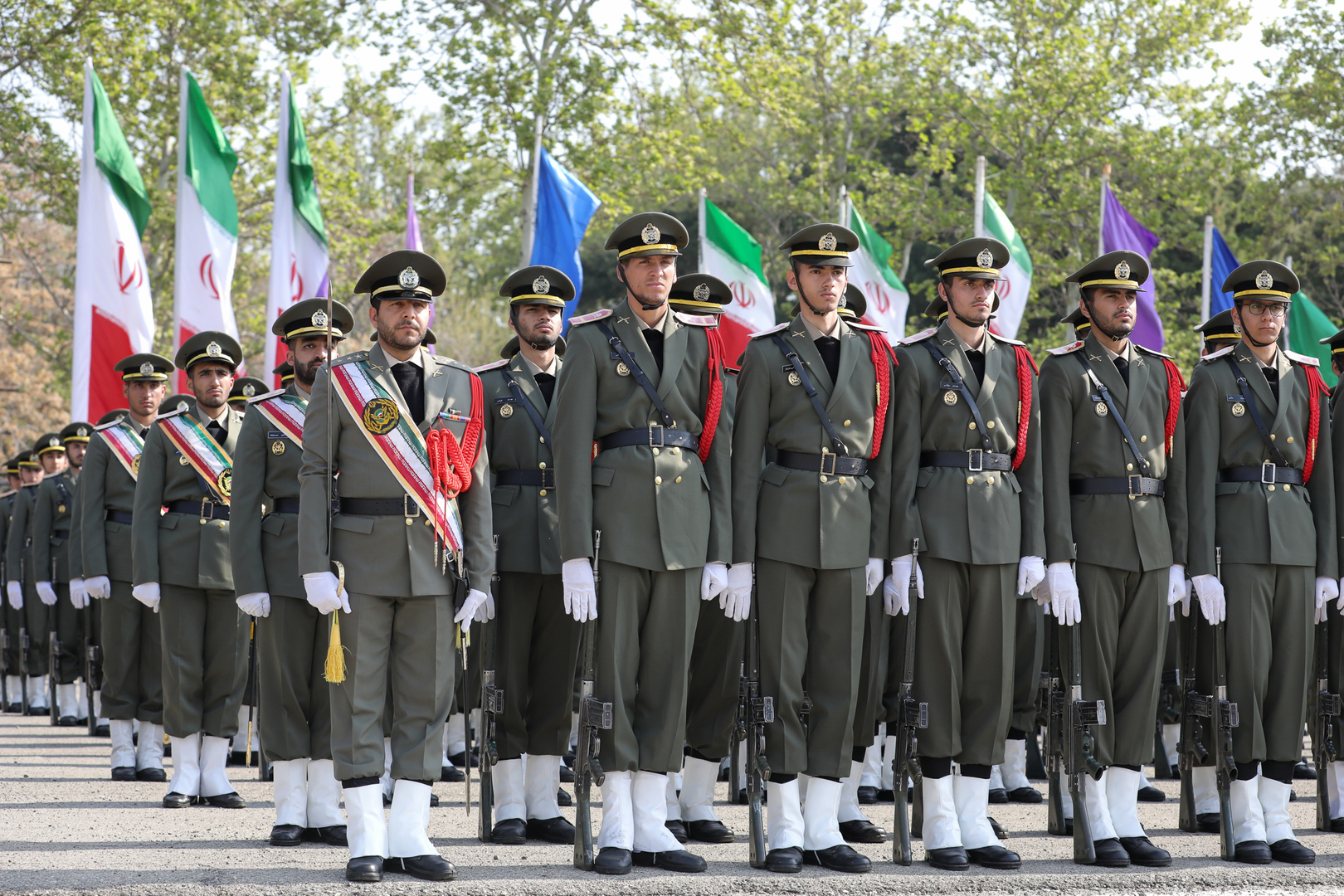
- Iran is very likely to sustain an escalation posture while keeping mediated talks open through 4 October 2026. Mohsen Rezaei and Mohammad Bagher Ghalibaf publicly tied an end to the war and reopening the Strait of Hormuz to ending fighting on all fronts, releasing frozen funds and ending the US naval blockade. Khatam al-Anbiya Central Headquarters also warned of continuous attacks on US bases and interests if Washington resumes offensive action. Qatar says mediation is ongoing, and Pakistan sent Interior Minister Mohsin Naqvi to Tehran for talks. Confidence is medium because reporting differs over whether Iran has presented three, seven or fourteen conditions, and because the warnings are attributed variously to the IRGC and Khatam al-Anbiya Central Headquarters. (Confidence: medium · ASSESSED)
- I&W: Confirmation: Khatam al-Anbiya Central Headquarters or the IRGC issues another operational warning, or Iran conducts a new strike against a US facility or a regional state. (0-14 days)
- I&W: Break: Qatar or Pakistan announces a US-Iran ceasefire agreement that includes implementation terms and a verified reopening process for the Strait of Hormuz. (0-14 days)
- The immediate risk of renewed US military action against Iran is roughly even chance through 4 October 2026, but no confirmed US decision to resume strikes is reported. Iran's Khatam al-Anbiya Central Headquarters claimed intelligence of imminent renewed US operations, while other reporting said the statement did not specify the measures involved. President Donald Trump said he was in a deciding mode on Iran, was considering military, economic and diplomatic options, and cut short his Camp David visit without an official explanation. Confidence is low because the warning is based on Iranian reporting, the US claim is not independently confirmed, and the timing of Trump's return from Camp David is inconsistent across reports. (Confidence: low · ASSESSED)
- I&W: Confirmation: The White House or Pentagon announces new strikes against Iran, publishes operational orders or confirms a new offensive phase. (0-14 days)
- I&W: Break: President Trump publicly accepts mediated terms and announces a pause in offensive operations without accompanying US military action. (0-14 days)
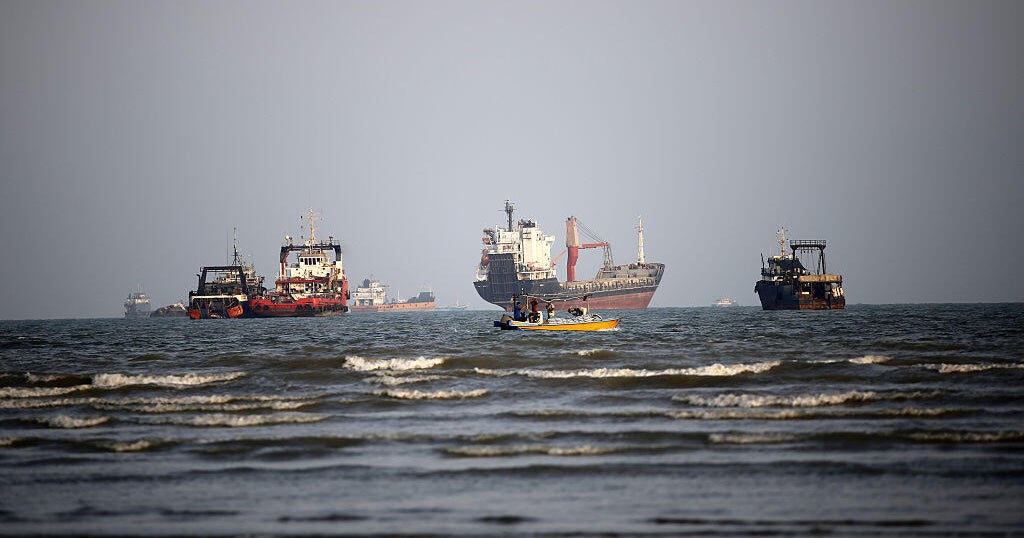
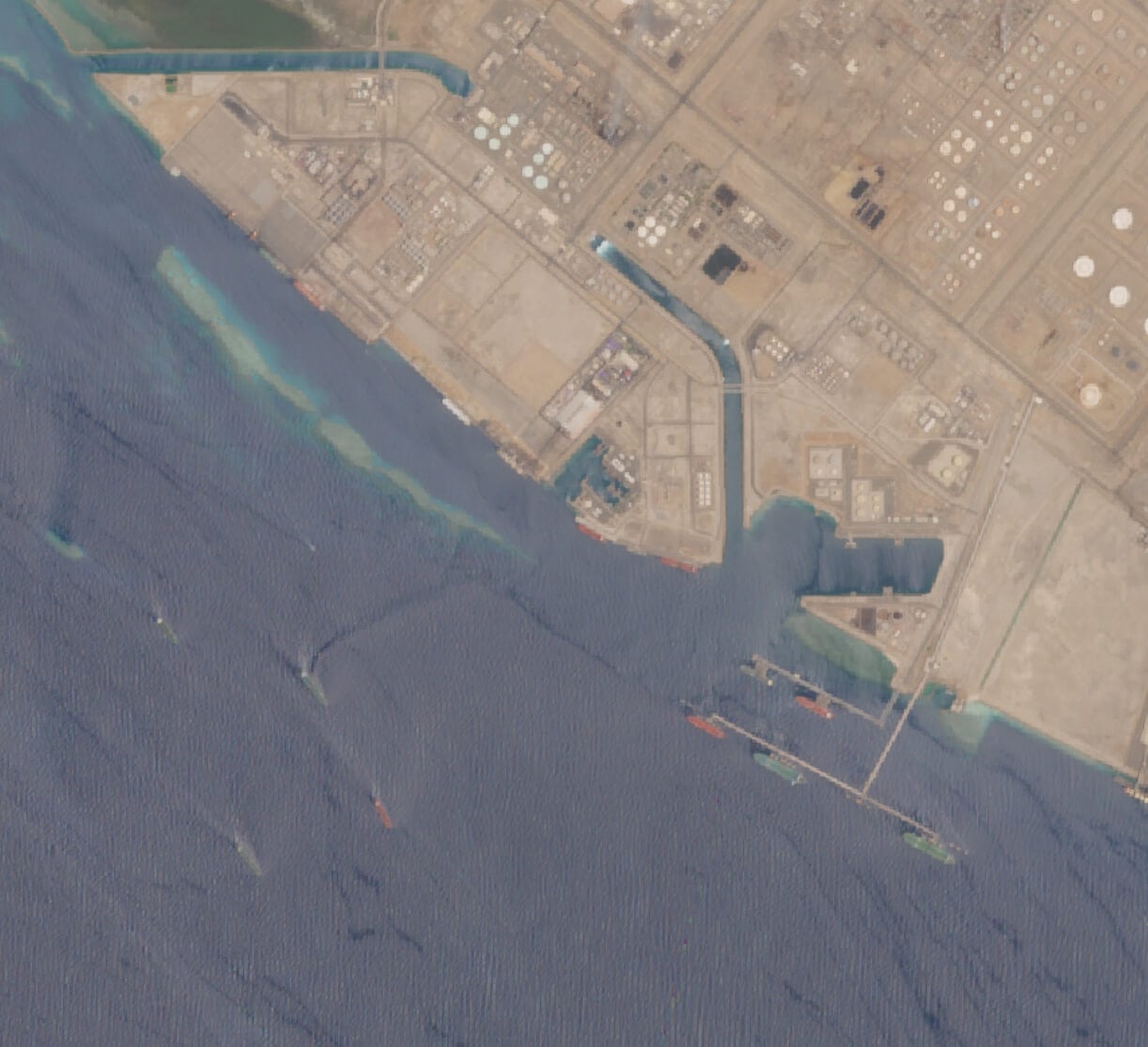
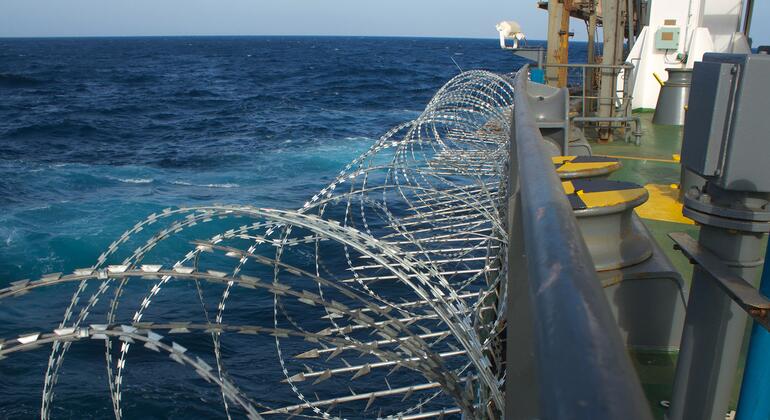
- Commercial shipping through the Strait of Hormuz is very likely to remain severely constrained through 4 October 2026, while a complete cessation of all transit is unlikely. Iran has been reported to impose a naval blockade and to have effectively closed the strait to western traffic. The International Maritime Organization has verified 80 attacks on international shipping since 28 February, with at least 22 seafarers killed. Tanker operators are switching cargoes near Oman, and the United Arab Emirates has organised a shuttle trade from the Arabian Gulf to the Gulf of Oman. Claims of effective closure and completely blocked exports conflict with reporting that describes severe, rather than total, restrictions. Confidence is medium. (Confidence: medium · ASSESSED)
- I&W: Confirmation: The International Maritime Organization records another attack on international shipping around Hormuz, or tanker operators suspend the remaining cargo-switching and shuttle movements. (0-14 days)
- I&W: Break: Shipping trackers and maritime operators report regular safe passage through Hormuz for seven consecutive days and end cargo switching near Oman. (0-14 days)
- Houthi pressure on Saudi Arabia and the Bab al-Mandab approaches is very likely to continue through 18 October 2026, but Houthi control of the entire strait is unlikely. Houthi forces reportedly seized Mocha and Perim Island and claimed attacks involving Riyadh and Yanbu. Saudi authorities confirmed interception of a ballistic missile near Riyadh and reported thwarted attacks on infrastructure in Yanbu, Taif, Baysh and Farasan. The Houthi government said 318 ships passed through Bab al-Mandab from 10 to 18 September. Damage at Saudi facilities and the scope of Houthi control remain contested, and Houthi commitments reported from Muscat excluded Saudi shipping. Confidence is medium. (Confidence: medium · ASSESSED)
- I&W: Confirmation: Houthi forces conduct or claim another ballistic missile, cruise missile or drone operation against Riyadh, Yanbu or Saudi shipping. (0-14 days)
- I&W: Break: The Houthi delegation publicly extends its Muscat commitment to Saudi shipping and Saudi authorities report no attempted attack for 14 consecutive days. (0-14 days)
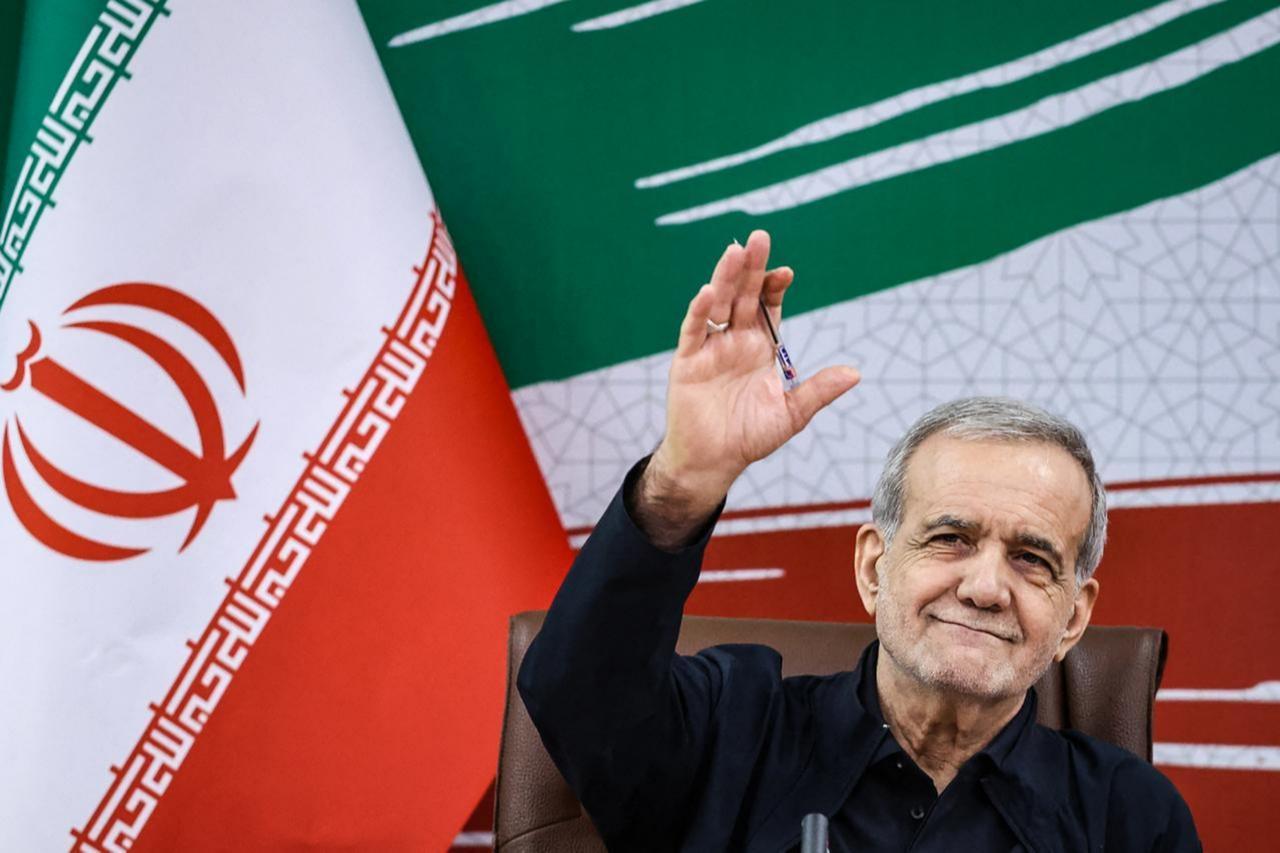
- Qatar and Pakistan are very likely to continue mediation, but a durable US-Iran ceasefire is unlikely before 4 October 2026. Qatar's Foreign Ministry says its efforts to restart talks are ongoing, and Pakistani Interior Minister Mohsin Naqvi was scheduled to travel to Tehran in a mediation role. Iran's publicly reported demands include an end to the war on all fronts, release of frozen funds and an end to the US naval blockade, while President Trump has not publicly accepted those terms. President Masoud Pezeshkian's planned attendance at the UN General Assembly provides an additional diplomatic forum. Confidence is medium because the reported number and scope of Iranian conditions are inconsistent. (Confidence: medium · ASSESSED)
- I&W: Confirmation: Qatar or Pakistan announces direct US-Iran talks with written terms, an implementation timetable and a mechanism for monitoring the Strait of Hormuz. (0-14 days)
- I&W: Break: Iran, the United States, Qatar or Pakistan publicly rejects the mediation channel or suspends contact after the UN General Assembly meetings. (0-14 days)
- Energy and supply-chain stress is very likely to persist through 4 October 2026 even if some shipping continues. European Dated Brent physical crude has risen above $131 per barrel, Houston-to-Asia transport adds about $26 per barrel, very large crude carriers on the Persian Gulf to China route earn more than $1.2 million per day, and US-Asia oil flows have fallen as freight costs roughly tripled. Shipping analysts identify the US-Iran conflict as a major driver, while also attributing part of the tanker-rate surge to a pre-war South Korean investment position. Confidence is medium because the market indicators are strongly corroborated, but the conflict's precise share of the rate increase is contested. (Confidence: medium · ASSESSED)
- I&W: Confirmation: VLCC earnings remain above $1.2 million per day and Houston-to-Asia transport costs remain near $26 per barrel for another seven days. (0-14 days)
- I&W: Break: Dated Brent falls below $110 per barrel and freight rates decline materially as tanker operators restore normal Gulf routing. (0-14 days)
Outlook & scenarios
Protracted confrontation with managed maritime disruption (55%)
Iran maintains restrictions around the Strait of Hormuz, Houthi pressure on Saudi Arabia and Bab al-Mandab continues, and Qatar and Pakistan keep mediation channels open without securing a durable agreement. The United States avoids a new large-scale offensive operation while maintaining pressure on Iran.
Mediated pause (30%)
Qatar and Pakistan broker a temporary US-Iran arrangement linked to Iranian demands on the blockade, frozen funds and maritime access. Shipping remains cautious, but a verified reduction in attacks and partial reopening of Hormuz lower immediate escalation risk.
Renewed US action and regional escalation (25%)
The United States resumes offensive action against Iran. Iranian forces respond against US bases and interests, while Houthi attacks on Saudi energy infrastructure and shipping increase. Diplomatic contacts continue but fail to restrain military activity.
High-impact maritime rupture (10%)
A new verified attack on international shipping or a major Saudi energy facility closes the remaining practical routes through Hormuz or Bab al-Mandab. Tanker diversions intensify, energy prices rise sharply and regional governments seek additional military support.
Recommendations
- Maintain separate reporting tracks for confirmed events, official claims and contested damage assessments. Do not combine Saudi claims of interception with Houthi claims of major fires until independent evidence resolves the discrepancy.
- Prioritise verification of any new US military action through White House, Pentagon and command-level statements. Treat Iranian claims of imminent US operations as warning indicators rather than confirmation.
- Track the Strait of Hormuz using daily counts of reported transits, attacks, cargo switching near Oman and UAE shuttle movements. Report partial restriction and effective closure as separate conditions.
- Monitor Houthi activity against Riyadh, Yanbu and Saudi shipping, with particular attention to whether the Muscat commitment is extended to Saudi vessels or remains limited to US and Israeli vessels.
- Prepare a diplomatic update for the 22 September Gulf leaders meeting with President Trump and President Pezeshkian's expected 23 September UN General Assembly address. Focus on changes in Iranian conditions, mediator activity and any US response.
- Use the energy-market indicators as near-term warning measures: Dated Brent, VLCC earnings, Houston-to-Asia freight costs and US-Asia oil flows. Flag sustained deterioration separately from market movements attributed to non-conflict factors.
Confidence & uncertainty
Overall confidence is high for the direction of events and the principal reported developments. The assessment draws on corroborated reporting from major media, multilateral sources including the International Maritime Organization, official government material and market data. The main uncertainties concern the exact number and scope of Iran's negotiating conditions, whether the United States intends renewed strikes, the extent of physical damage in Riyadh and Yanbu, the severity of the Hormuz closure, and the extent of Houthi control near Bab al-Mandab.
Intelligence gaps
- [EEI 1.1 · UNCOVERED] Movement, dispersal, or emplacement of Iranian conventional or IRGC heavy assets (ballistic missile launchers, Khoramshahr/Toofan-class missile transporters, ground-to-ground TELs, air defense batteries, amphibious units) from garrison areas toward forward bases or coastal launch sites. Recommended collection: satellite/IMINT
- [EEI 1.2 · UNCOVERED] Authenticated Iranian military orders, NSC/IRGC operations directives, or senior leadership statements explicitly directing strikes against Israel or US forces or authorizing cross-border operations. Recommended collection: human/diplomatic
- [EEI 1.3 · PARTIAL] Changes in Israeli and US force posture indicating anticipation of direct large-scale conflict, elevated readiness levels, mobilization notices, pre-positioning of munitions, or public/private orders to prepare offensive strikes. Recommended collection: open-source/diplomatic
- [EEI 2.1 · UNCOVERED] Observable pre-launch preparations for missile/rocket/cruise missile strikes (fueling, warhead mating, launcher orientation, support vehicle congregation) and abnormal munitions handling at known launch sites. Recommended collection: satellite/IMINT
- [EEI 2.2 · UNCOVERED] Indications of proxy arms shipments and weapons transfers (truck convoys, small boat transfers, container movements from Iran to proxies, new stockpiles in Lebanon, Iraq, Yemen, Syria). Recommended collection: maritime/AIS
- [EEI 2.3 · UNCOVERED] Evidence of cyber attack planning or active exploitation campaigns targeting Israeli or US military/critical infrastructure (emergence of new command-and-control servers, spear-phishing campaigns against defense personnel, successful intrusions). Recommended collection: cyber
- [EEI 3.1 · UNCOVERED] Movements and posture changes of US regional platforms (carrier strike groups, amphibious ready groups, B-52/B-1/B-2 or fighter deployments, missile defense assets repositioning) and associated armament loadouts. Recommended collection: satellite/IMINT
- [EEI 3.2 · PARTIAL] Official or leaked US government/diplomatic communications indicating thresholds for strikes, authorization for offensive operations, or limits on action (NSC/DoD statements, congressional notifications, diplomatic notes). Recommended collection: diplomatic/human
- [EEI 3.3 · PARTIAL] Changes in US base force-protection measures and rules of engagement at regional facilities (base lockdowns, evacuation notices, flight restrictions, activation of Local Defense Forces or missile intercept systems). Recommended collection: open-source/local reporting
- [EEI 4.1 · UNCOVERED] Hezbollah-specific indicators: convoys and logistics movements toward Lebanon, Israel border, artillery/rocket emplacement in southern Lebanon, documented strikes-preparation activity, public mobilization orders or recruitment drives. Recommended collection: satellite/IMINT
- [EEI 4.3 · UNCOVERED] Militia cross-border attack evidence from Iraq/Syria: recorded rocket/mortar launch events into Israel or strikes against US facilities, movement of armed convoys toward border areas, and intercepted communications coordinating cross-border operations. Recommended collection: signals/ELINT
Cited sources
[1] Al Jazeera · What are Iran’s latest conditions to end its war with the US? (A) · Sun Sep 20 2026 11:21:06 GMT+0000 (Coordinated Universal Time) · sha256:ec3362912fae [2] Ynetnews · ‘Conflict has potential to escalate rapidly’: US issues Mideast warnings as Trump leaves Camp David early (B) · Sun Sep 20 2026 08:30:59 GMT+0000 (Coordinated Universal Time) · sha256:743874691064 [3] CBS News · Iran War Updates: U.S. embassies across Middle East issue security alerts for Americans (A) · Fri Sep 18 2026 11:41:00 GMT+0000 (Coordinated Universal Time) · sha256:6aece56b4587 [4] The Guardian · Middle East braces for more violence as Iran claims US is planning to renew bombing campaign (A) · Sun Sep 20 2026 18:56:45 GMT+0000 (Coordinated Universal Time) · sha256:9c078e0d34ca [5] Daily Sabah · Iran claims US mulling new strikes amid new diplomatic outreach | Daily Sabah (B) · Sun Sep 20 2026 12:04:00 GMT+0000 (Coordinated Universal Time) · sha256:a8a90625cf8f [6] RT (Russia Today) Arabic · إيران تحذر واشنطن ودولا إقليمية من "هجمات مؤلمة" في حال استهدافها (B) · Sun Sep 20 2026 11:36:11 GMT+0000 (Coordinated Universal Time) · sha256:2425c6fc0e21 [7] Al Jazeera · Qatar PM describes fallout of US-Israel war on Iran as ‘earthquake’ (A) · Sun Sep 20 2026 20:13:18 GMT+0000 (Coordinated Universal Time) · sha256:2100a84744a0 [8] Al Jazeera · What’s behind Iranian authorities’ push for a mass mobilisation campaign? (A) · Sun Sep 20 2026 13:47:26 GMT+0000 (Coordinated Universal Time) · sha256:591edceb2d19 [9] United Nations (UN News) · World News in Brief: Shipping alert from IMO, democracy vanishing in Nicaragua, alert over political ‘denialism’ (A) · Wed Sep 16 2026 20:58:44 GMT+0000 (Coordinated Universal Time) · sha256:b38ec7123bf7 [10] Bloomberg (republished by gCaptain) · World Running Short Of Supertankers Threatens Long-Haul Oil Flow (A) · Sat Sep 19 2026 15:28:46 GMT+0000 (Coordinated Universal Time) · sha256:cf8ea2bbb679 [11] The Maritime Executive (analysis courtesy of Poten & Partners) · Running Out of Options: Conflict Restricts Saudi Oil Exports (C) · sha256:0a92040a0126 [12] The Maritime Executive · IRGC Profiteer Babak Zanjani Skims Iran’s Hormuz Tolls (C) · sha256:dd24d1e706e9 [13] The Jerusalem Post (content attributed to The Media Line) · Israeli-Saudi security coordination remains 'limited and pragmatic,' Saudi analyst cautions (B) · Sun Sep 20 2026 13:45:47 GMT+0000 (Coordinated Universal Time) · sha256:a566f9e2a65b [14] Türkiye Today · Iran's Pezeshkian plans to attend UN General Assembly in New York - Türkiye Today (B) · Sun Sep 20 2026 12:54:35 GMT+0000 (Coordinated Universal Time) · sha256:42ca754984fd
Source content hashes were computed at collection time; the cited text is preserved unmodified for the life of this product.
TLP:CLEAR