TLP:CLEAR · Disclosure is not limited.
Iran-Israel Conflict: US-Iran Escalation Disrupts Gulf and Red Sea Security
Time window: Last 1 day · Audience: General analyst · Type: Situation report · DTG: 2026-09-10 17:38Z · Overall confidence: HIGH
BLUF
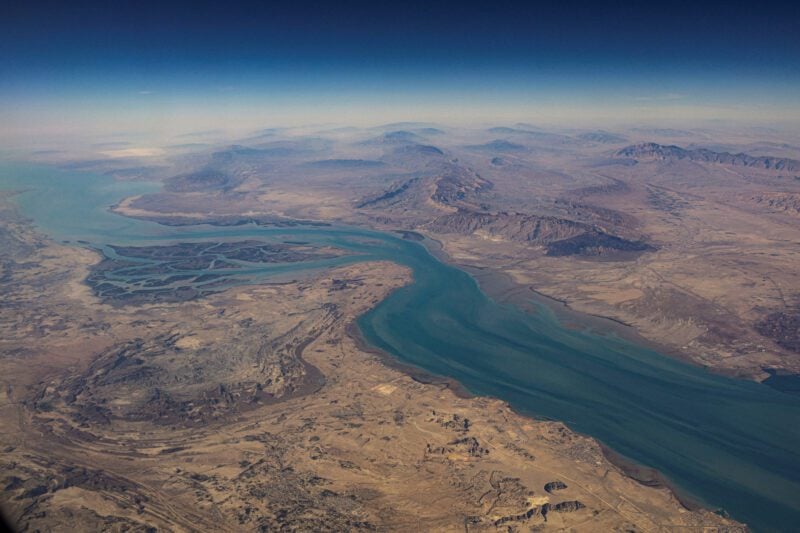
Direct US-Iran military exchanges are very likely continuing across the Gulf of Oman, Strait of Hormuz and Jordan, while Houthi gains at Mocha and the Hanish Islands are widening the maritime risk to the Red Sea. Hormuz traffic fell to seven tracked transits on 9 September, Brent reached as high as $105.26 per barrel on 10 September, and the next escalation points are further attacks on US assets, Saudi energy infrastructure or shipping.
Executive summary
As of 10 September 2026, the conflict has expanded beyond US strikes on Iranian tankers and Iranian attacks on US naval assets. Iran has claimed attacks on 10 ships, while independent reporting identifies three likely commercial targets. Iranian missiles reportedly damaged US aircraft at Muwaffaq Salti Air Base in Jordan, although Jordan reported intercepting or destroying 18 of 20 missiles and no casualties. In Yemen, the Houthis seized Mocha and established footholds on the Hanish Islands, increasing pressure on Bab al-Mandeb and Saudi Arabia. Hormuz traffic remains severely restricted, despite an oil-shuttling workaround that is reportedly moving about 10 million barrels per day.
Change from previous assessment
Since the 9 September 2026 brief, the assessment has changed in four respects. Houthi forces are now reported to have seized Mocha and established footholds on the Hanish Islands, strengthening the assessment that the southern Red Sea is an active maritime pressure point. Reporting now indicates damage to one A-10 Thunderbolt II and about eight F-15E Strike Eagles at Muwaffaq Salti Air Base, raising the assessed direct threat to US forces in Jordan, although the extent of damage remains contested. Hormuz tracking fell to seven transits on 9 September, with no LNG tanker exit reported, while Brent and WTI moved above $100. The prior judgments on Hormuz disruption and Saudi spillover are retained, the Yemen maritime-control judgment is strengthened, and the Iraq withdrawal and militia deadline remain an unresolved escalation watch item.
Key judgments
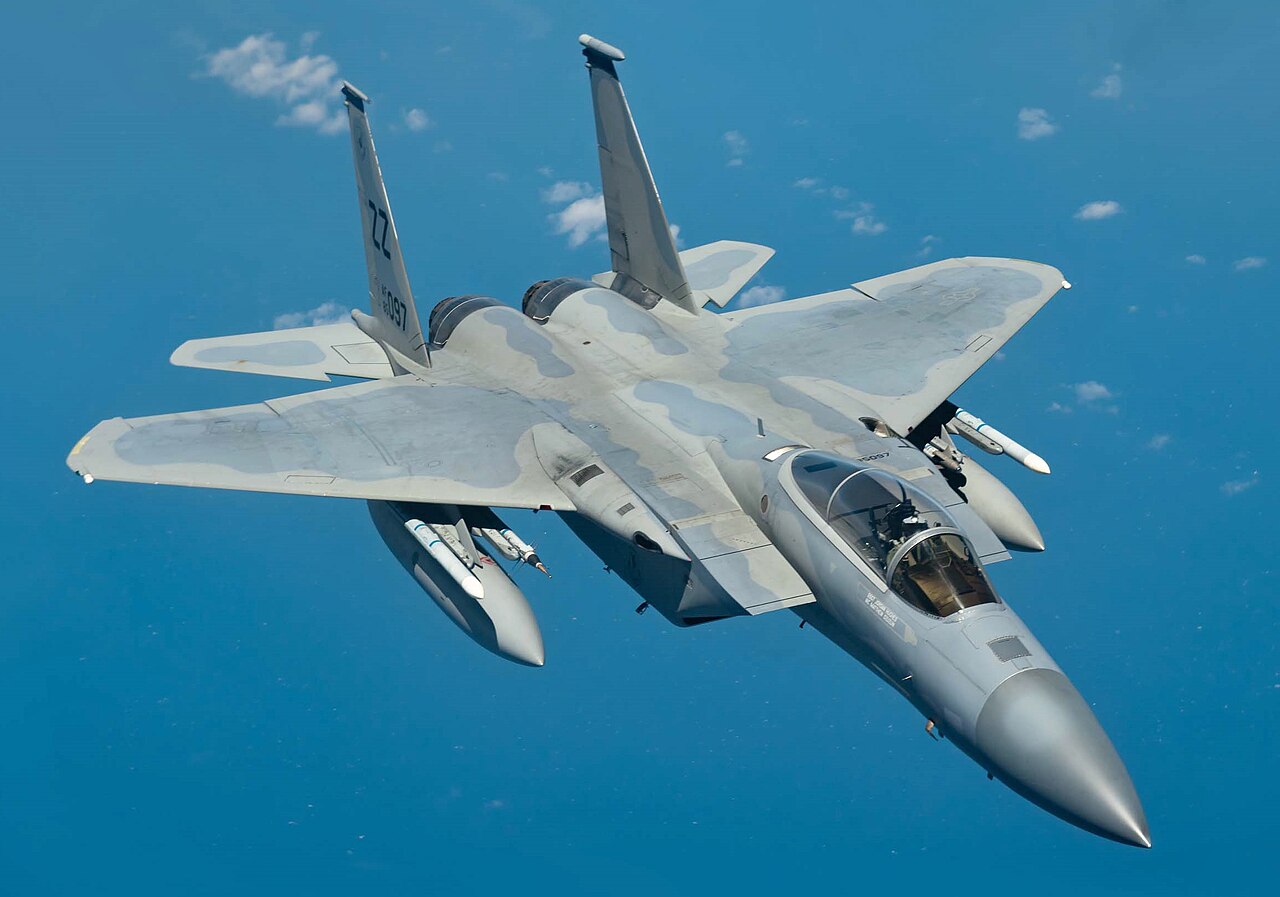
- Direct US-Iran military exchanges are very likely continuing and have widened from the Gulf of Oman and Strait of Hormuz to Jordan and commercial vessels. US Central Command reported destroying five Iranian oil tankers on 8 September, while Iran claimed attacks on 10 ships, including two US ships and eight oil tankers. An independent assessment instead attributed likely attacks to three tankers, Hercules Star, an unspecified LNG tanker at Khor Fakkan and New Andros. Iran also fired unspecified ballistic missiles at a US aircraft carrier, US Navy destroyers and at least one US Marine vessel since 4 September. Reporting says the 9 September attack on Muwaffaq Salti Air Base damaged one A-10 Thunderbolt II and about eight F-15E Strike Eagles, although Jordan said it intercepted or destroyed 18 of 20 missiles and reported no casualties. (Confidence: high · ASSESSED)
- I&W: CONFIRM: Iran or the IRGC reports another ballistic-missile or anti-ship attack against US naval assets, Muwaffaq Salti Air Base or a commercial vessel. (0-14 days)
- I&W: BREAK: Iran announces a halt to attacks and US Central Command reports no further attempted strikes against US naval assets or Jordan for 14 consecutive days. (0-14 days)
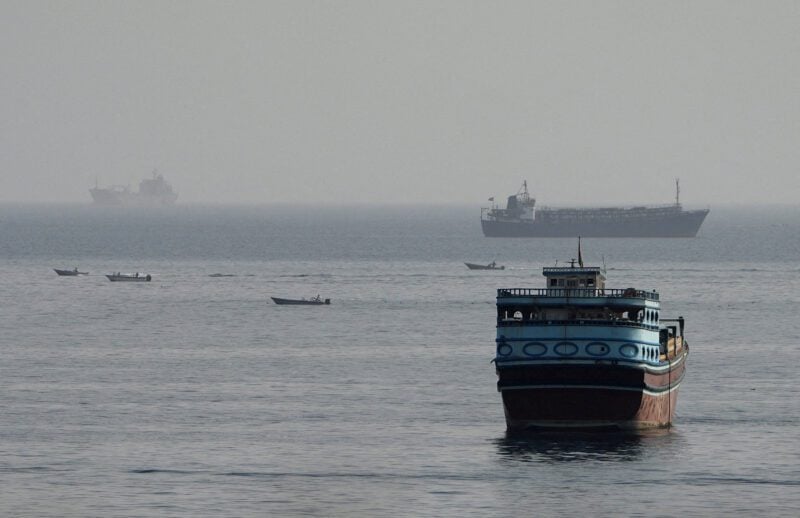
- Commercial shipping through the Strait of Hormuz is almost certainly severely disrupted and likely to remain constrained over the next 14 days. Tracked transits fell to seven on 9 September, comprising four exits and three entries, against a 10-day average of 14. No LNG tanker exited that day. The Finland Prosperity, carrying nearly two million barrels of crude, was among the vessels that left the strait. The exact scale of oil movement remains uncertain because some vessels have switched off transponders and Vitol reports an oil-shuttling workaround moving about 10 million barrels per day. (Confidence: medium · ASSESSED)
- I&W: CONFIRM: Tracked Hormuz transits remain in single digits, or no LNG tanker exits, for three consecutive days. (0-14 days)
- I&W: BREAK: Daily transits return to at least the 10-day average of 14 and LNG tanker departures resume for three consecutive days. (0-14 days)
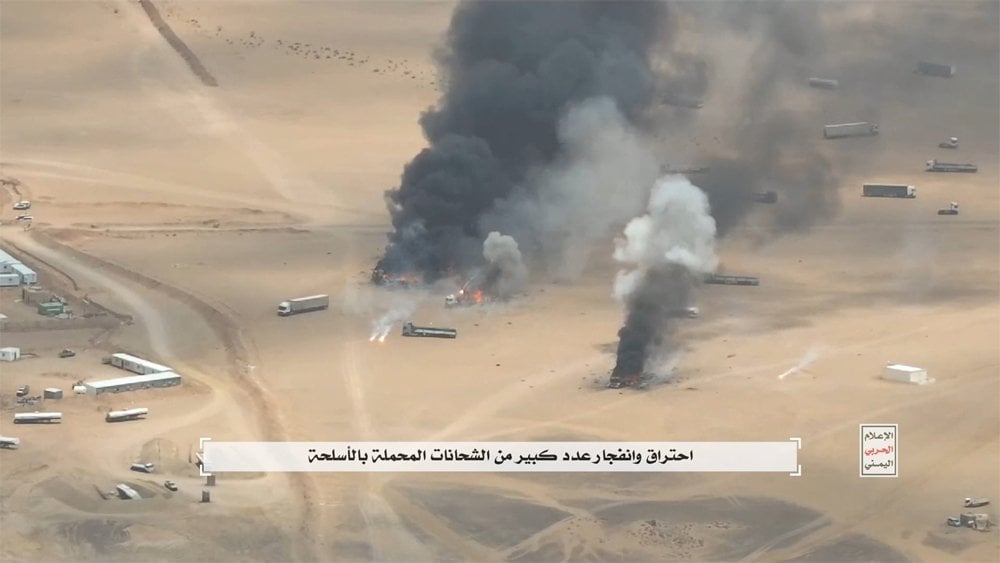
- The Houthi seizure of Mocha and footholds on the Hanish Islands are likely to increase pressure on Red Sea shipping over the next 30 days. Houthi forces have advanced south along the Red Sea coast, seized Mocha and reached the Hanish Islands, while reporting assesses an objective of controlling more coastline towards Perim Island and Bab al-Mandeb. The Houthis deny that control of maritime traffic is their objective, so the stated motive and observed territorial advance remain in tension. Red Sea traffic has not yet collapsed, with 28 commodity ships transiting Bab al-Mandeb on 9 September, close to the 10-day average of 27. (Confidence: medium · ASSESSED)
- I&W: CONFIRM: Houthi forces retain Mocha and establish additional positions towards Perim Island or Bab al-Mandeb, while daily commodity-ship transits fall below 27. (0-30 days)
- I&W: BREAK: Internationally Recognised Government forces retake Mocha and Bab al-Mandeb traffic remains at or above 27 commodity ships per day for 14 days. (0-30 days)
- Further Houthi attacks on Saudi Arabia are very likely over the next 30 days, with energy infrastructure remaining exposed. Saudi civil defence issued emergency alerts in Khamis Mushait for the fourth time in 24 hours, and the Saudi-led coalition accused the Houthis of using ballistic missiles and drones against Khamis Mushait, Abha and Jazan. Reporting also states that Houthi attacks wounded at least 73 people and disrupted energy-facility operations, but Saudi civil defence reported no casualties for overlapping alerts. Pakistan's Defence Minister Khawaja Asif warned that spillover into Saudi Arabia would activate the Mecca Joint Defence Agreement. (Confidence: medium · ASSESSED)
- I&W: CONFIRM: Saudi civil defence issues new alerts in Khamis Mushait, Abha or Jazan, or Saudi authorities report another Houthi strike on an energy facility. (0-14 days)
- I&W: BREAK: Saudi authorities report no further Houthi missile or drone attacks and no new energy-facility disruption for 14 consecutive days. (0-30 days)
- Brent crude and US fuel prices are very likely to remain elevated over the next 14 days, with Brent likely to remain around or above $100 per barrel. Brent was reported between about $101.21 and $105.26 per barrel during the current trading window, WTI reached $100.04, and the US average price of regular petrol reached nearly $4.28 per gallon. Crude prices are reported to be more than 40 percent above their level when the war began. The precise Brent level and percentage increase remain uncertain because reports mix intraday prices, settlements and different baselines. (Confidence: medium · ASSESSED)
- I&W: CONFIRM: Brent settles above $100 per barrel and WTI remains above $100 for five consecutive trading sessions. (0-14 days)
- I&W: BREAK: Brent settles below $100 and the US average petrol price falls below $4.28 per gallon for five consecutive trading sessions or reporting periods. (0-14 days)
- Iran-aligned Iraqi militias are likely to remain an escalation point before the 30 September 2026 deadlines. Kata'ib Hizbollah, Harakat al-Nujaba and Kata'ib Sayyid al-Shuhada have given no indication that they will surrender their weapons and have continued attacks, while the final US troop withdrawal and the Iraqi deadline for bringing Iran-backed militias under state authority are both scheduled for 30 September. This judgment rests mainly on a single think-tank assessment and lacks fresh independent reporting, so confidence is medium. (Confidence: medium · ASSESSED)
- I&W: CONFIRM: Any of the three named militias publicly rejects the 30 September deadline or conducts an attack against US personnel, Iraqi security forces or shipping before that date. (0-20 days)
- I&W: BREAK: The three named militias surrender weapons or enter state-security integration arrangements, with no reported attacks, by 30 September. (0-30 days)
Outlook & scenarios
Sustained US-Iran maritime exchange (55%)
US strikes on Iranian tankers and Iranian missile or ship attacks continue through 30 September. Hormuz traffic remains in single digits, while shuttling arrangements keep a reduced volume of oil moving. Repeated attacks on US assets, Jordan or commercial vessels keep Brent above $100 and raise pressure on Gulf governments.
Partial maritime adaptation without wider regional expansion (35%)
The US and Iran avoid successful strikes on each other's major military platforms. Oman-linked routing and Gulf of Oman shuttling allow more commercial traffic to move, bringing Hormuz transits back towards the 10-day average of 14. Shipping costs remain high, but the conflict does not produce a new attack front in Iraq or Saudi Arabia.
Yemen-led Red Sea escalation (40%)
The Houthis consolidate control of Mocha and the Hanish Islands, advance towards Perim Island and Bab al-Mandeb, and intensify attacks on Saudi cities or energy facilities. Supertankers continue rerouting around the Red Sea, reducing confidence in the safety of Bab al-Mandeb even if commodity-ship traffic remains near its current average.
Unlikely, high-impact strike on Pickaxe Mountain (10%)
The US conducts a strike on Iran's Pickaxe Mountain site near the damaged Natanz uranium enrichment facility. Iran responds against US naval assets, Jordan or Gulf bases, producing a sharp increase in shipping disruption and oil prices. This remains an unlikely but high-impact pathway because the available reporting records presidential threats and stated US planning, not confirmed authorisation.
Recommendations
- Prioritise a 24-hour attribution and damage review combining US Central Command releases, Jordanian military statements, commercial satellite imagery and vessel-position data. Separate confirmed damage to the A-10 Thunderbolt II and F-15E Strike Eagles from unverified claims about missile effects on US naval platforms.
- Maintain a named-vessel watchlist for Hercules Star, New Andros, Finland Prosperity and the unidentified LNG tanker at Khor Fakkan. Compare AIS data, port notices, imagery and insurance or shipping advisories before treating Iran's claim of 10 attacked ships as an established count.
- Report Hormuz conditions using separate measures for tracked transits, LNG departures and crude or petroleum-product flows. Do not combine seven daily transits with the estimated 10 million barrels per day moving through the shuttling workaround.
- Prioritise collection on Houthi control of Mocha, the Hanish Islands, Dhubab and approaches to Perim Island. Pair territorial reporting with daily Bab al-Mandeb transit counts and Saudi alerts in Khamis Mushait, Abha and Jazan.
- Establish a 30 September Iraq watch plan covering public statements, weapons movements and attacks by Kata'ib Hizbollah, Harakat al-Nujaba and Kata'ib Sayyid al-Shuhada. Track these developments alongside the scheduled US troop withdrawal and the Iraqi militia-integration deadline.
- Use a price range rather than a single Brent figure in near-term assessments. Model a continued level above $100 per barrel and a higher stress case reaching $120 if attacks on Middle East shipping worsen or flows remain constrained.
Confidence & uncertainty
Overall confidence is high because the central developments are corroborated across wire-service, major-media and trade-publication reporting, including US Central Command statements, Jordanian military reporting, ship-tracking data and repeated market observations. Confidence is highest for the continuation of direct US-Iran exchanges, the severe reduction in tracked Hormuz traffic and the Houthi seizure of Mocha. The main uncertainties concern the number and attribution of Iranian attacks on commercial vessels, the extent of damage at Muwaffaq Salti Air Base, conflicting Saudi casualty figures, differing Yanbu flow estimates and the precise intraday Brent price.
Intelligence gaps
- [EEI 1.1 · UNCOVERED] Movement, dispersal, or emplacement of Iranian conventional or IRGC heavy assets (ballistic missile launchers, Khoramshahr/Toofan-class missile transporters, ground-to-ground TELs, air defense batteries, amphibious units) from garrison areas toward forward bases or coastal launch sites. Recommended collection: satellite/IMINT
- [EEI 1.2 · PARTIAL] Authenticated Iranian military orders, NSC/IRGC operations directives, or senior leadership statements explicitly directing strikes against Israel or US forces or authorizing cross-border operations. Recommended collection: human/diplomatic
- [EEI 2.1 · UNCOVERED] Observable pre-launch preparations for missile/rocket/cruise missile strikes (fueling, warhead mating, launcher orientation, support vehicle congregation) and abnormal munitions handling at known launch sites. Recommended collection: satellite/IMINT
- [EEI 2.2 · UNCOVERED] Indications of proxy arms shipments and weapons transfers (truck convoys, small boat transfers, container movements from Iran to proxies, new stockpiles in Lebanon, Iraq, Yemen, Syria). Recommended collection: maritime/AIS
- [EEI 2.3 · UNCOVERED] Evidence of cyber attack planning or active exploitation campaigns targeting Israeli or US military/critical infrastructure (emergence of new command-and-control servers, spear-phishing campaigns against defense personnel, successful intrusions). Recommended collection: cyber
- [EEI 3.1 · UNCOVERED] Movements and posture changes of US regional platforms (carrier strike groups, amphibious ready groups, B-52/B-1/B-2 or fighter deployments, missile defense assets repositioning) and associated armament loadouts. Recommended collection: satellite/IMINT
- [EEI 3.2 · PARTIAL] Official or leaked US government/diplomatic communications indicating thresholds for strikes, authorization for offensive operations, or limits on action (NSC/DoD statements, congressional notifications, diplomatic notes). Recommended collection: diplomatic/human
- [EEI 3.3 · UNCOVERED] Changes in US base force-protection measures and rules of engagement at regional facilities (base lockdowns, evacuation notices, flight restrictions, activation of Local Defense Forces or missile intercept systems). Recommended collection: open-source/local reporting
- [EEI 4.1 · UNCOVERED] Hezbollah-specific indicators: convoys and logistics movements toward Lebanon, Israel border, artillery/rocket emplacement in southern Lebanon, documented strikes-preparation activity, public mobilization orders or recruitment drives. Recommended collection: satellite/IMINT
- [EEI 4.3 · UNCOVERED] Militia cross-border attack evidence from Iraq/Syria: recorded rocket/mortar launch events into Israel or strikes against US facilities, movement of armed convoys toward border areas, and intercepted communications coordinating cross-border operations. Recommended collection: signals/ELINT
Red cell review: PARTIAL DISSENT, KJ-2 downgraded HIGH→MEDIUM (estimative_mismatch)
TLP:CLEAR