TLP:CLEAR · Disclosure is not limited.
Iran-Israel Conflict: US-Iran Maritime Escalation Deepens
Time window: Last 1 day · Audience: General analyst · Type: Situation report · DTG: 2026-09-06 16:44Z · Overall confidence: HIGH
BLUF
Direct US-Iran military exchanges are almost certainly continuing, with the Strait of Hormuz now the main escalation point. Commercial traffic is very likely to remain severely depressed as Washington and Tehran trade attacks and threats against vessels, while Israeli-Hezbollah fighting and renewed clashes in Yemen add pressure on other regional fronts.
Executive summary
On 5 and 6 September 2026, the US and Iran traded attacks involving US warships, Iranian tankers and shipping in and around the Strait of Hormuz. CENTCOM reported that US forces redirected 92 commercial vessels, disabled three and boarded two, while Kpler recorded only one commodity vessel crossing on 5 September. Iran has declared a shift to offensive tactics and threatened harsher action against US vessels. Israel conducted further strikes in southern Lebanon and ordered evacuations in Arab Salim, while fighting in Taiz and southern Hodeidah displaced about 1,800 families. US-Iran talks remain stalled, although Turkish and Saudi contacts with Tehran continue.
Change from previous assessment
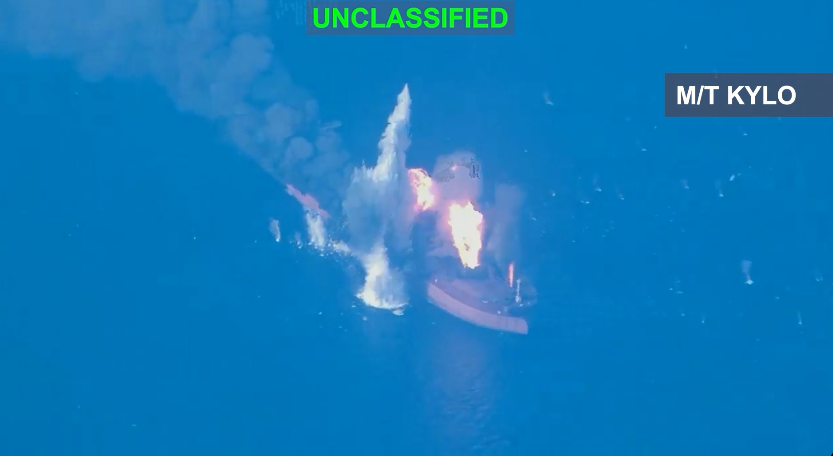
Since the 5 September 2026 brief, the assessment has shifted towards greater confidence that maritime escalation is active and sustained. New reporting gives specific blockade figures, records only one commodity vessel crossing the Strait on 5 September, and provides corroborated details of the US strikes on M/T Downy, M/T Stark 1 and M/T Kylo and Iran's reported attacks on US warships and shipping. Confidence in continued Israel-Hezbollah activity has risen from low to medium because reporting now includes further strikes, four deaths, 20 wounded and evacuation orders in Arab Salim. Yemen has been added as an active humanitarian front after more than 60 reported deaths in Taiz and the displacement of about 1,800 families. The unverified Iranian claim concerning a US vessel remains unresolved. The assessment that a Pickaxe Mountain strike remains an active US option is retained, while the assessment that formal US-Iran diplomacy is unlikely remains unchanged.
Key judgments
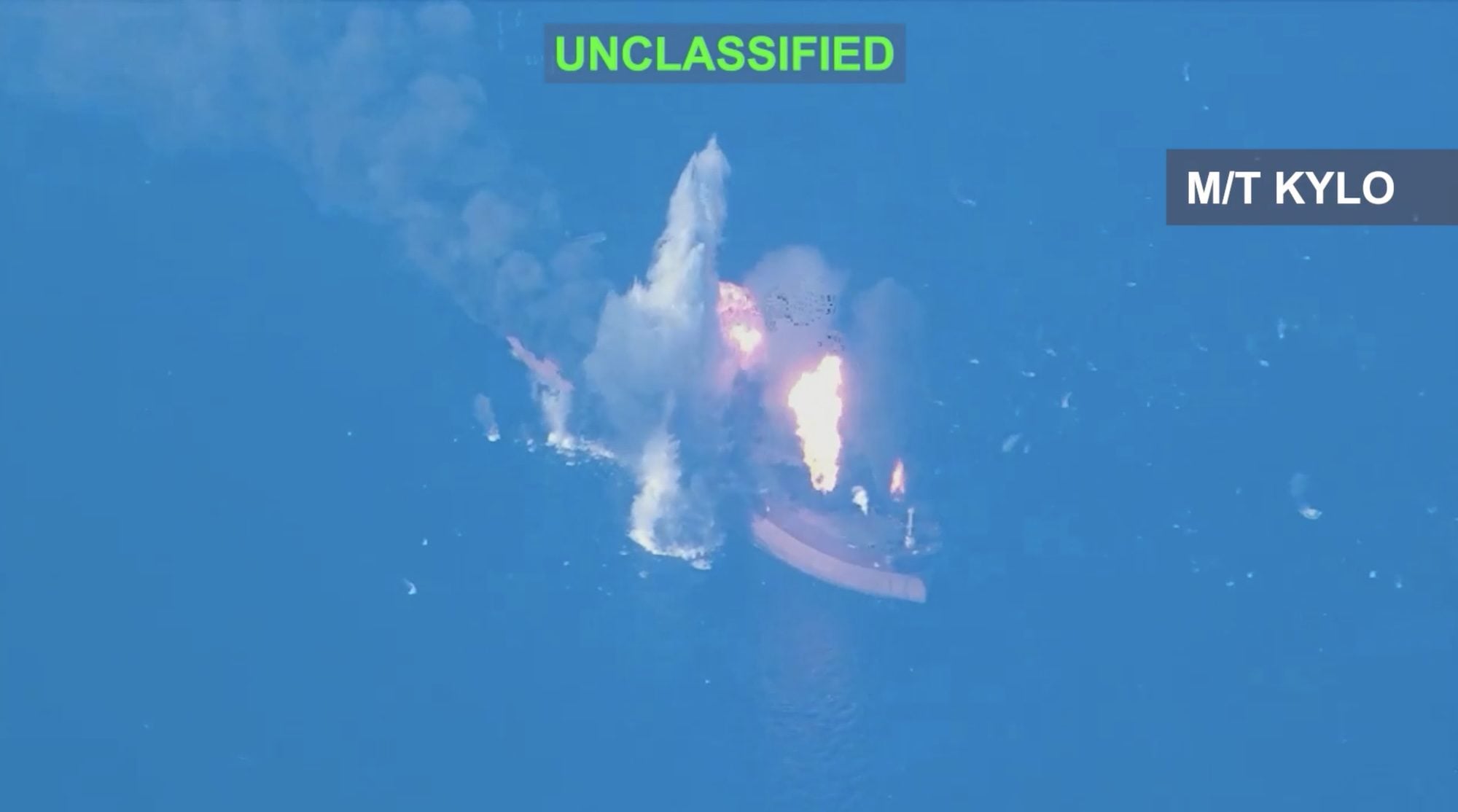
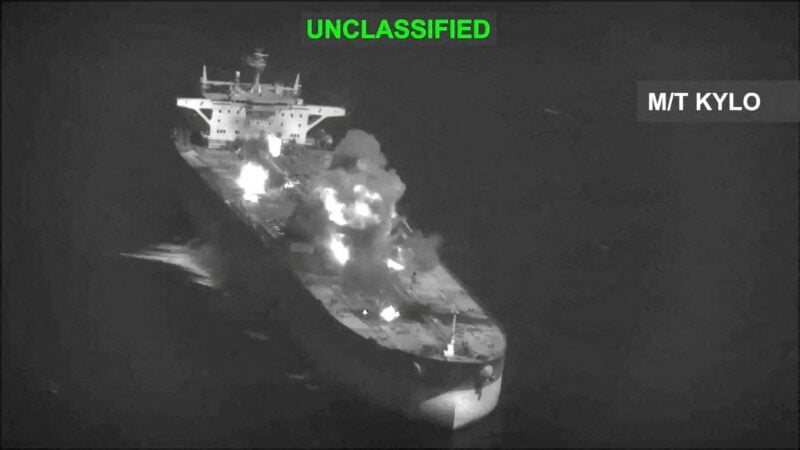
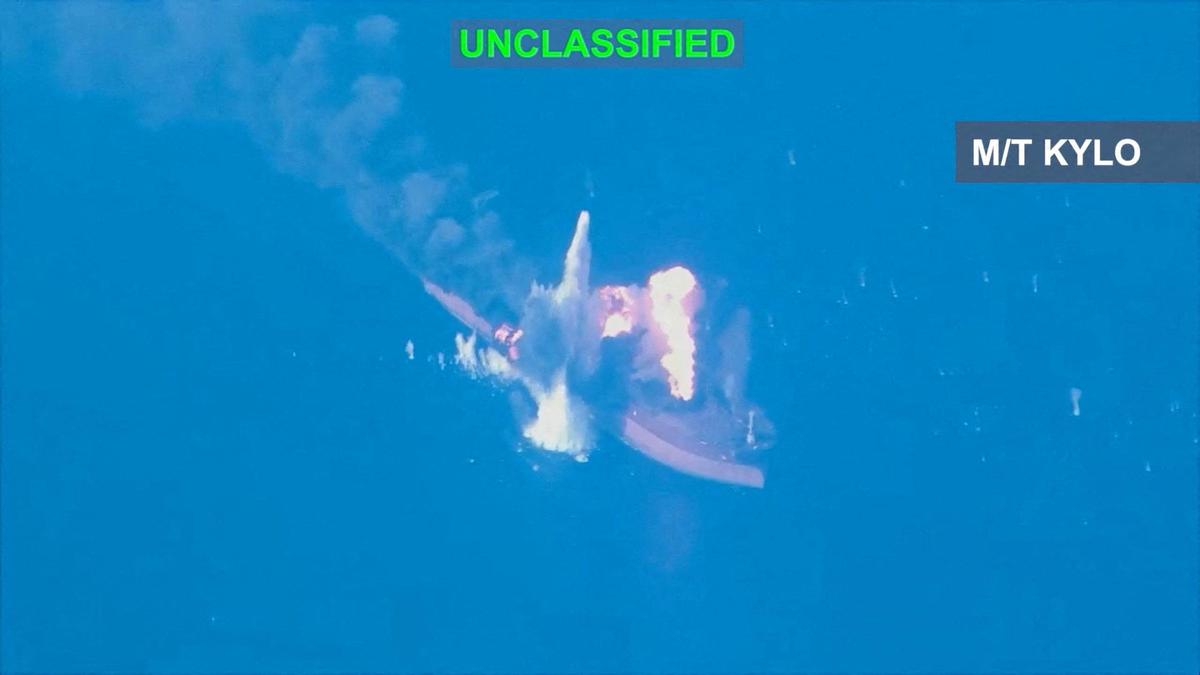
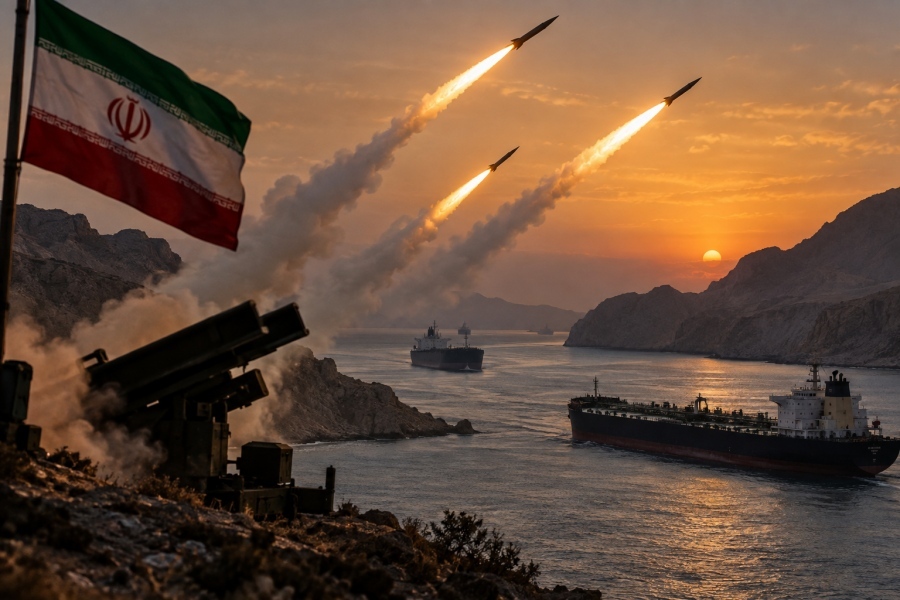
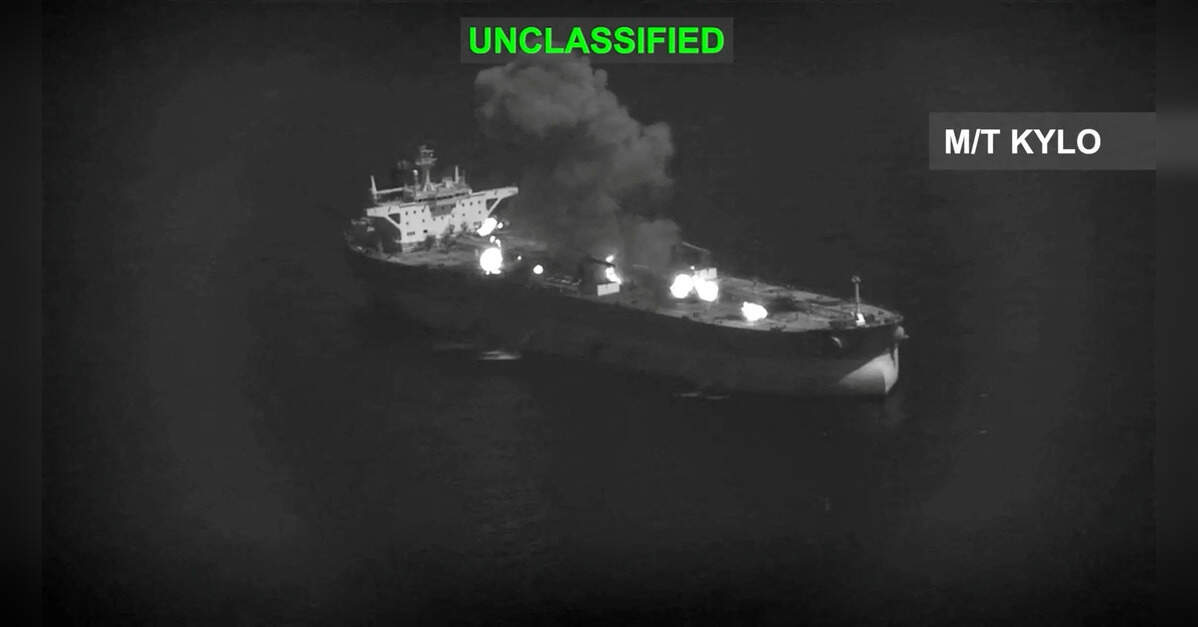
- Direct US-Iran military exchanges are almost certainly continuing on 5 and 6 September 2026, centred on the Strait of Hormuz and Gulf of Oman. CENTCOM reported that the IRGC targeted a US aircraft carrier and guided-missile destroyer with ballistic missiles, after which US forces struck three Iranian tankers: M/T Downy near Kharg Island, M/T Stark 1 near Jask and M/T Kylo in the Gulf of Oman. Iran says it then targeted three tankers on an unauthorised route and US-linked vessels. The sequence of initiation remains disputed. Multiple major-media reports, trade publications and official statements corroborate the exchange, although they do not resolve responsibility for the first attack. (Confidence: high · REPORTED)
- I&W: Confirms: CENTCOM or a major-media report identifies another Iranian anti-ship missile launch against a named US vessel, or Iran reports another strike on a named commercial tanker. (0-14 days)
- I&W: Breaks: Washington and Tehran announce a maritime halt and no new vessel attack is reported for 14 consecutive days. (0-14 days)
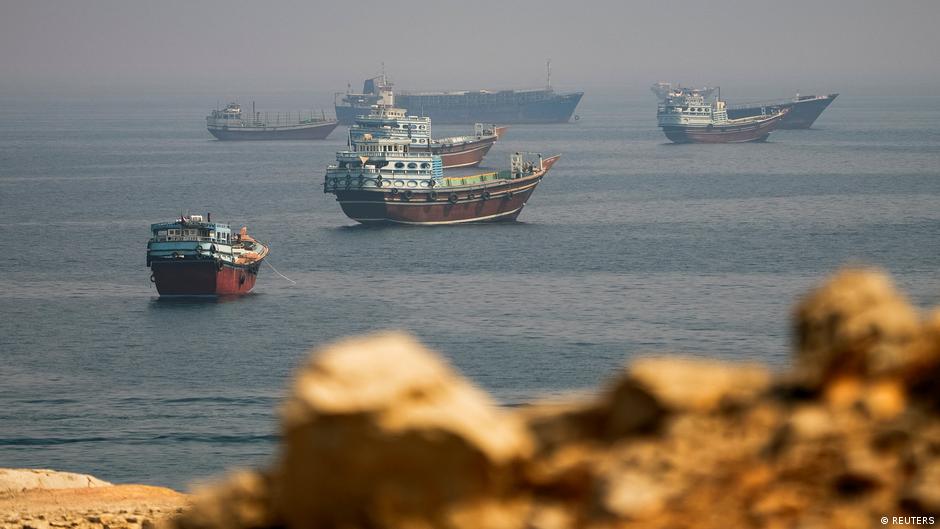
- Commercial shipping through the Strait of Hormuz is very likely to remain severely depressed over the next 30 days. CENTCOM reports that US forces redirected 92 commercial vessels, disabled three and boarded two, while Kpler recorded only one commodity vessel crossing on 5 September. The Strait has been effectively closed in recent reporting, Middle East crude exports are reported down 39 per cent from early 2023, Brent crude reached $96.28 a barrel and US diesel reached a record average of $5.85 a gallon. Washington and Tehran give conflicting accounts of responsibility for the latest disruption, but the traffic and price effects are corroborated by independent reporting. (Confidence: high · REPORTED)
- I&W: Confirms: Kpler records only isolated commercial crossings while CENTCOM reports further vessel redirections, boardings or disabling actions. (0-14 days)
- I&W: Breaks: Kpler records sustained commercial traffic through the Strait and CENTCOM reports an end to routine blockade enforcement. (1-3 months)
- Further US-Iran retaliation against maritime assets is likely over the next 14 days, while a workable diplomatic arrangement on Strait of Hormuz navigation is unlikely to emerge over the next 30 days. Iran's military, Mohammad Bagher Ghalibaf and the IRGC Navy have threatened faster or harsher responses, while Defence Secretary Pete Hegseth and Admiral Brad Cooper have threatened further action against Iranian tankers. Diplomatic sources describe talks as deadlocked and implementation of the June memorandum as stalled, despite contacts involving Turkey, Saudi Arabia and Iran. This is an assessed inference based mainly on official threats and diplomatic reporting rather than evidence of an approved next strike, so confidence is medium. (Confidence: medium · ASSESSED)
- I&W: Confirms: Iran launches another anti-ship missile or attacks a named US military or commercial vessel, followed by a US strike on an Iranian maritime or military target. (0-14 days)
- I&W: Breaks: Washington and Tehran announce direct talks with a named agenda and begin implementing a navigation arrangement without a new maritime attack. (0-30 days)
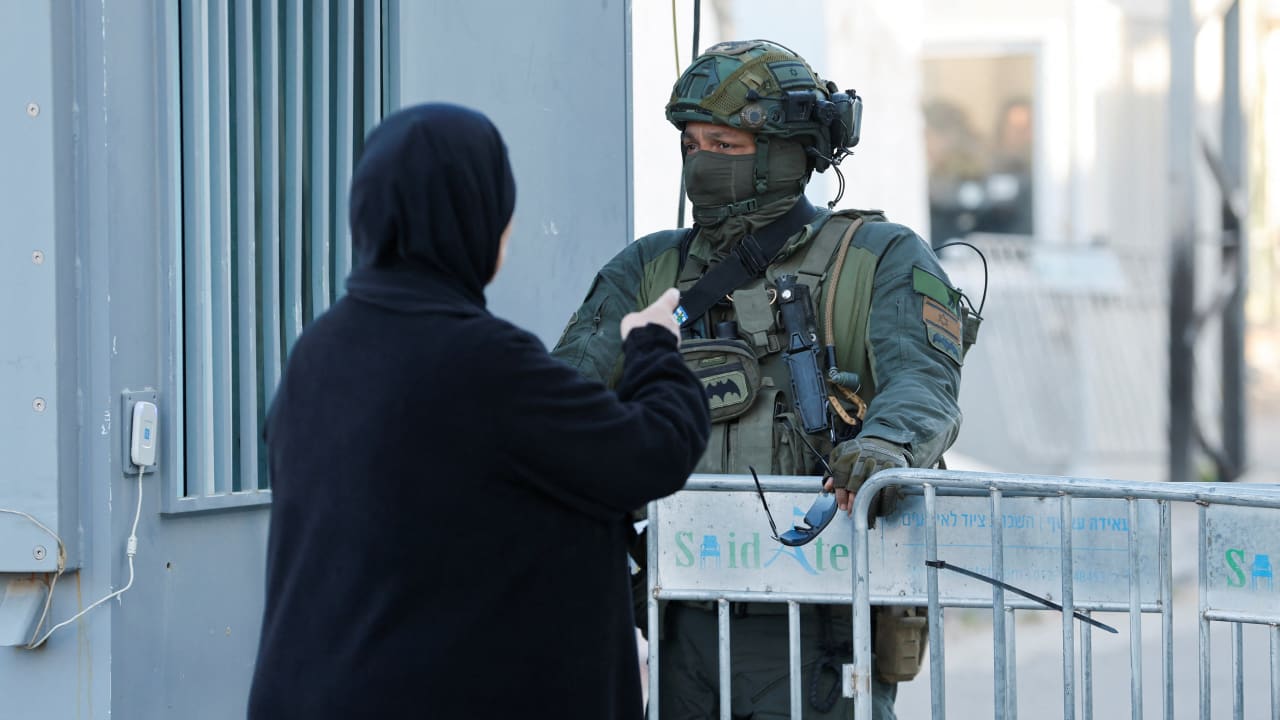
- Israel-Hezbollah exchanges in southern Lebanon are likely to continue over the next 30 days, with local displacement risk elevated around Arab Salim. The IDF reported strikes after Hezbollah drone attacks, Lebanon reported four people killed and 20 wounded in southern Lebanon, and the Israeli military ordered residents of Arab Salim to evacuate. President Joseph Aoun called on the US to stop Israeli violations. Multiple reports corroborate the strikes, casualties and evacuation warning, but the dates and claimed trigger remain contested, keeping confidence at medium. (Confidence: medium · ASSESSED)
- I&W: Confirms: The IDF issues further evacuation orders for named municipalities in southern Lebanon or Hezbollah reports another drone launch followed by an Israeli strike. (0-14 days)
- I&W: Breaks: Israel and Hezbollah observe a sustained halt in strikes and Lebanese authorities report no further displacement from the affected municipalities. (0-30 days)
- Fighting in Taiz and southern Hodeidah is likely to remain active over the next 30 days, with humanitarian pressure increasing. AFP reported more than 60 people killed in Taiz on 5 September, OCHA reported the displacement of about 1,800 families over two days, and Saudi Arabia carried out air strikes against Houthi positions. Yemeni government forces report gains in Hodeidah and western Taiz, while Houthi-affiliated SABA reports control of Hais, leaving territorial control disputed. Confidence is medium for continued fighting and lower for the battlefield map. (Confidence: medium · ASSESSED)
- I&W: Confirms: OCHA records further displacement from Taiz or Hodeidah and AFP or another major-media source reports additional heavy fighting in the same areas. (0-14 days)
- I&W: Breaks: Local reporting and humanitarian access assessments show a sustained cessation of fighting and reconcile control of Hais between the opposing claims. (0-30 days)
- The claim that the IRGC damaged a US naval vessel in the Strait of Hormuz remains unverified and is low confidence. Iranian reporting alternately describes an attack on a US unmanned vessel, naval drone or warship, while CENTCOM called the claim a pure lie. The target-type discrepancy and the absence of independent confirmation prevent a reliable assessment of the incident's severity. (Confidence: low · REPORTED)
- I&W: Confirms: Independent imagery, maritime reporting or a US damage assessment identifies the vessel, location and damage from an Iranian attack. (0-14 days)
- I&W: Breaks: CENTCOM maintains its denial and no independent evidence identifies damage to a US vessel after further reporting. (0-14 days)
- The US is very likely to retain an active strike option against Pickaxe Mountain near Natanz over the next 14 days, but an imminent attack is unlikely. Donald Trump warned on 4 and 5 September that the site might be struck soon, and the site is reported to contain two deeply buried tunnel complexes. The reporting confirms political signalling but not operational preparations, so confidence is medium. (Confidence: medium · ASSESSED)
- I&W: Confirms: The White House or CENTCOM announces a strike on Pickaxe Mountain or reports named operational preparations against the site. (0-14 days)
- I&W: Breaks: Fourteen days pass without a strike, public preparation or a renewed presidential warning tied to an operational timeline. (0-14 days)
Outlook & scenarios
Prolonged maritime tit-for-tat (55%)
US and Iranian forces sustain reciprocal attacks on tankers, naval assets and selected military targets without a confirmed hit on a manned US warship. Commercial traffic through the Strait remains sparse, energy prices remain elevated and diplomatic contacts continue without a workable agreement.
Expansion across regional fronts (20%)
Israel-Hezbollah exchanges widen around southern Lebanon while Houthi and Saudi operations intensify in Taiz and Hodeidah. The US remains focused on the maritime campaign, but pressure from Lebanon and Yemen complicates efforts to contain the conflict.
Maritime pause and indirect diplomacy (15%)
Washington and Tehran establish a temporary maritime pause after Turkish and Saudi diplomatic contacts. Vessel traffic begins to recover, but the underlying dispute over blockade enforcement and security arrangements remains unresolved.
High-impact escalation wildcard (10%)
A confirmed Iranian strike damages a manned US warship, or the US strikes Pickaxe Mountain. Iran responds against US positions or commercial shipping, producing a wider exchange and a sharper contraction in maritime traffic.
Recommendations
- Maintain a 24-hour watch on the Strait of Hormuz using CENTCOM blockade statistics, Kpler traffic data and independent reporting on named vessels. Separate confirmed vessel movements from claims by Washington and Tehran.
- Track the next Iranian anti-ship missile launch, any attack involving the USS Abraham Lincoln or another named US warship, and any further US strike on an Iranian tanker or coastal military site.
- Keep a dual timeline for the latest maritime exchange. Mark the initiating attack, strike dates and tanker locations as disputed until independent reporting resolves the contradictions.
- Prioritise collection on Pickaxe Mountain for evidence of operational preparation rather than relying on presidential warnings alone.
- Monitor evacuation orders, Hezbollah drone activity and IDF strikes in named southern Lebanese municipalities, beginning with Arab Salim. Track civilian casualty and displacement reporting separately from military claims.
- Maintain a separate Yemen watch covering Taiz, southern Hodeidah and Hais. Report battlefield control as contested unless independent sources reconcile the government and Houthi-affiliated accounts.
- Brief analysts responsible for economic risk on the combined indicators of sparse Hormuz traffic, further tanker losses, Brent crude at $96.28 a barrel, US diesel at $5.85 a gallon and the reported 39 per cent fall in Middle East crude exports.
- Monitor Turkish, Saudi and Iranian diplomatic contacts for a named agenda, direct US-Iran talks or concrete implementation steps on navigation. Treat public calls for dialogue without operational measures as signalling rather than de-escalation.
Confidence & uncertainty
Overall confidence is high because the central developments are corroborated by multiple major-media and trade-publication reports, official CENTCOM statements, Kpler shipping data, Lebanese Health Ministry reporting and OCHA reporting. The main uncertainties concern which side initiated the latest maritime exchange, the type and condition of the vessel Iran claims to have struck, inconsistent tanker locations and dates, the status of the June memorandum, and competing claims over territory in Hodeidah. These uncertainties reduce confidence in selected forward-looking and battlefield judgments but do not alter the high-confidence assessment that US-Iran military exchanges and severe maritime disruption are continuing.
Intelligence gaps
- [EEI 1.1 · UNCOVERED] Movement, dispersal, or emplacement of Iranian conventional or IRGC heavy assets (ballistic missile launchers, Khoramshahr/Toofan-class missile transporters, ground-to-ground TELs, air defense batteries, amphibious units) from garrison areas toward forward bases or coastal launch sites. Recommended collection: satellite/IMINT
- [EEI 1.2 · PARTIAL] Authenticated Iranian military orders, NSC/IRGC operations directives, or senior leadership statements explicitly directing strikes against Israel or US forces or authorizing cross-border operations. Recommended collection: human/diplomatic
- [EEI 1.3 · PARTIAL] Changes in Israeli and US force posture indicating anticipation of direct large-scale conflict, elevated readiness levels, mobilization notices, pre-positioning of munitions, or public/private orders to prepare offensive strikes. Recommended collection: open-source/diplomatic
- [EEI 2.1 · UNCOVERED] Observable pre-launch preparations for missile/rocket/cruise missile strikes (fueling, warhead mating, launcher orientation, support vehicle congregation) and abnormal munitions handling at known launch sites. Recommended collection: satellite/IMINT
- [EEI 2.2 · UNCOVERED] Indications of proxy arms shipments and weapons transfers (truck convoys, small boat transfers, container movements from Iran to proxies, new stockpiles in Lebanon, Iraq, Yemen, Syria). Recommended collection: maritime/AIS
- [EEI 2.3 · UNCOVERED] Evidence of cyber attack planning or active exploitation campaigns targeting Israeli or US military/critical infrastructure (emergence of new command-and-control servers, spear-phishing campaigns against defense personnel, successful intrusions). Recommended collection: cyber
- [EEI 3.1 · PARTIAL] Movements and posture changes of US regional platforms (carrier strike groups, amphibious ready groups, B-52/B-1/B-2 or fighter deployments, missile defense assets repositioning) and associated armament loadouts. Recommended collection: satellite/IMINT
- [EEI 3.3 · UNCOVERED] Changes in US base force-protection measures and rules of engagement at regional facilities (base lockdowns, evacuation notices, flight restrictions, activation of Local Defense Forces or missile intercept systems). Recommended collection: open-source/local reporting
- [EEI 4.1 · PARTIAL] Hezbollah-specific indicators: convoys and logistics movements toward Lebanon, Israel border, artillery/rocket emplacement in southern Lebanon, documented strikes-preparation activity, public mobilization orders or recruitment drives. Recommended collection: satellite/IMINT
- [EEI 4.3 · UNCOVERED] Militia cross-border attack evidence from Iraq/Syria: recorded rocket/mortar launch events into Israel or strikes against US facilities, movement of armed convoys toward border areas, and intercepted communications coordinating cross-border operations. Recommended collection: signals/ELINT
TLP:CLEAR