TLP:CLEAR · Disclosure is not limited.
Iran-Israel Conflict: US-Iran Strikes Reopen the Gulf Front
Time window: Last 1 day · Audience: General analyst · Type: Situation report · DTG: 2026-08-31 14:44Z · Overall confidence: HIGH
BLUF
Likely US-Iran hostilities will remain active over the next 14 days, and very likely commercial shipping disruption in the Strait of Hormuz will persist. US strikes on Larak Island on 30 August and reported IRGC missile attacks towards Jordan on 31 August have ended the recent period of relative restraint, although damage and attribution claims remain contested.
Executive summary
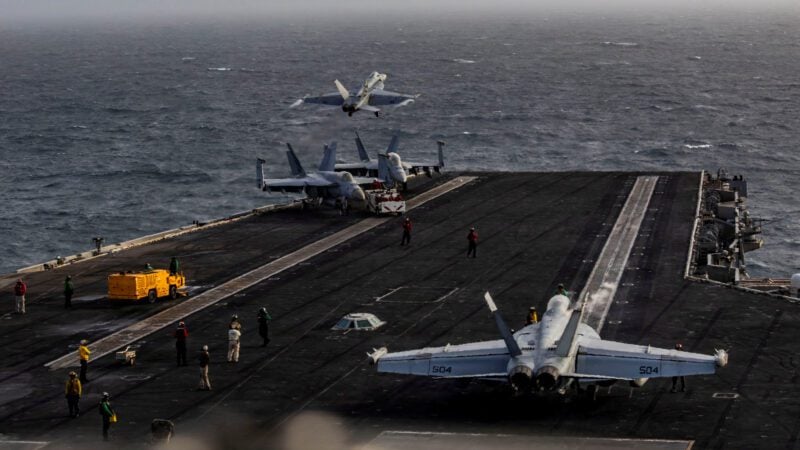
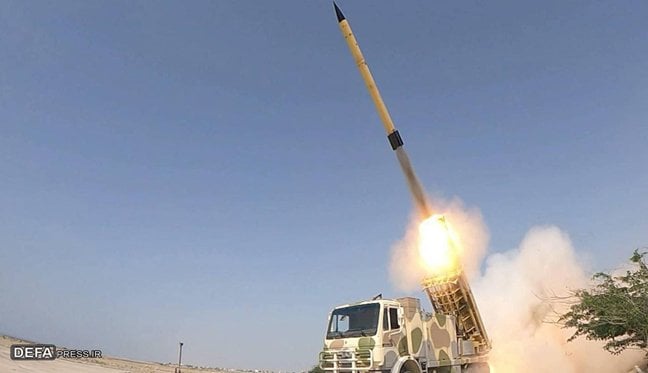
US forces struck two Iranian rocket launchers on Larak Island on 30 August after CENTCOM said the IRGC was preparing to deploy rockets carrying sea mines into the Strait of Hormuz. Iran subsequently reported attacks on US bases in Jordan, while Jordan's military said it intercepted eight missiles without damage. The Iran-Israel conflict remains ongoing, but the immediate escalation in the supplied reporting is centred on direct US-Iran exchanges and maritime pressure around Hormuz. Visible commodity-vessel traffic has fallen to five ships per day, weekend traffic was limited to small vessels, and efforts to reopen the strait remain stalled. Washington is also intensifying economic pressure on Iran while debating the future US force posture in the region.
Change from previous assessment
Since the 30 August prior brief, the assessment has shifted from a reported US pause and an inferred likelihood of continued activity to a confirmed US strike on Larak Island on 30 August and reported Iranian attacks on US bases in Jordan on 31 August. Confidence in the persistence of Hormuz disruption has increased from medium to high because new reporting shows five visible commodity vessels per day, limited small-vessel weekend traffic and stalled reopening efforts. The force-protection judgment has been recast as a contested force-posture decision rather than a straightforward logistics constraint. New judgments address intensified US economic pressure and the risk of further Iranian maritime coercion. The assessment of a durable settlement remains very unlikely in the next 14 days.
Key judgments
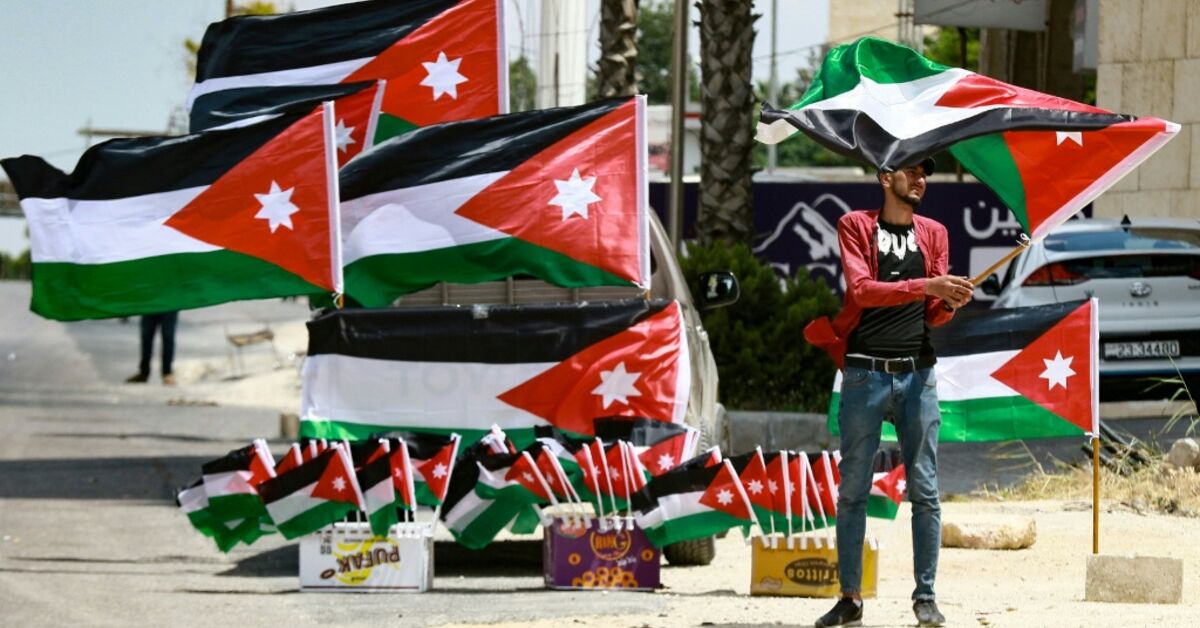
- Likely US-Iran hostilities will remain operationally active over the next 0-14 days. Reporting places US strikes on two Iranian rocket launchers on Larak Island on 30 August, followed by IRGC claims on 31 August that it attacked the King Hussein and al-Azraq bases in Jordan. Jordan's military said it intercepted eight missiles before they caused damage. The Iranian claim of heavy damage conflicts with Jordan's account, and the UAE Ministry of Defence rejected Iranian state television's claim that Al-Minhad Air Base was targeted while confirming that a drone was shot down. This is an assessed forecast at medium confidence because the Larak exchange is multiply corroborated, but the Jordanian damage and UAE target accounts remain contested. (Confidence: medium · ASSESSED)
- I&W: CONFIRM: CENTCOM reports another strike on an Iranian launcher or the IRGC reports another missile or drone attack on a US position in Jordan or the UAE. (0-14 days)
- I&W: BREAK: Washington, Tehran and Amman announce a suspension of attacks and no further US-Iran exchange is reported after 31 August. (0-14 days)
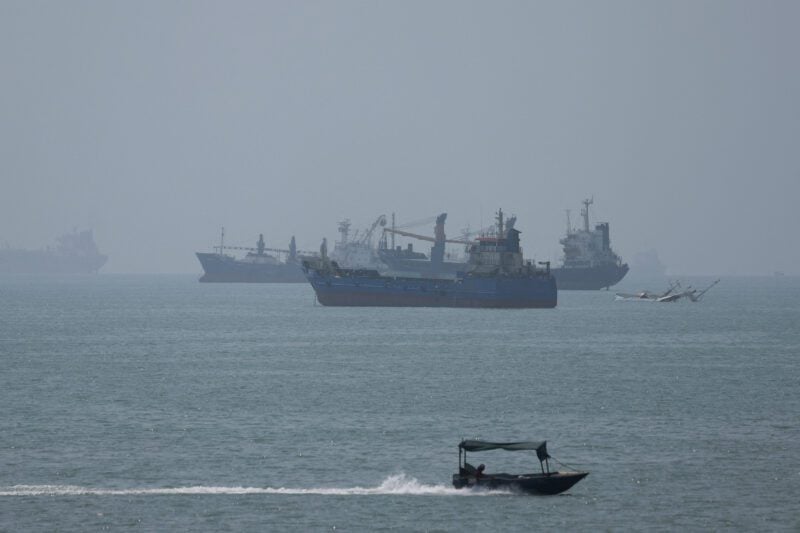
- Very likely commercial shipping through the Strait of Hormuz will remain severely restricted over the next 0-14 days. Kpler data showed five visible commodity vessels per day over the weekend, while weekend traffic was limited to small vessels, including two liquefied petroleum gas carriers. Fourteen vessels passed on Friday, including a very large crude carrier carrying 2 million barrels of Qatari oil, indicating that the strait is restricted rather than completely inactive. Iran is reportedly demanding Larak inspections, requiring payments of $2 million from some tankers, warning 46 vessels over alleged transit violations, and using small boats to challenge ships. The exact vessel count and the cause and location of recent tanker incidents remain disputed, but the core disruption is corroborated by maritime data and multiple reporting channels. Confidence is high. (Confidence: high · ASSESSED)
- I&W: CONFIRM: Kpler records visible commodity traffic at five vessels per day or below for three consecutive days, or UKMTO reports another attack on a tanker in the Hormuz transit area. (0-14 days)
- I&W: BREAK: Kpler records sustained passage by large crude carriers and LPG carriers, while Iran withdraws the 46-vessel warning and ends Larak inspection or payment demands. (0-14 days)
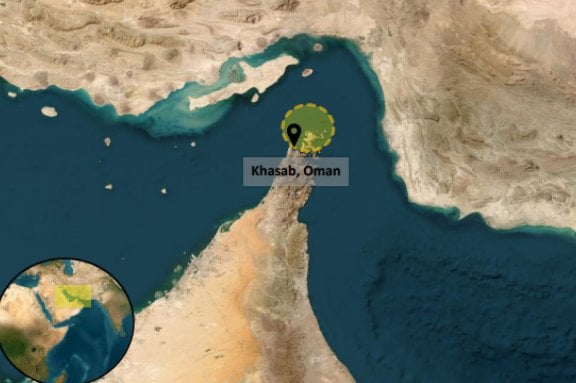
- Likely Iran will continue coercive control of tanker movements near Larak Island and the Omani Channel over the next 0-30 days, and further US strikes against Iranian maritime-denial assets are likely. The IRGC has been reported preparing Fajr-5 rocket systems for deployment of sea mines, Iranian authorities have demanded checks and payments from tankers, and Iranian small craft have ordered at least one vessel to abort transit. CENTCOM describes its Larak strike as a limited response to preparations involving rockets and sea mines. Confidence is medium because the assessment combines official US reporting with trade-publication accounts and because the reported tanker attacks have unresolved attribution. (Confidence: medium · ASSESSED)
- I&W: CONFIRM: The IRGC deploys another Fajr-5 system, launches or attempts to launch sea mines, or uses small craft to order a named commercial vessel to abort transit. (0-30 days)
- I&W: BREAK: Iran permits unescorted passage through the Omani Channel, removes Larak inspection requirements, and CENTCOM reports no further strike against Iranian maritime-denial systems. (0-30 days)
- Likely US economic pressure on Iran will intensify over the next 0-30 days, while a durable US-Iran settlement is very unlikely over the next 0-14 days. Treasury Secretary Scott Bessent has promised sanctions on a second bank that does business with Iran and a wider economic campaign involving Iran's trading partners. Treasury has also moved against Banque Misr's Emirati branches. Iranian Foreign Minister Abbas Araghchi said Iran remains open to diplomacy only if Washington abandons its pressure campaign, while Donald Trump has reaffirmed that preventing an Iranian nuclear weapon is his primary goal. Confidence is medium because the pressure measures are directly reported, but the settlement forecast rests on conditional diplomatic language rather than a complete account of negotiations. (Confidence: medium · ASSESSED)
- I&W: CONFIRM: Treasury names the second bank or widens secondary sanctions, while Araghchi repeats that talks depend on Washington ending its pressure campaign. (0-30 days)
- I&W: BREAK: Washington suspends the announced sanctions and the US and Iran sign terms covering nuclear restrictions and maritime access. (0-14 days)
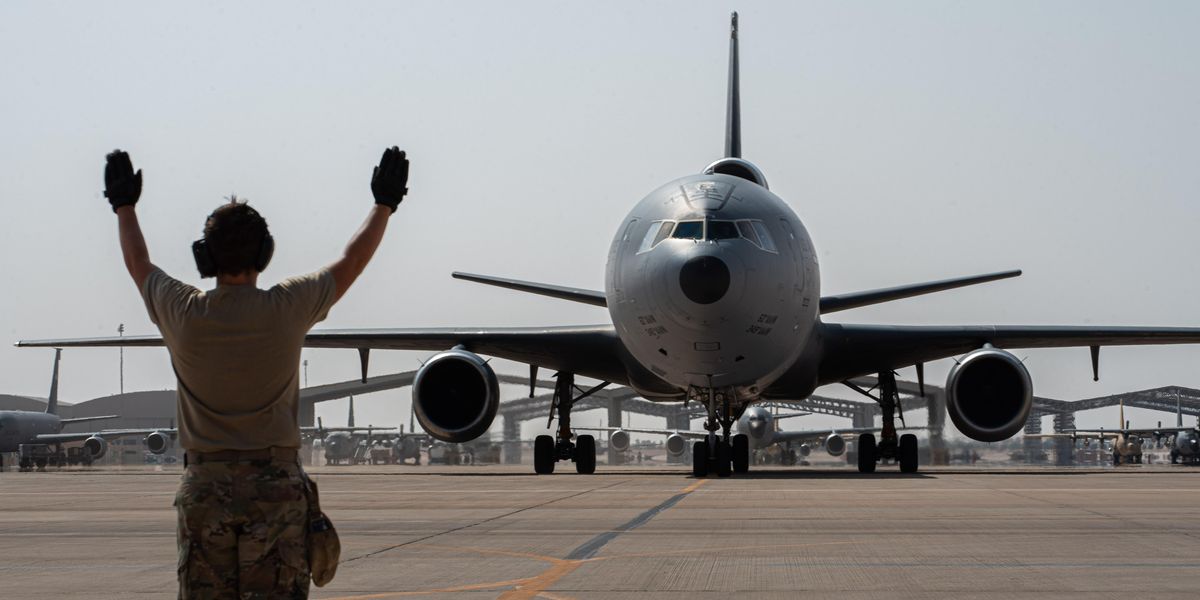
- Roughly even chance exists that the United States will implement a material regional force-posture change over the next 1-3 months. Reporting describes Pentagon planning to move units, command centres and aerial capabilities from the Persian Gulf towards Jordan, Israel and Saudi Arabia's Red Sea coast, and places the current US presence at 40,000-50,000 troops. The Pentagon has also been reported to view the damage to Gulf bases as an opportunity to rethink force posture. Against this, a Pentagon official described the work as prudent planning rather than a withdrawal order, Sean Parnell called the underlying reporting inaccurate, and senior combatant commanders reportedly filed a non-concur against keeping forces in the region. Confidence is low because the evidence directly conflicts over whether the planning is an implemented order. (Confidence: low · ASSESSED)
- I&W: CONFIRM: The Pentagon issues orders or records movements of units, command centres or aerial capabilities from the Persian Gulf towards Jordan, Israel or Saudi Arabia's Red Sea coast. (1-3 months)
- I&W: BREAK: The Pentagon confirms that no redeployment order exists and reports that Gulf-based units and command centres will remain in place without a force-posture change. (1-3 months)
- Very likely humanitarian and economic pressure will persist in Gaza, Iran and the United States over the next 1-3 months. The UK reports that 59 per cent of Gaza's population faces crisis-level food insecurity or worse and that 1.9 million Palestinians remain displaced. Iran's Health Ministry last published figures of at least 3,468 dead and more than 26,500 wounded on 10 June. The Pentagon has reported 18 US service members killed and hundreds wounded, while Pete Hegseth told Congress that the conflict had cost $37.5 billion and requested a further $67 billion. Brent crude has been reported above $90 a barrel, although supplied market reports differ on the exact price and percentage increase. Confidence is medium because the Gaza and US casualty figures have stronger official backing, while the Iranian casualty figure is stale and the market data are inconsistent. (Confidence: medium · ASSESSED)
- I&W: CONFIRM: The UK reports Gaza food insecurity at 59 per cent or higher and displacement at 1.9 million or higher, while Iran publishes casualty figures above 3,468 dead and 26,500 wounded. (1-3 months)
- I&W: BREAK: The UK reports a sustained reduction in Gaza food insecurity and displacement, and Iran publishes figures showing no further war-related casualties. (1-3 months)
Outlook & scenarios
Continued reciprocal strikes and restricted Hormuz traffic (55%)
The most likely path is continued limited US strikes against Iranian launchers or mine-deployment assets, followed by IRGC missile or drone attacks on US positions in Jordan or the UAE. Iran maintains inspections, warnings or small-boat challenges around Larak and the Omani Channel. Hormuz traffic remains limited, with occasional exceptional transits by large tankers.
Maritime containment and conditional diplomatic reopening (30%)
Iran suspends the most visible maritime coercion, permits a controlled transit arrangement, and avoids another attack on US positions. Washington pauses further strikes while retaining sanctions pressure. Araghchi's conditional diplomatic opening becomes the main channel, but a durable settlement remains absent.
Regional widening and force-protection crisis (15%)
The IRGC conducts further attacks against US facilities in Jordan or the UAE, while additional tanker incidents occur in or near Hormuz. PMF sites in Al-Anbar remain reduced as a precaution, and maritime risks extend towards the Red Sea where National Resistance Forces are already reporting Houthi unmanned attack-boat activity. The United States accelerates force dispersal and protection measures.
Recommendations
- Prioritise daily monitoring of Jordan and the UAE for confirmed impacts on US facilities. Separate Jordanian interception reporting from Iranian claims of heavy damage, and track any official casualty, infrastructure or runway assessments.
- Maintain a separate observed-versus-claimed maritime picture for the Strait of Hormuz. Reconcile Kpler traffic counts with AIS-off vessel reporting, UKMTO incident notices, CENTCOM statements and Iranian transit warnings.
- Track Larak Island and the Omani Channel for three specific indicators: Fajr-5 movement, sea-mine deployment activity and small-craft challenges to named commercial vessels. Flag any new US strike against these assets as an escalation marker.
- Monitor Treasury actions against the second Iran-linked bank and the Emirati branches of Banque Misr. Assess whether secondary sanctions expand from financial institutions to additional ships, companies or trading partners.
- Treat the US force-posture reporting as contested until observable movements occur. Seek confirmation of any relocation of units, command centres or aerial capabilities from the Persian Gulf towards Jordan, Israel or Saudi Arabia's Red Sea coast.
- Refresh the humanitarian baseline separately for Gaza, Iran and US forces. Mark the Iranian casualty total as stale until the Health Ministry issues an update, and avoid resolving conflicting Brent price reports without later market data.
Confidence & uncertainty
Overall confidence is high for the core situation. The US strike on Larak Island, the reported Iranian response towards Jordan and the sharp reduction in Hormuz shipping are supported by multiple high-reliability sources, including BBC, wire reporting, official statements and maritime data. The main uncertainties concern the extent of damage at Jordanian bases, the target and cause of tanker incidents, the status of Pentagon force-posture planning, and inconsistent market and casualty figures. These uncertainties lower confidence in several forecasts without materially weakening the core assessment that hostilities and maritime disruption have intensified.
Intelligence gaps
- [EEI 1.1 · PARTIAL] Movement, dispersal, or emplacement of Iranian conventional or IRGC heavy assets (ballistic missile launchers, Khoramshahr/Toofan-class missile transporters, ground-to-ground TELs, air defense batteries, amphibious units) from garrison areas toward forward bases or coastal launch sites. Recommended collection: satellite/IMINT
- [EEI 1.2 · PARTIAL] Authenticated Iranian military orders, NSC/IRGC operations directives, or senior leadership statements explicitly directing strikes against Israel or US forces or authorizing cross-border operations. Recommended collection: human/diplomatic
- [EEI 1.3 · PARTIAL] Changes in Israeli and US force posture indicating anticipation of direct large-scale conflict, elevated readiness levels, mobilization notices, pre-positioning of munitions, or public/private orders to prepare offensive strikes. Recommended collection: open-source/diplomatic
- [EEI 2.2 · UNCOVERED] Indications of proxy arms shipments and weapons transfers (truck convoys, small boat transfers, container movements from Iran to proxies, new stockpiles in Lebanon, Iraq, Yemen, Syria). Recommended collection: maritime/AIS
- [EEI 2.3 · UNCOVERED] Evidence of cyber attack planning or active exploitation campaigns targeting Israeli or US military/critical infrastructure (emergence of new command-and-control servers, spear-phishing campaigns against defense personnel, successful intrusions). Recommended collection: cyber
- [EEI 3.1 · PARTIAL] Movements and posture changes of US regional platforms (carrier strike groups, amphibious ready groups, B-52/B-1/B-2 or fighter deployments, missile defense assets repositioning) and associated armament loadouts. Recommended collection: satellite/IMINT
- [EEI 3.2 · PARTIAL] Official or leaked US government/diplomatic communications indicating thresholds for strikes, authorization for offensive operations, or limits on action (NSC/DoD statements, congressional notifications, diplomatic notes). Recommended collection: diplomatic/human
- [EEI 3.3 · UNCOVERED] Changes in US base force-protection measures and rules of engagement at regional facilities (base lockdowns, evacuation notices, flight restrictions, activation of Local Defense Forces or missile intercept systems). Recommended collection: open-source/local reporting
- [EEI 4.1 · UNCOVERED] Hezbollah-specific indicators: convoys and logistics movements toward Lebanon, Israel border, artillery/rocket emplacement in southern Lebanon, documented strikes-preparation activity, public mobilization orders or recruitment drives. Recommended collection: satellite/IMINT
- [EEI 4.2 · UNCOVERED] Houthi-attributed maritime attack indicators: AIS anomalies/loss of contact for commercial vessels, reports of missile/drone strikes or near-miss incidents in Bab al-Mandeb/Red Sea, Houthi claims paired with imagery of weapons launches. Recommended collection: maritime/AIS
- [EEI 4.3 · UNCOVERED] Militia cross-border attack evidence from Iraq/Syria: recorded rocket/mortar launch events into Israel or strikes against US facilities, movement of armed convoys toward border areas, and intercepted communications coordinating cross-border operations. Recommended collection: signals/ELINT
Cited sources
[1] World Socialist Web Site (wsws.org) · US resumes bombing of Iran (B) · Mon Aug 31 2026 03:15:23 GMT+0000 (Coordinated Universal Time) · sha256:acae700a760f [2] Al-Monitor · Latest developments in the US-Iran war (B) · Mon Aug 31 2026 04:42:46 GMT+0000 (Coordinated Universal Time) · sha256:0d6cf0da9730 [3] BBC · US and Iran trade strikes after first known US attack in weeks (A) · Sun Aug 30 2026 21:15:42 GMT+0000 (Coordinated Universal Time) · sha256:2f48e6f664a7 [4] gCaptain (republishing Bloomberg) · US and Iran Exchange Attacks for First Time in About a Month (A) · Mon Aug 31 2026 07:48:20 GMT+0000 (Coordinated Universal Time) · sha256:fea2cd8c43a6 [5] gCaptain (republishing Reuters reporting) · Vessels Crossing Strait Of Hormuz Drop To 5 Per Day (B) · Sun Aug 30 2026 23:42:52 GMT+0000 (Coordinated Universal Time) · sha256:fc3284ee1442 [6] Firstpost · Iran escalation puts global disinflation and the interest-rate outlook to the test (B) · Mon Aug 31 2026 02:19:23 GMT+0000 (Coordinated Universal Time) · sha256:e3571767d10b [7] The Maritime Executive · Iran Targets Tankers Inbound to the Persian Gulf (C) · sha256:2042b83807ef [8] The Maritime Executive · US Pre-empts Iranian Rocket Deployment of Sea Mines in Strait of Hormuz (C) · sha256:933efdd159bc [9] Responsible Statecraft (Quincy Institute) · After Iran, US signals major security shift in the Middle East (C) · Mon Aug 31 2026 04:05:06 GMT+0000 (Coordinated Universal Time) · sha256:a9e04e262325 [10] Yahoo News (Canada) · Military leaders are warning Hegseth that escalating Iran war could harm their ability to protect the US: report (B) · Sun Aug 30 2026 15:05:53 GMT+0000 (Coordinated Universal Time) · sha256:cbcf52f049ee [11] UK Government (gov.uk) · Both parties must fulfil their commitments under Resolution 2803 and refrain from actions that undermine peace: UK statement at the UN Security Council (A) · Wed Aug 26 2026 17:34:00 GMT+0000 (Coordinated Universal Time) · sha256:22593220c0b4
Source content hashes were computed at collection time; the cited text is preserved unmodified for the life of this product.
TLP:CLEAR