TLP:CLEAR · Disclosure is not limited.
Iran-Israel Conflict: US Pressure, Hormuz and European Base Risk
Time window: Last 1 day · Audience: General analyst · Type: Situation report · DTG: 2026-08-24 13:10Z · Overall confidence: MEDIUM
BLUF
Very likely US economic pressure on Iran will intensify over the next 0-30 days, while Iran sustains warnings against oil exports through the Persian Gulf and states supporting Washington. Field Marshal Asim Munir's scheduled visit to Tehran on 24 August gives a roughly even chance of a limited mediation channel, but an immediate durable settlement remains unlikely. Greece's Patriot deployment to Crete increases the need to monitor US-linked facilities in southeastern Europe.
Executive summary
The conflict remains active, with US sanctions pressure, Iranian coercive warnings and heightened protection around military facilities in Greece and Cyprus shaping the next phase. Pakistan is positioning Field Marshal Asim Munir as a mediator during his scheduled 24 August visit to Tehran. The evidence supports continued pressure and diplomatic probing, but uncertainty remains over whether Iranian warnings against oil exports will become operational action. Reporting on the Golan Heights also contains a direct contradiction between Tom Barrack's remarks and his subsequent clarification of existing US policy.
Change from previous assessment
Since the 23 August brief, the assessment adds three developments. Field Marshal Asim Munir's scheduled 24 August visit to Tehran raises the prospect of a new Pakistani mediation channel. Greece's reported movement of a Patriot battery to Crete increases concern about US-linked facilities in southeastern Europe. Tom Barrack's Golan remarks introduce a new, low-confidence policy dispute, followed by a clarification that US policy has not changed. Confidence remains medium. The assessment of sustained Iranian pressure on oil exports and continued US economic pressure is unchanged, while the risk picture has expanded from Gulf and Middle Eastern exposure to possible European base targeting.
Key judgments
- Very likely US economic pressure on Iran will intensify over the next 0-30 days, while Iranian officials will continue warning neighbouring states against supporting Washington. The inference rests on the expected announcement of additional measures by US Treasury Secretary Scott Bessent, his warning that the US will sever Iran's economic lifelines, and repeated Iranian warnings against states assisting US measures. Confidence is reduced because the timing and scope of the next sanctions package remain unconfirmed. (Confidence: medium · ASSESSED)
- I&W: Confirm: Scott Bessent announces additional sanctions against Tehran and Mohsen Rezaei or Esmaeil Baghaei repeats warnings against states supporting US measures. (0-14 days)
- I&W: Break: Washington announces no additional measures and Iranian officials publicly lower or withdraw their warnings against neighbouring states. (0-30 days)
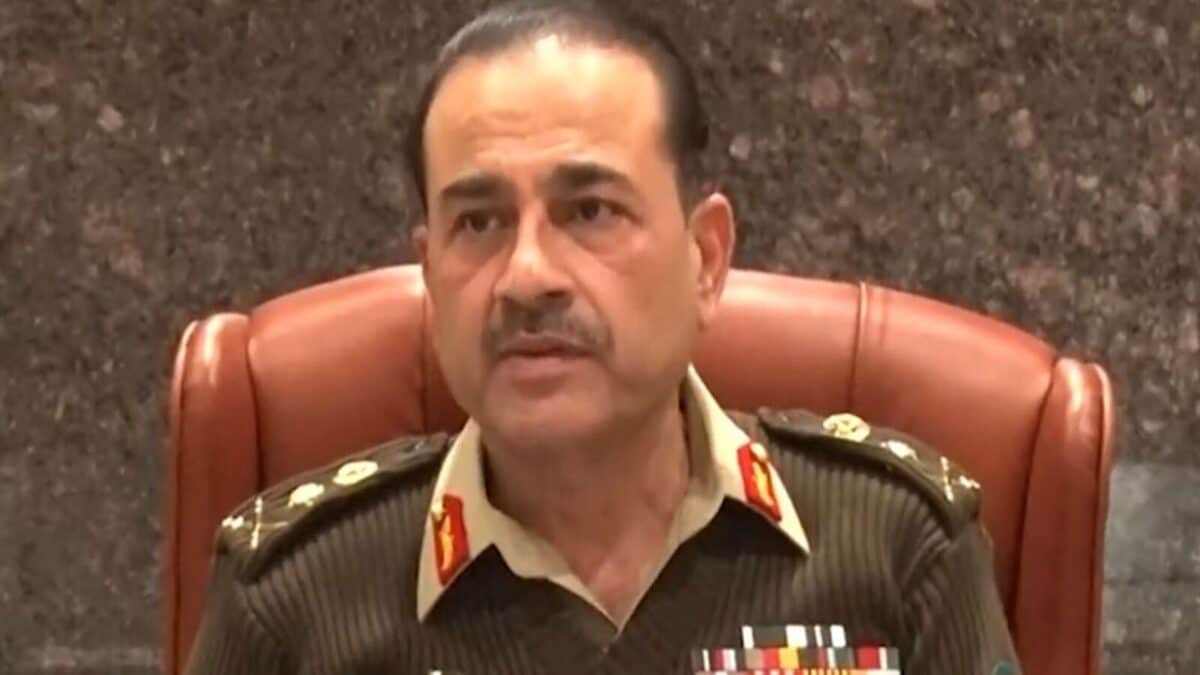
- Roughly even chance Pakistan's Field Marshal Asim Munir will sustain a limited mediation channel during and after his scheduled visit to Tehran on 24 August, but a durable US-Iran settlement is unlikely over the next 0-30 days. The reported basis is Munir's stated mediation role, Masoud Pezeshkian's call for diplomatic engagement and reporting that Iran remains involved in negotiations. The outcome assessment is medium confidence because the visit is well reported, while the scope of the negotiations and Washington's response to third-party mediation remain unclear. (Confidence: medium · ASSESSED)
- I&W: Confirm: Munir meets Iranian officials in Tehran and issues a mediation readout addressing sanctions, US forces or safe passage through the Strait of Hormuz. (0-14 days)
- I&W: Break: the visit produces no mediation readout, or Washington and Tehran publicly reject third-party contacts. (0-30 days)
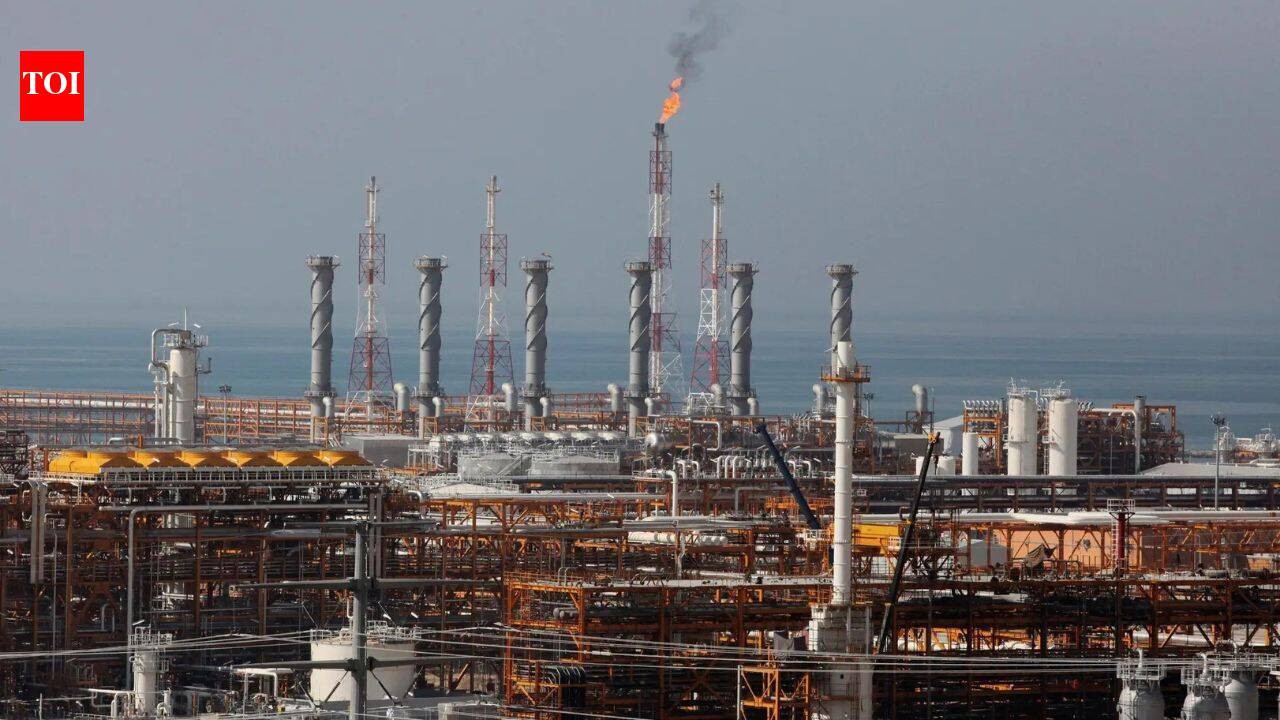
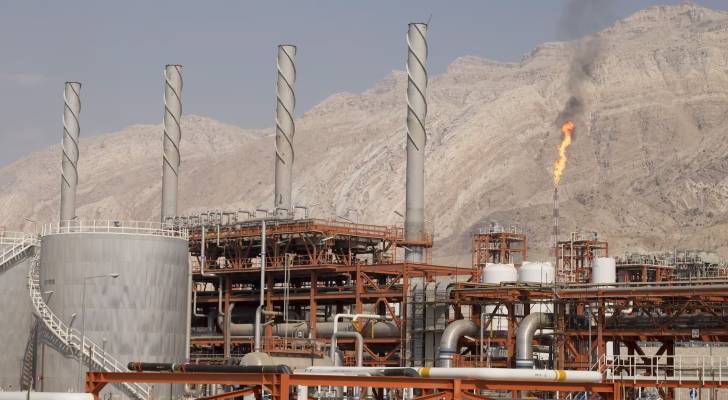
- Likely Iran will continue coercive signalling against oil exports through the Persian Gulf and the Strait of Hormuz over the next 0-14 days, while an immediate complete halt in oil exports is unlikely. This is an assessed judgement based on repeated warnings by Iranian officials, including Mohsen Rezaei, that economic pressure will trigger restrictions. The reporting does not establish that Iran has implemented a full halt, and the claim that Iranian control of the Strait is eroding leaves the operational effect of the warnings unresolved. (Confidence: medium · ASSESSED)
- I&W: Confirm: Iranian officials issue another warning tied to US sanctions while commercial vessels continue reporting disrupted or restricted passage through the Strait of Hormuz. (0-14 days)
- I&W: Break: Iran issues a formal order stopping oil exports or verified shipping records show an immediate, sustained halt in passage. (0-14 days)
- Likely Greece will maintain a heightened defence posture around Souda Bay in Crete and continue coordination with the US and Israel on potential threats to bases in Greece and Cyprus over the next 0-14 days. The movement of a Patriot battery to Crete and the reported relocation of personnel and equipment towards Souda support this assessment. Confidence is medium because the deployment reports are medium-confidence, while separate reporting says Bulgaria has no information about direct threats to its national security and describes recent US aircraft activity as training. (Confidence: medium · ASSESSED)
- I&W: Confirm: Greece confirms that the Patriot battery is operational near Souda Bay and Athens repeats security contacts with Washington and Jerusalem. (0-14 days)
- I&W: Break: Greece withdraws the Patriot battery from Crete and publicly ends the heightened alert around Souda Bay and other bases. (0-30 days)
- Likely Iranian forces will retain planning attention on US military targets in southeastern Europe over the next 0-30 days, while an attack on a Greek or Cypriot base remains unlikely. The assessment rests on reporting that Iranian forces conducted situational assessments regarding American assets in southeastern Europe and that sources close to Tehran warned of attacks against US military targets in Europe. Confidence is medium because the reporting is partly based on unnamed sources and does not demonstrate an authorised attack decision. (Confidence: medium · ASSESSED)
- I&W: Confirm: Iranian officials repeat threats naming US facilities in Greece or Cyprus, or credible reporting identifies additional Iranian targeting assessments in southeastern Europe. (0-30 days)
- I&W: Break: Tehran publicly retracts the European targeting warnings and no further planning or force-protection activity is reported. (0-30 days)
- Unlikely Tom Barrack's 24 August remarks describing the Israeli military presence in the Golan Heights as an occupation will produce a formal change in US policy over the next 0-30 days. The assessment is low confidence because the remarks and subsequent clarification are both single-source, low-confidence reports, while a separate report states that US policy on the Golan remains unchanged from the position defined in 2019. (Confidence: low · ASSESSED)
- I&W: Confirm: Washington formally reaffirms that its Golan policy has not changed from the position attributed to President Trump in 2019. (0-30 days)
- I&W: Break: Washington issues a formal statement replacing the existing Golan policy or endorsing Barrack's description as a new position. (0-30 days)
- Very likely humanitarian pressure in Gaza will persist over the next 1-3 months, with UK officials continuing to press for increased aid access and support through facilities at Al Arish. The reported basis is Stephen Doughty MP's renewed call for more aid to Gaza, his visit to humanitarian facilities at Al Arish and the UK government's stated resumption of support to UNWRA. Confidence is medium because the reporting is concentrated in UK government statements and does not quantify current aid flows. (Confidence: medium · ASSESSED)
- I&W: Confirm: UK officials repeat calls for increased aid access to Gaza and report continued activity at Al Arish humanitarian facilities. (1-3 months)
- I&W: Break: aid-access statements cease and UK-supported humanitarian activity at Al Arish is publicly suspended. (1-3 months)
Outlook & scenarios
Managed pressure with limited mediation (50%)
Likely outcome. Washington announces further sanctions, Iran continues warnings against economic cooperation with the US, and Munir's visit preserves a limited channel without producing a durable settlement. Greece maintains the Patriot deployment near Souda Bay while US-linked facilities in southeastern Europe remain on heightened watch.
European and maritime spillover (25%)
An unlikely but high-impact path. Iran moves from warnings and targeting assessments to an attack against a US-linked facility in Greece or Cyprus, while pressure on oil exports and passage through the Strait of Hormuz increases. Greece and other affected states strengthen air-defence measures.
Negotiated pause (20%)
An unlikely outcome in which Munir's visit produces a sustained mediation channel, Iran moderates its demands on US force withdrawal and maritime sanctions, and Washington links sanctions relief to safe-passage arrangements. Military tensions remain unresolved even if public rhetoric declines.
Full Hormuz oil halt (8%)
Very unlikely but high impact. Iran implements its warnings by stopping oil exports through the Strait of Hormuz and the Persian Gulf. The resulting pressure increases the risk of direct US-Iran confrontation and further attacks on military or commercial facilities.
Recommendations
- Prioritise collection on Field Marshal Asim Munir's 24 August visit to Tehran: identify his Iranian interlocutors, the stated agenda, any discussion of sanctions or US forces, and whether a follow-up channel is announced.
- Track Scott Bessent's next sanctions announcement against Tehran, including the entities targeted, implementation date and any Iranian or neighbouring-state response.
- Maintain a 0-14 day watch on the Strait of Hormuz using Iranian statements, verified vessel movements, port activity and shipping advisories. Separate public coercive warnings from evidence of an actual export halt.
- Verify the Patriot battery's location and operational status near Souda Bay, then compare Greek force-protection measures with reported Iranian targeting assessments concerning US assets in Greece and Cyprus.
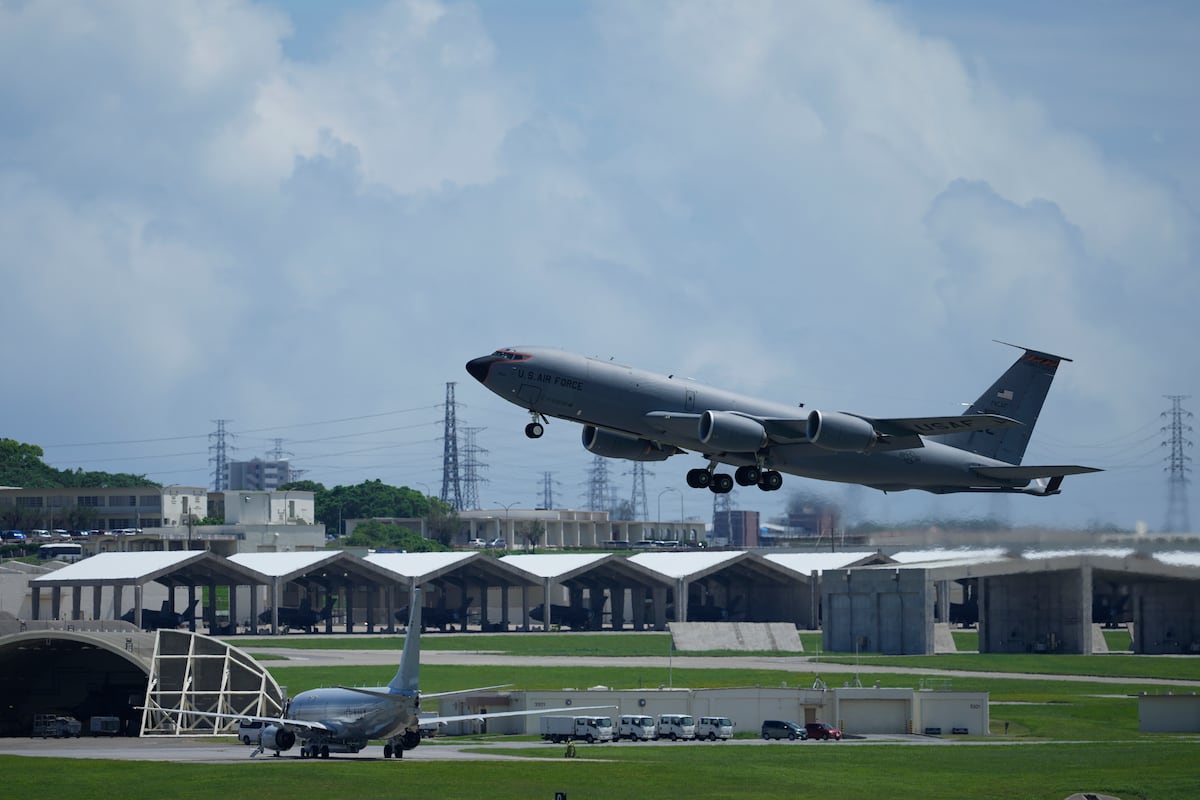
- Treat the reported US tanker departures from Bezmer as an unresolved force-posture signal. Seek evidence of replacement aircraft, additional deployments or a sustained reduction in US support activity in southeastern Europe.
- Do not assess Tom Barrack's Golan remarks as a policy change until Washington issues a formal position. Record the remarks and subsequent clarification separately because the current reporting is contradictory and low confidence.
- Maintain humanitarian reporting on Gaza and Al Arish, including UK aid-access statements, support to UNWRA and any change in the reported ability of humanitarian facilities to operate.
Confidence & uncertainty
Overall confidence is medium. Multiple major-media and official-government reports support the direction of US sanctions pressure, Iranian coercive signalling, Pakistan's mediation effort and Greece's defensive posture. Confidence is lower on operational outcomes because several claims rely on unnamed sources, single-source reporting or statements of intent. The most important unresolved issues are whether Iran will convert oil-export warnings into action, whether Munir's visit will produce an effective channel, and whether Tom Barrack's Golan remarks represent anything beyond a disputed description.
Intelligence gaps
- [EEI 1.1 · UNCOVERED] Movement, dispersal, or emplacement of Iranian conventional or IRGC heavy assets (ballistic missile launchers, Khoramshahr/Toofan-class missile transporters, ground-to-ground TELs, air defense batteries, amphibious units) from garrison areas toward forward bases or coastal launch sites. Recommended collection: satellite/IMINT
- [EEI 1.2 · UNCOVERED] Authenticated Iranian military orders, NSC/IRGC operations directives, or senior leadership statements explicitly directing strikes against Israel or US forces or authorizing cross-border operations. Recommended collection: human/diplomatic
- [EEI 1.3 · PARTIAL] Changes in Israeli and US force posture indicating anticipation of direct large-scale conflict, elevated readiness levels, mobilization notices, pre-positioning of munitions, or public/private orders to prepare offensive strikes. Recommended collection: open-source/diplomatic
- [EEI 2.1 · UNCOVERED] Observable pre-launch preparations for missile/rocket/cruise missile strikes (fueling, warhead mating, launcher orientation, support vehicle congregation) and abnormal munitions handling at known launch sites. Recommended collection: satellite/IMINT
- [EEI 2.2 · UNCOVERED] Indications of proxy arms shipments and weapons transfers (truck convoys, small boat transfers, container movements from Iran to proxies, new stockpiles in Lebanon, Iraq, Yemen, Syria). Recommended collection: maritime/AIS
- [EEI 2.3 · UNCOVERED] Evidence of cyber attack planning or active exploitation campaigns targeting Israeli or US military/critical infrastructure (emergence of new command-and-control servers, spear-phishing campaigns against defense personnel, successful intrusions). Recommended collection: cyber
- [EEI 3.1 · PARTIAL] Movements and posture changes of US regional platforms (carrier strike groups, amphibious ready groups, B-52/B-1/B-2 or fighter deployments, missile defense assets repositioning) and associated armament loadouts. Recommended collection: satellite/IMINT
- [EEI 3.2 · PARTIAL] Official or leaked US government/diplomatic communications indicating thresholds for strikes, authorization for offensive operations, or limits on action (NSC/DoD statements, congressional notifications, diplomatic notes). Recommended collection: diplomatic/human
- [EEI 3.3 · UNCOVERED] Changes in US base force-protection measures and rules of engagement at regional facilities (base lockdowns, evacuation notices, flight restrictions, activation of Local Defense Forces or missile intercept systems). Recommended collection: open-source/local reporting
- [EEI 4.1 · UNCOVERED] Hezbollah-specific indicators: convoys and logistics movements toward Lebanon, Israel border, artillery/rocket emplacement in southern Lebanon, documented strikes-preparation activity, public mobilization orders or recruitment drives. Recommended collection: satellite/IMINT
- [EEI 4.2 · UNCOVERED] Houthi-attributed maritime attack indicators: AIS anomalies/loss of contact for commercial vessels, reports of missile/drone strikes or near-miss incidents in Bab al-Mandeb/Red Sea, Houthi claims paired with imagery of weapons launches. Recommended collection: maritime/AIS
- [EEI 4.3 · UNCOVERED] Militia cross-border attack evidence from Iraq/Syria: recorded rocket/mortar launch events into Israel or strikes against US facilities, movement of armed convoys toward border areas, and intercepted communications coordinating cross-border operations. Recommended collection: signals/ELINT
Cited sources
[1] Times of India · Iran discovers over 7.5 trillion cubic feet of gas reserves as US blockade squeezes energy sector (B) · sha256:a422849733b0 [2] news18.com · Pakistan’s Asim Munir To Visit Tehran On Monday: Why It Matters Amid US-Iran Conflict, Mecca Agreement (B) · sha256:0a72af5013cc [3] Royanews · Day 178 | Iran says finds new gas, after war hits energy sector (B) · sha256:1315da751948 [4] alkalimaonline · د.سيمون ابو فاضل باستثناء لبنان نظرا لوجود حزب الله الذي صنفته الدولة اللبنانية فصيل خارج عن القانون ، سلك ملف السلاح خارج الدولة في الاقليم العربي من منطقة الشرق الاوسط مسارا نحو معالجته ، وتسليمه للدول التي تتواجد فيها مجموعات مسلحة اتّخذت اسماء متعددة ، او أذرع تحركها طهران في التوازي مع مسار الحرب الغامضة والمفاوضات المعقدة الجارية بين الولايات المتحدة الاميركية وبين الجمهورية الاسلامية الايرانية التي يقبض على قرارها الحرس الثوري.. فالعراق الذي حدد آخر شهر ايلول المقبل موعدا لتسليم الفصائل المسلحة سلاحها واندماج بعضها في الدولة ،على ما يشدد رئيس الحكومة علي الزيدي ، لم يتمكن قائد فيلق القدس اسماعيل قاآني خلال زيارته بغداد ولقاء الفصائل الحليفة تطويق حالة التوتر مع الحكومة نظرا لتمسك الزيدي بقرار حصر السلاح في يد الدولة ودخول قواتها منطقة جرف الصخر او النصر وفق تسميته الاخيرة. 📌 اقرأ المقال الكامل على موقعنا الإلكتروني #alkalimaonline | Alkalima (E) · sha256:ae6c32a86d20 [5] ذا أتلانتيك · ذا أتلانتيك: الحرب الفاشلة منحت إيران ما لم يمنحها إياه السلاح النووي (B) · sha256:8238b7093303 [6] sundayguardianlive.com · US-Israel-Iran War Latest Live News: Iran Claims IRGC Uses 'Tracking Methods' Unknown to US Forces, Warns 'Not a Single Drop of Oil Will Be Exported' Amid US Economic Pressure (B) · sha256:2b7fb8f7aaf9 [7] jpost.com · Greece moves Patriot interceptor to protect key military base amid rising US-Iran tensions - report (B) · sha256:5047cedd693c [8] defensenews.com · Two US tanker aircraft leave Bulgaria a month after deployment upset Iran (B) · sha256:36ded6bf1807 [9] euronews · براك يتراجع عن تصريحاته حول الجولان. هل احتوت واشنطن غضب إسرائيل؟ (A) · sha256:4b8787f50844 [10] gov.uk · Minister renews calls for Israel to allow more aid into Gaza on first visit to the region (A) · sha256:ba76e538e65a
Source content hashes were computed at collection time; the cited text is preserved unmodified for the life of this product.
TLP:CLEAR