TLP:CLEAR · Disclosure is not limited.
Iran, Israel confrontation: Hormuz shipping steadies as escalation risks persist on land and at sea
Time window: Last 1 day · Audience: General analyst · Type: Situation report · DTG: 2026-07-01 11:13Z · Overall confidence: HIGH
BLUF
Israeli leadership has signalled a prolonged IDF presence inside southern Lebanon while Tehran seeks leverage over the Strait of Hormuz, keeping the risk of wider regional escalation high even as shipping slowly recovers. Mediated contacts in Doha are active but indirect, and the spillover threat to the UAE remains elevated.
Executive summary
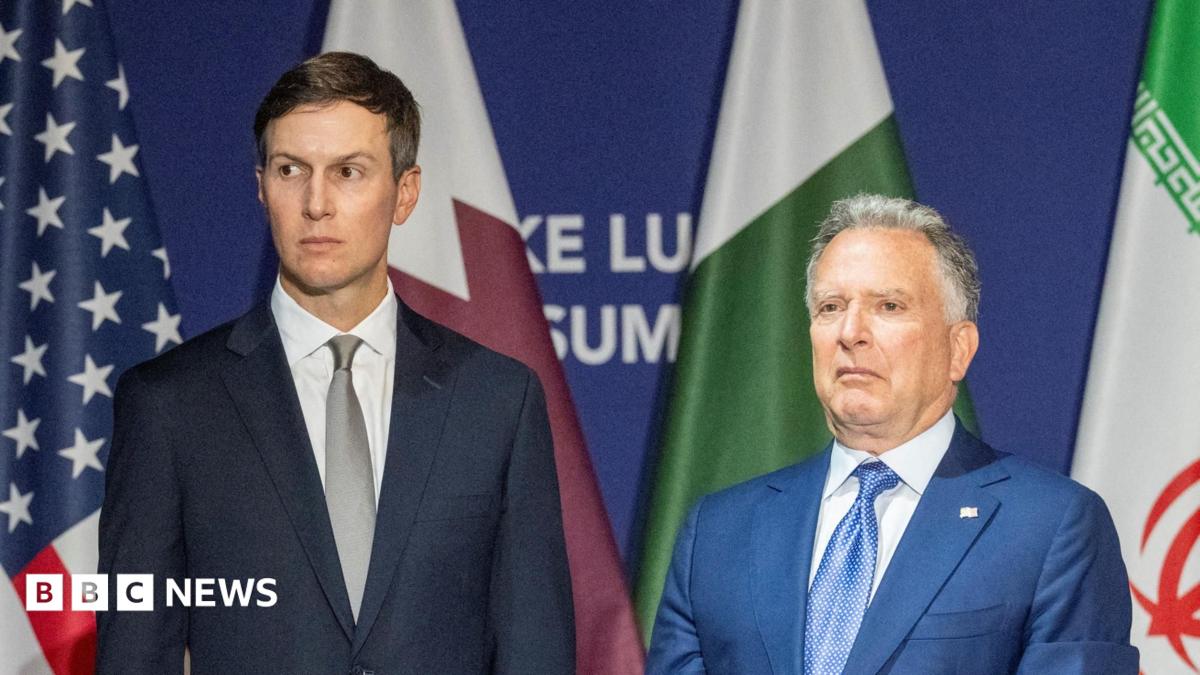
The United States and Israel launched joint strikes in Iran on 28 February 2026 and Iran responded with missile and drone attacks across the region, framing the current confrontation. Israeli Prime Minister Benjamin Netanyahu has said the IDF will stay inside a security zone in Lebanon and instructed soldiers to remove any recognised threat, indicating continued operations along the Lebanon front. In the maritime domain, traffic through the Strait of Hormuz is recovering after a contraction of more than 95 percent, and oil tankers continue to transit, but severe disruption has already shut in around one fifth of global monthly LNG supply and energy prices spiked to multi‑year highs. Tehran has reiterated its determination to control maritime traffic through Hormuz and to work with Oman on an oversight arrangement, while the United States, Europe and Gulf partners object to prospective charges or controls. In Doha, Qatari Prime Minister Mohammed bin Abdulrahman Al Thani met U.S. envoys Steve Witkoff and Jared Kushner and officials reviewed U.S., Iran negotiations; Qatar says no direct U.S., Iran talks are planned even as reports point to an Iranian delegation heading to Qatar and indirect talks scheduled. The spillover threat in the UAE remains elevated amid explicit Iranian threats toward U.S.-linked sites and official advisories warning of armed conflict and terrorism. Humanitarian pressures from the Israel, Gaza war remain acute: the UN Security Council has mandated scaled aid, UNRWA sustains core services daily, and allies have criticised Israeli moves to restrict UNRWA.
Change from previous assessment
New statements from Prime Minister Netanyahu about the IDF remaining in a Lebanese security zone and instructing soldiers to remove recognised threats sharpen the assessment that the Lebanon front will stay active. Evidence of Hormuz recovery has firmed, including reported daily transit increases and VLCC movements, even as LNG shut‑ins and price impacts persist. Doha activity has become more tangible with the Qatari Prime Minister meeting U.S. envoys and indications of an Iranian delegation, while Qatar maintains there will be no direct talks. The threat picture for the UAE is reinforced by explicit Iranian rhetoric and standing advisories. Initial assessment adjustments reflect these developments; confidence on the diplomatic track is raised to medium given fresh, if conflicting, signals, while the maritime risk judgment remains elevated but more differentiated by domain.
Key judgments
- Israeli operations in southern Lebanon will very likely continue in the near term, after Prime Minister Benjamin Netanyahu said the IDF will remain in a security zone in Lebanon and instructed soldiers to remove any recognised threat. (Confidence: high · REPORTED)
- I&W: IDF public updates or Israeli media imagery show additional engineering and logistics works to fortify IDF positions north of the Blue Line. (0-14 days)
- I&W: An official IDF announcement of withdrawal to the Israeli side of the Blue Line and cessation of cross‑border strikes. (1-3 months)
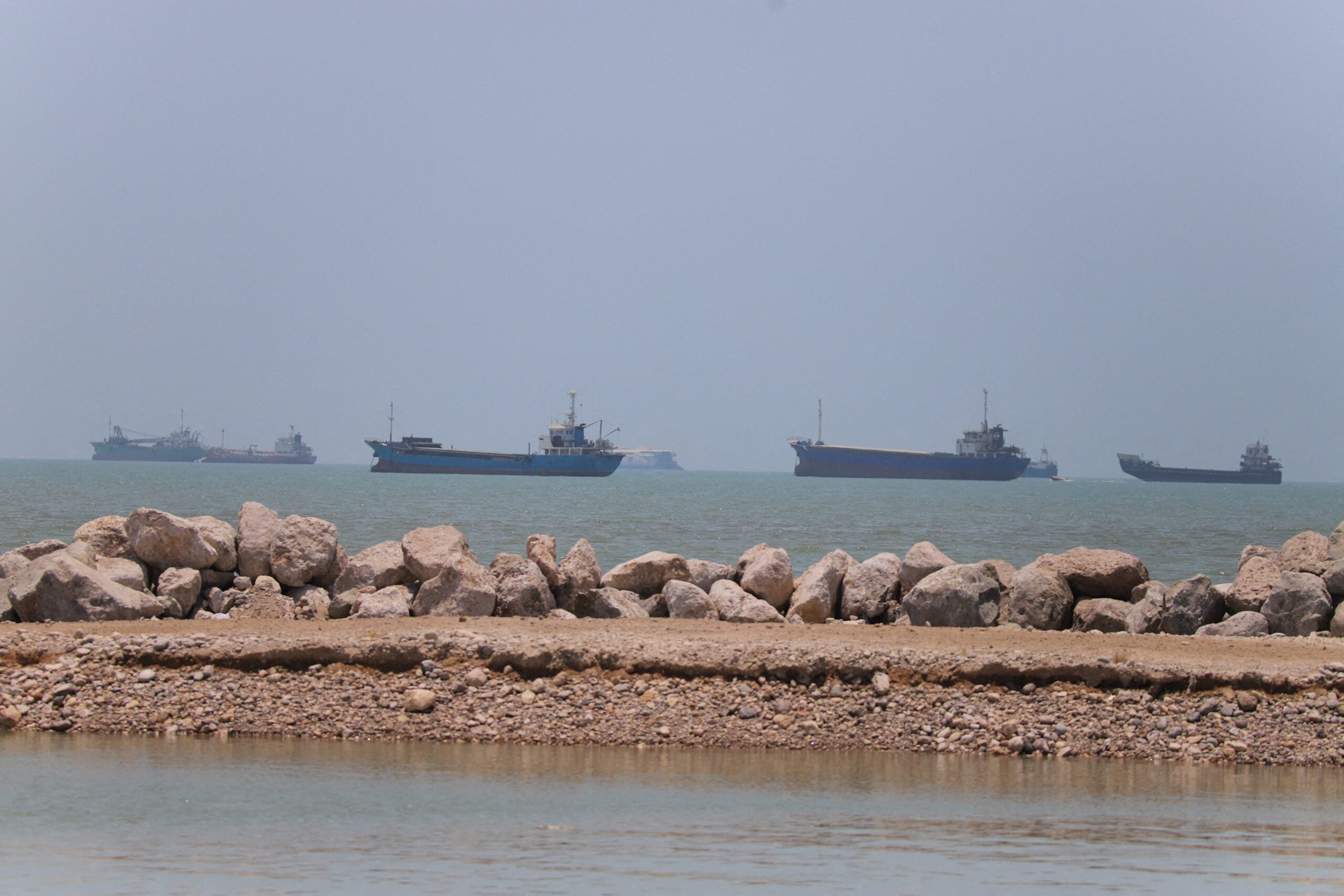
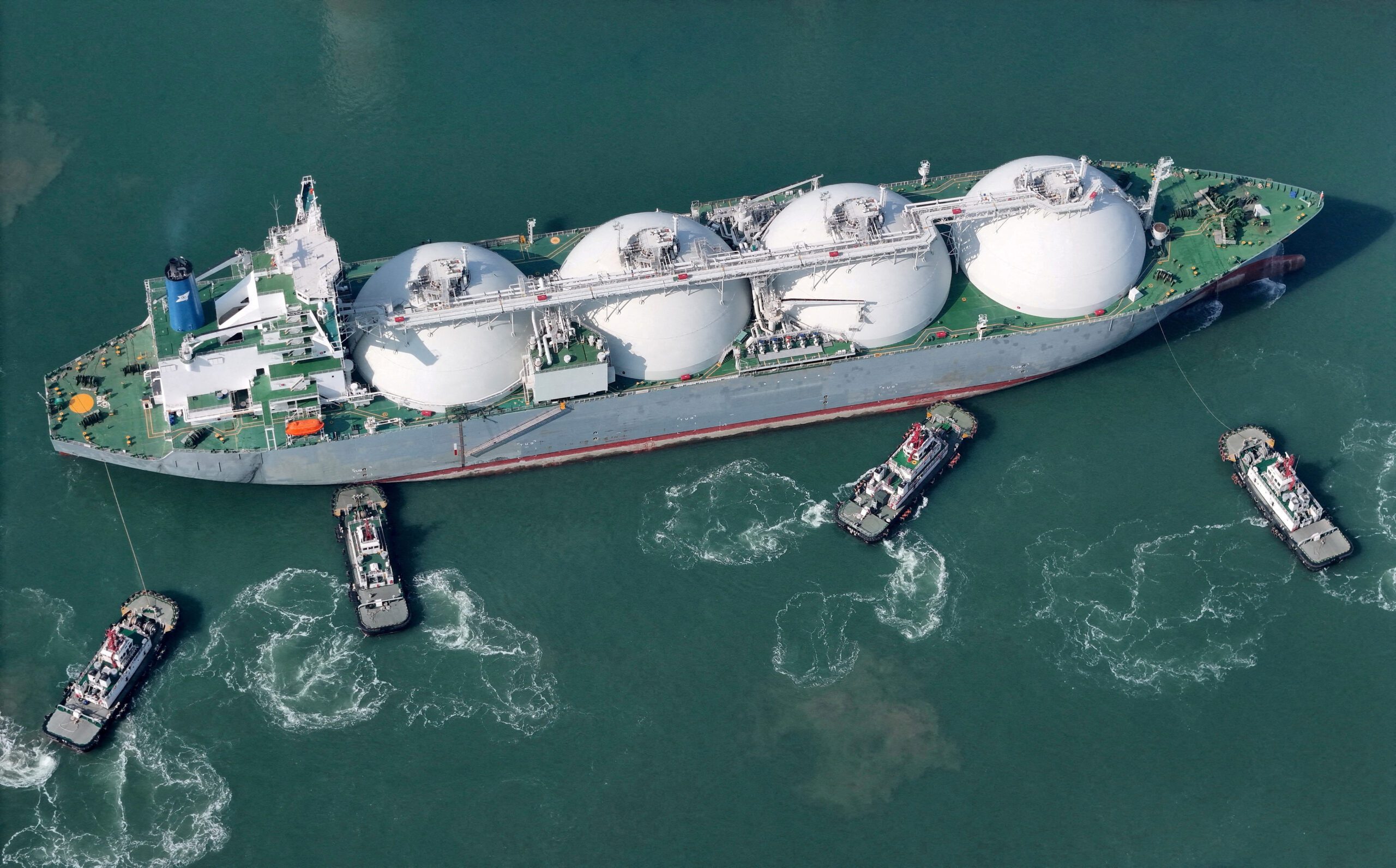
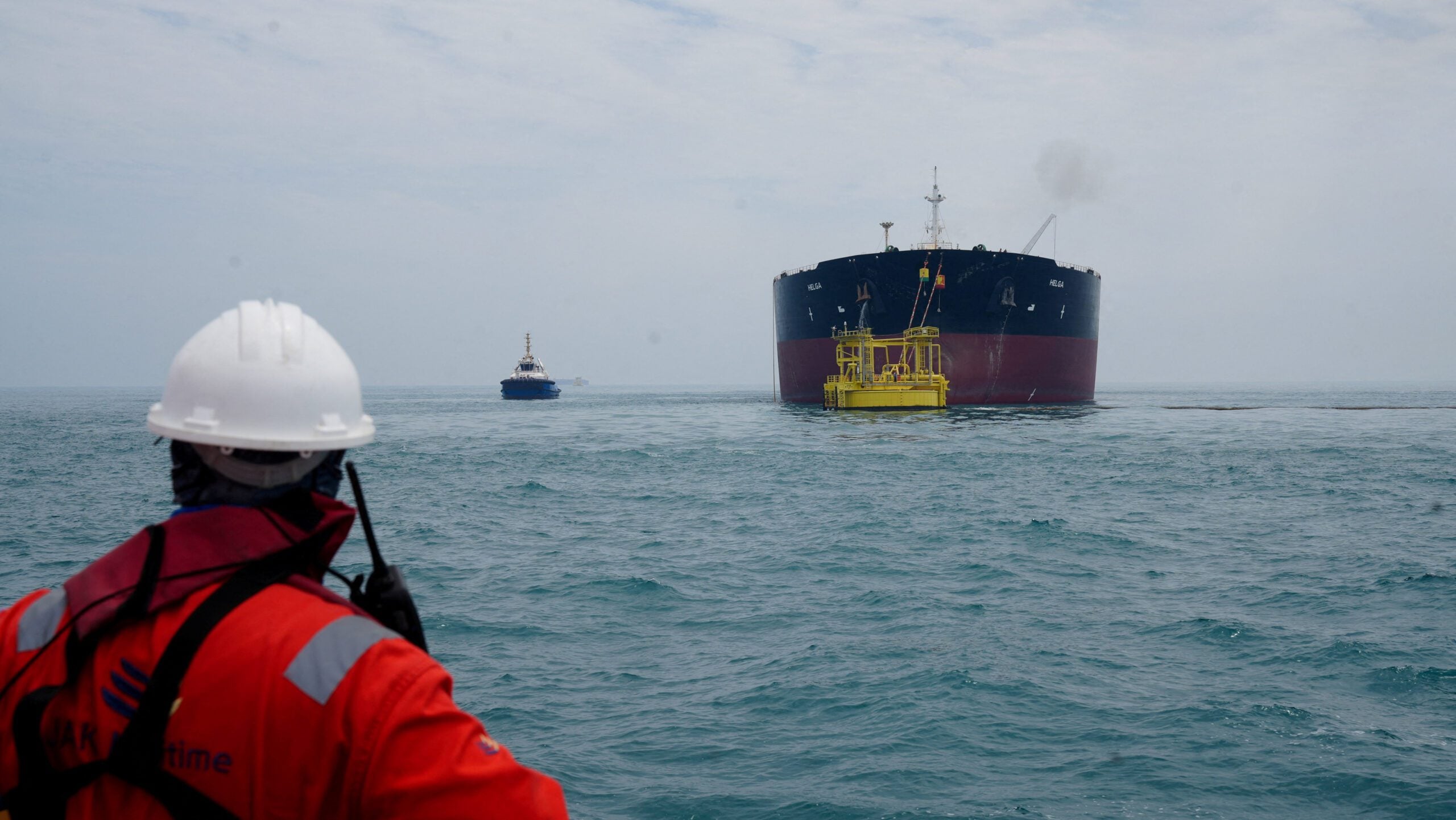
- Maritime risk in the Strait of Hormuz remains elevated but is improving, with daily ship transits recovering and oil tankers continuing to navigate after a contraction of over 95 percent and an estimated one fifth of global monthly LNG supply shut in. (Confidence: high · ASSESSED)
- I&W: Sustained week‑on‑week increases in Hormuz transits and visible resumption of loaded LNG carrier passages on AIS feeds. (0-14 days)
- I&W: Reports of renewed interdictions or a published notice by Iranian authorities imposing fees or inspections in Hormuz followed by carrier rerouting. (0-14 days)
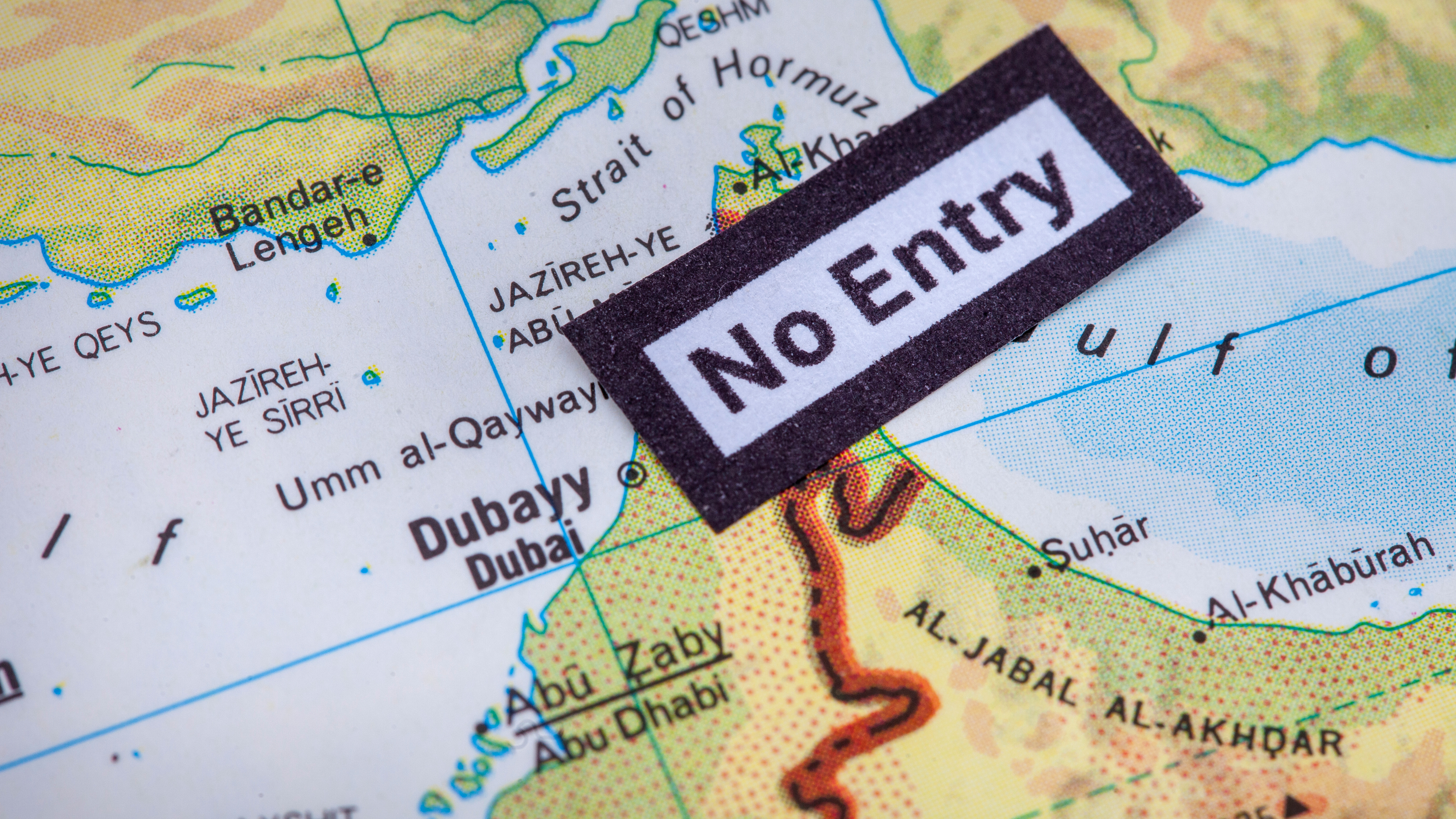
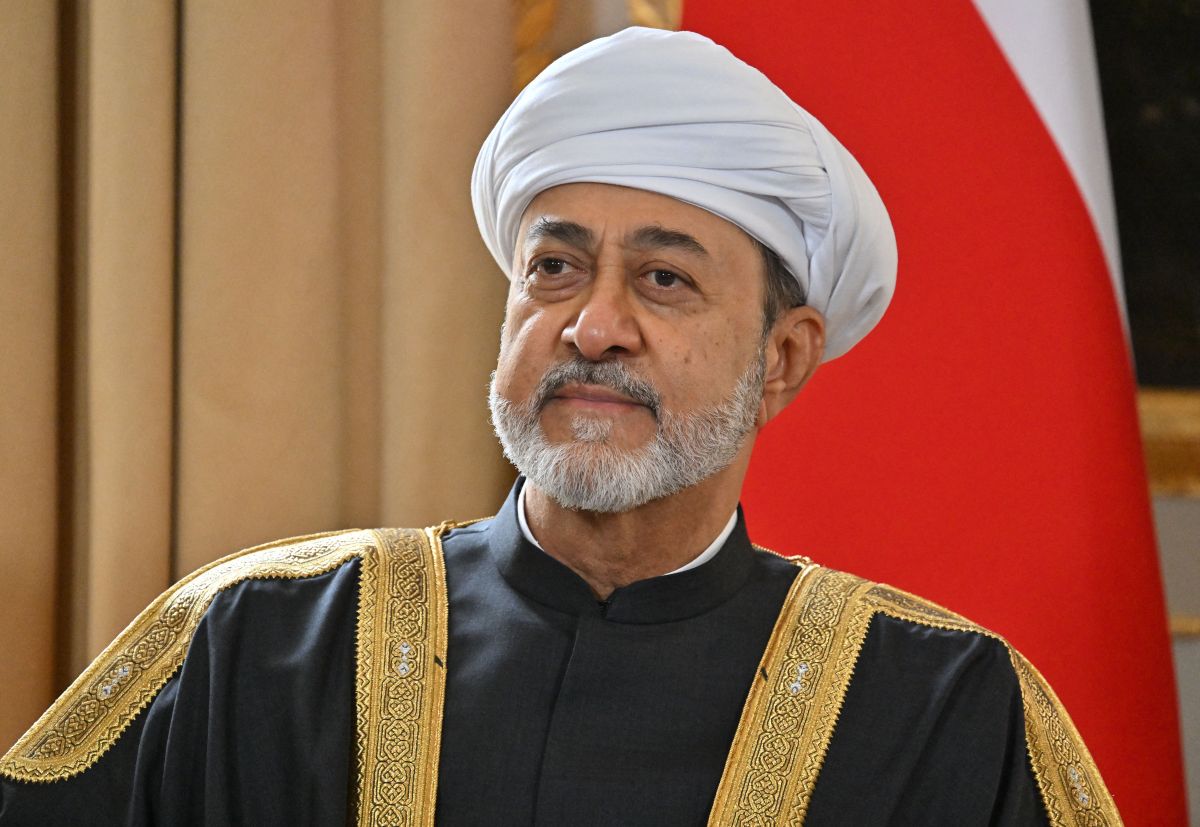
- Iran is likely to press for de facto control over shipping in the Strait of Hormuz, including an oversight arrangement with Oman, despite pushback from the United States, Europe and Gulf partners concerned about charges or controls. (Confidence: medium · ASSESSED)
- I&W: A public Iran, Oman agreement outlining ship oversight, inspections or fee collection at Hormuz. (1-3 months)
- I&W: An Omani Foreign Ministry statement rejecting any oversight or fee regime and affirming unimpeded passage through Hormuz. (0-14 days)
- Mediator‑facilitated contacts in Doha are likely to continue in the near term, but direct U.S., Iran negotiations are unlikely given Iranian conditions and Qatari statements. (Confidence: medium · ASSESSED)
- I&W: Qatar’s Foreign Ministry issues readouts of separate meetings with U.S. envoys and an incoming Iranian delegation in Doha. (0-14 days)
- I&W: Iran’s Foreign Ministry publicly cancels planned travel to Doha or, conversely, all sides announce a first session of direct talks. (0-14 days)
- Spillover threat to the United Arab Emirates is very likely elevated, with explicit Iranian threats to target U.S.‑linked sites and official advisories warning of armed conflict and terrorism, alongside an FAA caution for operations in the region. (Confidence: high · REPORTED)
- I&W: New security directives or temporary closures around U.S. diplomatic or commercial facilities in Abu Dhabi or Dubai. (0-14 days)
- I&W: Downgrading of the U.S. travel advisory level for the UAE and withdrawal of FAA cautionary NOTAMs for Middle East airspace. (1-3 months)
- Humanitarian pressures linked to the Israel, Gaza war remain acute: the UN Security Council demands scaled aid delivery, UNRWA sustains core services daily, and staff casualties are high, while a key ally has criticised Israeli moves to restrict UNRWA. (Confidence: high · REPORTED)
- I&W: Knesset advances or enacts measures affecting UNRWA operations in the occupied Palestinian territory. (1-3 months)
- I&W: An Israeli government statement rescinds legislative efforts restricting UNRWA and announces expanded humanitarian access. (1-3 months)
- Regional conflict dynamics are likely to keep energy markets tight this quarter, with oil at multi‑year highs, LNG trade growth stalled, and UNCTAD warning of lingering trade and freight‑cost impacts even as Hormuz reopens. (Confidence: medium · ASSESSED)
- I&W: Benchmark oil prices remain near recent highs and LNG fixtures show persistent cancellations or deferrals tied to Hormuz. (0-14 days)
- I&W: A material increase in loaded LNG sailings through Hormuz reported by industry trackers and UNCTAD. (1-3 months)
Outlook & scenarios
Managed de‑escalation with guarded maritime normalisation (40%)
Oman brokers a practical oversight understanding with Iran that avoids fees or intrusive controls, enabling steady recovery in Hormuz traffic. Doha remains a venue for indirect exchanges that limit miscalculation without delivering a breakthrough. The Lebanon front stays tense but contained below the threshold of large‑scale ground manoeuvre.
Protracted standoff and proxy escalation (60%)
Israel maintains a forward posture inside southern Lebanon and Iran pushes for leverage over Hormuz oversight. Sporadic cross‑border fire and militia activity continue, while shippers face intermittent delays and higher insurance costs. Energy markets remain tight and humanitarian pressures intensify.
Talks stall and strikes resume (30%)
Mediator‑facilitated contacts in Doha falter as positions harden. Washington considers options outside a negotiated track, and Tehran signals resolve at Hormuz. New rounds of strikes or interdictions jolt maritime flows and push prices higher.
Wildcard: High‑profile attack in the UAE triggers rapid coalition response (15%)
An attack against a U.S.‑linked site in the UAE prompts emergency evacuations and coordinated countermeasures. Airspace warnings expand, Hormuz transits slump again, and regional actors mobilise to deter further incidents.
Recommendations
- Maintain a standing maritime watch on the Strait of Hormuz using commercial AIS and port agent reporting to flag the resumption of loaded LNG traffic and any rerouting coincident with announced inspection or fee regimes.
- Task collection on Israeli posture in southern Lebanon, including observable fortification works, rules‑of‑engagement guidance, and artillery or rotary‑wing activity along the Blue Line.
- Establish a Doha diplomacy tracker: log Qatar Foreign Ministry communiqués, meeting readouts with U.S. envoys and any Iranian delegation travel, and reconcile these with Iranian public statements on preconditions.
- Update corporate and mission security postures in the UAE against the explicit threat environment: review travel policies, facility access control, and contingency evacuation routes in Abu Dhabi and Dubai; brief to FAA NOTAMs and allied advisories.
- Run near‑term oil and LNG disruption scenarios for decision‑makers: quantify exposure to a renewed 2-4 week Hormuz slowdown, identify substitute cargoes and rerouting options, and pre‑coordinate with shippers on priority liftings.
- Support humanitarian planning and messaging: map the operational status of UNRWA service delivery, track any Israeli legislative moves affecting UN entities, and prepare talking points aligned with UN Security Council Resolution 2803 on scaled aid access.
Confidence & uncertainty
Overall confidence is high because multiple independent official and reputable media sources corroborate the core picture: Israeli intent to sustain operations in southern Lebanon, Iranian signalling on control of Hormuz, active mediator engagement in Doha, elevated threat conditions in the UAE, and a shipping recovery that remains vulnerable. Some strands carry uncertainty or contradiction, notably on the scope and timing of Doha talks and the precise severity of Hormuz disruption, so judgments on diplomatic trajectories and Iran, Oman arrangements are assessed with medium confidence.
Alternative analysis (red cell)
Several judgments rest heavily on declaratory statements (public rhetoric and advisories) rather than corroborated operational or diplomatic outcomes. Israeli and Iranian declarations signal intent but do not by themselves confirm persistent operations or coercive control; Oman’s apparent resistance (f28228d7) and Qatar’s stated mediation posture (f865be6b) make direct U.S.–Iran talks less certain but not impossible. Similarly, energy‑market tightness could dissipate if reopening of the Strait sustains (see ae6338e1 and e11d7cc0); without time‑series flow and market data, either continued tightness or partial easing remains plausible.
Intelligence gaps
- [EEI 1.1 · UNCOVERED] Detection and characterization of ballistic/cruise missile or rocket launches originating from Iranian territory or from Iran-controlled positions in Iraq/Syria (time, launch coordinates, missile type, flight trajectory/impact area). Recommended collection: satellite/imagery
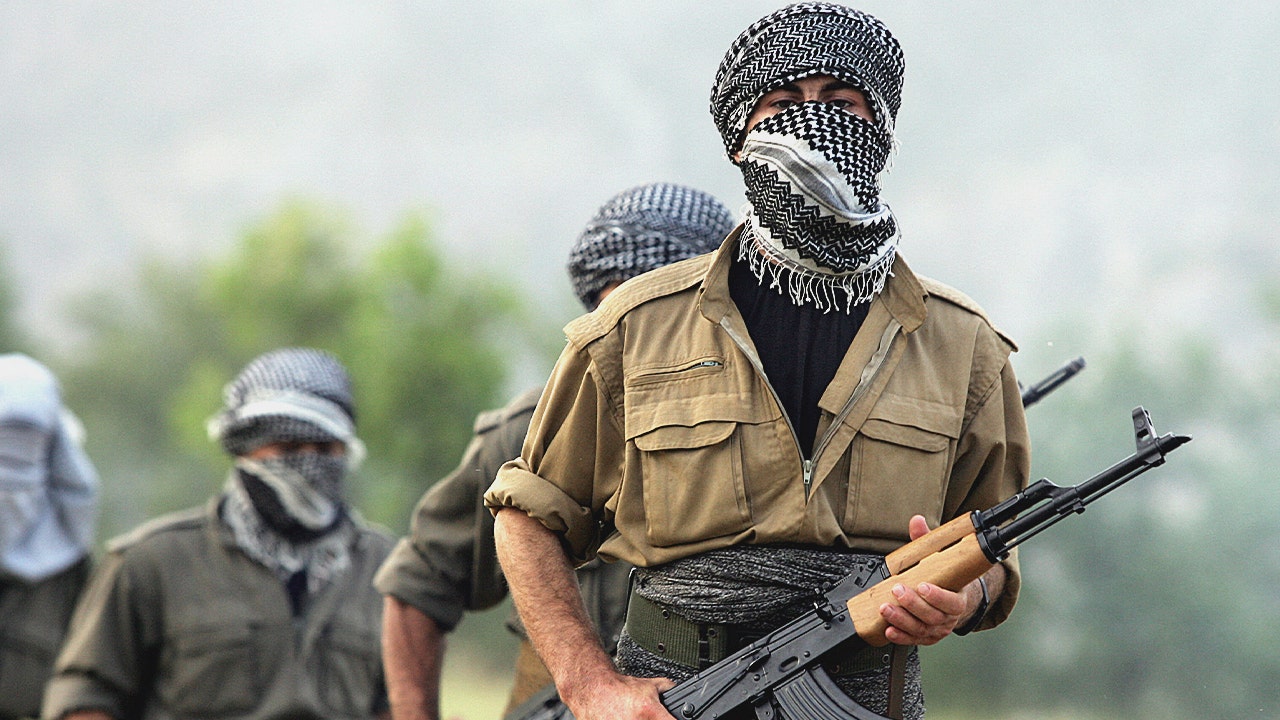
- [EEI 1.2 · UNCOVERED] Movements and posture changes of Iran-backed proxy forces (Hezbollah units in Lebanon, militias in Syria/Iraq): concentrations of personnel, transport of rocket/artillery launchers, visible logistics build-up within operational range of Israel. Recommended collection: human/intel
- [EEI 1.3 · UNCOVERED] Israeli defensive and offensive posture changes: reservist call-ups, mobilization orders, sorties/airstrikes attributed to Israel, and domestic activation of missile-defense systems (locations and activation times). Recommended collection: open-source/media
- [EEI 1.4 · UNCOVERED] Evidence of pre-positioning or arming of naval mines, fast attack craft, or anti-ship missile systems in the Gulf of Oman, northern Arabian Sea, or off the Lebanese/Syrian coasts that could be used to interdict Israeli or allied shipping. Recommended collection: maritime/AIS
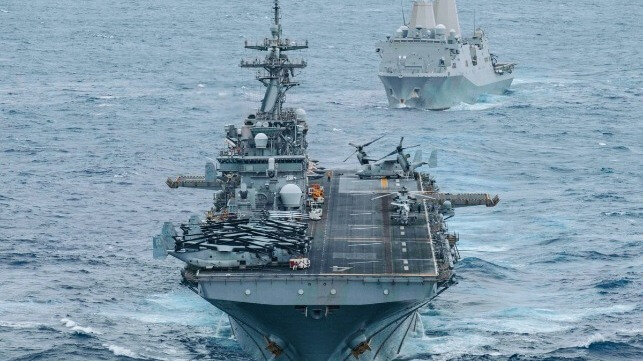
- [EEI 2.1 · UNCOVERED] Movements and tasking changes of external military assets: carrier strike groups, amphibious ready groups, expeditionary air wings, or ballistic-missile defense units into the Eastern Mediterranean, Persian Gulf, or Red Sea (vessel/aircraft IDs, routing, on-station times). Recommended collection: maritime/AIS
- [EEI 2.2 · UNCOVERED] Formal diplomatic/military actions: evacuation orders or embassy closures, public troop posture statements, bilateral/multilateral defense commitments announced, requests for overflight or basing rights in regional states. Recommended collection: diplomatic
- [EEI 2.3 · UNCOVERED] Changes to force protection or alert levels at foreign bases in the region (e.g., US bases in Kuwait, Qatar, UAE; Russian bases in Syria): activation of additional air defenses, curfews, or reinforcement shipments (personnel/equipment manifests). Recommended collection: signals/intel
- [EEI 3.1 · UNCOVERED] Incidents against commercial vessels: attacks, seizures, mine strikes, or forced rerouting of tankers and bulk carriers in the Strait of Hormuz, Bab al-Mandeb, Red Sea, or eastern Mediterranean (vessel names/IMO, location, damage/impairment). Recommended collection: maritime/AIS
- [EEI 3.2 · UNCOVERED] Changes in crude oil and refined product flows from key terminals (reported tanker loading delays, terminal closures, throughput volumes at Kharg, Mina al-Ahmadi, Ras Tanura, and major Gulf ports compared to baseline). Recommended collection: commercial/ports
- [EEI 3.3 · UNCOVERED] Market and insurance indicators: sudden spikes in war-risk or hull insurance premiums for Middle East routes, large moves in regional FX/stock indices, and notable changes in commodity futures (oil, freight rates) tied to regional risk perceptions. Recommended collection: financial/transactional
Cited sources
[1] jpost.com · Netanyahu in Lebanon: IDF to stay in region as long as Hezbollah continues to pose a threat (B) · sha256:ce40ea350bc3 [2] edie.net · From electricity costs to food prices: The global impact of the Iran-US War in numbers - edie (B) · sha256:5af0d1df3ac2 [3] gcaptain.com · UN Warns Hormuz Crisis Will Leave Lasting Economic Scars Despite Shipping Recovery (B) · sha256:886700adf714 [4] gcaptain.com · Iran Ratchets Up Talk of Controlling Hormuz Before New Talks (B) · sha256:fc1a1ec38451 [5] gcaptain.com · Hormuz Disruption to Stall 2026 LNG Trade, Demand to Rise by 2050 (B) · sha256:4f25369c78ee [6] maritime-executive.com · Report: White House Still Looking at Alternatives to Iran Peace Deal (B) · sha256:a0af7233dd0a [7] bbc.co.uk · US envoys in Doha to meet mediators but not Iranians, Qatar says (A) · sha256:604471176e45 [8] Newsweek · Iran war gives "Switzerland of Middle East" key say in fate of Hormuz (A) · sha256:4ca6f9e37138 [9] annahar.com · حرب إيران: محادثات غير مباشرة بين مسؤولين إيرانيين وأميركيين في الدوحة.. وترامب يُلوّح بعمل عسكري | النهار في تغطية متواصلة (B) · sha256:2987ff935d53 [10] newsweek.com · JD Vance says U.S. in "great position" whatever happens in Iran talks (B) · sha256:031612c15401 [11] foxnews.com · Wave of attacks on Iran's IRGC raises questions about renewed Kurdish insurgency (B) · sha256:799e4d402bcf [12] U.S. Department of State · United Arab Emirates Travel Advisory (A) · sha256:7a0c71f2991b [13] UK Government · UNRWA remains indispensable to the delivery of essential services to millions of Palestinian refugees across Gaza and the Middle East: UK statement at the UNRWA Pledging Conference (A) · sha256:9084f5930ecf
Source content hashes were computed at collection time; the cited text is preserved unmodified for the life of this product.
Red cell review: PARTIAL DISSENT
TLP:CLEAR