TLP:CLEAR · Disclosure is not limited.
Iran, Israel confrontation: Lebanon front heats up as Hormuz standoff endures
Time window: Last 1 day · Audience: General analyst · Type: Situation report · DTG: 2026-07-03 07:42Z · Overall confidence: MEDIUM
BLUF
Cross‑border violence on Israel’s northern front is likely to intensify over the next two weeks while Iran, US strike exchanges around the Strait of Hormuz keep maritime risk elevated despite continuing traffic. US forces are adjusting posture and remain at risk across Bahrain, Kuwait and at sea.
Executive summary
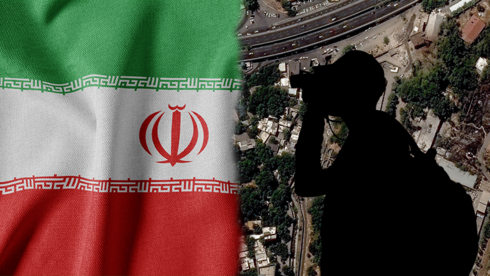
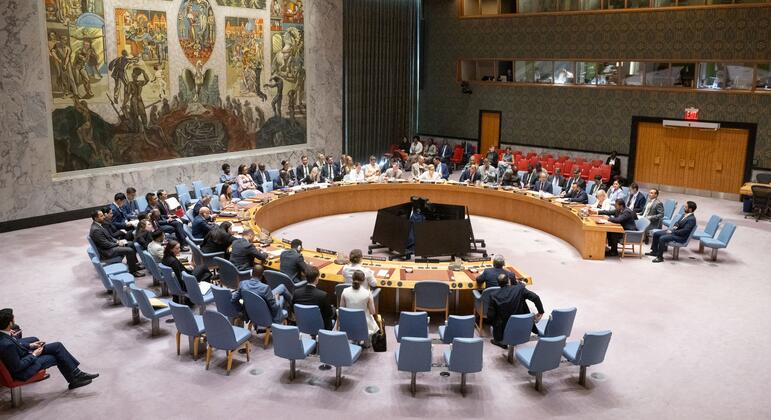
Hezbollah mounted its largest drone swarm against Israel’s northern border and the IDF struck targets in Lebanon, including near Bint Jbail where an IDF reservist was severely wounded. Iran has attacked Bahrain and Kuwait and is trading strikes with Washington over the Strait of Hormuz, prompting an emergency UN Security Council session on the Bahraini incident. Since 28 February, ballistic missile attacks across Israel have killed 13 IDF soldiers and 23 civilians and injured at least 7,693 people. Iranian strikes have damaged at least 20 US sites in the Middle East, with an estimated 400 million dollars required to rebuild facilities at the US naval base in Bahrain. The USS Boxer and USS Portland arrived to support Operation Epic Fury as the USS Abraham Lincoln, USS George H. W. Bush and cruiser USS Princeton operate in theatre. Commercial traffic through Hormuz continues at high volumes, but Tehran has not accepted US demands on maritime rules and insists sovereignty over the corridor belongs to Iran and Oman. Inside Israel, authorities arrested Tajik national Behrouz Sobrigon for alleged espionage on behalf of Iran, with tasks including documenting missile impact sites, providing the Azrieli Towers’ location and attempting to photograph a sensitive facility.
Change from previous assessment
Since the prior brief, the Lebanon front has escalated, with Hezbollah’s largest reported drone swarm, fresh Israeli strikes and an IDF reservist severely wounded near Bint Jbail. Iran has attacked Bahrain and Kuwait, prompting a UN Security Council emergency meeting. Reporting quantifies the toll on US infrastructure, with at least 20 US sites damaged and an estimated 400 million dollars needed to rebuild at the US base in Bahrain. The USS Boxer and USS Portland arrived to support Operation Epic Fury, and additional US naval deployments and planning to relocate air assets indicate posture adjustments. Maritime traffic through Hormuz is reported to be high, yet Tehran has not accepted US maritime demands and continues to assert control, keeping risk elevated. Inside Israel, authorities arrested an alleged Iranian agent with detailed tasking, reinforcing concerns about Iran‑linked HUMINT activity. Overall confidence remains medium given mixed sourcing on shipping volumes and continued timeline discrepancies.
Key judgments
- Cross‑border violence on the Israel, Lebanon front is likely to intensify over the next 0-14 days, with Hezbollah sustaining high‑tempo UAV activity and the IDF continuing strikes into southern Lebanon. (Confidence: high · ASSESSED)
- I&W: Another large Hezbollah drone swarm or a multi‑axis strike on Israel’s Northern Command area (0-14 days)
- I&W: A publicly announced de‑escalation arrangement or a verified 72‑hour halt in cross‑border strikes by both Hezbollah and the IDF (0-14 days)
- Iran is likely to sustain regional strike activity, including against Gulf states and US facilities, keeping the risk of retaliatory cycles high across Bahrain, Kuwait and adjacent US positions. (Confidence: medium · ASSESSED)
- I&W: Fresh Iranian missile or drone strikes claimed against US facilities or Gulf state targets, or acknowledged intercepts by regional defences (0-14 days)
- I&W: Public Iranian acceptance of US maritime terms or a jointly announced pause in strikes linked to funeral or negotiation milestones (0-14 days)
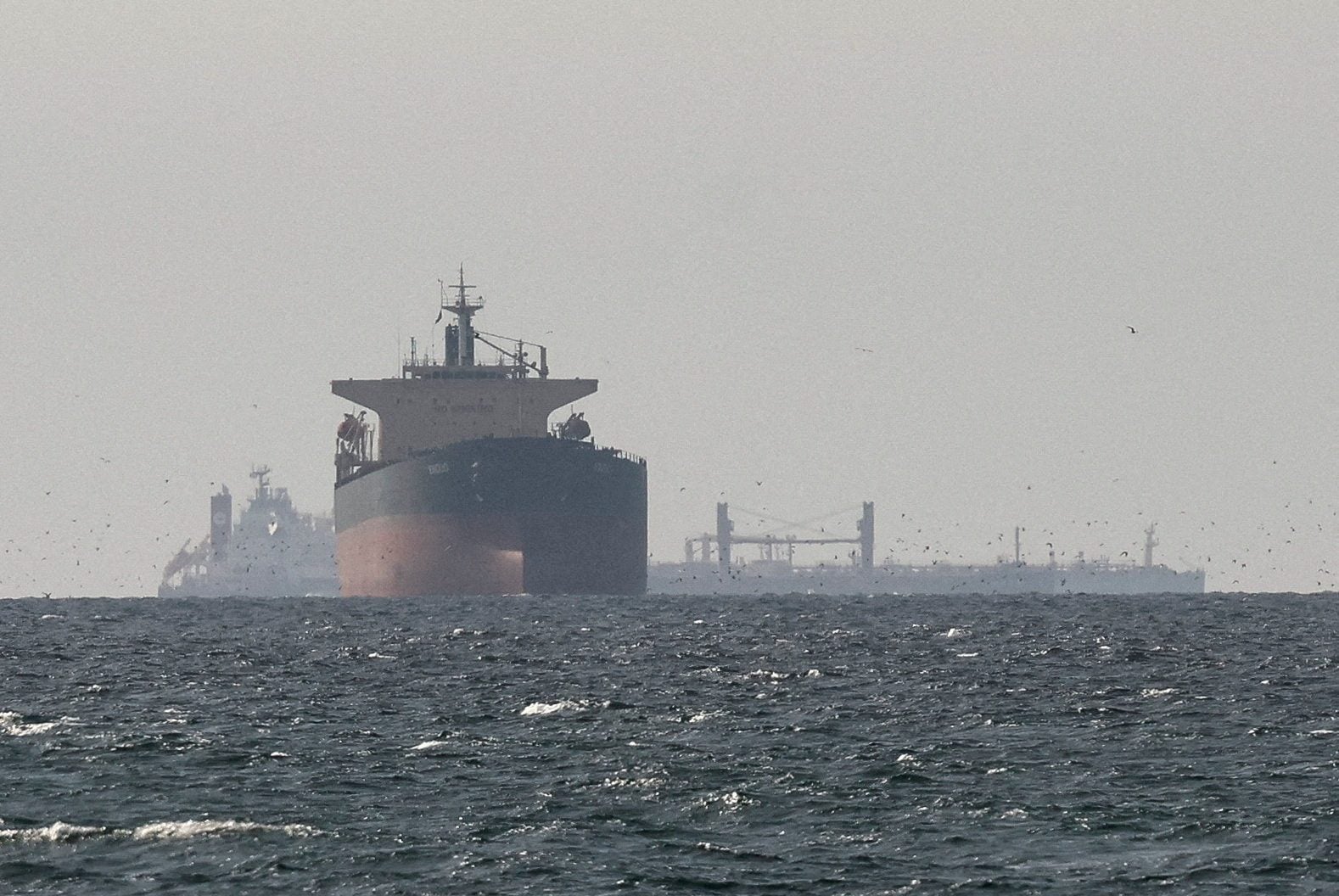
- Commercial transit through the Strait of Hormuz is likely to continue at high volumes in the near term, but coercive Iranian control measures and sporadic attacks will keep shipping risk elevated. (Confidence: medium · ASSESSED)
- I&W: Iranian authorities announce, or enforce at sea, routing or fee requirements on named merchant vessels transiting Hormuz (0-14 days)
- I&W: A public Iranian commitment to the memorandum’s maritime provisions guaranteeing open commercial transit (0-14 days)
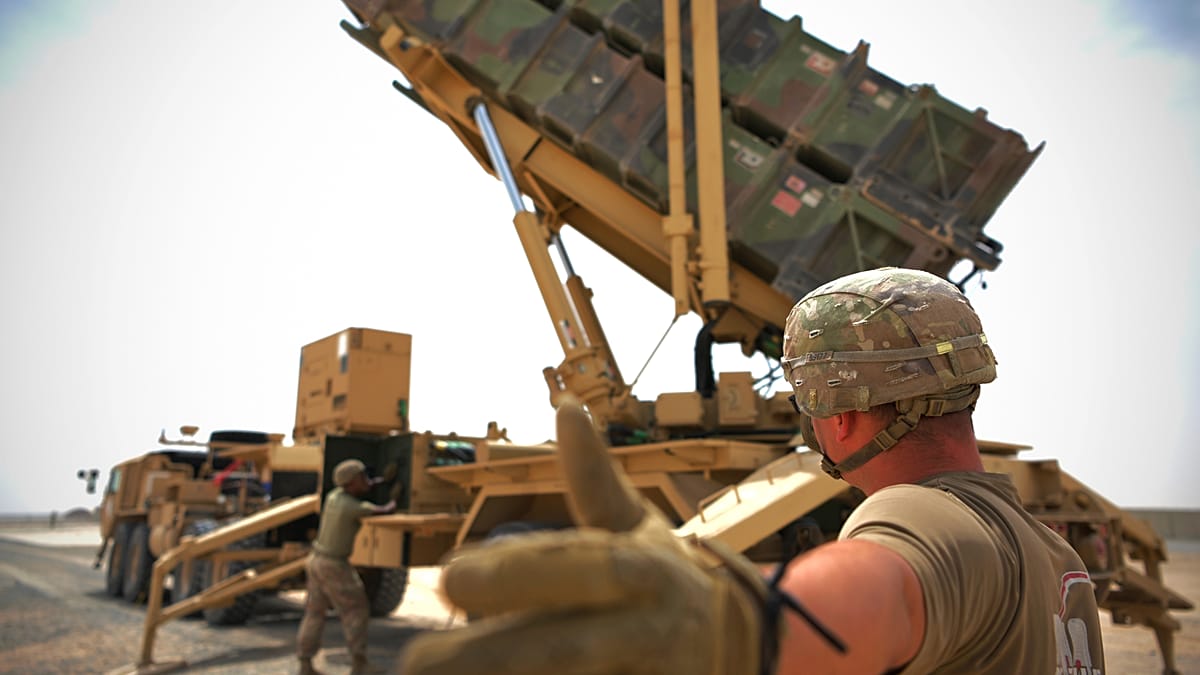
- US forces are very likely to adjust posture across the theatre, hardening infrastructure and redistributing air assets to reduce exposure as Iranian strike risks persist. (Confidence: medium · ASSESSED)
- I&W: Visible relocation of US aircraft from Ben Gurion Airport to Israeli Air Force bases or related announcements (0-14 days)
- I&W: Further US naval reinforcements declared under Operation Epic Fury or changes in carrier strike group dispositions (0-14 days)
- Persistent US, Israel coordination friction is very likely to complicate escalation management with Iran, including during sensitive negotiations and de‑confliction efforts. (Confidence: medium · ASSESSED)
- I&W: Further credible reports of US warnings to Iran about Israeli targeting of named Iranian officials during talks (0-14 days)
- I&W: A joint US, Israel statement outlining aligned red lines and a shared escalation ladder for Iran (1-3 months)
- Iran‑linked human intelligence collection inside Israel is very likely active and targeting high‑value sites and public landmarks. (Confidence: high · ASSESSED)
- I&W: Additional arrests or indictments of operatives linked to Iran for reconnaissance of named Israeli sites (1-3 months)
- I&W: Police advisories or security cordons around high‑profile landmarks such as the Azrieli Towers following surveillance attempts (0-14 days)
Outlook & scenarios
Violent stalemate across Lebanon and Hormuz (60%)
Hezbollah sustains frequent UAV and rocket activity against northern Israel and the IDF maintains a rolling strike campaign in southern Lebanon. Iran continues tit‑for‑tat strikes against Gulf states and US sites while traffic through the Strait of Hormuz remains high but at elevated risk, with sporadic attacks on commercial shipping and no Iranian acceptance of US maritime terms.
Spillover war with US force protection stress (35%)
A high‑casualty Hezbollah strike or an Israeli deep strike prompts rapid escalation, drawing in broader Iranian retaliation against Bahrain, Kuwait and US positions. US naval forces surge under Operation Epic Fury while hardening bases and relocating air assets. Maritime traffic dips as insurers react to repeated attacks in or near Hormuz.
Managed de‑escalation window focused on shipping (25%)
Indirect engagement yields a practical mechanism on Hormuz transits. Tehran softens enforcement rhetoric without formally accepting US demands, and vessels continue to sail with fewer interruptions. Cross‑border fire on the Lebanon front persists at a lower tempo without a formal ceasefire.
Negotiation shock from targeted assassination plot exposure (10%)
Credible revelations of targeting plans against senior Iranian negotiators or an attempted hit during a security‑sensitive period trigger diplomatic rupture, rapid proxy escalations and UN censure, upending maritime arrangements and raising the risk of miscalculation.
Recommendations
- Establish a daily indicator watch on the Lebanon front: track Hezbollah UAV swarm size and frequency and IDF strike announcements near Bint Jbail and along the Blue Line; flag any 72‑hour lull as a potential de‑escalation inflection.
- Task maritime monitoring to validate reported flows through Hormuz against AIS and operator advisories; alert on any Iranian routing directives, attempted fee imposition, or interdictions against named merchant vessels.
- Prioritise US force protection analysis: update risk models for Bahrain and Kuwait installations drawing on the 20‑site damage record and the 400 million dollar rebuild estimate in Bahrain; wargame relocation timelines for aircraft from Ben Gurion to Israeli Air Force bases.
- Map likely Iranian HUMINT targets in Israel based on the Sobrigon case set, including landmark and critical infrastructure locations; brief mitigation measures for open‑source imagery posting around these sites.
- Prepare a policy‑ops brief on US, Israel coordination friction: catalogue reported US warnings to third parties and Israeli public escalatory rhetoric; identify decision points where misalignment could impede de‑confliction with Iran.
- Maintain shipping risk guidance to operators transiting Hormuz: recommend heightened watchkeeping, rapid reporting to UKMTO/CMF, and routing within publicly agreed channels while monitoring for new Iranian statements on sovereignty and control.
Confidence & uncertainty
Multiple high‑confidence reports from major media and multilateral sources corroborate intensified activity: Hezbollah’s largest drone swarm, new IDF strikes in Lebanon, Iranian attacks on Bahrain and Kuwait, an emergency UN Security Council session, damage to at least 20 US sites, and a detailed US naval posture in theatre. Shipping flows and continued transits through Hormuz are supported by medium‑to‑low confidence reporting from reputable trade and general media. Tehran’s non‑acceptance of US maritime demands and sovereignty claims are high confidence. Key uncertainties include inconsistencies in the conflict timeline across sources and single‑case reliance for some espionage and assassination‑plot reporting, which justifies an overall medium confidence despite strong corroboration on several strands.
Alternative analysis (red cell)
The reporting primarily describes episodic incidents, asset movements, and a single HUMINT penetration case rather than systematic indicators of sustained campaigns or theater‑wide operational shifts. A more cautious estimate is that current activity is sporadic and localized; escalation to sustained multi‑front operations or pervasive HUMINT penetration would require corroborating logistics, communications, or ISR indicators before higher confidence is warranted.
Intelligence gaps
- [EEI 1.1 · UNCOVERED] Number, type, launch times, and trajectories of ballistic missiles, cruise missiles, armed UAV strikes, and combat-air sorties launched by Iranian or Israeli forces toward the other's territory or forward bases within a 72-hour window. Recommended collection: signals/intel
- [EEI 1.2 · PARTIAL] Observable changes in Israeli and Iranian force posture: mobilization or reserve call-up orders, unit road/rail movements, dispersal or sortie rates of air squadrons, redeployment of air-defense batteries, and activation of civil-defense alerts or sirens in major population centers. Recommended collection: open-source/media
- [EEI 2.1 · PARTIAL] Counts, launch locations (coordinates), weapons types, and assessed damage from rocket/missile/drone strikes originating from Lebanon into northern Israel attributed to Hezbollah or allied groups. Recommended collection: open-source/media
- [EEI 2.2 · UNCOVERED] Reported attacks by Iranian-backed militias in Iraq and Syria: rocket/IED strikes on bases hosting US/coalition or Israeli personnel, documented militia unit movements toward borders, and captured movement or transfer of weapons systems to forward militia positions. Recommended collection: human
- [EEI 2.3 · PARTIAL] Maritime harassment or attacks by proxies (e.g., Houthis): incidents of missile/rocket strikes against commercial vessels, small-boat swarm attacks, discovery or detonation of naval mines, and corresponding AIS anomalies in the Red Sea, Gulf of Aden, or southern Arabian Gulf. Recommended collection: maritime/AIS
- [EEI 3.1 · PARTIAL] Movements and arrival dates of foreign military assets into the region: carrier strike groups, amphibious ships, surface combatants, strategic airlift/tanker deployments, and air/sea patrol patterns by US, European, Russian, or regional militaries. Recommended collection: imagery/satellite
Cited sources
[1] understandingwar.org · Iran Update Special Report, July 2, 2026 (C) · sha256:cc97dc7369c3 [2] WorldDecoded · 🚨 Israel Strikes Lebanon Again.. Is Another War Starting? #breakingnews #geopolitics # iran war (B) · sha256:8bb0a20ec33c [3] The Jerusalem Post · Live Updates: Latest from Israel, Iran, and Middle East | The Jerusalem Post (A) · sha256:f6088fb27c73 [4] United Nations · Security Council LIVE: Emergency meeting on Iranian attack in Bahrain (A) · sha256:8a0d2c085c67 [5] arabic.euronews.com · بعد الضربات الإيرانية. تقرير يكشف خططًا أمريكية لإنشاء قاعدة في إسرائيل ونقل مراكز القيادة اليها (B) · sha256:6b8ce42d9a57 [6] gcaptain.com · US Sees 10 Million Barrels Via Hormuz Sapping Iran Oil Leverage (B) · sha256:3aff126bf140 [7] gcaptain.com · Global Container Spot Rates Jump 9% as Transpacific, Asia-Europe Trades Tighten (C) · sha256:ba382447ab97 [8] mercurynews.com · 2 California warships arrive in Middle East to support Operation Epic Fury (A) · sha256:64c9a3a9f355 [9] haaretz.com · The Iran War has become Israel's Icarus Moment (A) · sha256:c53ea6388037 [10] nypost.com · US officials feared Israel was plotting to kill head Iranian negotiators: report (B) · sha256:4b879b484d78 [11] ynetnews.com · Report: US feared Israel would kill Iran negotiators during peace talks (A) · sha256:bba04bd5db6e [12] News18 Urdu · Tehran LIVE Iran Warns of War if Dialogue Fails: Netanyahu Raises Stakes | America | Doha Talk |N18G (B) · sha256:350c85b71512 [13] ynetnews.com · Tajik national arrested in Israel for allegedly spying for Iran during war (A) · sha256:61c058fc4a54
Source content hashes were computed at collection time; the cited text is preserved unmodified for the life of this product.
Red cell review: PARTIAL DISSENT
TLP:CLEAR