TLP:CLEAR · Disclosure is not limited.
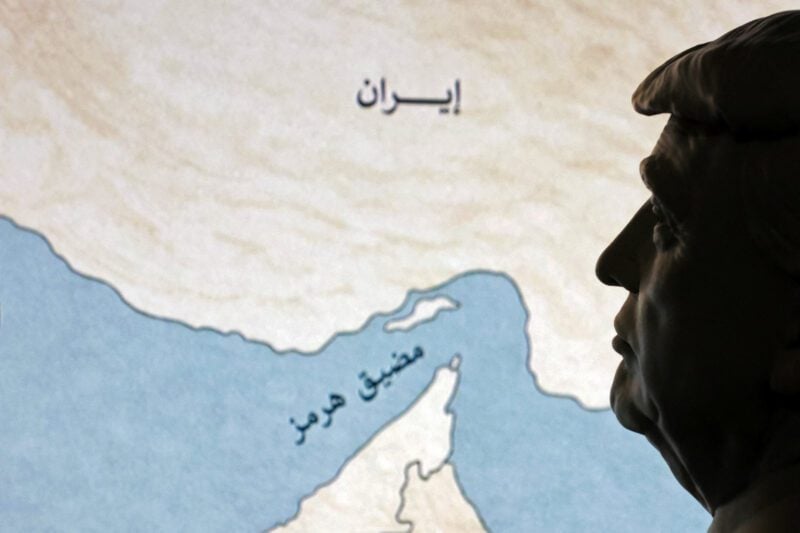
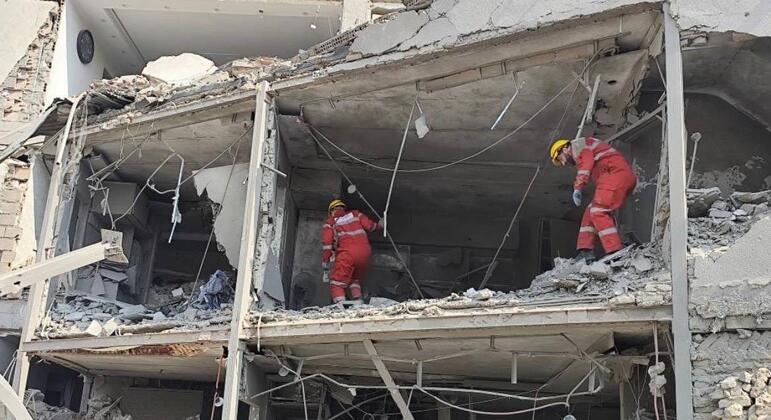
Iran, Israel confrontation: reciprocal strikes intensify, Hormuz trade squeezed
Time window: Last 1 day · Audience: General analyst · Type: Situation report · DTG: 2026-07-14 10:05Z · Overall confidence: LOW
BLUF
Iran, Israel and the United States are trading strikes across multiple fronts while Hezbollah fires into northern Israel. The Strait of Hormuz remains highly contested, with AIS‑dark transits and reported interceptions, and a container ship was hit east of Oman, raising near‑term risks of wider regional spillover and maritime disruption.
Executive summary
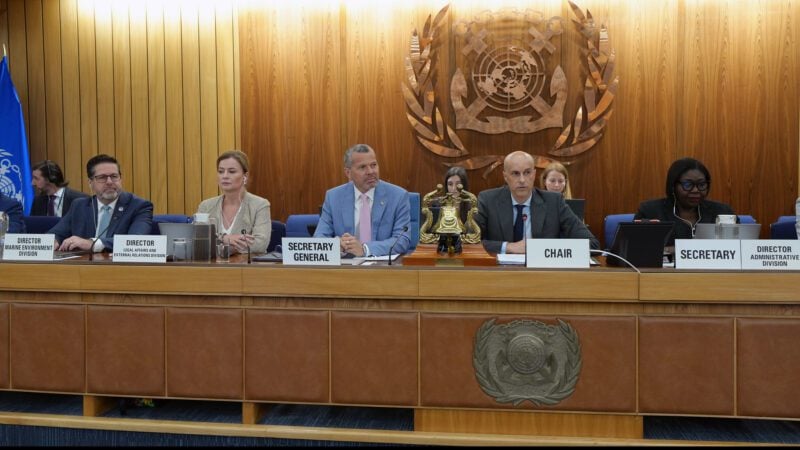
Reporting indicates an active exchange of fire: Iran announced Operation Nasr against Israeli air bases, Israel hit targets inside Iran, and U.S. Central Command reported further strikes on Iranian air defences as Iran launched missiles and drones at Israeli cities and U.S. bases. Hezbollah has fired into northern Israel as Western governments repositioned to bolster Israel’s defence. At sea, Tehran declared Hormuz closed and suspended permit processing while several commodity carriers slipped the strait with transponders off and the IRGC reported interceptions; the IMO condemned attacks and called for unhindered transit. A Cyprus‑flagged container ship was struck by a projectile east of Oman, its crew rescued with one person reported missing. UN action to extend Red Sea monitoring reflects the persistence of Houthi threats. Energy market risk is elevated amid conflict‑driven supply concerns.
Change from previous assessment
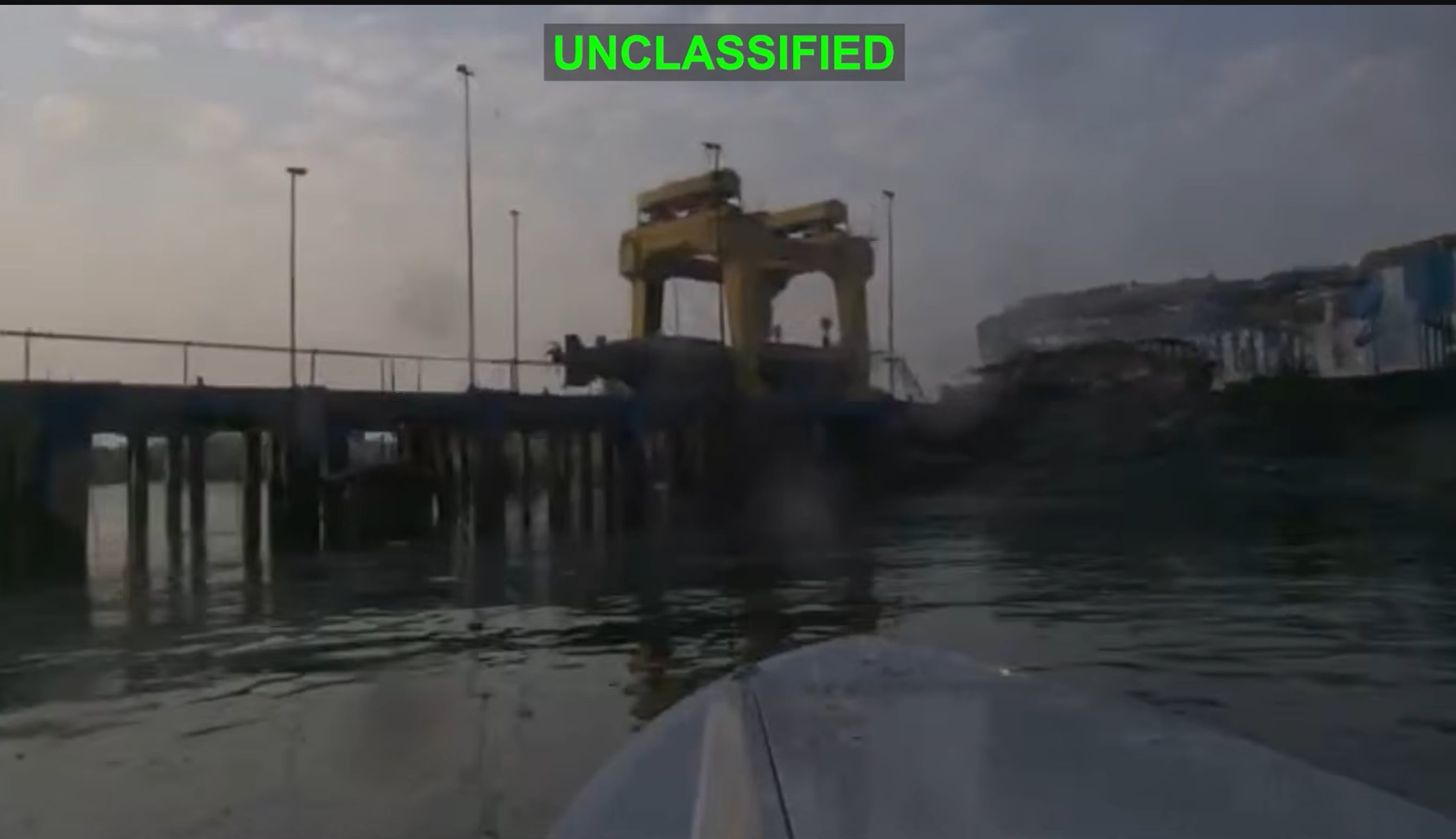
Since the prior brief, reporting highlights U.S. use of one‑way attack unmanned surface vessels at Bandar Abbas on 13 July, Iran’s announcement of Operation Nasr against Israeli air bases, and a new CENTCOM round of strikes on Iranian air defences. Maritime risk sharpened: Iran’s authority suspended permit processing and claimed closures while multiple AIS‑dark transits occurred and the IRGC reported interceptions; a Cyprus‑flagged container ship was hit east of Oman and its crew rescued. The IMO Council reaffirmed freedom of navigation and called for unhindered transit, and the UN Security Council moved to extend Red Sea reporting on Houthi attacks. Overall estimative thrust is unchanged, with confidence still constrained by contradictory and medium‑confidence elements.
Key judgments
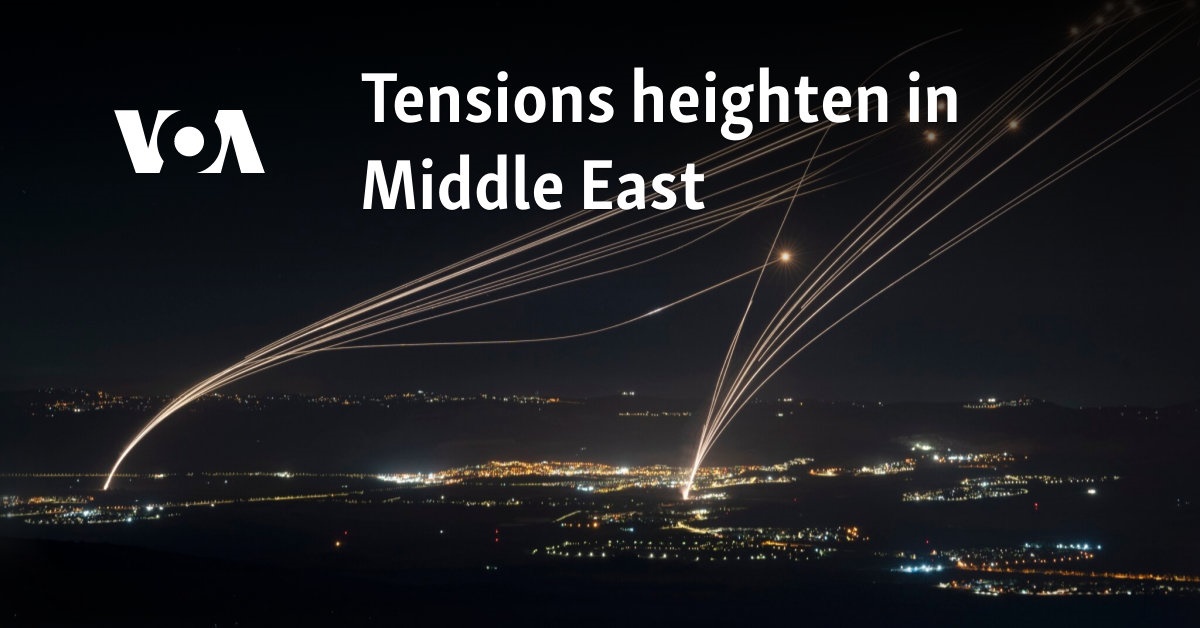
- It is very likely Iran, Israel and the United States are in an active exchange of strikes: Iran announced Operation Nasr against Israeli air bases, Israel struck targets in Iran, U.S. Central Command reported additional strikes on Iranian air defences, and Iran launched missiles and drones at Israeli cities and U.S. military bases; Hezbollah has also fired into northern Israel. (Confidence: high · REPORTED)
- I&W: Official communiqués from CENTCOM, the IDF or the IRGC announcing new strikes or salvos (0-14 days)
- I&W: A continuous 14‑day lull with no missile or drone launches publicly reported by Israeli or Iranian authorities (0-14 days)
- The Strait of Hormuz is likely still passable on a limited basis but under severe risk: Iran declared the strait closed and suspended permit processing, the IRGC reported intercepting vessels, several commodity carriers transited with AIS turned off while observable southern‑corridor crossings halted, and the IMO called for unhindered passage; U.S. forces reported facilitating hundreds of transits since an earlier lifting. (Confidence: medium · ASSESSED)
- I&W: Continued AIS‑dark transits and no AIS‑on crossings along the Omani southern corridor recorded by commercial trackers (0-14 days)
- I&W: Announced escorted convoys with AIS on completing 20 or more commodity transits through Hormuz (0-14 days)
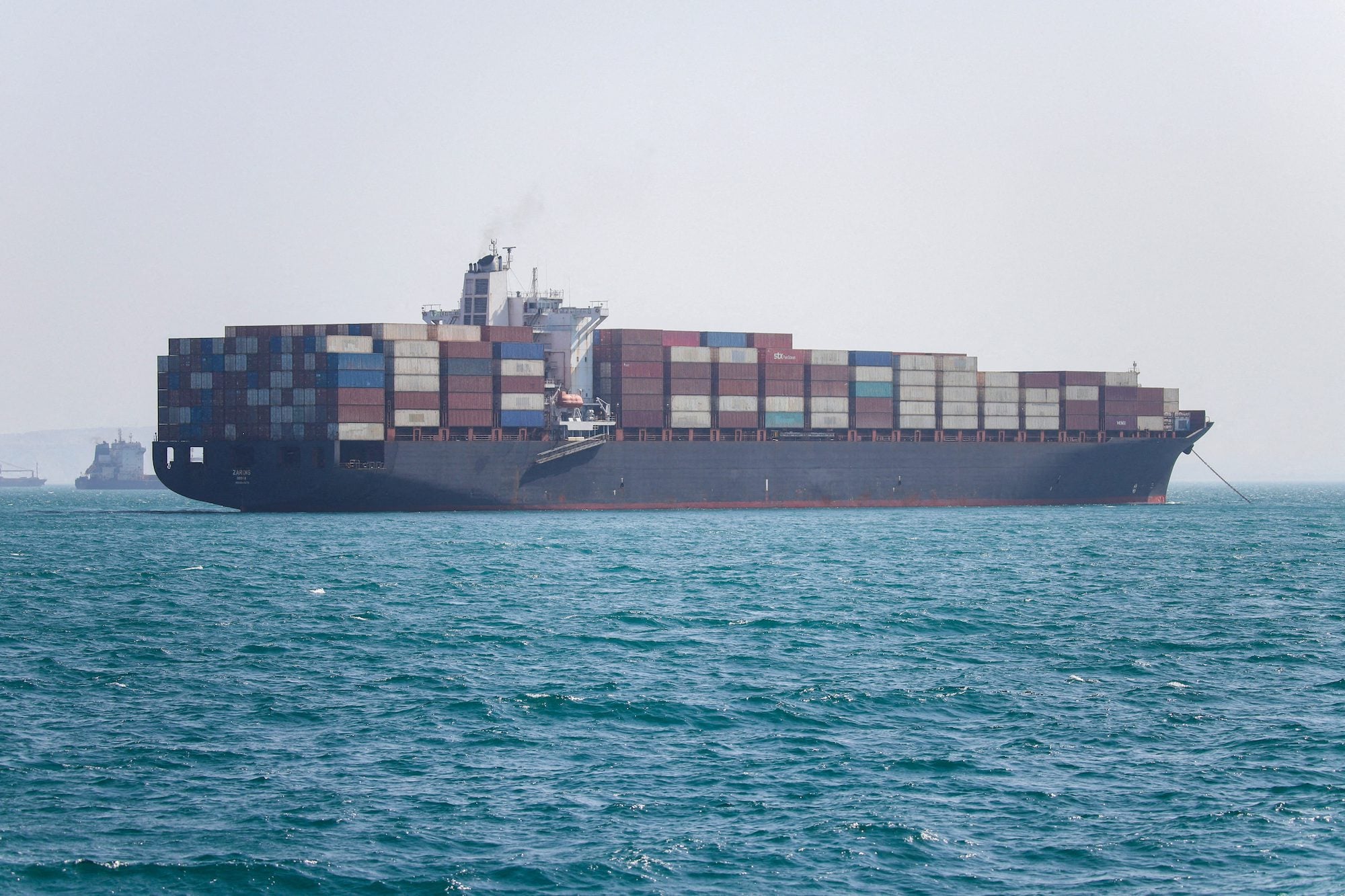
- It is likely the attack risk to commercial shipping has expanded east of Oman: the Cyprus‑flagged container ship GFS Galaxy was struck by a projectile while transiting, 23 crew were rescued by the Oman Navy, and one Indian crew member remains reported missing. (Confidence: medium · REPORTED)
- I&W: Classification society or insurer casualty bulletin confirming combat damage to GFS Galaxy (0-14 days)
- I&W: Official clarification that the incident was non‑hostile or misreported (0-14 days)
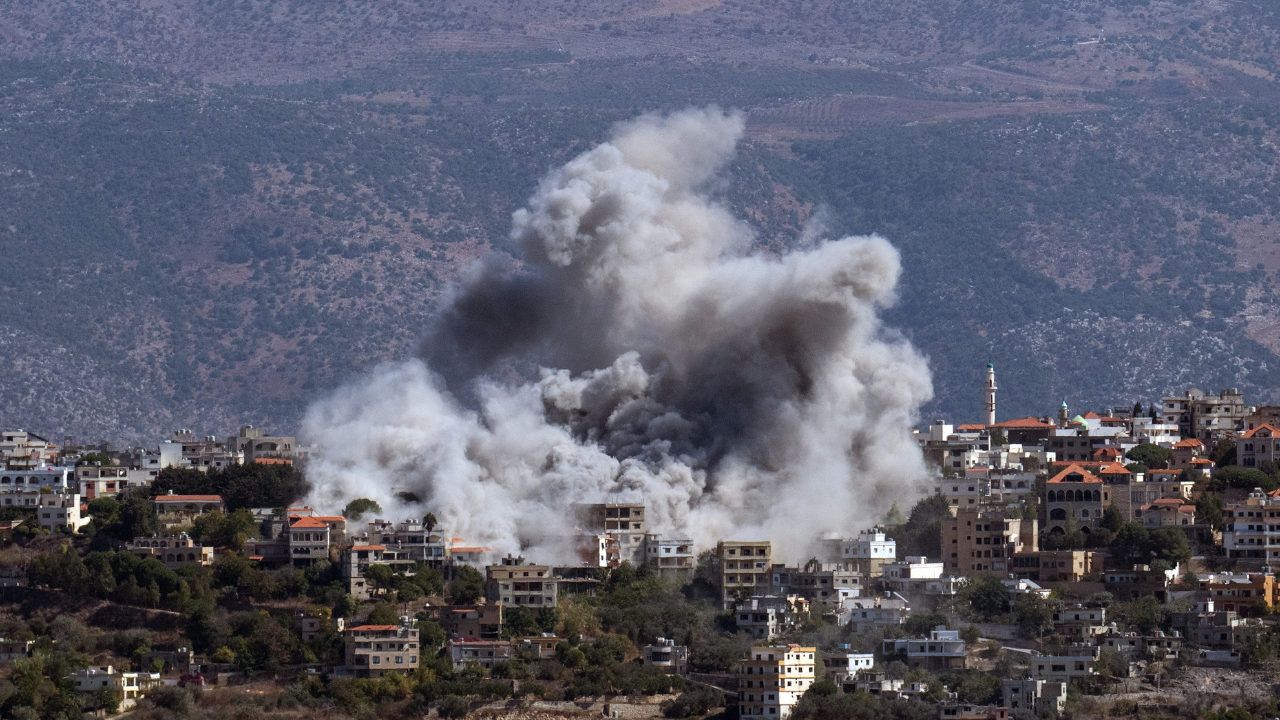
- A wider regional fight is likely in the near term, given Hezbollah’s barrages into northern Israel, U.S. warships moved to defend Israel, and the International Crisis Group’s warning of a spiralling conflagration. (Confidence: medium · ASSESSED)
- I&W: Additional Western government evacuation advisories for Lebanon or organised departure flights (0-14 days)
- I&W: A verified 7‑day cessation of cross‑border fire between Israel and Hezbollah (0-14 days)
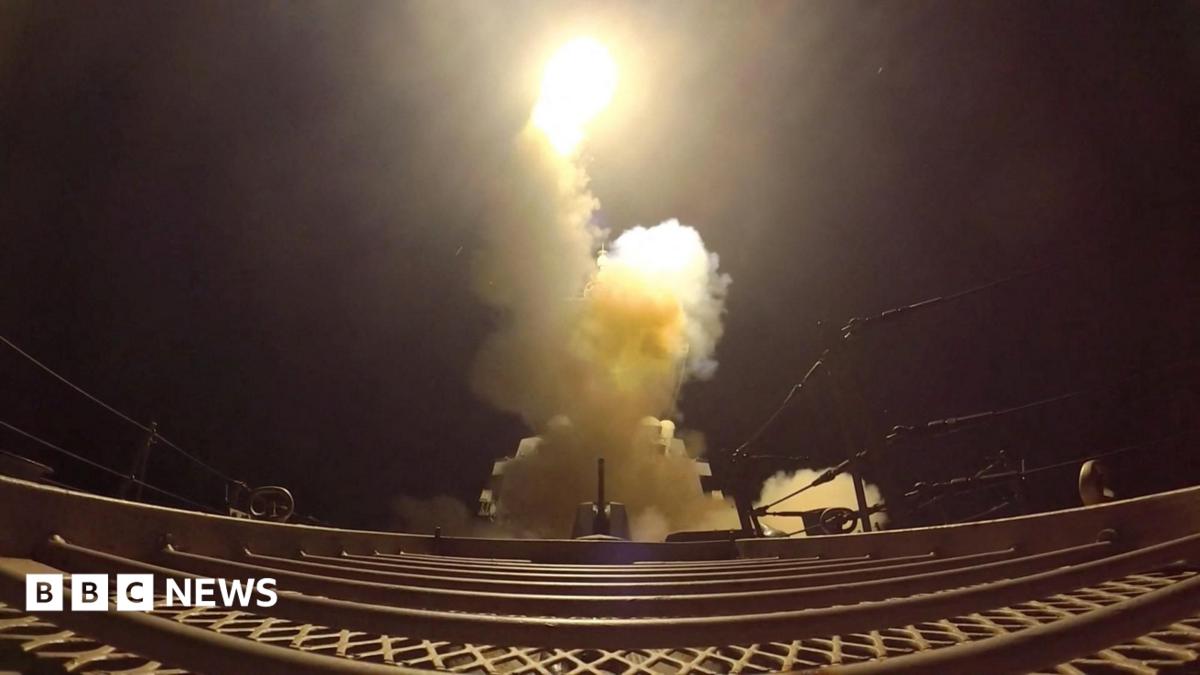
- The United States very likely expanded its strike toolkit by employing one‑way attack unmanned surface vessels at Bandar Abbas on 13 July, raising risk to Iranian littoral assets. (Confidence: medium · REPORTED)
- I&W: CENTCOM releases imagery or further statements on USV strikes against Iranian naval or port facilities (0-14 days)
- I&W: Explicit U.S. denial of USV employment in subsequent briefings (0-14 days)
- Energy market risk is likely elevated as the conflict threatens oil flows: reporting links Iranian attacks and effective blockade claims to higher oil and gas prices and inflation concerns, and Gulf economies’ dependence on open trade routes heightens vulnerability. (Confidence: medium · ASSESSED)
- I&W: Public reports of additional attacks on energy facilities or tankers tied to Hormuz routing (1-3 months)
- I&W: Sustained resumption of AIS‑on tanker traffic through Hormuz for 30 consecutive days (1-3 months)
- It is very likely the Red Sea shipping threat from the Houthis will persist into early 2027, reflected in the UN Security Council’s plan to extend monthly reporting and the group’s record of attacks since October 2023. (Confidence: high · REPORTED)
- I&W: UN Security Council adoption of the extension and continuation of published monthly reports (0-14 days)
- I&W: Houthi public declaration of a moratorium on Red Sea attacks matched by a 30‑day incident‑free period (1-3 months)
- There is a roughly even chance of further direct Iranian missile or drone salvos against Israeli territory in the near term if Israel conducts additional strikes, consistent with Ayatollah Khamenei’s reported order for a direct strike and subsequent Iranian warnings. (Confidence: medium · ASSESSED)
- I&W: Israeli kinetic action against targets inside Iran followed within days by Iranian launch announcements or Israeli intercept reporting (0-14 days)
- I&W: Iranian official messaging explicitly ruling out further direct fire at Israel during the current exchange (0-14 days)
Outlook & scenarios
Managed tit‑for‑tat continues with constrained shipping (50%)
Iran, Israel and the United States continue reciprocal strikes calibrated below thresholds that trigger full mobilisation. Hezbollah sustains intermittent barrages into northern Israel. Hormuz remains contested with sporadic AIS‑dark passages and periodic IRGC interceptions while international calls for unhindered transit persist. Energy volatility endures without a systemic supply shock.
Regional escalation and wider maritime shutdown (35%)
Israel executes a major counterstrike on Iranian strategic sites, prompting Iran to expand missile and drone salvos on Israeli territory and U.S. bases. Hezbollah intensifies fire. Hormuz traffic largely halts, and attacks extend to sea lanes east of Oman. Oil and gas prices spike alongside broader inflation concerns.
Short‑term de‑escalation under international pressure (20%)
Back‑channel messages and public warnings temper immediate retaliatory cycles. Reported launches decrease, Hezbollah activity tapers, and limited AIS‑on convoys resume under naval overwatch. UN and IMO steps frame a window for risk reduction without a political settlement.
Wildcard: strike on GCC energy infrastructure draws neighbours in (15%)
A successful attack against energy or power infrastructure in a Gulf state triggers tougher regional responses, tighter maritime controls and potential allied military action, accelerating economic impacts and complicating conflict termination.
Recommendations
- Maintain a live timeline of official communiqués from CENTCOM, the IDF and the IRGC to track strike cadence, targets and claimed effects; flag any shift to new platforms or targeting profiles for immediate review.
- Stand up a Hormuz maritime watchboard that fuses AIS, commercial satellite and open reporting to quantify AIS‑dark transits, identify routeing patterns along the southern corridor and log reported IRGC interceptions for decision support.
- Advise U.S.‑linked operators to reassess voyage planning for the Gulf of Oman and approaches east of Oman; set clear trigger points for rerouting or delay, tied to confirmed projectile or boarding incidents.
- Monitor Western travel advisories and embassy posture for Lebanon and neighbouring states as a proxy for conflict spillover risk; pair with daily counts of Hezbollah launches reported by the IDF.
- Track UN and IMO actions on Red Sea and Hormuz security and capture any guidance affecting commercial operators; liaise with maritime insurers to understand evolving cover conditions.
- Develop and brief an indicators matrix based on the tripwires above, with assigned collection tasks and thresholds for escalating analytic warnings.
- Coordinate with energy analysts to map exposure to Hormuz constraints and produce rapid‑update notes on supply alternatives and lead times should maritime conditions deteriorate.
Confidence & uncertainty
The brief draws on several high‑confidence major‑media and multilateral reports for core facts about reciprocal strikes and international responses, yet critical elements remain contested or thin. The status of Hormuz transit is characterised by conflicting official claims and medium‑confidence shipping data, and casualty details from attacks at sea vary across sources. Some prospective assessments rest on single‑source or generalised reporting. Taken together, corroboration is uneven and timelines occasionally conflict, warranting an overall low confidence rating despite solid anchors for parts of the picture.
Intelligence gaps
- [EEI 1.1 · PARTIAL] Number, type, launch times, and trajectories of ballistic missiles, cruise missiles, armed UAV strikes, and combat-air sorties launched by Iranian or Israeli forces toward the other's territory or forward bases within a 72-hour window. Recommended collection: signals/intel
- [EEI 1.2 · PARTIAL] Observable changes in Israeli and Iranian force posture: mobilization or reserve call-up orders, unit road/rail movements, dispersal or sortie rates of air squadrons, redeployment of air-defense batteries, and activation of civil-defense alerts or sirens in major population centers. Recommended collection: open-source/media
- [EEI 1.3 · PARTIAL] Indications of strike authorization or targeting preparations in Iranian or Israeli command chains: authenticated public orders by senior commanders, detected increases in encrypted communications consistent with targeting, or visible movement of strike munitions to launch/storage sites. Recommended collection: signals/intel
- [EEI 2.2 · UNCOVERED] Reported attacks by Iranian-backed militias in Iraq and Syria: rocket/IED strikes on bases hosting US/coalition or Israeli personnel, documented militia unit movements toward borders, and captured movement or transfer of weapons systems to forward militia positions. Recommended collection: human
- [EEI 3.1 · PARTIAL] Movements and arrival dates of foreign military assets into the region: carrier strike groups, amphibious ships, surface combatants, strategic airlift/tanker deployments, and air/sea patrol patterns by US, European, Russian, or regional militaries. Recommended collection: imagery/satellite
Cited sources
[1] NewsX World · Iran 'Operation Nasr' Live: Iran launches Operation Nasr targeting key Israeli air bases (B) · sha256:c2fc1b408213 [2] arabnews.com · The regional implications of escalating Iran-Israel tensions (B) · sha256:c06e27dfacd2 [3] gcaptain.com · Trump Reinstates Iran Blockade, Declares U.S. 'Guardian of Hormuz,' And Calls for 20% Cargo Fee (B) · sha256:748b898ae96d [4] vocal.media · Escalation of the Iran-Israel Conflict: Regional and Global Implications (B) · sha256:899279b9ce80 [5] BBC · US and Iran trade fire as tensions rise over Strait of Hormuz (A) · sha256:a7964d9ed0aa [6] voanews.com · Tensions heighten in Middle East (A) · sha256:bb2cad211b44 [7] United Nations · Security Council LIVE: ‘Lost continuity of knowledge’ on Iran’s nuclear programme since US-Israel attacks, top UN official warns (A) · sha256:fc21a388ea4b [8] gcaptain.com · Ships Transit Hormuz in Secret as US and Iran Trade Strikes (A) · sha256:d255a48bcb7a [9] gcaptain.com · IMO Council Reaffirms Freedom of Navigation, Condemns Attacks on Commercial Shipping (A) · sha256:cbff07806b30 [10] gcaptain.com · Rescuers Search for Crew Member After Container Ship Attack in Strait of Hormuz (B) · sha256:8bae4db33a8b [11] maritime-executive.com · Video: U.S. Forces Use Unmanned Bomb Boat to Attack Iranian Shipyard (B) · sha256:35e3cb58aa5a [12] rferl.org · Iran War Descends Into Regional Conflict With Global Spillovers (B) · sha256:0f6684bb5044 [13] gcaptain.com · Trump Says the US Should Control the Strait of Hormuz and Get Paid For It (B) · sha256:90fb1c0321a7 [14] Times of India · Middle East tensions soar as Israel-Iran conflict escalates: 10 points to know (B) · sha256:883e76a436aa [15] al-hudhud.net · تهديدات إيران والحوثيين تعزز الدعوات لتمديد مراقبة هجمات البحر الأحمر حتى 2027 (B) · sha256:7435f23f4b79 [16] Wikipedia · Middle Eastern crisis (2023–present) (B) · sha256:85fae8049b21
Source content hashes were computed at collection time; the cited text is preserved unmodified for the life of this product.
TLP:CLEAR