TLP:CLEAR · Disclosure is not limited.
Iran, Israel crisis: Gulf escalation intensifies while Israel front remains restrained
Time window: Last 1 day · Audience: General analyst · Type: Situation report · DTG: 2026-07-17 10:42Z · Overall confidence: LOW
BLUF
The confrontation is concentrated in the Gulf: the United States is very likely enforcing a naval blockade and striking targets inside Iran, and Tehran is focusing retaliation on U.S. partners in Kuwait, Jordan and Oman. Israeli officials judge Iran is avoiding a direct fight with Israel for now, but expanded U.S. attacks on Iranian infrastructure carry a roughly even chance of triggering wider escalation; maritime and energy risk around Hormuz remains acute.
Executive summary
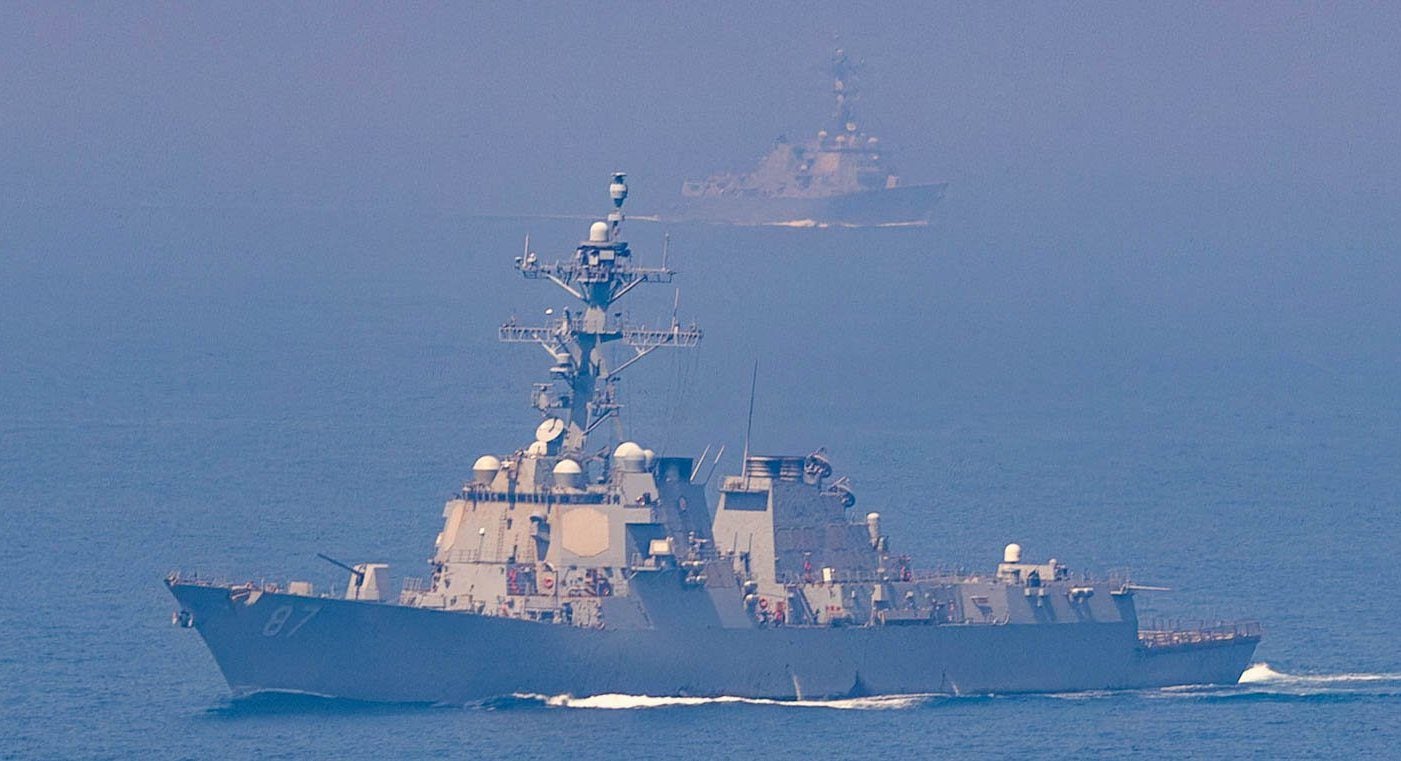
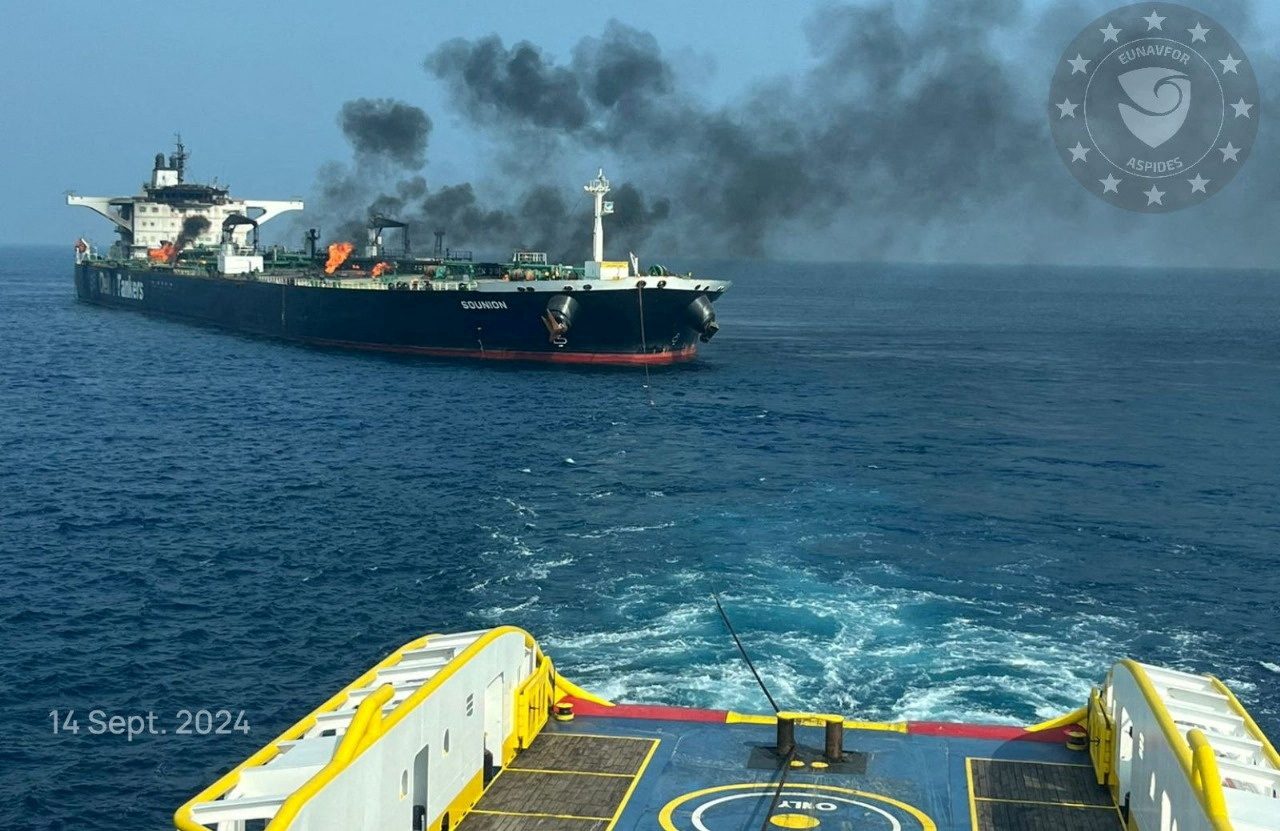
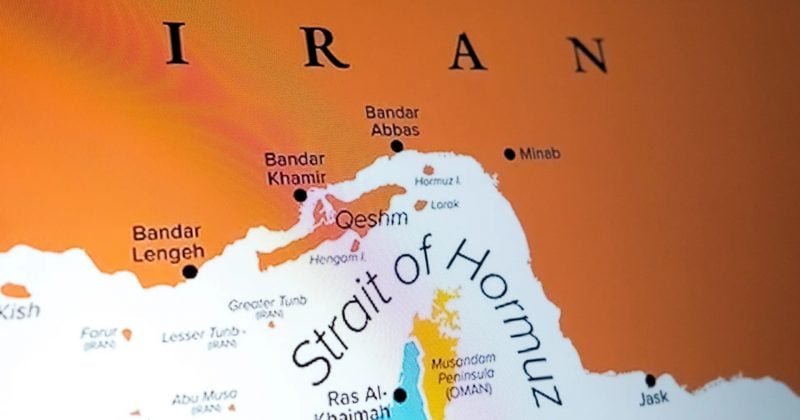
Open-source reporting indicates the United States has reimposed and is enforcing a naval blockade on Iran with boardings in the Gulf of Oman, a disabled tanker near Kharg Island and continued assistance to transiting ships, while shipping through Hormuz remains subdued and many Iran-linked tankers loiter or reverse course. U.S. strikes have likely expanded across multiple targets in Iran, including at Bandar Abbas, Iranshahr Airport and areas near Tehran, with reported casualties. Iran’s response appears focused on U.S. and allied targets in the Gulf, with missile and drone activity reported against Kuwait, Jordan and Oman, and at least one strike on a Kuwaiti power and water facility; local air defences have reported multiple interceptions. Israeli officials assess Tehran is currently avoiding opening a front with Israel, though they caution that any expansion of U.S. strikes on Iranian infrastructure could prompt Iran to reconsider restraint. Oil flows via Hormuz have fallen to about 4 million barrels per day, prices are around 85 dollars, India has halted deployment of its seafarers through the strait and more than 15,000 Indian crew remain stranded west of Hormuz. Parallel reporting points to Iranian pressure on the Houthis to threaten the Bab el‑Mandeb, and signs of a diplomatic backchannel persist via Doha and talk of an MOU and detainee release.
Change from previous assessment
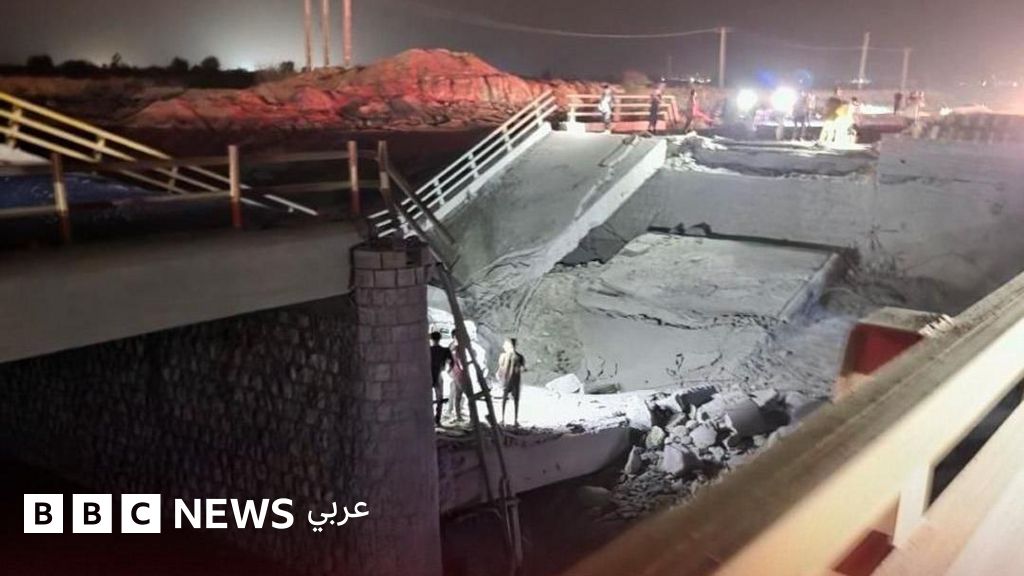
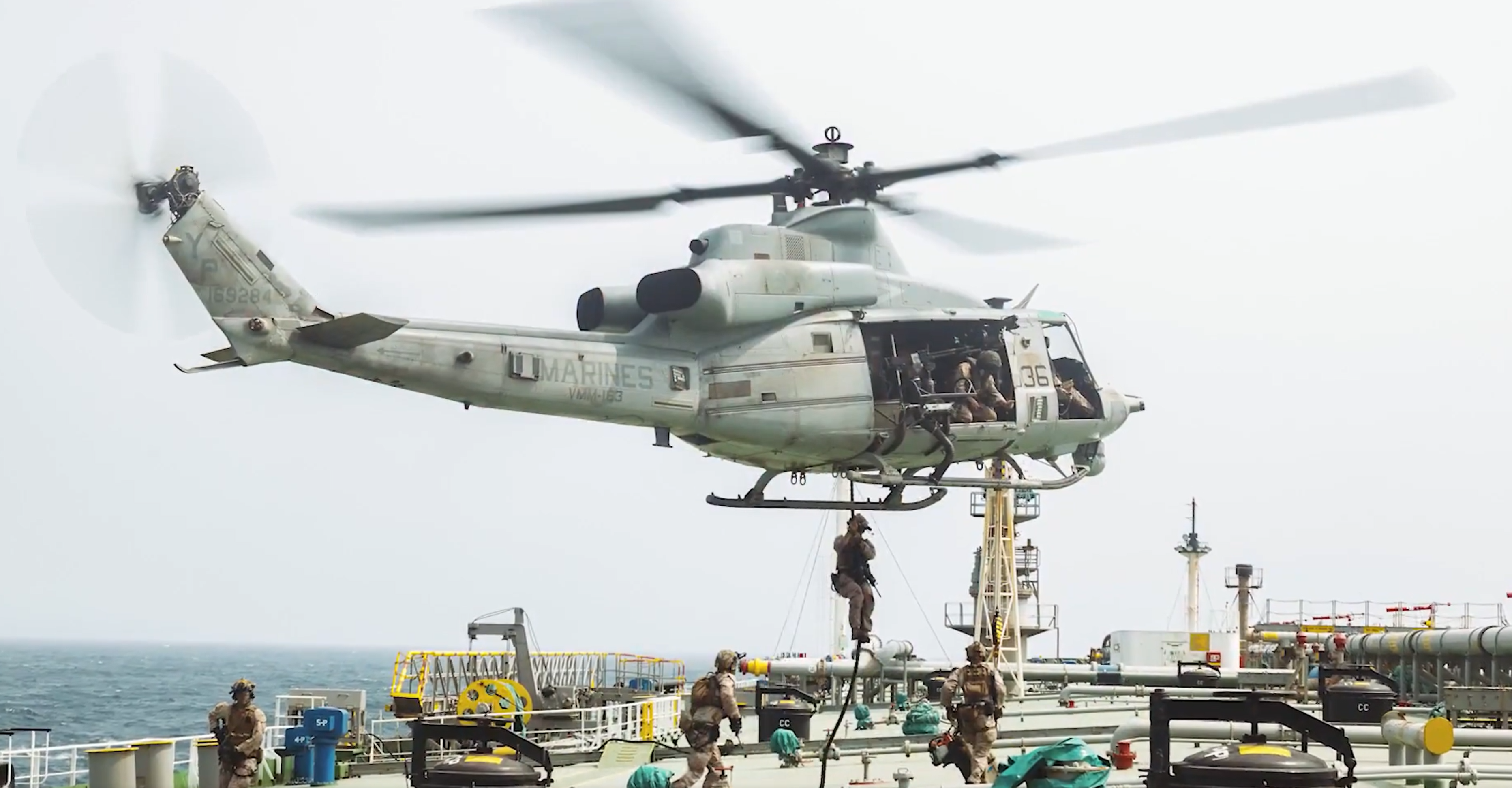
Since the prior brief, reporting added: a named boarding by U.S. Marines from the 11th MEU of M/T Wen Yao in the Gulf of Oman and an interception by the USS Boxer Amphibious Ready Group of a shadow‑fleet VLCC; first reports of U.S. strikes reaching areas near Tehran; specific strikes and casualties around Bandar Abbas including bridges and a communications tower; Iran’s reported attack on U.S. radar sites in Oman and interceptions over Jordan, plus a strike on a Kuwaiti power and water facility; India’s formal halt to deploying seafarers through Hormuz and a stated 15,000‑plus Indian crew stranded; oil flows via Hormuz near 4 million barrels per day and prices around 85 dollars; and Iranian diplomatic activity in Doha alongside claims of an MOU and a detainee release. Confidence is unchanged at low due to continued discrepancies on locations, dates and casualty figures.
Key judgments
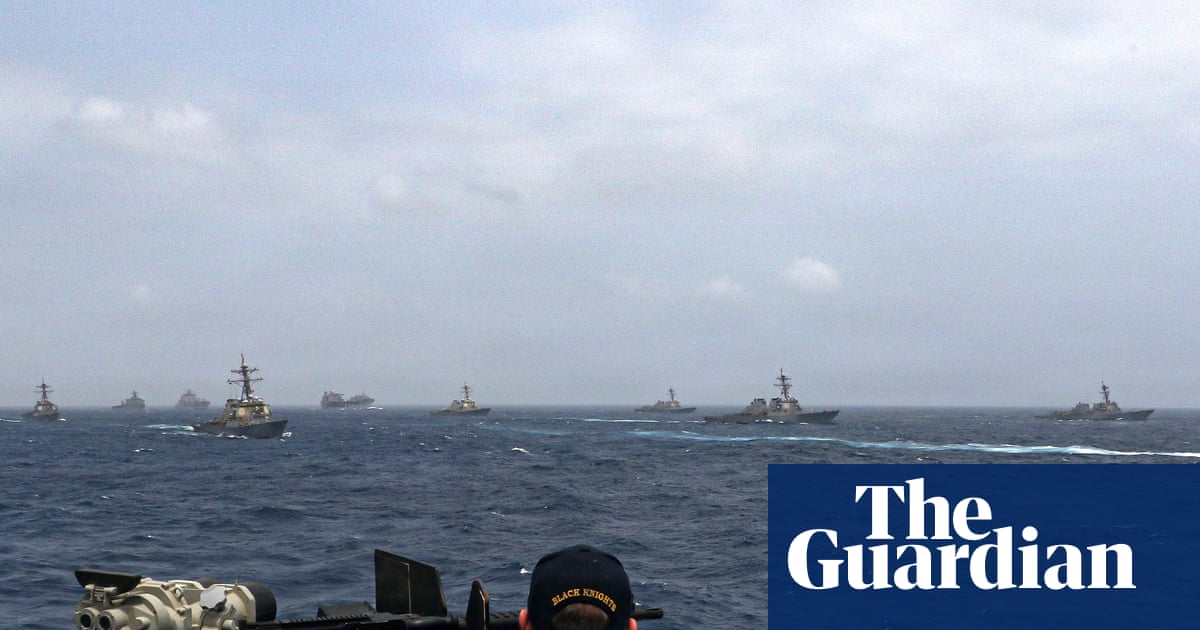
- The United States has very likely reimposed and is actively enforcing a naval blockade on Iran, conducting boardings and disabling at least one sanctioned tanker near Kharg Island and assisting transits through the Strait of Hormuz, where traffic remains subdued and many Iran‑linked tankers are loitering or reversing course. (Confidence: high · REPORTED)
- I&W: CENTCOM or the 11th Marine Expeditionary Unit publishes additional statements or video of boardings in the Gulf of Oman (0-14 days)
- I&W: Seven‑day oil‑flow average via Hormuz returns to at least 4.6 million barrels per day (0-14 days)
- U.S. air operations have likely expanded to multiple targets inside Iran, including a communications tower and bridges at Bandar Abbas, Iranshahr Airport in Sistan and Baluchestan, explosions reported at Bandar Khamir and Kohurestan, and areas around Tehran, with fatalities and local power outages reported. (Confidence: medium · REPORTED)
- I&W: Commercial satellite imagery shows fresh damage at Iranshahr Airport or the Bandar Abbas communications tower (0-14 days)
- I&W: No fresh local reports of explosions in Hormozgan, Sistan and Baluchestan, or around Tehran for 72 hours (0-14 days)
- Iran has likely concentrated retaliation on U.S. and partner targets in the Gulf, not on Israel, including missile and drone activity against Kuwait, Jordan and Oman, with reported interceptions and at least one strike on a Kuwaiti power and water facility. (Confidence: medium · ASSESSED)
- I&W: Additional official reports of Iranian‑linked launches or local intercepts in Kuwait, Jordan or Oman (0-14 days)
- I&W: A claimed Iranian launch toward Israeli territory or Iranian responsibility for strikes on Israeli cities (0-14 days)
- Tehran is likely avoiding a direct war with Israel for now, but there is a roughly even chance that expanded U.S. strikes on Iranian infrastructure would prompt Iran to escalate in ways that could draw in Israel. (Confidence: medium · ASSESSED)
- I&W: Public confirmation that U.S. strikes are hitting Iranian energy or national infrastructure (0-14 days)
- I&W: Iranian leadership or the IRGC issues Israel‑specific threat statements followed by launches or proxy attacks against Israeli territory (0-14 days)
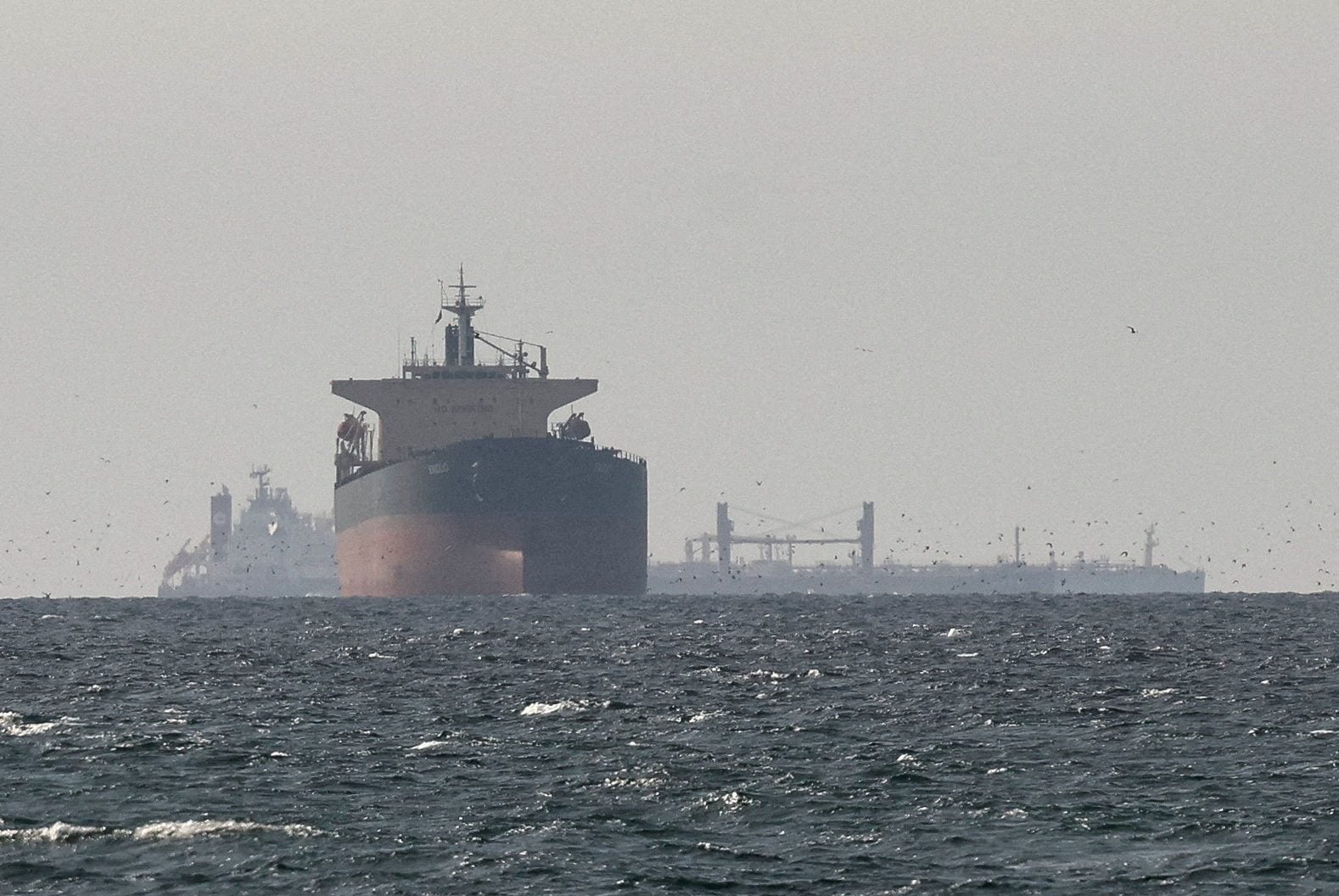
- Maritime and energy risk in and around the Strait of Hormuz is very likely acute, with oil flows down to roughly 4 million barrels per day, oil prices around 85 dollars, widespread loitering and diversions by Iran‑linked tankers, and India halting deployment of its seafarers as more than 15,000 Indian crew remain stranded. (Confidence: high · ASSESSED)
- I&W: India maintains or widens its ban on seafarer deployment and stranded Indian crews remain above 15,000 (0-14 days)
- I&W: Seven‑day oil‑flow average via Hormuz rises back above 4.6 million barrels per day and India’s order is rescinded (1-3 months)
- Iran is likely pressing the Houthis to threaten the Red Sea and the Bab el‑Mandeb, raising the risk of spillover maritime disruption in the coming weeks. (Confidence: medium · ASSESSED)
- I&W: Houthi channels or Yemeni authorities report missile or drone deployments or attacks near Bab el‑Mandeb (0-14 days)
- I&W: Progress in Omani‑mediated Houthi, Saudi settlement talks reducing Houthi incentives to escalate (1-3 months)
- A diplomatic backchannel likely persists despite hostilities, reflected in the Iranian foreign minister’s travel to Doha, reporting that Iran’s leadership remains interested in a deal, mention of a recent U.S., Iran MOU and the reported release of a U.S. detainee. (Confidence: medium · ASSESSED)
- I&W: Further detainee releases or publicised third‑country meetings in Doha or Muscat (0-14 days)
- I&W: Official repudiation of the reported MOU or announcements that contacts have ceased (0-14 days)
Outlook & scenarios
Gulf‑limited confrontation persists (60%)
U.S. blockade enforcement and strike activity remain focused on Iran’s coastline and select inland targets, while Iran continues to target U.S. partners in Kuwait, Jordan and Oman and avoids direct attacks on Israel. Maritime disruption and reduced oil throughput via Hormuz continue, with periodic boardings and diversions keeping risk elevated.
Escalation draws in Israel (40%)
If U.S. strikes visibly expand to Iranian infrastructure and energy facilities, Tehran follows through on threats to broaden retaliation. Proxy or direct attacks against Israeli territory occur, prompting Israeli military engagement beyond existing security zones in Lebanon and Syria and raising the prospect of a multi‑front confrontation.
Red Sea front activates (40%)
Iranian pressure on the Houthis leads to missile and drone activity near Bab el‑Mandeb, harassment of shipping and temporary closures or de facto risk‑based diversions on the Red Sea route. Hormuz remains constrained, compounding global energy and shipping disruptions.
Short de‑escalation via backchannel (30%)
Mediation involving Doha yields limited confidence‑building steps, such as additional detainee releases or tacit geographic limits on strike packages, producing a temporary reduction in cross‑border launches and more predictable maritime escorts, without resolving core disputes.
Recommendations
- Maintain a live indicator log for Iranian intent toward Israel. Track official and IRGC messaging for Israel‑specific threats alongside any public confirmation that U.S. strikes are hitting Iranian infrastructure.
- Stand up a daily maritime watch using AIS and satellite reporting to map Iran‑linked tankers loitering or reversing and to track boardings. Flag any change in Hormuz seven‑day oil‑flow averages back above 4.6 million barrels per day.
- Engage with Indian maritime notices and crewing channels to quantify stranded Indian seafarers and anticipate labour‑driven constraints on regional shipping.
- Task commercial imagery to validate reported strike damage at Bandar Abbas and Iranshahr and to watch Kuwaiti power and water infrastructure for follow‑on attacks.
- Prioritise collection on Houthi force posture near Bab el‑Mandeb, including missile and drone deployments and IRGC advisory presence, and prepare shipping advisories for a potential Red Sea spillover.
- Track diplomatic movements through Doha and Muscat and detainee‑related announcements to assess the viability of a short de‑escalation window.
- Brief energy stakeholders on sustained price and throughput risk and outline tripwires that would warrant revising exposure assumptions, including an uptick in Iranian statements about targeting regional infrastructure.
Confidence & uncertainty
Overall confidence is low because, although several high‑confidence reports corroborate U.S. blockade enforcement, boardings and Iranian activity in Kuwait, Jordan and Oman, key elements rest on partly conflicting or single‑source claims. Reporting on targets inside Iran varies by location and casualty figures, with mixed detail on Bandar Abbas, Iranshahr and areas near Tehran. Some inputs derive from social media or blogs and lack independent corroboration. Assessments of Iranian restraint toward Israel are well sourced but contingent on U.S. strike scope, which remains fluid. Given these gaps and contradictions, we retain a low headline confidence while noting certain sub‑judgments rest on stronger multi‑source reporting.
Alternative analysis (red cell)
The reporting documents clear tactical US interdictions, localized strikes, and significant maritime disruption, but the evidence is uneven: many key inferences depend on incident-level reports, lower-admiralty items, or single-source assertions. Consequently, stronger characterizations—such as a formal reimposed blockade, a broad expansion of US air operations across Iran, or a persistent diplomatic backchannel—are not sufficiently supported and alternative, more cautious interpretations are plausible given current sourcing. Additional ISR, legal/policy declarations, and multi-source corroboration are needed to move these judgments to higher confidence.
Intelligence gaps
- [EEI 1.1 · PARTIAL] Number, type, launch times, and trajectories of ballistic missiles, cruise missiles, armed UAV strikes, and combat-air sorties launched by Iranian or Israeli forces toward the other's territory or forward bases within a 72-hour window. Recommended collection: signals/intel
- [EEI 1.2 · PARTIAL] Observable changes in Israeli and Iranian force posture: mobilization or reserve call-up orders, unit road/rail movements, dispersal or sortie rates of air squadrons, redeployment of air-defense batteries, and activation of civil-defense alerts or sirens in major population centers. Recommended collection: open-source/media
- [EEI 1.3 · PARTIAL] Indications of strike authorization or targeting preparations in Iranian or Israeli command chains: authenticated public orders by senior commanders, detected increases in encrypted communications consistent with targeting, or visible movement of strike munitions to launch/storage sites. Recommended collection: signals/intel
- [EEI 2.1 · UNCOVERED] Counts, launch locations (coordinates), weapons types, and assessed damage from rocket/missile/drone strikes originating from Lebanon into northern Israel attributed to Hezbollah or allied groups. Recommended collection: open-source/media
- [EEI 2.2 · UNCOVERED] Reported attacks by Iranian-backed militias in Iraq and Syria: rocket/IED strikes on bases hosting US/coalition or Israeli personnel, documented militia unit movements toward borders, and captured movement or transfer of weapons systems to forward militia positions. Recommended collection: human
- [EEI 3.1 · PARTIAL] Movements and arrival dates of foreign military assets into the region: carrier strike groups, amphibious ships, surface combatants, strategic airlift/tanker deployments, and air/sea patrol patterns by US, European, Russian, or regional militaries. Recommended collection: imagery/satellite
Cited sources
[1] gcaptain.com · Iran-US Skirmishes Worsen as Hormuz Shipping Traffic Dwindles (A) · sha256:0fce1db3cd71 [2] gcaptain.com · Iran-Linked Tankers U-Turn, Zig-Zag as US Enforces Blockade (A) · sha256:49fee7965127 [3] BBC News عربي · الجيش الأمريكي يواصل ضرب إيران، والحرس الثوري يهاجم مجدداً مواقع في الخليج والأردن - BBC News عربي (A) · sha256:74073c63b81e [4] maritime-executive.com · Video: U.S. Marines Board Falsely-Flagged Tanker in Gulf of Oman (B) · sha256:e281c23f780e [5] theguardian.com · First Thing: US attacks tanker in continuing Iran conflict as Tehran releases US citizen (A) · sha256:8704f4b0a2ec [6] ynetnews.com · US expands Iran strikes, hitting airport, bridges and communications tower (A) · sha256:ff814907c01f [7] theguardian.com · US intensifies attacks on Iran as Tehran hits back at Gulf states (A) · sha256:59dbbdecadcf [8] cryptobriefing.com · US-Iran tensions escalate with strikes amid Strait of Hormuz conflict (B) · sha256:17ccc3bb84b7 [9] Jerusalem Post · Trump expected to expand Iran military campaign as Tehran warns of broader retaliation (B) · sha256:88f1b36ba8e3 [10] jfeed.com · Zero to One Hundred: Israel Outlines Three Triggers for Unprecedented Air Campaign Inside Mainland Iran (B) · sha256:9cde5e678b73 [11] CNN · Iran warns Strait of Hormuz is an ‘unbreakable red line’ as US expands strikes | CNN (A) · sha256:9eee85d89abd [12] gcaptain.com · India Ask Its Seafarers Not to Take Hormuz Voyages (A) · sha256:8fe46a34de3d [13] maritime-executive.com · Hot Weather and Politics Bring Yemen Back to the Brink in the Bab el Mandeb (B) · sha256:fe379d1540e3 [14] gcaptain.com · Iran Tells Houthis to Close Red Sea Gateway if U.S. Hits Power Network (A) · sha256:0aa990225560 [15] The Jerusalem Post · Live Updates: Latest from Israel, Iran, and Middle East | The Jerusalem Post (A) · sha256:c80ca97c14ac [16] BBC · JD Vance accuses Israel of 'manipulating' US public opinion to prolong Iran war (A) · sha256:c950397aab83
Source content hashes were computed at collection time; the cited text is preserved unmodified for the life of this product.
Red cell review: PARTIAL DISSENT
TLP:CLEAR