TLP:CLEAR · Disclosure is not limited.
Iran-Israel crisis: Hormuz disruption and Lebanon escalation amid US-Iran talks
Time window: Last 1 day · Audience: General analyst · Type: Situation report · DTG: 2026-06-22 08:19Z · Overall confidence: MEDIUM
BLUF
Tehran again declared the Strait of Hormuz shut on 22 June and Israel intensified operations in southern Lebanon, while US-Iran negotiators set up a 60-day deconfliction line for Lebanon. Shipping is disrupted but not halted, creating a volatile 0-14 day window for miscalculation around Hormuz and the Israel-Lebanon front.
Executive summary
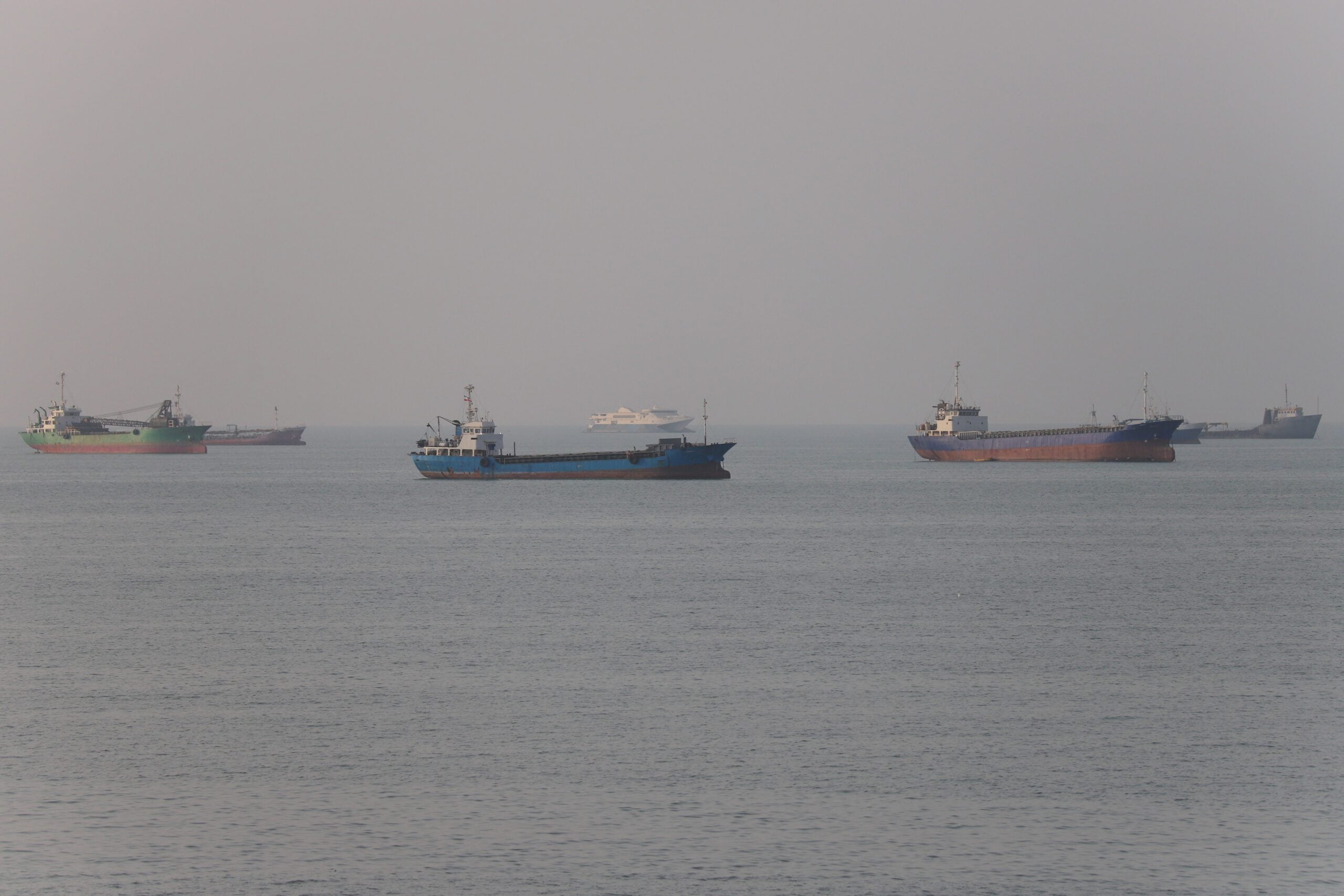
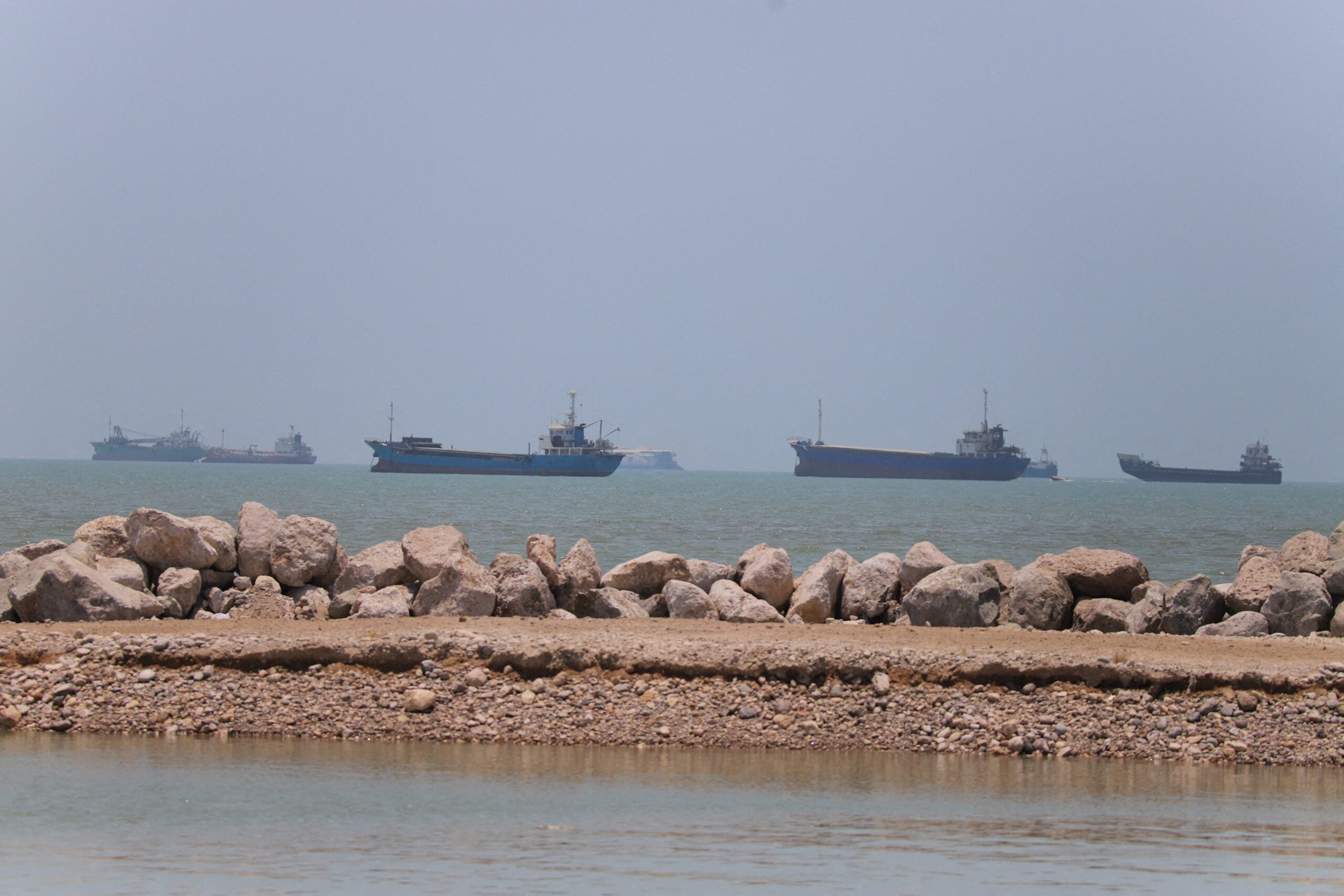
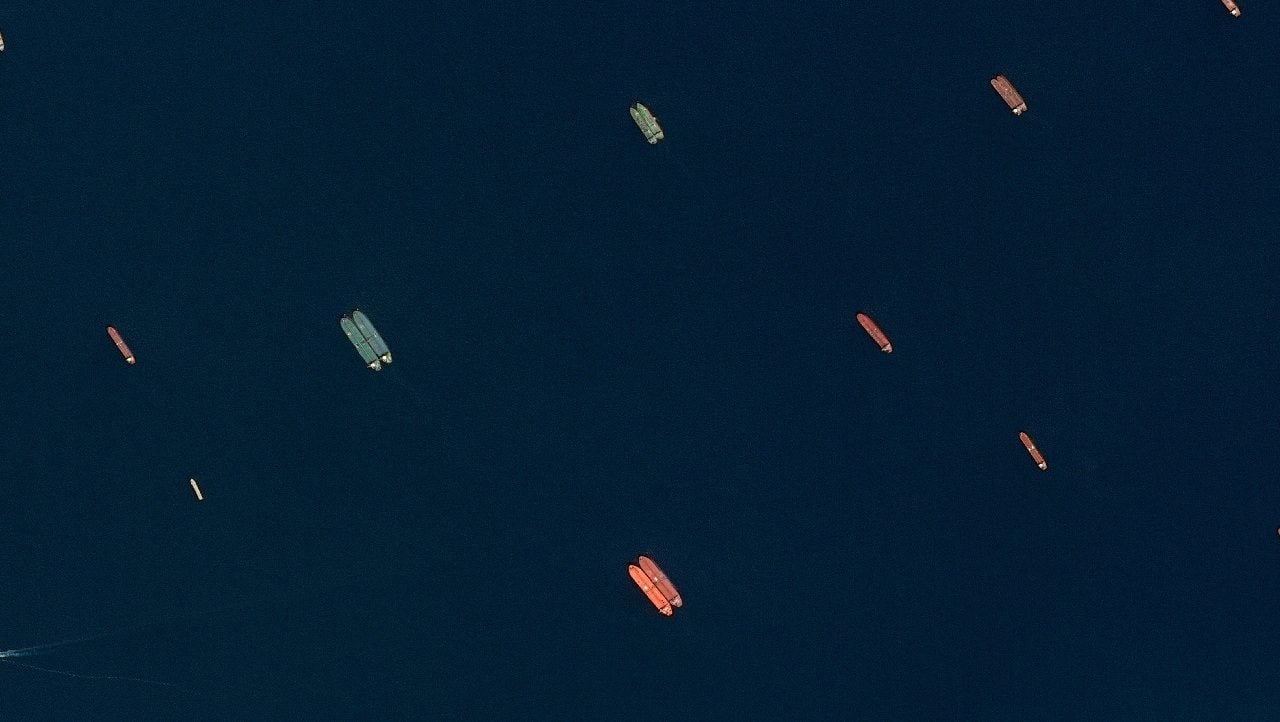
Iran’s Islamic Revolutionary Guard Corps said on 22 June that the Strait of Hormuz was shut and warned ships required Iranian permission, with vessel transits reportedly falling to five the same day. At the same time, the US military reported commercial vessels were still operating and 17 million barrels transited on 21 June, highlighting partial continuity. In southern Lebanon, Israeli strikes on 20 June killed at least 16 people, and Hezbollah killed four Israeli soldiers near Tebnit; Israeli leaders signalled forces would remain in southern Lebanon. US and Iranian negotiators agreed a Lebanon-focused deconfliction cell and a 60-day communication line, alongside an announced Islamabad Memorandum and a 60-day roadmap, although claims of an immediate and permanent ceasefire are not yet borne out on the ground. The UK urged Israel to remove unjustifiable restrictions on humanitarian access into Gaza, with reporting of over 1,000 Palestinian deaths since October and rising violence against civilians in the West Bank. Threats to US-linked sites in the UAE remain elevated, with US travel and aviation cautions in place and Tehran having publicly threatened US-associated locations in the UAE. A mine sighting near Oman adds to maritime risk in the approaches to Hormuz.
Key judgments
- Likely: Iran is imposing intermittent restrictions on transits through the Strait of Hormuz, producing sharp but uneven slowdowns rather than a full closure from 20 to 22 June. Iranian authorities and the IRGC announced the waterway was shut and said no ship would cross without permission, and traffic data showed only five vessels transited on 22 June after a sharp fall. In parallel, US Central Command and other reporting said millions of barrels and dozens of ships still moved, and that mariners could use a southern route along Oman with signals on, indicating partial continuity of flows despite elevated risk from mines. (Confidence: medium · ASSESSED)
- I&W: Independent vessel-tracking shows sustained daily transits below 10 for at least 7 consecutive days through Hormuz. (0-14 days)
- I&W: CENTCOM or JMIC publishes readouts of 50-plus daily transits with AIS on along the Omani route for at least one week. (0-14 days)
- Likely: Cross-border hostilities in southern Lebanon will persist in the near term despite US-Iran deconfliction efforts. Israeli strikes on 20 June killed at least 16 people, with Lebanon’s civil defence reporting 16 dead and 12 wounded, while Hezbollah killed four Israeli soldiers near Tebnit. Israeli leaders said forces would remain in southern Lebanon, even as US and Iranian negotiators announced a Lebanon-focused deconfliction cell and a 60-day communication line. (Confidence: medium · ASSESSED)
- I&W: Additional IDF air or artillery strikes in southern Lebanon or Hezbollah rocket/ATGM fire reported by official channels. (0-14 days)
- I&W: Verified activation of the deconfliction cell accompanied by a publicly acknowledged halt in Hezbollah fire for 7-14 days. (0-14 days)
- Roughly even chance: The US-Iran diplomatic track delivers a limited reduction of violence in Lebanon over the next 60 days, but not the immediate and permanent region-wide cessation some statements imply. Negotiators established a deconfliction cell for Lebanon and a 60-day communication line, announced the Islamabad Memorandum and a 60-day roadmap, and reported progress. Simultaneous Iranian announcements about closing Hormuz and ongoing clashes argue the cessation is not yet comprehensive. (Confidence: medium · ASSESSED)
- I&W: Public joint readout naming participants in the deconfliction cell, plus a measurable fall in recorded cross-border incidents for at least 14 days. (0-2 months)
- I&W: Renewed large-scale Israeli or Hezbollah strikes or a fresh Iranian public order to close Hormuz after a negotiating session. (0-14 days)
- Likely: Humanitarian conditions in Gaza and the West Bank are deteriorating and will worsen in the short term without policy change. The UK urged Israel to remove unjustifiable restrictions on aid and cited continued dual-use limits blocking essential items. Reporting notes over 1,000 Palestinians killed since October due to ceasefire violations and unprecedented violence against civilians in the West Bank; a separate allegation of systematic ethnic cleansing in the West Bank is not corroborated elsewhere in this set. (Confidence: medium · ASSESSED)
- I&W: No formal easing of Israel’s dual-use list and weekly casualty figures in Gaza/West Bank trend upward versus the prior fortnight. (0-2 months)
- I&W: Israeli authorities formally ease the dual-use list and announce increased aid convoy throughput measured at crossing points. (0-2 months)
- Very likely: Threat to US-linked sites in the United Arab Emirates is elevated in the near term. The State Department ordered non-emergency US personnel and families to depart the UAE due to armed conflict risk, the FAA issued a cautionary NOTAM for US operators in the Middle East including the UAE, official guidance warns of terrorist attacks with little or no warning, and Tehran publicly threatened US-associated locations in the UAE. (Confidence: high · ASSESSED)
- I&W: Publicly announced arrests or disruptions of plots against US-associated facilities in Abu Dhabi or Dubai, or heightened security posture notices at US missions. (0-14 days)
- I&W: De-escalatory statements by Iran rescinding threats against UAE targets and a downgrade of US travel and aviation advisories. (1-3 months)
- Likely: Israeli leadership’s declared doctrine of initiating pre-emptive attacks against Iran and its allies, combined with stated intent to remain in southern Lebanon, will complicate rapid de-escalation even as talks proceed. The prime minister said IDF operations in Iran changed Israel’s security doctrine to strike first, and Israel’s stated strategy is to defeat Iran’s regional project and prevent an Iranian nuclear weapon. (Confidence: medium · ASSESSED)
- I&W: Additional Israeli strikes publicly attributed to countering Iranian or Hezbollah targets in Lebanon or Iran. (0-14 days)
- I&W: Israeli cabinet publicly endorses sequenced withdrawals tied to verified security arrangements and deconfliction mechanisms. (1-3 months)
Outlook & scenarios
Managed de-escalation around Lebanon with constrained but open Hormuz (40%)
The US-Iran deconfliction cell becomes operational with a 60-day communication line, producing a measurable fall in Hezbollah-IDF exchanges. Mariners continue to use the southern Omani route with transponders on, and daily transits stabilise at pre-closure levels despite intermittent Iranian rhetoric. Negotiations follow the announced roadmap through the 60-day window, but Gaza access restrictions largely persist.
Protracted brinkmanship and episodic disruption (50%)
Tehran alternates between declarations of closure and tacitly allowing traffic, leading to irregular slowdowns, dark transits and insurer caution. Border clashes in southern Lebanon continue at a low-to-moderate tempo despite the deconfliction cell, with periodic fatalities. Humanitarian conditions in Gaza and the West Bank worsen absent policy shifts. Market and shipping risk premia remain elevated.
Sharp escalation and wider confrontation (20%)
A fatal incident at sea or mass-casualty exchange in Lebanon derails talks. Iran enforces a stricter choke on Hormuz and targets US-associated sites in the UAE, prompting US military countermeasures. Israel expands operations in southern Lebanon. Regional shipping halts in bursts, and energy prices spike.
Recommendations
- Stand up a daily Hormuz operating picture that fuses AIS tracks, maritime security notices and industry analytics to reconcile conflicting reports on transits and volumes; flag days with fewer than 10 observed transits or route shifts to the Omani lane.
- Task collection to monitor implementation of the Lebanon deconfliction cell: identify participants, cadence of contacts, and any published incident-prevention protocols; log cross-border incidents against the 60-day window.
- Develop a 0-14 day indicators-and-warnings matrix for Lebanon and Hormuz, including tripwires such as new Iranian shipping notices, mine reports near Oman, large artillery or air sorties, and insurer advisories altering cover.
- Coordinate with consular and aviation stakeholders on the elevated threat to US-linked sites in the UAE; review physical security at diplomatic and defence-related facilities and update travel posture consistent with State and FAA guidance.
- Capture and analyse Israeli leadership statements on force posture in southern Lebanon and pre-emptive doctrine; assess implications for sequencing any withdrawal, and map potential friction points with US-Iran negotiating deliverables.
- Track humanitarian access metrics into Gaza, focusing on any formal changes to Israel’s dual-use list and convoy throughput; brief decision-makers if casualty trends rise or access remains restricted over the next 1-2 months.
- Maintain an energy and metals risk line of effort: monitor declared flows through Hormuz, insurer cover conditions, and alumina and crude logistics into and out of the Gulf to anticipate supply shocks.
- Prepare rapid-response messaging and options for maritime incidents involving mines in the approaches to Hormuz, including engagement with regional hydrographic services and shipping industry groupings.
Confidence & uncertainty
Overall confidence is medium. Multiple high-confidence official and major-media sources corroborate Iranian declarations to close Hormuz, observed slowdowns in transits, continued commercial flows, and specific casualties in southern Lebanon. However, reporting on Hormuz volumes and ship counts is contradictory across the same 24-48 hour period, and claims about an immediate and permanent cessation of hostilities sit uneasily alongside continued clashes and fresh Iranian closure statements. Humanitarian reporting includes both official government statements and a contested media characterisation. The diplomatic track is well attested but its scope and durability remain uncertain.
Alternative analysis (red cell)
The evidence corpus contains plausible signals of both de-escalatory diplomacy and ongoing kinetic activity; however, contradictory and time-unspecified reports (e.g., Iran’s closure claims vs. multiple sources reporting continued flows) prevent a single, robust conclusion. An alternative, defensible reading is that the diplomacy reduces state-level escalation risk while localized, episodic violence and declaratory threats persist—outcomes that require different collection priorities to confirm. More granular, time-stamped operational, commercial, and communications data are needed to adjudicate which dynamics will dominate over the next 60 days.
Intelligence gaps
- [EEI 1.1 · UNCOVERED] Movement, dispersal, or emplacement of Iranian conventional or IRGC heavy assets (ballistic missile launchers, Khoramshahr/Toofan-class missile transporters, ground-to-ground TELs, air defense batteries, amphibious units) from garrison areas toward forward bases or coastal launch sites. Recommended collection: satellite/IMINT
- [EEI 1.2 · PARTIAL] Authenticated Iranian military orders, NSC/IRGC operations directives, or senior leadership statements explicitly directing strikes against Israel or U.S. forces or authorizing cross-border operations. Recommended collection: human/diplomatic
- [EEI 1.3 · PARTIAL] Changes in Israeli and U.S. force posture indicating anticipation of direct large-scale conflict—elevated readiness levels, mobilization notices, pre-positioning of munitions, or public/private orders to prepare offensive strikes. Recommended collection: open-source/diplomatic
- [EEI 2.1 · UNCOVERED] Observable pre-launch preparations for missile/rocket/cruise missile strikes (fueling, warhead mating, launcher orientation, support vehicle congregation) and abnormal munitions handling at known launch sites. Recommended collection: satellite/IMINT
- [EEI 2.2 · PARTIAL] Indications of proxy arms shipments and weapons transfers (truck convoys, small boat transfers, container movements from Iran to proxies, new stockpiles in Lebanon, Iraq, Yemen, Syria). Recommended collection: maritime/AIS
- [EEI 2.3 · UNCOVERED] Evidence of cyber attack planning or active exploitation campaigns targeting Israeli or U.S. military/critical infrastructure (emergence of new command-and-control servers, spear-phishing campaigns against defense personnel, successful intrusions). Recommended collection: cyber
- [EEI 3.1 · PARTIAL] Movements and posture changes of U.S. regional platforms (carrier strike groups, amphibious ready groups, B-52/B-1/B-2 or fighter deployments, missile defense assets repositioning) and associated armament loadouts. Recommended collection: satellite/IMINT
- [EEI 3.2 · PARTIAL] Official or leaked U.S. government/diplomatic communications indicating thresholds for strikes, authorization for offensive operations, or limits on action (NSC/DoD statements, congressional notifications, diplomatic notes). Recommended collection: diplomatic/human
- [EEI 4.2 · PARTIAL] Houthi-attributed maritime attack indicators: AIS anomalies/loss of contact for commercial vessels, reports of missile/drone strikes or near-miss incidents in Bab al-Mandeb/Red Sea, Houthi claims paired with imagery of weapons launches. Recommended collection: maritime/AIS
- [EEI 4.3 · PARTIAL] Militia cross-border attack evidence from Iraq/Syria: recorded rocket/mortar launch events into Israel or strikes against U.S. facilities, movement of armed convoys toward border areas, and intercepted communications coordinating cross-border operations. Recommended collection: signals/ELINT
Cited sources
[1] gcaptain.com · Shipping Slows After Iran Says It Has Again Shut The Strait of Hormuz (B) · sha256:2faa85b643a7 [2] gcaptain.com · Iran Says Hormuz Has Been Closed But Sends Team For Swiss Talks (B) · sha256:61919a5ddb74 [3] gcaptain.com · Oil Keeps Flowing Through Hormuz Despite Iran Saying It’s Shut (B) · sha256:8d8089594578 [4] gcaptain.com · Ships Told They Can Use South Hormuz Route With Signals On (A) · sha256:2a9cd18c69be [5] gcaptain.com · Hormuz Transit Security Is ‘Hour to Hour’ (B) · sha256:4a322a6244d2 [6] The Guardian · Middle East live: US-Iran peace talks underway as strait of Hormuz remains closed (A) · sha256:ead62a8704d0 [7] jpost.com · Israel’s security cannot hinge on unfinished US-Iran diplomacy - editorial (B) · sha256:0aeb17953899 [8] Atlantic Council · What the US-Iran deal means for the rest of the Middle East (and beyond) (C) · sha256:5f93318fe142 [9] nypost.com · US, Iranian negotiators agree to 'deconfliction cell' for Lebanon in hopes of ending 'military operations' (B) · sha256:b73a63bfd4cc [10] Wikipedia · 2026 Iran war (B) · sha256:aea2048937d2 [11] independentarabia.com · طوني فرنسيس | "حزب الله" أهم من المضيق (B) · sha256:f84bbdf0177a [12] UK Government · We urge Israel to immediately remove unjustifiable restrictions on humanitarian access: UK statement at the UN Security Council (A) · sha256:2b923f1dd46a [13] haaretz.com · Netanyahu's Israel needs to lay off the 'blood libel' accusation (B) · sha256:a77320cd7a37 [14] U.S. Department of State · United Arab Emirates Travel Advisory (A) · sha256:7a0c71f2991b [15] haaretz.com · Netanyahu: IDF operations in Iran 'changed Israel's security doctrine' (A) · sha256:15e165ae6d75
Source content hashes were computed at collection time; the cited text is preserved unmodified for the life of this product.
Red cell review: PARTIAL DISSENT
TLP:CLEAR