TLP:CLEAR · Disclosure is not limited.
Iran, Israel crisis: Hormuz threat stays high as Doha track looks indirect; Lebanon front contested
Time window: Last 1 day · Audience: General analyst · Type: Situation report · DTG: 2026-06-30 11:13Z · Overall confidence: MEDIUM
BLUF
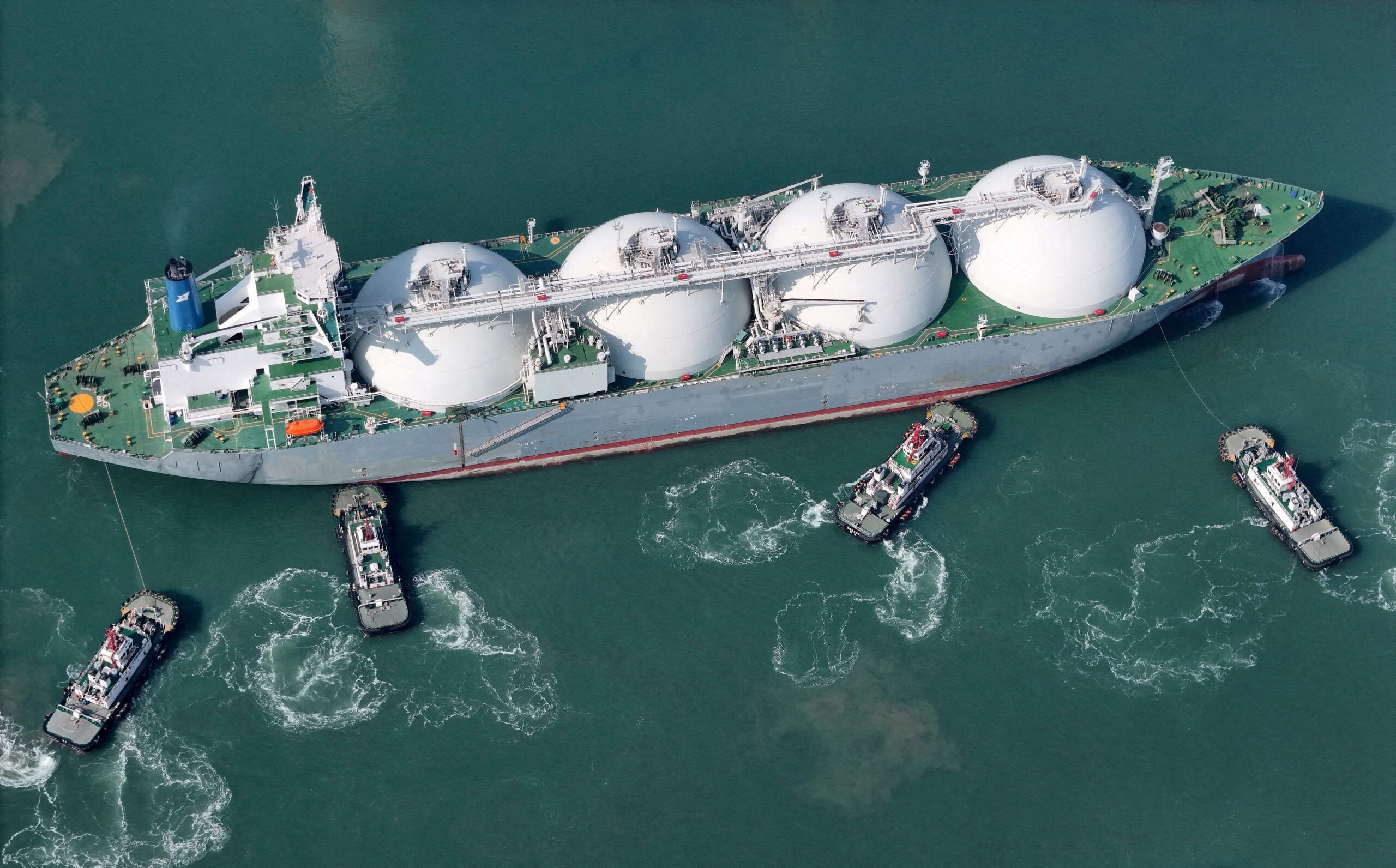
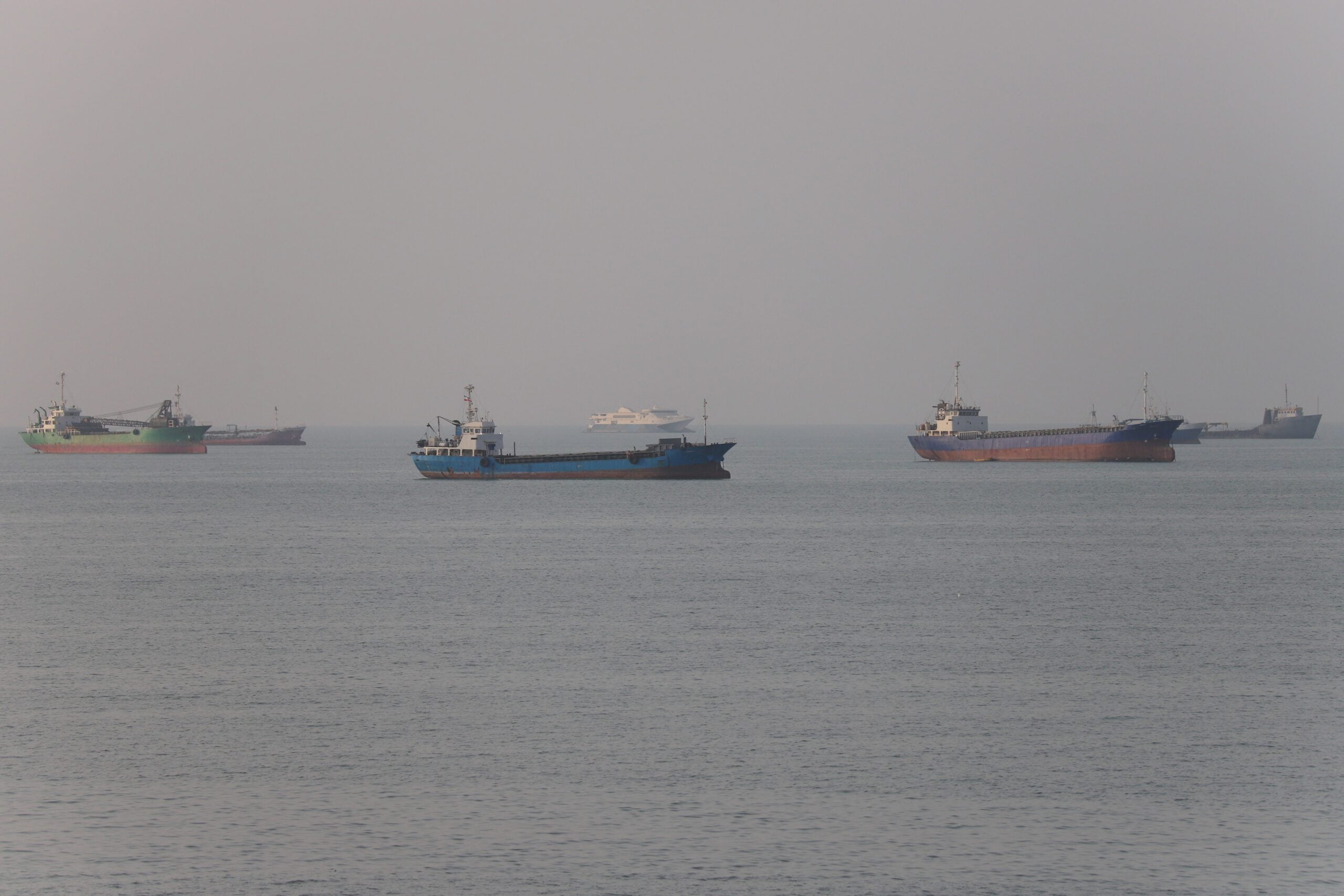
Maritime risk in the Strait of Hormuz remains elevated at a substantial threat level after reciprocal U.S., Iran strikes and attacks on shipping, with LNG transits paused and carriers restricting operations. U.S. and Iranian teams are bound for Doha but direct meetings are very unlikely, pointing to mediated, technical discussions rather than a political breakthrough. The Israel, Lebanon track remains unstable as Israeli forces operate in southern Lebanon alongside a planned Lebanese Army deployment.
Executive summary
Reporting indicates both Washington and Tehran are dispatching delegations to Doha this week, yet Iranian officials and Qatar’s Foreign Ministry say there will be no direct U.S., Iran meetings, suggesting any engagement will run via mediators and focus on implementing an existing memorandum. At sea, the Joint Maritime Information Center raised its threat level to substantial after attacks on a tanker and a container ship and U.S. strikes on Iranian sites bordering Hormuz, while an estimated mine threat and Tehran’s continued assertion of control sustain risk. Commercial flows are adjusting under constraint: crude and other commodities are transiting in limited numbers, but LNG movements have paused, some gas and crude carriers have reversed course, and major lines are restricting bookings, rerouting and imposing surcharges. On land, Israeli operations continued in Gaza and the West Bank on 30 June, and an Israeli convoy entered southern Lebanon amid contested reporting on the terms and external backing for an IDF presence there. Inside Iran, shootings targeting IRGC personnel in the west alongside a same‑day death of an IRGC commander point to domestic security strain, though casualty counts conflict. Conflicting statements over the release of 6 billion dollars in frozen Iranian funds keep the de‑escalation outlook uncertain.
Change from previous assessment
Since the prior brief, delegations from the United States and Iran have been confirmed for Doha while both Tehran and Qatar say no direct meetings will occur. At sea, the Joint Maritime Information Center raised the regional threat to substantial after new ship attacks and U.S. strikes, LNG carrier transits paused and some vessels reversed course, and carriers tightened restrictions and surcharges while using narrow corridors. On land, an Israeli convoy entered southern Lebanon as Lebanon signalled intent to deploy troops along the border, and Israeli operations continued in Gaza and Nablus. Conflicting statements emerged on the status and timing of a 6 billion dollar funds release. Confidence on the maritime threat has increased on corroboration, while confidence on the diplomatic track remains constrained by contradictions.
Key judgments
- Likely: U.S. and Iranian delegations will be in Doha this week, but direct U.S., Iran meetings are very unlikely, with engagement routed via Qatari mediation and staff‑level technical discussions on implementation rather than new terms. (Confidence: medium · ASSESSED)
- I&W: Qatar’s Foreign Ministry issues readouts describing indirect shuttle talks with separate U.S. and Iranian teams in Doha. (0-14 days)
- I&W: Official on‑the‑record announcement or imagery of a direct bilateral U.S., Iran meeting in Doha. (0-14 days)
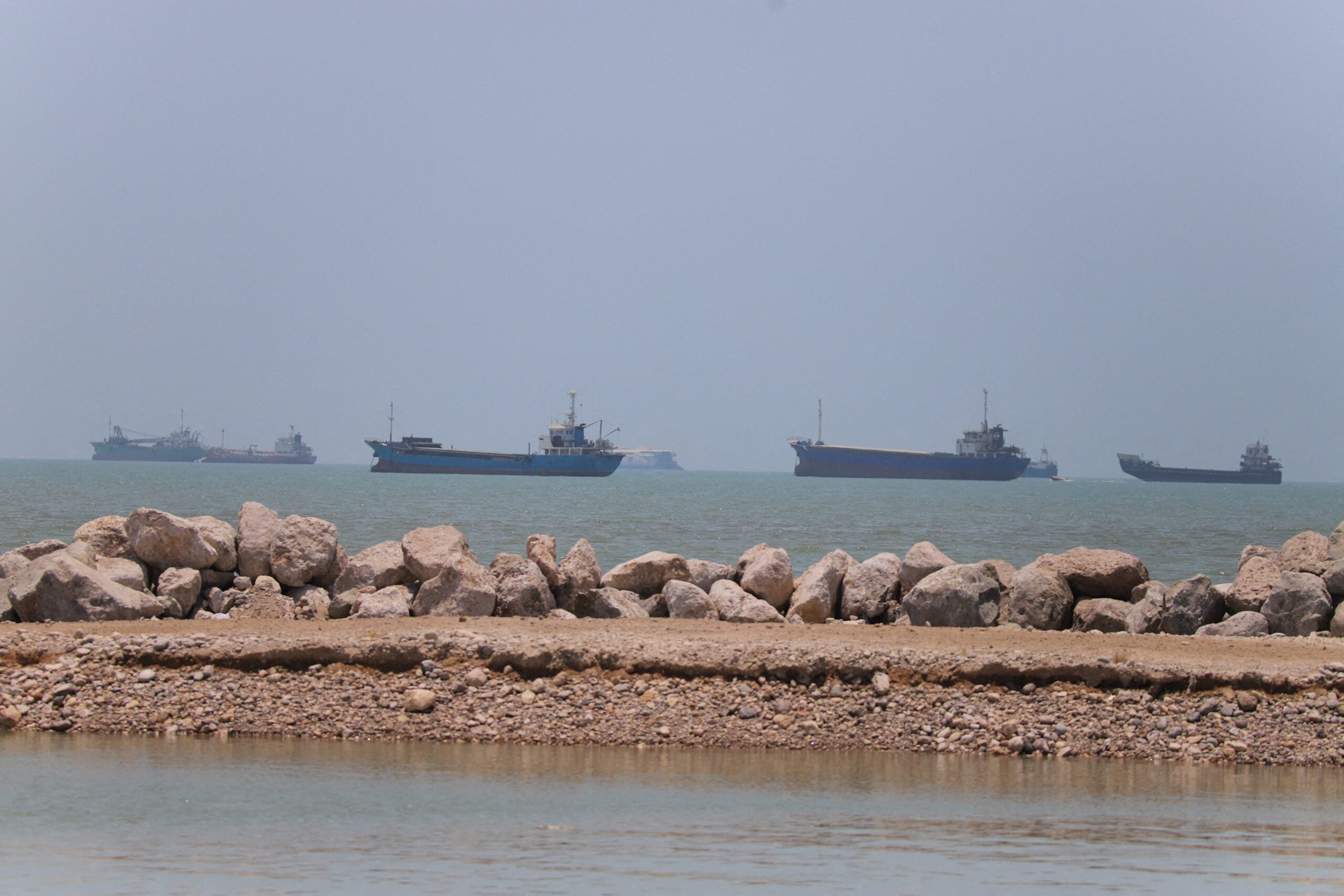
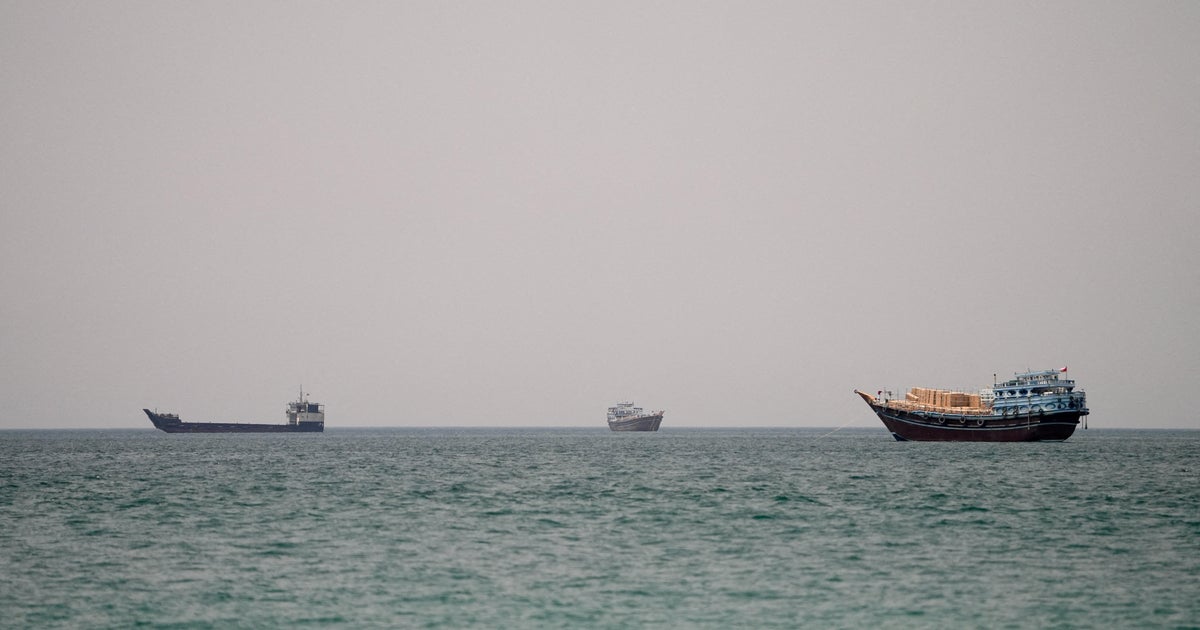
- Almost certainly: The maritime threat in the Strait of Hormuz remains substantial following ship attacks and reciprocal U.S., Iran strikes, with mine hazard and Iran’s asserted control very likely to sustain elevated risk in the near term. (Confidence: high · ASSESSED)
- I&W: JMIC maintains or raises the regional advisory at substantial or higher, and additional mine reports or navigation warnings are issued for Hormuz corridors. (0-14 days)
- I&W: Public downgrade of the JMIC threat below substantial and Iranian acceptance of a multinational demining role. (1-3 months)
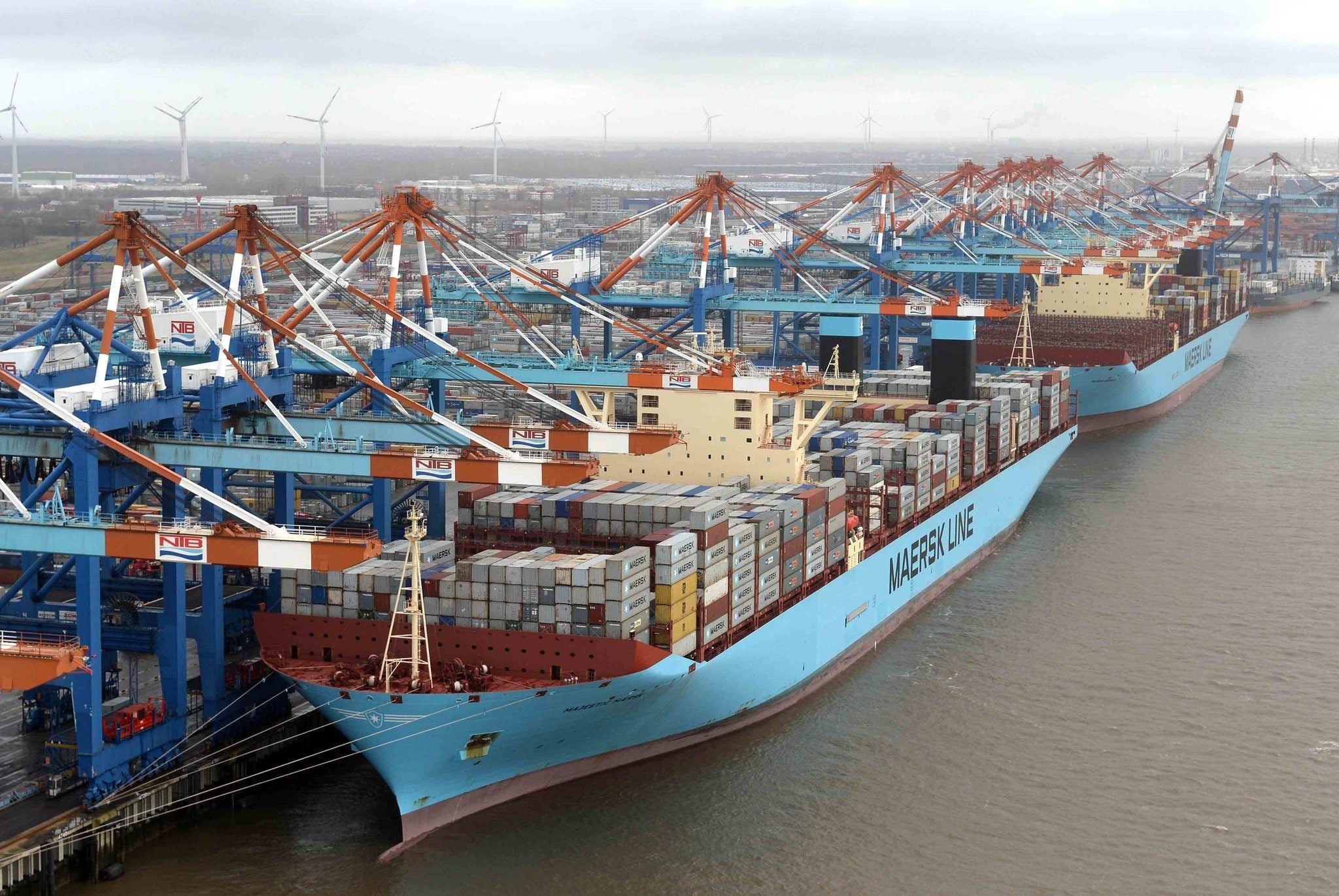
- Likely: Commercial flows are adapting under constraint, with crude and other commodities transiting while LNG carrier movements are paused, and major lines restricting bookings, rerouting and imposing surcharges. (Confidence: medium · ASSESSED)
- I&W: AIS shows no inbound or outbound LNG carrier transits via Hormuz and carriers keep Gulf booking restrictions and emergency surcharges in place. (0-14 days)
- I&W: Resumption of inbound and outbound LNG transits through Hormuz and public lifting of booking curbs by top carriers. (0-14 days)
- Likely: The Israel, Lebanon track will remain unstable, with Israeli forces operating in southern Lebanon alongside a planned Lebanese Army deployment, producing a contested security arrangement and ongoing friction. (Confidence: medium · ASSESSED)
- I&W: Further Israeli armoured movements or official statements reinforcing an IDF presence inside southern Lebanon. (0-14 days)
- I&W: Verified LAF deployment along the entire Blue Line with a formal mechanism announced for IDF withdrawal. (1-3 months)
- High: Israeli operations continued on 30 June, with eight killed and 26 wounded in Gaza and enforcement actions in the West Bank, including closure of an office in Nablus and a targeted killing of an Islamic Jihad member. (Confidence: high · REPORTED)
- I&W: Daily reports from Gaza authorities and Israeli outlets of new lethal air or ground strikes. (0-14 days)
- I&W: A full week without reported Israeli lethal strikes in Gaza. (0-14 days)
- High: Since 28 February 2026, ballistic missile attacks across Israel have killed 13 IDF soldiers and 23 civilians and injured at least 7,693 people. (Confidence: medium · REPORTED)
- I&W: Official or reputable media updates maintain or raise cumulative casualty totals from missile attacks. (1-3 months)
- I&W: Authoritative corrections reducing cumulative casualties reported since 28 February. (1-3 months)
- Roughly even chance: Reported shootings against IRGC personnel in western Iran and the same‑day death of an IRGC commander indicate internal security strain, but casualty numbers and timing are contested across outlets. (Confidence: low · ASSESSED)
- I&W: Additional state or major media reports of attacks on IRGC personnel in Kermanshah or adjacent western provinces. (0-14 days)
- I&W: A 30‑day lull in reported attacks paired with arrests announced for the cited incidents. (1-3 months)
- Roughly even chance: The planned release of 6 billion dollars in frozen Iranian funds proceeds within the memorandum’s implementation window, but conflicting Qatari and Iranian statements keep the timeline uncertain and will shape de‑escalation prospects. (Confidence: low · ASSESSED)
- I&W: Qatar publicly confirms transfer completion and Iranian authorities acknowledge receipt of funds. (1-3 months)
- I&W: Qatar or the U.S. states the transfer remains blocked beyond the memorandum’s 60‑day window. (1-3 months)
Outlook & scenarios
Indirect Doha process advances without direct U.S., Iran contact (45%)
U.S. envoys and an Iranian technical delegation engage in mediated, staff‑level discussions in Doha on implementing the memorandum, with no direct bilateral meeting. Limited confidence‑building steps follow, but headline disputes persist and maritime risk eases only marginally.
Maritime relapse with renewed attacks and retaliatory strikes (40%)
Another tanker or container ship is struck, prompting further U.S. strikes on Iranian maritime‑linked targets. The JMIC keeps the region at substantial threat, mine warnings proliferate, LNG movements remain paused, and carriers maintain restrictions and surcharges while using narrow corridors.
Contested stabilisation on the Israel, Lebanon front (35%)
Lebanon pushes to deploy the Lebanese Armed Forces along the southern border under a framework, but Israeli forces retain a presence in southern Lebanon. Cross‑border exchanges decline but do not cease, leaving a fragile and contested security arrangement.
Wildcard: Funds dispute derails talks and Iran enforces unilateral control of Hormuz (20%)
If the 6 billion dollars remain frozen, Tehran hardens its stance, insists on exclusive mine‑clearing and transit permissions, and signals or imposes service‑related fees with Oman. Mediated talks stall and maritime confrontation intensifies.
Recommendations
- Task collection against Qatar’s Foreign Ministry and mediator readouts in Doha to confirm the format of U.S., Iran engagement and any technical working group outputs.
- Maintain a live feed of JMIC advisories, NAVTEX notices and coastal state navigation warnings for Hormuz to detect any change in threat level or new mine reports.
- Stand up an AIS‑driven indicator board tracking LNG carrier transits into and out of the Gulf and flag a 48‑hour sustained resumption as a break signal on current risk.
- Catalogue carrier advisories across Maersk and peers on booking restrictions, contingency routings and emergency surcharges, and brief logistics stakeholders on likely duration.
- Monitor public statements on demining from France, Oman and Iran and collect imagery or official notices of any mine countermeasures deployments or exercises around Hormuz.
- Map and verify LAF deployments along the southern border through geolocated imagery and cross‑cue with reports of Israeli military movements inside southern Lebanon.
- Consolidate reporting on IRGC‑targeted shootings by province and date, reconcile casualty discrepancies, and watch for state media claims of cell roll‑ups as a break indicator.
- Track official statements from Qatar and Tehran on the status of the 6 billion dollar funds and set a countdown to the memorandum’s 60‑day implementation window to inform risk to the Doha track.
Confidence & uncertainty
Overall confidence is medium because several core elements are corroborated by multiple reliable sources, including the raised maritime threat level, recent ship attacks and reciprocal strikes, and the presence of U.S. and Iranian delegations in Doha. However, material uncertainties persist: officials issue conflicting statements on direct talks and on the timing of a 6 billion dollar funds release, shipping data reflect both dips and partial recoveries with LNG movements paused, and reporting on IRGC casualties in western Iran contains discrepancies. These contradictions constrain confidence below high.
Alternative analysis (red cell)
The reporting on Doha and maritime/commercial effects is internally inconsistent and leans on mixed‑quality sources; a plausible alternative is that delegations will attend Doha but the formality and modality of any US‑Iran contact remain indeterminate — public denials do not preclude deniable or mediated direct interactions. Similarly, shipping disruptions may be localized and driven by a subset of carriers' contingency measures rather than a uniform industry‑wide pause; therefore projections of modality and systemic commercial impact should be treated with lower confidence absent corroborating operational or transactional evidence.
Intelligence gaps
- [EEI 1.1 · UNCOVERED] Movement, dispersal, or emplacement of Iranian conventional or IRGC heavy assets (ballistic missile launchers, Khoramshahr/Toofan-class missile transporters, ground-to-ground TELs, air defense batteries, amphibious units) from garrison areas toward forward bases or coastal launch sites. Recommended collection: satellite/IMINT
- [EEI 1.2 · UNCOVERED] Authenticated Iranian military orders, NSC/IRGC operations directives, or senior leadership statements explicitly directing strikes against Israel or U.S. forces or authorizing cross-border operations. Recommended collection: human/diplomatic
- [EEI 1.3 · UNCOVERED] Changes in Israeli and U.S. force posture indicating anticipation of direct large-scale conflict—elevated readiness levels, mobilization notices, pre-positioning of munitions, or public/private orders to prepare offensive strikes. Recommended collection: open-source/diplomatic
- [EEI 2.1 · UNCOVERED] Observable pre-launch preparations for missile/rocket/cruise missile strikes (fueling, warhead mating, launcher orientation, support vehicle congregation) and abnormal munitions handling at known launch sites. Recommended collection: satellite/IMINT
- [EEI 2.2 · UNCOVERED] Indications of proxy arms shipments and weapons transfers (truck convoys, small boat transfers, container movements from Iran to proxies, new stockpiles in Lebanon, Iraq, Yemen, Syria). Recommended collection: maritime/AIS
- [EEI 2.3 · UNCOVERED] Evidence of cyber attack planning or active exploitation campaigns targeting Israeli or U.S. military/critical infrastructure (emergence of new command-and-control servers, spear-phishing campaigns against defense personnel, successful intrusions). Recommended collection: cyber
- [EEI 3.1 · UNCOVERED] Movements and posture changes of U.S. regional platforms (carrier strike groups, amphibious ready groups, B-52/B-1/B-2 or fighter deployments, missile defense assets repositioning) and associated armament loadouts. Recommended collection: satellite/IMINT
- [EEI 3.2 · UNCOVERED] Official or leaked U.S. government/diplomatic communications indicating thresholds for strikes, authorization for offensive operations, or limits on action (NSC/DoD statements, congressional notifications, diplomatic notes). Recommended collection: diplomatic/human
- [EEI 3.3 · UNCOVERED] Changes in U.S. base force-protection measures and rules of engagement at regional facilities (base lockdowns, evacuation notices, flight restrictions, activation of Local Defense Forces or missile intercept systems). Recommended collection: open-source/local reporting
- [EEI 4.1 · UNCOVERED] Hezbollah-specific indicators: convoys and logistics movements toward Lebanon–Israel border, artillery/rocket emplacement in southern Lebanon, documented strikes-preparation activity, public mobilization orders or recruitment drives. Recommended collection: satellite/IMINT
- [EEI 4.2 · UNCOVERED] Houthi-attributed maritime attack indicators: AIS anomalies/loss of contact for commercial vessels, reports of missile/drone strikes or near-miss incidents in Bab al-Mandeb/Red Sea, Houthi claims paired with imagery of weapons launches. Recommended collection: maritime/AIS
- [EEI 4.3 · UNCOVERED] Militia cross-border attack evidence from Iraq/Syria: recorded rocket/mortar launch events into Israel or strikes against U.S. facilities, movement of armed convoys toward border areas, and intercepted communications coordinating cross-border operations. Recommended collection: signals/ELINT
- [EEI 4.4 · UNCOVERED] Attacks or credible threats against energy infrastructure and shipping (damage to terminals, pipeline sabotage, oil tanker seizures, war-risk insurance premium spikes for regional routes). Recommended collection: financial/open-source
Cited sources
[1] Los Angeles Times · U.S. and Iran pause strikes but disagree over next steps in talks - Los Angeles Times (A) · sha256:70ede92bbbd9 [2] wwno.org · Trump says the U.S. and Iran will meet in Qatar after weekend attacks (A) · sha256:d4d85bd0885e [3] haaretz.com · U.S. and Iran negotiators head to Doha, as high-level talks remain uncertain (B) · sha256:1227d8866da9 [4] CNN · Live updates: US envoys arrive in Qatar for talks with mediators | CNN (A) · sha256:28bb7c3a0cda [5] gcaptain.com · Mediators Set Up De-escalation Channels Ahead of US-Iran Talks (A) · sha256:0398c34587b8 [6] haaretz.com · Israeli strikes in Gaza kill eight, wound 26 over past day, Gaza health ministry says (A) · sha256:a4b51bb37620 [7] CBS News · Iran calls Strait of Hormuz situation "sensitive and complex" as U.S. sends officials to Qatar for talks (A) · sha256:64949039609c [8] foxnews.com · Iran fights to keep grip on Hormuz as US, Gulf allies carve new shipping route (B) · sha256:a147c89ee7a4 [9] NBC News · U.S. and Iran negotiators head to Doha, but meeting uncertain (A) · sha256:29be5804dec4 [10] maritime-executive.com · Shipping Through Hormuz Holds Steady, But Little Clarity on Peace Talks (B) · sha256:c4043294a9b5 [11] gcaptain.com · Hormuz Oil Transits Continue Though Attacks Make Owners Wary (B) · sha256:5a200fb1472e [12] gcaptain.com · Hormuz Traffic Climbs as Supertankers Sail Into Persian Gulf (B) · sha256:3f7546f66b35 [13] gcaptain.com · Pakistan Urgently Seeks LNG as Hormuz Flare-Up Chokes Supply (B) · sha256:70166fadbc71 [14] gcaptain.com · Middle East Producers Push on With Oil and LNG Loadings Despite Ship Attacks (A) · sha256:d9e087bffb86 [15] gcaptain.com · Maersk Raises 2026 Earnings Outlook as Container Market Strength Continues (C) · sha256:210932671fd3 [16] The Jerusalem Post · Live Updates: Latest from Israel, Iran, and Middle East | The Jerusalem Post (A) · sha256:8774e4c30c66 [17] nypost.com · Israeli defense chief blames Trump for halting all-out Hezbollah push in Lebanon (B) · sha256:b416bfad2131
Source content hashes were computed at collection time; the cited text is preserved unmodified for the life of this product.
Red cell review: PARTIAL DISSENT — KJ-6 downgraded HIGH→MEDIUM (kj_thin)
TLP:CLEAR