TLP:CLEAR, Disclosure is not limited.
Iran, Israel Crisis: Missile Exchange, Fragile Pause, and Regional Spillover (5-12 Jun 2026)
Time window: Last 7 days · Audience: General analyst · Type: Situation report · DTG: 2026-06-12 06:16Z · Overall confidence: MEDIUM
BLUF
After Iran launched nearly 30 ballistic missiles at Israel and Israel struck targets inside Iran on 7-8 June, both sides signaled a pause, yet renewed violence on the Israel, Lebanon front and competing claims over the Strait of Hormuz show the de-escalation is fragile and regional risks remain high. Oil prices are rising and Iran-aligned actors, including the Houthis, are engaging Israel, keeping multi-front pressure alive.
Executive summary
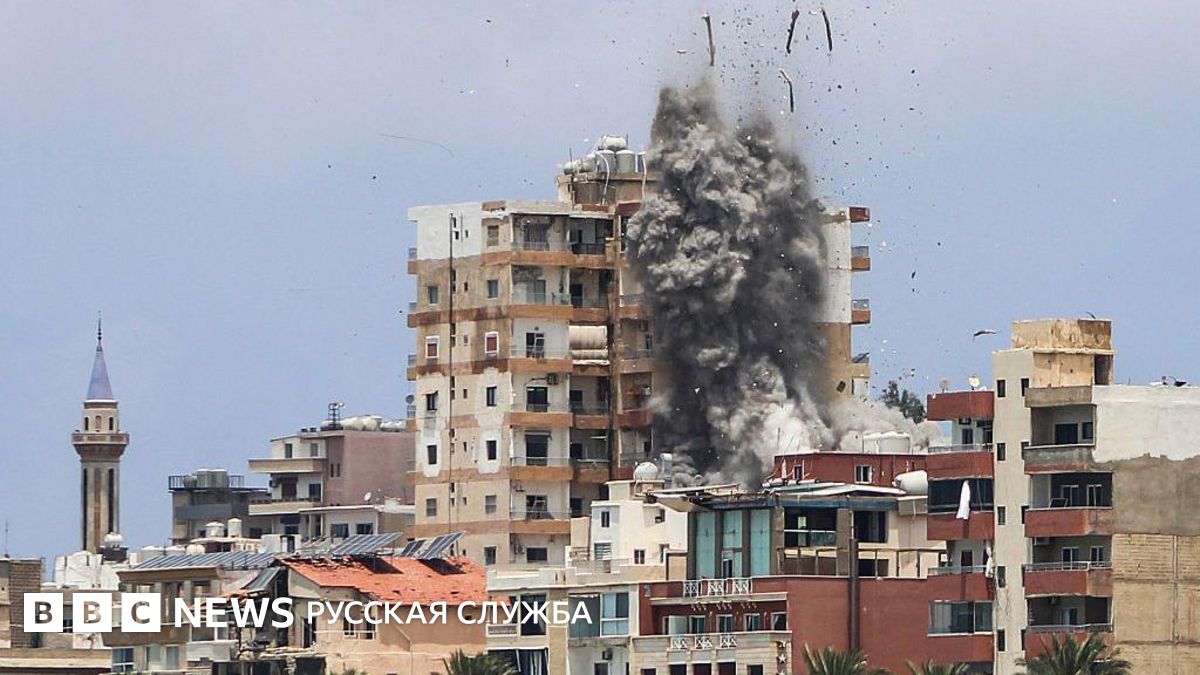
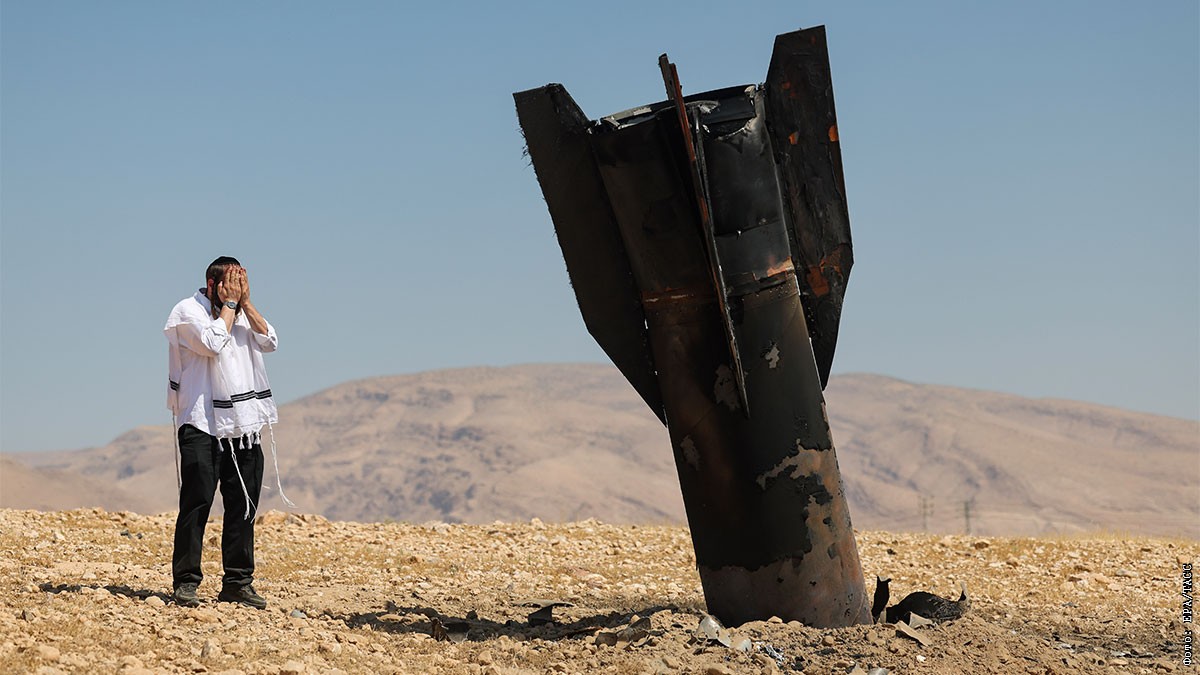
Reporting indicates Iran launched nearly 30 ballistic missiles at Israel on 7-8 June; the Israeli military said it shot down the incoming fire and then struck military targets inside Iran, including air defenses and a petrochemical complex in Mahshahr. Israeli authorities closed schools as a precaution, and Iranian media reported airport shutdowns. On 8 June, Israel and Iran publicly pledged to stop attacking; Prime Minister Benjamin Netanyahu said Israel’s fire is “on hold,” and Iran’s military said it was halting further attacks. However, Iran tied any further action to developments in Lebanon, where Hezbollah fired rockets at an Israeli military camp on 9 June and Israel struck southern Lebanon, with at least 13 killed and evacuation orders for residents of Tyre. The Iran‑backed Houthis also fired missiles at Israel on 8 June, triggering sirens around Tel Aviv. In parallel, an Iran‑linked body declared the Strait of Hormuz closed while U.S. Central Command reaffirmed it remains open; the UK condemned Iran’s attempts to hold the global economy to ransom and urged reopening, and industry reporting described operators caught between competing claims. Oil prices have risen sharply amid the escalation. Iran publicly accused the United States of coordinating attacks with Israel.
Key judgments
- Israel and Iran almost certainly exchanged direct fire on 7-8 June: Iran launched nearly 30 ballistic missiles at Israel, the Israeli military reported shooting down the incoming fire, and the Israel Defense Forces then struck military targets inside Iran, including air‑defense sites and a petrochemical complex at Mahshahr. (Confidence: high · REPORTED)
- I&W: Official Israeli or Iranian release of before/after imagery or detailed battle damage assessments for Mahshahr or air‑defense sites targeted on 8 June. (0-14 days)
- I&W: Authoritative retraction or contradiction by the Israeli military or major media on intercepts or strikes reported for 7-8 June. (0-14 days)
- A mutual pause is likely but fragile: on 8 June Israel and Iran publicly pledged to halt attacks, with Netanyahu stating Israel’s fire is “on hold” and Iran’s military saying it was halting further attacks; Tehran also tied future action to Lebanon, and cross‑border fire and Israeli strikes in southern Lebanon resumed on 9 June. (Confidence: medium · ASSESSED)
- I&W: Sustained Hezbollah rocket or missile salvos into Israel or repeated Israeli air tasking orders for strikes in southern Lebanon. (0-14 days)
- I&W: Two consecutive weeks without cross‑border rocket fire from Lebanon and without Israeli airstrikes in southern Lebanon. (0-14 days)
- Southern Lebanon is very likely to remain the near‑term flashpoint: Hezbollah rocket fire and Israeli airstrikes continued on 9 June, Israel ordered Tyre residents to evacuate, at least 13 people were killed that day, and Lebanon’s Health Ministry reports 3,600 deaths since 2 March. (Confidence: high · ASSESSED)
- I&W: Additional Israeli evacuation orders or strike notifications for Tyre and adjacent localities in southern Lebanon. (0-14 days)
- I&W: Public announcements by Israel and Hezbollah of an enforceable ceasefire specific to the Lebanon front. (1-3 months)
- Iran‑aligned Houthi participation almost certainly sustains multi‑front pressure on Israel; the Houthis fired missiles at Israel on 8 June, prompting sirens around Tel Aviv, and similar harassment is likely to persist. (Confidence: high · ASSESSED)
- I&W: Israeli announcements of new intercepts of projectiles launched from Yemen or renewed air‑raid sirens in the Tel Aviv area linked to Houthi fire. (0-14 days)
- I&W: Official Houthi statements pausing or ending attacks on Israel. (1-3 months)
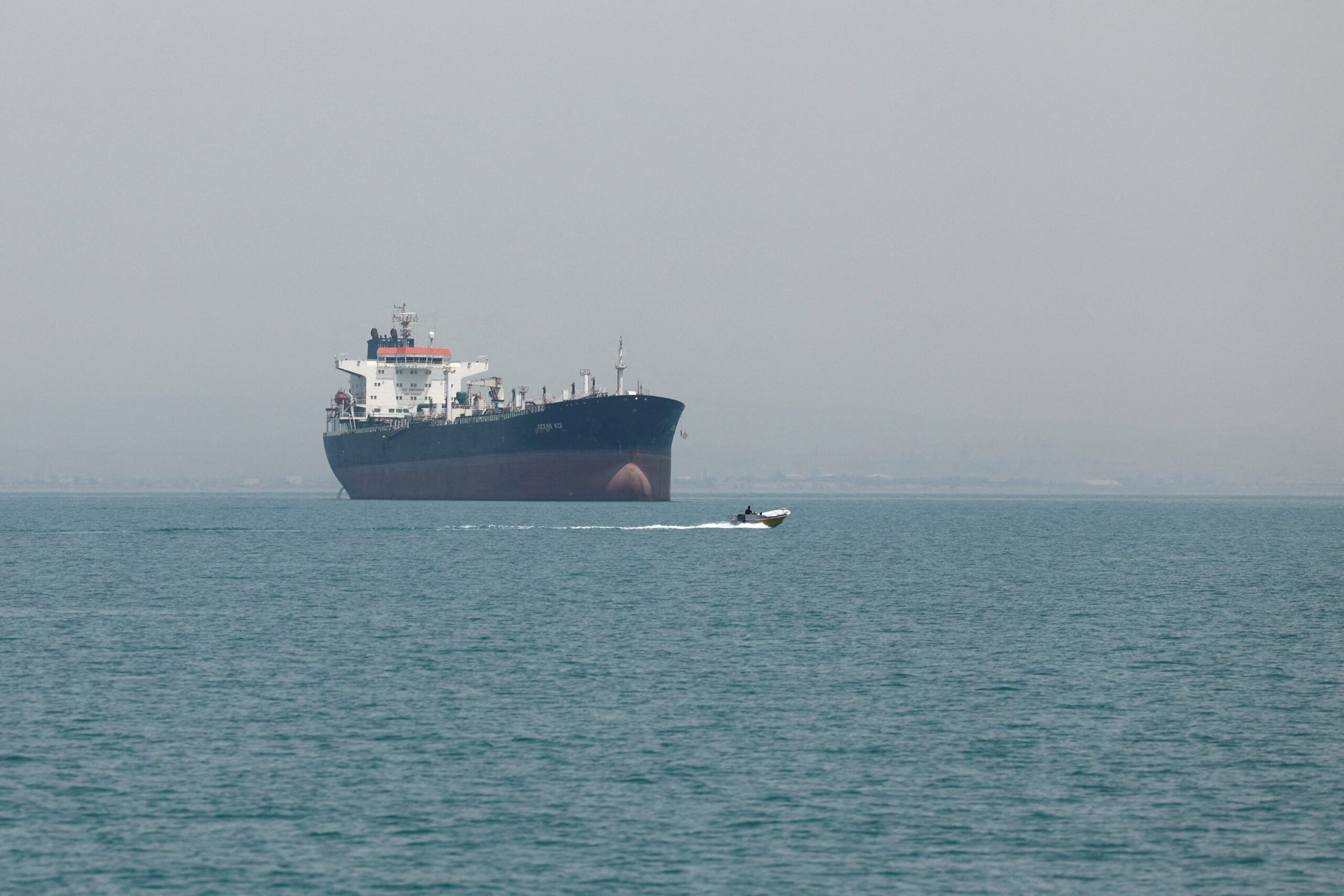
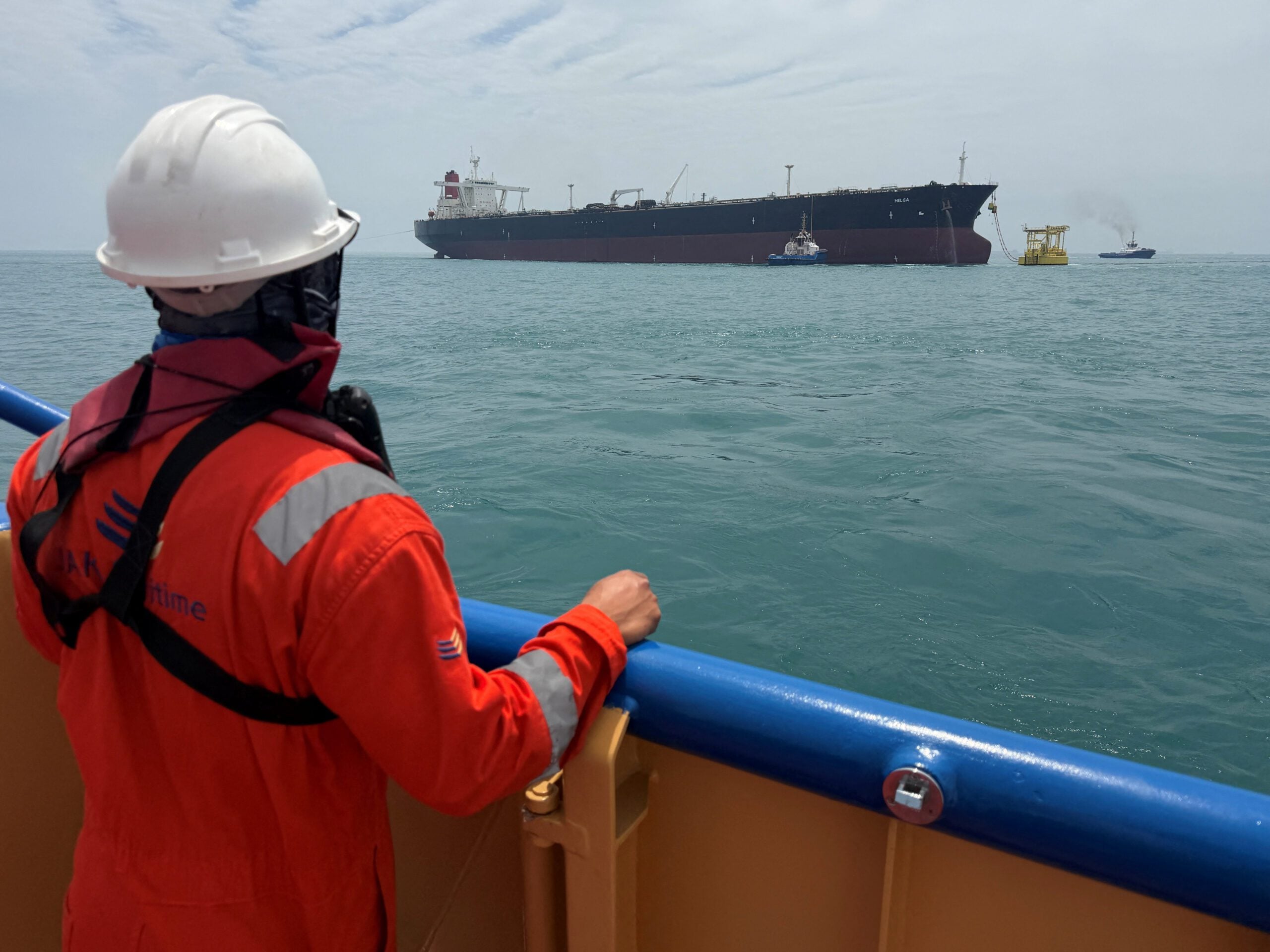
- The status of the Strait of Hormuz is contested and commercial operators face a roughly even chance of renewed disruption in the near term: an Iran‑linked body declared the strait closed and the UK condemned and urged reopening, while U.S. Central Command reaffirmed it remains open; industry reporting describes operators caught between competing claims in a ‘CRITICAL’ risk environment. (Confidence: medium · ASSESSED)
- I&W: Additional public directives from the PGSA or Iranian military warning vessels or altering transit permit procedures. (0-14 days)
- I&W: Publicized multi‑day merchant convoys through Hormuz without reported interference and alignment of official maritime guidance across governments. (0-14 days)
- Threats to U.S. and partner interests in the United Arab Emirates are very likely elevated: U.S. advisories warn of terrorist violence and an ongoing Iranian drone/missile threat with stated intent to target U.S.‑linked sites in the UAE, and the FAA has issued caution for Middle East air operations. (Confidence: high · ASSESSED)
- I&W: Public reporting of missile/drone intercepts or civil‑defense alerts over UAE territory linked to Iran or its proxies. (0-14 days)
- I&W: U.S. adjustments to travel or aviation advisories for the UAE indicating lowered risk. (1-3 months)
Outlook & scenarios
Uneasy pause holds; proxy violence stays limited, 40%
Israel and Iran honor their 8 June pledges and avoid renewed direct strikes while maintaining readiness. Limited, lower‑intensity incidents persist, but no large salvoes occur. This is consistent with Netanyahu’s “on hold” stance and Iran’s announcement of halting further attacks.
Lebanon flashpoint reignites Israel, Iran confrontation, 35%
Escalation along the Israel, Lebanon border, marked by Hezbollah rocket fire, Israeli airstrikes, and new evacuation orders, triggers Iran to abandon its pause, citing the situation in Lebanon, and leads to renewed Iran, Israel strikes despite prior pledges.
Maritime showdown intensifies around the Strait of Hormuz, 30%
Competing directives from Iran‑linked authorities and U.S. Central Command persist, leading to routing uncertainty, higher insurance costs, and episodic delays for tankers. The UK continues pressing for reopening as operators navigate a ‘CRITICAL’ risk environment.
Iran‑aligned strike attempt on UAE or U.S. assets in the Gulf, 25%
Iran or aligned groups test the pause with an attempted attack against U.S.‑linked locations in the UAE amid an already elevated threat environment and FAA caution, prompting heightened regional air and missile defenses and renewed diplomatic pressure.
Recommendations
- Maintain continuous monitoring of the Israel, Lebanon front: track Hezbollah rocket claims, Israeli evacuation orders for Tyre and nearby areas, and casualty reporting from Lebanese authorities to assess whether the fragile pause is eroding.
- Task analytic collection on Israeli strikes in Iran (including Mahshahr and reported air‑defense targets) and fuse with thermal anomaly data as appropriate, noting that NASA thermal detections record heat but not cause.
- Establish a focused maritime watch on the Strait of Hormuz: collate and compare PGSA announcements, CENTCOM statements, and industry advisories to brief stakeholders on transit feasibility and routing risk.
- Update threat assessments for U.S. personnel and partners in the UAE in line with State Department and FAA advisories; verify contingency plans for rapid posture adjustments if intercepts or civil‑defense alerts occur.
- Track and assess Houthi long‑range activity toward Israel, including claimed launches and Israeli intercept reports, to evaluate multi‑front pressures and potential spillover to maritime targets.
- Integrate energy market monitoring into the daily readout: correlate oil price movements with reported escalations and maritime constraints to inform downstream economic risk assessments.
Confidence & uncertainty
Overall confidence is medium. The exchange of fire, intercept reports, and subsequent Israeli strikes inside Iran are corroborated by multiple high‑reliability outlets and official statements, supporting high confidence in those events. Public pledges to pause, paired with Iran’s and Israel’s on‑the‑record statements, are well sourced, but the durability of the pause is uncertain given active hostilities in southern Lebanon. Maritime reporting on the Strait of Hormuz is conflicting, with credible sources asserting both closure attempts and continued transit, reducing confidence in the precise operating picture. Key uncertainties include battle damage inside Iran, the trajectory of the Lebanon front, and the extent to which Hormuz transit remains practically available to commercial shippers.
Alternative analysis (red cell)
The claim corpus documents active messaging and kinetic incidents across multiple fronts, but several central judgments rely heavily on a single reporting cluster (kj_single_origin errors for KJ-0 and KJ-3) and contain timing or casualty inconsistencies. A more cautious analytic posture is defensible: significant exchanges and harassment likely occurred, but precise missile counts, attributions for strikes inside Iran, the durability of any pause, and the probability of Strait of Hormuz disruption are insufficiently corroborated by independent sources. Additional ISR, allied radar/track data, and reconciled on‑the‑ground reporting are required before raising confidence in the stronger formulations.
Cited sources
[1] kunc.org, After trading missile fire, Israel and Iran pull back, for now (A) · sha256:96bb688cbf6d [2] NPR, After trading missile fire, Israel and Iran pull back, for now (A) · sha256:c2ca5a6f43c4 [3] NPR, After trading missile fire, Israel and Iran pull back, for now (A) · sha256:1bfab00bff75 [4] NPR, After trading missile fire, Israel and Iran pull back, for now (A) · sha256:408f4f905a43 [5] South Carolina Public Radio, After trading missile fire, Israel and Iran pull back, for now (A) · sha256:55236f41561b [6] interlochenpublicradio.org, After trading missile fire, Israel and Iran pull back, for now (A) · sha256:f682f6fbf910 [7] BBC News Русская служба, Израиль снова ударил по югу Ливана, проигнорировав угрозы Ирана - BBC News Русская служба (A) · sha256:bef0d6b90f08 [8] interfax.ru, Иранское командование объявило о приостановке ударов по Израилю (B) · sha256:1594669bf263 [9] UK Government, Devastation and suffering in the Middle East must act as a powerful reminder of the very purpose of the Security Council and spur us into action: UK statement at the UN Security Council (A) · sha256:5f2cd3f8a878 [10] gcaptain.com, U.S. Military Says Hormuz Open After Iran Declares Strait Closed (B) · sha256:f675e53db593 [11] gcaptain.com, Trump Administration Vows to Offset Hormuz Tolls With Seized Iranian Funds (B) · sha256:2b3af7e225bb [12] U.S. Department of State, United Arab Emirates Travel Advisory (A) · sha256:7a0c71f2991b
Source content hashes were computed at collection time; the cited text is preserved unmodified for the life of this product.
Red cell review: PARTIAL DISSENT
TLP:CLEAR