TLP:CLEAR · Disclosure is not limited.
Iran, Israel Crisis: US, Iran Escalation, Hormuz Disruption, Israel Likely to Stand Back
Time window: Last 1 day · Audience: General analyst · Type: Situation report · DTG: 2026-07-17 08:12Z · Overall confidence: MEDIUM
BLUF
US, Iran combat has intensified around Hormuz, with US strikes in southern Iran and boardings to enforce a renewed blockade, while Iran has fired missiles at sites in Bahrain, Jordan and Kuwait. Israel is likely to remain a non-shooter for now, but a Houthi move to squeeze Bab el-Mandeb is likely if Washington targets Iranian energy infrastructure, risking broader energy disruption.
Executive summary
US forces have intensified strikes on Iran, including around Tehran and in Hormozgan, while enforcing a maritime blockade with boardings in the Gulf of Oman. Iran has retaliated with missiles and drones towards Bahrain, Jordan and Kuwait, and is signalling readiness to escalate. Maritime risk through the Strait of Hormuz is acute, with reduced oil flows, orders withdrawing Indian seafarers and US naval assistance to merchant traffic. Israeli officials assess Tehran is avoiding direct fire on Israel and Washington does not want Israel directly in the current round, although escalation pathways remain if the US campaign expands to energy infrastructure. UN calls for de-escalation continue as Iranian diplomacy moves through Doha. Casualty figures are contested and should be treated cautiously.
Change from previous assessment
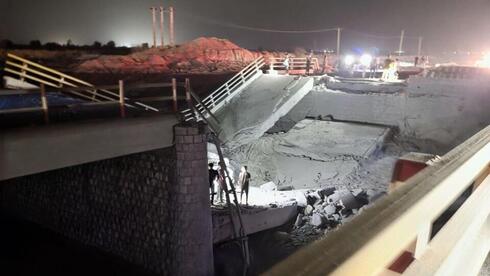
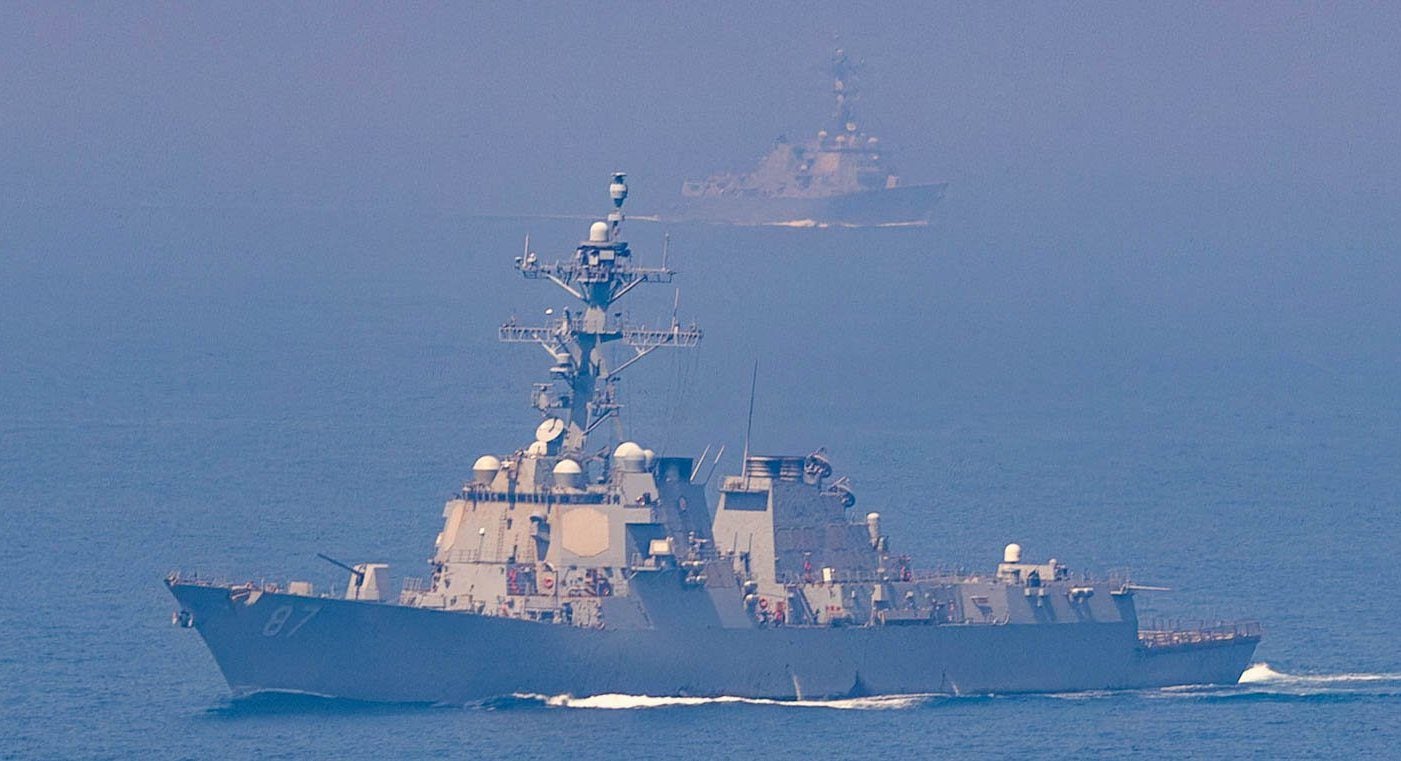
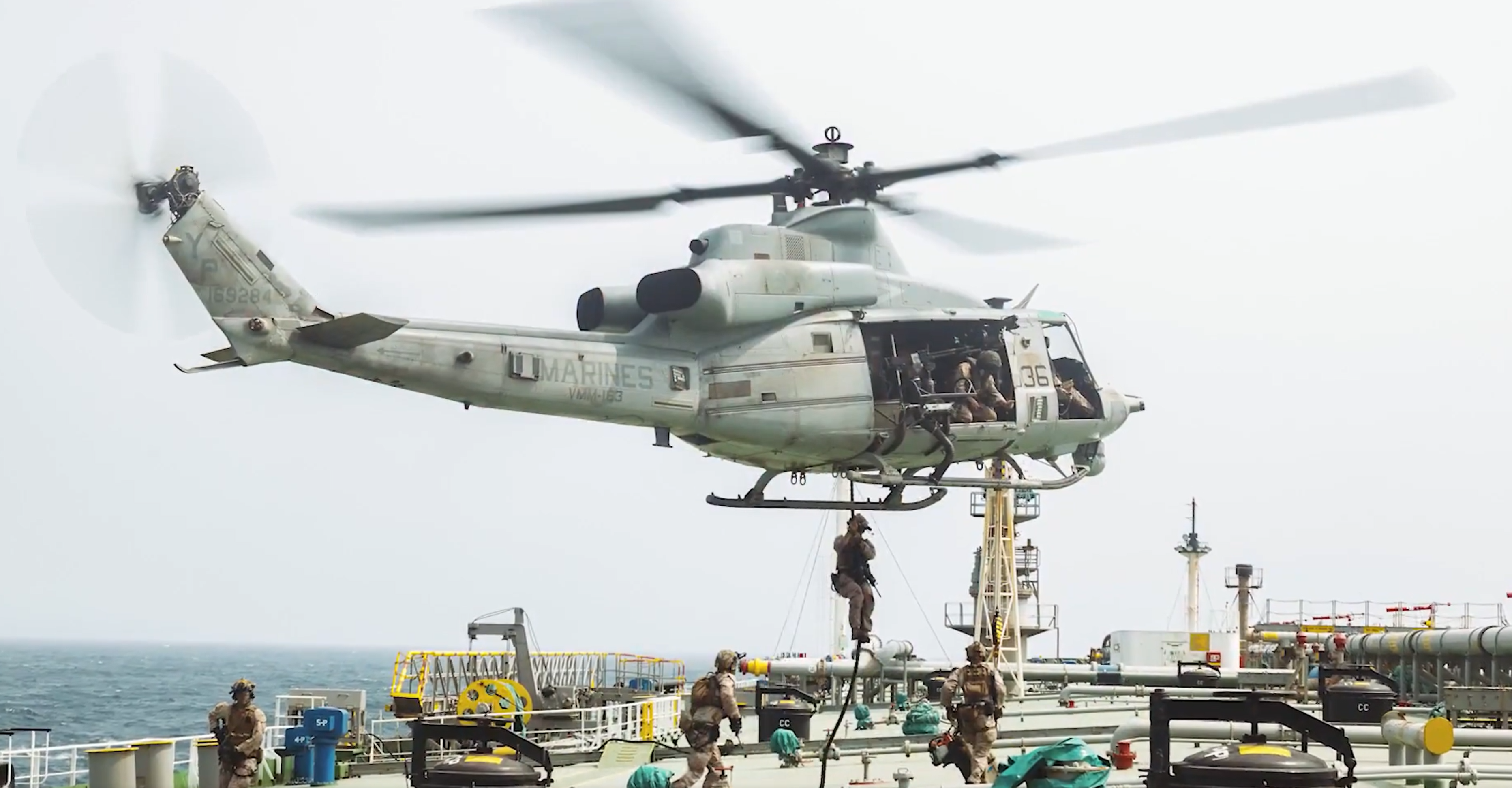
Since the prior brief, reporting confirms additional US strikes in southern Iran, including a communications tower in Bandar Abbas and Iranshahr Airport, and the first combat use of US sea drones against Bandar Abbas Naval Base. US Marines boarded M/T Wen Yao as part of blockade enforcement. Jordan reported intercepting eight missiles amid Iranian retaliatory launches at Bahrain, Jordan and Kuwait. Maritime risk has worsened: India ordered shipowners not to deploy seafarers through Hormuz, more than 15,000 Indian seafarers are stranded west of the strait, and oil flows have fallen with prices around 85 dollars a barrel. Diplomatically, Iran’s foreign minister visited Doha and the UN chief called for immediate de‑escalation. Based on new reporting of Iranian, Houthi coordination and Houthi readiness, the assessed likelihood of a Bab el‑Mandeb interdiction attempt has been raised from a roughly even chance to likely if US strikes expand to Iranian energy infrastructure. Casualty tallies remain contested, so confidence in precise figures stays low. Initial assessment of this topic.
Key judgments
- US forces have very likely sustained and expanded a strike-and-blockade campaign against Iran since 14-16 July, hitting areas around Tehran and southern Iran, employing sea drones at Bandar Abbas Naval Base, and boarding M/T Wen Yao in the Gulf of Oman to enforce a renewed port blockade. (Confidence: high · REPORTED)
- I&W: Confirm: Additional US strikes on Iranian energy or transport nodes, or further CENTCOM-confirmed boardings, within the next reporting cycle. (0-14 days)
- I&W: Break: Publicly announced halt to US strikes and maritime boardings, with no such actions reported for seven consecutive days. (0-14 days)
- Iran has very likely retaliated with missiles and drones against sites in Bahrain, Jordan and Kuwait that host US forces, and is signalling willingness to escalate if Washington widens its campaign. (Confidence: high · REPORTED)
- I&W: Confirm: Further Iranian missile or drone launches at US-linked facilities in Jordan, Bahrain or Kuwait, acknowledged by local governments. (0-14 days)
- I&W: Break: Parallel de-escalatory statements from Tehran and affected capitals, with no intercept or launch reports over a two-week period. (0-14 days)
- A direct Iran, Israel exchange is likely to remain limited in the near term, with Israeli officials judging Tehran is avoiding strikes on Israel and Washington discouraging Israeli entry into the current round. (Confidence: medium · ASSESSED)
- I&W: Confirm: No Iranian missile or drone launches detected into Israeli airspace and no overt Israeli strikes on Iranian territory. (0-14 days)
- I&W: Break: Public claims by Tehran or Jerusalem of direct cross-border strikes between Iran and Israel. (0-14 days)
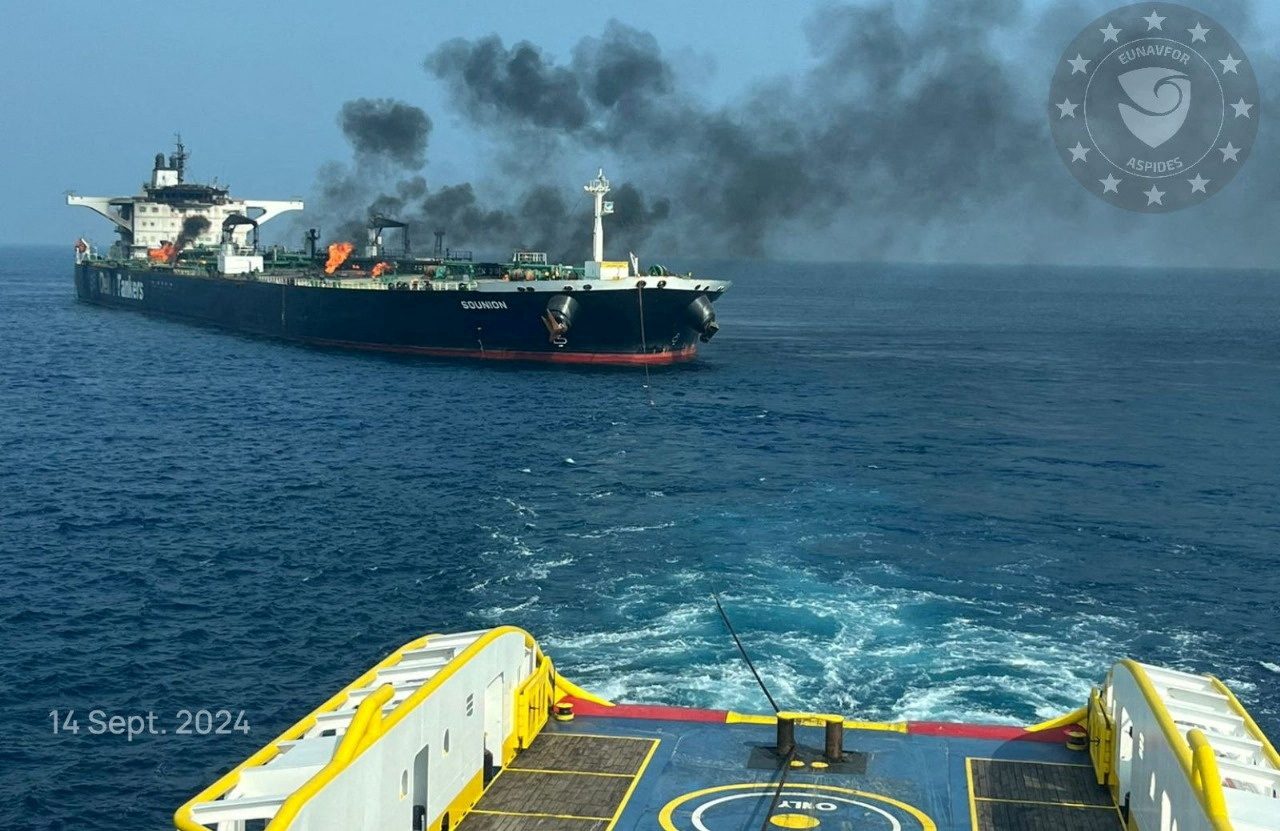
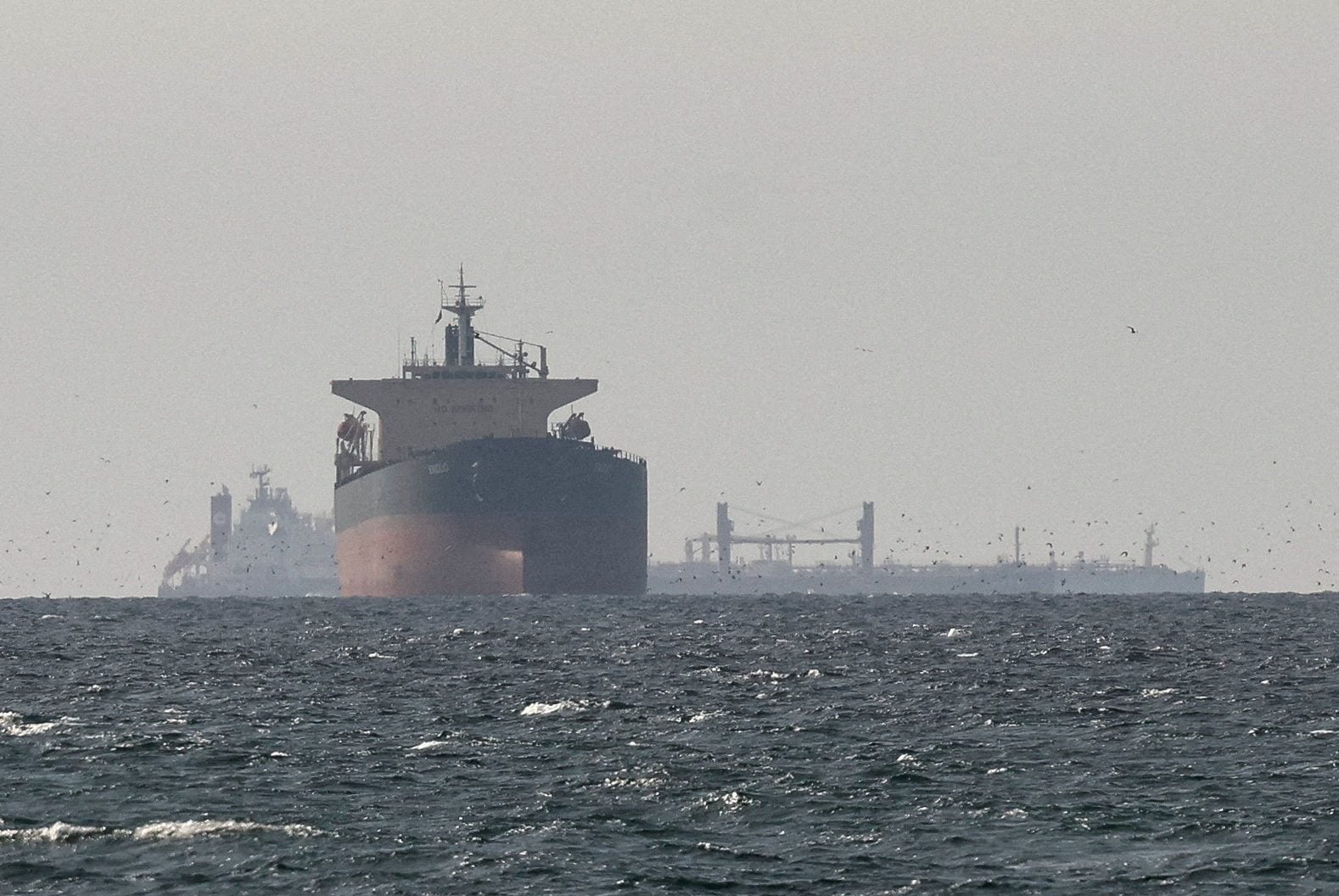
- Maritime risk in and around the Strait of Hormuz is almost certainly acute, with throughput reduced and thousands of Indian seafarers withdrawn or stranded, while US forces assist merchant transits and conduct boardings. (Confidence: high · REPORTED)
- I&W: Confirm: Continued bans on Indian seafarer deployments and AIS/Kpler datasets showing flows closer to 3.9-4.0 million bpd. (0-14 days)
- I&W: Break: Lifting of Indian restrictions and crude flows recovering toward about 4.6 million bpd. (0-14 days)
- A Houthi attempt to interdict Bab el‑Mandeb and the Red Sea oil route is likely if US strikes extend to Iranian energy infrastructure, creating a pathway to broader energy disruption. (Confidence: medium · ASSESSED)
- I&W: Confirm: Houthi public claims and geolocated deployments or launches of anti‑ship missiles or drones from positions near Bab el‑Mandeb. (0-14 days)
- I&W: Break: Omani or Saudi‑brokered statements from Houthi leadership committing to refrain from Red Sea interdiction, followed by 30 days without attacks. (1-3 months)
- Reported casualty tolls in Iran and Israel are inconsistent and contested, so precise figures are assessed with low confidence even as the humanitarian burden rises. (Confidence: low · ASSESSED)
- I&W: Confirm: Consolidated casualty bulletins from Iranian and Israeli authorities or independent monitors aligning with geolocated strike assessments. (0-14 days)
- I&W: Break: Continued wide discrepancies across official and media tallies without reconciliation. (0-14 days)
Outlook & scenarios
Managed US, Iran confrontation, Israel remains a non‑shooter (60%)
US strikes and maritime enforcement persist around Hormuz while Iran focuses retaliation on US‑linked sites in Jordan, Bahrain and Kuwait. Israeli officials’ assessment that Tehran is avoiding a direct front proves correct and Washington continues to discourage Israeli entry. Shipping risk and higher oil prices persist, but the conflict remains geographically bounded to the Gulf theatre.
Energy escalation and Red Sea interdiction attempt (35%)
If US targeting extends to Iranian energy or power infrastructure, Tehran encourages the Houthis to attempt a Bab el‑Mandeb choke point closure using anti‑ship missiles and drones. Major carriers re‑route via the Cape of Good Hope and oil flows tighten further. Gulf allies brace for additional Iranian missile activity and issue basing warnings.
Doha de‑escalation window (25%)
Iranian diplomatic engagement in Doha, combined with UN pressure for restraint, yields a tacit pause in long‑range strikes and a relaxation of maritime boardings. Hormuz traffic begins a gradual recovery, though risk premia remain elevated and ceasefire‑like understandings are fragile.
Shock: direct Iran, Israel exchange (15%)
A misfire or misinterpretation of intent prompts Iranian direct fire into Israel or an Israeli pre‑emptive strike on Iranian territory. Regional missile defence networks surge, and Gulf partners weigh tighter cooperation with the US. Energy markets spike sharply and contingency re‑routing becomes widespread.
Recommendations
- Maintain a daily geospatial log of US strike locations in Iran, including Bandar Abbas and Sistan‑Baluchestan, with multi‑source corroboration and before‑after imagery.
- Task maritime monitoring for AIS density, reported boardings and insurer advisories across Hormuz and the Gulf of Oman, and benchmark flows against the reported 3.9-4.6 million bpd range.
- Establish a Red Sea watch for Houthi missile and drone deployments near Bab el‑Mandeb, using satellite cues, NOTAMs and open claims, and pre‑position escalation matrices for interdiction attempts.
- Track Jordanian and Gulf air defence reporting to refine estimates of Iranian missile and drone activity, including intercept counts and launch corridors.
- Audit casualty reporting lines for Iran and Israel; flag variances in official and media tallies and prioritise geolocated strike assessments over aggregate figures.
- Monitor Israeli and US official statements for evidence of Israel’s operational posture, and watch for indicators of a policy shift that would draw Israel directly into the current round.
- Engage the energy desk to stress‑test supply and price scenarios under persistent Hormuz disruption and a potential Bab el‑Mandeb interdiction.
- Follow Iranian diplomatic travel and messaging around Doha for signs of de‑escalation, and map any reciprocal gestures on maritime enforcement.
Confidence & uncertainty
Overall confidence is medium. Multiple high‑reliability sources and official statements corroborate sustained US strikes, maritime boardings and Iranian retaliation in the Gulf. Shipping disruption and oil flow reductions are supported by trade data and official directives. However, casualty figures are inconsistent across Iranian outlets and international reporting, some Red Sea spillover indicators rely on medium or lower‑confidence sourcing, and elements of the timeline contain date discrepancies. These gaps temper confidence in the precise scope and trajectory of escalation.
Alternative analysis (red cell)
The evidence for Israeli‑Iran restraint is primarily declarative and originates from the same official perspective; alternate readings—that Iran is temporarily prioritizing other theaters or preserving escalation options—are plausible. Likewise, Houthi threats toward Bab el‑Mandeb currently rest on warnings and preparatory reporting rather than clear operational steps, so forecasting an imminent closure is not the only defensible estimate given available sourcing.
Intelligence gaps
- [EEI 1.1 · PARTIAL] Observed repositioning, sustained increases, or new forward basing of Iranian conventional or IRGC forces (armored units, missile batteries, aircraft, naval vessels) toward borders or regional launch points. Recommended collection: IMINT/satellite
- [EEI 1.3 · PARTIAL] Detection of increased missile/rocket/torpedo launch events attributable to Iran, Israel, or proxies (launch signatures, trajectories, impact points) indicating a sustained campaign rather than isolated strikes. Recommended collection: SIGINT/IMINT/air-defense radar
- [EEI 1.4 · PARTIAL] Interdicted or observed shipments (air, sea, land manifests, seizures, satellite imagery of transfers) of advanced weapons or missile components from Iran toward proxy groups or forward staging points. Recommended collection: maritime/AIS
- [EEI 2.4 · PARTIAL] Rapid increases in war-risk insurance premiums for Middle East routes, shipping company advisories to avoid region, or major charter cancellations tied to the conflict. Recommended collection: financial/open-source
- [EEI 3.1 · PARTIAL] Movement/arrival of major foreign military assets into the region: U.S. carrier strike groups, amphibious ready groups, strategic bomber flights, Russian/Chinese naval taskings, or allied expeditionary units (visible in AIS, NOTAMs, satellite imagery, official releases). Recommended collection: IMINT/satellite
- [EEI 3.2 · UNCOVERED] Official expedited arms transfers, basing/overflight agreements, or declarations of operational support (formal government announcements, defense ministry releases, logistics flight manifests). Recommended collection: open-source/diplomatic
- [EEI 3.3 · UNCOVERED] Embassy evacuations, large-scale personnel movements, issuance of government travel bans/advisories, or multinational security alerts affecting foreign nationals and diplomatic posture in the region. Recommended collection: diplomatic/open-source
Cited sources
[1] theguardian.com · US intensifies attacks on Iran as Tehran hits back at Gulf states (A) · sha256:59dbbdecadcf [2] gcaptain.com · Iran-US Skirmishes Worsen as Hormuz Shipping Traffic Dwindles (A) · sha256:0fce1db3cd71 [3] ynetnews.com · US expands Iran strikes, hitting airport, bridges and communications tower (A) · sha256:ff814907c01f [4] maritime-executive.com · Video: U.S. Marines Board Falsely-Flagged Tanker in Gulf of Oman (B) · sha256:e281c23f780e [5] gcaptain.com · Saronic Picks Brownsville for $3 Billion 'Port Alpha' Autonomous Shipyard (B) · sha256:5d5129b32080 [6] Jerusalem Post · Trump expected to expand Iran military campaign as Tehran warns of broader retaliation (B) · sha256:88f1b36ba8e3 [7] haaretz.com · Israel isn't attacking Iran, <b>but it's deeply involved in this war</b> (B) · sha256:9a4b7b57d595 [8] gcaptain.com · India Ask Its Seafarers Not to Take Hormuz Voyages (A) · sha256:8fe46a34de3d [9] marinelink.com · Trump risks making the same mistakes by threatening a new escalation of Iran's nuclear program (D) · sha256:719fa705e8f8 [10] gcaptain.com · Iran Tells Houthis to Close Red Sea Gateway if U.S. Hits Power Network (A) · sha256:0aa990225560 [11] maritime-executive.com · Hot Weather and Politics Bring Yemen Back to the Brink in the Bab el Mandeb (B) · sha256:fe379d1540e3 [12] The Jerusalem Post · Live Updates: Latest from Israel, Iran, and Middle East | The Jerusalem Post (A) · sha256:c80ca97c14ac
Source content hashes were computed at collection time; the cited text is preserved unmodified for the life of this product.
Red cell review: PARTIAL DISSENT
TLP:CLEAR