TLP:CLEAR · Disclosure is not limited.
Iran-Israel Crisis: US-Iran Maritime Retaliation Widens Regional Risk
Time window: Last 1 day · Audience: General analyst · Type: Situation report · DTG: 2026-09-05 18:07Z · Overall confidence: HIGH
BLUF
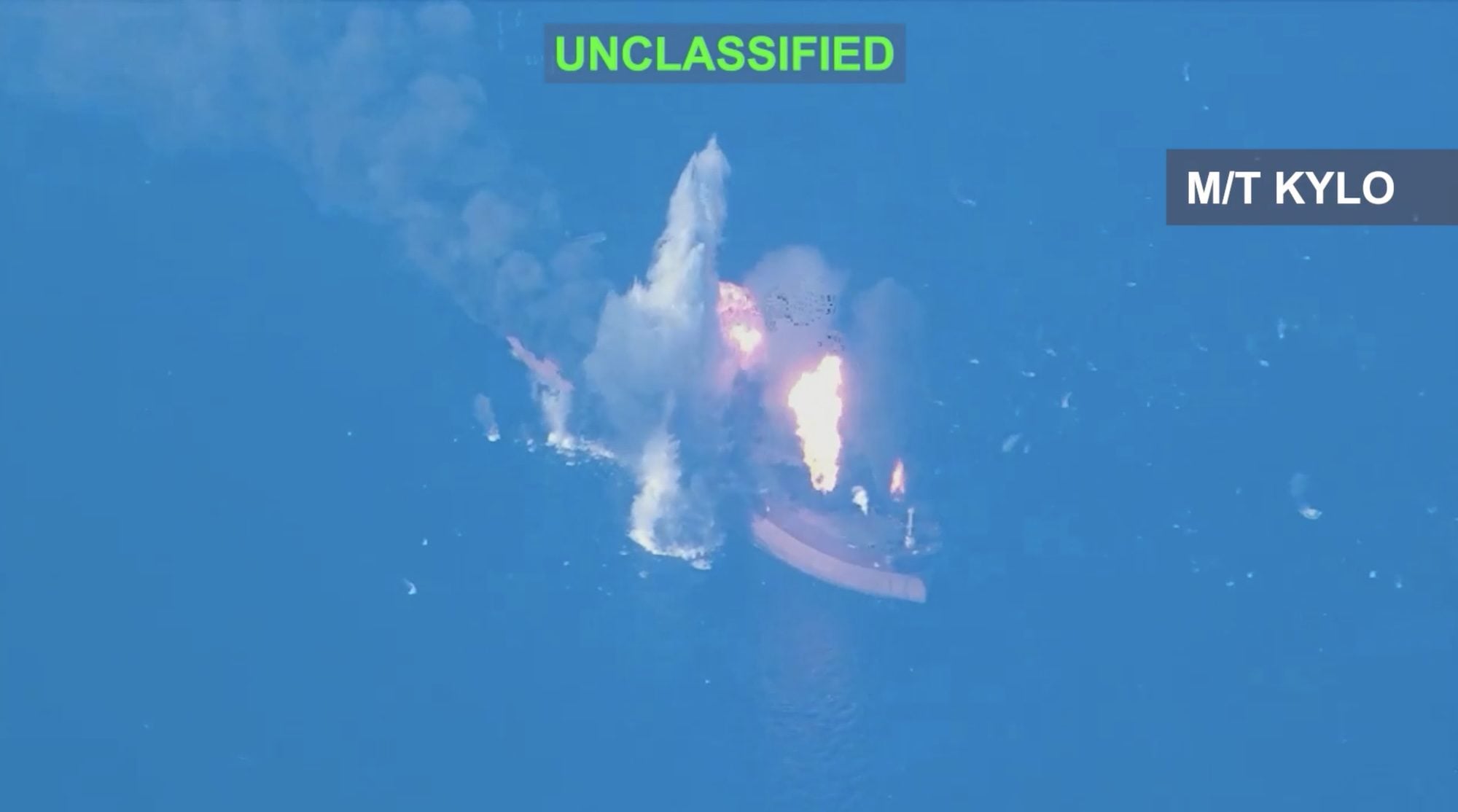
The conflict has entered a direct US-Iran maritime retaliation cycle. After the IRGC targeted a US aircraft carrier and guided-missile destroyer on 5 September 2026, US forces struck three Iranian oil tankers, destroying M/T Kylo, also known as Noxen, and disabling M/T Downy and M/T Stark 1. Iran-US strikes are very likely to continue, while risks to Hormuz shipping, Israel, Lebanon and Yemen are rising.
Executive summary
On 5 September 2026, the IRGC launched ballistic missiles at a US aircraft carrier and guided-missile destroyer in regional waters, according to CENTCOM. US forces subsequently struck three Iranian oil tankers, including one near Kharg Island and another near Jask, while destroying M/T Kylo, also known as Noxen, in the Gulf of Oman. The reported locations of the Downy and Stark 1 strikes are inconsistent across accounts. Commercial shipping through the Strait of Hormuz remains far below pre-war levels. Fighting is also widening in Lebanon and Yemen, while China, Türkiye, Egypt, Jordan and France are supporting diplomatic efforts without evidence of an immediate broad ceasefire.
Change from previous assessment
Since the 4 September brief, the assessment has shifted from a broad US-Iran exchange affecting regional bases and shipping to a confirmed direct maritime retaliation cycle. New reporting places the IRGC attack on a US carrier and destroyer alongside US strikes on three Iranian oil tankers, including the destruction of M/T Kylo, also known as Noxen. Confidence has increased in the existence of active US-Iran hostilities, although the exact tanker locations remain disputed. The brief adds a higher-priority judgement on maritime economic retaliation, updates the Lebanon and Yemen spillover assessment, and retains the prior judgements on constrained Hormuz shipping, Israeli retaliation risk and limited near-term prospects for a broad ceasefire.
Key judgments
- The 5 September 2026 US-Iran exchange has very likely expanded into direct economic and maritime retaliation. The IRGC targeted a US aircraft carrier and guided-missile destroyer with ballistic missiles, after which US forces struck three Iranian oil tankers. CENTCOM said M/T Downy near Kharg Island and M/T Stark 1 near Jask were permanently disabled, and M/T Kylo, also known as Noxen, was destroyed in the Gulf of Oman. Other accounts place Downy and Stark 1 in different locations, so the precise strike sites remain disputed. (Confidence: medium · ASSESSED)
- I&W: CONFIRM: CENTCOM or Iranian authorities report another US strike on an Iran-linked tanker following an attack on a US naval vessel or military facility. (0-14 days)
- I&W: BREAK: US and Iranian authorities confirm that the 5 September tanker strikes were isolated incidents and report no further maritime attacks for seven consecutive days. (0-14 days)
- The US-Iran exchange is very likely to continue over the next 0-14 days. US strikes have targeted IRGC air-defence, radar, naval, mine-laying and communications capabilities, while Iran has threatened US military bases and has now attacked two US naval vessels. A reported US intelligence assessment says Tehran has become more confident in its ability to strike across the Middle East and intends to sustain the confrontation at least through November. Confidence is medium because the estimate of Iranian persistence rests partly on reported intelligence assessments and Iranian intentions are not independently confirmed. (Confidence: medium · ASSESSED)
- I&W: CONFIRM: The IRGC launches another missile, drone or unmanned-surface-vessel attack against a US ship, base or personnel. (0-14 days)
- I&W: BREAK: Washington and Tehran announce and observe a ceasefire lasting at least seven consecutive days, with no reported strikes on military or commercial maritime targets. (0-14 days)
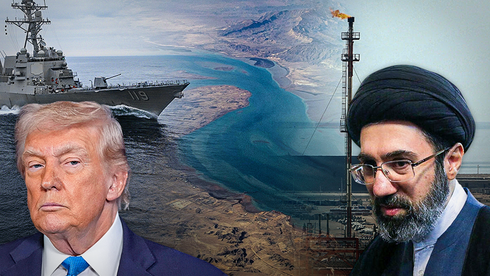
- Commercial shipping through the Strait of Hormuz is very likely to remain far below pre-war levels over the next 0-14 days and likely to remain constrained over the next 1-3 months. The US Maritime Administration continues to warn of Iranian missile, armed-drone and unmanned-surface-vessel attacks on commercial shipping in the Persian Gulf, the Strait of Hormuz and the Gulf of Oman. USNI News reported at least 13 commercial vessels attacked by Iran during August, and recent US strikes on tankers add a further direct risk to petroleum movements. Confidence is medium because current traffic levels and the effect of alternative shipping arrangements are only partly quantified in the reporting. (Confidence: medium · ASSESSED)
- I&W: CONFIRM: Shipping reports continue to record tanker movements through Hormuz at levels far below pre-war traffic, alongside new attacks or official maritime warnings. (0-14 days)
- I&W: BREAK: Commercial tanker operators resume pre-war passage levels through Hormuz for at least seven consecutive days without a new attack or official threat. (1-3 months)
- If Iran conducts a direct attack on Israel, Israel is very likely to strike Iranian military and civilian infrastructure, including energy facilities. An Israeli official said the risk of a direct Iranian attack is increasing after Tehran refrained from directly attacking Israel in the current phase. Prime Minister Benjamin Netanyahu warned of a severe response, while Defence Minister Israel Katz said an Iranian attack would remove existing constraints and lead the IDF to target national military and civilian infrastructure. Confidence is medium because the judgement rests on declared intent and reported warnings rather than observed Israeli preparations for such an operation. (Confidence: medium · ASSESSED)
- I&W: CONFIRM: Iran launches missiles or drones directly at Israeli territory, followed by an Israeli announcement or strike against an Iranian energy, military or civilian facility. (0-14 days)
- I&W: BREAK: Iran refrains from a direct attack for 14 days and Israeli officials publicly narrow the threatened response to limited military targets. (0-14 days)
- Conflict-related spillover in Lebanon and Yemen is likely to persist over the next 0-14 days, with Yemen facing a likely further widening of ground combat. Israeli strikes in Lebanon reportedly killed three people and injured more than 20 after a Hezbollah drone launch, while the IDF's takeover of Ali Taher Ridge has increased concern over further Hezbollah attacks. In Yemen, fighting between Yemeni government forces and the Houthis has widened around Taiz and the western coast, with roughly 2,000 National Shield personnel preparing to deploy, Giants Brigade reinforcements reaching the Red Sea coast, and reported activity in Al-Jawf, Marib and eastern Yemen. Confidence is medium because several Yemen developments rely on regional reporting and some attribution remains unverified. (Confidence: medium · ASSESSED)
- I&W: CONFIRM: National Shield or Giants Brigade units enter additional positions around Taiz, Al Hudaydah or the Red Sea coast, followed by new ground clashes or airstrikes. (0-14 days)
- I&W: BREAK: The National Shield and Giants Brigade deployments halt or reverse, and no new Israeli-Hezbollah or Yemeni government-Houthi clashes are reported for seven consecutive days. (0-14 days)
- A broad US-Iran ceasefire is unlikely over the next 0-14 days, while diplomatic signalling by Türkiye, China, Egypt, Jordan and France is likely to continue. Ayman Safadi and Jean-Noël Barrot have supported a sustainable ceasefire, Recep Tayyip Erdogan says Türkiye is pursuing initiatives to ease the Tehran-Washington standoff, and Xi Jinping and Abdel Fattah El-Sisi are promoting a new West Asian security framework. These efforts face active military exchanges and public US threats against Iran's oil fleet. Confidence is medium because diplomatic statements are corroborated, but their ability to alter military behaviour is untested. (Confidence: medium · ASSESSED)
- I&W: CONFIRM: Türkiye, China, Egypt, Jordan or France announce direct contact involving Washington and Tehran that produces a public ceasefire or agreed maritime restraint. (0-14 days)
- I&W: BREAK: Washington or Tehran publicly rejects mediated contact while another strike occurs against a naval, tanker or strategic infrastructure target. (0-14 days)
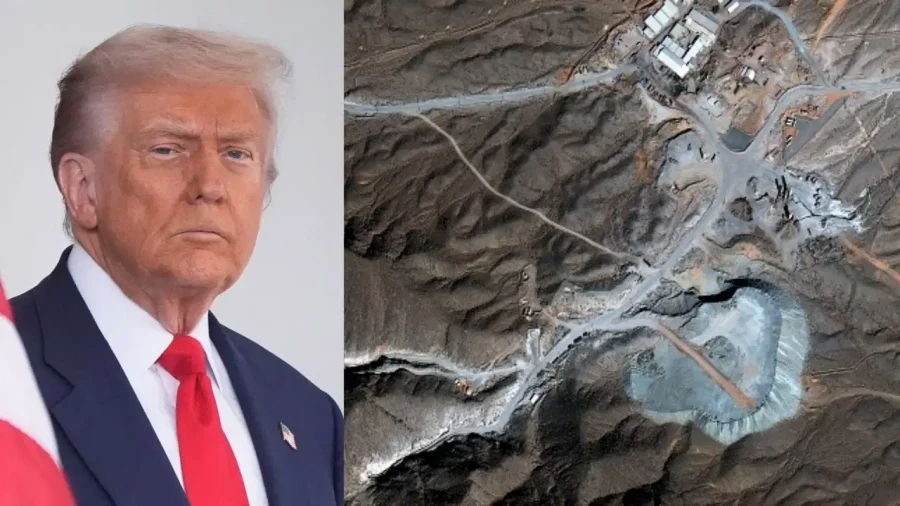
- The status of nuclear-related activity at Pickaxe Mountain remains unresolved, and an imminent US strike there is unlikely over the next 0-14 days. Israeli intelligence reporting alleges that Iran moved thousands of centrifuges and part of its highly enriched uranium to the site, while Iranian Foreign Ministry spokesperson Esmaeil Baghaei denied that nuclear-related operations were taking place there. Donald Trump's threat of a strike if suspicious activity is observed keeps the site as a high-impact escalation trigger, but the available evidence does not establish current nuclear operations or an imminent attack. Confidence is low because the reporting is directly contradictory, one satellite-based claim is low confidence, and the public threat is conditional. (Confidence: low · ASSESSED)
- I&W: CONFIRM: New imagery or official reporting shows sustained activity at Pickaxe Mountain consistent with centrifuge movement, uranium storage or other nuclear-related operations. (0-14 days)
- I&W: BREAK: US officials withdraw the strike threat after receiving verifiable evidence that no nuclear-related activity is occurring at Pickaxe Mountain. (0-14 days)
Outlook & scenarios
Continued US-Iran maritime exchange (50%)
The most likely path is continued reciprocal strikes over the next 0-14 days. Iran attacks US naval or regional military targets, while US forces continue targeting IRGC-linked maritime assets and Iran's oil shipping network. Commercial traffic through the Strait of Hormuz remains well below pre-war levels.
Direct Israel-Iran escalation (25%)
A direct Iranian strike on Israel triggers Israeli attacks on Iranian military and civilian infrastructure, including energy facilities. Hezbollah activity in Lebanon intensifies as Israel maintains pressure around Ali Taher Ridge, adding a second front to the US-Iran confrontation.
Temporary diplomatic pause (15%)
Türkiye, China, Egypt, Jordan and France sustain coordinated diplomatic pressure and secure a temporary US-Iran pause. Maritime traffic begins a cautious recovery, but the pause remains vulnerable to another attack on a US ship, Iranian tanker or Israeli target.
Pickaxe Mountain wildcard (10%)
Low-probability, high-impact scenario: new evidence of nuclear-related activity at Pickaxe Mountain prompts a US strike. Iran retaliates against US positions or shipping, and Israel expands its operations against Iranian strategic infrastructure.
Recommendations
- Treat the 5 September tanker strikes and the IRGC attack on the US carrier and destroyer as the primary escalation trigger. Update the near-term warning assessment whenever a new attack is reported against a US naval vessel, tanker or military facility.
- Prioritise reconciliation of the Downy and Stark 1 strike locations, vessel identities and crew outcomes. Compare the original CENTCOM statement with maritime tracking, imagery and port or rescue reporting before using either location in further analysis.
- Maintain a daily Hormuz shipping watch that records tanker transits, reported attacks, maritime warnings and the use of alternative petroleum routes. Flag any sustained return towards pre-war traffic levels as evidence of de-escalation.
- Separate Israeli declared intent from observed preparations. Track Iranian launches towards Israel, Israeli force movements and any strikes on Iranian energy or civilian infrastructure as distinct indicators.
- Track the movement of roughly 2,000 National Shield personnel and Giants Brigade reinforcements around Taiz, Al Hudaydah and the Red Sea coast. Report new ground positions, airstrikes and attacks on Red Sea shipping as potential evidence of wider Yemen spillover.
- Keep Pickaxe Mountain at low confidence until independent imagery or official reporting resolves the dispute between Israeli intelligence claims and Iran's denial. Treat any confirmed activity or US strike announcement as a high-impact warning indicator.
- Monitor whether Türkiye, China, Egypt, Jordan and France move from public statements to direct US-Iran contact, a ceasefire proposal or maritime restraint mechanism. Distinguish diplomatic signalling from agreements that alter military behaviour.
Confidence & uncertainty
Overall confidence is high because the central 5 September events are corroborated by CENTCOM reporting, BBC coverage, maritime trade reporting and other major-media accounts. The US strikes on three Iranian oil tankers, the IRGC attack on two US naval vessels and the continuing disruption to Hormuz shipping are supported by multiple high-confidence claims. The main uncertainties concern the precise locations of the Downy and Stark 1 strikes, the duration of Iranian operational intent, the likelihood of a direct Iranian attack on Israel, and the conflicting reporting on nuclear activity at Pickaxe Mountain.
Intelligence gaps
- [EEI 1.1 · PARTIAL] Detection and characterization of ballistic/cruise missile or rocket launches originating from Iranian territory or from Iran-controlled positions in Iraq/Syria (time, launch coordinates, missile type, flight trajectory/impact area). Recommended collection: satellite/imagery
- [EEI 1.2 · UNCOVERED] Movements and posture changes of Iran-backed proxy forces (Hezbollah units in Lebanon, militias in Syria/Iraq): concentrations of personnel, transport of rocket/artillery launchers, visible logistics build-up within operational range of Israel. Recommended collection: human/intel
- [EEI 1.3 · UNCOVERED] Israeli defensive and offensive posture changes: reservist call-ups, mobilization orders, sorties/airstrikes attributed to Israel, and domestic activation of missile-defense systems (locations and activation times). Recommended collection: open-source/media
- [EEI 1.4 · PARTIAL] Evidence of pre-positioning or arming of naval mines, fast attack craft, or anti-ship missile systems in the Gulf of Oman, northern Arabian Sea, or off the Lebanese/Syrian coasts that could be used to interdict Israeli or allied shipping. Recommended collection: maritime/AIS
- [EEI 2.1 · PARTIAL] Movements and tasking changes of external military assets: carrier strike groups, amphibious ready groups, expeditionary air wings, or ballistic-missile defense units into the Eastern Mediterranean, Persian Gulf, or Red Sea (vessel/aircraft IDs, routing, on-station times). Recommended collection: maritime/AIS
- [EEI 2.2 · PARTIAL] Formal diplomatic/military actions: evacuation orders or embassy closures, public troop posture statements, bilateral/multilateral defense commitments announced, requests for overflight or basing rights in regional states. Recommended collection: diplomatic
- [EEI 2.3 · UNCOVERED] Changes to force protection or alert levels at foreign bases in the region (e.g., US bases in Kuwait, Qatar, UAE; Russian bases in Syria): activation of additional air defenses, curfews, or reinforcement shipments (personnel/equipment manifests). Recommended collection: signals/intel
- [EEI 3.2 · PARTIAL] Changes in crude oil and refined product flows from key terminals (reported tanker loading delays, terminal closures, throughput volumes at Kharg, Mina al-Ahmadi, Ras Tanura, and major Gulf ports compared to baseline). Recommended collection: commercial/ports
- [EEI 3.3 · UNCOVERED] Market and insurance indicators: sudden spikes in war-risk or hull insurance premiums for Middle East routes, large moves in regional FX/stock indices, and notable changes in commodity futures (oil, freight rates) tied to regional risk perceptions. Recommended collection: financial/transactional
TLP:CLEAR