TLP:CLEAR · Disclosure is not limited.
Iran-Israel Crisis: US-Iran Strikes and Hormuz Flashpoints, 27-28 June 2026
Time window: Last 1 day · Audience: General analyst · Type: Situation report · DTG: 2026-06-28 06:25Z · Overall confidence: MEDIUM
BLUF
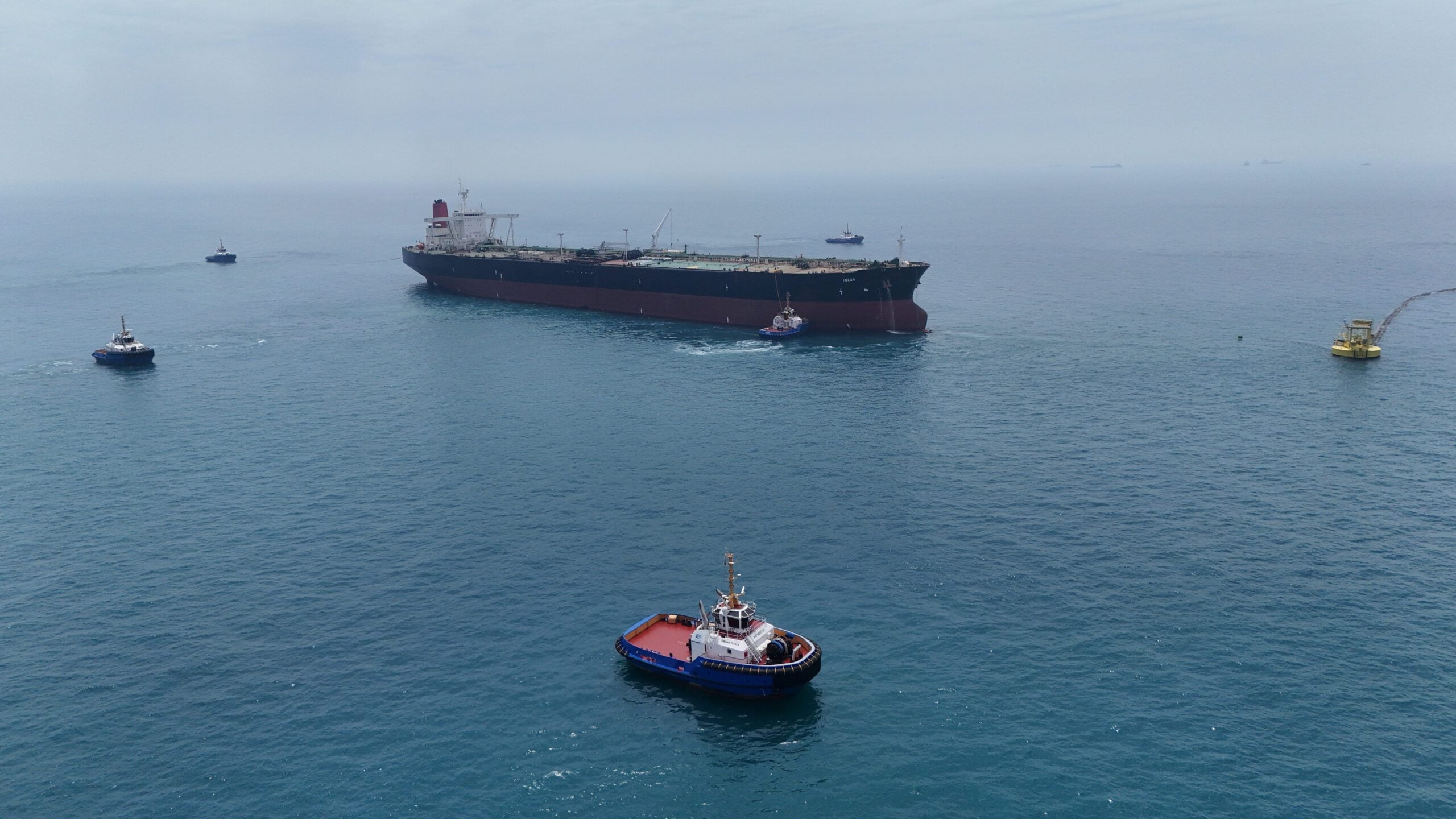
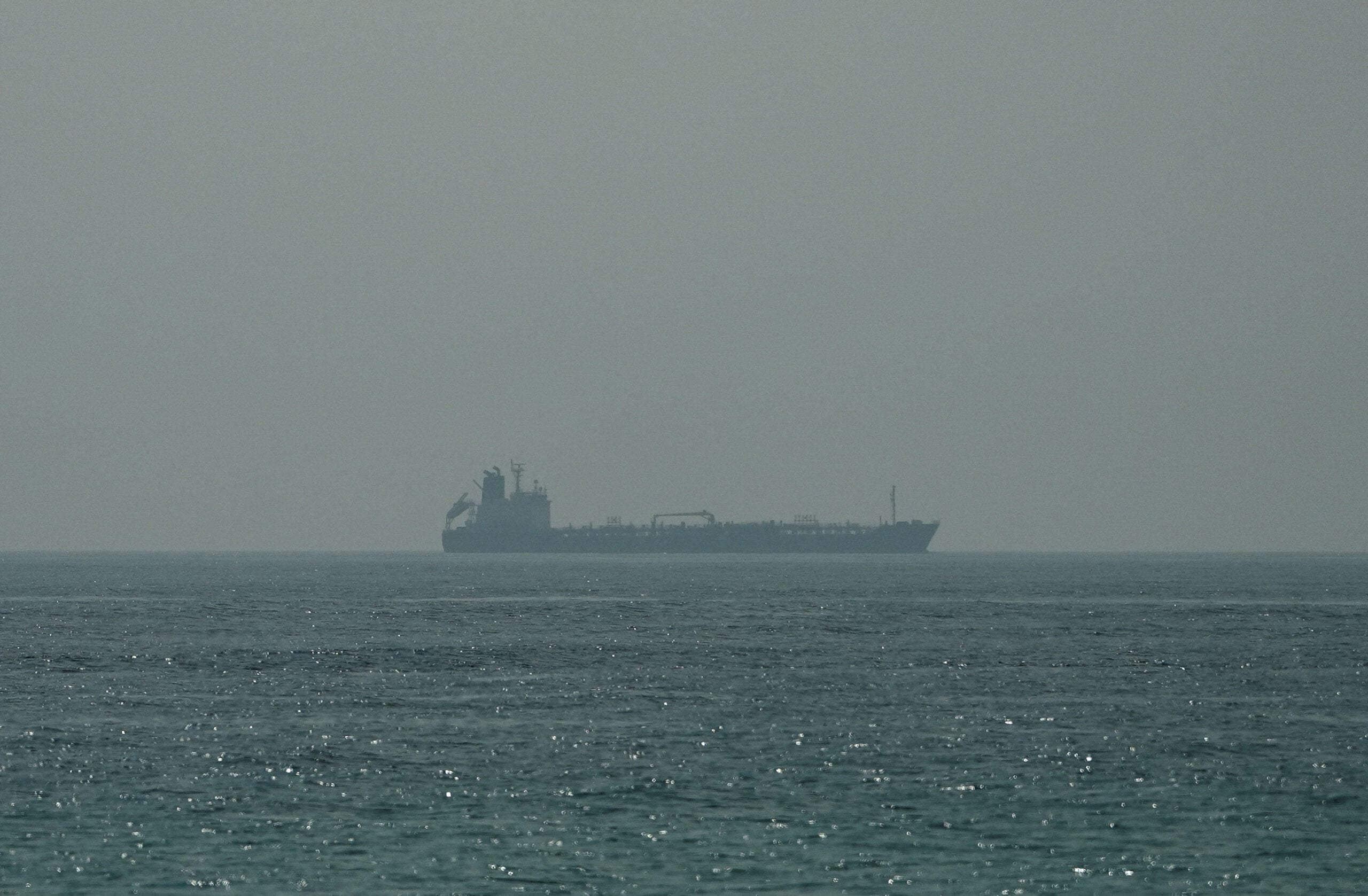
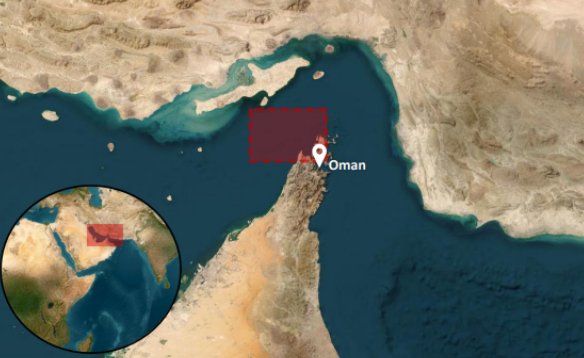
US forces struck 10 Iranian targets around the Strait of Hormuz after the Panama-flagged VLCC Kiku was hit, while Iran’s IRGC claimed retaliatory attacks and fired warning shots at vessels. Maritime risk in Hormuz is high despite some successful commercial transits and rising Gulf oil loadings.
Executive summary
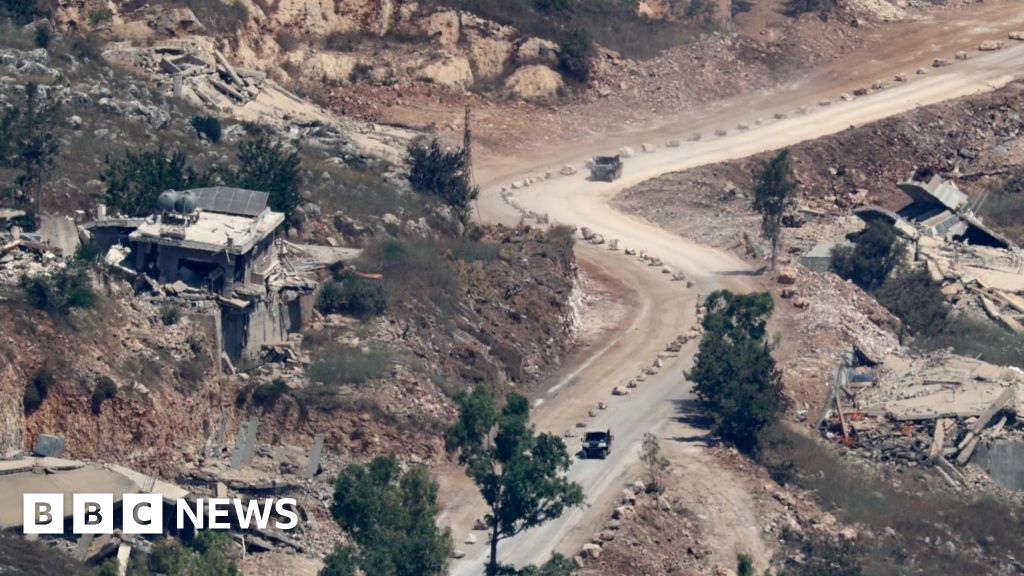
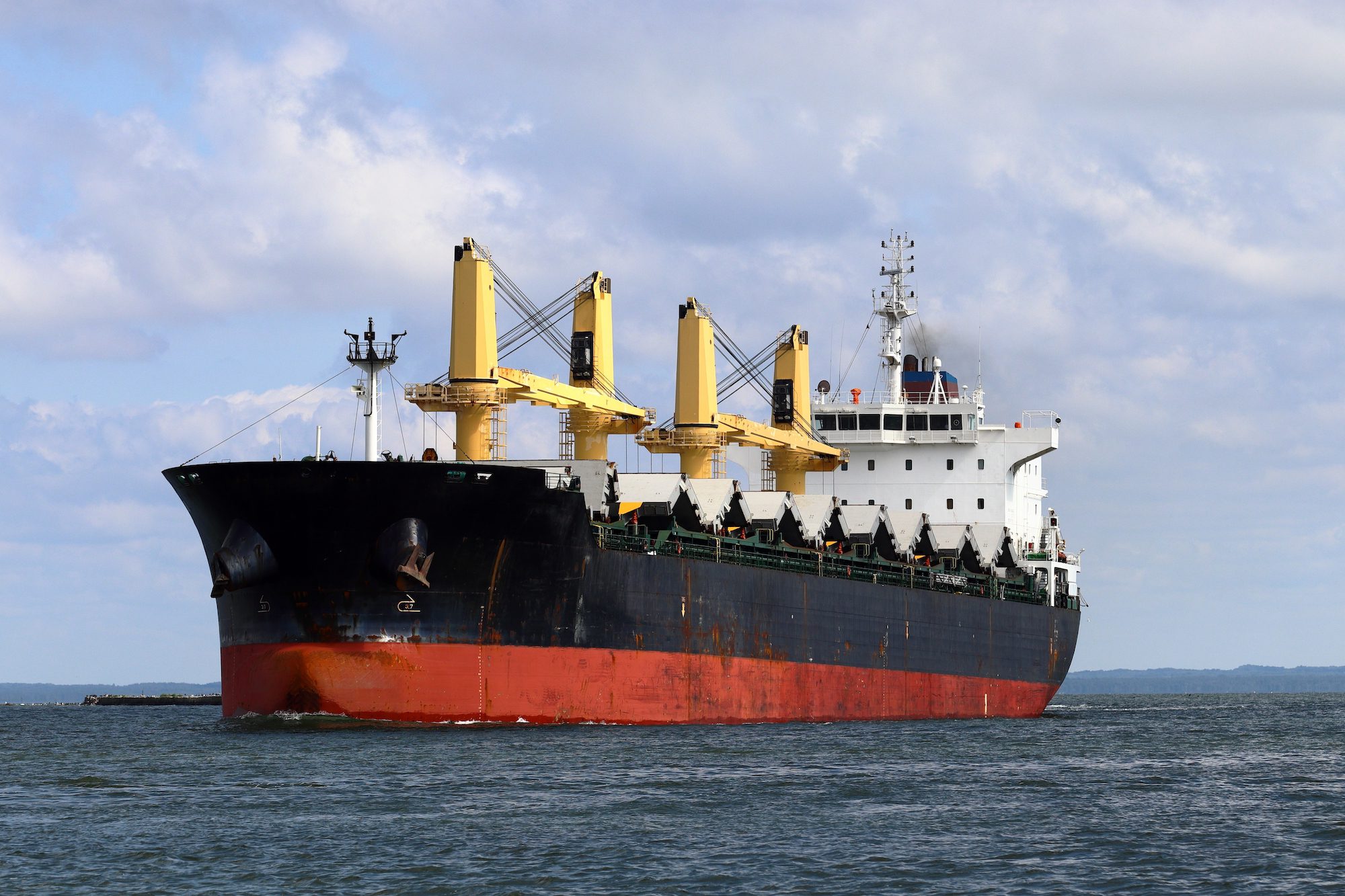
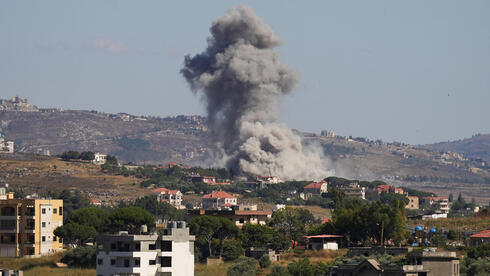
Kinetic exchanges escalated: US Central Command hit Iranian missile, drone and radar facilities, including 10 targets on 28 June, citing Iran’s drone attack on the tanker Kiku. Iran’s IRGC claimed strikes on US-linked sites and warning shots at ships, amid standing Iranian restrictions on unauthorised transit. Bahrain reported an Iranian drone attack and, along with the Gulf Cooperation Council, issued condemnations. Maritime threat levels in Hormuz were raised to substantial as a tanker was damaged, although selected cargoes such as Lowlands Corso transited and Gulf oil loadings picked up. In parallel, Israeli strikes continued in southern Lebanon, Lebanese and Israeli officials signalled preparation for sustained operations, and Hezbollah figures rejected elements of the framework with Israel. Civilian harm in Lebanon remains high.
Change from previous assessment
Since the prior brief, US Central Command reported strikes on 10 Iranian targets on 28 June after the VLCC Kiku attack, Iran’s IRGC claimed retaliatory hits and fired warning shots at vessels, and the Joint Maritime Information Center raised Hormuz’s threat level to substantial. Bahrain reported an Iranian drone attack and the GCC issued new condemnations. Lowlands Corso completed a bulk transit and Gulf oil loadings increased, highlighting uneven but ongoing commerce. In Lebanon, Israeli strikes extended to Nabatiyeh and officials signalled preparations for a longer security-zone presence as Hezbollah figures rejected the framework. We have raised the likelihood that limited reprisals will continue under a fraying ceasefire track and maintained a high-likelihood assessment of elevated Hormuz risk.
Key judgments
- US-Iran military exchanges are very likely to persist at least through the near term following US strikes on Iranian targets and Iran’s retaliatory claims. (Confidence: high · ASSESSED)
- I&W: Further CENTCOM releases detailing new strikes or additional US-targeted facilities on Iran’s southern coast. (0-14 days)
- I&W: IRGC statements claiming new hits on US-linked sites in the Gulf theatre. (0-14 days)
- Maritime risk in the Strait of Hormuz is very likely to remain elevated over the next two weeks, given recent ship strikes, raised threat levels, Iranian warning shots, and navigation restrictions, despite sporadic successful transits. (Confidence: high · ASSESSED)
- I&W: Another UKMTO report of a merchant vessel struck in or near the Traffic Separation Scheme lanes. (0-14 days)
- I&W: A formal downgrade of JMIC’s threat level and a UN agency resumption of evacuation support without incident reports. (0-14 days)
- The Washington-Tehran ceasefire and negotiation track is likely fraying and will not prevent limited reprisals in the short term. (Confidence: medium · ASSESSED)
- I&W: Public suspension of talks or formal declaration that the memorandum has lapsed by either side. (0-14 days)
- I&W: A joint public recommitment to the memorandum coupled with announced verification or access steps. (0-14 days)
- Hostilities on the Israel-Hezbollah front are likely to continue at a low-to-moderate tempo, with Israeli strikes in southern Lebanon and Hezbollah resistance to any disarmament framework. (Confidence: medium · ASSESSED)
- I&W: Additional IDF drone or air strikes reported around Nabatiyeh or Markaba, or Hezbollah claims of new attacks on IDF forces. (0-14 days)
- I&W: An Israeli order signalling drawdown from the security zone or public Hezbollah engagement with a Lebanese government enforcement plan. (1-3 months)
- Iran-linked spillover into Gulf states is likely to continue testing regional security, as seen in Bahrain’s reported drone attack and GCC condemnations. (Confidence: medium · ASSESSED)
- I&W: Further official reports from Bahrain, Kuwait or the UAE of drone or missile incidents attributed to Iran. (0-14 days)
- I&W: Coordinated GCC-Iran statement signalling de-escalation around maritime security. (1-3 months)
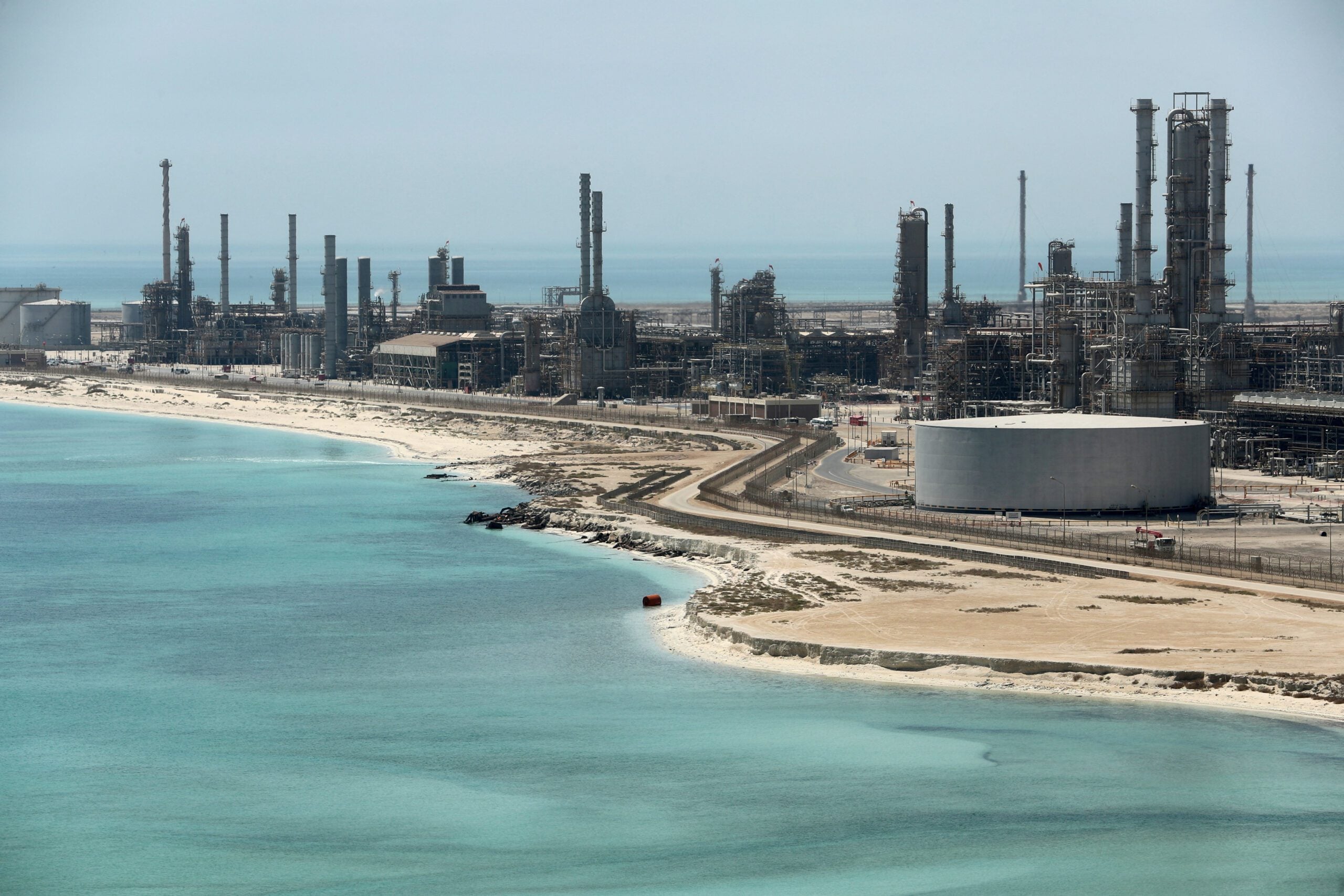
- Regional oil and commodity flows are likely to recover unevenly but remain vulnerable to renewed incidents at Hormuz. (Confidence: medium · ASSESSED)
- I&W: Sustained multi-day loadings at Ras Tanura and Yanbu coupled with regular bulk or container transits through Hormuz without incident. (1-3 months)
- I&W: Renewed merchant vessel strikes or mine reports in the Traffic Separation Scheme lanes. (0-14 days)
Outlook & scenarios
Managed confrontation at sea with sustained tit-for-tat (50%)
US continues periodic strikes on Iranian missile, drone and radar infrastructure following merchant-vessel attacks, and the IRGC claims calibrated retaliatory hits on US-linked sites, while Iranian warning shots and transit restrictions persist. Maritime threat levels remain high, but selective cargoes and tankers continue to move under heightened advisories. Israeli-Hezbollah clashes continue at a low-to-moderate tempo.
Broader regional flare-up (30%)
Additional merchant ships are struck and Iran-linked drone or missile activity expands against Gulf states or US sites, triggering intensified US strikes. GCC capitals issue repeated condemnations and tighten maritime security. The Israel-Hezbollah front sees a spike in exchanges and extended IDF presence in southern Lebanon.
Partial de-escalation via a technical maritime arrangement (25%)
Regional actors coalesce around facilitating safer transit, with public support for options such as a temporary corridor, and UN calls to sustain reopening gain traction. Threat levels ease if incidents pause, allowing more bulk and crude cargoes to transit, even as the political ceasefire framework remains fragile and localised clashes persist.
Recommendations
- Maintain a running timeline of US and IRGC strike claims and targets, correlating CENTCOM releases with geolocated imagery to assess effects and escalation thresholds.
- Task maritime watch to fuse UKMTO, JMIC and operator reporting on all incidents in Hormuz, and update a live risk map incorporating Iranian-designated transit warnings and recent strike locations.
- Issue an analytic note to energy desks quantifying resumed Gulf loadings against incident rates, using observed loadings at Ras Tanura and Yanbu and confirmed cargo transits like Lowlands Corso.
- Engage with regional liaison channels to validate reports of Iranian warning shots and any new navigation directives, and assess compliance impacts on commercial routing.
- For Levant coverage, track IDF orders and Hezbollah statements regarding the framework and force posture, and produce a weekly outlook on likely strike patterns around Nabatiyeh and Markaba.
- Monitor GCC and Bahraini communiqués for further Iran-attributed drone or missile incidents, and flag any signs of coordinated de-escalation messaging.
- Define tripwires for de-escalation, including a 14-day incident-free period in Hormuz and a public recommitment to the memorandum by Washington and Tehran with verification steps, and brief if met.
Confidence & uncertainty
Multiple high-confidence major-media reports corroborate the US strikes, the IRGC’s retaliatory claims, ship attacks in Hormuz, raised maritime threat levels, and Israeli operations in southern Lebanon. Some elements rely on medium-confidence or social-media sourcing and include timeline ambiguities and overlapping attributions, particularly around the status of the ceasefire or memorandum and scheduling of talks. Shipping data show both disruptions and successful transits, creating a mixed signal. These factors support a medium overall confidence.
Alternative analysis (red cell)
The report's key judgments lean on government proclamations, selective incident reports, and several unresolved contradictions (see tradecraft_lint_findings: contradiction_unaddressed). Given the absence of independent, time‑sequenced IMINT/SIGINT/BDA to corroborate sustained patterns, alternative interpretations—such as containment of incidents or functional persistence of the interim agreements despite isolated violations—are plausible. Analysts should treat high‑probability forward projections as contingent pending neutral, corroborating collection.
Intelligence gaps
- [EEI 1.1 · UNCOVERED] Number, type, launch times, and trajectories of ballistic missiles, cruise missiles, armed UAV strikes, and combat-air sorties launched by Iranian or Israeli forces toward the other's territory or forward bases within a 72-hour window. Recommended collection: signals/intel
- [EEI 1.2 · UNCOVERED] Observable changes in Israeli and Iranian force posture: mobilization or reserve call-up orders, unit road/rail movements, dispersal or sortie rates of air squadrons, redeployment of air-defense batteries, and activation of civil-defense alerts or sirens in major population centers. Recommended collection: open-source/media
- [EEI 1.3 · UNCOVERED] Indications of strike authorization or targeting preparations in Iranian or Israeli command chains: authenticated public orders by senior commanders, detected increases in encrypted communications consistent with targeting, or visible movement of strike munitions to launch/storage sites. Recommended collection: signals/intel
- [EEI 2.1 · UNCOVERED] Counts, launch locations (coordinates), weapons types, and assessed damage from rocket/missile/drone strikes originating from Lebanon into northern Israel attributed to Hezbollah or allied groups. Recommended collection: open-source/media
- [EEI 2.2 · UNCOVERED] Reported attacks by Iranian-backed militias in Iraq and Syria: rocket/IED strikes on bases hosting US/coalition or Israeli personnel, documented militia unit movements toward borders, and captured movement or transfer of weapons systems to forward militia positions. Recommended collection: human
- [EEI 2.3 · UNCOVERED] Maritime harassment or attacks by proxies (e.g., Houthis): incidents of missile/rocket strikes against commercial vessels, small-boat swarm attacks, discovery or detonation of naval mines, and corresponding AIS anomalies in the Red Sea, Gulf of Aden, or southern Arabian Gulf. Recommended collection: maritime/AIS
- [EEI 3.1 · UNCOVERED] Movements and arrival dates of foreign military assets into the region: carrier strike groups, amphibious ships, surface combatants, strategic airlift/tanker deployments, and air/sea patrol patterns by US, European, Russian, or regional militaries. Recommended collection: imagery/satellite
- [EEI 3.2 · UNCOVERED] Concrete diplomatic and political actions: emergency UN/Arab League meetings called, official embassy evacuation orders, public declarations of intent to interpose or protect shipping/airspace, and newly announced sanctions or arms-transfer approvals tied to the conflict. Recommended collection: diplomatic
- [EEI 3.3 · UNCOVERED] Immediate commercial and market indicators: rerouting of commercial tankers and container vessels (e.g., avoidance of Bab el-Mandeb or Strait of Hormuz), sudden spikes in war-risk insurance premiums for regional sea lanes, temporary port closures, and near-term price moves in regional benchmark crude tied to incidents. Recommended collection: financial/market
Cited sources
[1] gcaptain.com · US Carries Out Fresh Strikes Against Iran After Tanker Struck In Hormuz, Escalating Hostilities (B) · sha256:1852ca6ca233 [2] Fox News · US launches retaliatory strikes against Iran as tensions escalate in the Middle East | Fox News Video (B) · sha256:26ff38916f4d [3] Al Jazeera · Iran war day 120: Tehran condemns US strikes, says it violates MoU (A) · sha256:4f39d97b702c [4] Al Jazeera · US, Iran trade strikes: What to know, will it unravel the MoU? (A) · sha256:013385e41073 [5] aljazeera.com · Iran and US trade blame for attacks, threatening fragile ceasefire (A) · sha256:f27947e04520 [6] gcaptain.com · Tanker Struck In Hormuz As Navies Raise Threat Level To Ships (B) · sha256:66b5a9d55f10 [7] maritime-executive.com · Tanker Struck by Drone off Oman and the US Again Responds with New Strkes (B) · sha256:b8b2d6d9d5bc [8] understandingwar.org · Iran Update Special Report, June 27, 2026 (C) · sha256:1792e1dea449 [9] gcaptain.com · Vitol Sails Stranded Aluminum Cargo Out Of Strait Of Hormuz (B) · sha256:3f988bac295e [10] CGTN · Live: US and Iran exchange strikes after bilateral memorandum sign-off The United Nations called for a "sustained reopening" of the Strait of Hormuz on Saturday. The appeal followed a series of military actions, including US air strikes on Iranian targets allegedly in retaliation for an Iranian drone attack on a commercial cargo ship. Iran's IRGC responded by targeting US-linked locations, further heightening regional instability. The US military publicly released footage of its strikes on Iran, while the IRGC accused Washington of violating commitments under a bilateral maritime agreement. Analysts warn the conflict risks spiraling into a wider confrontation unless diplomatic channels are prioritized. Earlier, Iranian sources indicated that the next round of US-Iran negotiations is scheduled from June 28 to 29 in Burgenstock, Switzerland. | CGTN (E) · sha256:16299733f25b [11] haaretz.com · Iran targets Gulf after U.S. launches overnight strikes in response to Hormuz attack (B) · sha256:845c88b68a8d [12] BBC · Israel strikes southern Lebanon as Hezbollah condemns new deal (A) · sha256:1f832609a8e2 [13] ynetnews.com · Israel braces for northern escalation after Lebanon deal: ‘Hezbollah and Iran are losing it’ (B) · sha256:ba515337f873 [14] The Jerusalem Post · Live Updates: Latest from Israel, Iran, and Middle East | The Jerusalem Post (A) · sha256:7c0a84ccfe6e [15] aljazeera.net · كيف حولت إيران مضيق هرمز إلى "ورقة بلاتينية" بعد انكفائها في سوريا؟ (A) · sha256:3ca71df38a28 [16] gcaptain.com · Saudi Arabia Is Ramping Up Oil Exports As Gulf Ports Restart (A) · sha256:6a23bc687681
Source content hashes were computed at collection time; the cited text is preserved unmodified for the life of this product.
Red cell review: PARTIAL DISSENT
TLP:CLEAR