TLP:CLEAR · Disclosure is not limited.
Iran, Israel crisis: US, Iran strikes escalate, Hormuz shipping at risk, Israel on alert
Time window: Last 1 day · Audience: General analyst · Type: Situation report · DTG: 2026-07-09 03:40Z · Overall confidence: MEDIUM
BLUF
US forces have hit more than 80 Iranian sites, including coastal and port targets, after tanker attacks in the Strait of Hormuz, while Tehran threatens a massive response and claims strikes on US facilities. Maritime risk in Hormuz is high and miscalculation risk across the Gulf has risen, even as Israeli officials signal no full‑scale war is expected for now.
Executive summary
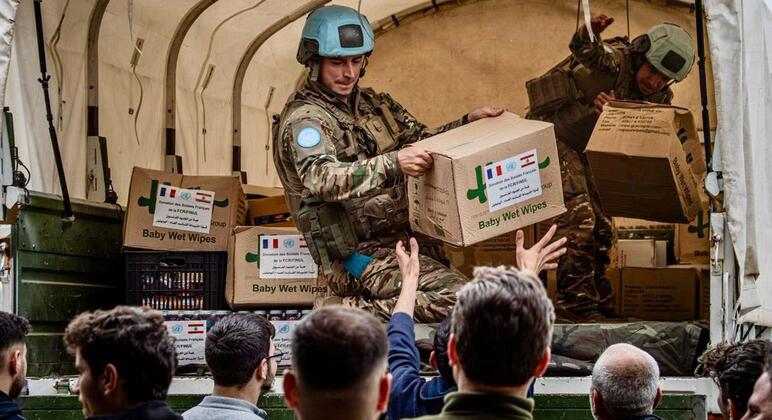
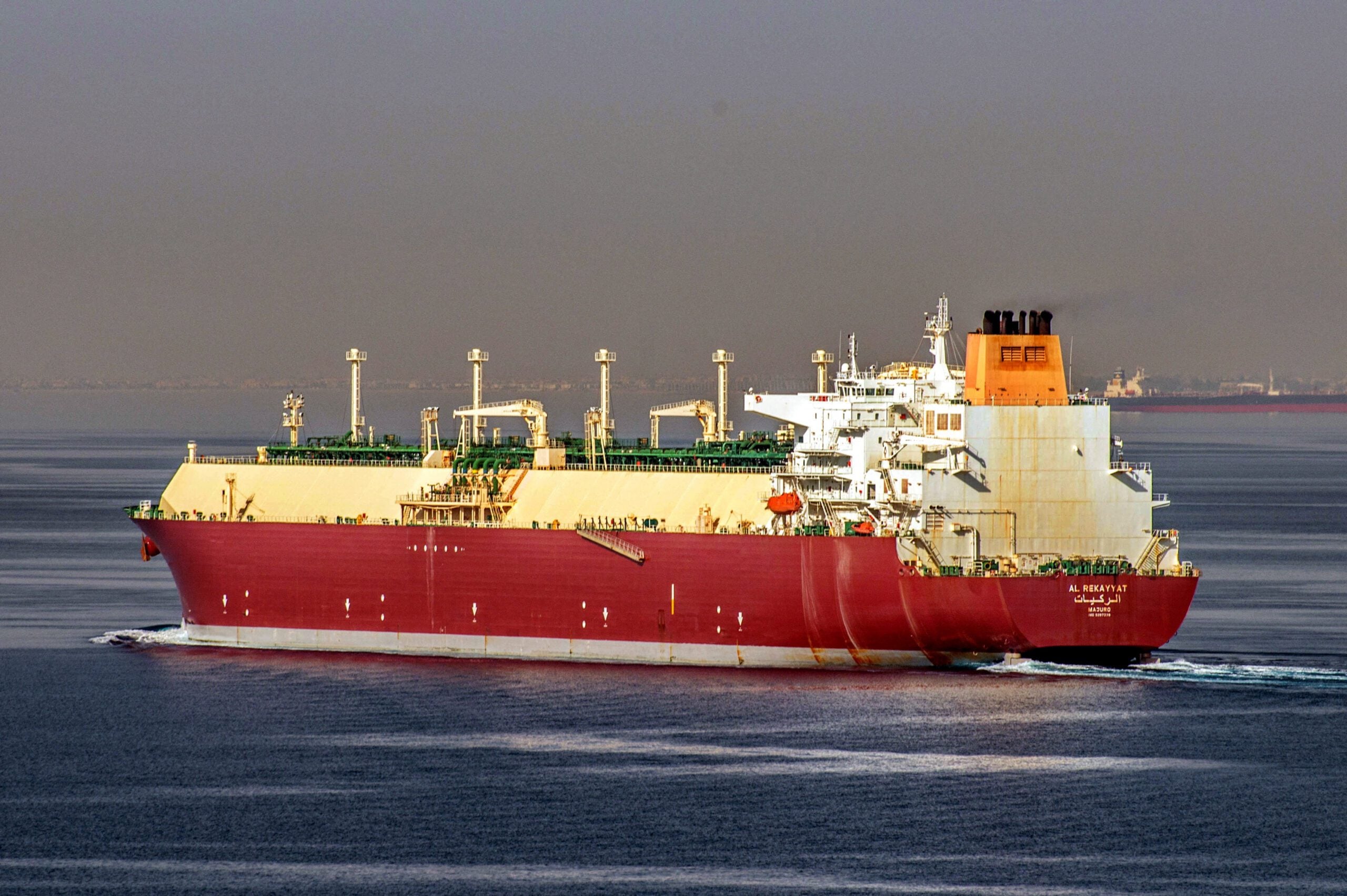
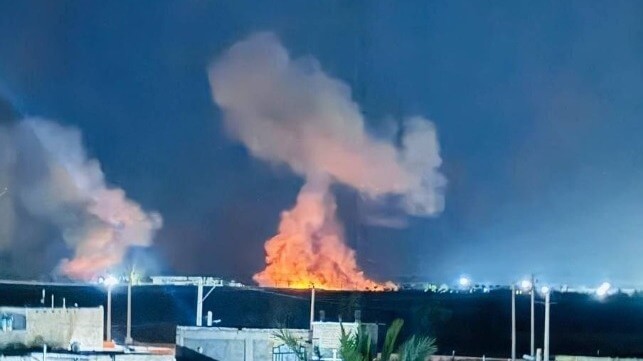
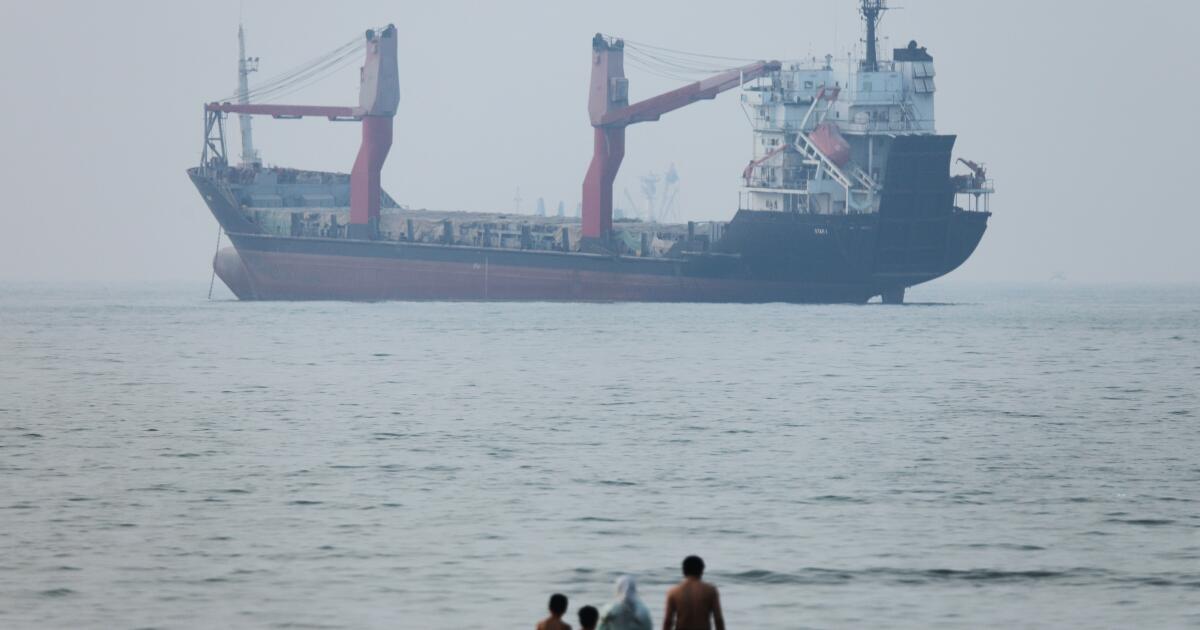
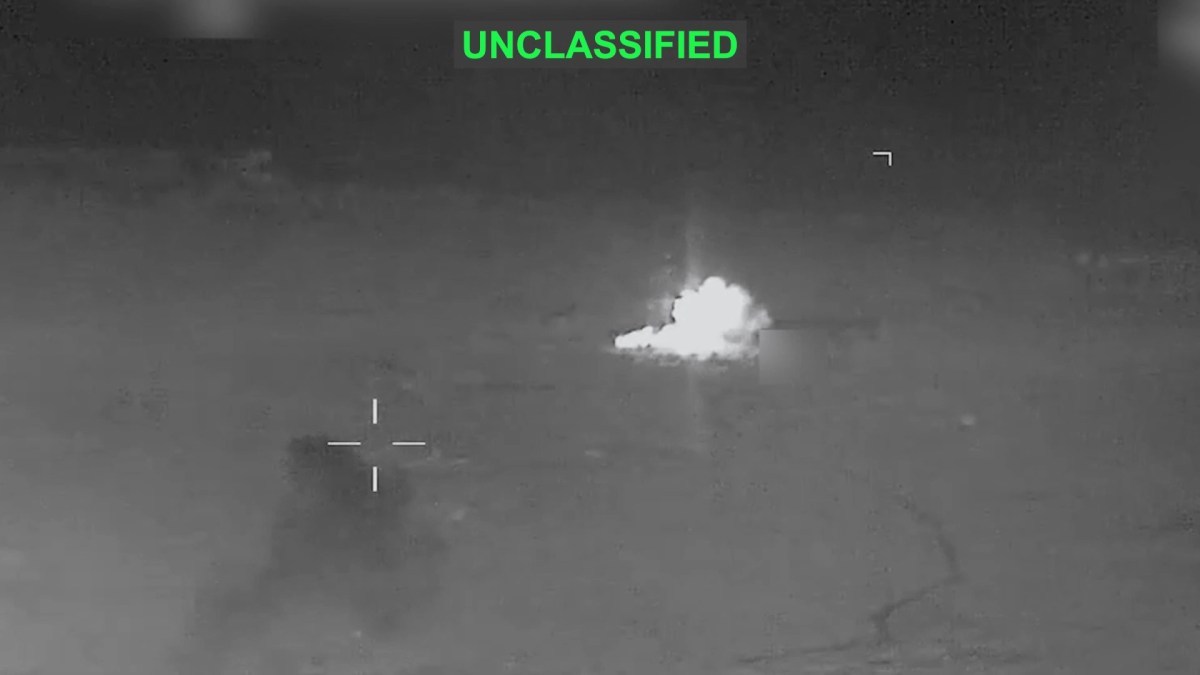
US Central Command conducted waves of airstrikes against Iranian coastal assets and ports including areas around Bandar Abbas, Qeshm, Sirik, Bushehr, Mahshahr and Chabahar, with visible damage and power outages reported locally. The action followed attacks on tankers transiting the Strait of Hormuz, including the Qatari LNG carrier Al Rekayyat, which is evacuated, stable and awaiting salvage. Iran has threatened a massive response, state outlets reported drone launches toward Bahrain, and Tehran claims to have struck US facilities in Bahrain and Kuwait. Oil prices spiked on the news. In Israel, officials are on high alert for renewed fighting but do not expect a full-scale war. In southern Lebanon, UNIFIL reports reduced violence and some returns of displaced families, yet daily violations of Resolution 1701 and movement restrictions from unexploded ordnance persist.
Change from previous assessment
Since the 8 July brief, US strikes expanded against Iranian coastal and port targets with visible effects at Bandar Abbas and Chabahar, and Iran has threatened and reportedly attempted regional retaliation including drones toward Bahrain. The Qatari LNG carrier Al Rekayyat remains evacuated and under salvage planning, reinforcing elevated Hormuz risk. Oil prices spiked on the strikes. Israel is on high alert but officials still do not expect a full‑scale war. EASA eased its aviation risk classification for Israel even as the ground picture deteriorated. Initial assessment of Iranian‑claimed hits on US facilities remains unconfirmed, and confidence on tanker‑attack attribution remains mixed.
Key judgments
- The United States has very likely initiated a sustained strike campaign against Iranian coastal military and port infrastructure to degrade IRGC maritime capabilities and impose costs for attacks on shipping. (Confidence: high · REPORTED)
- I&W: Another CENTCOM release naming additional Iranian coastal targets struck, with corroborating local reports of explosions or fires at ports or nearby bases (0-14 days)
- I&W: A public pause announcement by CENTCOM and two weeks without Iranian state or local reporting of new blasts in targeted coastal areas (0-14 days)
- Iran is likely to continue asymmetric retaliation across the Gulf, including drone activity toward Bahrain and claimed or attempted strikes on US facilities in Bahrain and Kuwait, heightening the risk of miscalculation. (Confidence: medium · REPORTED)
- I&W: Official US or GCC confirmation of damage or casualties from Iranian strikes on facilities in Bahrain or Kuwait (0-14 days)
- I&W: Public Iranian statements shifting from threats to acceptance of renewed talks on Gulf security (0-14 days)
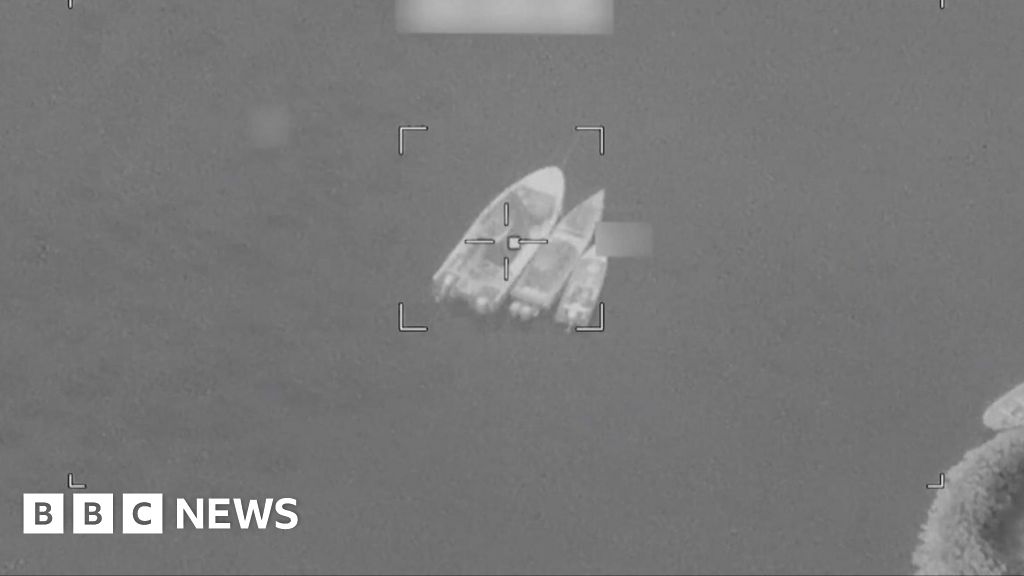
- It is likely Iran fired on at least three commercial tankers in the Strait of Hormuz on 7 July, but attribution of specific incidents remains contested. (Confidence: medium · ASSESSED)
- I&W: Release of forensic evidence or boarding footage clearly tying specific attack platforms to IRGC Navy or IRGC-affiliated units (1-3 months)
- I&W: Independent investigations attributing the incidents to non-state actors without Iranian direction (1-3 months)
- The Strait of Hormuz is very likely to remain an elevated-risk environment for commercial shipping over the next 1-3 months. (Confidence: high · ASSESSED)
- I&W: Additional harassment or attacks on merchant vessels by IRGC small boats or missiles in or near Hormuz (0-14 days)
- I&W: Public Iranian guarantee of free navigation accompanied by one month of incident-free AIS‑tracked transits (1-3 months)
- Oil markets are likely to remain volatile in the near term following the strikes and tanker attacks, with prices already up about 6-7 percent and energy prices roughly a quarter above pre‑war levels. (Confidence: medium · ASSESSED)
- I&W: Brent trades and holds above 78-80 dollars within two weeks on further hostilities or shipping incidents (0-14 days)
- I&W: A retracement of Brent toward 72 dollars on de‑escalatory signalling by Washington and Tehran (0-14 days)
- Israel is on high alert and preparing for renewed fighting, but officials judge a full‑scale war with Iran is unlikely for now. (Confidence: medium · ASSESSED)
- I&W: IDF orders broad mobilisation or announces large‑scale cross‑border operations into Lebanon or direct action against Iran (0-14 days)
- I&W: Israeli authorities publicly lower alert levels and restore routine training cycles (1-3 months)
- A fragile lull persists in southern Lebanon: violence has reduced and some displaced families are returning, yet daily violations of UNSCR 1701 and movement restrictions from unexploded ordnance indicate relapse risk if cross‑border dynamics worsen. (Confidence: high · ASSESSED)
- I&W: A measurable rise in UNIFIL‑recorded daily 1701 violations or renewed cross‑border fire (0-14 days)
- I&W: Sustained month of compliance with 1701 and clearance enabling expanded UNIFIL movement without UXO‑related restrictions (1-3 months)
Outlook & scenarios
Managed tit‑for‑tat confined to the Gulf (60%)
US precision strikes continue against coastal Iranian targets linked to maritime threats, while Iran answers with limited drone or missile activity and threatening rhetoric without causing mass casualties. Shipping faces intermittent harassment and routing delays in and near Hormuz, oil trades higher but below panic thresholds, and Israel maintains high alert without launching major new fronts.
Wider regional escalation (35%)
Iran executes effective strikes causing damage at US facilities in Bahrain or Kuwait or escalates attacks on shipping, prompting expanded US operations. Israeli leadership, already on alert, accelerates military options against Hezbollah along the Blue Line. Oil surges on sustained fear premiums and aviation advisories tighten again.
Backchannel pause and narrow de‑escalation (20%)
After initial exchanges and rhetoric about the MoU and ceasefire being over, both sides accept a quiet pause under third‑party facilitation. Iran reduces harassment around Hormuz and the US halts strikes. Oil retraces part of its gains and airlines cautiously add capacity under medium‑risk advisories.
Recommendations
- Maintain an OSINT geospatial watchlist on Iranian coastal nodes struck or threatened, prioritising Bandar Abbas, Qeshm, Sirik, Bushehr, Mahshahr and Chabahar, and archive fresh imagery and local reporting for damage assessment and trend analysis.
- Stand up a Hormuz shipping risk tracker that fuses vessel incident reports, coastal strike activity and Iranian transit‑permission rhetoric, and push daily movement guidance to stakeholders moving LNG and refined products through the strait.
- Instrument price tripwires for Brent and refined products linked to strike or shipping incident timestamps to support rapid energy risk briefs to decision‑makers.
- Task collection for authoritative confirmation or refutation of Iranian claims of strikes on US sites in Bahrain and Kuwait, including GCC defence communiqués and hospital reporting, to refine escalation assessments.
- Monitor Israeli alert posture through official notices, mobilisation signals and cancellations of public military events, and pair this with UNIFIL daily reporting on UNSCR 1701 violations to anticipate Blue Line spillover.
- Track aviation risk signalling and schedules, including EASA advisories and airline restart timelines for Israel, to gauge perceived risk shifts against the ground picture.
- Catalogue and verify tanker incident forensics, including hull imagery and crew accounts where available, to strengthen attribution confidence for Hormuz attacks.
- Prepare contingency brief templates for rapid update if Iran targets additional commercial shipping or if US announces a pause, enabling swift dissemination to maritime, energy and travel stakeholders.
Confidence & uncertainty
Multiple independent, reliable sources corroborate extensive US strikes on Iranian coastal and port targets and the sequence linking tanker attacks to the strikes, and market data on oil price moves is consistent. Attribution for specific tanker incidents is contested across credible reports, and Iranian claims of hitting 85 US facilities in Bahrain and Kuwait lack broad third‑party confirmation. Israeli intent signals mix high alert with expectations against full‑scale war. These corroboration strengths and attribution gaps together justify a medium overall confidence rating.
Intelligence gaps
- [EEI 1.1 · UNCOVERED] Observed repositioning, sustained increases, or new forward basing of Iranian conventional or IRGC forces (armored units, missile batteries, aircraft, naval vessels) toward borders or regional launch points. Recommended collection: IMINT/satellite
- [EEI 1.2 · PARTIAL] Hezbollah or other Iran-aligned proxy forces conducting mass mobilization, visible rocket/artillery emplacements, cross-border firing incidents, or preparations for cross-border operations from Lebanon, Syria, Iraq or Yemen. Recommended collection: HUMINT/ground ISR
- [EEI 1.4 · UNCOVERED] Interdicted or observed shipments (air, sea, land manifests, seizures, satellite imagery of transfers) of advanced weapons or missile components from Iran toward proxy groups or forward staging points. Recommended collection: maritime/AIS
- [EEI 2.3 · PARTIAL] Significant and sustained reductions or rerouting of tanker transits through the Strait of Hormuz (ship traffic counts, pilot reports, port call cancellations) and announcements of closure or restricted navigation zones (NOTAMs, maritime advisories). Recommended collection: maritime/NOTAMs
- [EEI 2.4 · UNCOVERED] Rapid increases in war-risk insurance premiums for Middle East routes, shipping company advisories to avoid region, or major charter cancellations tied to the conflict. Recommended collection: financial/open-source
- [EEI 3.1 · UNCOVERED] Movement/arrival of major foreign military assets into the region: U.S. carrier strike groups, amphibious ready groups, strategic bomber flights, Russian/Chinese naval taskings, or allied expeditionary units (visible in AIS, NOTAMs, satellite imagery, official releases). Recommended collection: IMINT/satellite
- [EEI 3.2 · UNCOVERED] Official expedited arms transfers, basing/overflight agreements, or declarations of operational support (formal government announcements, defense ministry releases, logistics flight manifests). Recommended collection: open-source/diplomatic
- [EEI 3.3 · UNCOVERED] Embassy evacuations, large-scale personnel movements, issuance of government travel bans/advisories, or multinational security alerts affecting foreign nationals and diplomatic posture in the region. Recommended collection: diplomatic/open-source
- [EEI 3.4 · PARTIAL] High-level diplomatic/UN activity: scheduled or emergency Security Council meetings, published ceasefire proposals, or multilateral statements committing support/condemnation that precede changes in military posture. Recommended collection: open-source/diplomatic
Cited sources
[1] Newsweek · Former NATO commander says Trump has 3 options on Iran amid new strikes (A) · sha256:9c4f47266308 [2] aljazeera.net · خبير عسكري: واشنطن تدرس كل الخيارات وضرب الداخل الإيراني أمر مطروح (A) · sha256:8180f6421c9a [3] Fortune · Iran strikes 85 U.S. military sites in the Gulf, sparking a global selloff in stocks and a spike in the price of oil | Fortune (A) · sha256:02ceae7f08c4 [4] The Jerusalem Post · Live Updates: Latest from Israel, Iran, and Middle East | The Jerusalem Post (A) · sha256:09e7f9d16c9d [5] bbc.com · Fire blazes in Iran after US strikes (A) · sha256:f0b8be237aa4 [6] wbgo.org · Tensions with Iran add fresh uncertainty to an already shaky global economy (A) · sha256:82e31929ce80 [7] maritime-executive.com · Photos: U.S. Hits Iranian Ports and Military Bases in New Wave of Strikes (A) · sha256:1d6d48e674a2 [8] CNN-News18 · Iran War Escalates LIVE: Iran Reportedly Launches Drones At Bahrain As Gulf Tensions Escalate | N18G (B) · sha256:b0288c886c29 [9] Newsweek · Why the US and Iran's first-step deal was doomed to fail (B) · sha256:a53aa92d83e5 [10] Los Angeles Times · Iran ceasefire is 'over,' Trump says, and orders additional strikes - Los Angeles Times (A) · sha256:1ad6a6524b46 [11] gcaptain.com · Trump Says US Ceasefire With Iran Is ‘Over’ After Strikes (A) · sha256:fb51eb27aee1 [12] gcaptain.com · Damaged Qatari LNG Tanker Awaits Salvage After Strike Near Hormuz (A) · sha256:2e441f3fdc94 [13] kitco.com · IMF edges 2026 global growth forecast lower to 3%, sees rebound in 2027 (B) · sha256:44301c5e2cc2 [14] ynetnews.com · Israel braces for renewed Iran fighting as Netanyahu, Katz cancel military ceremony (A) · sha256:37118a6b247a [15] CNN · Israel watches as U.S.-Iran tensions escalate | CNN (A) · sha256:7fef4a1c7743 [16] United Nations · Grim homecoming: Devastation greets Lebanon's war-weary returnees (A) · sha256:c6d750b2bc73
Source content hashes were computed at collection time; the cited text is preserved unmodified for the life of this product.
TLP:CLEAR