TLP:CLEAR · Disclosure is not limited.
Iran-Israel: diplomacy advances while Gulf and Lebanon remain volatile
Time window: Last 1 day · Audience: General analyst · Type: Situation report · DTG: 2026-07-05 11:42Z · Overall confidence: MEDIUM
BLUF
Reciprocal hostilities are very likely to persist in the near term despite a US, Iran memorandum and a new Israel, Lebanon arrangement. The United Arab Emirates remains a primary target environment for Iranian missiles, and maritime risk through the Strait of Hormuz is likely to stay elevated even as some air traffic recovers.
Executive summary
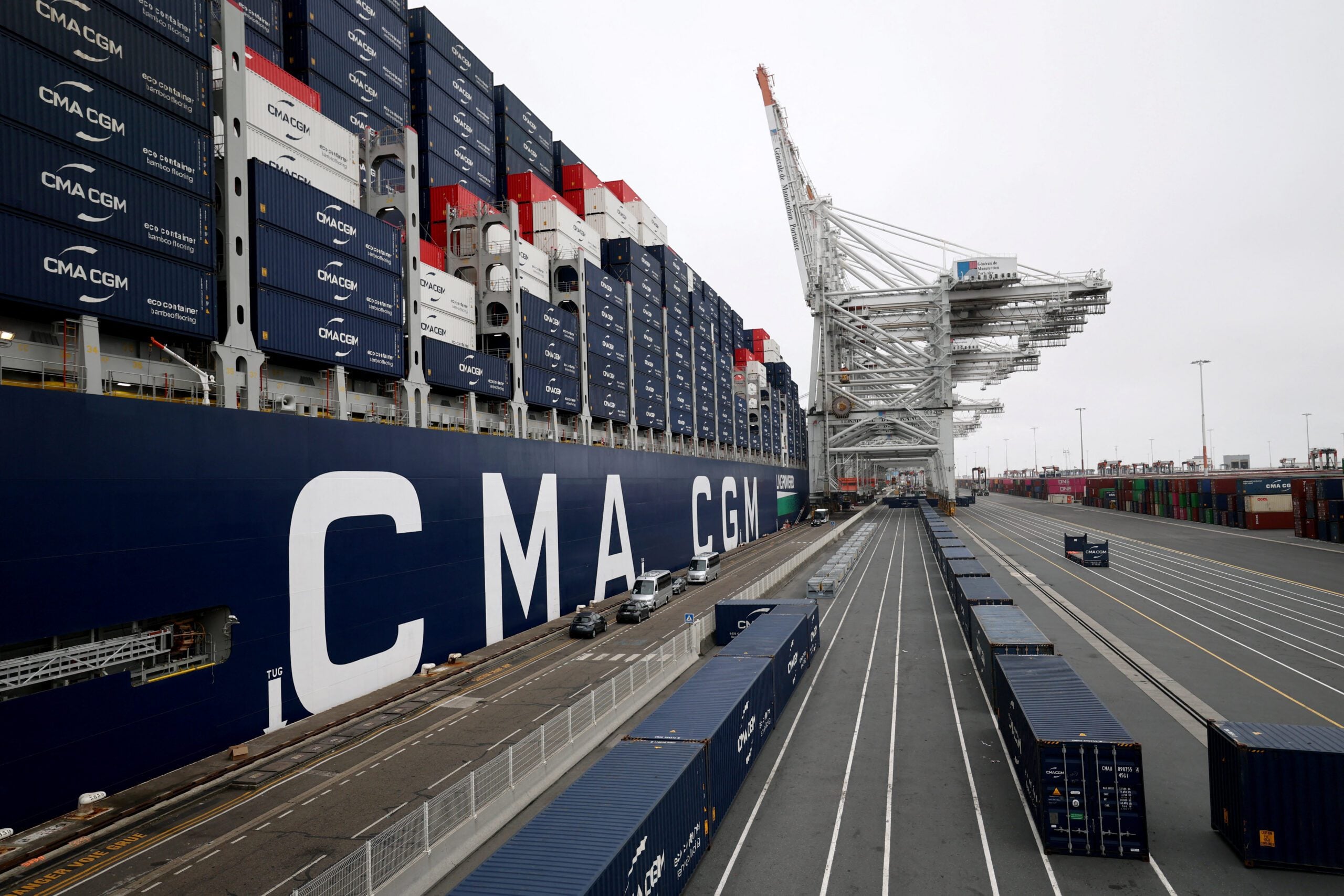
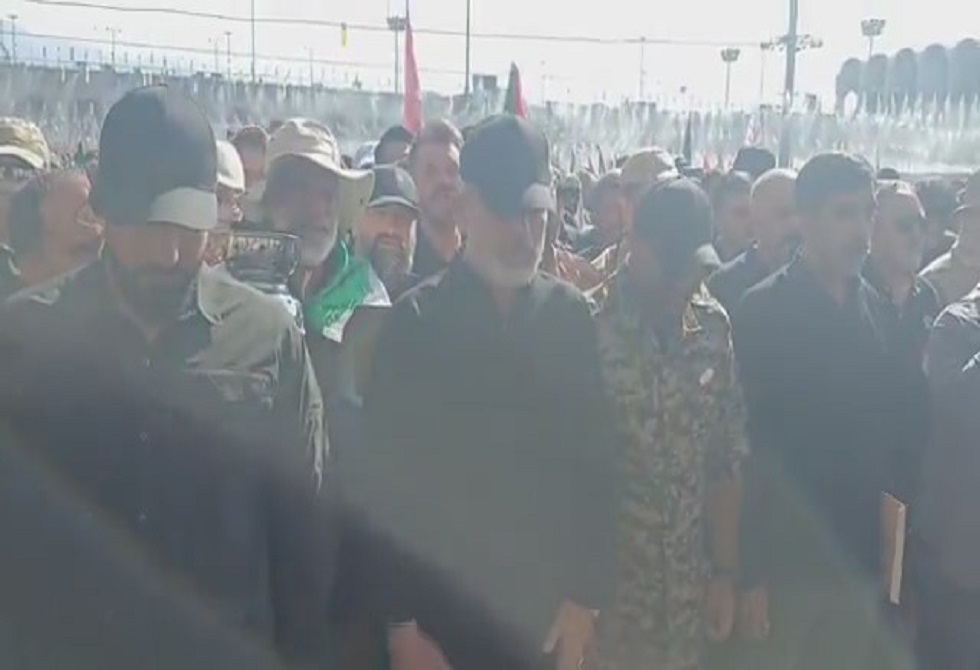
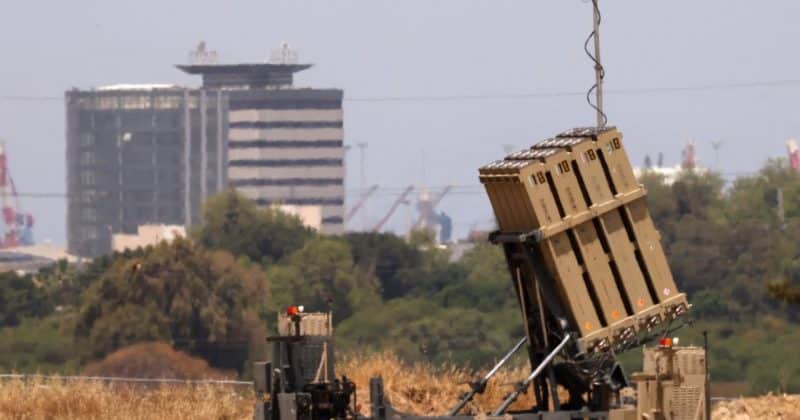
On 5 July, reporting points to parallel de-escalation tracks and ongoing conflict activity. The United States and Iran reached an understanding on a Lebanon deconfliction mechanism, alongside the first Israel, Lebanon agreement since 1983. Yet Hezbollah has threatened Beirut with violence if the deal is implemented, and Israel has engaged operatives in south Lebanon. The UAE remains under heightened threat: Iran has fired several hundred more missiles at Emirati targets than at Israel during the war, with an Israeli Iron Dome battery reported in the UAE and multiple interceptions claimed. In the Strait of Hormuz, a CMA CGM container ship was previously hit by a missile and its crew injured, the vessel was later escorted to safety, and CMA CGM is not resuming Gulf sailings for now, while some tankers are diverting via an Iran coastal route. The FAA has advised caution for US civil aviation in the Middle East. Inside Iran, the funeral for Ali Khamenei featured a front‑rank IRGC presence and revenge rhetoric, signalling the military institution’s centrality during the transition.
Change from previous assessment
New developments since the prior brief include: a reported US, Iran understanding on a Lebanon deconfliction mechanism and the first Israel, Lebanon agreement since 1983; explicit Hezbollah threats of violence in Beirut if implementation proceeds; further detail on the UAE threat environment including Iranian missile salvos against Emirati targets and reports of an Israeli Iron Dome battery operating in the country; and additional maritime signals, including the injured crew of the CMA CGM vessel struck near Hormuz, CMA CGM’s continued pause on Gulf sailings, and some tankers diverting along the Iran coast route. Inside Iran, the IRGC’s front‑rank role at Khamenei’s funeral and revenge slogans add texture to the leadership transition. These updates raise the salience of Lebanon as a near‑term flashpoint while leaving our Gulf risk assessment elevated.
Key judgments
- Very likely reciprocal hostilities among Iran, Israel and the United States will persist over the next fortnight despite a 60‑day ceasefire framework and a Lebanon deconfliction understanding. (Confidence: medium · ASSESSED)
- I&W: Hezbollah-claimed rocket, anti-tank, or infiltration incidents across the Lebanon frontier resume at scale after initial deconfliction steps. (0-14 days)
- I&W: Pakistan-hosted US, Iran talks on 11 July produce a publicly announced compliance mechanism and measurable pause in regional strikes. (0-14 days)
- Maritime and aviation risk in and around the Strait of Hormuz is likely to remain elevated for at least the next month, despite ceasefire language and a reported rise in flight activity. (Confidence: medium · ASSESSED)
- I&W: Another reported missile or UAV strike on a merchant vessel transiting or approaching the Strait of Hormuz. (0-30 days)
- I&W: Major liners announce resumption of scheduled Gulf port calls and insurers downgrade war-risk surcharges for Hormuz. (1-3 months)
- The United Arab Emirates is very likely to remain a primary target environment in the short term, with continued Iranian missile and drone threats against Emirati territory and US-linked sites. (Confidence: high · ASSESSED)
- I&W: Reporting of additional Iron Dome interceptions over Emirati territory or renewed Iranian launch activity toward UAE population centres or US facilities. (0-14 days)
- I&W: US government revises travel or aviation advisories for the UAE downward and Israel withdraws the deployed air defence battery. (1-3 months)
- The 5 July Israel, Lebanon arrangement and the US, Iran deconfliction understanding likely lower the risk of immediate large‑scale escalation along the border, but there is a roughly even chance of renewed violence during implementation given Hezbollah threats and ongoing contact incidents. (Confidence: medium · ASSESSED)
- I&W: Publication of a joint or mediated verification mechanism and visible maintenance of a limited Israeli tactical presence near the border without major exchanges. (0-30 days)
- I&W: Hezbollah-linked violence in Beirut or a surge in anti‑tank or rocket fire across the border disrupting the agreement timeline. (0-30 days)
- IRGC prominence at Ali Khamenei’s funeral and revenge rhetoric make it likely Iran sustains a hardline external posture in the near term. (Confidence: medium · ASSESSED)
- I&W: Senior IRGC figures publicly threaten further action against US bases or Israel following funeral milestones. (0-14 days)
- I&W: Iranian authorities announce activation of the claimed US communication channel and pair it with instructions to allied groups to observe ceasefire terms. (0-30 days)
Outlook & scenarios
Managed de-escalation holds while agreements bed in (40%)
The 60‑day ceasefire framework and the US, Iran deconfliction channel take effect, and the Israel, Lebanon arrangement curbs frontline exchanges. Air corridors normalise faster than sea routes, with major liners still cautious through Hormuz. Hezbollah tests boundaries rhetorically but avoids large‑scale violence while aid mobilisation for Lebanon proceeds.
Spoiler violence in Lebanon derails the deal (30%)
Hezbollah carries out violent intimidation in Beirut and increases cross‑border fire, citing objections to implementation terms. Israel sustains a tactical presence near the border and reverts to frequent precision strikes on operatives. The US, Iran channel strains, and diplomatic traction from the July track stalls.
Gulf relapse: shipping attack triggers renewed military moves (25%)
A fresh missile or drone attack on a merchant vessel near Hormuz prompts extended diversions and pauses by major carriers. European navies weigh deployments despite prior Iranian warnings, and commercial risk premia surge. The FAA maintains heightened caution, and Gulf air and sea logistics remain brittle.
Recommendations
- Set up daily tracking of July negotiation milestones and Lebanon implementation steps; log any Hezbollah threats or border incidents against the agreement timeline for rapid escalation assessment.
- Maintain a live maritime risk dashboard for Hormuz combining ship operator advisories, reported attacks, AIS track deviations, and insurer circulars; brief energy and supply‑chain stakeholders if a fresh vessel strike is confirmed.
- Prioritise collection on Iranian missile launch activity toward the UAE and any Iron Dome interception reports; fuse with FAA and State Department advisories to update risk to US persons and operators in the Emirates.
- Task open‑source monitoring on IRGC leaders’ public statements and funeral‑related messaging to flag shifts from revenge rhetoric to de‑escalatory signalling or vice versa.
- Map the new Israel, Lebanon verification and tactical‑presence contours as they become public, and prepare indicators of non‑compliance that would warrant early warning to policymakers.
Confidence & uncertainty
Multiple high‑confidence reports corroborate active conflict dynamics, threats against Emirati targets, and maritime disruption around Hormuz, alongside consistent accounts of a 60‑day ceasefire framework and a US, Iran deconfliction understanding for Lebanon. Confidence is moderated by timeline inconsistencies across some sources, contested claims on the scope and timing of Iron Dome deployment and interceptions in the UAE, and the inherent uncertainty introduced by Hezbollah’s threatened response to the agreement. Taken together, the body of reporting supports medium overall confidence.
Alternative analysis (red cell)
A defensible alternative interpretation is that the 60‑day ceasefire and US–Iran deconfliction mechanisms, together with resumed commercial flight activity, materially reduce the probability of sustained reciprocal strikes in the immediate fortnight and may lower maritime/aviation risk sooner than a month. Funeral displays and revenge rhetoric heighten political tension and could enable episodic incidents, but they do not constitute direct evidence of coordinated operational plans for a sustained external campaign. Absent contemporaneous IMINT/SIGINT or orders indicating mobilization, escalation risk is better characterized as contingent and episodic rather than uniformly high.
Intelligence gaps
- [EEI 1.1 · UNCOVERED] Unusual long-range missile/rocket transporter-launcher (TEL) movements, storage activation, or assembly activity at known IRGC missile sites or forward staging areas. Recommended collection: satellite/imagery
- [EEI 1.3 · UNCOVERED] Large-scale transfers, deliveries, or convoy movements of armed UAVs/drones, guided munitions, or spare parts from Iran into Lebanon (Hezbollah), Iraq, Syria, or Gaza. Recommended collection: air/aviation track and HUMINT
- [EEI 2.1 · PARTIAL] Concentration, repositioning, or sortie patterns of Iranian naval/IRGC patrol boats and fast-attack craft near shipping chokepoints or commercial lanes. Recommended collection: maritime/AIS and satellite/imagery
- [EEI 2.3 · PARTIAL] Insurance market indicators: sudden spikes in war-risk or hull insurance premiums for routes through the Red Sea, Suez corridor, or Persian Gulf, and major carriers announcing route changes. Recommended collection: financial/market and commercial shipping notices
- [EEI 3.1 · PARTIAL] Deployment of foreign military assets to the region (carrier strike groups, amphibious ships, combat aircraft deployments, or additional bases activated) from the US, UK, France, Russia, or GCC states. Recommended collection: maritime/AIS and air/aviation and satellite/imagery
Cited sources
[1] Al Jazeera · Turkiye’s Erdogan says Israel must not be able to ‘dynamite’ US-Iran deal (A) · sha256:0d24fa5b98f3 [2] jpost.com · How the new Israel-Lebanon agreement changes the rules of the game - opinion (B) · sha256:8e8187efa95f [3] Wikipedia · Reactions to the 2026 Iran war (B) · sha256:6f2b9c9373d2 [4] The Jerusalem Post · Israel sent dozens of IDF soldiers, Iron Dome system to UAE during Iran war, minister confirms (A) · sha256:8b1a13be50ff [5] U.S. Department of State · United Arab Emirates Travel Advisory (A) · sha256:7a0c71f2991b [6] gcaptain.com · CMA CGM Ship Hit By Missile In Hormuz Strait May Go For Scrapping (B) · sha256:a001b52c545d [7] Telegraf · Стала известна дата нового раунда переговоров США и Ирана. 127 день конфликта на Ближнем Востоке (B) · sha256:4ec0d5300352 [8] understandingwar.org · Iran Update Special Report, July 4, 2026 (C) · sha256:d489226ded98 [9] cryptobriefing.com · Israel deploys Iron Dome battery to UAE amid Iran conflict, reshaping Middle East defense alliances (B) · sha256:6e7bae7231d4 [10] The Jerusalem Post · Live Updates: Latest from Israel, Iran, and Middle East | The Jerusalem Post (A) · sha256:f951c5220729 [11] RT · طهران. قادة الحرس الثوري يتقدمون مشيعي خامنئي (فيديوهات) (B) · sha256:3c3f0406a33c
Source content hashes were computed at collection time; the cited text is preserved unmodified for the life of this product.
Red cell review: PARTIAL DISSENT
TLP:CLEAR