TLP:CLEAR, Disclosure is not limited.
Iran-Israel Direct Strikes on June 8 Precipitate Fragile De-escalation Amid Wider Regional Tensions
Time window: Last 7 days · Audience: General analyst · Type: Situation report · DTG: 2026-06-11 18:13Z · Overall confidence: MEDIUM
BLUF
Iran launched nearly 30 ballistic missiles at Israel and Israel conducted retaliatory strikes against Iranian military targets on June 8, 2026, but both nations subsequently pledged to halt operations. The resulting de-escalation appears extremely fragile, with Netanyahu explicitly stating Israeli attacks are 'on hold' only if Iran does not retaliate further and both sides maintaining high alert status across the Middle East.
Executive summary
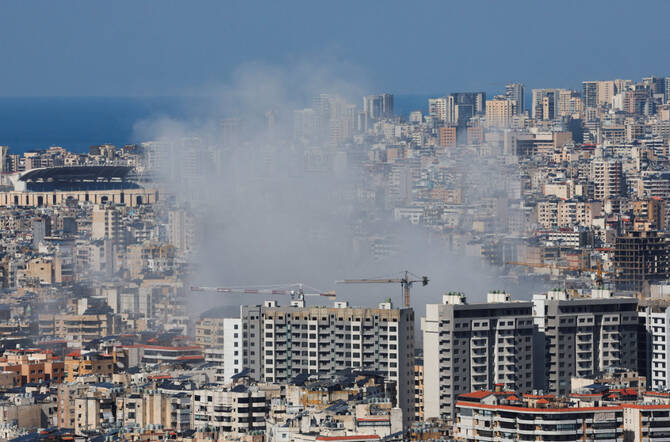
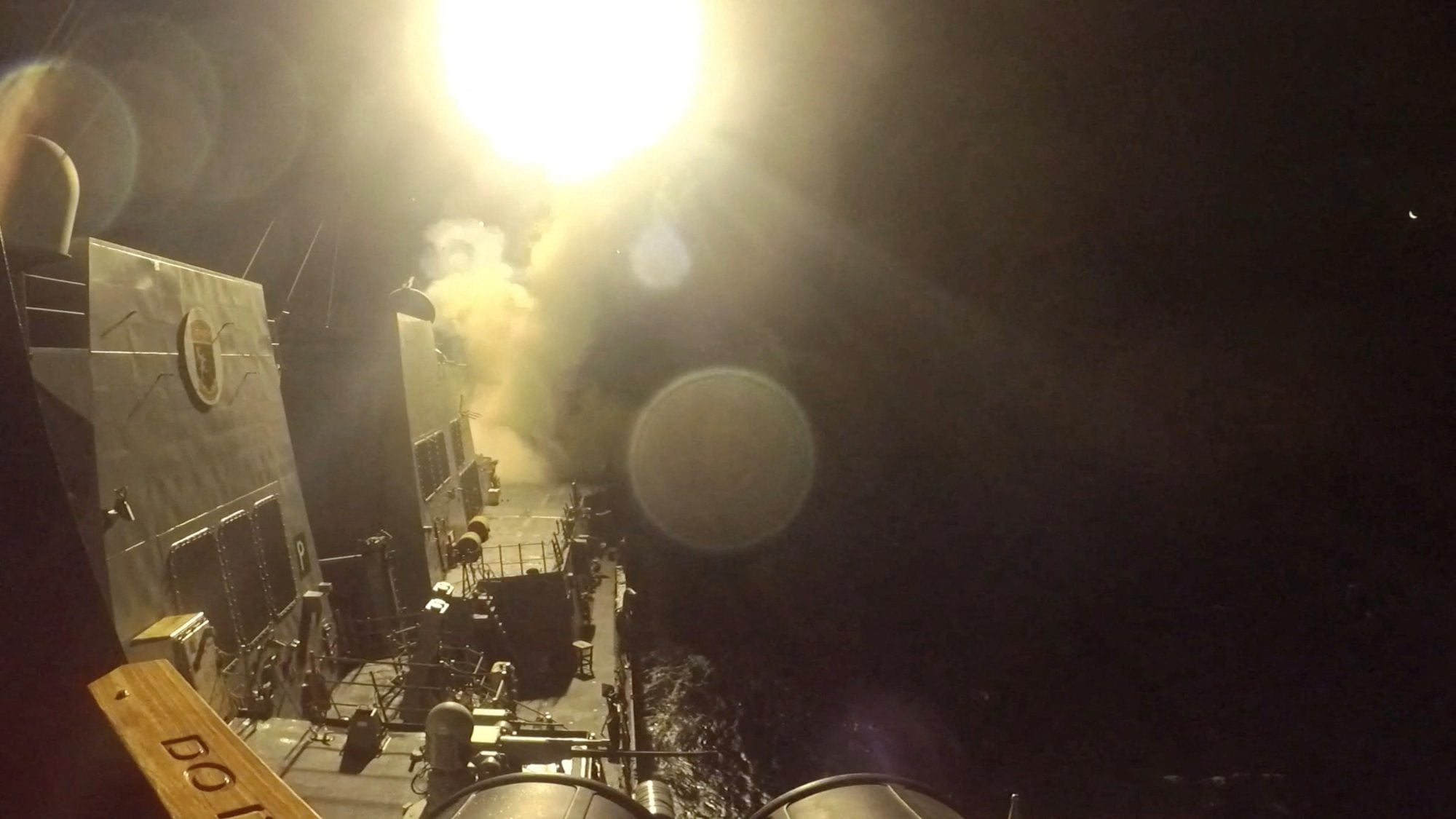
Iran and Israel engaged in direct military strikes on June 8, 2026, marking a significant escalation from proxy warfare to direct state-to-state conflict. Iran's Revolutionary Guard reported launching nearly 30 ballistic missiles targeting three Israeli military air bases, while Israeli military struck Iranian air defense sites and a petrochemical complex in Mahshahr. Both governments subsequently announced a pause in operations, with Iran's military stating it was halting attacks 'for now' and Israel declaring its fire 'on hold.' However, this de-escalation remains precarious amid continued Houthi missile attacks against Israel, uncertainty regarding the operational status of the Strait of Hormuz, and ongoing U.S. military operations in the Gulf region.
Key judgments
- Iran and Israel have established a fragile pause in direct military operations following missile exchanges on June 8, 2026, with both governments pledging to stop attacking each other but maintaining explicit conditional caveats that would trigger immediate resumption of hostilities. (Confidence: high · REPORTED)
- I&W: Public confirmation from both governments of reciprocal military actions beyond initial exchanges (0-14 days)
- I&W: Renewed missile alerts issued by Israeli emergency services (0-72 hours)
- Iran is very likely to refrain from large-scale direct attacks against Israel for the next 14-21 days due to recent significant military losses, including damage to a petrochemical complex in Mahshahr and potential damage to air defense systems, though limited proxy operations will continue. (Confidence: medium · ASSESSED)
- I&W: Iranian state media announcing military exercises in Khuzestan province (0-7 days)
- I&W: Increased drone sightings along Iranian-Israeli border regions (0-3 days)
- The Houthi militant group in Yemen will very likely increase the tempo and scale of missile attacks against Israeli territory over the next month as the pause in direct Iran-Israel hostilities creates operational space for Iran's proxy forces to assert continued pressure. (Confidence: high · ASSESSED)
- I&W: Five or more consecutive days with Houthi missile alerts in Tel Aviv (0-10 days)
- I&W: Confirmed Houthi claims of successful strikes on Ben Gurion Airport facilities (0-14 days)
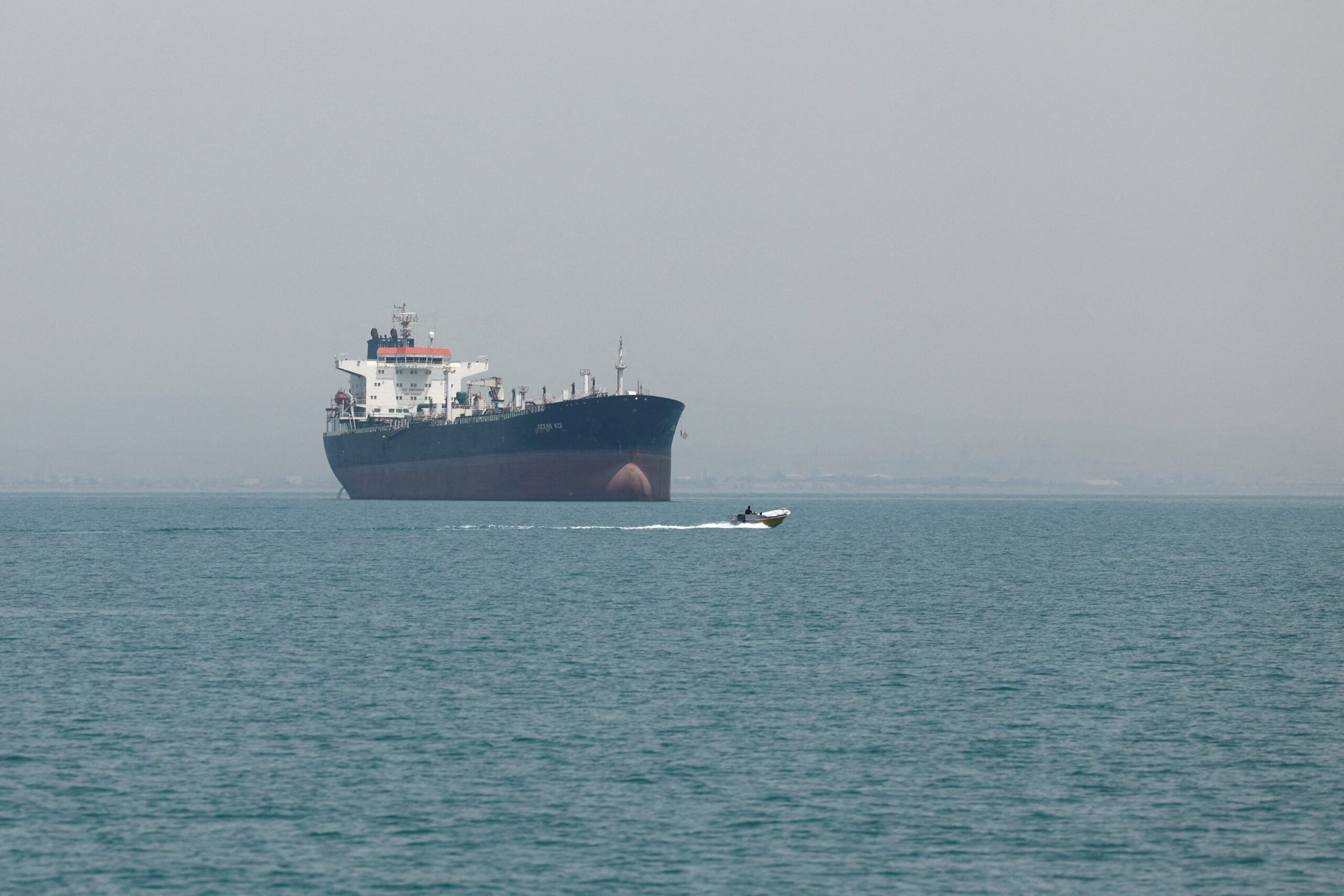
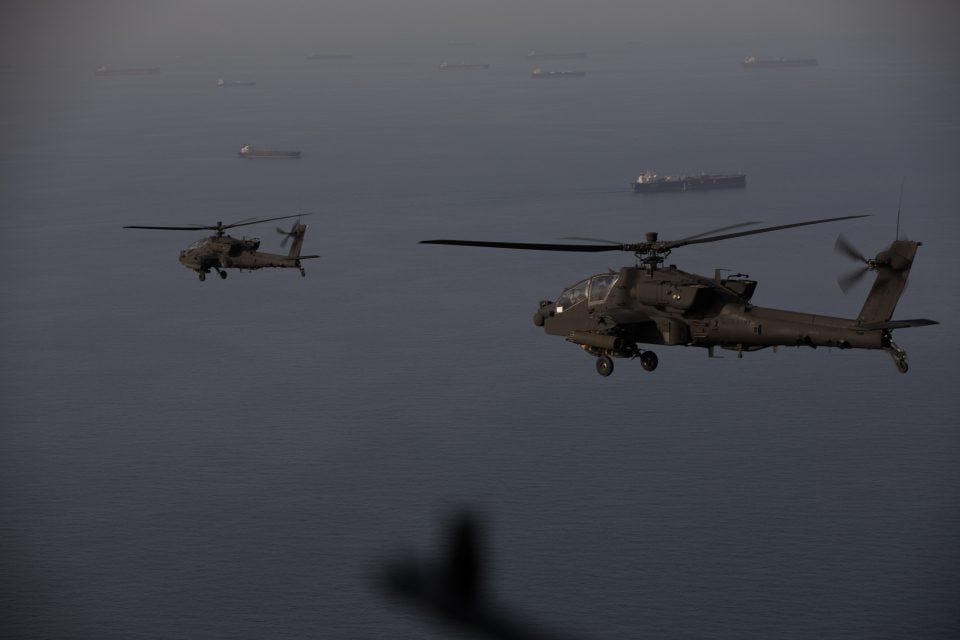
- The operational status of the Strait of Hormuz is very likely to remain contested for the next 30 days as indicated by conflicting statements from U.S. Central Command affirming the waterway is open and the Persian Gulf Strait Authority declaring its closure, creating significant navigation uncertainty for commercial shipping. (Confidence: medium · ASSESSED)
- I&W: Commercial vessel AIS transponders reporting successful transit through Strait (0-7 days)
- I&W: Official notice from European Union Maritime Force regarding regional security risks (0-14 days)
- U.S. crude oil price increases of around 50% compared to pre-conflict levels are likely to continue through late 2026 as global oil inventories fall by an average of 6.3 million barrels per day in the second quarter, with partial recovery expected in third quarter if Strait of Hormuz operations normalize. (Confidence: medium · ASSESSED)
- I&W: Brent crude oil spot price exceeding $110 per barrel for five consecutive trading days (0-14 days)
- I&W: U.S. Energy Information Administration revising 2026 price forecast upward by 10% (1-3 months)
Outlook & scenarios
Stable De-escalation with Limited Proxy Activity, 30%
Iran and Israel maintain their declared pause in direct military operations through November 2026, focusing instead on diplomatic channels while allowing limited proxy activity to continue through established channels without escalation to direct strikes. This scenario would be facilitated by active U.S. and United Kingdom diplomatic engagement, with Qatar serving as mediator as reported in recent diplomatic movements. Regional oil flows would gradually normalize to approximately 75% of pre-conflict capacity by September 2026, reducing global energy price pressures.
Controlled Escalation Through Proxy Networks, 55%
Direct conventional strikes by Iran and Israel cease through November 2026, but both nations escalate through proxy networks and cyber operations. Iran's Revolutionary Guard intensifies Houthi missile attacks against Israeli civilian infrastructure while Israel conducts targeted operations against Iranian proxies in Syria. U.S. military operations in the Gulf continue to disable vessels allegedly supporting Iranian forces, maintaining elevated economic disruption with Strait of Hormuz traffic operating at approximately 50% of pre-conflict volume. Israeli casualties from Houthi attacks increase pressure on Netanyahu to resume direct action before year-end.
Full Regional Conflict with Multiple State Entry, 15%
A significant Houthi missile strike causing Israeli mass casualties or renewed Iranian direct attack triggers Israel to expand operations into Syria and Iraq, drawing Hezbollah into the conflict. Iranian Revolutionary Guard units respond by attacking U.S. forces in Kuwait and Bahrain, with Iran claiming responsibility for strikes against 18 U.S. military targets. The Strait of Hormuz remains completely closed through November 2026, triggering global fuel shortages that force industrialized nations to activate emergency reserves. Global economic output contracts by 2.5% in the fourth quarter of 2026 as Brent crude prices exceed $150 per barrel.
Recommendations
- Establish dedicated interagency working group to monitor Houthi operational patterns and missile capabilities, with particular focus on detection of potential chemical payloads
- Coordinate with United Kingdom and NATO allies to issue unified statement affirming freedom of navigation in Gulf waters consistent with international law
- Request U.S. Energy Information Administration to prepare contingency analysis for extended Strait of Hormuz closure scenarios beyond 90 days
- Direct National Counterterrorism Center to increase monitoring of anti-Western sentiment indicators in Türkiye, particularly related to transportation hubs and government facilities
- Instruct Department of State to develop evacuation contingency plan for U.S. personnel in United Arab Emirates amid heightened security risks
Confidence & uncertainty
Overall confidence is medium due to conflicting reporting on the operational status of the Strait of Hormuz and limited corroboration regarding the actual military damage incurred by both sides. The most solid reporting comes from official statements by both governments regarding their declared pause in direct hostilities and verified missile exchanges, while assessments of military damage and economic impacts rely more heavily on open-source media reports with less direct verification.
Alternative analysis (red cell)
Israel's explicit condition (claim c6d7afbd) provides clear triggers for resuming attacks, but Iran's announcement (claim 69c20c73) lacks explicit conditions, only stating a temporary halt based on Israel 'learning a lesson.' This ambiguity creates significant risk of Iranian-initiated escalation without new provocation, reducing the pause's expected duration. We assess with medium confidence the truce will likely collapse within 10-14 days absent diplomatic intervention.
Cited sources
[1] interlochenpublicradio.org, After trading missile fire, Israel and Iran pull back, for now (A) · sha256:f682f6fbf910 [2] NPR, After trading missile fire, Israel and Iran pull back, for now (A) · sha256:1bfab00bff75 [3] NPR, After trading missile fire, Israel and Iran pull back, for now (A) · sha256:c2ca5a6f43c4 [4] globalvillagespace.com, Israel and Iran trade strikes, threatening to drag region back to war (B) · sha256:090c08a92c1d [5] aljazeera.net, خبير عسكري: إيران تخلت عن التدرج واعتمدت أسلوب الضربة مقابل الضربة (B) · sha256:ba27a50e40b3 [6] kunc.org, After trading missile fire, Israel and Iran pull back, for now (A) · sha256:96bb688cbf6d [7] NPR, After trading missile fire, Israel and Iran pull back, for now (A) · sha256:408f4f905a43 [8] gcaptain.com, U.S. Military Says Hormuz Open After Iran Declares Strait Closed (B) · sha256:0e2e8a4476ad [9] gcaptain.com, Ceasefire Frays as U.S. and Iran Exchange Fresh Strikes (A) · sha256:bd5c7a43ed10 [10] gcaptain.com, Trump Claims Covert U.S. Operation Helped 200 Ships Transit Hormuz (B) · sha256:3aee3b1cba37 [11] gcaptain.com, Oil Tankers Go Dark to Sneak More Gulf Barrels Through Hormuz (B) · sha256:78370010f5ee [12] U.S. Energy Information Administration, [PDF] Short-Term Energy Outlook (STEO) - EIA (A) · sha256:d24d3bba5e39
Source content hashes were computed at collection time; the cited text is preserved unmodified for the life of this product.
Red cell review: PARTIAL DISSENT
TLP:CLEAR