TLP:CLEAR · Disclosure is not limited.
Iran-Israel escalation, contested Hormuz reopening, and fragile US-Iran talks: 18-25 June 2026
Time window: Last 7 days · Audience: General analyst · Type: Situation report · DTG: 2026-06-25 06:18Z · Overall confidence: LOW
BLUF
Hezbollah-Israel exchanges and Iranian coercion persist despite an announced US-Iran understanding to reopen Hormuz. Shipping is moving along an Oman-led southern corridor while Iran disputes control, and Tehran-linked threats to US-associated sites in the UAE elevate risk to American personnel and partners.
Executive summary
Since 28 February, Iran and its proxies have sustained missile and UAV attacks across Israel and US-aligned Arab states, leaving at least 20 dead and over 7,000 wounded in Israel, with tallies of munitions varying widely. In southern Lebanon, Hezbollah launched roughly 50 projectiles overnight and the IDF’s retaliatory strikes reportedly killed at least 27 people, despite claims of a halt in fighting. At sea, the status of the Strait of Hormuz is contested: US Central Command reported 55 commercial vessels transiting on 20 June and at least five tankers were verified that day, Oman announced a temporary corridor and South Korean-operated vessels exited, while Iran’s IRGC announced closure and rejected the IMO/Omani southern route. An emerging US-Iran memorandum foresees reopening Hormuz with a 60-day toll waiver, but scope and implementation remain disputed, including Iran’s signal that its missile programme is excluded. Tehran’s intent to target US-associated sites in the UAE, and reported IRGC cell-building in Iraq aimed at Gulf hosts of US forces, heighten the threat to US and partner facilities as Swiss-hosted talks wobble alongside flare-ups in Lebanon.
Key judgments
- Iran and its proxies likely sustained a high tempo of attacks on Israel and US-aligned Arab states since 28 February 2026, with missile and UAV barrages causing at least 20 deaths and more than 7,000 wounded in Israel; open-source tallies of munitions expended vary from 650 missiles with at least 479 barrages to more than 2,300 missiles and 5,350 UAVs across the theatre. (Confidence: medium · REPORTED)
- I&W: Official Israeli reporting shows new large missile or UAV barrages and the Home Front Command maintains or extends an elevated defence posture beyond the current timeframe. (0-14 days)
- I&W: Two consecutive weeks without reported Iranian missile or UAV launches into Israel recorded by official and NGO tallies. (1-3 months)
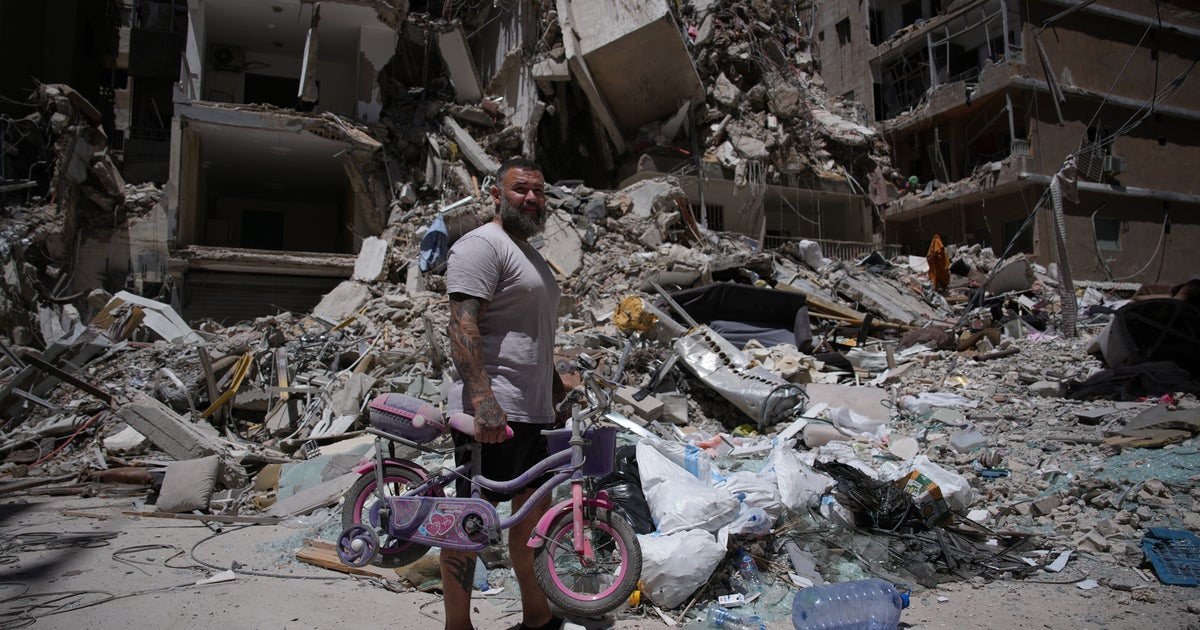
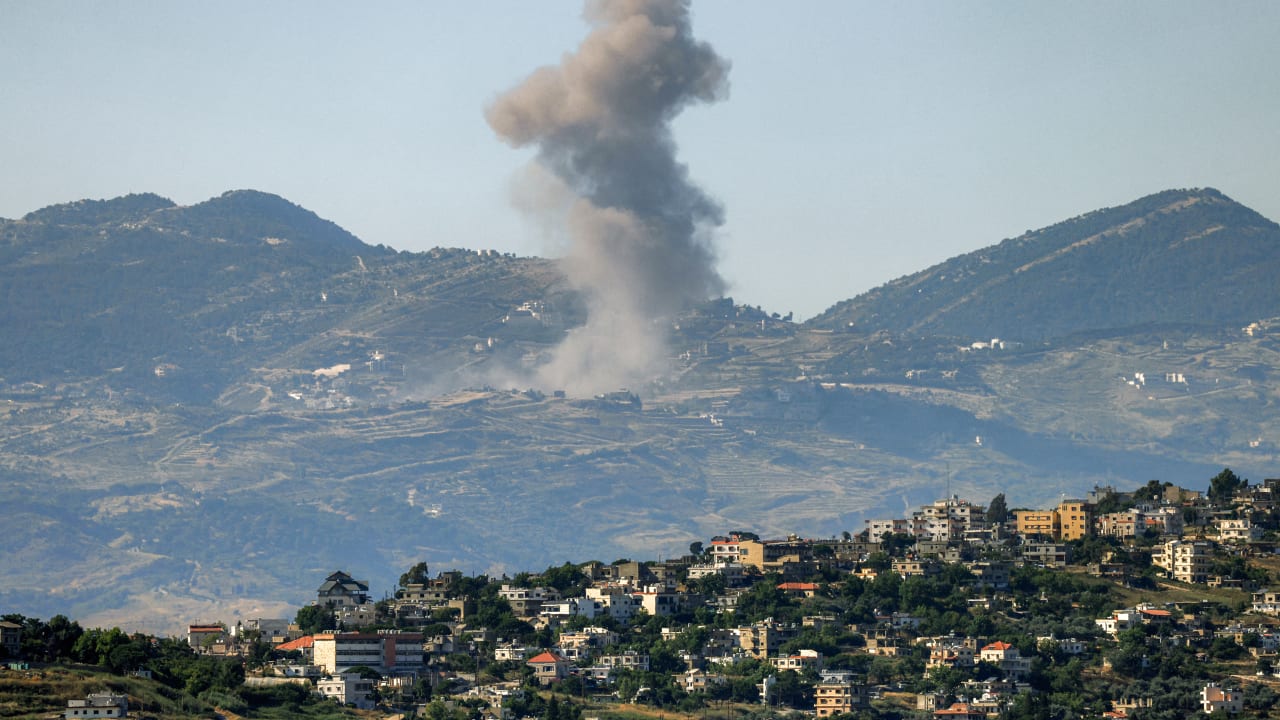
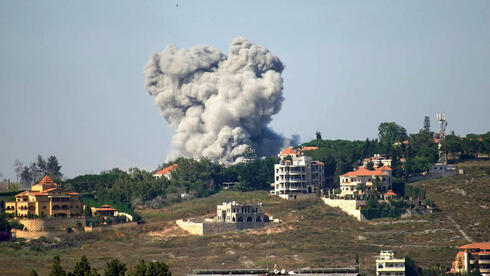
- The Israel-Hezbollah front in southern Lebanon is very likely still active despite a declared halt, with Hezbollah launching roughly 50 projectiles overnight, an IDF soldier killed and 13 wounded in Kfar Tebnit, and Israeli retaliatory strikes killing at least 27 people; both sides accuse the other of ceasefire violations. (Confidence: high · REPORTED)
- I&W: Hezbollah salvo counts exceed 40 rockets or multiple explosive drones in a 24-hour period and the IDF reports new cross-border fatalities. (0-14 days)
- I&W: A staffed de-confliction cell publicly reports compliance metrics and both Hezbollah and the IDF record zero cross-border fire for 14 continuous days. (1-3 months)
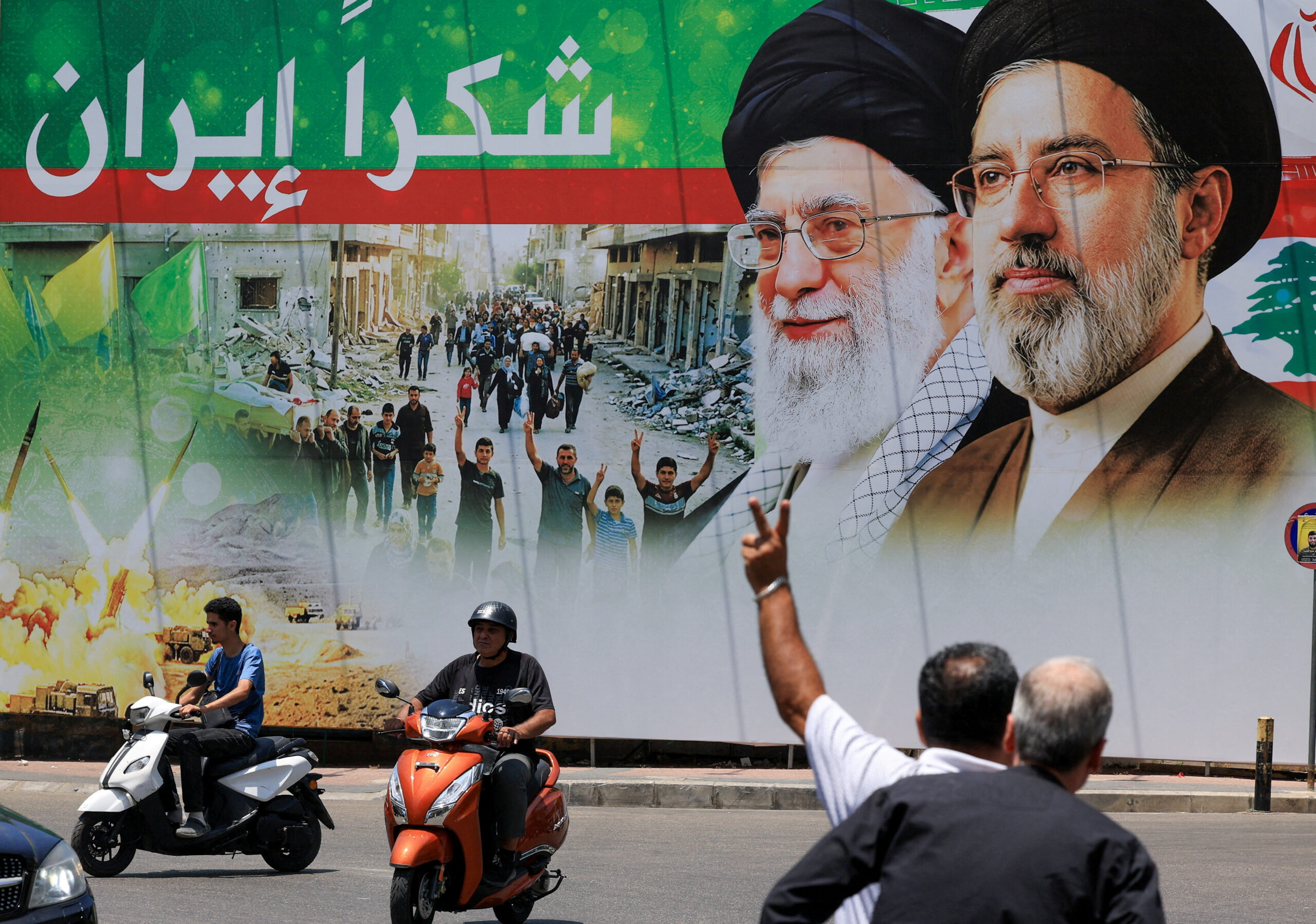
- Iran very likely intends to expand pressure on US interests in the Gulf, including by establishing new IRGC-run attack cells in Iraq and by publicly threatening to strike US-associated sites in the United Arab Emirates, which heightens the threat environment for US and partner facilities. (Confidence: high · ASSESSED)
- I&W: Rocket, UAV or sabotage attempts traced to new Iraqi cell structures target US-linked facilities in Bahrain, Kuwait or the UAE. (0-3 months)
- I&W: Iraqi security authorities announce arrests and seizures that expose IRGC-directed cell networks intended for operations against Gulf states hosting US forces. (0-3 months)
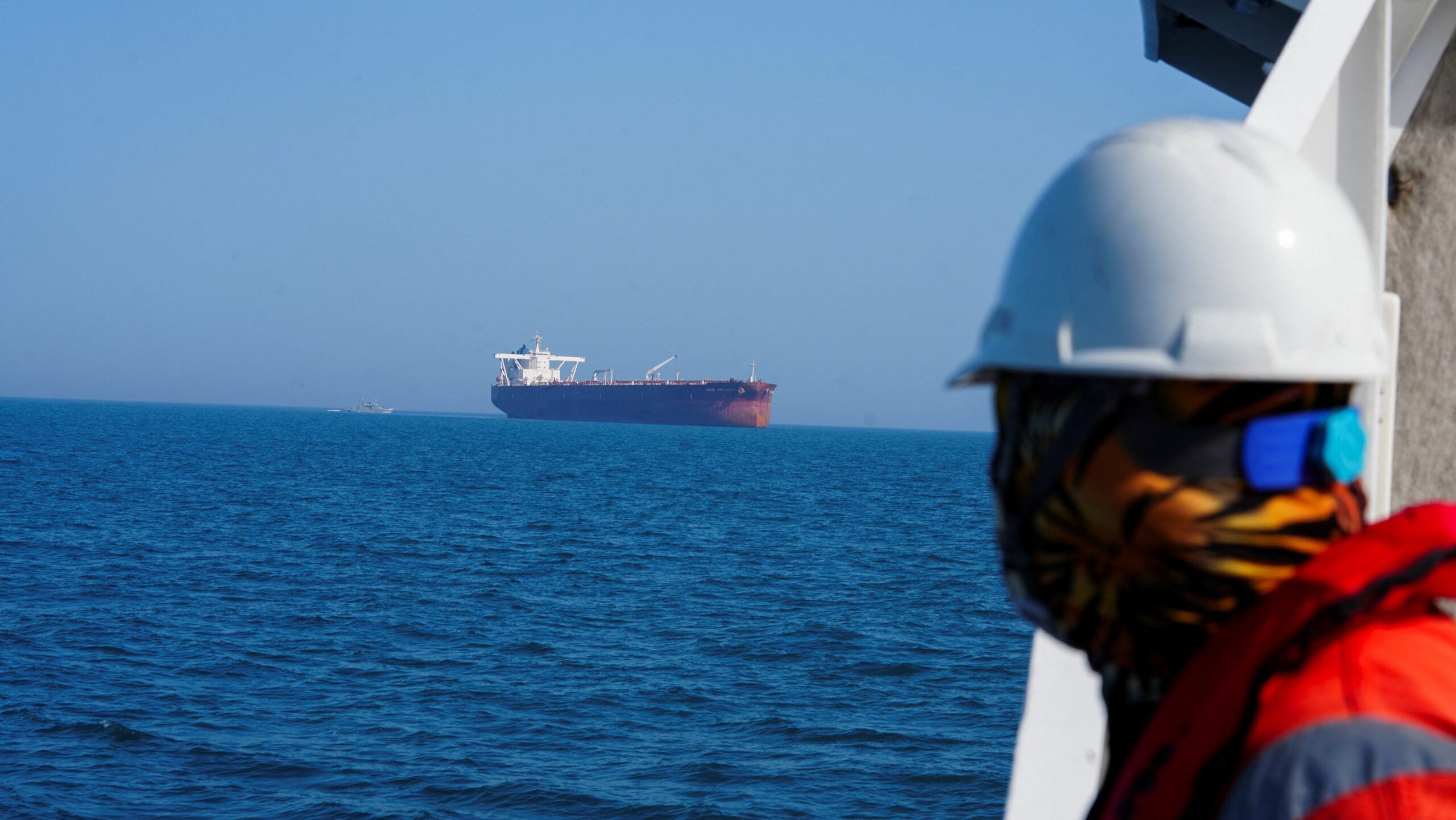
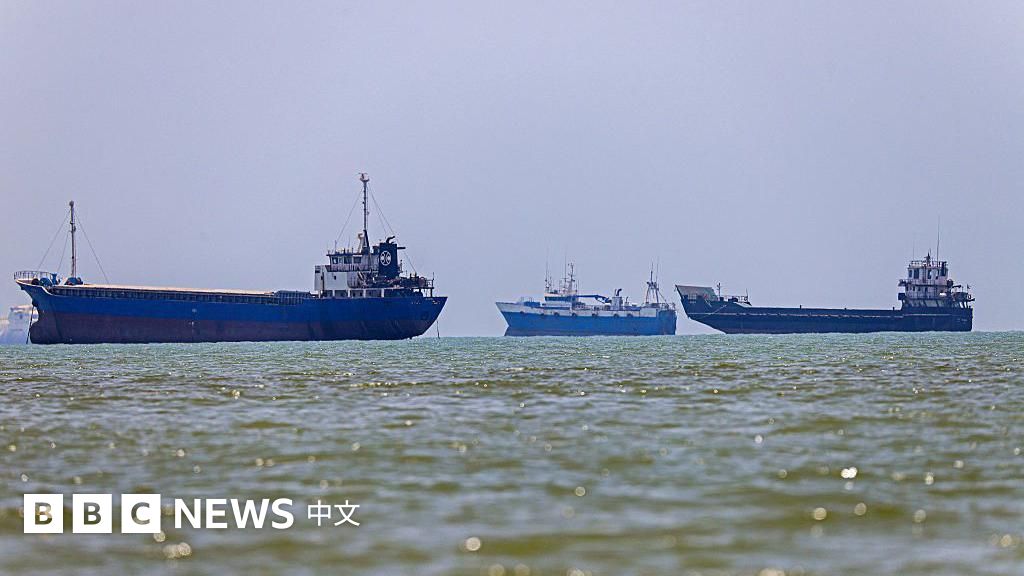
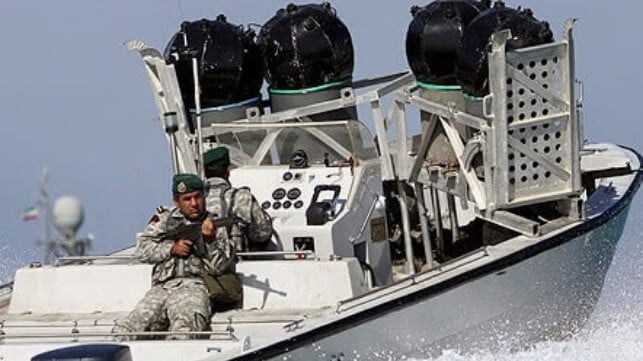
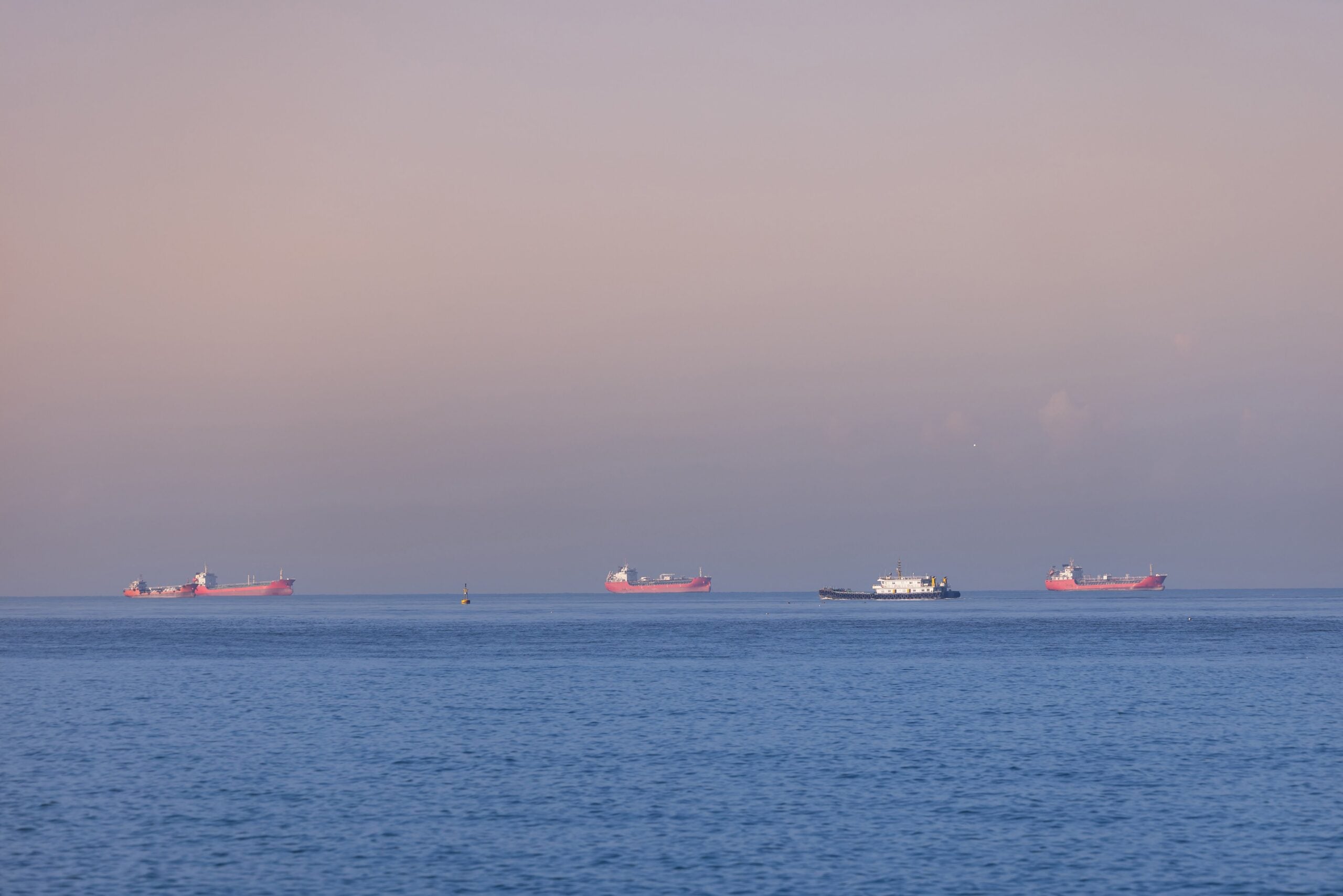
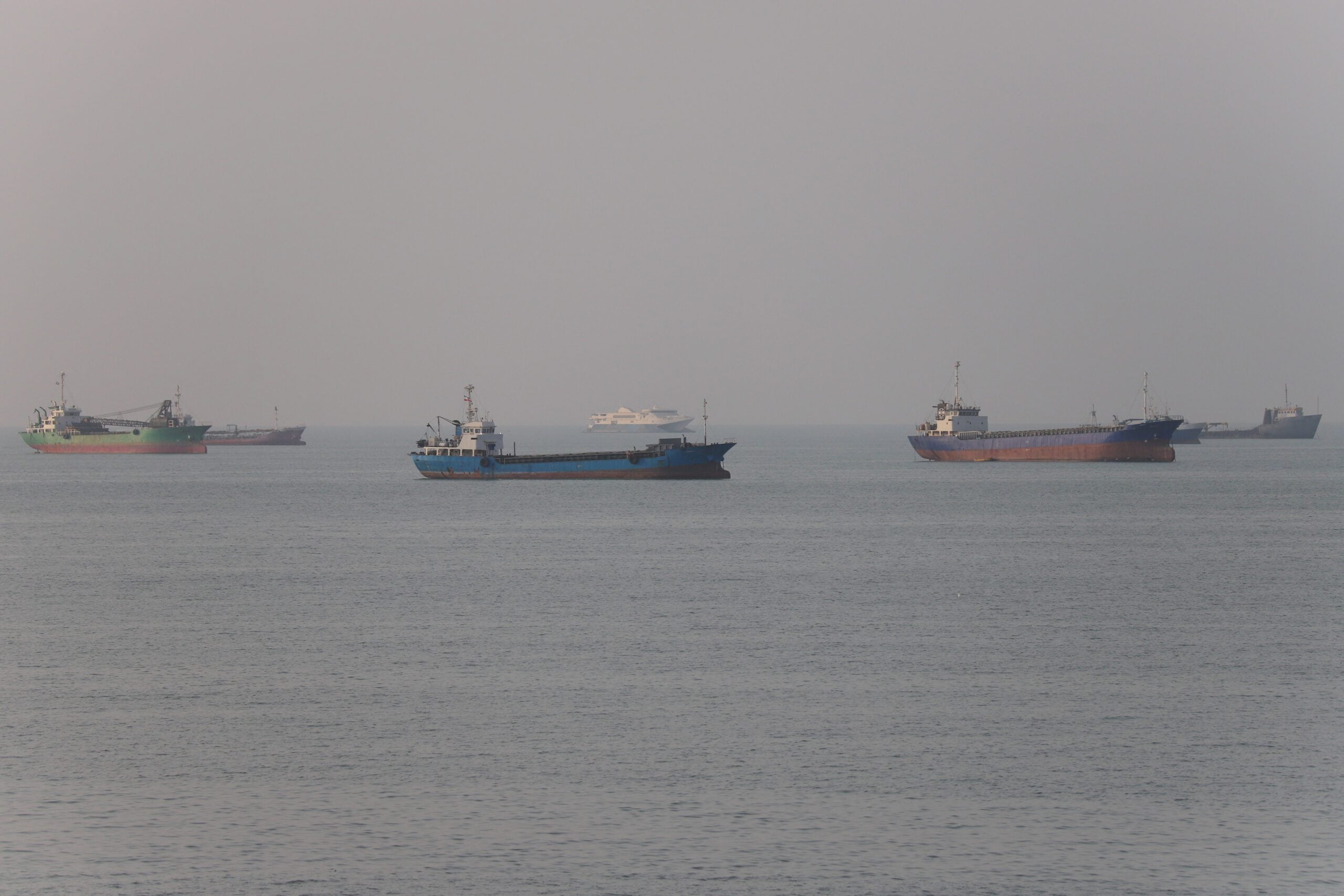
- Despite Iranian claims of closure, it is likely that the Strait of Hormuz is partially open under interim arrangements, with 55 commercial vessels reported transiting on 20 June, at least five tankers verified that day, a temporary Oman-led corridor in use, and South Korean-operated vessels exiting; Iran’s IRGC Navy rejects the southern route and disputes control, keeping maritime risk elevated. (Confidence: medium · ASSESSED)
- I&W: Daily reported transits sustain at or above 50 vessels and additional flag or coastal states direct merchant traffic via the Oman-coordinated corridor. (0-14 days)
- I&W: A verified mine strike, interdiction, or boarding by the IRGC Navy on the southern route prompts new IMO guidance to halt movements. (0-14 days)
- A US-Iran memorandum to end hostilities and reopen Hormuz is in play and likely includes a 60-day waiver on shipping tolls, but its scope is contested and implementation uneven, with Iran signalling its missile programme will not be covered and conflicting accounts of when and by whom it was signed. (Confidence: medium · ASSESSED)
- I&W: Public release of the signed memorandum text and implementing notices, including the 60-day toll waiver and joint Iran-Oman navigation working group procedures. (0-1 month)
- I&W: Official Iranian statements declare the memorandum breached and revive threats of tolls or closure of Hormuz. (0-14 days)
- It is likely that continued clashes in Lebanon are constraining the schedule and venue of US-Iran technical talks, with Iranian officials declining travel to Switzerland during flare-ups and Washington dispatching senior envoys to keep the track alive. (Confidence: medium · ASSESSED)
- I&W: Facilitators announce the de-confliction cell is operational and Swiss-hosted sessions proceed on schedule. (0-1 month)
- I&W: Official postponement of Swiss talks citing fresh Israel-Hezbollah exchanges or new Israeli directives to sustain operations in southern Lebanon. (0-14 days)
Outlook & scenarios
Managed de-escalation with phased reopening of Hormuz (40%)
The Oman-coordinated southern corridor normalises daily transits while the memorandum’s 60-day no-toll provision is implemented. A de-confliction cell limits exchanges on the Lebanon front to sporadic violations, allowing Swiss technical talks to proceed in stages.
Lebanon flare-up derails talks and renews Gulf attacks (35%)
Ceasefire violations escalate into sustained cross-border fire. Tehran-linked Iraqi cells strike at Gulf states hosting US forces and Iran renews threats against US-associated sites in the UAE. Shipping through Hormuz faces renewed interference as the IRGC contests the southern route.
Protracted limbo with contested narratives and partial flows (50%)
US Central Command continues to report regular transits and selective exits of stranded vessels as Iran disputes control and rejects routing. Talks stutter but do not collapse. Maritime risk remains elevated due to mines and competing guidance, keeping insurers and shipowners cautious.
Recommendations
- Maritime picture: compile a daily, reconciled transit count for Hormuz using CENTCOM, UKMTO and MICA reporting, flagging deviations from the Oman-coordinated routing and any incidents on the southern corridor.
- Mine threat: prioritise collection on mined areas and task partners’ mine countermeasures units against the Strait’s former Traffic Separation Scheme; brief US-flagged and partner operators that the TSS remains unusable until cleared.
- Force protection in the UAE and Bahrain: raise posture at US and partner facilities aligned with the public Iranian threat, harden access control and pre-position medical and EOD response, coordinating with host-nation forces.
- IRGC networks: target collection on newly formed Iraqi cells, including logistics nodes, facilitators, and cross-border movement patterns, and share leads with Iraqi counterparts for disruption.
- Talks insulation: support rapid stand-up of the Pakistan/Qatar-facilitated de-confliction cell and press for visible compliance reporting to reduce spillover from the Lebanon front during Swiss sessions.
- Shipping communications: advise operators that the memorandum foresees a 60-day waiver on tolls and that Oman will keep Hormuz open, while warning that Iran contests the southern route; instruct use of recognised reporting channels and avoidance of the northern track.
Confidence & uncertainty
Overall confidence is low because core elements rest on conflicting open-source claims. The status of the Strait of Hormuz is disputed between Iranian closure announcements and US Central Command transit reporting, and implementation details of the US-Iran memorandum, including signatories and timing, are inconsistent across sources. Missile and UAV tallies vary markedly between NGO and media reporting. While several claims come from official or major media sources, others are single-source or advocacy-based, and some timelines conflict. The analytic picture is credible at a high level but lacks consistent, corroborated detail on key points.
Alternative analysis (red cell)
Multiple key judgments depend on internally inconsistent claim pairs (e.g., claims 2422fe6b vs 0a92cb41; claims ea0ef982 vs e1541a5d; claims 6ff24136 vs 405d8812) or single-source/low-admiralty items (e.g., claim 458ace2e C4, claim e44d5bce C1). A plausible alternative reading is that munitions/casualty totals are uncertain, Lebanon experienced a largely paused front with episodic violations, Hormuz transits are intermittent and contested rather than broadly reopened, and any US–Iran diplomatic understandings remain unverified and contested. Substantive resolution requires the higher‑admiralty operational, forensic, and documentary collection listed above.
Cited sources
[1] Wikipedia · Timeline of the 2026 Iran war (B) · sha256:147390bf191b [2] Wikipedia · 2026 Iran war (B) · sha256:8f9d5b1ba09e [3] Jerusalem Institute of Justice · IRGC missile, drone attacks should be prosecuted at ICC as war crimes, Israeli NGO says (C) · sha256:8d281072a2b0 [4] The Jerusalem Post · Live Updates: Latest from Israel, Iran, and Middle East | The Jerusalem Post (A) · sha256:148c08cf5493 [5] nypost.com · Conflict erupts in Lebanon between Israel, Hezbollah — just hours after 2 sides reach critical truce (B) · sha256:bba1c2299dbc [6] HuffPost · Israel And Hezbollah Agree To Halt Fighting, Officials Say, As U.S.-Iran Talks Hang In The Balance (B) · sha256:b54e0fd71f1b [7] The Jerusalem Post · Live Updates: Latest from Israel, Iran, and Middle East | The Jerusalem Post (B) · sha256:8f6303c983bc [8] ynetnews.com · ‘Quiet will be met with quiet’: IDF holds fire as Iran threatens Israel (B) · sha256:640e8c7e59e2 [9] Atlantic Council · What the US-Iran deal means for the rest of the Middle East (and beyond) (C) · sha256:5f93318fe142 [10] haaretz.com · Iran set up covert Iraqi cells to attack Gulf neighbors, sources say (B) · sha256:d2ca3d835df0 [11] U.S. Department of State · United Arab Emirates Travel Advisory (A) · sha256:7a0c71f2991b [12] amendments-rules.house.gov · [PDF] 1 2 Section 1245(b) of the National Defense Authoriza- 3 (A) · sha256:a57b56a613ef [13] BBC News 中文 · 霍爾木茲海峽:協議剛簽談判在即再度封航 美國質疑伊朗吹噓 - BBC News 中文 (A) · sha256:3f41eff5b41f [14] maritime-executive.com · IRGC Navy Rejects IMO's Safe-Passage Plan for Strait of Hormuz (B) · sha256:5b015abb1741 [15] gcaptain.com · IMO Tells Ships to Stay Put, Await Instructions as Hormuz Evacuation Begins (B) · sha256:2eaa3088e4a6 [16] gcaptain.com · Marine Insurers Back Hormuz Peace Deal as Trump Says Iran Seeking 'No Tolls' (C) · sha256:2eadaf10069e [17] gcaptain.com · More Stranded Oil Tankers Exit Hormuz, Adding to Global Supply (B) · sha256:444c0e839db0 [18] whitehouse.gov · President Trump’s Iran Agreement Is America First in Action (A) · sha256:8298f9e42718 [19] Wikipedia · 2025–2026 Iran–United States negotiations (B) · sha256:90584cd3fcd2 [20] The New York Times · 美国武力威慑未能实现目标,伊朗战争究竟取得了什么成果 (A) · sha256:647fa0481076 [21] gcaptain.com · UK Minehunting Force Arrives in Middle East as Multinational Hormuz Mission Takes Shape (A) · sha256:c3e2cea96ee4 [22] haaretz.com · Trump's threats to 'blow the shit' out of Iran strain first round of truce talks in Switzerland (B) · sha256:7f26a1724b1c
Source content hashes were computed at collection time; the cited text is preserved unmodified for the life of this product.
Red cell review: PARTIAL DISSENT
TLP:CLEAR