TLP:CLEAR · Disclosure is not limited.
Iran, Israel Escalation: Hormuz Shipping Risk High, Lebanon Track Stalls, Doha Talks Unclear
Time window: Last 1 day · Audience: General analyst · Type: Situation report · DTG: 2026-06-30 10:39Z · Overall confidence: MEDIUM
BLUF
Maritime risk in the Strait of Hormuz remains elevated despite a partial traffic rebound, while Israel’s operations in southern Lebanon and Hezbollah’s rejection of the framework deal make near-term de-escalation unlikely. Technical talks in Doha are uncertain amid conflicting signals from Tehran and media on both sides.
Executive summary
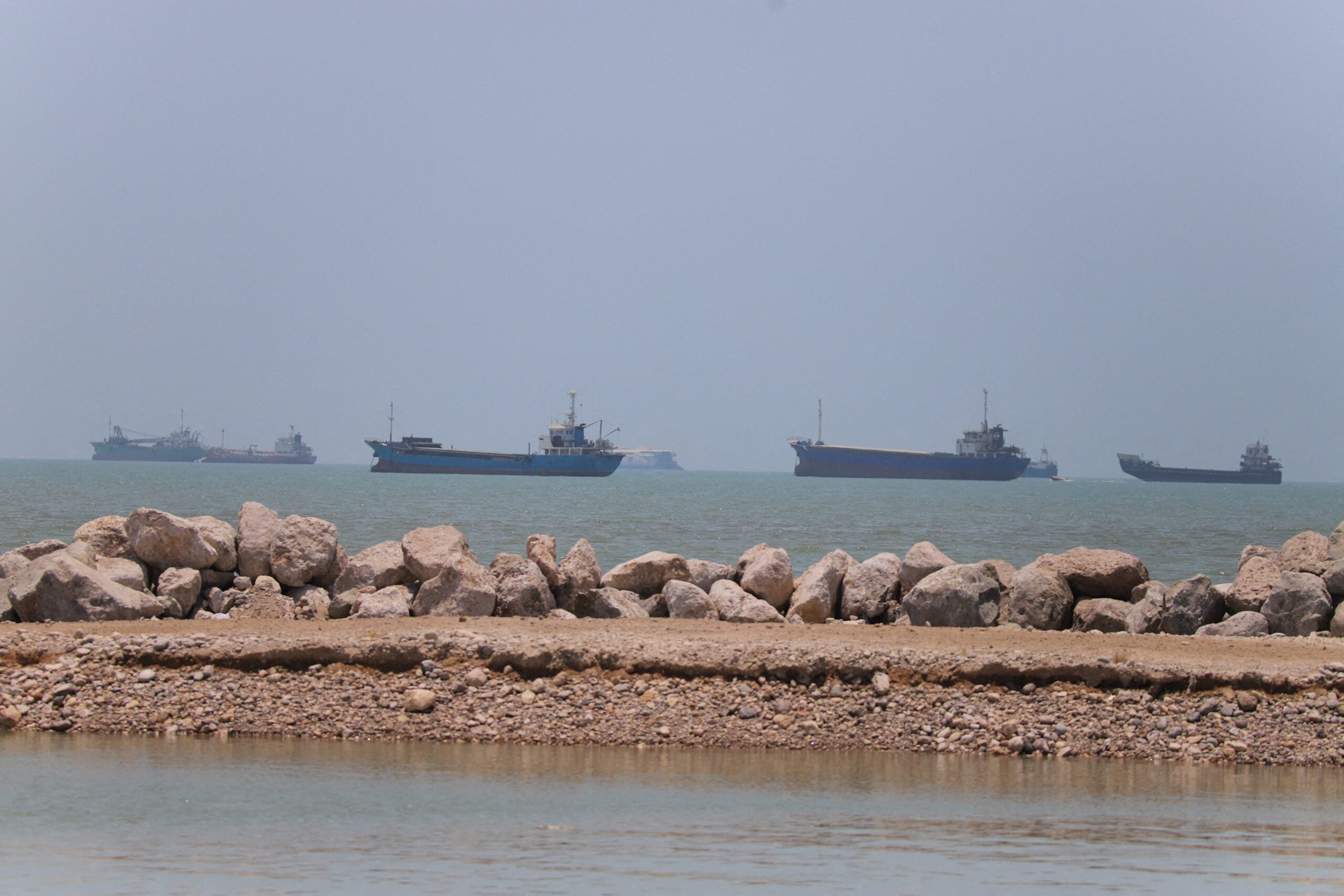
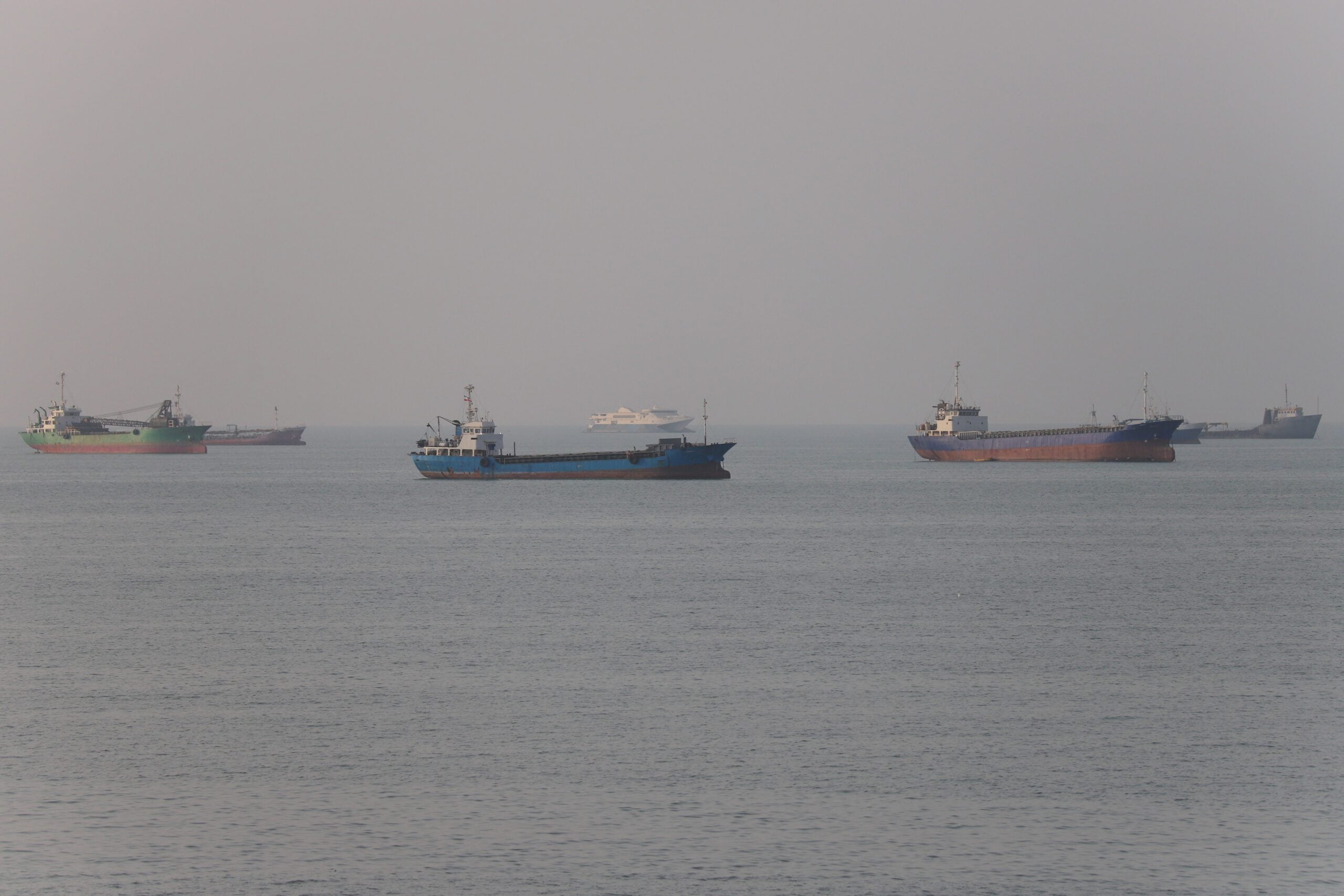
Attacks on a ship carrying Qatari oil and a Singapore-flagged container ship, a pause in LNG carrier transits, and a raised regional maritime threat level point to sustained risk in the Strait of Hormuz even as some traffic resumes. In Lebanon, an Israeli convoy entered the south on 29 June and Hezbollah has rejected the 26 June framework agreement, with Israeli officials sceptical that Beirut can disarm Hezbollah. Gaza saw fresh fatalities from Israeli strikes. Inside Iran, two IRGC members were killed in western Iran and the IRGC claimed to have neutralised a terror cell. Multiple lines report US and Iranian technical delegations heading to Doha, but Iran has publicly denied any scheduled meeting, keeping prospects for talks roughly even.
Change from previous assessment
Since the 28 June brief, an Israeli convoy entered southern Lebanon on 29 June, reinforcing our assessment that the Lebanon track is stalling. Maritime risk around Hormuz remains high: LNG transits have paused even as overall traffic picked up, and the regional maritime threat level was raised. New, conflicting reporting emerged on US, Iran technical talks in Doha, reducing confidence in any near-term de-escalation via that channel. Inside Iran, two IRGC members were killed in the west and the IRGC claimed to have taken out a terror cell, adding an internal security dimension. Gaza saw eight killed and 26 wounded over the past day, indicating continued kinetic activity.
Key judgments
- It is very likely the Israel, Lebanon framework signed on 26 June will face immediate implementation deadlock, with continued Israeli operations in southern Lebanon and Hezbollah’s rejection sustaining a volatile frontline over the next 1-3 months. (Confidence: high · ASSESSED)
- I&W: Additional Israeli military vehicle movements documented entering southern Lebanon within 0-14 days. (0-14 days)
- I&W: Official readout of an Israeli, Lebanese security committee announcing initial deployments and weapons collection in southern Lebanon, signalling implementation traction. (1-3 months)
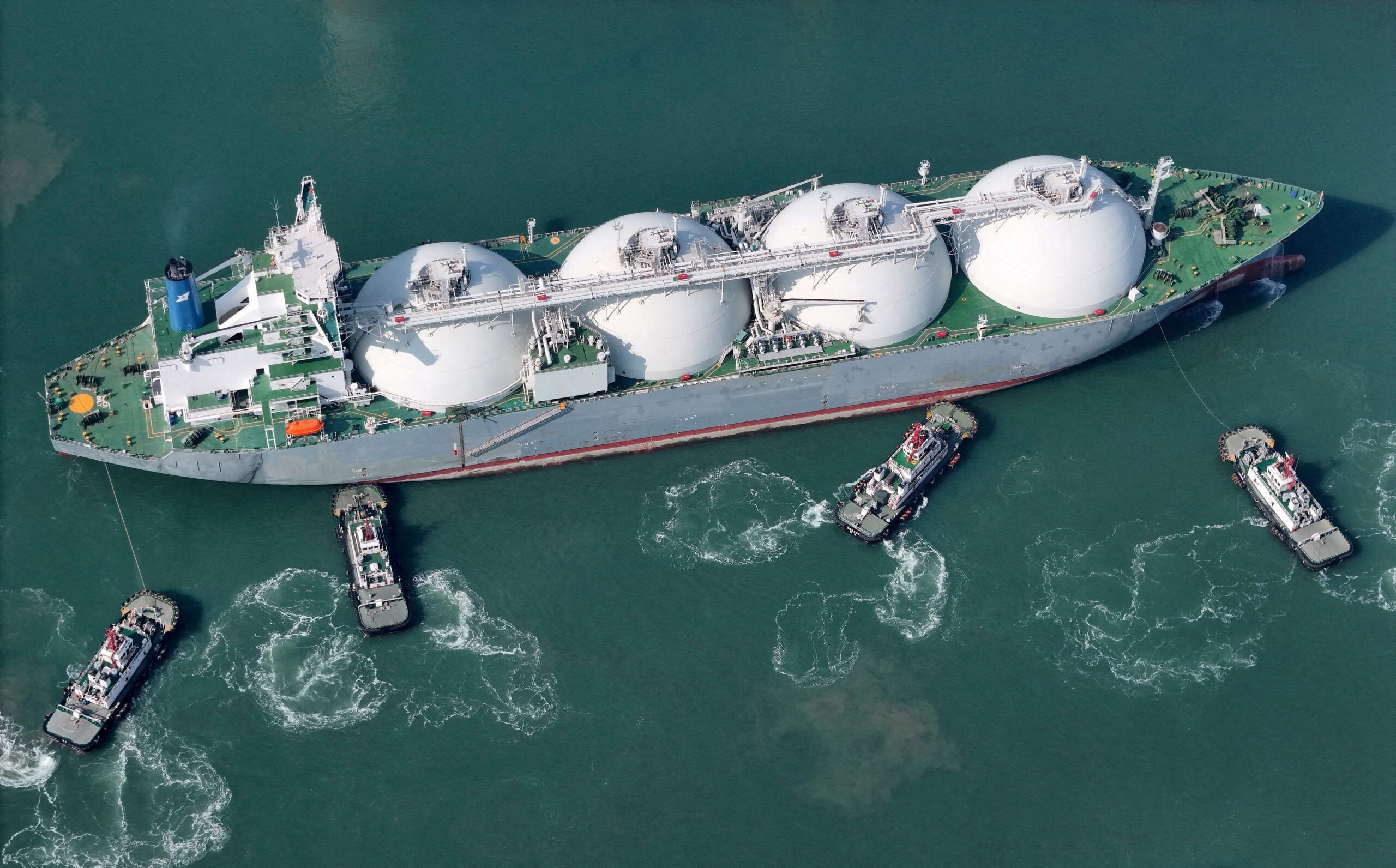
- It is very likely the security risk to commercial shipping in the Strait of Hormuz remains elevated despite a partial resumption of traffic, with LNG carrier transits paused, threat levels raised, and operators limiting bookings. (Confidence: high · ASSESSED)
- I&W: Inbound and outbound LNG carriers remain absent from Hormuz transits and the Joint Maritime Information Center keeps the threat level at substantial. (0-14 days)
- I&W: AIS data shows LNG carriers resuming routine transits and the Joint Maritime Information Center downgrades the threat level to moderate. (0-14 days)
- There is a roughly even chance that US and Iranian technical teams will meet in Doha in the coming days: multiple reports of delegations heading to Qatar are countered by Tehran’s public denials of any scheduled meeting. (Confidence: low · ASSESSED)
- I&W: Qatar’s Foreign Ministry issues an official readout and photos of US and Iranian technical delegations meeting in Doha. (0-14 days)
- I&W: Iran’s Foreign Ministry reiterates that no meeting will occur and Qatar publicly denies hosting any US, Iran session. (0-14 days)
- It is likely low-level confrontation risk along the Israel, Syria frontier has increased, with recent IDF artillery and helicopter fire at Tel Qudna, Syrian government condemnation, and friction with civilians in the buffer zone. (Confidence: medium · ASSESSED)
- I&W: Additional reported IDF fire incidents near Quneitra or Daraa carried by both Israeli and Syrian outlets. (0-14 days)
- I&W: A publicly announced deconfliction arrangement and a two-week lull in reported border incidents. (0-14 days)
- It is likely internal security tensions in western Iran escalated around 29-30 June, with lethal attacks on IRGC personnel and an IRGC-claimed counter-terror operation. (Confidence: medium · ASSESSED)
- I&W: State media reports of funerals or arrests linked to the Kermanshah shootings and the named IRGC operation. (0-14 days)
- I&W: No further IRGC-targeted attacks reported in western Iran over a one-month period. (1-3 months)
- Reported casualty and displacement figures indicate a severe humanitarian toll in Lebanon and continued civilian deaths in Gaza, though Lebanon’s fatality totals are contested. (Confidence: medium · REPORTED)
- I&W: Updated casualty and displacement tallies from Lebanese authorities or UN agencies corroborating or revising reported figures. (0-14 days)
- I&W: Independent verification shows materially lower fatality counts than previously reported. (0-14 days)
- It is likely Iran-linked cyber activity against Israeli targets surged in June 2026, adding pressure across non-kinetic domains. (Confidence: low · ASSESSED)
- I&W: Israeli cyber authorities or reputable threat intelligence firms publish data corroborating a spike to several thousand incidents in June. (0-14 days)
- I&W: Official Israeli reporting indicates attack volumes remained near historical baselines. (0-14 days)
Outlook & scenarios
Protracted shadow conflict with elevated maritime risk (50%)
Attacks and near-misses in the Strait of Hormuz persist and LNG transits remain cautious or paused, while container and crude flows recover unevenly under contingency measures. The Israel, Lebanon framework stalls as Hezbollah resists disarmament and IDF activity in southern Lebanon continues at a low tempo. Cyber operations remain active. The absence of a clear diplomatic breakthrough sustains a tense but managed confrontation.
Fragile de-escalation via Doha technical track (35%)
US and Iranian technical delegations meet in Doha under Qatari and European facilitation, reinforcing messaging to halt direct strikes. Maritime threat levels ease, LNG traffic cautiously resumes, and insurers relax some restrictions. On the northern front, implementation steps on the Israel, Lebanon framework begin slowly but face political friction.
Escalation spiral and wider regional confrontation (20%)
A fresh maritime attack or deadly cross-border incident triggers rapid tit-for-tat strikes. Hezbollah, Israel clashes intensify and spill across borders. Iran’s hard line on controlling transit through Hormuz contributes to shipping standstills, prompting additional US strikes. Diplomatic channels in Doha collapse amid mutual recriminations.
Recommendations
- Task collection to verify whether LNG carriers resume Hormuz transits and track the Joint Maritime Information Center threat level; fuse AIS, satellite and port call data with operator advisories.
- Prioritise liaison with Qatari officials and monitoring of public readouts to confirm or refute US, Iran technical meetings; maintain a watch on departures and arrivals of named US and Iranian delegates.
- Maintain an incident log for southern Lebanon with geolocated imagery of IDF convoys and demolition activity to assess whether the framework is advancing or stalling.
- Compile and reconcile casualty and displacement figures for Lebanon and Gaza from official and multilateral sources; clearly annotate ranges and confidence to avoid overstating precision.
- Increase monitoring of Iranian domestic security reporting in Kermanshah and adjacent provinces for signals of further IRGC-targeted violence or crackdowns that could affect Tehran’s external posture.
- Engage with major carriers and insurers on contingency routing and booking restrictions affecting Gulf ports; highlight second-order impacts on critical imports for regional states.
- Expand cyber threat intelligence sharing focused on Iranian-attributed activity targeting Israeli networks, seeking corroboration from independent vendors to validate reported spikes.
Confidence & uncertainty
Overall confidence is medium. Maritime risk assessments, operator advisories and shipping movement data are mutually reinforcing, supporting high confidence around elevated risk in the Strait of Hormuz. Reporting on Israeli activity in southern Lebanon and Hezbollah’s rejection of the framework is corroborated across multiple sources. However, casualty figures in Lebanon diverge, and diplomatic reporting on US, Iran technical talks is explicitly contradictory, with simultaneous claims of delegations travelling to Doha and Iranian denials of any meeting. Iranian internal security incidents are reported by state-linked and major media but lack independent detail. These gaps and contradictions prevent a high-confidence overall judgement.
Alternative analysis (red cell)
The claims collection is uneven and contains direct contradictions and several single‑source assertions that permit alternative interpretations. For example, Lebanese and international acceptance of the June 26 framework leaves open partial or phased implementation despite Hezbollah rejection. Maritime and Doha‑meeting reports are similarly mixed (claims 055a951d vs. 0e9b3b46; claims d490f725/b226f3eb vs. c29aef1f/500c0ca8), and cyber/western‑Iran incident figures rely on lone official attributions. Targeted collection (operational directives, AIS/booking data, Qatari venue/arrival records, CERT forensics, and UN/NGO humanitarian tallies) would materially reduce these uncertainties.
Intelligence gaps
- [EEI 1.1 · PARTIAL] Detection and characterization of ballistic/cruise missile or rocket launches originating from Iranian territory or from Iran-controlled positions in Iraq/Syria (time, launch coordinates, missile type, flight trajectory/impact area). Recommended collection: satellite/imagery
- [EEI 1.4 · PARTIAL] Evidence of pre-positioning or arming of naval mines, fast attack craft, or anti-ship missile systems in the Gulf of Oman, northern Arabian Sea, or off the Lebanese/Syrian coasts that could be used to interdict Israeli or allied shipping. Recommended collection: maritime/AIS
- [EEI 2.1 · UNCOVERED] Movements and tasking changes of external military assets: carrier strike groups, amphibious ready groups, expeditionary air wings, or ballistic-missile defense units into the Eastern Mediterranean, Persian Gulf, or Red Sea (vessel/aircraft IDs, routing, on-station times). Recommended collection: maritime/AIS
- [EEI 2.3 · UNCOVERED] Changes to force protection or alert levels at foreign bases in the region (e.g., US bases in Kuwait, Qatar, UAE; Russian bases in Syria): activation of additional air defenses, curfews, or reinforcement shipments (personnel/equipment manifests). Recommended collection: signals/intel
- [EEI 3.1 · PARTIAL] Incidents against commercial vessels: attacks, seizures, mine strikes, or forced rerouting of tankers and bulk carriers in the Strait of Hormuz, Bab al-Mandeb, Red Sea, or eastern Mediterranean (vessel names/IMO, location, damage/impairment). Recommended collection: maritime/AIS
- [EEI 3.2 · UNCOVERED] Changes in crude oil and refined product flows from key terminals (reported tanker loading delays, terminal closures, throughput volumes at Kharg, Mina al-Ahmadi, Ras Tanura, and major Gulf ports compared to baseline). Recommended collection: commercial/ports
- [EEI 3.3 · PARTIAL] Market and insurance indicators: sudden spikes in war-risk or hull insurance premiums for Middle East routes, large moves in regional FX/stock indices, and notable changes in commodity futures (oil, freight rates) tied to regional risk perceptions. Recommended collection: financial/transactional
Cited sources
[1] jpost.com · Israel-Lebanon deal may entrench stalemate rather than end war - analysis (B) · sha256:850b5202795a [2] The Jerusalem Post · Live Updates: Latest from Israel, Iran, and Middle East | The Jerusalem Post (A) · sha256:c91947aa2430 [3] Rep. Becca Balint's Office · Rep. Balint Leads 75 Colleagues in Condemning Israeli Military Engagement in Lebanon, Destruction of Civilian Homes and Infrastructure (A) · sha256:dd02b724c61a [4] gcaptain.com · Pakistan Urgently Seeks LNG as Hormuz Flare-Up Chokes Supply (B) · sha256:70166fadbc71 [5] gcaptain.com · Hormuz Oil Transits Continue Though Attacks Make Owners Wary (B) · sha256:5a200fb1472e [6] gcaptain.com · Hormuz Traffic Climbs as Supertankers Sail Into Persian Gulf (B) · sha256:3f7546f66b35 [7] gcaptain.com · Maersk Raises 2026 Earnings Outlook as Container Market Strength Continues (C) · sha256:210932671fd3 [8] maritime-executive.com · Shipping Through Hormuz Holds Steady, But Little Clarity on Peace Talks (B) · sha256:c4043294a9b5 [9] haaretz.com · U.S. and Iran negotiators head to Doha, as high-level talks remain uncertain (B) · sha256:1227d8866da9 [10] gcaptain.com · Mediators Set Up De-escalation Channels Ahead of US-Iran Talks (A) · sha256:0398c34587b8 [11] skynewsarabia.com · محادثات أميركا وإيران. آخر الأخبار (B) · sha256:2f7f391b9aac [12] Al Jazeera · أخبار إيران | إيران | الجزيرة نت (A) · sha256:91f041ad7db3 [13] haaretz.com · Israeli strikes in Gaza kill eight, wound 26 over past day, Gaza health ministry says (A) · sha256:f4630d1548ed [14] gcaptain.com · Middle East Producers Push on With Oil and LNG Loadings Despite Ship Attacks (A) · sha256:d9e087bffb86 [15] ynetnews.com · Classified IDF phone lost in Syria as village clash exposes rising tensions (B) · sha256:ec2791193f75
Source content hashes were computed at collection time; the cited text is preserved unmodified for the life of this product.
Red cell review: PARTIAL DISSENT
TLP:CLEAR