TLP:CLEAR · Disclosure is not limited.
Iran-Israel Escalation Intensifies with Direct Attacks and Red Sea Security Deterioration
Time window: Last 1 day · Audience: General analyst · Type: Situation report · DTG: 2026-07-06 12:47Z · Overall confidence: MEDIUM
BLUF
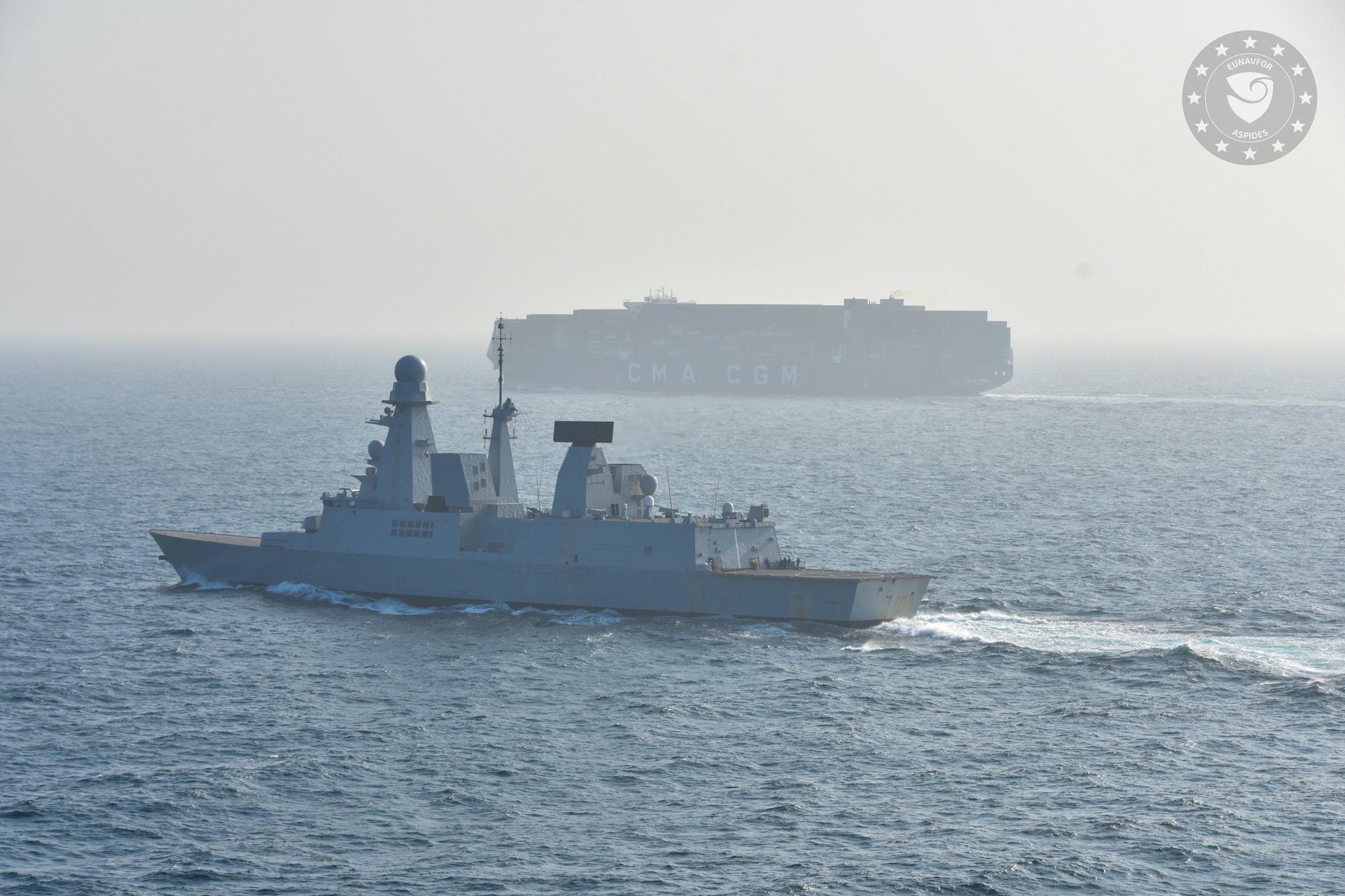
Iranian-sponsored forces have conducted another maritime attack in the Red Sea within the last 24 hours while Israel publicly declares readiness for renewed military action against any threat. The fragile ceasefire is increasingly vulnerable as both sides accelerate military preparations and the United States conducts ongoing naval operations in the Arabian Sea.
Executive summary
Hostilities between Iran and Israel have escalated significantly following Israel's February 28 assassination of Supreme Leader Ali Khamenei and subsequent US-Israeli military campaigns. Recent developments include a July 5 Red Sea attack on a commercial vessel, intensified Israeli military preparations for potential action in Lebanon, continued IDF operations in the West Bank, and limited resumption of maritime trade between Iran and Qatar. Both sides maintain readiness for renewed large-scale conflict despite a recent interim deal ending hostilities after four months of fighting.
Change from previous assessment
Confidence in maritime threat assessment has increased following confirmation of a new Red Sea attack on July 5. The assessment of Israeli military posture has become more urgent with Defence Minister Katz's explicit declaration of readiness for renewed operations. The prior brief's focus on funeral-related escalation windows remains relevant, but new evidence shows active military preparations are now the dominant driver of near-term escalation risk. Our confidence in Iranian air bridge capabilities to Yemen remains medium due to limited corroboration of cargo contents.
Key judgments
- Iranian-backed forces have conducted an attack on a commercial vessel in the Red Sea 30 nautical miles southwest of Hudaydah Port within the last 24 hours, confirming continued active threats to maritime security in this critical waterway. (Confidence: high · REPORTED)
- I&W: Confirmed Houthi claim of responsibility for the attack within 48 hours (0-2 days)
- I&W: Additional vessels reporting distress signals in the area within the next 72 hours (0-3 days)
- Israel very likely intends to resume military operations against Iranian targets or proxies in the near term, as demonstrated by Defense Minister Israel Katz's declaration of readiness to re-engage militarily 'at any time and against any threat' and preparations for potential action in Lebanon. (Confidence: medium · ASSESSED)
- I&W: Israeli Defense Ministry announcement of military mobilisation or new operations within 14 days (0-14 days)
- I&W: Unplanned departure of US military assets from Middle East bases (0-7 days)
- Iran continues to maintain and potentially expand its direct air bridge capabilities to Yemen despite regional diplomatic efforts, enabling sustained resupply of Houthi forces with minimal interdiction. (Confidence: medium · ASSESSED)
- I&W: Satellite imagery confirming another Iranian aircraft landing at Sanaa within 10 days (0-10 days)
- I&W: Houthi claims of new Iranian-supplied weapon systems deployed in Yemen (1-4 weeks)
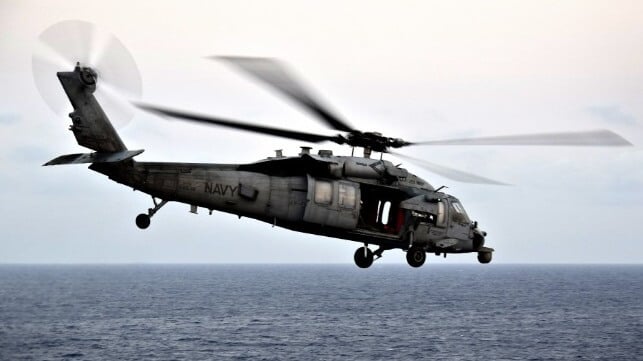
- The United States is very likely to maintain or increase its substantial naval presence in the Arabian Sea following the suspension of a multi-day search for a missing sailor from a helicopter crash, reflecting ongoing high readiness levels for potential escalation with Iran. (Confidence: medium · ASSESSED)
- I&W: Additional US carrier strike group arriving in the region within 21 days (2-3 weeks)
- I&W: US Fifth Fleet announcing new freedom of navigation operations in the Persian Gulf (0-14 days)
Outlook & scenarios
Immediate Renewal of Major Combat (35%)
Israel launches significant retaliatory strikes against Iranian targets following perceived provocations, triggering immediate Iranian counterattacks against US bases and Israel. This scenario becomes more likely if Hezbollah attacks Israeli civilian areas or if intelligence indicates imminent Iranian nuclear facility activities. The 2026 war would resume in earnest during July, with expanded regional involvement.
Controlled Deterrence and Limited Proxy Warfare (50%)
Both sides maintain the fragile ceasefire while continuing limited proxy engagements through groups like the Houthis and Hezbollah. Iran sustains its air bridge to Yemen while Israel focuses on degrading Hezbollah's infrastructure in Lebanon. This cold peace continues through September with periodic escalation below the threshold of full-scale war, allowing for behind-the-scenes diplomacy.
Rapid De-escalation through Gulf-Led Diplomacy (10%)
Following Oman's talks with Iran, France and the UK, a comprehensive regional security framework emerges that addresses Iranian concerns about maritime security while guaranteeing freedom of navigation. Saudi Arabia leverages its March 2023 normalization agreement to broker broader talks, resulting in a permanent cessation of hostilities by early August. This scenario would require significant internal political changes in Iran's leadership following Khamenei's death.
Prolonged Stalemate with Gradual Economic Collapse (40%)
Continued blockade of the Strait of Hormuz leads to further economic damage to Iran while international sanctions pressure mounts. Oil prices remain volatile between $70-90 per barrel, with maritime insurance costs quadrupling. Iran works around the clock to restore military capabilities while gradually restoring internet service due to economic pressures. This grinding conflict persists through 2026 with sporadic flare-ups but no major new military campaigns.
Recommendations
- Establish monitoring protocols for Israeli Defence Ministry announcements and potential military movements in Lebanon within the next 14 days to detect immediate escalation signals
- Track Houthi military statements and Iranian flight schedules to Sanaa with priority attention to any claims of new weapon capabilities within Yemen
- Coordinate with maritime security actors to analyse Red Sea vessel attack patterns in the 30 nautical mile southwest corridor of Hudaydah Port for predictive targeting assessments
- Monitor resumption of Iranian maritime trade with Qatar through Dayyer port for indications of broader economic normalization efforts in the Gulf region
- Develop contingency planning for expanded naval operations in the Arabian Sea given the United States' ongoing substantial military presence and recent search and rescue activities
Confidence & uncertainty
Overall confidence is assessed as medium due to multiple reliable sources corroborating core military activities and security incidents, including US military reporting on naval operations and major media reporting on maritime attacks. Several key developments surrounding Iranian capabilities and intentions, however, rest on single-source reporting or require analytical inferences beyond directly reported events. Unconfirmed diplomatic channels and the opaque nature of Iranian decision-making regarding Khamenei's succession introduce significant uncertainty that prevents higher confidence assessment despite generally reliable documentation of recent attacks and military movements.
Intelligence gaps
- [EEI 1.1 · UNCOVERED] Detection and characterization of ballistic/cruise missile or rocket launches originating from Iranian territory or from Iran-controlled positions in Iraq/Syria (time, launch coordinates, missile type, flight trajectory/impact area). Recommended collection: satellite/imagery
- [EEI 2.3 · UNCOVERED] Changes to force protection or alert levels at foreign bases in the region (e.g., US bases in Kuwait, Qatar, UAE; Russian bases in Syria): activation of additional air defenses, curfews, or reinforcement shipments (personnel/equipment manifests). Recommended collection: signals/intel
- [EEI 3.2 · PARTIAL] Changes in crude oil and refined product flows from key terminals (reported tanker loading delays, terminal closures, throughput volumes at Kharg, Mina al-Ahmadi, Ras Tanura, and major Gulf ports compared to baseline). Recommended collection: commercial/ports
Cited sources
[1] gcaptain.com · Cargo Ship Reports Attack Off Yemen, Adding To Red Sea Risks (B) · sha256:4390cf49eb2f [2] Institute for the Study of War (ISW) and The Critical Threats Project (CTP) at the American Enterprise Institute · Iran Update Special Report, July 5, 2026 (B) · sha256:b2a6c74e305b [3] theguardian.com · Iran seeks to tighten control over strait of Hormuz alongside Khamenei funeral (A) · sha256:df3833c6b0e4 [4] cryptobriefing.com · Israel ready for military action amid fragile ceasefire with Iran (B) · sha256:9bf649830561 [5] jpost.com · As the IRGC, Mojtaba Khamenei seek revenge, Israeli officials fear renewed Iran fighting - analysis (B) · sha256:fac24cf2da49 [6] ynetnews.com · Saudi surrender in Yemen: The Iranian flight threatening Israel (B) · sha256:6a1257c2c682 [7] maritime-executive.com · U.S. Navy Calls Off Search for Missing Helicopter Crewmember in Arabian Sea (A) · sha256:7028c69f51b6 [8] Wikipedia · 2026 United States military buildup in the Middle East (B) · sha256:8e987547406e
Source content hashes were computed at collection time; the cited text is preserved unmodified for the life of this product.
TLP:CLEAR